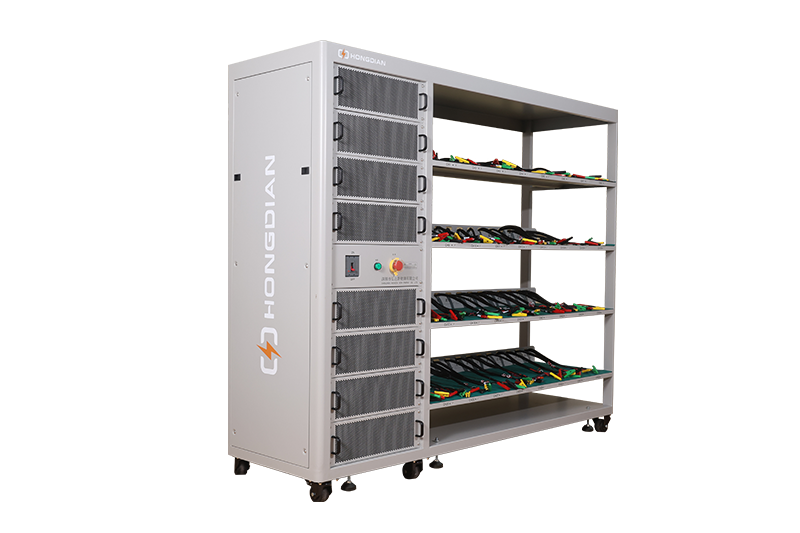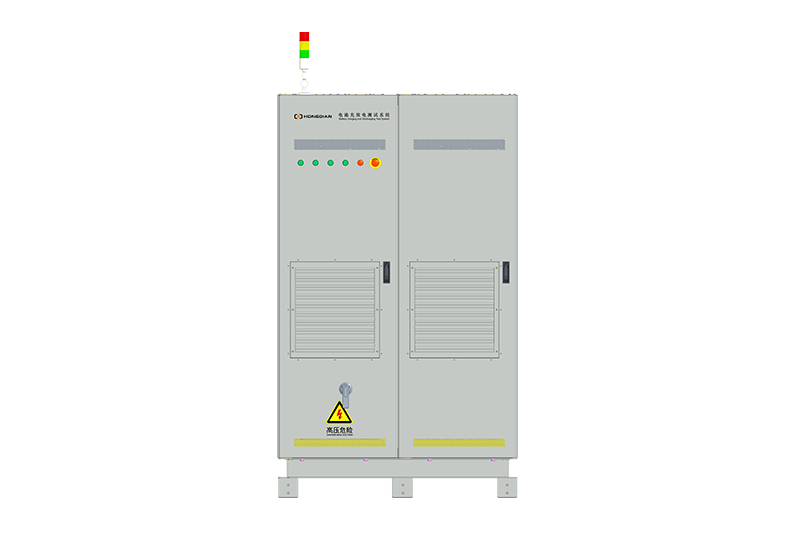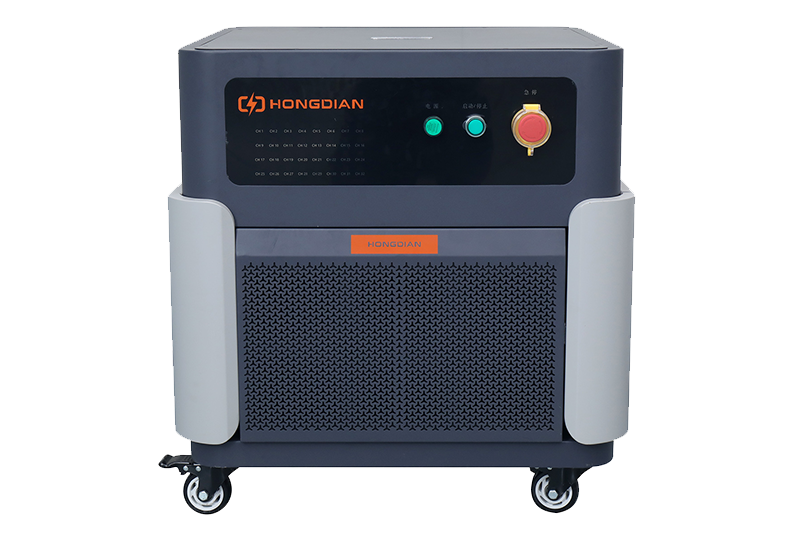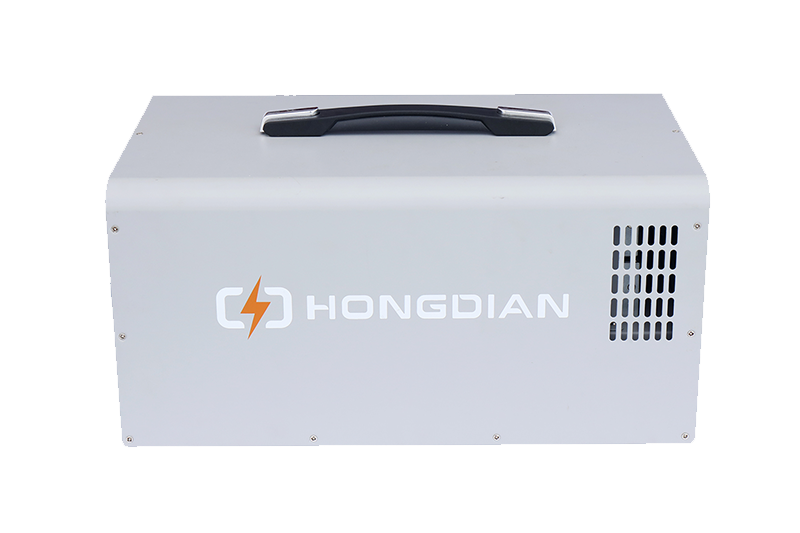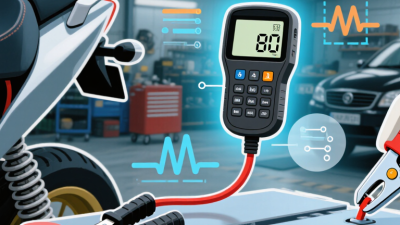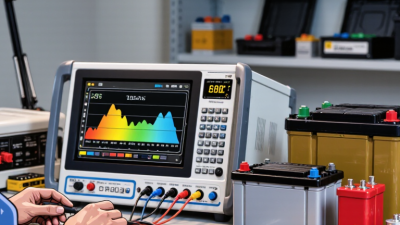
32/48 channel battery charging and discharging test integrated battery cabinet
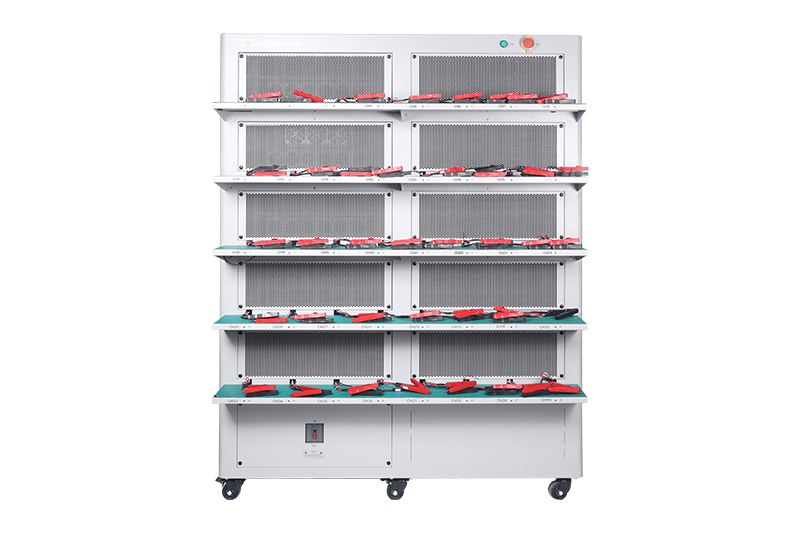
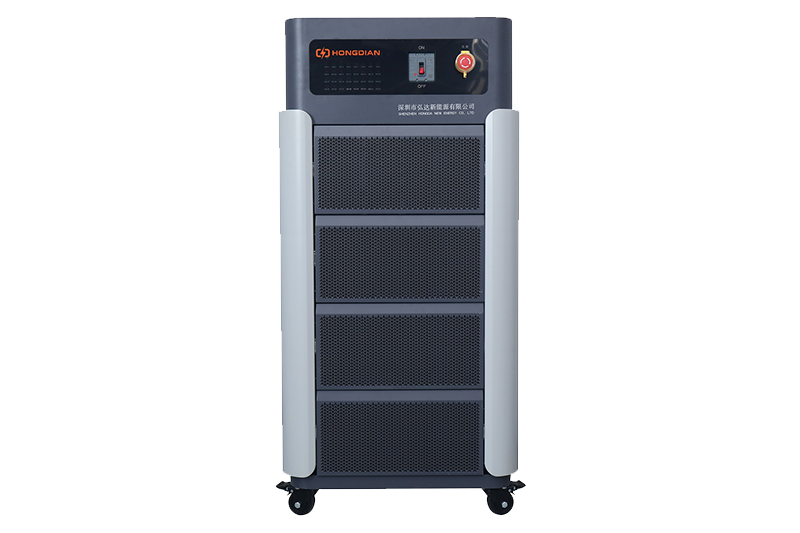
40 channel battery charging and discharging test integrated battery cabinet
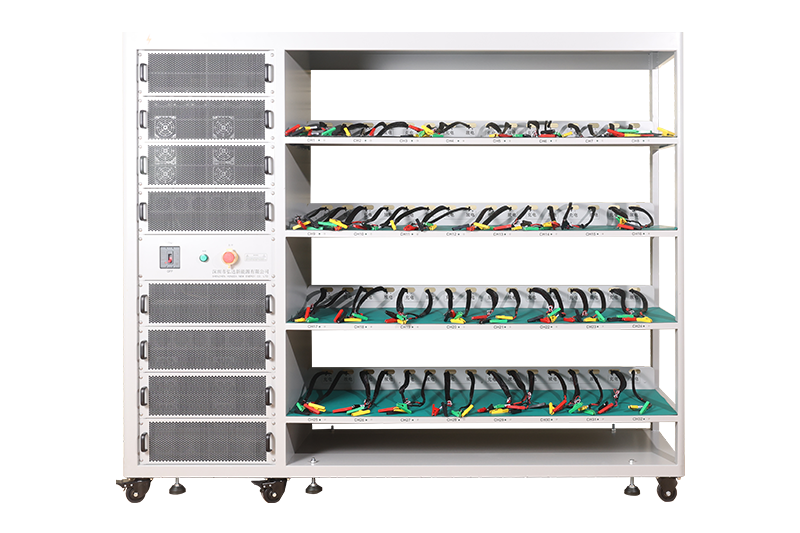
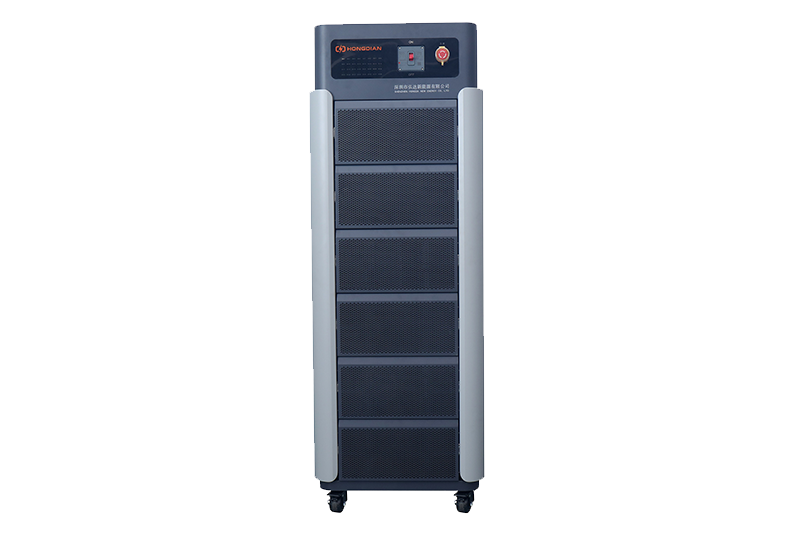
64 channel battery charging and discharging test integrated battery cabinet
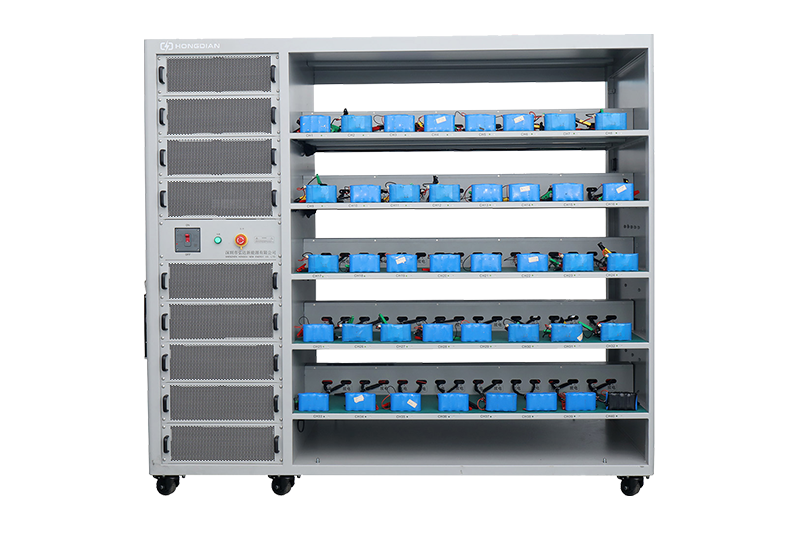
80 channel battery charging and discharging test integrated battery cabinet
A battery can look dependable on a specification sheet and still sag under a demanding load. That is why a High Rate Discharge Tester matters: it records how voltage, current, and temperature behave while a battery supplies power. The detail is practical. A voltage dip during a short, heavy discharge can reveal limits that a slow capacity test may miss.
The need for better testing is growing. The International Energy Agency’s Global EV Outlook 2024 reports that electric-car battery demand exceeded 750 GWh in 2023, about 40% higher than in 2022. More batteries mean more products to validate, compare, and monitor. Yet a test result is only useful when its current profile, cutoff voltage, ambient temperature, and measurement accuracy are clear. Small differences in setup can change the story.
Battery researcher Jeff Dahn’s published work offers a useful lesson, paraphrased here: battery performance comparisons depend on controlled, clearly reported test conditions. That principle guides this list of 10 high rate discharge testers. We consider current range, channel count, safety protections, data logging, and ease of use. A large current rating alone is not enough. Look for stable readings, reliable thermal monitoring, and settings that match your battery chemistry and test plan. Some specifications still leave room for interpretation. Check them against your actual workload before buying.
A high-rate discharge tester measures how a battery performs under a controlled electrical load. It tracks discharge current and terminal voltage over time. The voltage curve shows how quickly voltage falls when the battery supplies substantial current. This matters because a battery may appear healthy at rest but struggle under load.
Many testers also calculate delivered capacity in amp-hours or energy in watt-hours. Some record battery temperature, helping users spot heat buildup during a test. Results depend on test conditions, including starting charge, ambient temperature, load level, and cutoff voltage. Keep those settings consistent. Otherwise, comparing two test runs can be misleading. One reading alone rarely tells the full story.
Tips: Check cable connections and confirm the tester’s current range before starting. Record the battery temperature and cutoff voltage with each result. A brief voltage dip may reflect connection resistance, not battery failure. I’ve found that easy to overlook. Follow the battery maker’s discharge limits, and stop if the pack heats unusually or behaves erratically.
High-rate discharge testing measures how a battery performs when a controlled load draws substantial current. The tester applies a chosen current or power level, then records voltage, current, temperature, and elapsed time. A 100 amp-hour battery tested at 2C, for example, is asked to deliver 200 amps. The exact rate should match the battery’s specifications and the test objective.
As the load runs, voltage usually falls. The tester tracks that drop and stops when the battery reaches its specified cutoff voltage or another safety limit. These readings reveal useful details: delivered capacity under load, voltage sag, heating, and whether the battery can support demanding equipment. Small details matter. Clean, tight connections help reduce measurement errors, while temperature sensors can catch rising heat before it becomes a concern.
Test conditions shape the result. An old battery, a cold room, or a loose connection can produce a weaker reading than expected. Record the starting charge, ambient temperature, discharge rate, and cutoff setting so later tests can be compared fairly. Still, one run is not a verdict. Repeat testing may uncover inconsistent performance, and a high-rate result cannot describe every condition the battery will face. Heat changes everything.
When comparing high-rate battery discharge testers, start with the current range and the test profile you actually need. A unit should sustain the required load, not merely reach a brief peak. Check its voltage and current accuracy across the operating range, because small errors can distort capacity and runtime results. That detail matters.
Look at control stability, too. During a demanding test, the load should remain consistent as battery voltage falls. Four-wire sensing can reduce measurement error from cable resistance, especially with high currents and long leads. Review the tester’s cooling method and duty cycle; a compact unit may need pauses between runs. Heat is not a minor detail. Confirm that over-temperature, over-voltage, reverse-polarity, and emergency-stop protections are clearly specified.
Data handling affects how useful the results are. Useful records include time-stamped voltage, current, temperature, and cutoff events, with export options that fit your analysis workflow. Check whether software reports test conditions alongside results; otherwise, comparing two runs can be misleading. Calibration documentation and accessible service support help maintain confidence over time. A polished interface is convenient, but it cannot replace clear specifications. I would still verify performance with a known load before relying on a new tester for critical measurements.
High-rate discharge testing measures how a battery behaves under heavy current, not just how much energy it stores.
The International Energy Agency reported nearly 14 million electric car sales in 2023, increasing demand for reliable cell, module, and pack testing.
IEC 62660-1:2018 sets performance and life-test methods for lithium-ion cells used in electric road vehicles. Testers should match the battery’s voltage, current, and thermal limits.
Bigger is not always better.
Programmable DC loads and battery analyzers help characterize cells and small batteries.
Regenerative discharge systems return energy to the supply, making repeated laboratory tests more efficient.
Multi-channel cell cyclers compare many cells under matched conditions.
Module testers check electrical behavior before pack assembly.
Pack-level test stands assess complete assemblies under realistic loads.
Pulse-load testers measure short bursts of current, useful for studying acceleration demands.
High-current load banks support capacity checks on industrial and backup batteries.
Temperature-chamber systems pair discharge tests with controlled heat or cold.
Portable service testers help technicians assess batteries in the field.
That is ten distinct setups, but their labels can overlap. A pack stand may include a regenerative load and temperature control.
Choose equipment based on the test question, sensor accuracy, and safe current handling. Small details matter: loose connections can heat up and distort readings.
Not every test is tidy. Record wiring, temperature, and cutoff settings so results remain interpretable.
10 Best High Rate Discharge Testers for Battery Testing?
How to Select and Safely Operate a Discharge Tester
A high-rate discharge tester should match the battery’s chemistry, voltage range, and maximum current—not just its advertised power. Check whether it supports constant-current and constant-power modes, records voltage and temperature, and stops automatically at configured limits. The IEA’s Global EV Outlook 2024 reports that electric-vehicle battery demand reached about 750 GWh in 2023, roughly 40% above 2022. That growth makes repeatable testing more important, but a larger current rating alone does not guarantee useful results.
Before connecting a battery, inspect the leads, clamps, insulation, and cooling path. Use cables rated for the expected current; loose connections can heat quickly. Set conservative voltage and temperature cutoffs, then verify them against the battery maker’s test limits. Keep the tester on a stable, ventilated surface, away from flammable materials. Wear eye protection and avoid touching exposed terminals. Small precautions matter.
During a test, watch the live readings rather than relying only on a final report. Stop if voltage falls unexpectedly, a cable warms, or the tester’s cooling changes. Let the battery rest and cool before handling or repeating the test. Record ambient temperature, discharge rate, cutoff voltage, and test duration so results can be compared later. I still find that operators sometimes overlook contact resistance; it can distort a result, even when the display looks precise.