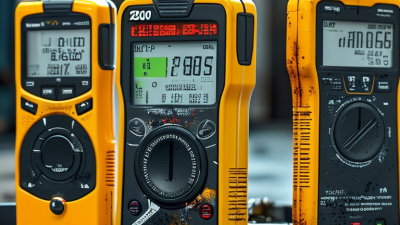
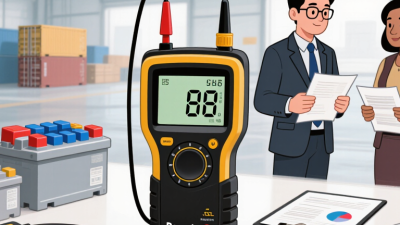
What Is a Battery Health Tester and How Does It Work?
Battery Health Tester is a practical instrument for assessing whether a battery still performs as expected. It does more than display voltage. Depending on its design, it measures voltage, charging response, internal resistance, or performance under a controlled load. A technician may connect the tester to a vehicle battery, motorcycle battery, or rechargeable battery pack, then read results within seconds. Small details matter. A loose clamp can distort the reading.
The device works by sending a measured electrical signal through the battery and observing its response. Healthy batteries usually maintain stable voltage and show lower internal resistance. Aging batteries often lose voltage quickly when current is drawn. Some advanced testers compare measurements with battery type, rated capacity, temperature, and starting-current specifications. This produces a condition estimate, not a medical-style diagnosis. The result may describe state of charge, state of health, or starting ability, and these terms should not be confused.
Real workshop experience shows why one test is rarely enough. A battery can pass a quick test after charging, then fail after sitting overnight. Temperature, corrosion, recent charging, and vehicle wiring can influence the result. Test carefully. Use manufacturer instructions and suitable protective equipment. A Battery Health Tester supports good decisions, but it cannot replace inspection or informed judgment. Even professional tools have limits. Understanding those limits is part of accurate testing.
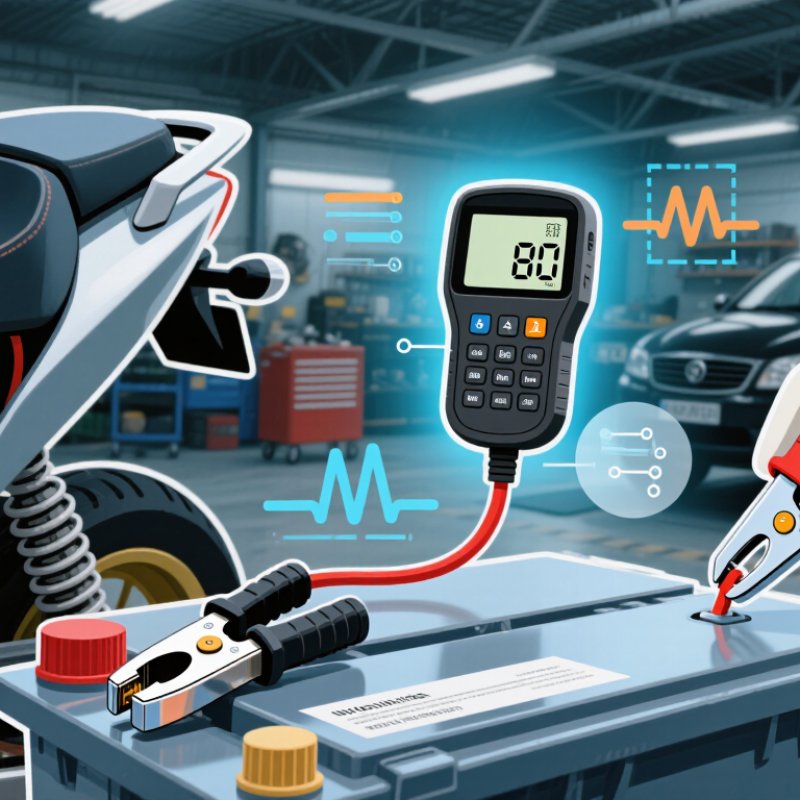
What Is a Battery Health Tester?
A battery health tester is a diagnostic instrument that checks how well a battery can store and deliver electrical energy.
It is different from a basic voltmeter, which only shows present voltage. A health tester may measure voltage, internal resistance, conductance, and performance under load. These results help estimate state of charge and state of health.
Most testers connect through insulated clamps to the positive and negative terminals. The device sends a small test signal or applies a controlled load. It then compares the battery’s response with expected values for its type, capacity, and temperature.
A healthy battery usually maintains stable voltage. A worn battery may show high internal resistance, slow recovery, or a sharp voltage drop.
The process is simple, but the reading is not always perfect. Surface charge can make a weak battery look healthy after charging. Loose terminals can also create false results. I have seen technicians clean the connections and test again before replacing a battery. That extra check matters. Cold temperatures reduce available power, while extreme heat can hide developing damage. Test the battery at rest when possible, record the conditions, and treat the result as evidence rather than an absolute verdict. A tester supports professional judgment; it does not replace it.
How Does a Battery Health Tester Work?
A battery health tester estimates a battery’s remaining starting or storage ability. It does not simply read voltage. The device measures voltage, resistance, and current response under controlled conditions. According to the IEA’s Global EV Outlook 2024, battery demand exceeded 750 GWh in 2023, rising about 40% from 2022. That growth makes reliable diagnostics more important.
A technician first checks open-circuit voltage after the battery rests. The tester then sends a small signal or applies a short load. In a conductance test, the instrument measures how easily current can move through the battery. An impedance test examines internal resistance. A load test briefly draws current, similar to starting an engine.
Temperature matters here. Cold batteries can produce misleadingly weak results. The tester compares measured values with rated capacity, such as cold-cranking amps or ampere-hours. The result usually shows state of charge, estimated state of health, and possible cell imbalance.
For electric vehicles, testers may also read battery-management-system data and compare cell voltages. The U.S. Department of Energy’s Vehicle Technologies Office has reported major battery cost reductions, reaching roughly 90% below 2008 levels. More complex packs need more careful testing. A health estimate is not a laboratory truth. A damaged cable, low charge, or cold morning can distort it. Technicians should repeat questionable readings and inspect physical symptoms. A tester can still be wrong.
What Are the Main Types of Battery Health Testers?
A battery health tester checks whether a battery can store and deliver useful energy. Its reading is more informative than voltage alone. A fully charged battery may still fail under load. In workshop checks, I compare test results with starting performance, charging voltage, and the battery’s service history.
The main type is the load tester. It applies a controlled electrical load and measures how quickly voltage falls. This method resembles real starting conditions. It is simple, but it can heat a weak battery and requires careful timing.
Conductance testers use a small signal to estimate internal resistance and remaining capacity. They are quick, safer for routine checks, and practical for modern sealed batteries. Their estimates can become less reliable when the battery is deeply discharged or unusually cold.
Impedance testers measure resistance through electrical response, offering useful detail about internal battery condition. Service technicians may use them for trend monitoring across many batteries.
A digital multimeter is another basic option. It measures resting voltage, yet it cannot confirm capacity by itself.
For flooded batteries, a hydrometer can compare electrolyte density between cells. This method requires protective equipment and careful handling. Results may vary with temperature, charging history, and test technique.
I have sometimes trusted a quick reading too much. A second test often reveals the mistake.
How Should Battery Test Results Be Interpreted?
A battery health tester measures more than a battery’s present voltage. It may check voltage, internal resistance, and available starting power. Some testers also estimate state of charge and state of health. These readings describe different conditions, so they should not be treated as identical.
Voltage shows the battery’s current electrical pressure. A healthy fully charged battery often measures near its rated level after resting. A lower reading may indicate discharge, aging, or a recent electrical load. Let the battery rest before testing when possible. Surface charge can create a falsely high result. It happens after charging or driving. Internal resistance is also important. Higher resistance usually means the battery cannot deliver current efficiently. Temperature can affect this measurement, especially in cold conditions.
The tester’s health percentage is an estimate, not a medical diagnosis. Compare it with the rated capacity and starting-current specification. A battery may show acceptable voltage but fail under a load test. That suggests weakened internal plates or poor current delivery. Clean terminals and secure connections before testing, because resistance outside the battery can distort results. A professional should repeat an unusual test with a calibrated meter or load tester. No reading is perfect. Even experienced technicians can misread results when they ignore charging-system faults. I have found that recording the battery’s age, temperature, resting time, and test conditions makes later decisions more reliable. A single number rarely tells the whole story.
What Is a Battery Health Tester and How Does It Work?
Interpreting open-circuit voltage results for a 12 V lead-acid battery
How to read the result:
A battery health tester measures electrical values such as open-circuit voltage, voltage under load, cranking performance, and internal resistance. For a rested 12 V lead-acid battery, approximately 12.7 V indicates a full charge, while readings near 12.2 V indicate about half charge. A reading below 12.0 V usually indicates a deeply discharged battery. State of charge is not the same as battery health: a battery can show a normal voltage after charging but still fail a load or cranking test because of aging, sulfation, or increased internal resistance. Allow the battery to rest before measuring, and interpret the result together with the tester’s load or cranking assessment.

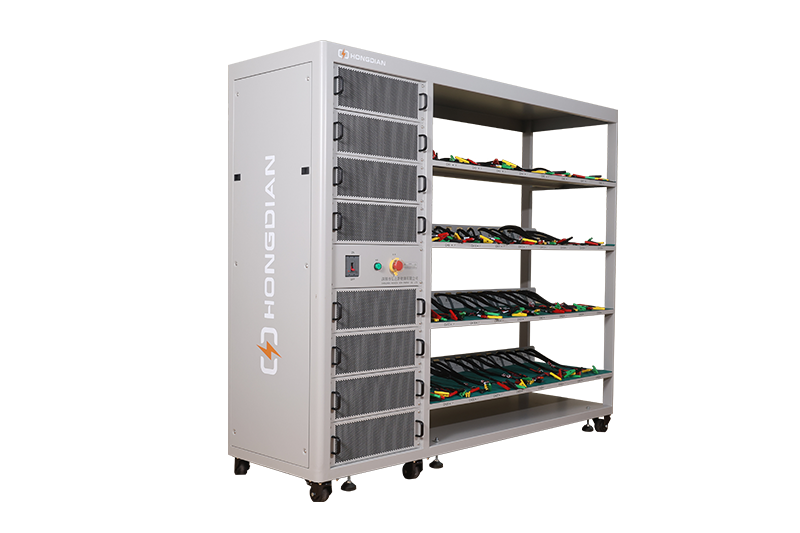 32/48 channel battery charging and discharging test integrated battery cabinet
 40 channel battery charging and discharging test integrated battery cabinet
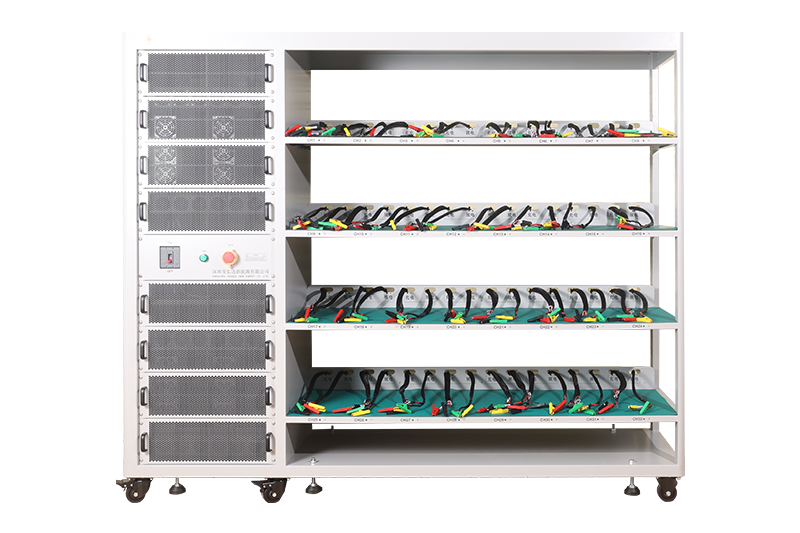 64 channel battery charging and discharging test integrated battery cabinet
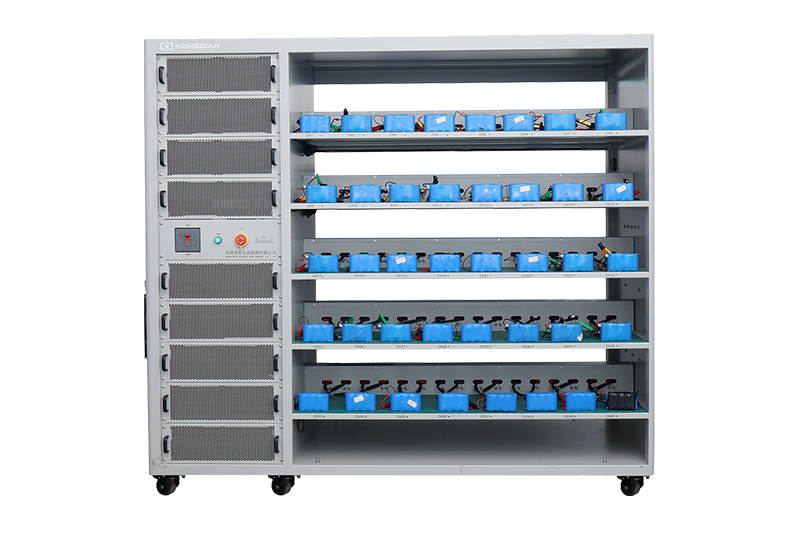 80 channel battery charging and discharging test integrated battery cabinet
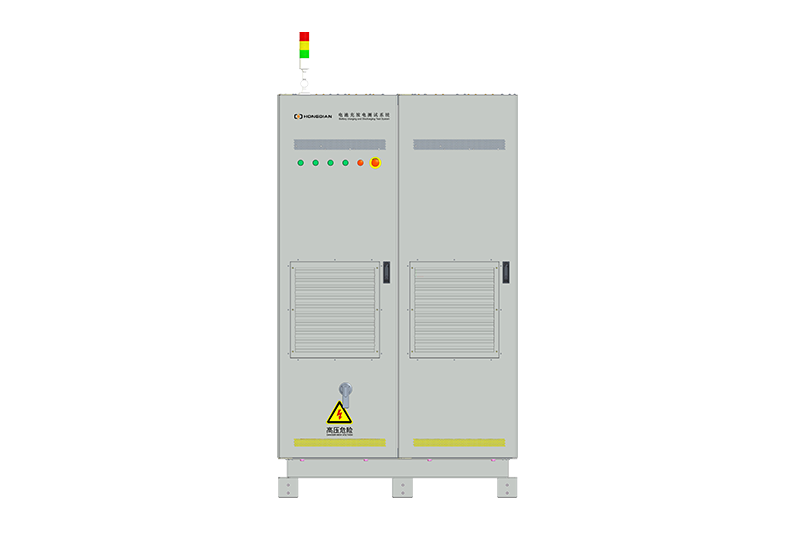 1000V-1500V High Voltage High Current Battery Testing System
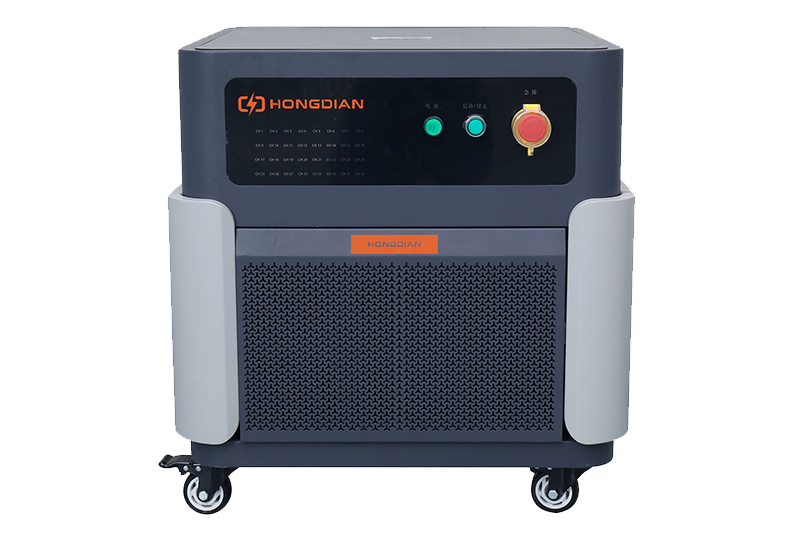 High-Precision Battery Testing System for Enhanced Performance Monitoring 30V/60V/100V/120V
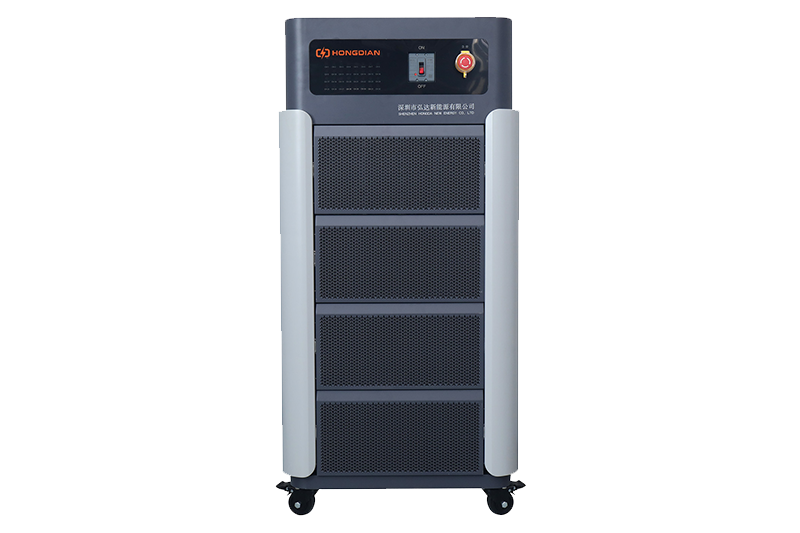 High-Precision Battery Charge Discharge Test Systems for EV Manufacturers
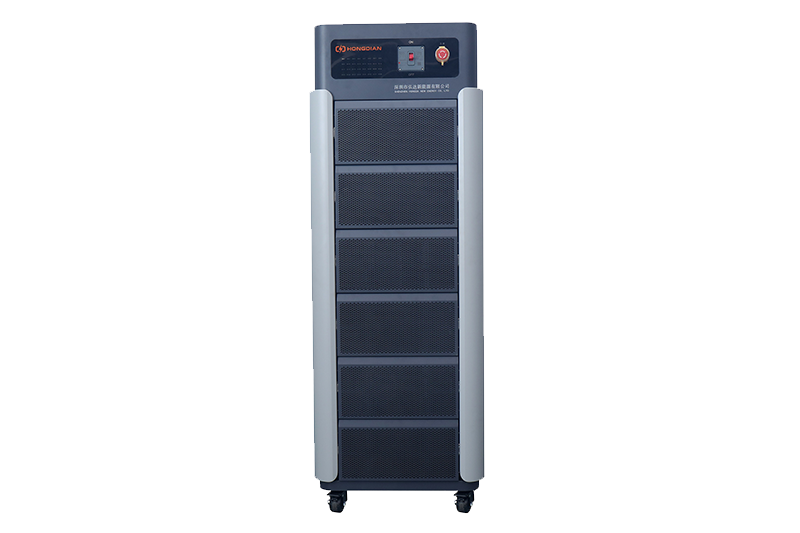 Precision Battery Test Racks for Cell Capacity & Internal Resistance Measurement
 Multi-Channel Battery Testing Equipment for Parallel Performance Analysis