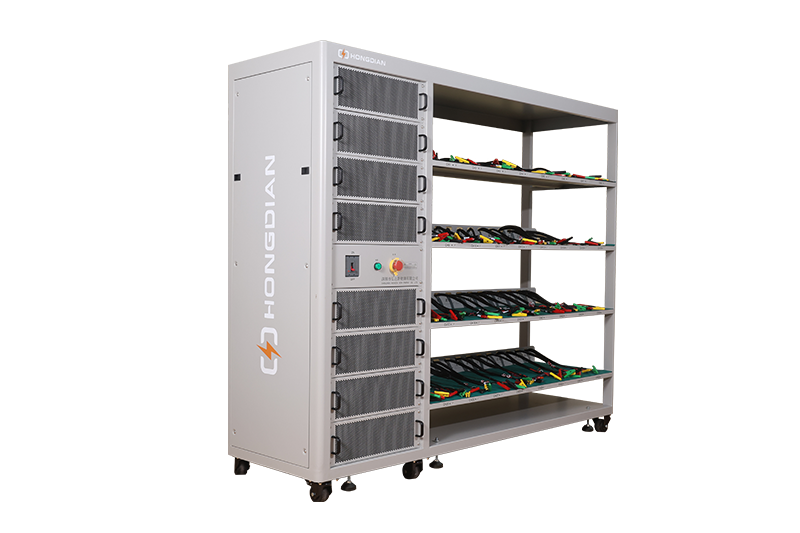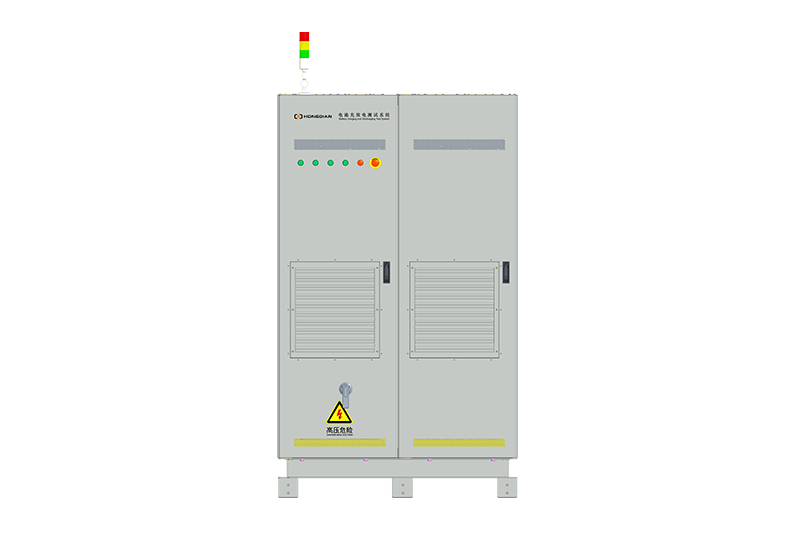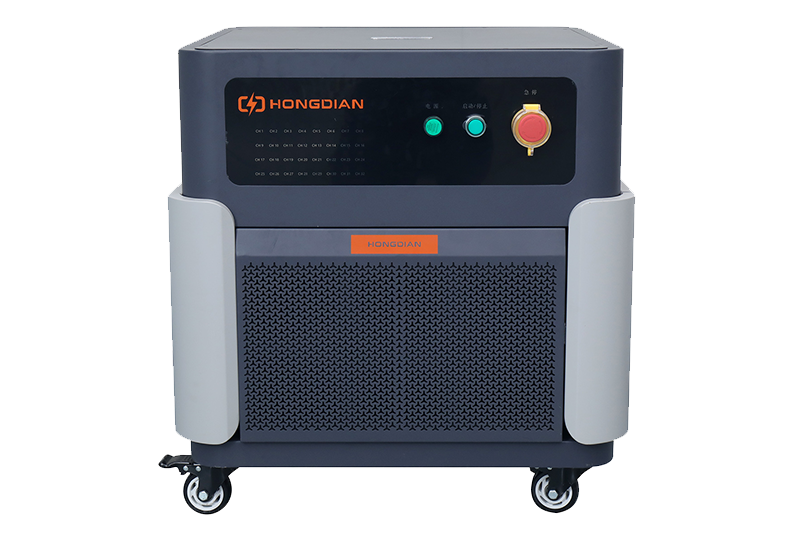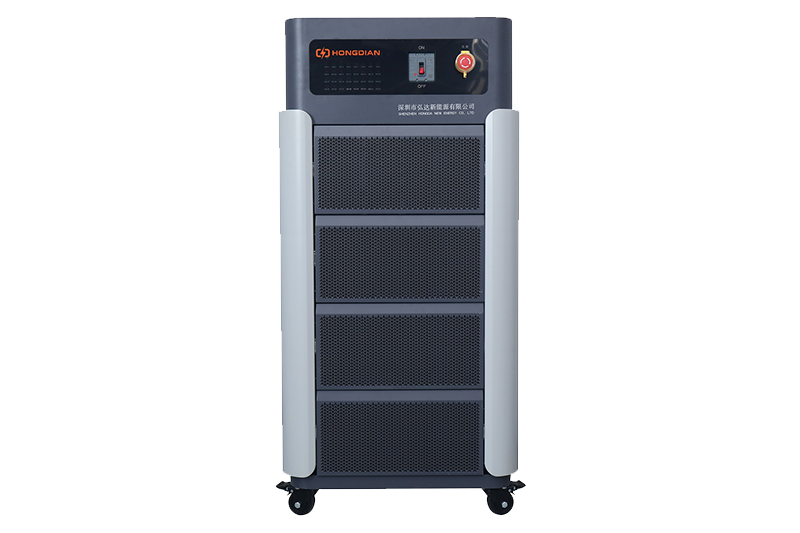
32/48 channel battery charging and discharging test integrated battery cabinet
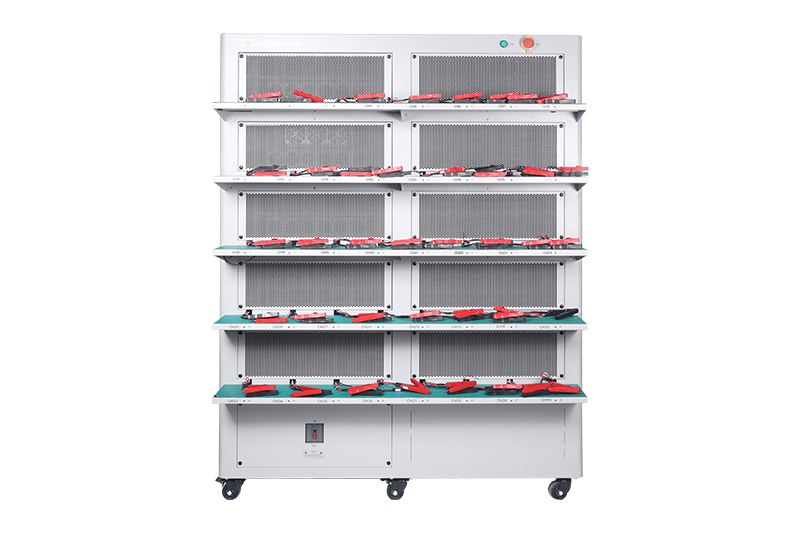
40 channel battery charging and discharging test integrated battery cabinet
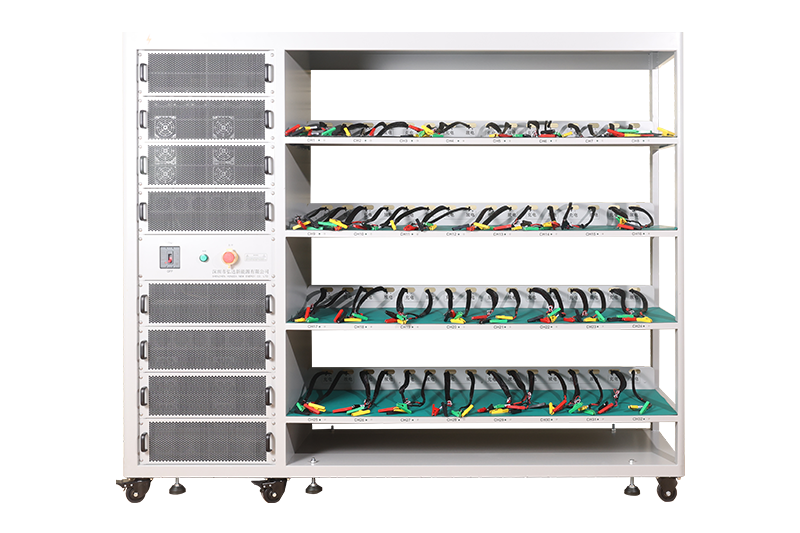
64 channel battery charging and discharging test integrated battery cabinet
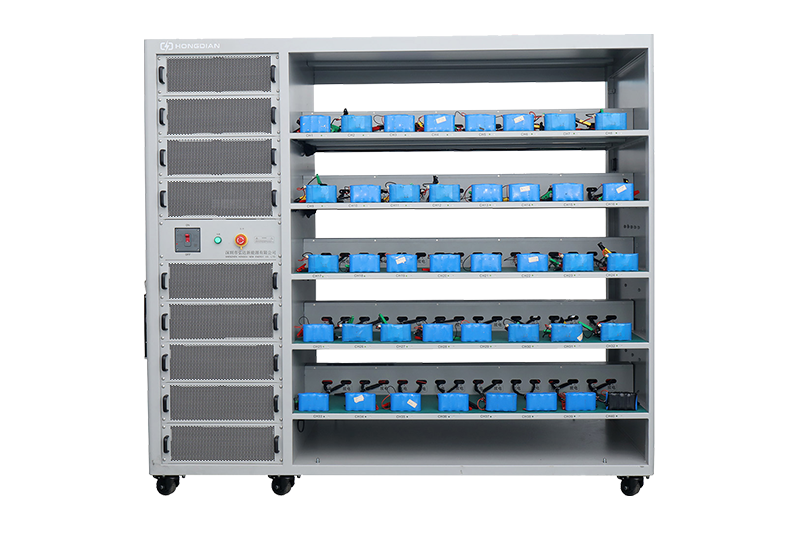
80 channel battery charging and discharging test integrated battery cabinet
Choosing a Discharge Tester is not just a matter of matching a price tag to a battery. The right instrument must suit the battery’s chemistry, capacity, voltage range, and expected workload. A small workshop checking backup batteries has different needs from a service team testing large battery banks. Details matter. Probe reach, cable thickness, display readability, and data export can all affect a test in practice.
Electrical engineer Lord Kelvin offered a useful principle: “When you can measure what you are speaking about, and express it in numbers, you know something about it.” For discharge testing, that means looking beyond a tester’s headline rating. Check its current range, accuracy, duty cycle, safety protections, and reporting features. Also consider how operators will connect it, interpret results, and repeat tests over time. A specification sheet may look reassuring, yet the setup can still feel awkward on a crowded bench.
This guide explains how to compare those factors and choose a Discharge Tester for your application. It covers battery compatibility, test capacity, measurement accuracy, usability, and after-sales support. It also points out a limitation worth remembering: one device may not serve every battery type or testing environment well. The best choice is the one that fits your actual procedures, not an impressive feature list. Be specific. A careful selection can improve consistency, though it cannot replace sound test methods or trained judgment.
A discharge tester evaluates a battery’s ability to deliver current over time. It records voltage, discharge current, elapsed time, and often temperature. Together, these readings show usable capacity, usually expressed in ampere-hours, and reveal voltage decline under a known load. That distinction matters. A battery’s resting voltage alone cannot show how it performs during sustained use.
During a test, the instrument applies a controlled load and tracks the battery until it reaches a specified cutoff voltage or test duration. With a constant-current test, delivered capacity is approximately current multiplied by time.
For example, a 10-amp discharge lasting five hours represents about 50 ampere-hours.
A suitable tester should match the battery’s chemistry, voltage range, expected current, and required accuracy. It should also record data clearly; handwritten readings can be easy to misplace.
For stationary lead-acid batteries, IEEE Std 450-2010 provides a useful maintenance benchmark: capacity testing intervals should not exceed 25% of expected service life or two years, whichever is shorter. This is guidance for a particular battery type, not a universal schedule.
A test result can still mislead if the load, cutoff voltage, temperature, or battery condition is poorly controlled. The numbers are useful, but they are not the whole story.
Start with the battery chemistry, not the tester’s advertised current. Lead-acid, lithium-ion, and nickel-metal hydride batteries have different voltage limits and discharge procedures. Check the battery label or service documentation for chemistry, nominal voltage, and rated capacity. A 12-volt lead-acid battery and a lithium pack may share a nominal voltage, but they do not share the same safe cutoff point.
Match the tester to the job. For a capacity check, confirm it can apply the required load and stop at the battery’s specified end voltage. For routine fleet checks, data logging and repeatable test settings may matter more than a very high discharge current. Small details matter. Verify that the tester supports the battery’s voltage range, connector type, and expected current. If several batteries are connected in a string, test procedures should account for the whole system and individual units.
Consider where testing will happen. A workshop test may allow controlled ventilation and close temperature monitoring; a field test may need a portable unit and a clear display. Discharge creates heat, so follow the battery maker’s limits and supervise the test. A capacity reading is useful, but it does not explain every fault. I would avoid treating one result as a complete diagnosis, especially when temperature or battery age was not recorded. The test conditions are easy to overlook.
A discharge tester should match the battery bank, not just its largest cell. Start with rated capacity in ampere-hours and the planned test duration. A 200 Ah battery tested over five hours needs about 40 A, before practical adjustments for temperature and discharge rate. Choose a tester whose current range covers that value comfortably. A unit operating at its limit may heat up or lose control. That matters.
Measurement accuracy affects the result you trust. IEEE Std 1188-2005 uses 80% of rated capacity as a replacement threshold for valve-regulated lead-acid batteries. Near that boundary, small measurement errors can change a maintenance decision. Check the tester’s stated accuracy across your expected current range, not only at full scale. Confirm whether the specification includes the shunt, leads, and temperature readings. Those details are easy to overlook. A recent calibration record and repeatable test setup help make results comparable over time.
Tips: Match the tester’s current range to your battery and test rate. Use short, secure leads, and record starting temperature, cutoff voltage, and elapsed time. Compare results with the battery manufacturer’s discharge curves; a single capacity figure can hide uneven cells. The neat answer is not always the whole story.
Treat safety controls as essential, not optional. Check for overcurrent and overtemperature protection, reverse-polarity detection, insulated connections, and a clearly accessible emergency stop. The U.S. Bureau of Labor Statistics recorded 145 fatal work injuries involving exposure to electricity in its 2022 Census of Fatal Occupational Injuries. That figure covers many kinds of work, not discharge testing alone, but it underscores why isolation and safe shutdown matter. Small details matter.
Match the tester to the actual job. Confirm its voltage and current limits, duty cycle, and heat-dissipation capacity against the battery and test duration. A warm room, restricted airflow, or undersized cables can change how a test behaves. Check the stated operating-temperature range and installation instructions, including ventilation and clearance around the unit. IEC 61010-1 provides safety requirements for electrical measurement and laboratory equipment; confirm the tester’s documentation identifies applicable standards and limits. A label alone does not replace checking the setup.
Tips: Before testing, inspect cable insulation, secure connections, and keep the emergency stop within reach. Record room temperature and test settings. If the manual leaves a condition unclear, pause and ask a qualified technician rather than guessing.
Set your budget around the tests you actually run, not the longest feature list. For occasional checks on one battery type, a single-channel tester with adjustable current and clear voltage cutoffs may be enough. Confirm that its measurement range fits your battery’s capacity and discharge rate. That matters. A low purchase price can become less attractive if you also need separate leads, fixtures, or paid software. Ask how calibration is handled and whether test records can be exported for later review.
Think ahead to the work you may add. If you expect more samples, a multi-channel unit can reduce waiting time, but only if your workspace and staff can support it. Check whether the tester offers suitable safety limits, temperature monitoring, and data logging for your procedures. Some models allow upgrades; others may require replacement when your needs change. Compare the cost of those options before buying. A spreadsheet showing current needs, likely future tests, and total ownership costs can help. It will not predict everything, though. I would leave some room in the budget for the unexpected.