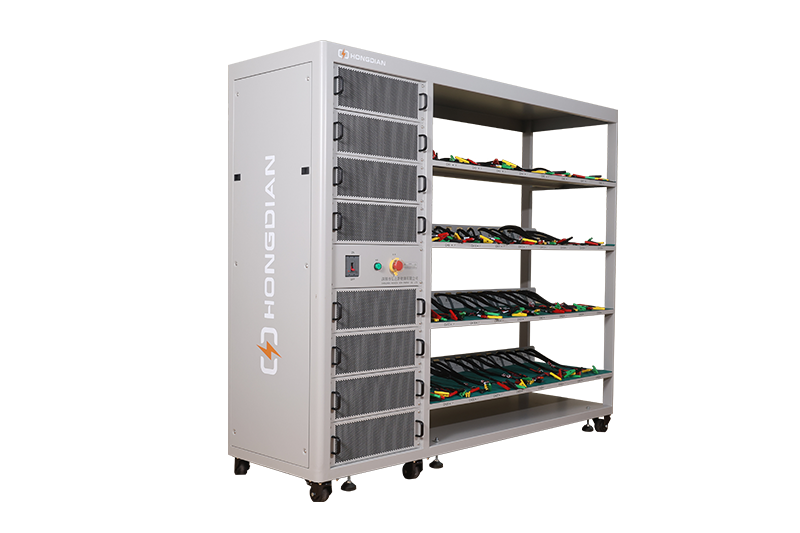
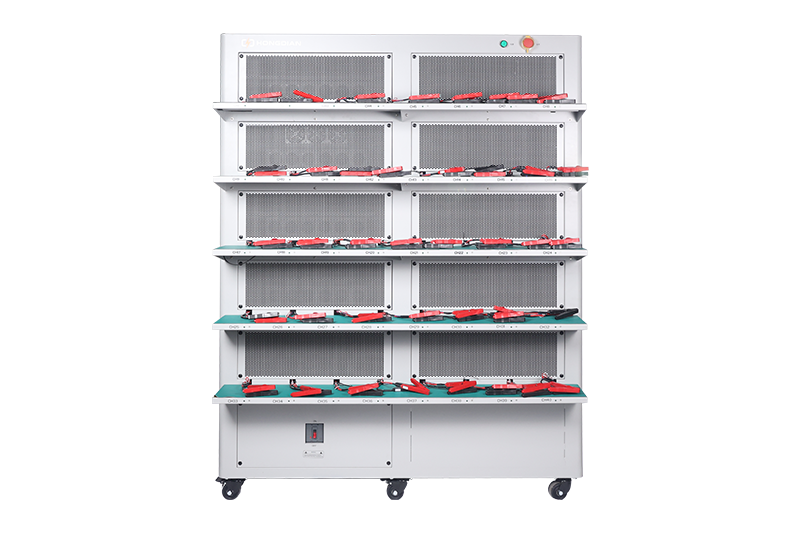
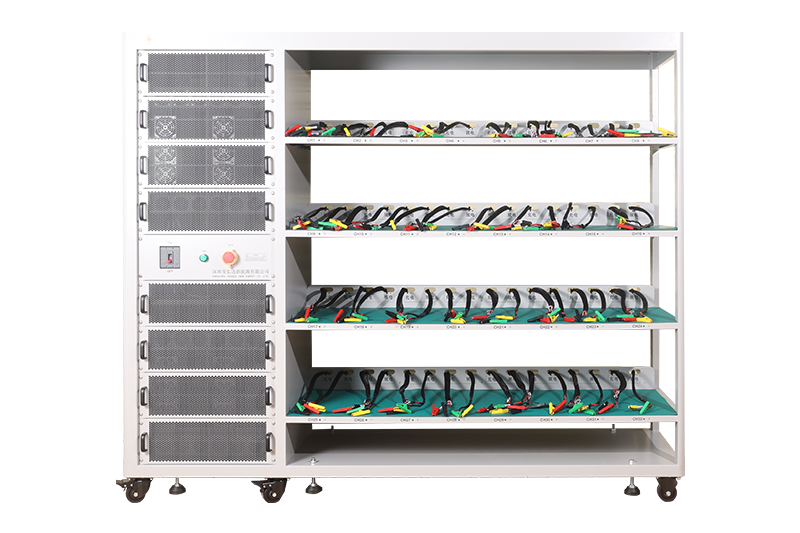
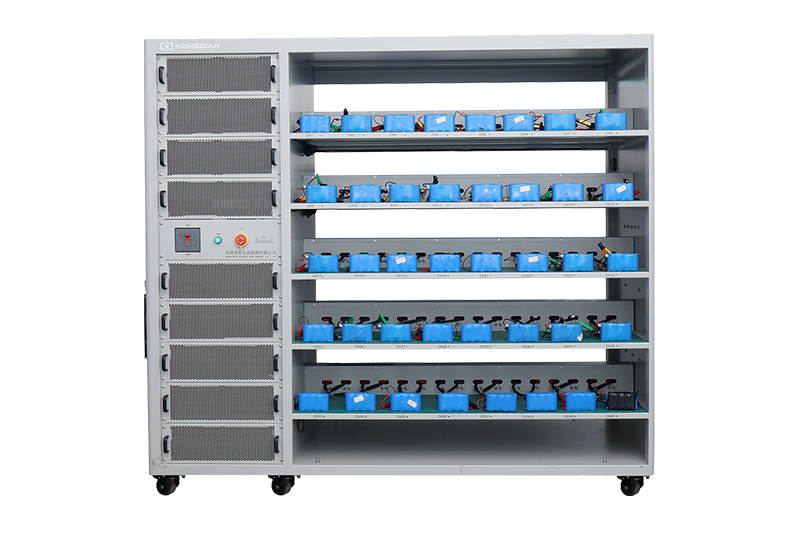
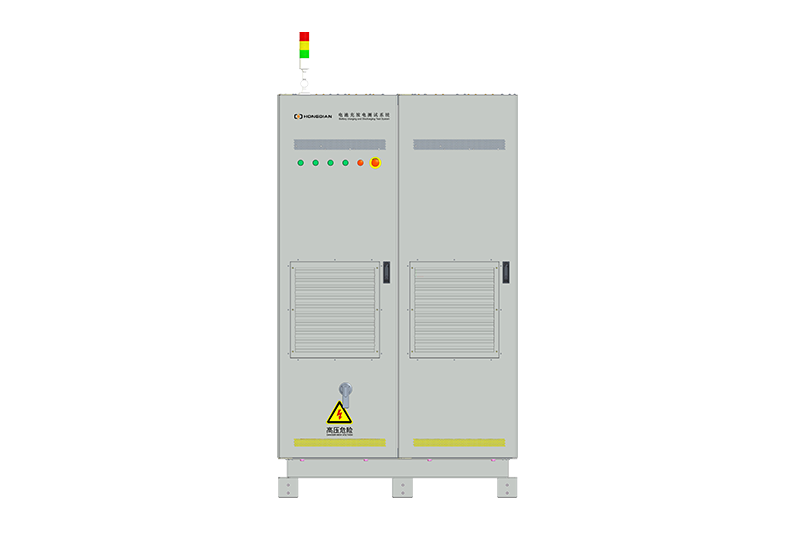
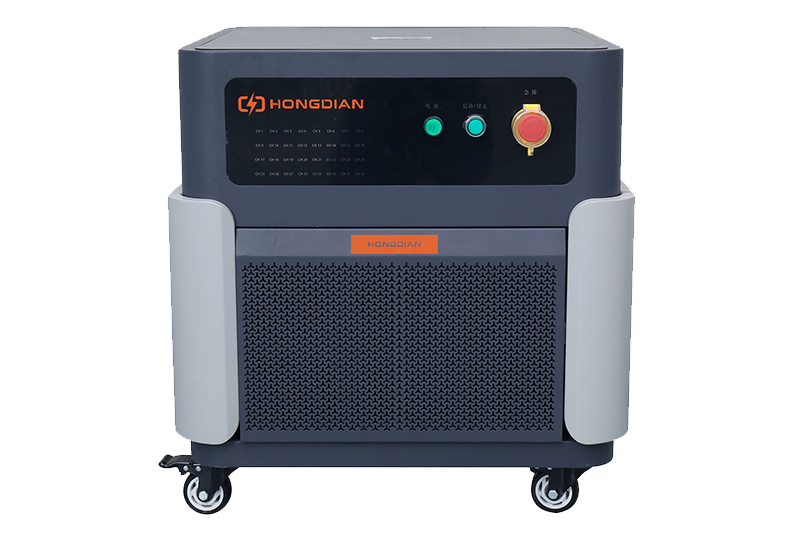
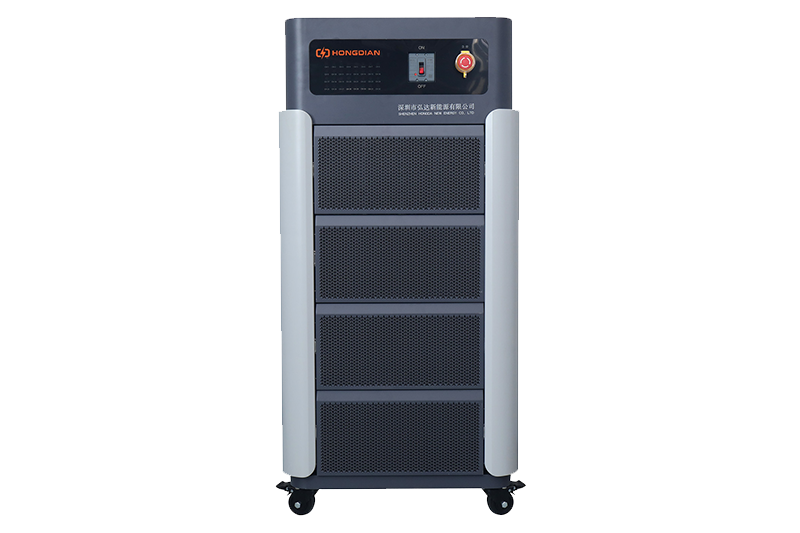
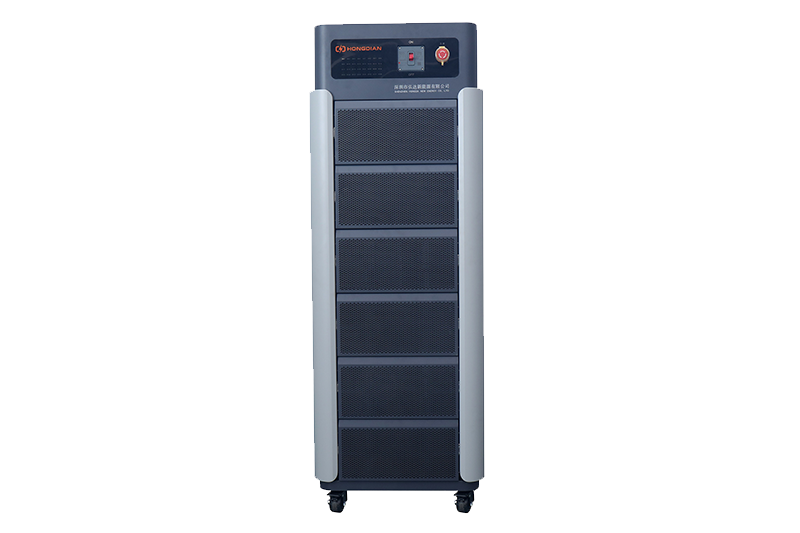
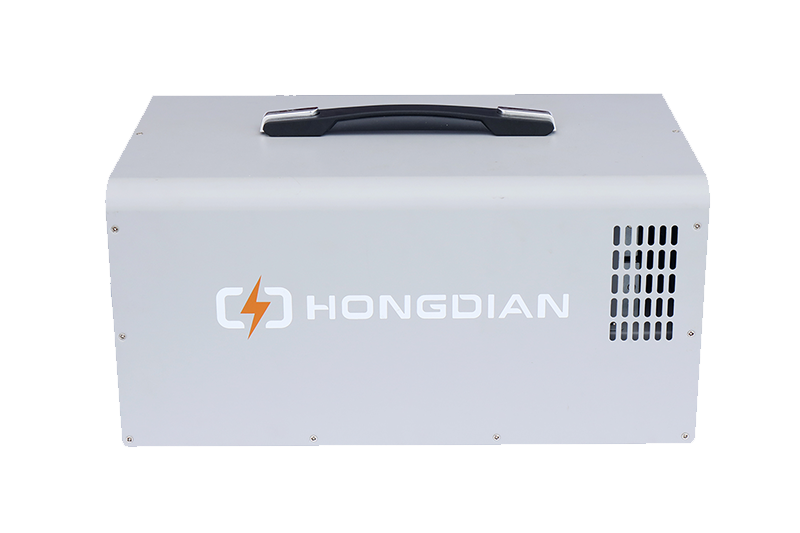
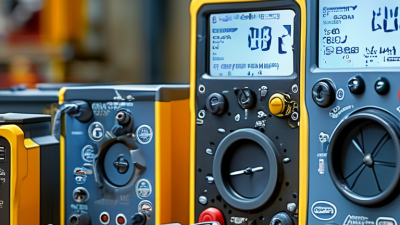
32/48 channel battery charging and discharging test integrated battery cabinet
40 channel battery charging and discharging test integrated battery cabinet
64 channel battery charging and discharging test integrated battery cabinet
80 channel battery charging and discharging test integrated battery cabinet
Why Use a Lead Acid Battery Checker for Global Sourcing?
Global sourcing makes battery quality harder to judge. A supplier may provide polished photographs, impressive specifications, and attractive prices. Yet a pallet can arrive with weak voltage, damaged terminals, or inconsistent capacity. A Lead Acid Battery Checker gives purchasing teams measurable evidence before large commitments are made.
David Linden, a recognized battery engineer and editor of the Handbook of Batteries, wrote, “A battery is a device that converts chemical energy directly into electrical energy.” This simple principle explains why electrical testing matters. A checker can measure open-circuit voltage, internal resistance, and approximate state of charge. These readings help buyers compare samples from different factories. They also reveal possible aging, sulfation, or poor storage conditions.
Numbers tell a clearer story.
For example, one sample may show 12.7 volts, while another shows 12.1 volts after similar resting time. That difference deserves investigation. A trained inspector can record test conditions, ambient temperature, production dates, and batch numbers. This creates a traceable sourcing record. It also supports more reliable supplier conversations and quality decisions.
However, a Lead Acid Battery Checker is not magic. It cannot replace load testing, visual inspection, or review of manufacturing controls. Some inexpensive devices may produce unstable readings. Operators can also misuse them. That weakness is easy to overlook. Global buyers should combine checker results with documented procedures, calibrated instruments, sample testing, and supplier audits. The process may feel slower, but it reduces costly surprises. In practice, reliable sourcing depends on evidence, not confidence alone.
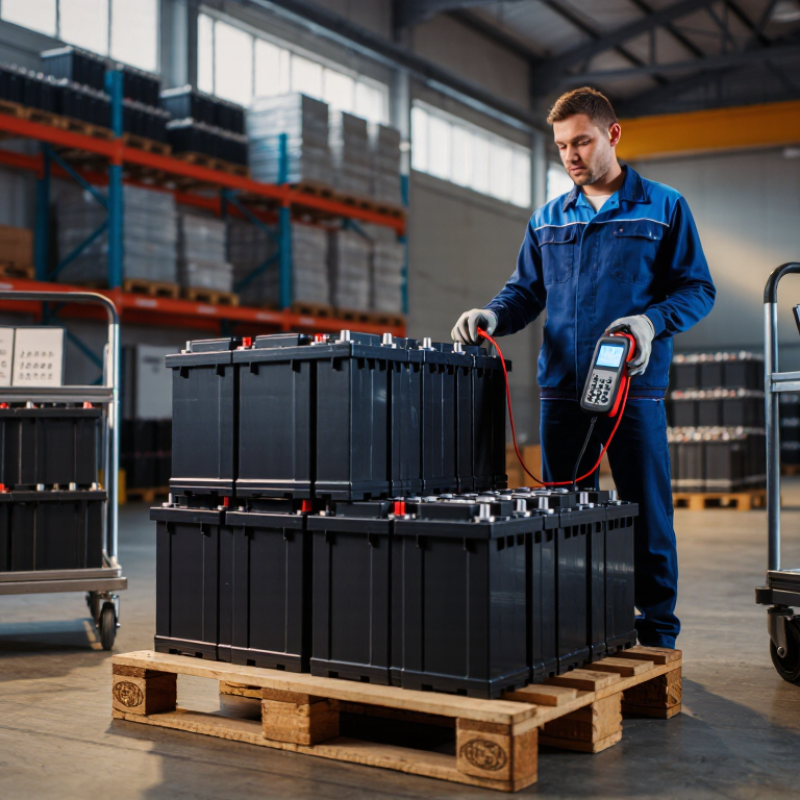
A lead acid battery checker is a compact diagnostic instrument for testing battery condition before global sourcing. It measures voltage, internal resistance, conductance, or starting capacity. Some models also check charging performance and surface leakage. The operator connects two clips to clean terminals, selects the battery rating, and reads the result within seconds. A healthy 12-volt battery may show about 12.6 volts at rest, while a lower reading can suggest discharge or aging. Simple, but useful.
The test becomes more valuable when suppliers provide consistent records. The International Lead Association reports that lead batteries represent more than 70% of rechargeable battery demand by value. The Battery Council International also reports a nearly 99% recycling rate for lead batteries in the United States. These figures show why quality checks matter across large supply chains. A checker can identify weak units before packing, shipping, or installation. It can also reveal differences between declared and measured capacity.
Numbers need context. A cold battery may test poorly, even when it recovers after charging. A recently charged battery may look healthy because of surface charge. No checker is perfect. In practice, I would combine the reading with visual inspection, charge testing, production dates, and sampling records. One overlooked detail is probe contact. Dirty terminals can create false results. A careful sourcing team should repeat doubtful tests and keep the original data for supplier discussions.
| Inspection Dimension | What the Checker Measures | Typical Reference Data | Value in Global Sourcing | Important Limitations |
|---|---|---|---|---|
| Battery identification | Rated voltage, battery type, rated capacity, and cold-cranking rating when available | Common lead-acid systems include 2 V cells, 6 V batteries, and 12 V batteries. Capacity is commonly stated in ampere-hours (Ah), while automotive starting batteries may also state CCA. | Confirms that the sampled product matches the purchase specification before shipment or incoming inspection. | A checker cannot verify every construction detail, such as plate thickness, separator design, or electrolyte formulation. |
| Open-circuit voltage (OCV) | Voltage measured with no significant load connected | For a typical 12 V lead-acid battery at rest, approximately 12.6–12.8 V often indicates full charge; about 12.4 V indicates roughly 75%; about 12.2 V roughly 50%; and about 12.0 V roughly 25%. Values vary by design and temperature. | Quickly identifies undercharged, deeply discharged, or potentially abnormal samples during supplier audits. | Surface charge, recent charging, temperature, and electrolyte condition can distort the reading. OCV alone does not prove usable capacity. |
| Conductance or internal resistance | Electrical response to a small AC or electronic test signal; the instrument estimates conductance or internal resistance | A healthy, fully charged battery generally shows stronger conductance and lower resistance than a sulfated, discharged, or aged battery. Acceptable values depend on battery size, temperature, and rated CCA. | Provides a fast, non-invasive screening method for comparing lots and detecting inconsistent production quality. | Results are algorithm-dependent and should be compared with the correct battery rating and the same test procedure. |
| Load test | Voltage behavior while the battery supplies a controlled high current | A commonly used automotive procedure applies a load equal to one-half of the rated CCA for 15 seconds. At approximately 21°C, a 12 V battery is often expected to remain at or above about 9.6 V; exact limits depend on the applicable test standard and battery type. | Checks starting performance and reveals excessive voltage drop that may not appear in an OCV test. | High-current testing consumes energy and is not suitable as the sole test for deep-cycle or stationary batteries. |
| Cold-cranking performance | Estimated or measured ability to deliver high current at a specified low temperature | CCA ratings are defined at a specified temperature and test duration under the relevant regional standard. The rating must be interpreted together with its test method. | Helps compare starting-battery samples against declared performance before importing large quantities. | CCA values from different standards or test conditions are not always directly interchangeable. |
| Capacity verification | Ampere-hours delivered during a controlled discharge to a specified final voltage | Many stationary and deep-cycle batteries use a 20-hour capacity rate. A 100 Ah battery tested at the 20-hour rate supplies approximately 5 A for 20 hours under specified conditions, but the actual result depends on the manufacturer’s test method. | Confirms whether the sampled battery can deliver the declared energy for backup, solar, mobility, or industrial applications. | A full capacity test can take many hours and requires controlled current, temperature, rest periods, and cutoff voltage. |
| Charging and recovery behavior | Voltage response during charging and the battery’s ability to recover after a controlled discharge | Charging voltage depends on battery design and temperature. A typical 12 V regulated charging system may operate around 13.8–14.7 V, but sealed, AGM, gel, and flooded batteries require application-specific settings. | Detects batteries that charge abnormally, self-discharge quickly, or fail to recover after loading. | Incorrect charger settings can damage a battery and invalidate the test, especially for gel and sealed designs. |
| Temperature condition | Battery and ambient temperature during testing | Lead-acid battery performance generally decreases at low temperatures, while high temperatures accelerate aging and water loss. Test results should be recorded with the battery temperature. | Makes supplier results more comparable across factories, warehouses, ports, and climates. | Temperature compensation differs by test method; a single universal correction factor should not be assumed. |
| Self-discharge and storage condition | Voltage or conductance change after a defined storage interval | Self-discharge varies with battery technology, temperature, age, state of charge, and storage conditions. Higher temperature generally increases self-discharge. | Supports checks for aged inventory, prolonged storage, poor warehouse conditions, or inconsistent sealing. | A short inspection cannot replace a long-term storage trial when shelf life is a critical requirement. |
| Physical and safety inspection | Case damage, swelling, leakage, terminal condition, polarity, labels, and visible corrosion | A battery with cracks, leakage, severe swelling, loose terminals, or reversed polarity should be isolated and handled according to applicable safety procedures. | Combines electrical screening with visible defect detection before packing, transportation, and installation. | Visual inspection cannot determine internal plate condition or actual remaining capacity. |
| Test records and traceability | Serial or lot reference, test date, temperature, voltage, conductance, load result, and operator or instrument record | A repeatable inspection record should state the instrument, test mode, battery state of charge, ambient conditions, and pass/fail criteria. | Creates objective evidence for supplier comparison, acceptance sampling, warranty analysis, and dispute resolution. | Data is useful only when the same procedure and acceptance limits are applied consistently. |

A lead acid battery checker gives sourcing teams practical evidence before accepting a shipment.
During receiving inspections, technicians can measure open-circuit voltage, loaded voltage, internal resistance, and conductance. These readings help identify weak units that appear normal from the outside. Some advanced testers estimate state of charge, state of health, and cold-cranking performance. Temperature compensation can improve accuracy when batteries arrive cold or warm.
It still needs context. A checker cannot directly confirm every internal problem. Sulfation, electrolyte stratification, cracked plates, and low electrolyte levels may require visual inspection or specific gravity testing. Charging-system checks can also reveal excessive ripple or incorrect charging voltage.
In global sourcing, test several batteries from each production lot, record serial-free sample data, and compare results with agreed acceptance limits.
A single high reading should not decide a shipment.
Data can mislead. Poor cable contact, surface charge, or a recently charged battery may distort the result. Keep batteries at a controlled rest period when possible, and repeat doubtful measurements. This small discipline makes supplier comparisons more reliable and exposes storage damage that basic appearance checks miss.
A lead acid battery checker turns supplier claims into measurable evidence. During sourcing, buyers can compare open-circuit voltage, load performance, internal resistance, and charging response. These readings reveal weak batteries before shipment. A battery may show 12.7 volts at rest but fail under a controlled load. That difference matters. It can indicate poor plate condition, incomplete charging, or storage damage. Testing several units from each batch also exposes inconsistent production quality.
Reliable sourcing requires more than one successful test. Buyers should record test temperature, battery age, test duration, and instrument calibration. These details make supplier comparisons fairer across countries and seasons. A consistent testing record supports better negotiations, inspection decisions, and warranty planning. It also helps estimate replacement risks after long transport. A checker is not a crystal ball. It cannot predict every failure, and rushed sampling may create false confidence. That limitation deserves attention.
Tips: Test samples from different cartons, not only the easiest units. Let batteries rest before measuring voltage. Repeat abnormal results with a calibrated device. Photograph labels, terminals, and test screens for traceable records. Keep raw data, even when results look inconvenient. One missed defect can cost more than a careful inspection. Temperature changes readings, too. This detail is easy to overlook.
Why Use a Lead Acid Battery Checker for Global Sourcing?
When sourcing internationally, buyers need more than a low purchase price. A lead acid battery checker can reveal weak cells before shipment or installation. A reliable unit should measure voltage, conductance, resistance, and starting performance. These readings help compare flooded, AGM, and gel batteries under consistent conditions. Ask suppliers to state accuracy, test range, and operating temperature. Small differences matter.
Standards deserve close attention. For electrical safety, buyers can review alignment with IEC 61010-1. Electromagnetic compatibility may involve IEC 61326-1 or equivalent regional requirements. Request test reports, calibration records, and a clear declaration of conformity. Check whether the documentation matches the exact model, not a similar product. Local import and workplace rules may still require additional approval. This part is often overlooked.
Features also affect daily reliability. Choose a checker with replaceable leads, reverse-polarity protection, and automatic temperature compensation. A bright screen helps technicians working beside dusty battery racks. Internal memory, USB export, and timestamped results support traceability across warehouses. IP-rated protection can be useful, but confirm the stated rating and test conditions. Do not trust vague claims.
In practical evaluations, compare the checker with a calibrated reference instrument. Test a healthy battery, a sulfated battery, and one with a loose terminal. The readings should remain stable after repeated measurements. I would also examine the probe handles and cable flexibility. These details seem minor. They often decide usability.
No tool is perfect. A checker may mislead users who ignore temperature, surface charge, or poor connections. Supplier training, clear instructions, and periodic recalibration should be part of the purchasing discussion.
A lead acid battery checker gives sourcing teams evidence beyond a supplier’s datasheet. During incoming inspection, technicians can record voltage, internal resistance, and load performance for sampled batteries. The readings should include testing conditions, such as battery temperature, charging time, and rest period. Small details matter.
Companies can compare test results with agreed acceptance limits before approving a shipment. A battery with normal voltage may still fail under load. Another unit may show higher resistance after storage in a hot warehouse. These patterns can reveal weak production batches, poor transport conditions, or inconsistent materials. Clear records also make supplier discussions more objective. Numbers are harder to dismiss.
Test data can control costs in several ways. Early detection reduces returns, emergency replacements, and production delays. Buyers can also compare suppliers by usable performance, not only by purchase price. However, the checker is not perfect. Incorrect cable contact, unstable temperature, or an uncalibrated instrument can create misleading results. A single failed sample should trigger investigation, not an instant supplier penalty. Repeated testing and controlled sampling provide stronger evidence. Teams may need to review their limits too, because overly strict criteria can reject usable batteries and increase sourcing costs unnecessarily.