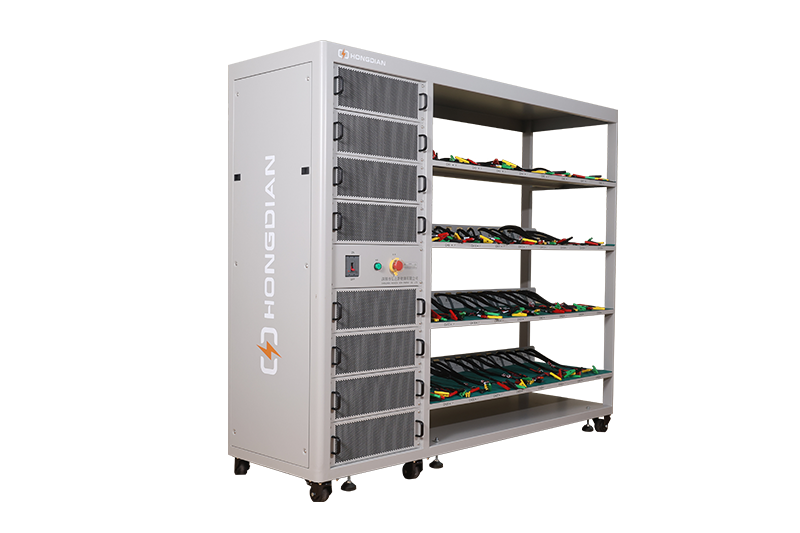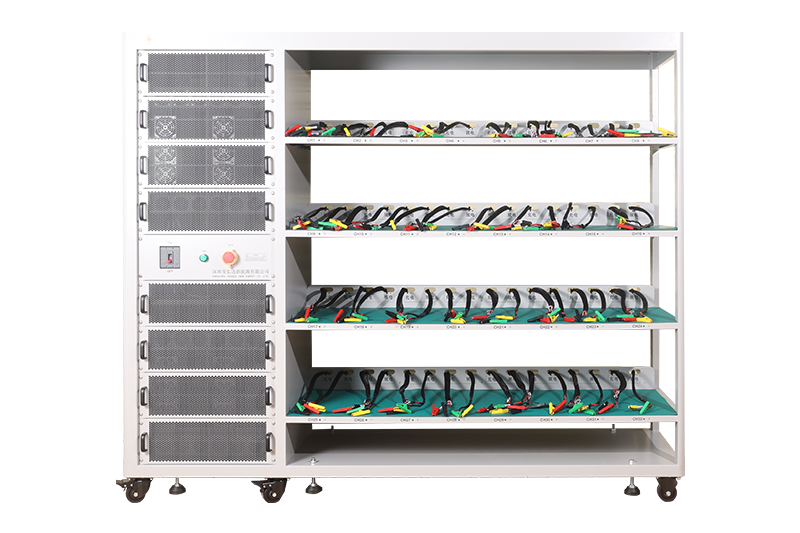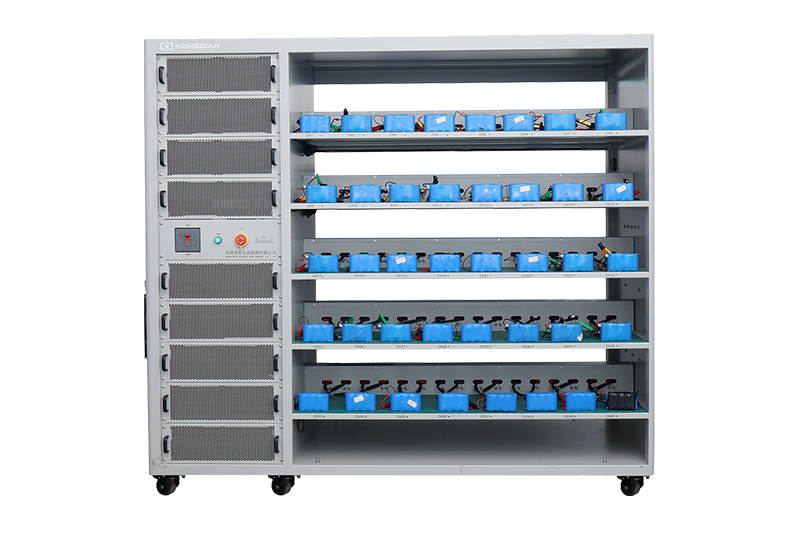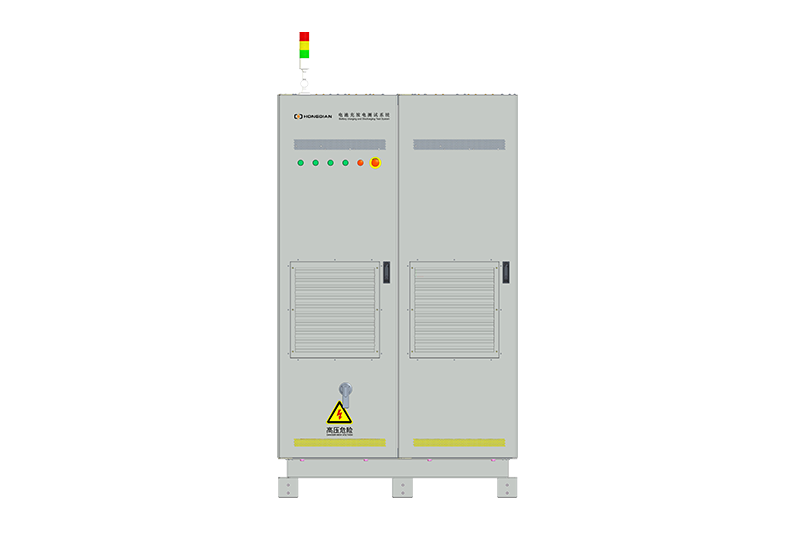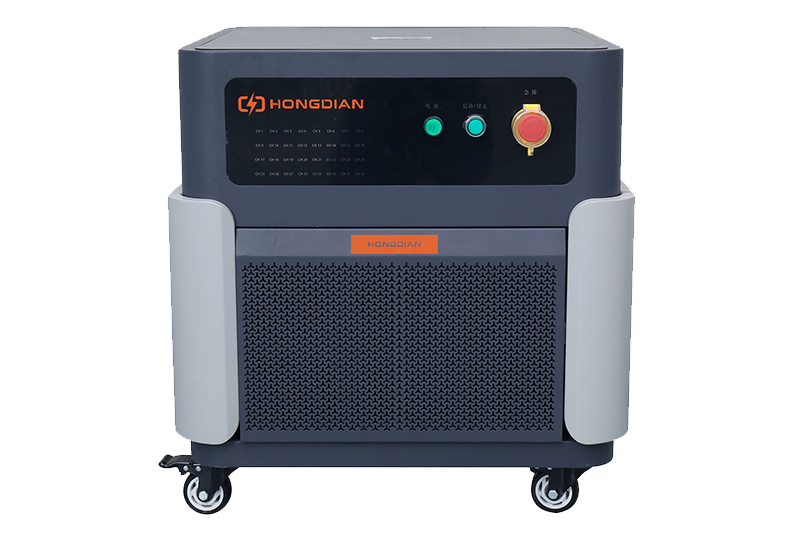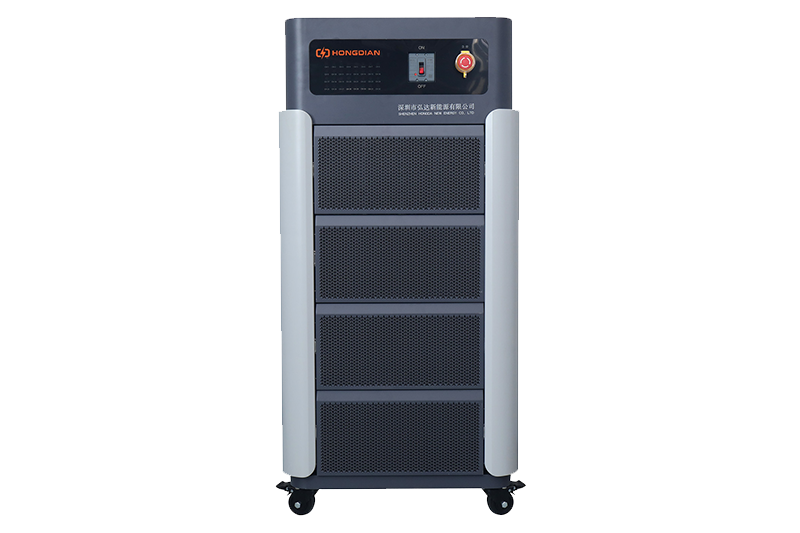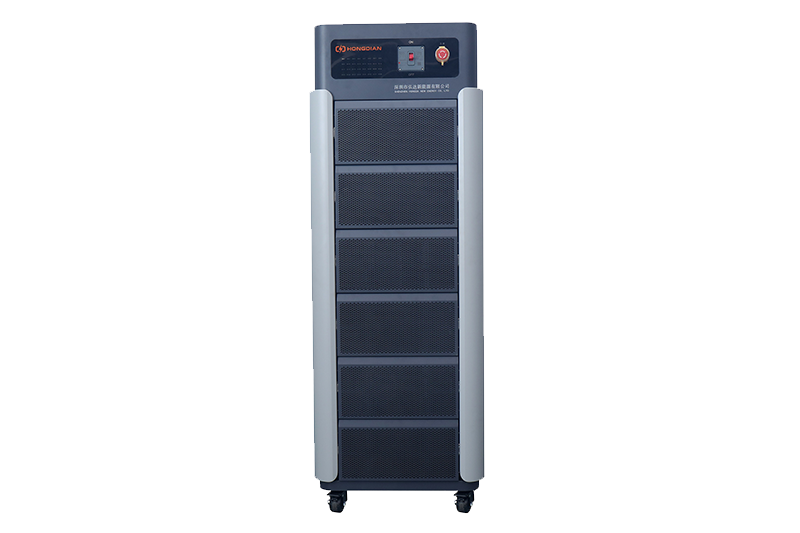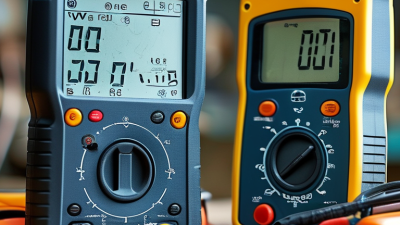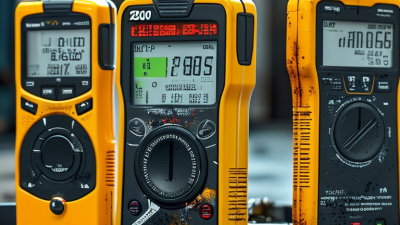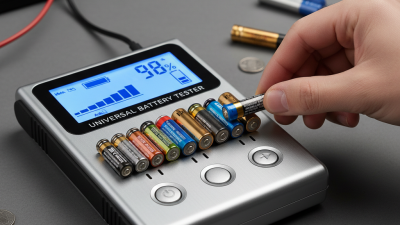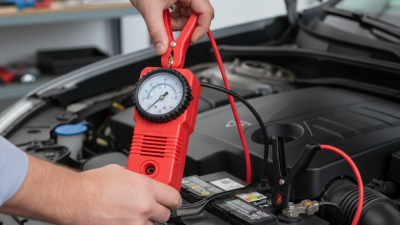
32/48 channel battery charging and discharging test integrated battery cabinet
40 channel battery charging and discharging test integrated battery cabinet
64 channel battery charging and discharging test integrated battery cabinet
80 channel battery charging and discharging test integrated battery cabinet
Choosing the best Battery Tester is less about buying the most expensive device. It is about matching the tester to your batteries, usage, and measurement goals. A compact tester may check voltage on AA or AAA cells, while a workshop model can test 12-volt automotive batteries under load. These tools do not provide identical information.
Start by identifying the battery chemistry and size you use most often. Alkaline, lithium, NiMH, and lead-acid batteries require different testing approaches. Voltage alone can mislead you. A weak battery may show a normal reading without a load, then drop sharply when powering a device. Reliable testers may measure voltage, internal resistance, or cranking performance. Look for clear terminals, stable probes, readable displays, and documented accuracy.
Safety matters, too. Select equipment with insulated leads and protection against incorrect connections. Check the manufacturer’s instructions before testing unfamiliar batteries. Independent reviews and technical specifications can reveal limitations that advertisements ignore. A calibration record is useful for professional work, although it does not guarantee perfect results.
There is no perfect choice.
A tester built for home storage checks may not suit vehicle diagnostics. Even experienced users can misread a result when battery temperature, age, or charging history is ignored. This guide compares practical features, accuracy, durability, and operating costs. It also considers common testing mistakes, because a reliable decision depends on both the instrument and the person using it.
A battery tester does more than display voltage. It helps reveal whether a battery can deliver useful power under real conditions. Voltage shows the electrical pressure at rest, but it can look healthy after charging. That reading may hide a weak battery.
Many testers measure internal resistance, conductance, or current during a load test. Internal resistance usually rises as a battery ages or develops damage. A load test applies controlled demand, similar to turning on a motor or powerful device. This result often gives a more practical view of starting ability. Some testers also estimate state of charge and state of health. These estimates depend on battery chemistry, temperature, and test settings. They are helpful, but not perfect.
Tips: Choose a tester that supports your battery type and expected testing range. Check whether it measures under load or only reads resting voltage. Test after the battery reaches a stable temperature. Record results over time instead of trusting one reading. Clean, tight terminals matter.
In field checks, I compare the tester result with charging history and actual performance. A battery that passes once may still fail during cold mornings. That is an uncomfortable detail. Tester accuracy also depends on calibration and user technique. I once trusted a stable voltage reading too quickly, then found excessive resistance during load testing. The better choice is not always the most advanced tester. It is the one that measures the condition you genuinely need to understand.
Battery testers serve different purposes, so the correct choice depends on battery chemistry, size, and use. A simple voltage tester suits household cells, remote controls, and quick workshop checks. It is inexpensive and easy to carry. However, voltage alone can look healthy after charging while capacity has already declined. A load tester applies current and reveals how sharply voltage falls under pressure. This option works well for lead-acid batteries in vehicles, backup systems, and small equipment.
For lithium-ion packs, conductance or impedance analyzers provide more useful diagnostic clues. They measure resistance changes that may indicate aging, poor connections, or damaged cells. These testers are valuable during maintenance, but readings can shift with temperature and state of charge. Not perfect.
A capacity tester remains the stronger choice when runtime matters. It discharges a battery under controlled conditions and records actual ampere-hours. IEC 61960-3 and IEC 62620 describe performance-testing methods for rechargeable lithium cells and batteries, making controlled test conditions essential.
Large energy systems require specialized battery analyzers with data logging, cell balancing checks, and safety controls. The International Energy Agency reported in Global EV Outlook 2025 that battery demand exceeded 1 terawatt-hour in 2024. That scale increases the need for repeatable testing rather than quick guesses.
In practice, choose a tester that matches the battery’s chemistry and operating current. Record temperature, test duration, and cutoff voltage. A cheap meter may answer one question, but it rarely explains the whole battery condition.
Choosing a battery tester starts with measurement needs, not screen size. The IEA Global EV Outlook 2024 reported nearly 750 GWh of battery demand in 2023, a 40% annual increase. This growth makes reliable testing more important across workshops, warehouses, and energy systems.
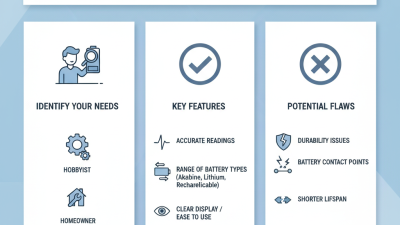
Check chemistry compatibility first. A tester should support the battery types you actually handle, including lead-acid, lithium-ion, and nickel-based cells. Its voltage range must match the application without forcing unsafe adapters. Look for resistance, conductance, voltage, current, temperature, and state-of-health readings. Temperature compensation matters because a cold battery can appear weaker than it is. Small errors become costly.
Data quality deserves equal attention. Choose a tester with traceable calibration, repeatable results, clear pass-and-fail limits, and exportable records. The BloombergNEF Battery Price Survey 2024 placed average lithium-ion pack prices at 115 dollars per kWh, down 20% from the previous year. More valuable battery systems need better diagnostic evidence. Bluetooth or cloud storage can help, but connectivity should not replace local results. I have found that fast tools often encourage rushed decisions. That is a weakness. A slower tester with stable readings may reveal a weak cell that a quick voltage check misses. Also inspect lead durability, probe insulation, fuse protection, and display readability under workshop lighting. Fancy menus are not accuracy.
How to Choose the Best Battery Tester?
Matching a tester to your battery requirements starts with chemistry and application. A tester for a 12-volt starting battery may not suit a deep-cycle battery. Check the battery’s rated voltage, capacity, and purpose before buying equipment. For vehicle batteries, cold-cranking current and starting performance matter most. A load tester can reveal voltage collapse during a controlled demand. Conductance testers offer faster checks with less discharge.
For deep-cycle batteries, capacity testing is often more meaningful than a quick pass result. The tester should support the battery’s expected amp-hour rating and discharge conditions. Lithium-based batteries require extra care, especially when protection circuits affect readings. Confirm the tester’s permitted chemistry range and voltage limits. Never rely on a single number.
I once trusted a healthy voltage reading too quickly. The battery looked strong at rest, then failed under load. That mistake changed my testing routine. I now inspect terminals, measure surface voltage, and compare results with the manufacturer’s specifications. Temperature also matters; cold conditions can reduce available performance. A useful tester should record readings clearly and repeat them consistently. Cheap tools may be convenient, but unclear accuracy creates doubt. Choose a tester that fits your maintenance frequency, safety procedures, and technical skill. Perfect certainty is uncommon. The testing method still needs judgment.
How to Choose the Best Battery Tester?
How to Use a Battery Tester Safely and Accurately
A reliable battery tester should match the battery’s chemistry, voltage range, and testing purpose. Choose a model with clear readings, insulated probes, and protection against incorrect connections. A voltage tester checks charge level, while a load tester reveals whether the battery can deliver power under demand. Do not rely on voltage alone.
Before measuring, inspect the battery for cracks, swelling, corrosion, or leakage. Wear eye protection and keep the area well ventilated. Work on a dry, stable surface. Turn off the equipment and remove unnecessary electrical loads. Check the tester’s leads for damaged insulation. Never touch both probe tips together during a test.
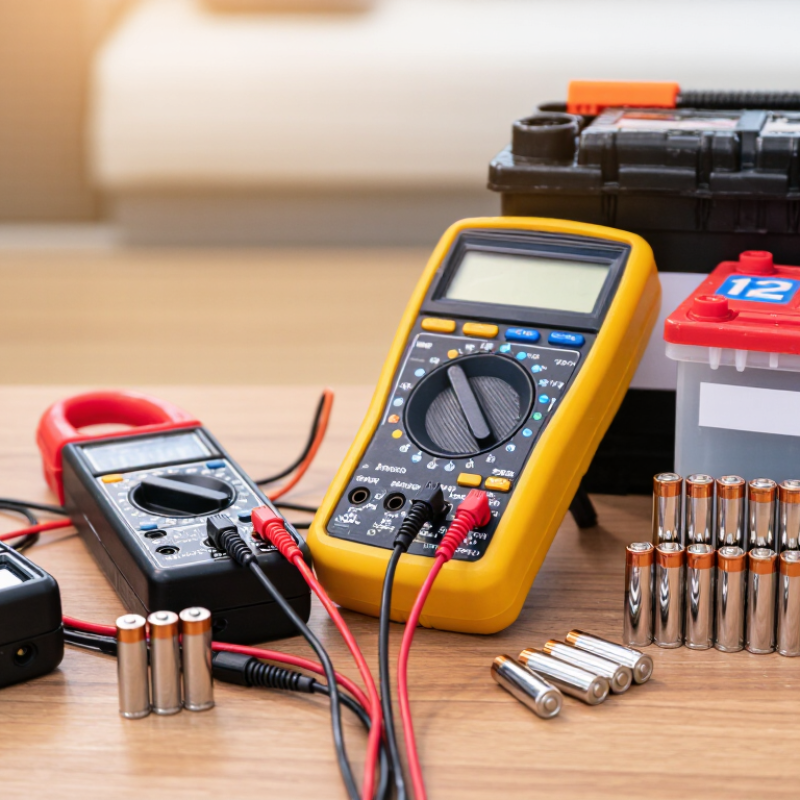
For accurate results, connect the red probe to the positive terminal and the black probe to the negative terminal. Hold each probe firmly against clean metal. Read the display only after the value becomes steady. If the reading changes sharply, check the connections and wait again. Use the correct load setting for the battery’s rated capacity. Stop immediately if the battery becomes hot, smells unusual, or makes a hissing sound.
I once measured a corroded terminal without cleaning it first. That mistake produced a false reading. Now I clean the contact area carefully and record the battery’s age, temperature, and test result. A cool battery may show weaker performance than one at room temperature. Follow the battery maker’s instructions whenever the tester’s manual seems unclear.
Use the correct chemistry and voltage range before testing. The reference values below are typical screening points for common rechargeable battery types; voltage alone cannot determine battery capacity or health. For accurate capacity testing, use a controlled load or analyzer and follow the battery manufacturer’s limits.
Safety note: Do not test batteries that are swollen, leaking, cracked, overheating, or heavily corroded. Keep probes from touching each other, observe polarity, use the correct test mode, and stop the test if the battery becomes unusually hot.