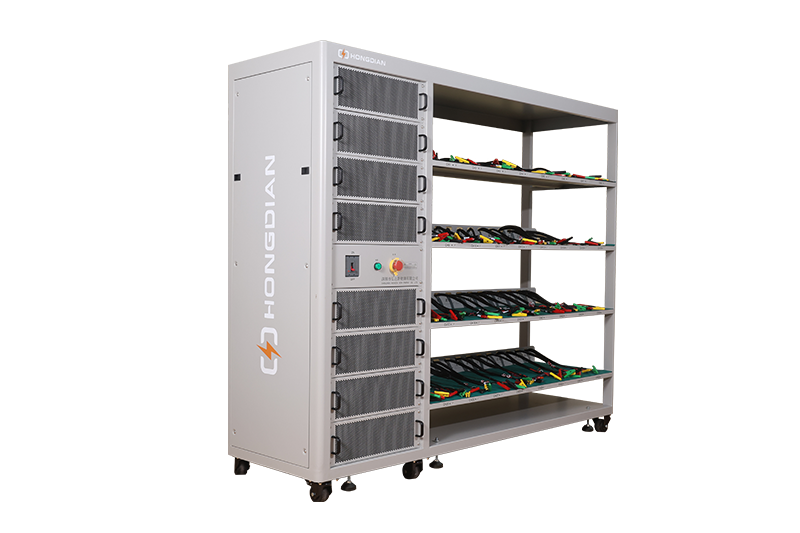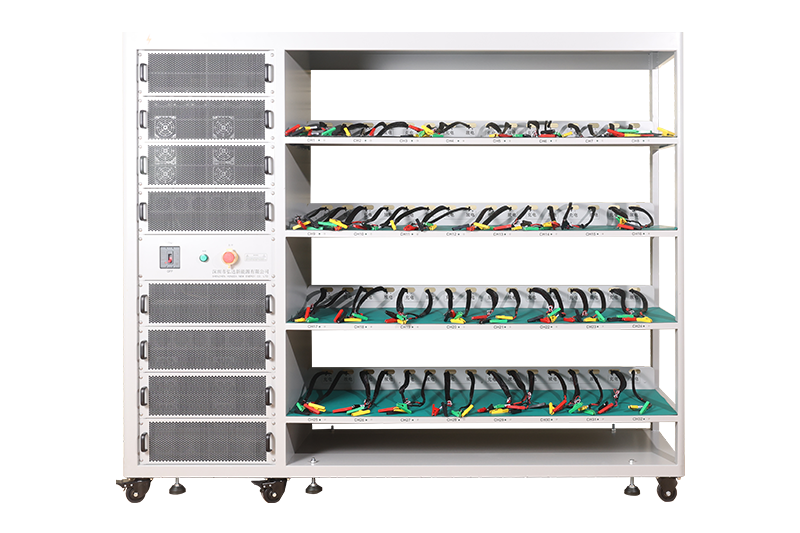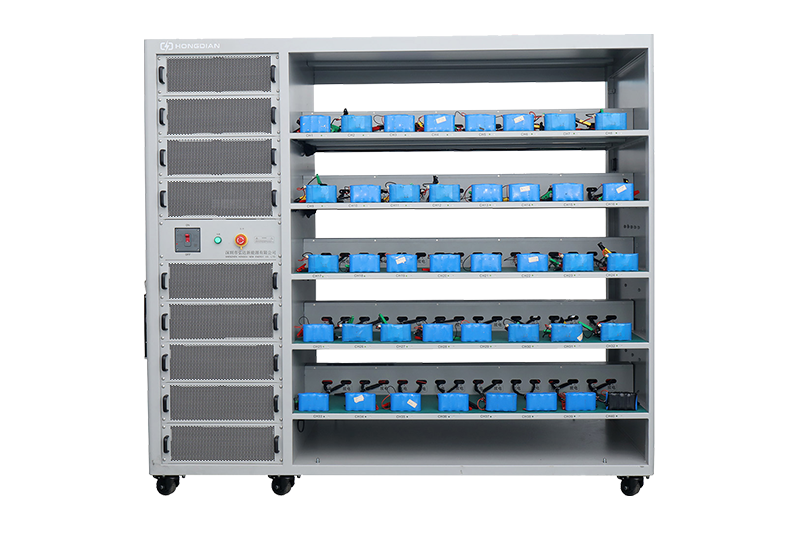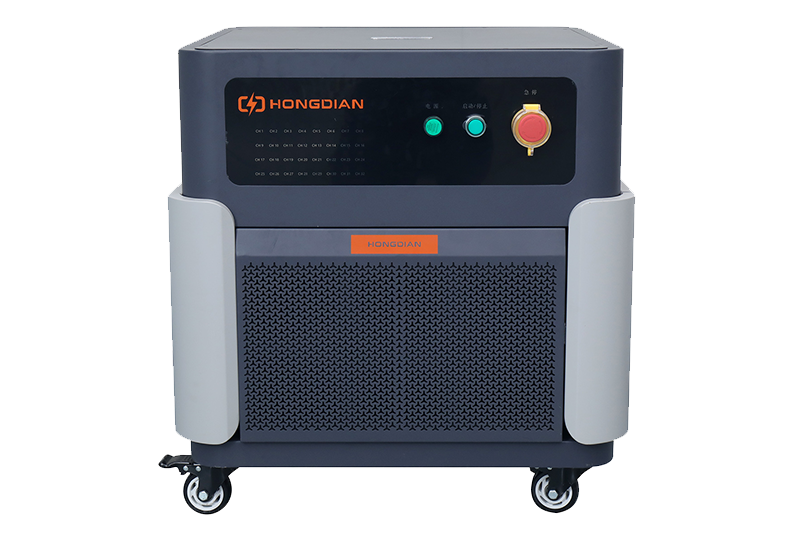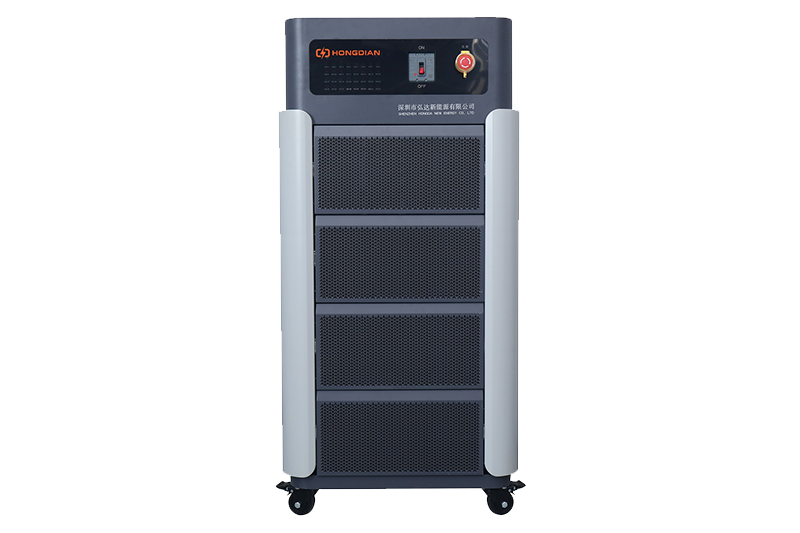
32/48 channel battery charging and discharging test integrated battery cabinet
40 channel battery charging and discharging test integrated battery cabinet
64 channel battery charging and discharging test integrated battery cabinet
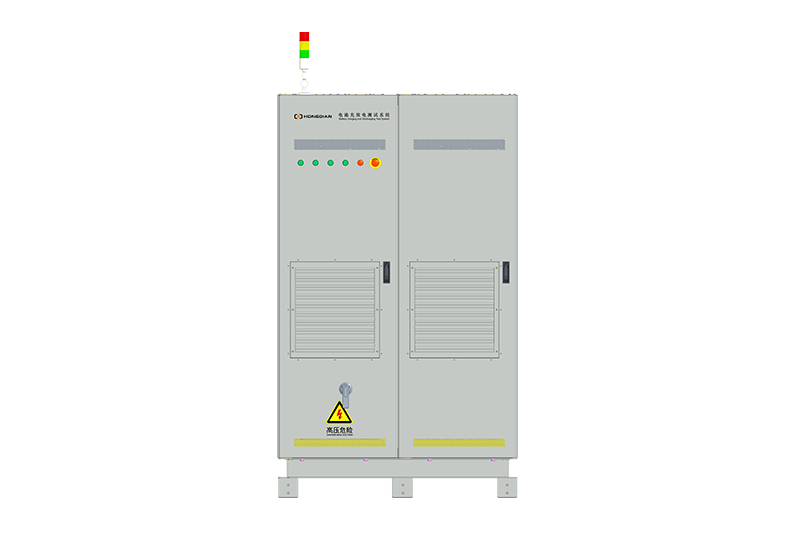
80 channel battery charging and discharging test integrated battery cabinet
Choosing the right Battery Analyser begins with a clear understanding of the batteries you need to test. A unit designed for small lead-acid batteries may not support lithium-ion packs or higher-voltage systems. Check battery chemistry, voltage range, capacity, and connector compatibility before comparing features. These details determine whether an analyser can provide useful results or simply display an error.
Think about where and how often testing will take place. A technician in a busy workshop may value fast results, clear readings, and durable leads. A maintenance team inspecting batteries across several sites may need a portable device with reliable data storage. Useful measurements can include voltage, internal resistance, and capacity, but not every model tests all three. Confirm what each measurement means, and whether the manufacturer explains its test method. Small details matter. A confusing screen can slow down routine checks.
Accuracy, repeatability, and suitable safety protections deserve careful attention. Look for documented specifications, calibration guidance, and support from a supplier or manufacturer with relevant testing expertise. If possible, compare readings against a known battery or an established test process before relying on results. No analyser removes the need for sound judgment. Battery condition, temperature, and connection quality can affect measurements. It is easy to overlook a loose clamp or a cold battery. The best choice is not necessarily the most advanced model; it is the one that matches your battery types, working conditions, and reporting needs. A little uncertainty is normal, so choose a tool whose limits are clearly stated.
Start by listing the batteries you actually service: chemistry, nominal voltage, capacity, and construction. A 12-volt flooded lead-acid battery behaves differently from an AGM unit or a lithium-ion pack. Check whether you need to test individual cells, complete batteries, or packs with a battery management system. Small differences count.
Next, decide what a useful test must tell you. Conductance and internal-resistance checks are quick screening tools, while a controlled capacity test can show how much energy a battery delivers over time. For routine fleet checks, speed may matter most. For troubleshooting backup power, documented discharge results may be more valuable. Don’t treat one test result as a complete diagnosis.
Consider where testing happens: a clean workshop, a cold service bay, or beside equipment with limited access. Confirm the analyser supports your battery’s voltage range, connection method, and test procedure. Check whether it records readings, identifies temperature, and handles the battery management system when needed. That matters. A pass/fail display can be convenient, but it may hide borderline results or changing conditions. Compare readings with the battery maker’s guidance, and record test conditions for repeat checks. No instrument removes every uncertainty; operators can still connect leads poorly or test before a battery stabilizes. Include those limits in your selection.
How to Choose the Right Battery Analyser?
Check Compatibility With Battery Chemistry, Voltage, and Capacity
A battery analyser should match the battery being tested, not just fit its connector. Start with chemistry: lead-acid, lithium-ion, and nickel-based batteries require different test methods. The wrong setting can produce misleading results, even when the display looks precise. That can fool you. For example, a resting-voltage check on a 12-volt lead-acid battery cannot reveal every capacity problem. I would not treat one clean reading as proof of battery health.
Check the analyser’s voltage range against the full battery pack, including cells connected in series. A tool rated only for 12 volts may not accurately test a 24-volt system. Capacity matters too. Choose a unit that accepts the battery’s rated amp-hour or cold-cranking value, where relevant, and uses the appropriate test standard. Entering the wrong capacity unit is an easy detail to overlook. Before testing, compare the analyser’s manual with the battery label, and inspect the leads for damage. If any specification falls outside the instrument’s stated range, pause and choose a compatible analyser.
Battery analyser selections depend on what you need to know, not how many buttons a device has. Compare voltage accuracy, conductance or impedance testing, and load-test capability. A conductance reading is quick and useful for screening, while a controlled load test can reveal weakness under demand. They are not interchangeable. Check whether the analyser supports the battery chemistry and voltage range you service. For a 12-volt battery, confirm it measures reliably across the range you expect to encounter. Also review temperature compensation and clamp design; poor contact can distort results.
Tips: Match functions to your workflow. Look for clear prompts, saved test records, and diagnostic codes that explain likely causes. A simple “replace” result is less useful than readings showing voltage, measured capacity, and charging-system status. One test cannot predict every failure. A battery may pass today and still struggle after a cold night.
Diagnostic features matter when they help you act consistently. Compare whether the analyser distinguishes a discharged battery from a worn one, and whether it tests starting and charging systems. Check how it handles retests and whether reports can be shared with customers or maintenance teams. Detailed menus can slow a busy inspection, a trade-off that is easy to overlook. Choose a device staff can use correctly, then verify its readings periodically against a known reference or service procedure. Even a reliable result deserves a second look when it conflicts with the symptoms.
Accuracy is more than a precise-looking display. Check the analyser’s stated uncertainty, measurement range, repeatability, and temperature compensation. Test it against a calibrated reference, using cells with different charge levels. The IEA’s Global EV Outlook 2024 reports that electric-vehicle battery demand exceeded 750 GWh in 2023, about 40% above 2022. That scale makes comparable, traceable measurements increasingly important. A result can still mislead if the test setup is inconsistent.
Ease of use matters during routine testing. Look for clear prompts, readable screens, and connections that fit the cells you actually handle. Safety features should include current limits, reverse-polarity protection, and temperature alerts. For data handling, check that results export with timestamps, test settings, and cell identifiers. BloombergNEF’s 2023 Battery Price Survey put the average lithium-ion pack price at $139 per kWh, down 14% from 2022. As battery systems evolve, usable records help teams compare tests instead of relying on memory. More data is not automatically better.
Tips: Run the same sample twice and compare results. Keep leads short and secure. Review one exported report before purchase; missing test conditions are easy to overlook.
How to Choose the Right Battery Analyser?
Match the Analyser to Your Budget and Maintenance Needs
A battery analyser should fit the work you actually perform, not every task you might someday encounter. For occasional checks on a few vehicles, a straightforward tester may provide enough information. It can help identify weak batteries without the cost or training demands of a larger system. Check that it supports your battery types and voltage range. A mismatch can make a reading misleading.
For a busy workshop or a site with backup batteries, consider features that save time across repeated checks. Clear test results, stored readings, and simple reports can help staff spot a battery that is declining over several months. That trend matters. Still, extra features only earn their price if someone will use them. A screen full of data is not maintenance by itself.
Include ongoing costs in your budget. Some analysers need periodic calibration, software updates, or staff training; ask what these involve before buying. Think about where testing happens, too. A compact unit is easier to carry between a vehicle bay and a storage room, while a more capable instrument may suit a fixed maintenance bench. In practice, rushed checks can happen. Choose controls that are easy to understand, and follow the maker’s instructions for each test. I would also leave room to reassess the choice after a few months: the cheapest option can prove adequate, or inconvenient.
Choose a voltage tester for basic spot checks, a load tester or conductance analyser for routine maintenance screening, or a capacity tester when you need a deeper assessment of backup performance. Prices are indicative estimates in USD; actual costs vary with battery type, test capacity, accessories, and region.