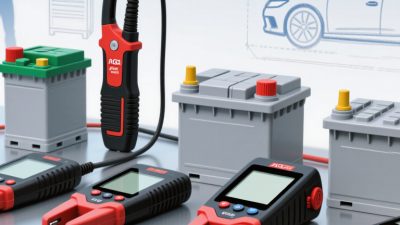
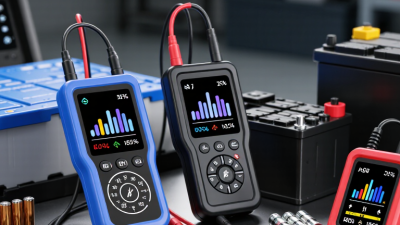
7 Best Battery Digital Testers for Accurate Results
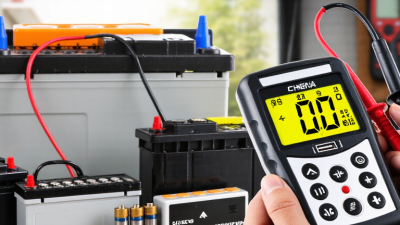
A weak start on a cold morning can turn a small battery concern into a frustrating delay. A Battery Digital Tester helps replace guesswork with useful measurements, including voltage, estimated state of charge, and starting performance. But readings depend on correct settings, clean terminal contact, and the battery’s condition. A screen cannot tell the whole story.
The scale of battery use makes reliable checks increasingly relevant. The International Energy Agency reported that nearly 14 million electric cars were sold worldwide in 2023, about 18% of all car sales. That figure describes electric-car adoption, not demand for handheld testers; still, it shows how central batteries have become across transportation. For everyday 12-volt batteries, a digital tester can help drivers and technicians spot weak performance before relying on a vehicle.
Battery researcher Shirley Meng’s work highlights why battery behavior should be assessed through measured performance, not assumptions. A practical takeaway is to compare results under consistent conditions. Small details matter. A loose clamp, incorrect battery type, or recent charge can affect a reading. This guide compares seven battery digital testers for accuracy, usability, supported battery types, and useful features. It also considers where each device may fall short. No tester replaces a proper diagnosis, and no single number tells the entire story. Choose a tool that matches the battery you actually service, then follow its instructions carefully.
How Digital Battery Testers Measure Battery Health
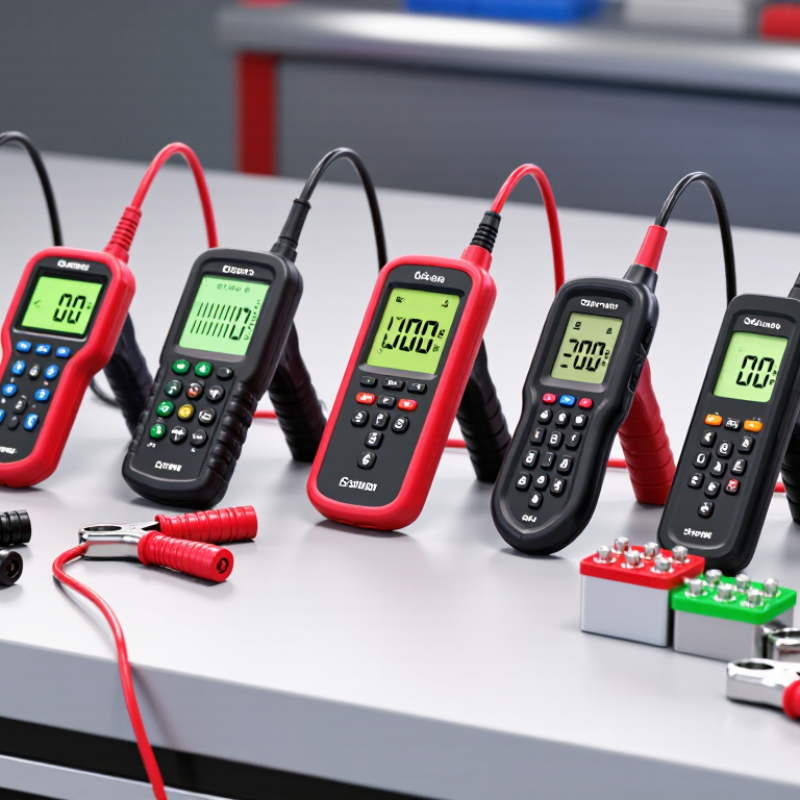
Digital battery testers estimate health by applying a small signal and measuring conductance, voltage, or internal resistance. Many handheld models use conductance to estimate available starting power without fully discharging the battery. The result depends on entering the correct battery type and rated cold-cranking amps. SAE J537 defines a cold-cranking test at 0°F (-18°C) for 30 seconds. A 12-volt battery must maintain at least 7.2 volts during that test. That matters. A handheld tester estimates performance against this benchmark; it does not repeat the full test.
A screen reading is useful, but limited. It mainly indicates starting ability, not how long a battery can power lights or electronics. A battery may pass a quick test yet have reduced reserve capacity. For a steadier reading, switch off accessories, check that the clamps touch clean metal, and follow the tester’s temperature and resting instructions. A warm battery tested immediately after driving may produce a different result from one tested cold. Retest an unexpected reading. Not a full diagnosis. I would treat the number as evidence, not a verdict, especially when symptoms return after charging. Source: SAE J537, Storage Batteries.
Features That Improve Testing Accuracy
7 Best Battery Digital Testers for Accurate Results
Features That Improve Testing Accuracy
Accurate battery readings depend on more than a bright screen. Look for four-wire Kelvin sensing, which reduces errors caused by resistance in test leads and clamps. Temperature compensation also matters: a battery tested in a cold garage can show different behavior from one tested warm. A stable, repeatable load helps reveal weak cells without relying on a single reading. Small details matter.
Tips: Clean the battery posts before testing, clamp firmly onto bare metal, and enter the correct battery type and rating. Repeat the test if readings vary. Record the battery temperature and results; otherwise, comparisons can mislead.
NIST Technical Note 1297 explains that an expanded uncertainty using a coverage factor of 2 corresponds to about 95% coverage under stated statistical assumptions. That is a useful reminder: a displayed number is not exact just because it has decimals. Prefer testers that state accuracy limits, temperature range, and calibration guidance. Check readings against a suitable reference when precision matters. I would still treat borderline results cautiously; cables, surface charge, and a rushed setup can quietly distort them.
Seven Digital Battery Testers and Their Key Strengths
Seven Digital Battery Testers and Their Key Strengths
The seven useful tester types solve different problems. A digital voltage tester quickly shows resting voltage, but not true capacity. A load tester reveals voltage drop under demand. A conductance tester estimates starting ability without a long discharge. An impedance tester helps spot rising internal resistance. A capacity tester measures usable energy over time. A multi-chemistry analyzer supports several battery designs. A logging tester stores readings, making changes easier to track. Each has limits.
SAE J537 describes test procedures for automotive storage batteries, while IEC 60095-1 covers starter batteries. These standards underline why test conditions matter: temperature, charge state, and connection quality can change a reading. Battery Council International reports that about 99% of lead batteries in the United States are recycled. Careful diagnosis can help distinguish battery failure from a charging-system fault before replacement. Still, a tester is not magic; I would repeat an unexpected result before making a decision.
Tips: Clean the terminals, select the correct battery type, and test near room temperature when possible. Record voltage and test conditions. A single number can mislead.
How to Test a Battery Correctly
7 Best Battery Digital Testers for Accurate Results
How to Test a Battery Correctly
Park the vehicle, switch off accessories, and let the battery rest before testing. A recently driven car may show surface charge, which can distort a voltage reading. Let it settle. Check that the case is intact and the terminals are clean. Even a thin layer of corrosion can interfere with the tester’s connection.
Set the tester to the correct battery type and enter the rated cold-cranking amps (CCA) exactly as printed on the label. Connect red to positive and black to negative, keeping the clamps steady. SAE J537 defines a CCA test at −18°C: a 12-volt battery must sustain at least 7.2 volts after 30 seconds of discharge. A handheld tester estimates battery condition differently, so its result is not identical to that formal load test.
Read the screen only after the test finishes. A “good” result does not rule out a loose cable, charging fault, or intermittent problem. If the reading is borderline, clean the posts, confirm the settings, and test again after the battery rests. Small detail, big difference. Temperature matters, too; a weak battery may behave differently in cold weather. I would treat one surprising result as a reason to check the setup, not as a final diagnosis.
Matching a Tester to Your Battery Type and Needs
A digital battery tester is useful only when its settings match the battery in front of you. Check the label for chemistry, voltage, and rated capacity before connecting the clamps. A tester designed for flooded lead-acid batteries may not correctly assess AGM or EFB batteries. Lithium batteries need a tester that explicitly supports their chemistry and battery management system. Guessing can produce a neat number that means very little.
Choose a tester based on the result you need. Conductance models offer quick checks of starting batteries and often display estimated cold-cranking amps. A load tester applies a heavier demand, which can reveal weaknesses that a quick reading misses. For batteries in vehicles with start-stop systems, select a model with the matching test mode. I’ve found that rushed checks are easy to misread; even clean-looking terminals can affect contact.
Tips: Let the battery rest before testing, especially after driving or charging. Wipe corrosion from the terminals, attach the clamps firmly, and enter the rating shown on the label. Compare readings over time rather than treating one result as a verdict. Small differences happen. Temperature and charge level can shift results, so record both when tracking a battery’s condition.

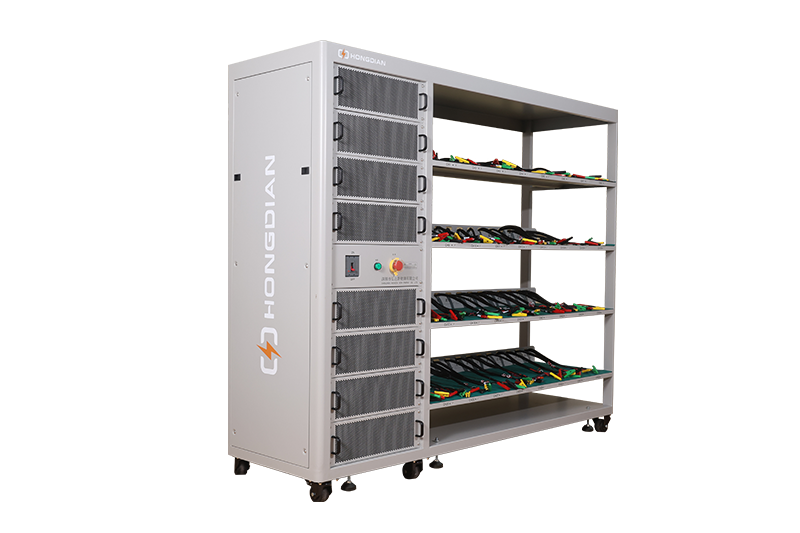 32/48 channel battery charging and discharging test integrated battery cabinet
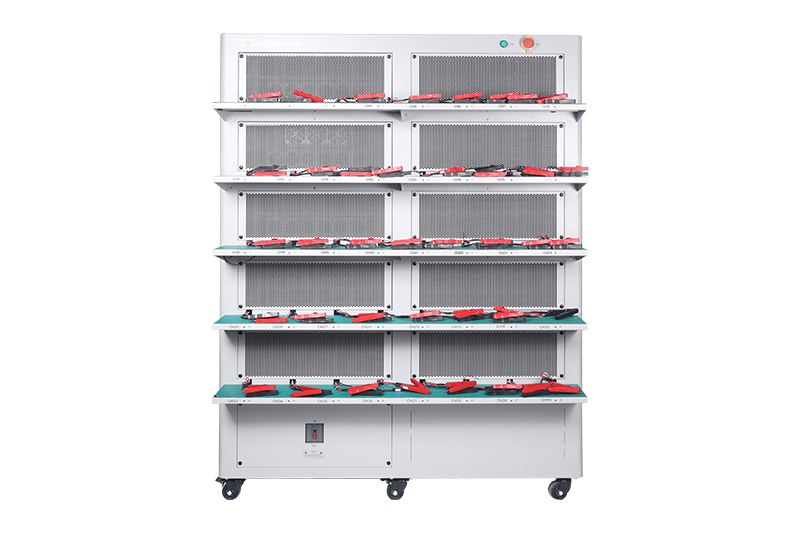 40 channel battery charging and discharging test integrated battery cabinet
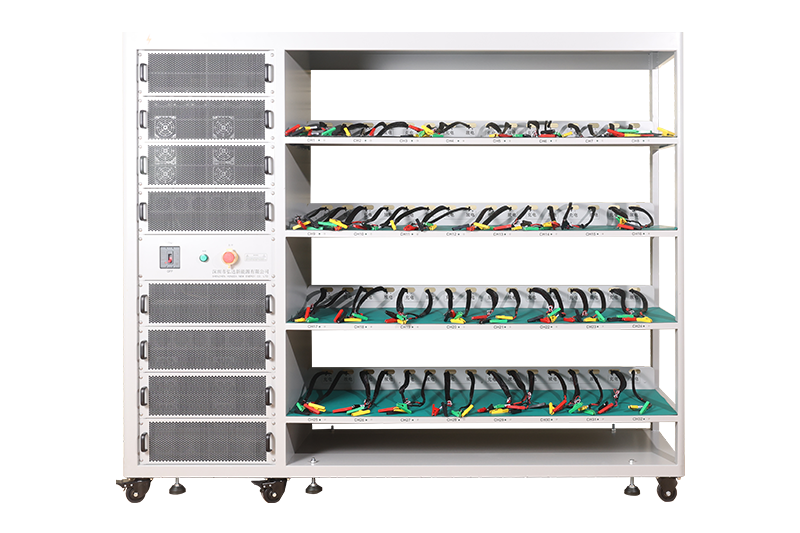 64 channel battery charging and discharging test integrated battery cabinet
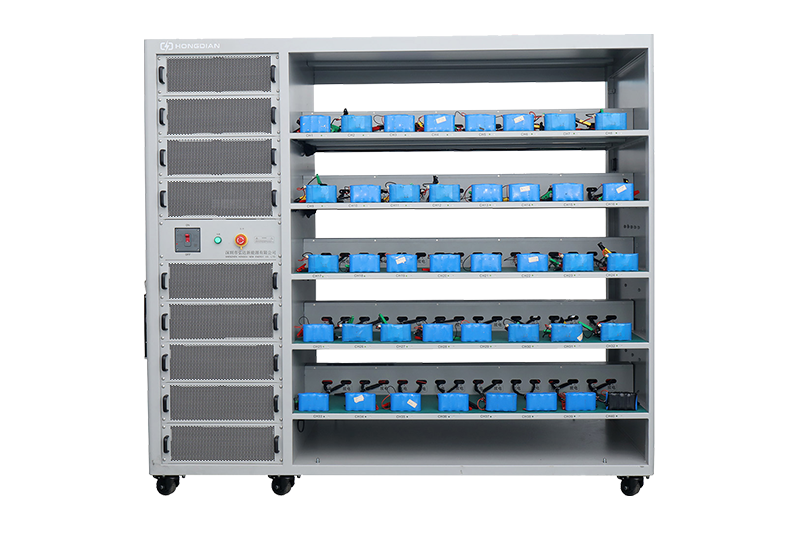 80 channel battery charging and discharging test integrated battery cabinet
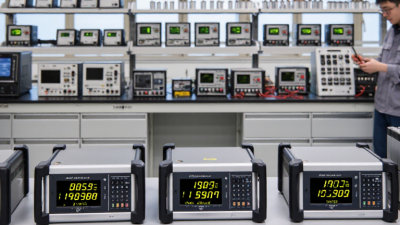
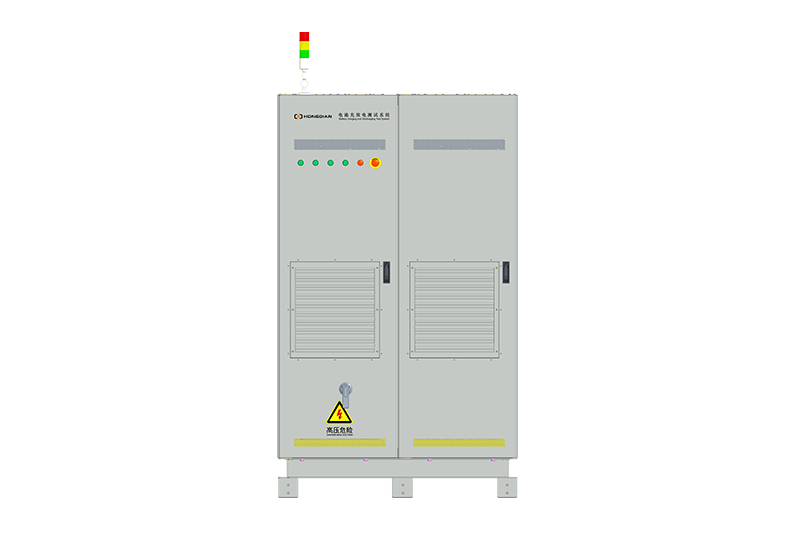 1000V-1500V High Voltage High Current Battery Testing System
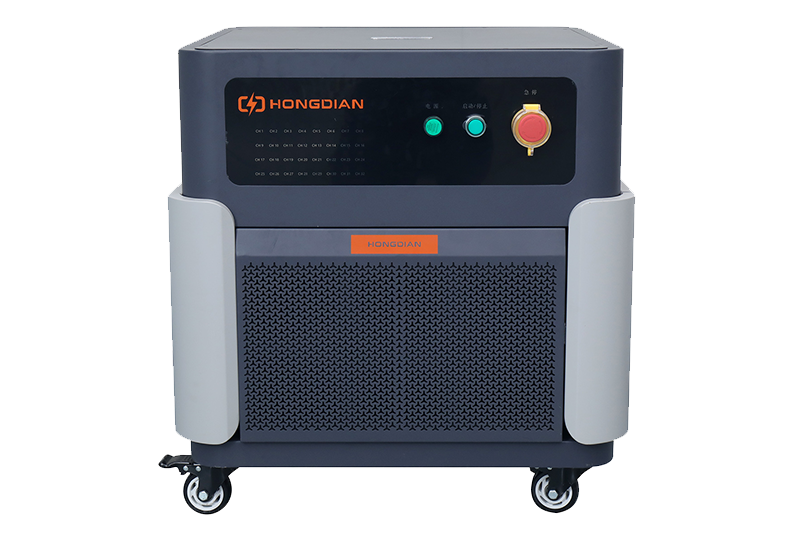 High-Precision Battery Testing System for Enhanced Performance Monitoring 30V/60V/100V/120V
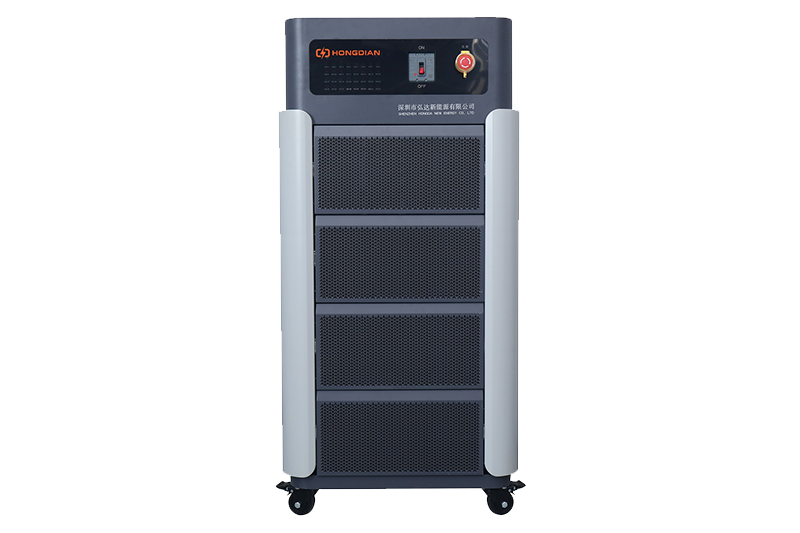 High-Precision Battery Charge Discharge Test Systems for EV Manufacturers
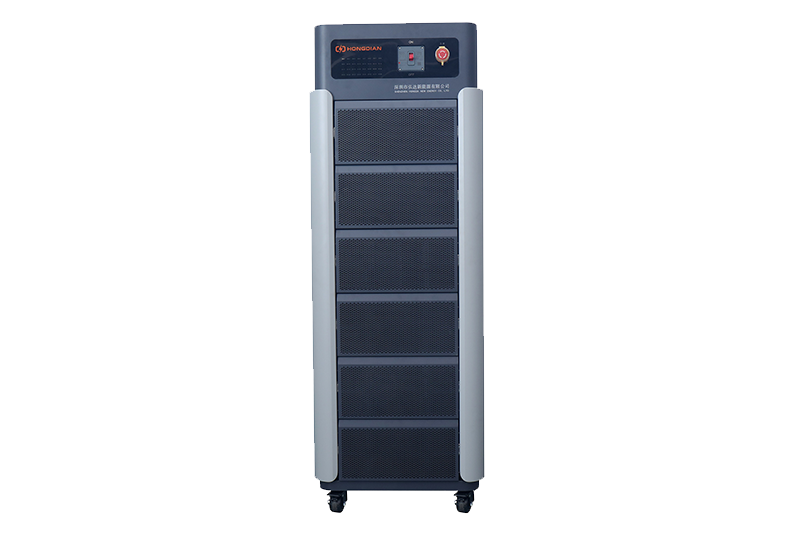 Precision Battery Test Racks for Cell Capacity & Internal Resistance Measurement
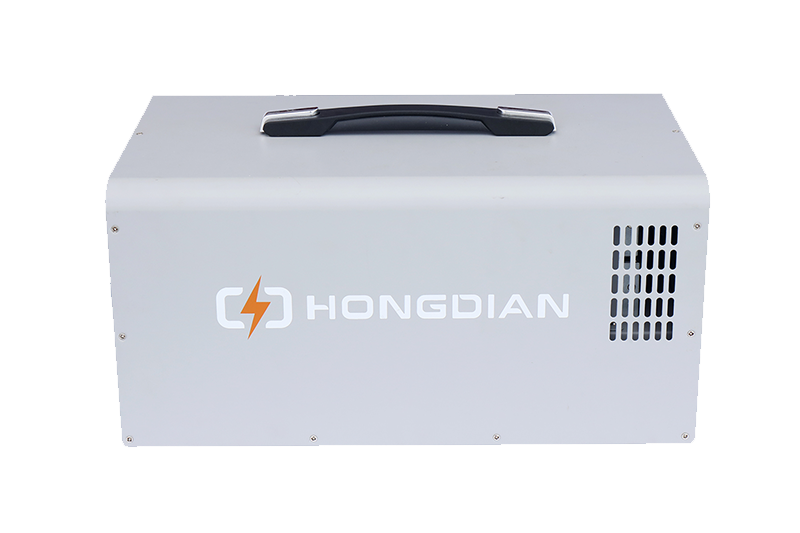 Multi-Channel Battery Testing Equipment for Parallel Performance Analysis