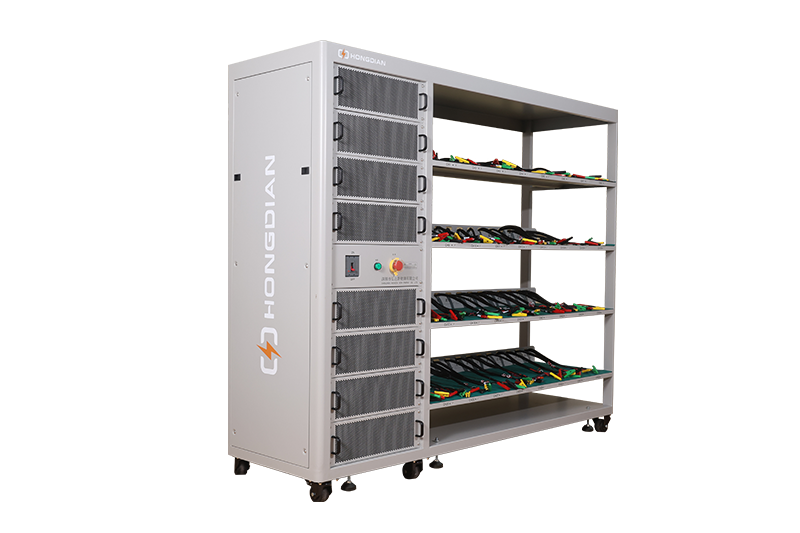
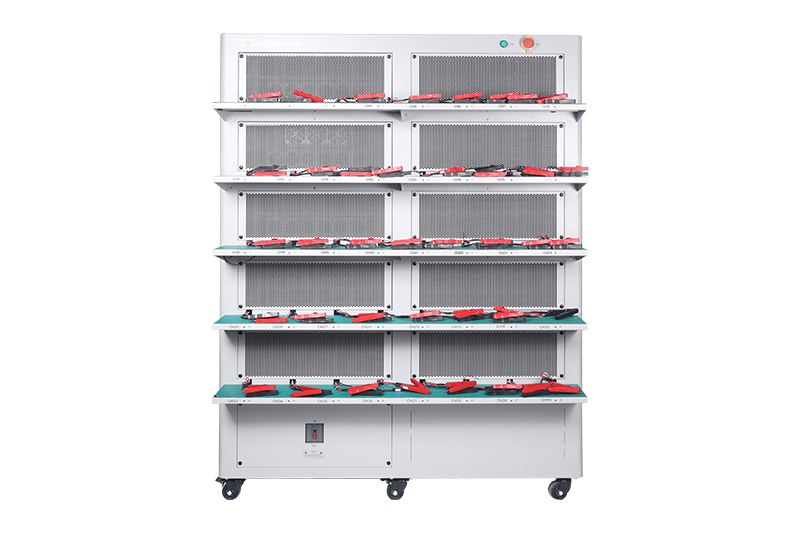
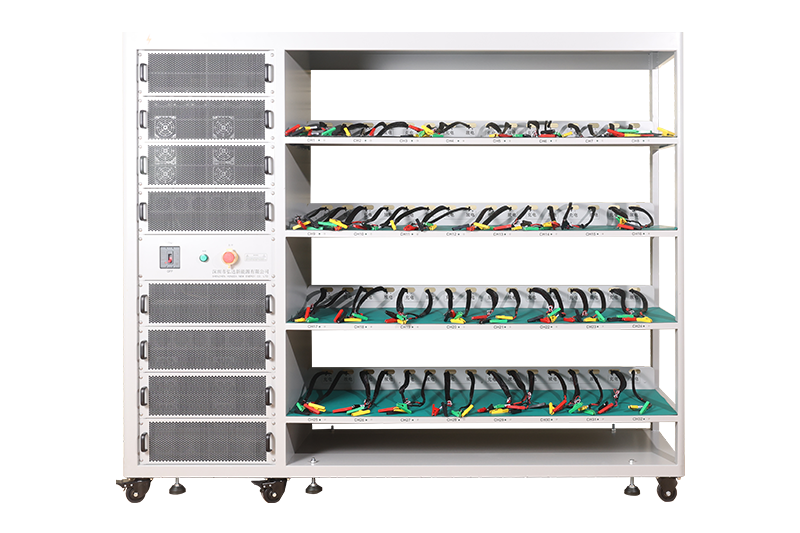
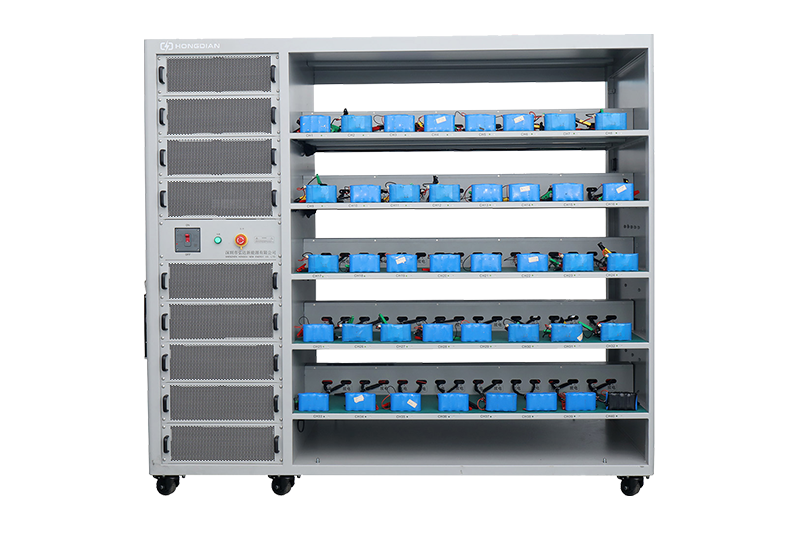
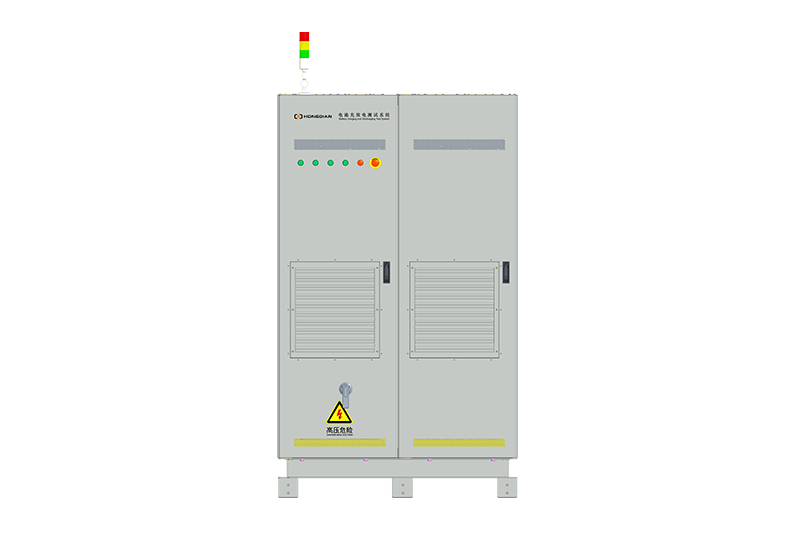
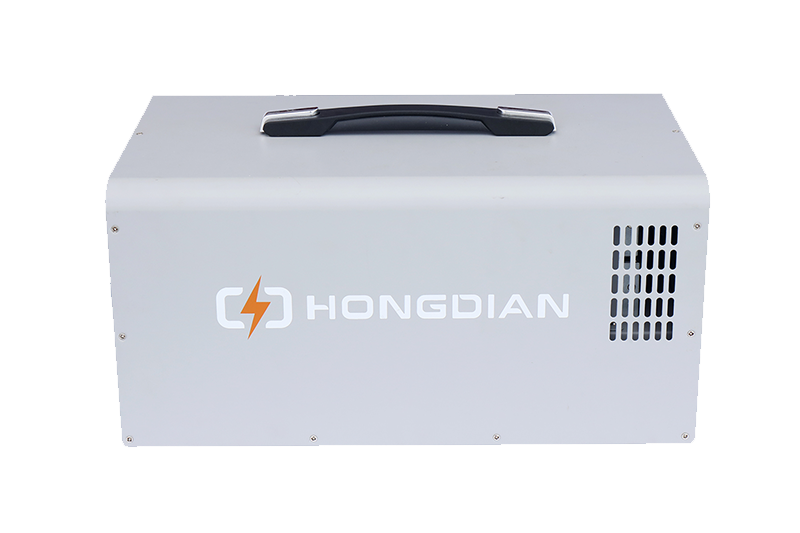
32/48 channel battery charging and discharging test integrated battery cabinet
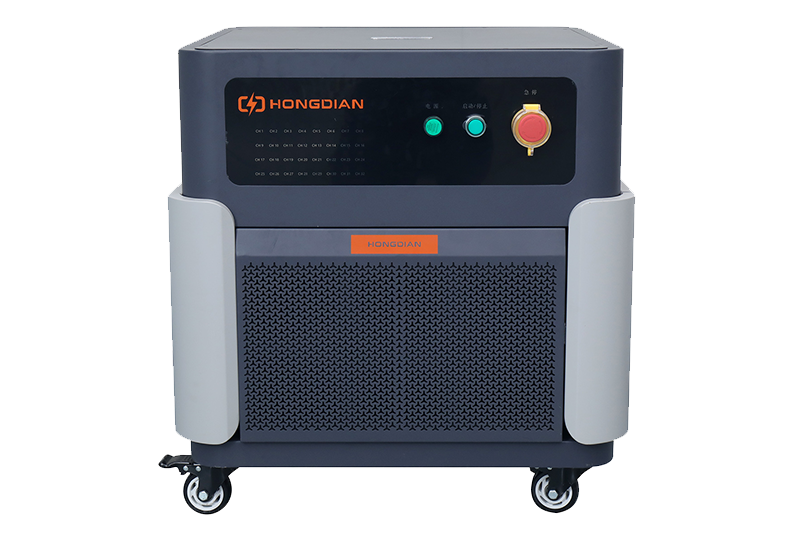
40 channel battery charging and discharging test integrated battery cabinet
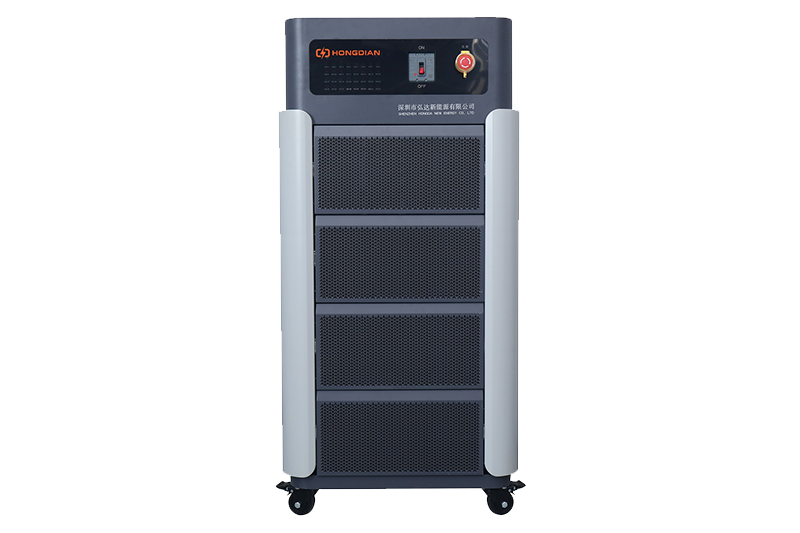
64 channel battery charging and discharging test integrated battery cabinet
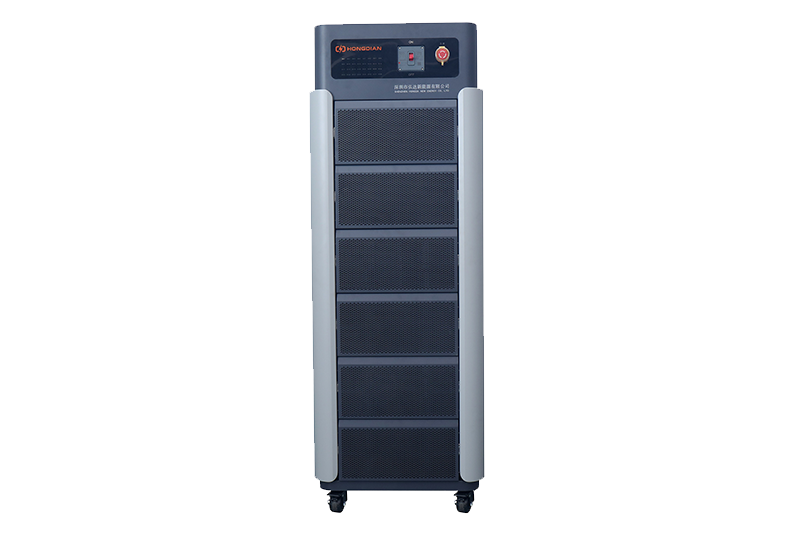
80 channel battery charging and discharging test integrated battery cabinet
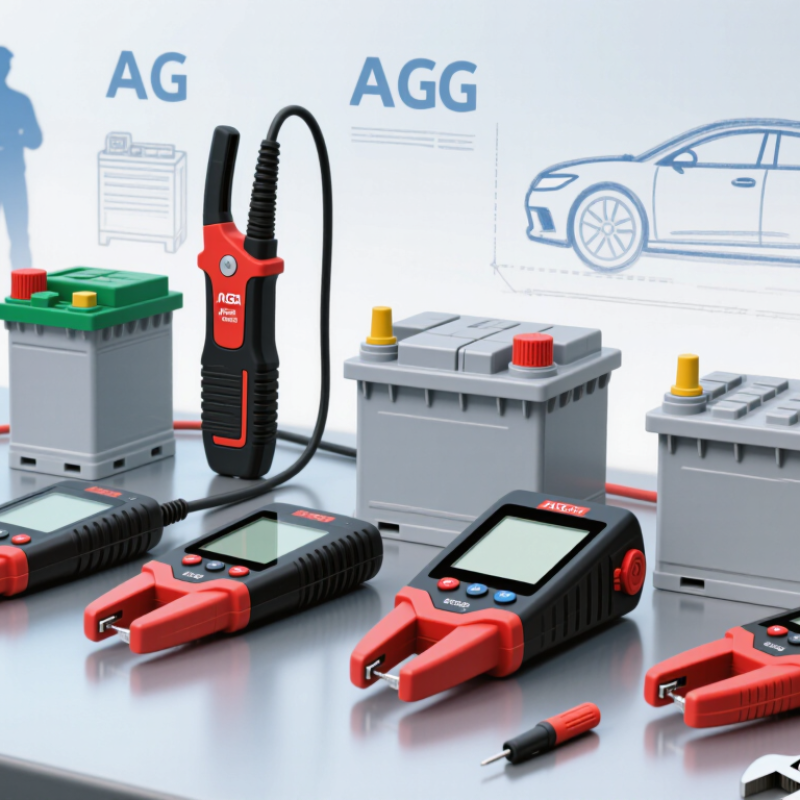
Choosing a Top Rated Battery Tester can make battery checks faster, safer, and more dependable. A reliable tester does more than display voltage. It can reveal weak cranking power, charging problems, and batteries nearing failure. That information matters when a vehicle must start on a cold morning or after sitting overnight.
In practical use, a clear screen and sturdy clamps make a noticeable difference. Good models provide stable readings, simple controls, and results that are easy to understand. Some testers also support multiple battery types, including standard lead-acid, AGM, and gel batteries. This flexibility helps technicians, fleet owners, and careful drivers work with different vehicles. Small details matter.
However, a high rating does not guarantee the perfect tool for every user. Reviews may reflect different testing habits, climates, and expectations. A tester praised in a warm garage might perform differently in a busy workshop. Buyers should examine measurement ranges, accuracy claims, warranty support, and independent user feedback. Product specifications deserve attention too.
Trust comes from repeatable results.
A professional-grade tester should help confirm its readings through consistent procedures. Compare results with a trusted multimeter when practical. Record the battery’s age, resting voltage, and test conditions. These steps reduce guesswork and encourage better maintenance decisions. No tester replaces sound judgment. Yet, choosing a well-reviewed model can provide valuable evidence before replacing a battery unnecessarily. This guide explains the features, testing methods, and reliability factors that separate genuinely useful battery testers from attractive but limited devices.
A battery tester measures a battery’s condition through electrical readings. Most models check voltage, starting power, and internal resistance. Some also perform a controlled load test. This briefly stresses the battery, much like turning on headlights before starting an engine. A healthy battery should maintain stable voltage under that demand. A weak one may drop quickly.
Modern testers often use conductance testing. They send a small signal through the battery and examine its response. The device then estimates available starting power and remaining capacity. Results appear within seconds. Temperature, corrosion, loose terminals, and recent charging can affect those readings. For accurate results, I let the battery rest before testing it. Clean connections matter too.
A top rated battery tester is useful because it presents clear results and repeatable measurements. In a workshop, this can prevent replacing a battery based only on guesswork. At home, it can reveal a gradual decline before a cold morning exposes it. Still, a tester is not magic. A single reading cannot explain every electrical problem. I have seen acceptable voltage alongside a battery that failed under load. That is why I compare test results with age, starting behavior, and charging-system checks. Even careful testing has limits.
Why Choose a Top Rated Battery Tester?
Which Features Define a Top-Rated Battery Tester?
A top-rated battery tester should measure more than surface voltage. It should assess state of charge, starting ability, internal resistance, and battery health. Conductance testing is useful because it can reveal weak plates before a vehicle fails to start. Temperature compensation also matters. A cold battery may show acceptable voltage but deliver much less current. The test should be clear.
Professional standards provide useful context. The Battery Council International reports that lead batteries achieve about a 99% recycling rate in the United States, showing their continued importance in transport and backup power. Meanwhile, the International Energy Agency reported nearly 14 million electric car sales worldwide in 2023. These figures suggest that modern testers must support different chemistries, voltage ranges, and battery designs. A single test method is no longer enough.
Accuracy depends on practical details. Look for reverse-polarity protection, short-circuit safeguards, automatic battery-type selection, and a readable screen in bright workshops. Data storage can help technicians compare yesterday’s result with today’s result. Calibration records matter too. SAE and IEC testing practices remind users that repeatable conditions improve reliability. No tester is perfect. I still question readings taken from corroded terminals or recently charged batteries. Good technicians clean the connection, wait when needed, and confirm doubtful results with a controlled load test.
A top-rated battery tester should support the voltage levels used by common battery systems, deliver clear results, and provide reliable readings for different battery chemistries.
The chart shows the nominal voltage of widely used battery categories. A versatile tester should recognize these voltage ranges and ideally provide voltage, state-of-charge, health, resistance, and starting-current information where applicable. Values are standard nominal ratings; actual measured voltage varies with charge level, load, temperature, and battery condition.
Why Choose a Top Rated Battery Tester?
A top-rated battery tester should provide more than a simple voltage reading. It should measure starting power, internal resistance, and voltage under load. These results reveal problems that a resting battery may hide. A weak battery can still show 12.6 volts after charging. Under a controlled load, its voltage may fall sharply within seconds.
Accuracy depends on the tester and the testing conditions. Clean clamps are essential. Loose contact can create false resistance readings. Temperature also matters, especially during cold weather testing. Many testers adjust results for temperature, but their compensation is not perfect. That deserves attention. A reliable device should explain its testing method, supported battery types, and measurement limits. Clear instructions make results easier to repeat.
In workshop checks, I compare the tester’s result with a known load tester when possible. Agreement between both tests increases confidence. Repeating the test after the battery rests can expose inconsistent readings. Yet no tester removes every uncertainty. Battery age, recent charging, surface charge, and damaged cells can affect the outcome. I once treated a single “good” result as final, but a second test later showed a serious voltage drop. The lesson is simple: use the reading as evidence, not absolute truth. A top-rated tester earns trust through repeatable measurements, stable connections, and honest limits.
| Test Dimension | What Is Measured | Practical Accuracy Benchmark | Reliability Indicator | Why It Matters |
|---|---|---|---|---|
| Open-Circuit Voltage | Voltage measured after the battery has rested without a load. | Within approximately ±0.01 V for a 12 V lead-acid battery under stable conditions. | Stable readings across three consecutive measurements. | Useful for identifying charging problems, deep discharge, or an open circuit, but it does not prove battery capacity. |
| Internal Resistance | Electrical resistance inside the battery, normally reported in milliohms. | Around ±10% is a useful field benchmark when temperature and state of charge are controlled. | Low variation between repeated tests on the same battery. | A rising resistance value often indicates aging, sulfation, corrosion, or reduced high-current performance. |
| Conductance or Estimated CCA | An estimate of a starting battery's ability to deliver current. | Results should be treated as an estimate; approximately ±15% to ±20% can occur because of temperature, charge level, and battery design. | The tester uses the correct rating system and displays a clear pass, recharge, or replace status. | Helps screen automotive starting batteries quickly without applying a prolonged heavy load. |
| State of Charge | An estimate of the battery's present charge level. | Typically most dependable after the battery has rested; a practical target is within about ±5 percentage points. | The tester identifies whether surface charge or recent charging may distort the result. | Prevents a partially charged battery from being incorrectly classified as defective. |
| State of Health | An estimate of remaining performance compared with a healthy battery of the same type. | Treat readings within roughly ±5 to ±10 percentage points as an estimate rather than a laboratory capacity result. | The result is repeatable and is supported by voltage, resistance, or load information. | Supports replacement decisions, but it should not be confused with a full capacity test. |
| Load-Test Performance | Voltage behavior while the battery supplies a controlled electrical load. | A valid test requires a known load, correct test duration, and appropriate battery temperature. | The tester prevents overheating and clearly states the test conditions. | Provides stronger evidence of starting performance than voltage alone. |
| Temperature Compensation | Adjustment of test interpretation for battery temperature. | The tester should record or request temperature because cold conditions reduce available starting performance. | Results remain consistent when the same battery is tested at different ambient temperatures. | Reduces false failures in cold weather and false passes in unusually warm conditions. |
| Battery Compatibility | Support for battery chemistry, voltage, size, and rating standard. | The selected test mode must match the battery, such as flooded lead-acid, AGM, GEL, or lithium-ion. | The device provides clear prompts and rejects incompatible settings. | Using the wrong mode can produce misleading results or create a safety risk. |
| Connection Quality | The electrical contact between the tester clamps and battery terminals. | Clean, secure, and correctly polarized connections are essential for meaningful readings. | The tester detects reversed polarity, weak contact, or unstable terminal connection. | Poor contact can increase measured resistance and cause inaccurate health estimates. |
| Repeatability | The consistency of results when the same battery is tested under unchanged conditions. | Repeated readings should normally remain within the tester's stated tolerance or a small percentage of the first result. | The device produces consistent results across multiple tests and users. | Repeatability is a key indicator that the tester is reliable for maintenance decisions. |

Note: Accuracy depends on battery chemistry, temperature, state of charge, terminal condition, test method, and calibration. Voltage and conductance readings are diagnostic estimates; a controlled capacity test is required to determine the battery's actual ampere-hour capacity.
A top-rated battery tester is most useful when a simple voltage reading cannot explain real performance.
In a garage, it can test a vehicle battery after slow cranking on a cold morning. The display may show acceptable voltage, while a controlled load reveals weak capacity. That distinction prevents replacing a good battery too early. It also helps technicians compare starting current, voltage recovery, and internal resistance, depending on the tester’s design. Use the correct battery type and testing range. A reliable result begins with clean terminals, stable connections, and a fully charged battery when required by the instructions.
At home, this tool is valuable for alarms, flashlights, cameras, and emergency power supplies. Testing several cells together can identify one poor battery that drains the rest. In workplaces, recorded readings support maintenance schedules instead of guesswork. I have seen a battery pass a quick check, then fail under a realistic load. That experience made me less confident in numbers taken out of context. Temperature, battery age, charging history, and cable resistance can influence results. A high-quality tester should explain its test method and show repeatable readings. Still, no tester is perfect. An operator can misread a setting or press the wrong test mode. Pause and verify. Follow safety guidance, avoid damaged cells, and compare unusual results with a second measurement or qualified service advice.
Choosing the right battery tester starts with the batteries you actually handle. A tester for household cells may not suit vehicle, marine, or deep-cycle batteries. Check its supported chemistries, voltage range, and testing method. Some devices measure voltage only. Better instruments also estimate cranking ability, internal resistance, or remaining capacity. These results help, but they are not magic. A weak connection can distort every reading.
In practical work, I look for clear terminals, protected leads, and a screen readable in poor light. The tester should explain results plainly, without unexplained codes. Select a model with a test current suited to the battery’s rated capacity. Excessive current can create misleading readings, while too little may miss a failing cell. Accuracy matters, but repeatability matters too. Test the same battery twice. The values should remain reasonably close.
Safety features deserve equal attention. Reverse-polarity protection, insulated probes, overload control, and automatic shutoff reduce avoidable mistakes. A calibration record or stated accuracy range adds credibility for workshop decisions. I prefer replaceable leads and a sturdy case after seeing cheap cables crack in winter. That experience changed my buying habits. I still question convenient claims. No tester replaces visual inspection, charging history, or a controlled retest. Choose the tool that matches your batteries, working conditions, and skill level—not the one with the longest feature list.