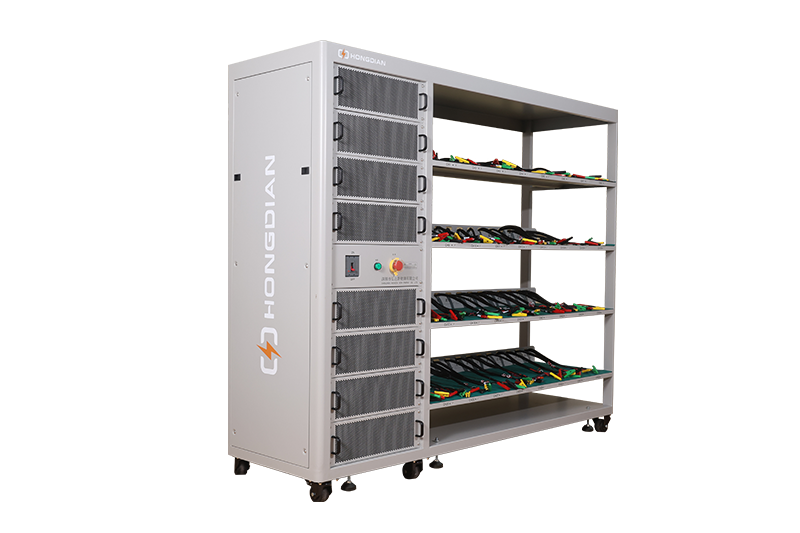
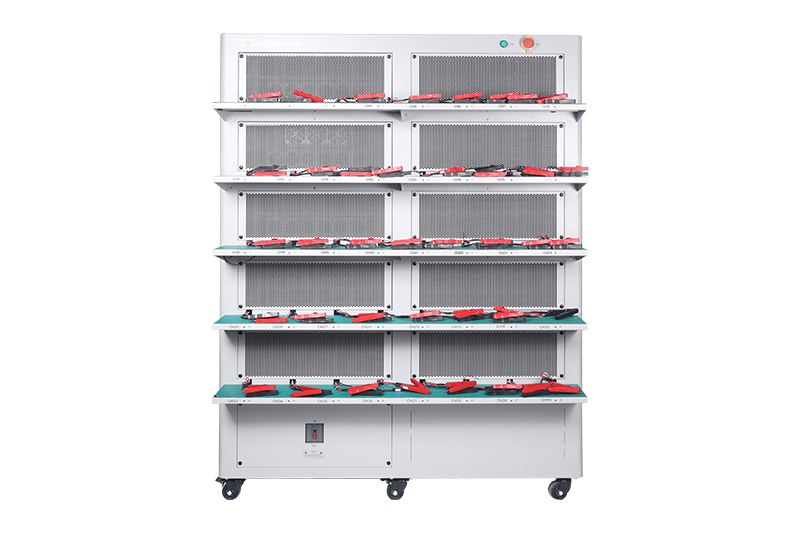
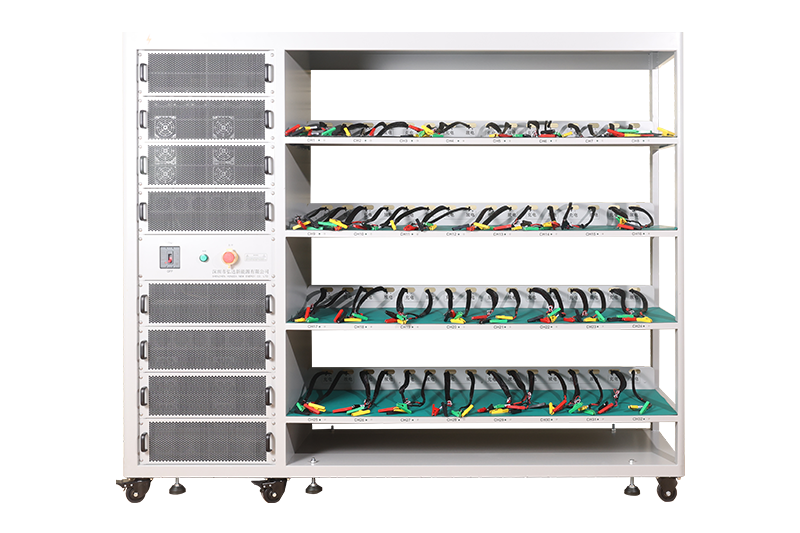
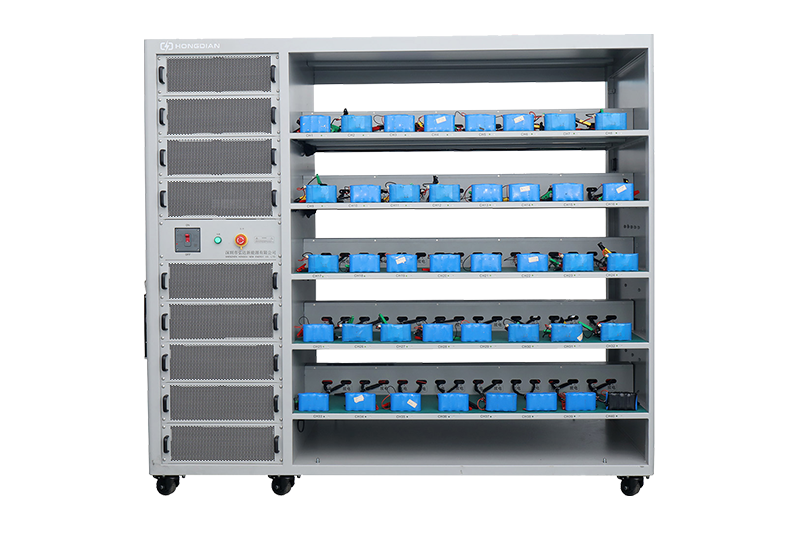
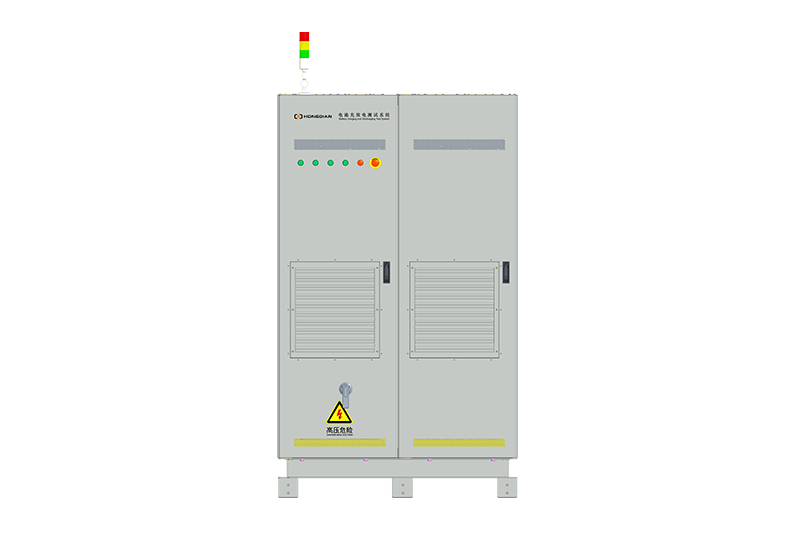
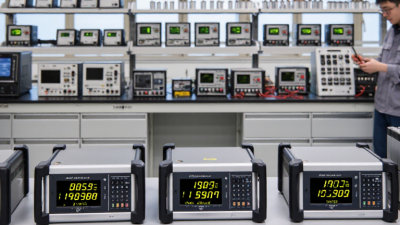
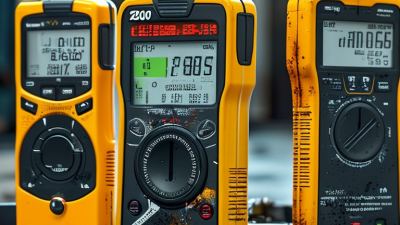
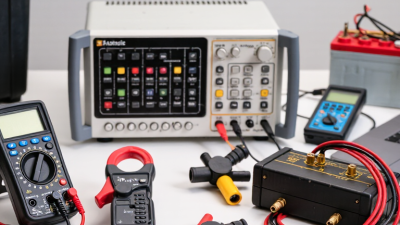
32/48 channel battery charging and discharging test integrated battery cabinet
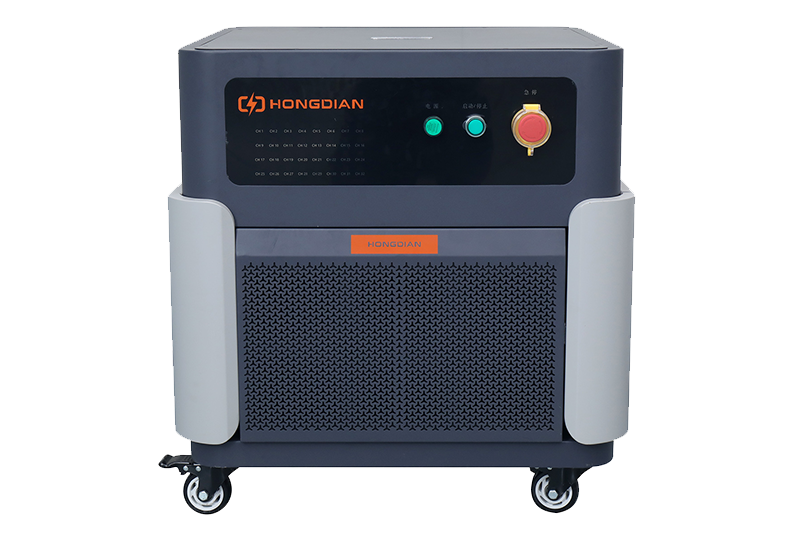
40 channel battery charging and discharging test integrated battery cabinet
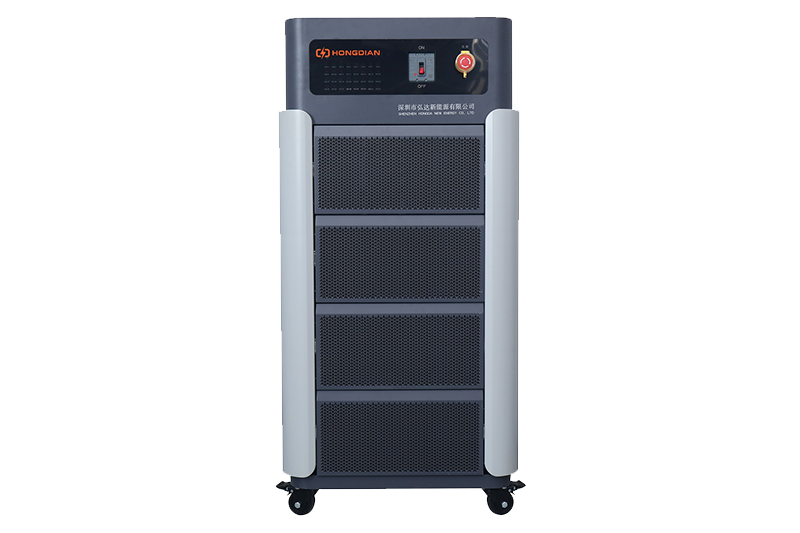
64 channel battery charging and discharging test integrated battery cabinet
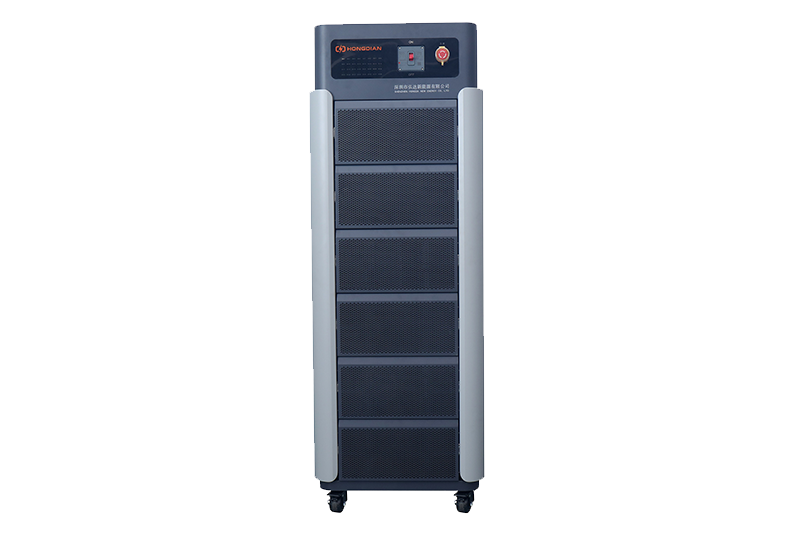
80 channel battery charging and discharging test integrated battery cabinet
Choosing the best Battery Digital Tester from China requires more than comparing prices or counting screen functions. A reliable tester must produce stable readings across real workshop conditions. That means checking voltage accuracy, internal resistance, load performance, temperature behavior, and battery compatibility. A bright display helps, but measurement confidence matters more.
Battery researcher Dr. Jeff Dahn has stated, “The battery is the most important part of an electric vehicle.” His point also applies to testing. If the diagnostic result is weak, every later maintenance decision becomes uncertain. Chinese manufacturers now offer compact testers for automotive, motorcycle, backup power, and lithium battery applications. Some models provide printed reports, USB updates, adjustable test currents, and memory storage. Others look impressive but lack clear calibration information. That difference is easy to miss.
Real use reveals more.
A workshop technician may test a battery beside an open garage door, with cold cables and oily hands. A portable tester should remain readable and steady there. Good products usually include protected leads, simple menus, reverse-polarity protection, and documented accuracy limits. Independent verification is still valuable, even when the supplier provides certificates. A certificate alone does not guarantee long-term performance.
This guide examines Chinese Battery Digital Tester options through practical evidence, technical specifications, user feedback, and supplier reliability. It also considers after-sales support, software quality, language settings, and replacement accessories. The “best” model may not be the cheapest or most advanced. It may be the one that delivers repeatable results under ordinary pressure. Some conclusions may remain imperfect, because battery condition and testing habits can change the outcome. That uncertainty deserves attention.
What Is the Best Battery Digital Tester from China?
A battery digital tester is a handheld instrument that checks a battery’s condition through measured electrical values. It may display voltage, starting performance, internal resistance, or remaining capacity. Unlike a simple voltmeter, it often applies a controlled test and interprets the response. The screen gives a quick reading in a workshop, warehouse, or service vehicle.
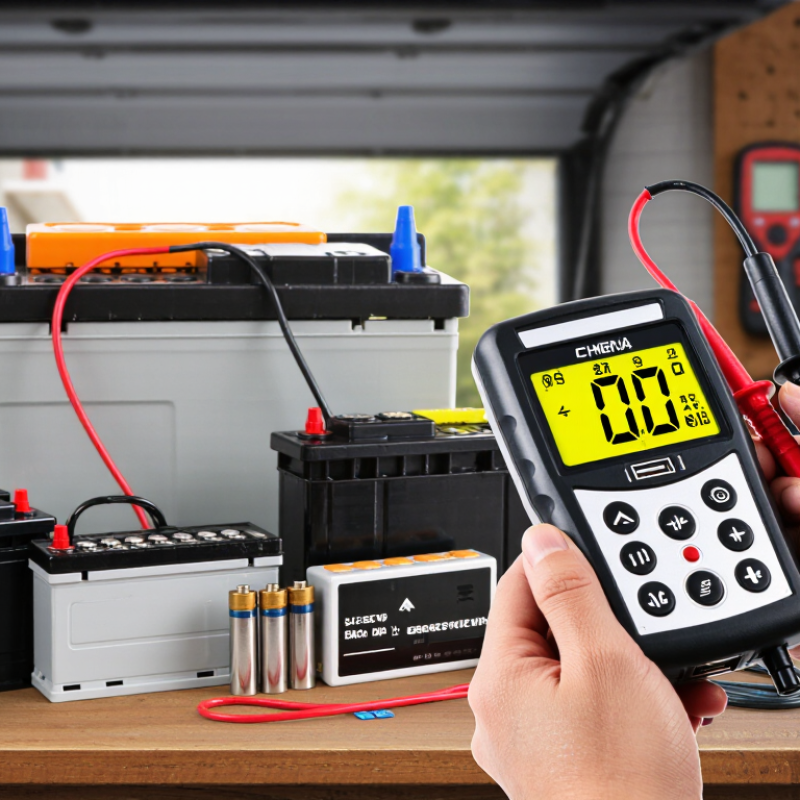
In practical use, I connect the clamps to clean terminals and confirm the battery type before testing. A stable connection matters. Loose clips can create false readings. Many testers support common automotive batteries, while others suit rechargeable packs or small cells. The best unit is not always the most expensive. It should offer clear instructions, repeatable results, durable leads, and protection against reversed connections. A readable display helps when hands are cold or lighting is poor.
Digital results still need judgment. A fully charged battery can show acceptable voltage but fail under load. Temperature, surface charge, age, and cable condition may change the result. I once trusted a single reading too quickly; a second test after resting produced a different answer. That mistake remains useful. Reliable testers should be compared with a known reference battery and checked periodically. Calibration information, safety guidance, and responsive technical support also reveal whether a manufacturer treats accuracy seriously.
A digital battery tester works by sending a controlled electrical signal through the battery. It then measures voltage, current response, internal resistance, and sometimes temperature. A microprocessor compares these readings with stored battery profiles. It estimates state of charge, state of health, cold-cranking performance, and possible failure risk.
The process is quick. Usually, the clamps connect directly to clean terminals. The tester first checks open-circuit voltage. It may then apply a brief load or use conductance analysis. Conductance testing is less disruptive than a long discharge test. However, it does not always measure true capacity. That distinction matters. A battery can show healthy voltage but collapse under sustained load.
The IEA’s Global EV Outlook 2024 reports that global electric-vehicle battery demand exceeded 750 GWh in 2023, rising by about 40% year on year. This growth increases the need for repeatable diagnostic tools across workshops and warehouses. For a digital tester made in China, buyers should examine calibration records, test-range accuracy, temperature compensation, and compliance with relevant IEC requirements. In practical checks, poor clamp contact can distort resistance readings within seconds. I have also seen voltage treated as a complete diagnosis. It is not. A stronger method combines voltage, conductance, temperature, and a real load test when battery capacity remains uncertain.
How Does a Digital Battery Tester Work?
A digital battery tester measures the battery’s open-circuit voltage and, in many models, estimates starting performance by measuring voltage response or internal resistance. The chart shows commonly used resting-voltage reference points for a 12 V lead-acid battery at approximately 25°C after the battery has rested. A fully charged battery is typically around 12.6–12.8 V, while a reading near 12.0 V indicates approximately 50% state of charge. Temperature, battery age, electrolyte condition, and recent charging can affect the result, so a reliable tester should provide stable voltage measurement, temperature compensation, and repeatable testing.
What Is the Best Battery Digital Tester from China?
A good Chinese battery tester should provide more than a bright screen and a low price. In workshop use, measurement stability matters most. The tester should check voltage, cold cranking performance, internal resistance, and charging-system output. Clear readings are essential when testing a battery beside a noisy engine bay.
Accuracy depends on the testing method and the battery type selected. A useful device supports common lead-acid batteries, including flooded, AGM, and gel models. It should also show testing standards, rated capacity, and temperature conditions. Reverse-polarity protection is a small but valuable safety feature. Automatic shutdown saves power during repeated inspections. Data storage and USB or wireless export can help technicians compare results over time.
Tips: Check the tester against a calibrated multimeter before regular use. Clean corrosion from the terminals, then connect the clamps firmly. Test after the battery rests, because recent charging may produce misleading results. Keep the software updated, if updates are available. However, do not treat every printed result as absolute truth. I once trusted a stable reading from a weak connection, and the diagnosis was wrong. Repeating the test exposed the problem.
A reliable tester should explain its result in plain language. “Replace battery” is less useful without voltage, resistance, and test conditions. A strong housing, flexible cables, and a readable display also matter in cold workshops. Some low-cost units perform well, but their instructions can be unclear. That weakness deserves attention before purchase.
What Is the Best Battery Digital Tester from China?
How to Compare China’s Best Battery Digital Testers
China’s best battery digital tester is not always the most expensive model. The right choice depends on accuracy, testing range, repeatability, and safety evidence. The International Energy Agency reported that global battery demand in the energy sector exceeded 750 GWh in 2023. China also produced more than 80% of global battery cells that year. This scale creates many options, but quality can vary between suppliers.
Check whether the tester supports four-wire Kelvin measurement, adjustable discharge loads, and temperature compensation. These features reduce errors caused by cable resistance and changing workshop conditions. Review the stated accuracy, resolution, calibration process, and test current. A bright screen helps, but it cannot repair poor calibration. Look for test records, traceable calibration certificates, and compliance evidence for IEC 61010-1. Do not accept a certificate image without verification. I have found that simple menus often outperform crowded interfaces during repeated testing. Still, a basic tester may lack data export and automatic reporting.
Tips: Compare the same battery under identical temperature and charge conditions. Test each unit several times. Record voltage, internal resistance, load current, and recovery voltage. Ask suppliers for sample reports and service response times. A low price is useful only when replacement leads and calibration support remain available. The comparison is imperfect. Real workshop performance matters more than attractive specifications.
The table compares common China-sourced battery digital tester configurations by measurable capability, compatibility, testing method, and practical use. Actual specifications may vary by supplier and production batch, so the final product specification should be confirmed before purchase.
| Tester Profile | Typical Battery Systems | Voltage Range | Rated Capacity Range | Testing Method | Common Test Standards | Measured Parameters | Typical Best Use | Main Advantage | Important Limitation | Overall Suitability |
|---|---|---|---|---|---|---|---|---|---|---|
| Compact 12 V Conductance Tester | Flooded lead-acid, AGM, and gel batteries | 6–20 V DC | 100–2,000 CCA | Low-current AC conductance measurement | SAE, EN, DIN, IEC, JIS | Voltage, estimated starting power, internal resistance, state of charge, state of health | Automotive workshops and routine service checks | Fast, portable, and normally requires no battery removal | Results can be affected by surface charge, temperature, and poor terminal contact | Best general-purpose choice |
| 6/12/24 V Professional Conductance Tester | Automotive, commercial vehicle, marine, and standby lead-acid batteries | 6–30 V DC | 100–3,000 CCA | Low-current conductance and electrical-system analysis | SAE, EN, DIN, IEC, JIS, MCA, CA | Battery condition, charging voltage, starting voltage, cranking performance, ripple indication | Repair shops, fleet maintenance, and 24 V systems | Wider system compatibility and deeper vehicle diagnostics | Usually costs more and requires correct voltage-system selection | Best for professional workshops |
| 12/24 V Electronic Load Tester | Starting batteries used in cars, trucks, boats, and generators | 6–30 V DC | Approximately 100–2,000 CCA, depending on load rating | Controlled resistive or electronic discharge load | SAE-based starting-battery load procedures | Voltage under load, recovery voltage, pass/fail condition, charging-system voltage | Confirming real cranking performance on conventional lead-acid batteries | Applies a practical load rather than relying only on an electronic estimate | Generates heat, consumes battery energy, and is less suitable for small or lithium batteries | Best for load-based verification |
| Battery Analyzer with Printer or Data Export | Lead-acid batteries in service centers, fleets, and warranty inspection | 6–30 V DC | 100–3,000 CCA | Conductance testing with stored test records | SAE, EN, DIN, IEC, JIS | Battery rating, measured voltage, estimated health, test date, customer or vehicle identification | Fleet records, warranty documentation, and repeat inspections | Creates repeatable records for service and quality control | Larger housing, higher purchase cost, and more maintenance for paper printers | Best for documented testing |
| Smart Lead-Acid and Lithium Battery Tester | 12 V lead-acid batteries and selected 12 V lithium iron phosphate battery packs | 6–20 V DC | Lead-acid: commonly 100–2,000 CCA; lithium: manufacturer-defined capacity range | Conductance measurement with chemistry selection | Lead-acid rating standards; lithium mode depends on the battery manufacturer’s specifications | Voltage, resistance, battery status, selected capacity, and basic protection warnings | Mixed-energy workshops and light electric-vehicle service | One instrument can cover more than one battery chemistry | Lithium results are not directly comparable with CCA results from lead-acid batteries | Best for mixed battery types |
| High-Voltage Battery Diagnostic Meter | Selected electric-vehicle and energy-storage battery assemblies | Typically 0–1,000 V DC, depending on design | Pack capacity and resistance are manufacturer-defined | Insulated voltage, resistance, insulation, or module-balance measurement | Application-specific EV and energy-storage procedures | Pack voltage, module voltage, insulation status, imbalance, and diagnostic codes where supported | Specialist EV, solar-storage, and industrial battery service | Supports systems that ordinary 12 V testers cannot safely measure | Requires specialist training, suitable personal protective equipment, and verified safety ratings | Best only for qualified high-voltage technicians |

Choosing a battery digital tester from China starts with your battery type and working environment. A motorcycle shop needs different data than a warehouse servicing backup batteries. Check whether the instrument supports lead-acid, AGM, gel, lithium, or several chemistries. Voltage range matters. A 12-volt tool may not safely evaluate a 24-volt system. Look for measured capacity, cranking performance, internal resistance, and charging status. These readings help, but they are not identical to a full laboratory test.
In daily use, I prefer a tester with large terminals, a readable screen, and simple menus. Gloves and poor lighting expose weak designs quickly. Ask Chinese suppliers for calibration records, sample reports, operating instructions, and electrical safety documents. A clear English manual is valuable.
Confirm the testing method, accuracy tolerance, operating temperature, and data storage options. Some low-cost meters look impressive but provide vague results under load. That is a problem. Request a sample before placing a large order, then compare readings with a trusted reference battery.
I once trusted a stable screen reading and ignored a loose clamp. The result was wrong. This small mistake changed my inspection routine. Now I repeat measurements, clean the terminals, and record battery temperature. For field technicians, choose shock-resistant housing and rechargeable power. For a service center, printer or USB export may save hours. Do not choose the highest feature count automatically. A tester is useful only when its readings fit your decisions, staff skills, and maintenance schedule. Review after-sales response times and replacement policies before payment. Maybe the cheapest option is not economical.