China Top Battery Amp Tester Suppliers for Global Buyers
Choosing a reliable China supplier is essential when sourcing a Battery Amp Tester for global markets. Accuracy, durability, and stable production directly affect workshop decisions and customer trust. This guide introduces leading Chinese suppliers that serve distributors, automotive service centers, battery manufacturers, and industrial buyers.
A dependable supplier should provide clear measurement ranges, readable displays, protected test leads, and repeatable results. Buyers should examine product specifications, factory experience, quality-control procedures, and after-sales support. Ask for calibration records and sample units before placing larger orders. Small details matter. A loose clamp or unclear interface can create expensive problems.
Supplier reputation also requires careful verification. Product listings may look impressive, but documented testing evidence offers stronger confidence. Check certifications relevant to the destination market, communication quality, packaging standards, and delivery performance. Factory audits or third-party inspections can reduce uncertainty. However, no supplier is perfect. Even experienced manufacturers may have uneven models, delayed responses, or limited customization options. That deserves honest attention.
This article compares China’s top Battery Amp Tester suppliers through practical purchasing criteria. It considers product capability, manufacturing strength, export experience, customization services, and buyer support. The goal is not to promote the loudest claim. It is to help global buyers make a clearer, safer, and more informed decision. Expect useful findings, but verify every critical detail before signing a contract.
What Is a Battery Amp Tester and How Does It Work?
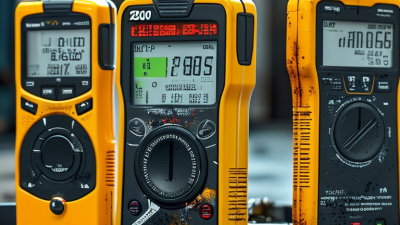
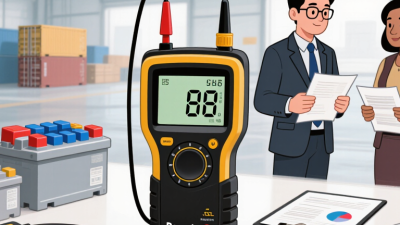
A battery amp tester measures the electrical current flowing into or out of a battery. It helps technicians check starting power, charging performance, and possible drain. Unlike a basic voltage meter, it shows how the battery behaves under demand. A healthy battery may show normal voltage but lose current quickly under load.
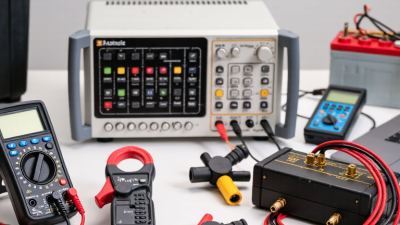
Most testers use a controlled load, a precision shunt, or a Hall-effect sensor. The instrument connects to the positive and negative terminals with insulated clamps. It then records current, voltage, and sometimes internal resistance. During a load test, the device draws a selected current for several seconds. The display compares the result with the battery’s rated capacity or starting-current value.
Connection quality matters. Clean terminals give more reliable readings. Loose clamps can create heat and false results. I usually record the battery temperature, resting voltage, and test duration before judging its condition. Cold batteries often deliver less current, so temperature should not be ignored. That difference matters. A tester is not an automatic diagnosis. A weak cable, damaged terminal, or incomplete charge can distort the result. I have seen acceptable readings change after cleaning the contacts and repeating the test. Buyers should examine measurement range, accuracy data, overload protection, clamp quality, and calibration support when evaluating suppliers.
Key Features of Reliable Battery Amp Testers
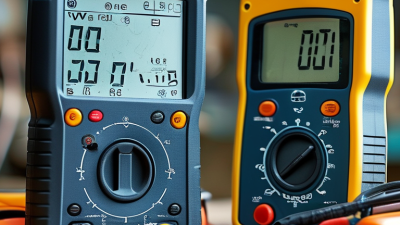
Reliable battery amp testers should deliver stable readings under real workshop conditions, not only in product brochures. A clear display, fast sampling, and suitable resolution help technicians identify small current changes. Accuracy matters when checking charging faults or parasitic drain. Look for documented calibration results and a stated measurement tolerance. Good units also support a broad current range without sacrificing low-current sensitivity. That balance is easy to miss.
Safety features deserve equal attention. Overload protection, insulated leads, reverse-polarity alerts, and thermal monitoring reduce avoidable damage during repeated tests. Four-wire measurement can limit cable resistance errors, especially with higher currents. Data logging is useful when battery output changes over several hours. USB or wireless transfer may simplify service records, but only when the software is reliable. Simple controls often outperform crowded menus.
A durable enclosure, firm connectors, and flexible cables matter in cold warehouses and busy repair bays. In practical trials, heat can slowly shift readings. Calibration still matters. Buyers should ask suppliers about calibration intervals, replacement leads, operating temperature, and after-sales technical support. A tester may advertise impressive peak capacity, yet its continuous rating could be much lower. This detail deserves careful checking. I would also compare readings against a trusted reference meter before approving large orders. No instrument is perfect. Good suppliers explain its limits instead of hiding them.
Leading Chinese Suppliers and Their Product Capabilities
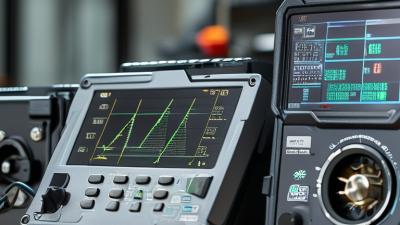
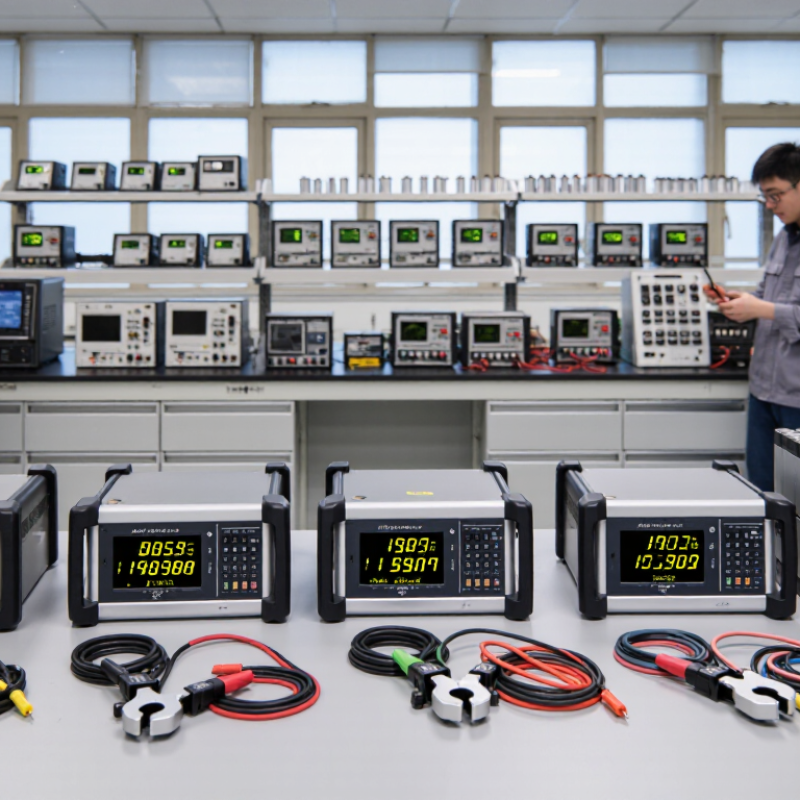
Chinese battery amp tester suppliers serve global buyers with varied testing needs, from small service benches to production lines. Their product capabilities commonly include handheld current meters, DC load testers, shunt-based systems, and programmable test platforms. Many suppliers offer ranges from milliamps to several hundred amps. Some systems also measure voltage, resistance, capacity, and temperature.
Experienced suppliers usually provide custom cables, insulated probes, battery fixtures, and communication software. Buyers can request USB, Ethernet, or serial interfaces for data transfer. Clear displays help technicians read unstable current values during charging or discharge. For factory use, automated test sequences reduce repeated manual work. Calibration certificates with traceable references are important, especially when test results support quality decisions.
A polished datasheet is not enough. Global buyers should review sample reports, calibration intervals, overload protection, and replacement-part availability. Factory audits can reveal whether assembly, calibration, and final inspection follow consistent procedures. Suppliers with ISO-based quality systems often document these steps more reliably, but certification alone proves little. Ask for a live demonstration using a battery similar to the intended application. One weakness remains: some suppliers describe accuracy without explaining temperature conditions or test duration. That detail deserves closer review. Shipping protection, multilingual manuals, and responsive technical support also affect real purchasing results.
How Global Buyers Should Evaluate Suppliers
Global buyers should evaluate Chinese battery amp tester suppliers through evidence, not attractive quotations. The IEA Global EV Outlook 2024 reported that global electric vehicle battery demand exceeded 750 GWh in 2023, rising by about 40%. This growth increases pressure on test accuracy, repeatability, and after-sales support.
Ask suppliers for calibration records, uncertainty data, and test results from comparable battery cells. Confirm whether their laboratories follow ISO/IEC 17025 principles. A reliable supplier should explain current measurement accuracy, load stability, temperature control, and safety limits in plain language. Request a sample report showing voltage, current, capacity, test duration, and abnormal-event records. Small details matter.
Check the entire supply process, not only the instrument. Review factory experience, spare-parts availability, software updates, packaging, and remote troubleshooting. The Global E-waste Monitor 2024 estimated that the world generated 62 million tonnes of electronic waste in 2022. Durable equipment and repairable designs therefore deserve serious attention. A cheap tester may become expensive after one failed calibration. I have seen specifications look complete while excluding critical conditions, such as ambient temperature or sampling frequency. That is a weakness worth challenging. Buyers should compare at least three suppliers, run acceptance tests with known reference loads, and record every promised performance value in the contract.
Export Standards, Quality Checks, and Purchasing Considerations
China Top Battery Amp Tester Suppliers for Global Buyers
Export-ready battery amp testers need more than attractive specifications.
Buyers should request applicable safety and electromagnetic compatibility documents, such as IEC 61010-1 and IEC 61326-1, where relevant. Export files should include a commercial invoice, packing list, product manual, and accurate country-of-origin details. Confirm voltage, plug type, labeling, and customs classification before payment. Requirements differ by destination.
Quality checks should match real battery testing conditions.
Inspect current range, resolution, overload protection, display stability, and thermal drift. Compare readings with a calibrated reference source at low, medium, and maximum current. Ask for calibration results, measurement uncertainty, serial-number tracking, and inspection photos. A certificate alone is not enough. I have seen neat reports that failed to explain test conditions.
Tips:
Request a pre-shipment sample test. Record readings at several load points. Check cable heating after continuous operation. Confirm whether calibration is traceable to an accredited laboratory. Clarify warranty response times, spare probes, software support, and replacement procedures in writing. Do not choose only by price. A cheaper tester may create hidden costs through unstable measurements, delayed service, or repeated inspections. Also, suppliers should explain limitations honestly. That detail builds trust, although many purchasing teams overlook it.

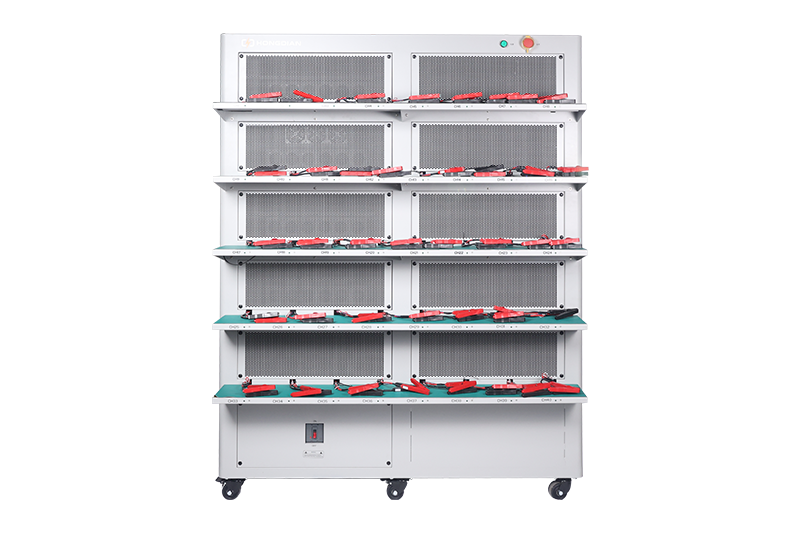
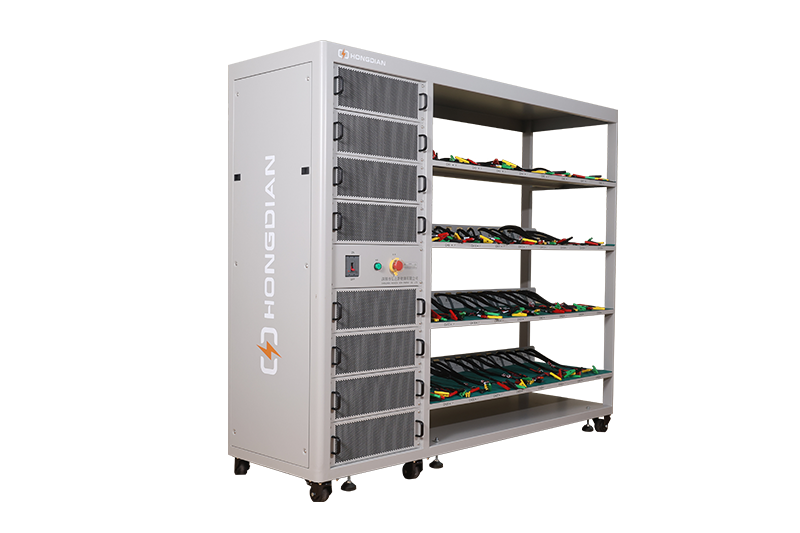 32/48 channel battery charging and discharging test integrated battery cabinet
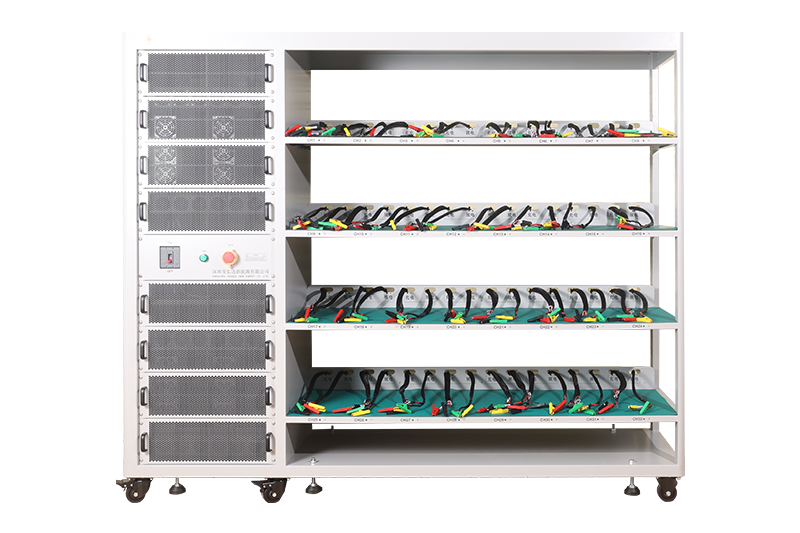
 40 channel battery charging and discharging test integrated battery cabinet
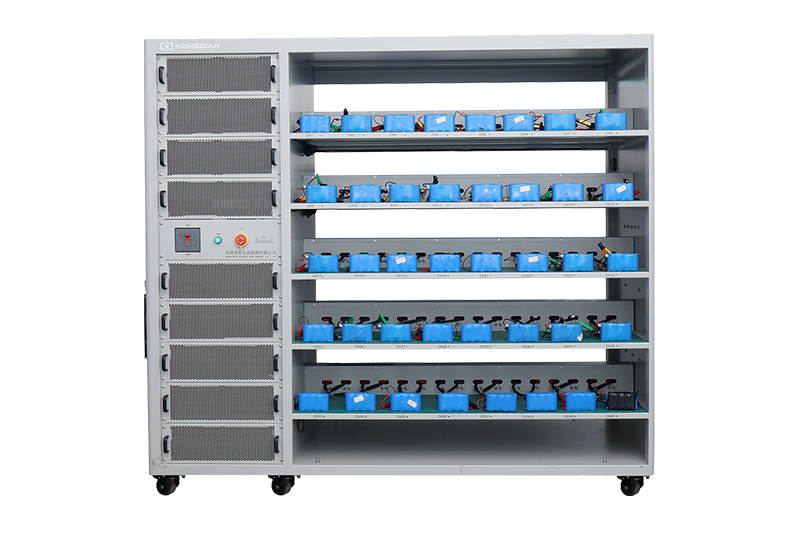
 64 channel battery charging and discharging test integrated battery cabinet
 80 channel battery charging and discharging test integrated battery cabinet
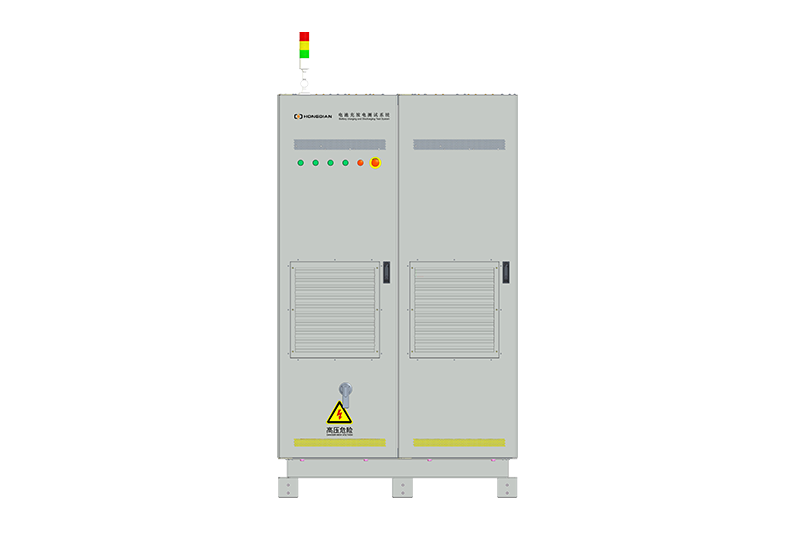 1000V-1500V High Voltage High Current Battery Testing System
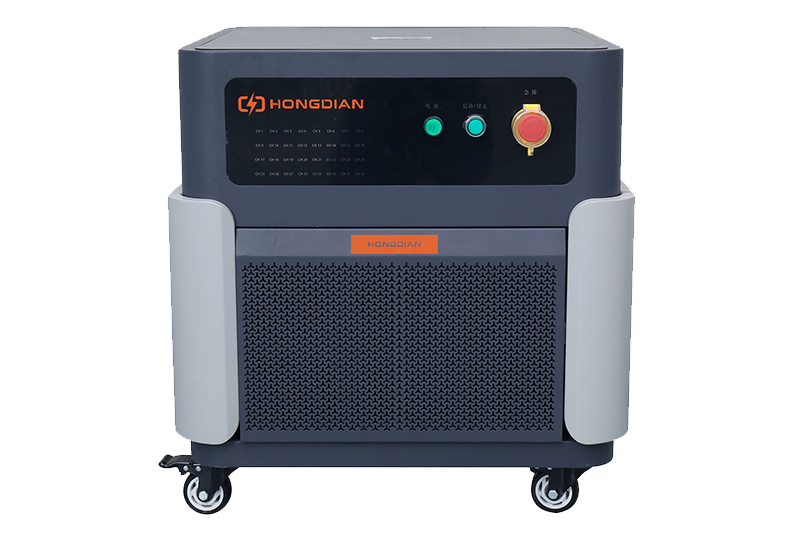 High-Precision Battery Testing System for Enhanced Performance Monitoring 30V/60V/100V/120V
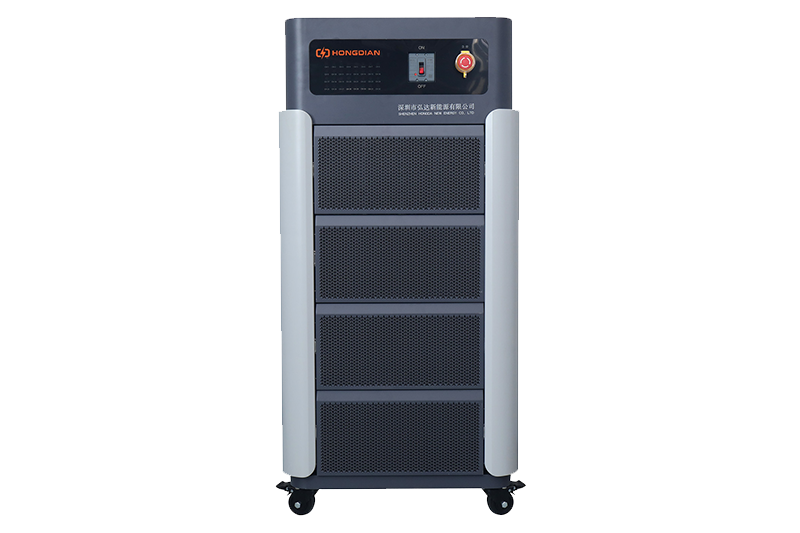 High-Precision Battery Charge Discharge Test Systems for EV Manufacturers
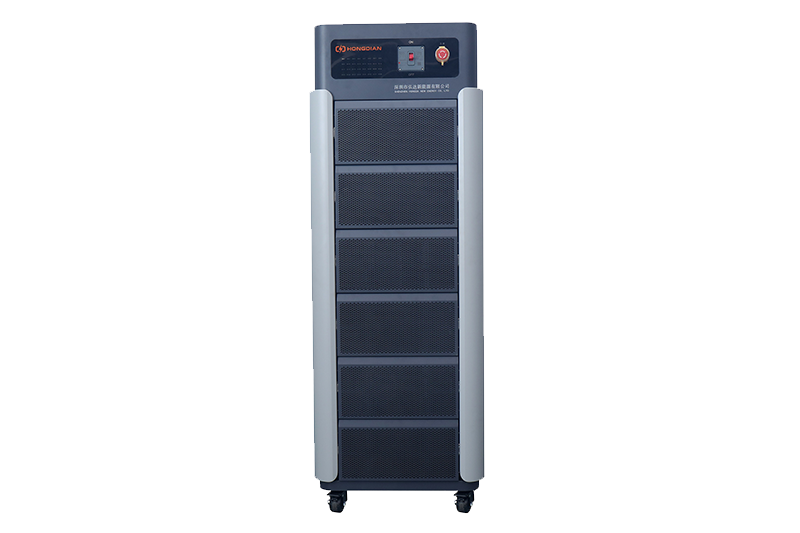 Precision Battery Test Racks for Cell Capacity & Internal Resistance Measurement
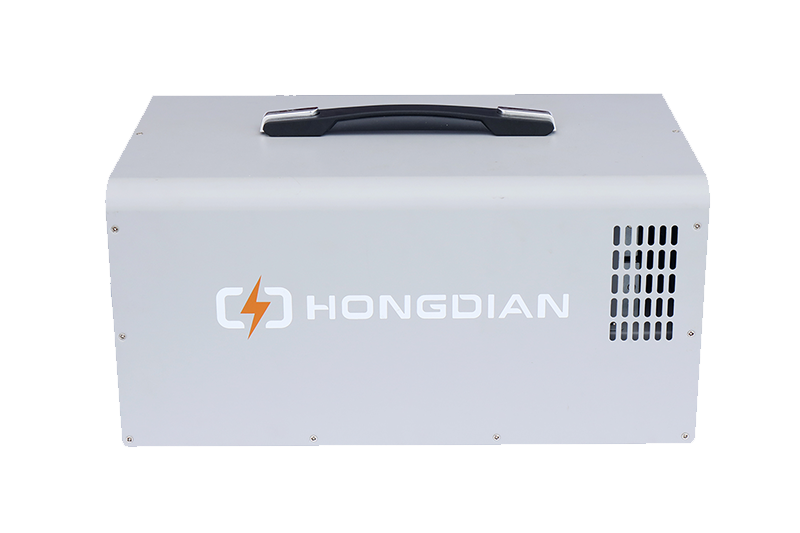 Multi-Channel Battery Testing Equipment for Parallel Performance Analysis