What Is the Best Battery Health Tester in 2026?
Choosing the best Battery Health Tester in 2026 takes more than comparing screen size or price. A useful tester should show what its readings mean, repeat results consistently, and suit the battery chemistry and equipment being checked. A voltage reading alone cannot reveal the whole story. Capacity, internal resistance, temperature, and charging history can all affect a battery’s condition.
The International Energy Agency’s Global EV Outlook 2024 reported nearly 14 million electric-car sales worldwide in 2023, about 18% of all car sales. That growth makes reliable battery assessment increasingly relevant, from workshop inspections to fleet maintenance. The U.S. Department of Energy also notes that battery performance changes with use, temperature, and age. Real-world checks matter.
Battery researcher Dr. David Howey’s work on battery diagnostics highlights an important caution: state of health is estimated from measurable signals, not read directly like a fuel gauge. That is the standard this guide will apply. No tester tells the whole story. We’ll compare test methods, supported battery types, result clarity, and practical limits, while separating verified specifications from marketing claims. A small caveat: even a well-designed tester can mislead when used outside its instructions. The best choice is the one that gives repeatable, understandable results for your actual batteries—not the one with the boldest claims.
What a Battery Health Tester Measures
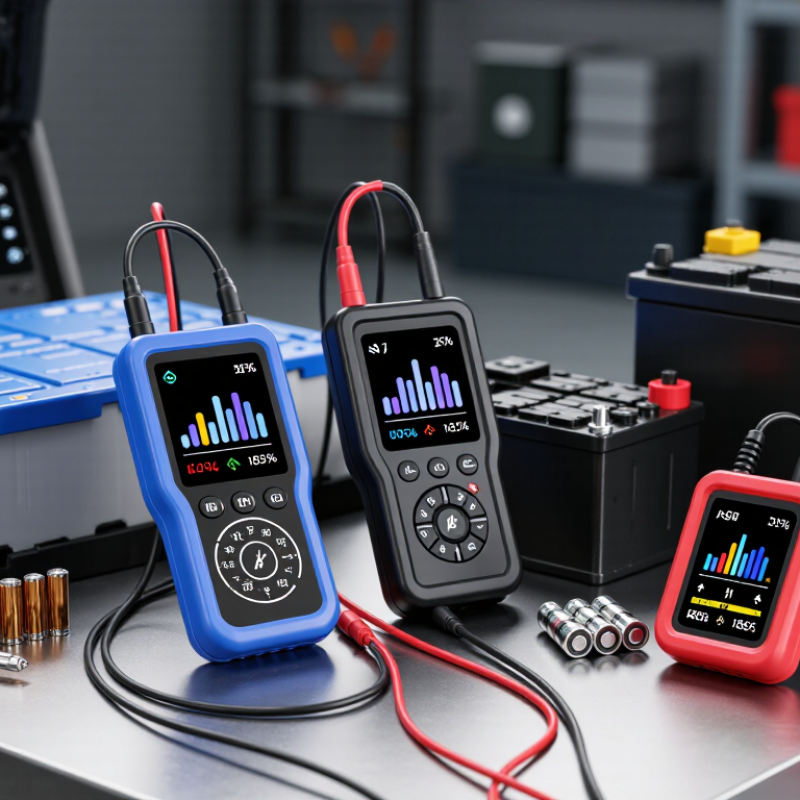
A battery health tester estimates how well a battery can deliver power, not just whether it holds a charge. Most units measure terminal voltage and assess internal resistance or conductance. These readings can reveal a weakened battery before it fails to start an engine. Some testers also estimate state of charge and state of health, but those figures are not interchangeable. One describes current charge; the other estimates capacity compared with the battery’s original condition.
For a starting battery, the tester may compare measured performance with its rated cold-cranking amps. A load test applies a controlled demand and checks whether voltage drops too far. Temperature matters. A cold battery behaves differently from a warm one, so accurate testing often requires entering the battery type and rating.
A loose clamp or dirty terminal can distort results. So can testing immediately after charging, when surface charge may make readings look better than they are.
I would treat a single score as a clue, not a verdict. That caution is easy to forget. Test again after the battery rests, and compare results with symptoms such as slow cranking or dim lights.
Many testers are less informative for batteries with unfamiliar chemistry, so check that the device supports the battery being assessed.
Main Types of Battery Health Testers
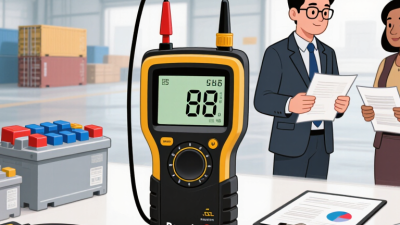
Battery health testers fall into several types, and each answers a different question. A conductance tester sends a small signal through the battery and estimates its ability to deliver current. It is quick, requires little discharge, and suits routine checks on many lead-acid batteries. But it does not measure full capacity directly. Useful, but limited.
A load tester applies a controlled electrical load while voltage is monitored. This can reveal weak batteries that seem normal at rest, especially during cold starts. Traditional carbon-pile models provide a direct test, though they create heat and require careful handling. Electronic load testers are easier to repeat, but results still depend on correct settings and battery temperature.
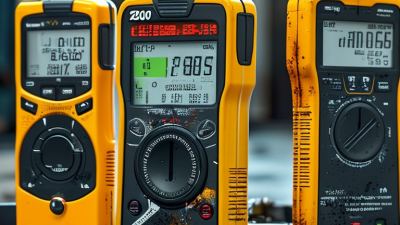
A multimeter is simple. It measures voltage, not battery health by itself.
A hydrometer checks electrolyte specific gravity in serviceable flooded batteries; it cannot be used on sealed designs. Lithium batteries need testers designed for their chemistry and battery-management systems. A plain voltage reading can mislead because charge level and health are not the same. It is tempting to trust a precise-looking display. Record the test conditions and temperature, too; without them, comparing readings is less reliable.
How to Assess Tester Accuracy and Compatibility
What Is the Best Battery Health Tester in 2026? How to Assess Tester Accuracy and Compatibility
A useful battery health tester should match the battery’s chemistry, voltage, and test method. Check its manual for support of flooded, AGM, or other battery types before connecting it. A tester designed for one chemistry may misread another. Also confirm that its voltage range fits your battery system and that it accepts the correct rating, such as cold-cranking amps (CCA). The right menu matters.
Accuracy is more than a precise-looking screen. Compare repeated readings under similar conditions, with clean terminals and a charged battery. If results shift sharply between tests, check the clamps, battery temperature, and selected rating before trusting the diagnosis. A conductance tester estimates starting ability without a heavy load; a load test measures performance under demand. Neither predicts every failure. Even careful checks leave some uncertainty.
Tips: Match the tester’s input standard to the battery label, then record the reading, temperature, and charge state. Retest after charging if the battery is low. Compare with a trusted reference or a qualified technician when results seem inconsistent. Small differences matter. But I would not treat one reading as a verdict; that shortcut is tempting, and sometimes wrong.
Key Features to Compare in 2026
A useful battery health tester should match the battery, not just display a percentage. Check that it supports the battery’s voltage, chemistry, and rated starting current. A tester designed for one type may give misleading results on another. Look for clear instructions on entering the battery’s rating, such as CCA, and on interpreting the result.
Compare how each device tests. Conductance testing is quick and usually avoids draining the battery; a load test applies a stronger demand and can reveal weakness under strain. Neither reading tells the whole story. Prefer a tester that reports voltage and a health estimate, and explains its limits. That matters. Clamps should grip cleanly, with insulated handles and cables that feel sturdy rather than flimsy.
Ease of use counts, too. A bright screen helps in a dim garage, while temperature compensation can make readings more useful in cold weather. Check whether the tester records results or offers calibration guidance. I would not trust one tidy reading alone; recent charging, corrosion, and temperature can affect it. Retest after the battery rests, and compare results over time. Small differences may be noise, not a failing battery.
How to Choose the Right Tester for Your Needs
Choosing a battery health tester starts with the battery, not the price tag.
Check its chemistry, voltage, and intended use: a car’s 12-volt lead-acid battery needs different testing from a lithium-ion pack. The International Energy Agency reported nearly 14 million electric cars sold worldwide in 2023, around 18% of all car sales. That shift makes chemistry-specific compatibility increasingly important. A basic conductance tester can quickly flag weak starting batteries, while a controlled load or capacity test gives more useful evidence when performance is uncertain.
That matters.
Match the tool to the decision you need to make. For routine checks, look for clear readings, supported battery types, and temperature guidance. For diagnosing reduced runtime, seek a tester that measures capacity under a defined load; a voltage reading alone cannot establish usable capacity. The U.S. Department of Energy’s battery test manual distinguishes capacity, power, and life testing, which are different questions—not interchangeable scores.
A clean number can still mislead. Check the manual’s test conditions and compare results over time, using similar temperatures and charging states. I would not treat one quick reading as a verdict; even a well-designed tester has limits, especially when a battery’s management system restricts access to internal data.

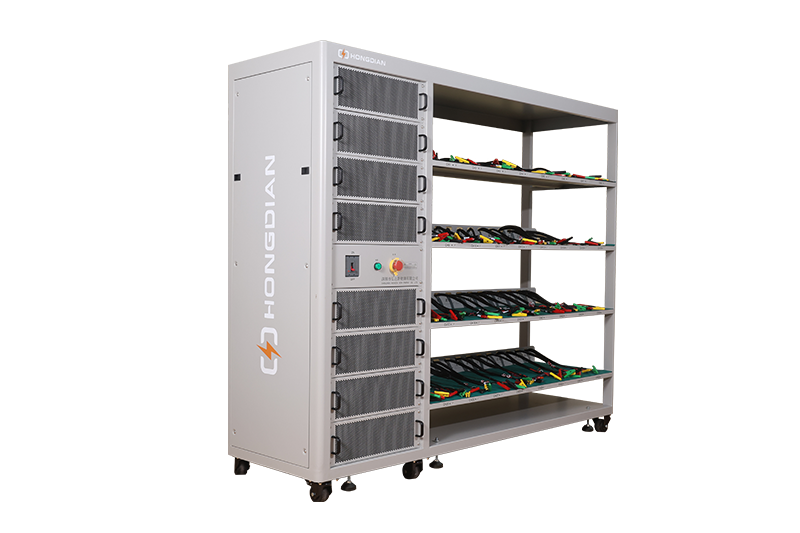 32/48 channel battery charging and discharging test integrated battery cabinet
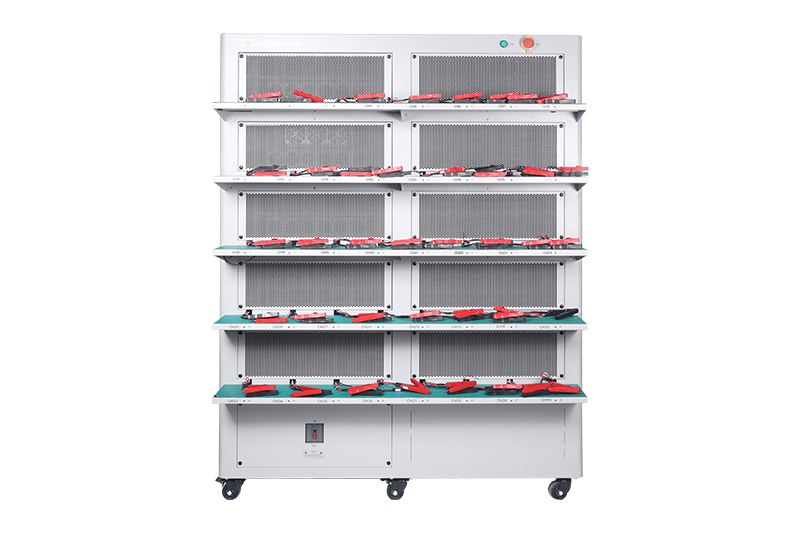 40 channel battery charging and discharging test integrated battery cabinet
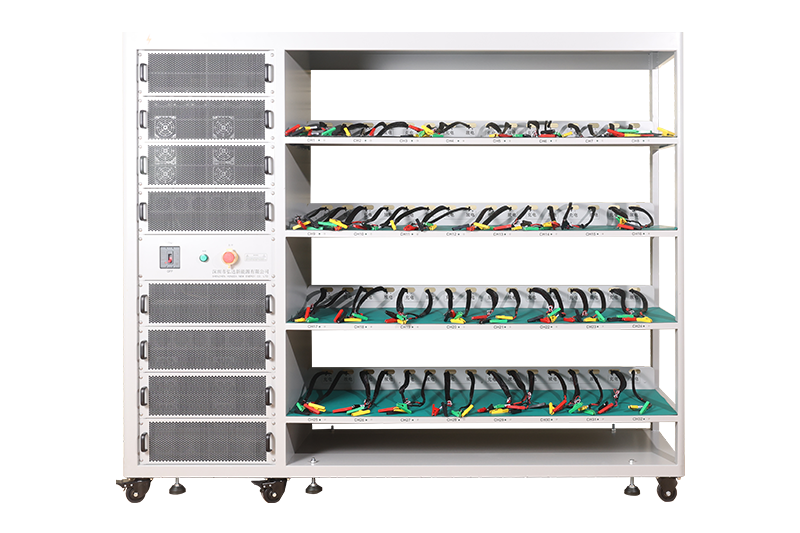 64 channel battery charging and discharging test integrated battery cabinet
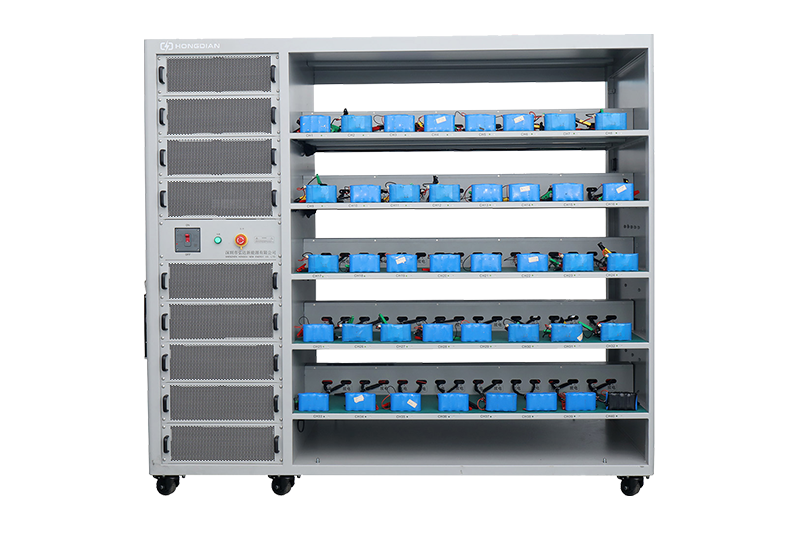 80 channel battery charging and discharging test integrated battery cabinet
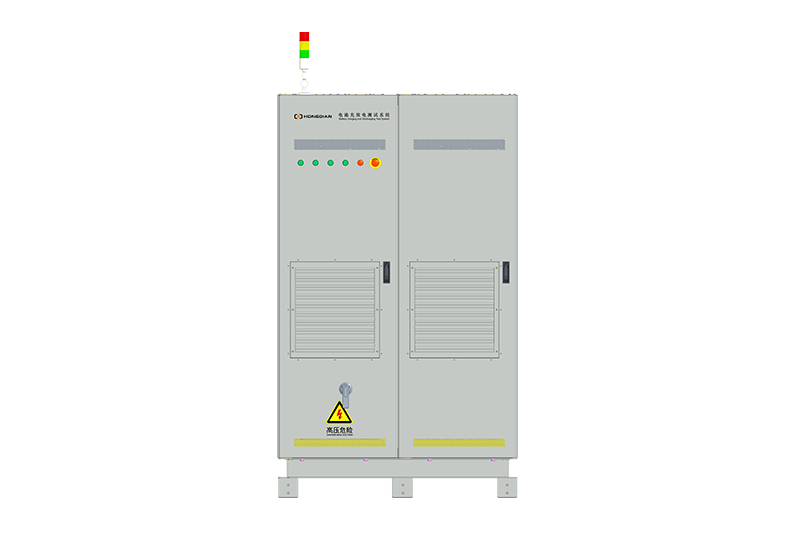 1000V-1500V High Voltage High Current Battery Testing System
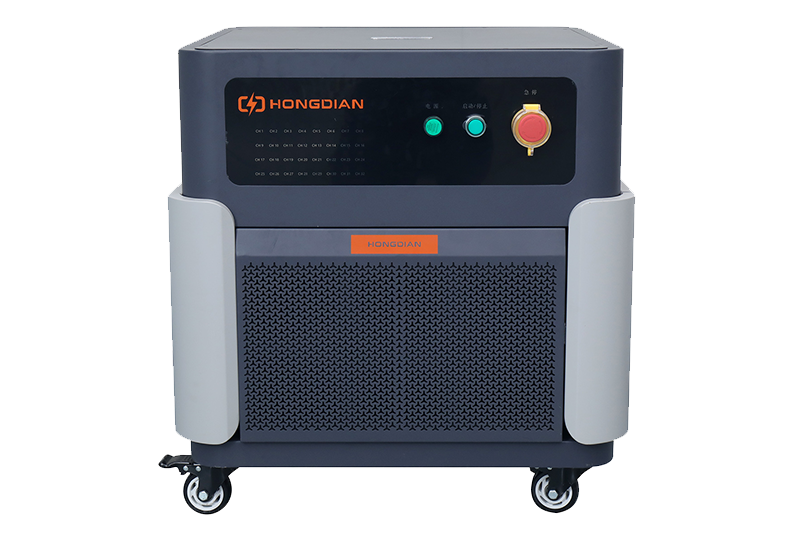 High-Precision Battery Testing System for Enhanced Performance Monitoring 30V/60V/100V/120V
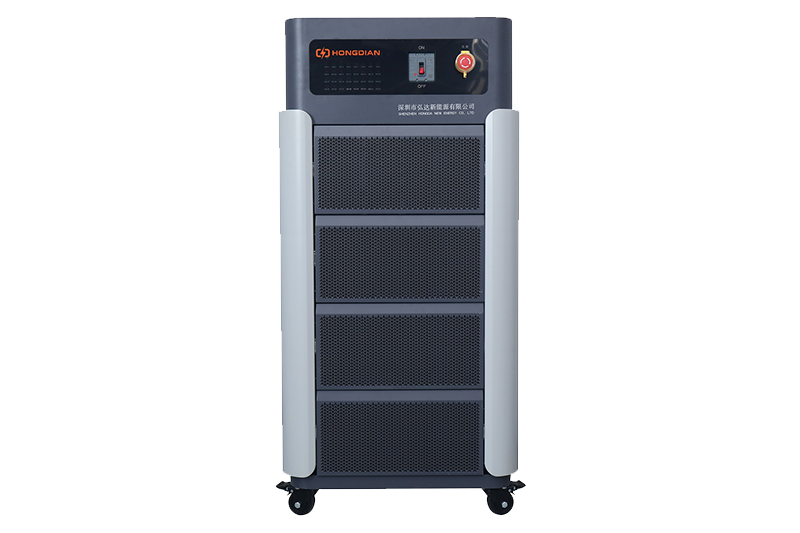 High-Precision Battery Charge Discharge Test Systems for EV Manufacturers
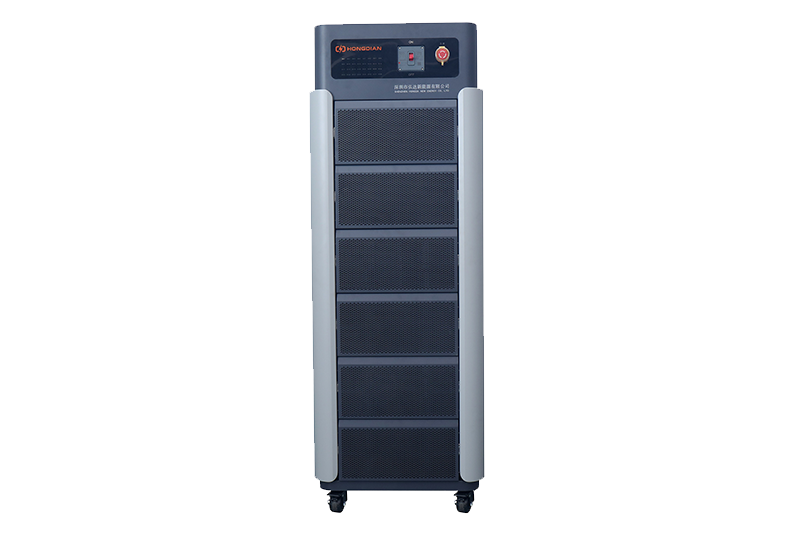 Precision Battery Test Racks for Cell Capacity & Internal Resistance Measurement
 Multi-Channel Battery Testing Equipment for Parallel Performance Analysis