Why Do Buyers Need a Li Ion Battery Checker?
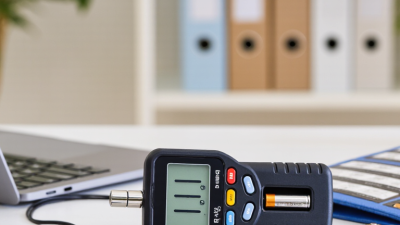
A Li Ion Battery Checker helps buyers look beyond a product label and examine measurable battery conditions. Depending on the model, it may check voltage, estimate capacity, or measure internal resistance. These readings can help compare cells and identify obvious differences before purchase. They do not prove that a battery is safe, genuine, or suitable for every device. That distinction matters.
Imagine checking two cells marked with the same capacity. One may show a noticeably different voltage after resting, while another may have higher internal resistance under the checker’s test conditions. Such results deserve attention, but they need context. Temperature, charge level, battery age, and testing method can all affect measurements. A single number is not the whole story.
Buyers should match the checker to the battery chemistry, cell format, and measurement range they actually need. Clear instructions, repeatable readings, and a stated testing method are practical signs of a more useful tool. Very cheap devices can still be helpful, but unclear specifications make their results harder to trust. Read the manual. Compare carefully.
A checker also has limits. It cannot replace inspection for swelling, leakage, corrosion, or physical damage, and it should never be treated as a repair tool. For business purchasing, keep test conditions consistent and record results alongside batch details. This makes comparisons more meaningful over time. The process is not perfect; even careful checks can leave questions. Understanding those limits helps buyers choose a Li Ion Battery Checker for informed screening, not as a guarantee of battery quality.
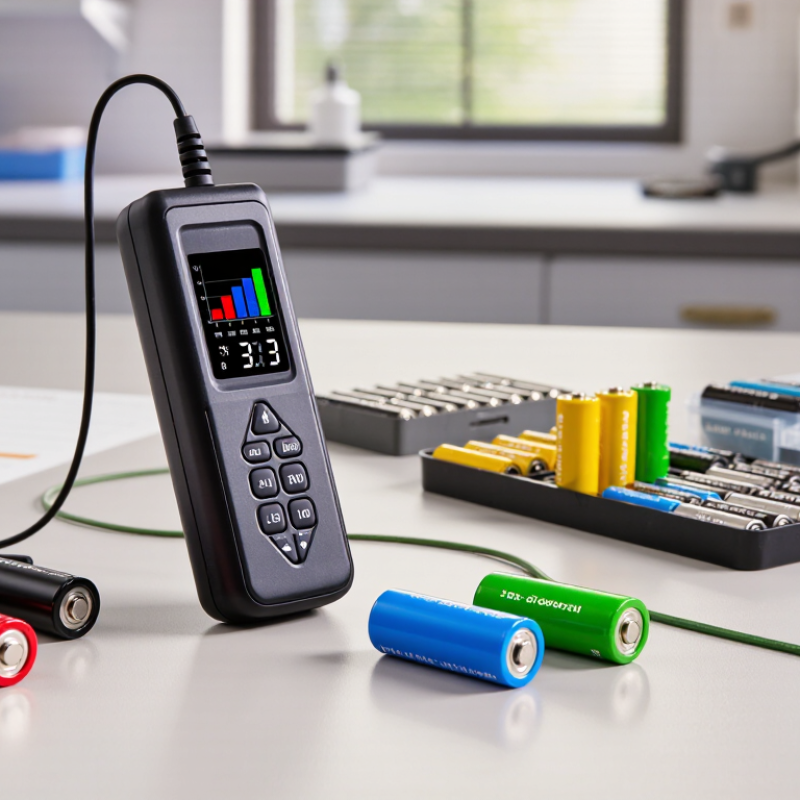
Li-Ion Battery Checkers: Key Measurements Beyond the Common 3.6–3.7 V Rating
A 3.6–3.7 V label describes a nominal voltage, not the whole condition of a lithium-ion cell. A rested cell may show that reading and still deliver little usable capacity. In a receiving area, two cells can look identical on a meter, yet behave differently when a device draws current. That difference matters.
A useful checker measures capacity during a controlled discharge, usually in milliamp-hours, and records voltage under load. Internal resistance also helps reveal cells that sag sharply when current flows. Temperature is worth tracking: unusual warming during a test deserves attention, not a shrug. Some checkers can compare cells in a pack and flag voltage imbalance, though readings depend on test conditions and instrument accuracy. Small details count.
Self-discharge can expose another problem. Record a cell’s voltage, let it rest under suitable conditions, then compare readings with the same calibrated meter. A single quick check is not enough. Results can shift with temperature, age, and measurement method, so keep a simple log rather than trusting one number. A checker supports judgment; it does not replace careful inspection or safe handling. I would not treat a clean display as proof that a cell is fit for every application.
Capacity Testing: Comparing Measured Amp-Hours with the Cell’s Rated Capacity
A Li-ion battery checker earns its value by comparing measured amp-hours with the cell’s rated capacity. Amp-hours reflect current delivered over time, not a momentary voltage reading. A 5.0 Ah cell that delivers 4.8 Ah in a controlled test measures 96% of its rating. That calculation is useful, but only when the test conditions are clear.
The U.S. Advanced Battery Consortium’s Electric Vehicle Battery Test Procedures Manual describes capacity testing under defined charge, discharge, and temperature conditions. IEC 62660-1:2018 also specifies controlled performance tests for lithium-ion cells. These references matter because discharge current, temperature, and cutoff voltage can shift the result. For a fair comparison, record those settings alongside the checker’s reading. Keep the cell at a stable temperature, connect leads firmly, and use the specified discharge limit. Small details matter.
Not a quick guess. If one cell reads 4.8 Ah and another reads 4.2 Ah, the gap may signal uneven wear—or simply different test conditions. Repeat the test before making a buying decision. A checker cannot reveal every cause of reduced capacity, and a single result is not a full health assessment. That distinction is easy to overlook.
Internal Resistance: Using Ohm-Level Readings to Screen for Cell Degradation
Why Do Buyers Need a Li Ion Battery Checker?
Internal Resistance: Using Ohm-Level Readings to Screen for Cell Degradation
A Li-ion battery checker can reveal warning signs that a voltage reading alone may miss. Internal resistance describes how strongly a cell opposes current flow. Checkers often display milliohm readings, even though resistance is measured in ohms. As a cell ages, its resistance may rise. Under load, that can mean greater voltage sag and extra heat. Small differences matter. A high reading is a screening signal, not proof that a cell has failed.
Compare cells of the same type under similar conditions. Temperature, state of charge, probe contact, and measurement method can all shift the result. Let cells rest, clean the contact points, and repeat unexpected readings. Look for a consistent gap between cells rather than relying on one number or a universal cutoff. A checker does not measure capacity, either. That distinction is easy to overlook. A cell can show acceptable resistance yet hold less energy than expected.
Tips: Keep the test conditions consistent and record readings over time. Check suspect cells again with secure contacts. If readings stay unusually high, or a cell heats, swells, or behaves erratically, stop using it and follow appropriate battery-handling guidance. A checker helps narrow the questions; it does not answer every one.
Safety Screening: How Checker Results Relate to UN 38.3’s Eight Transport Tests
Why Do Buyers Need a Li Ion Battery Checker?
Safety Screening: How Checker Results Relate to UN 38.3’s Eight Transport Tests
A battery checker can help buyers screen incoming lithium-ion cells or packs for unusual voltage, resistance, or temperature readings. These measurements offer a useful snapshot, not a safety certificate. A normal reading cannot reveal every hidden defect, such as separator damage or a weak internal connection. That distinction matters. The United Nations Manual of Tests and Criteria, Part III, subsection 38.3, specifies eight transport test types: altitude simulation, thermal, vibration, shock, external short circuit, impact or crush, overcharge, and forced discharge. Their results assess performance under defined conditions; a handheld checker does not reproduce those tests or establish UN 38.3 compliance.
For buyers, checker results work best as one part of a documented receiving process. Record readings, compare cells within the same shipment, and investigate outliers before assembly or use. A sudden voltage drop or a cell that feels warm deserves attention, even if its label looks intact. But readings can shift with temperature, charge state, and measurement technique. Screening is not certainty.
Tips: Let cells reach a stable room temperature before checking. Use suitable, calibrated equipment, and keep measurement records. If results conflict with supplier test documentation, pause acceptance and request clarification. One imperfect reading is a reason to review, not a diagnosis.

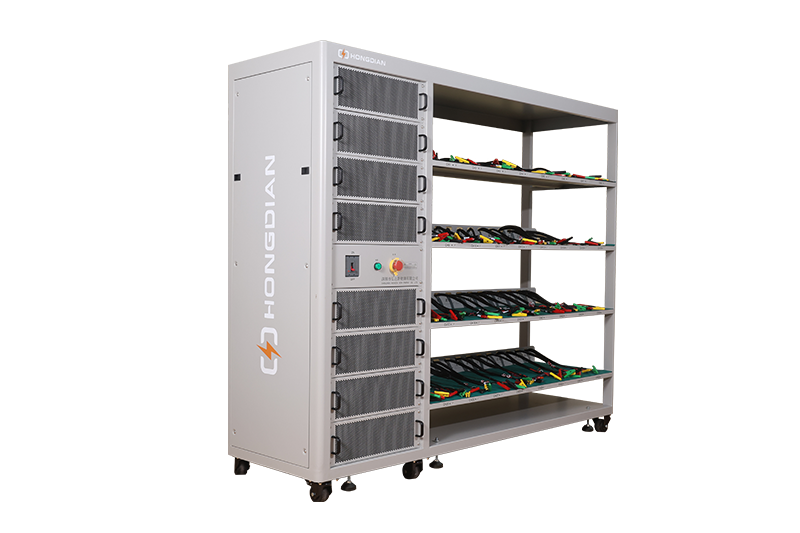 32/48 channel battery charging and discharging test integrated battery cabinet
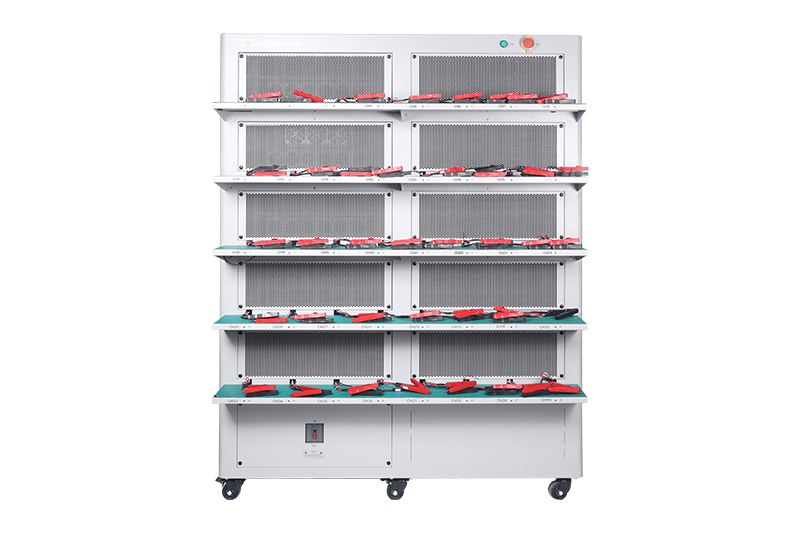 40 channel battery charging and discharging test integrated battery cabinet
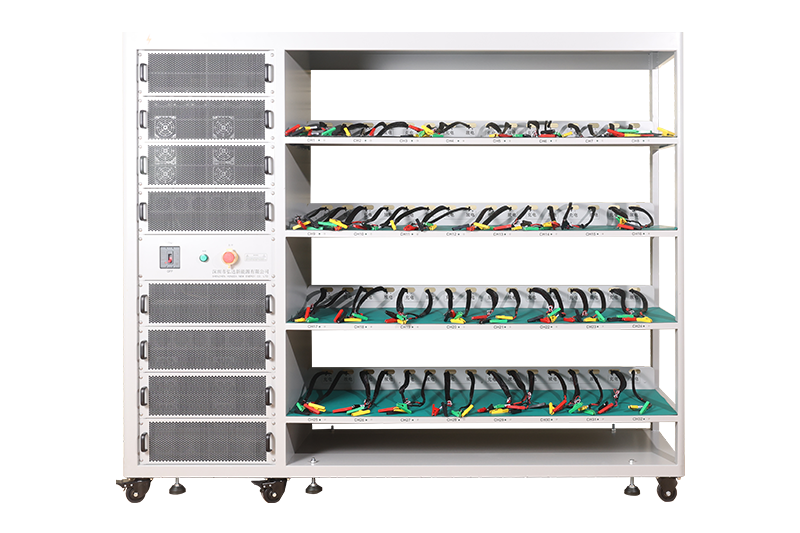 64 channel battery charging and discharging test integrated battery cabinet
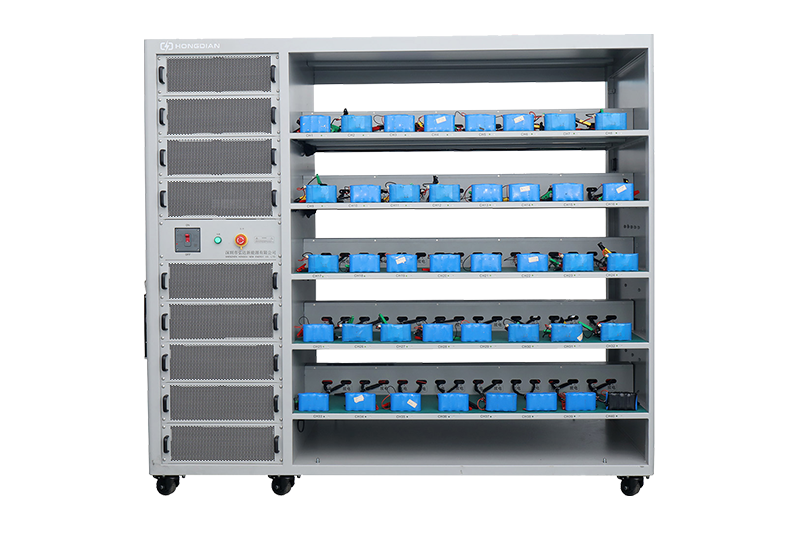 80 channel battery charging and discharging test integrated battery cabinet
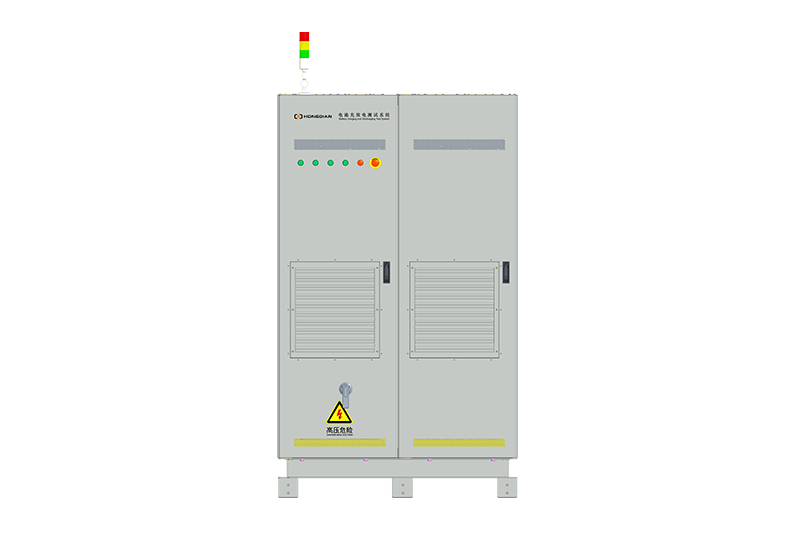 1000V-1500V High Voltage High Current Battery Testing System
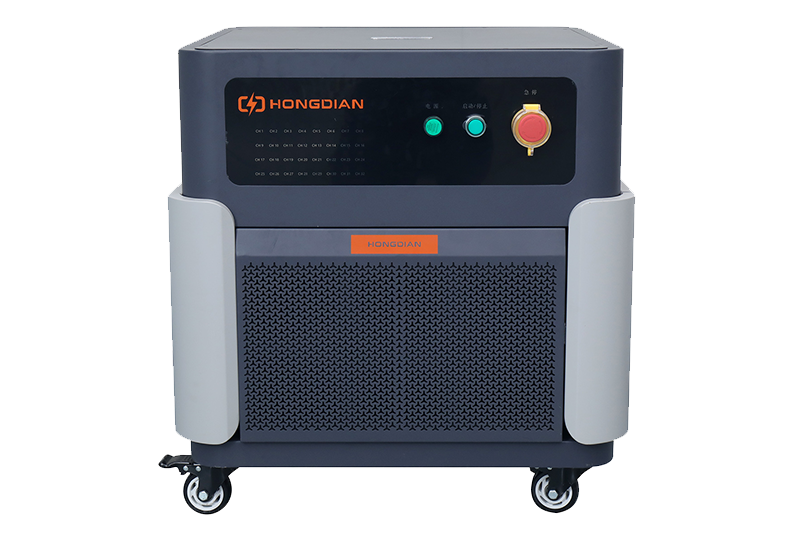 High-Precision Battery Testing System for Enhanced Performance Monitoring 30V/60V/100V/120V
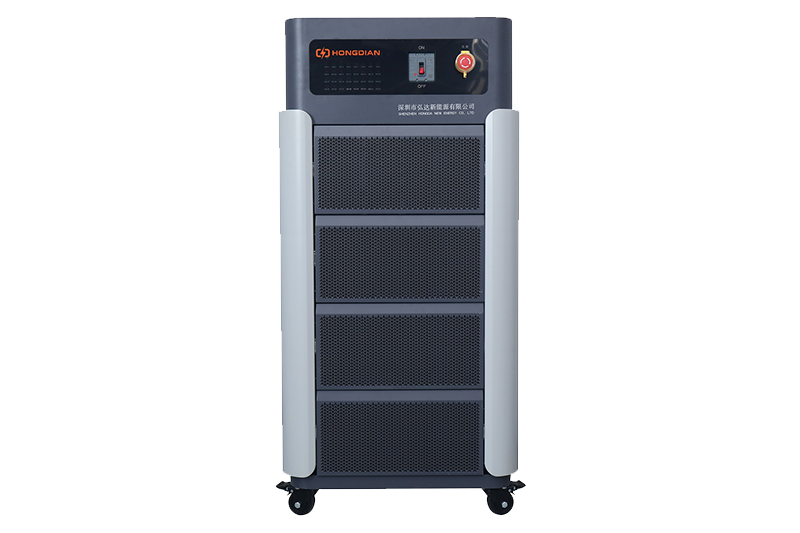 High-Precision Battery Charge Discharge Test Systems for EV Manufacturers
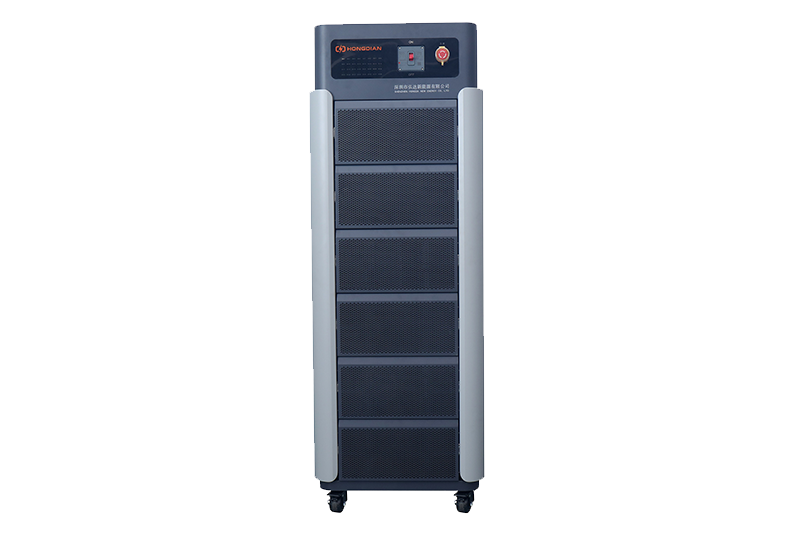 Precision Battery Test Racks for Cell Capacity & Internal Resistance Measurement
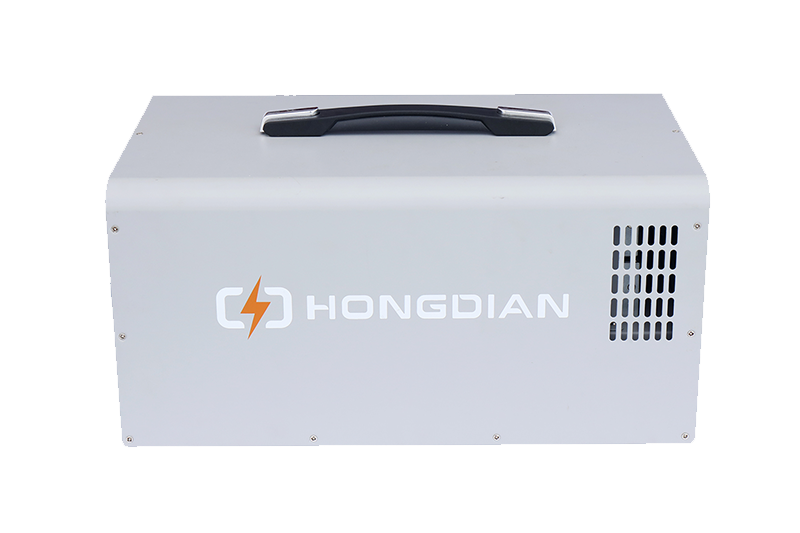 Multi-Channel Battery Testing Equipment for Parallel Performance Analysis