request to quote
Leave Your Message

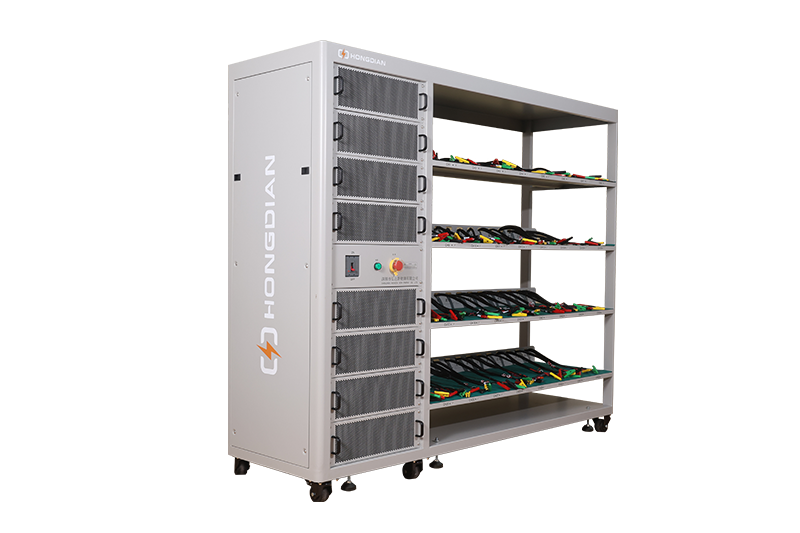
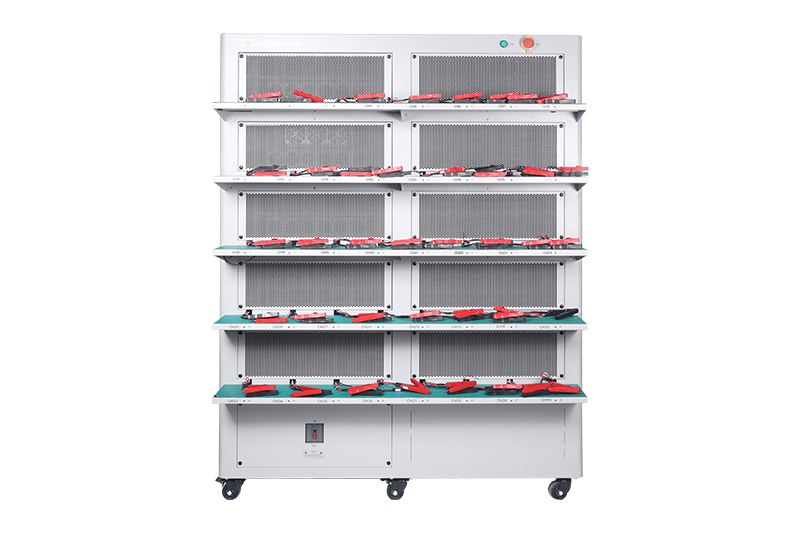
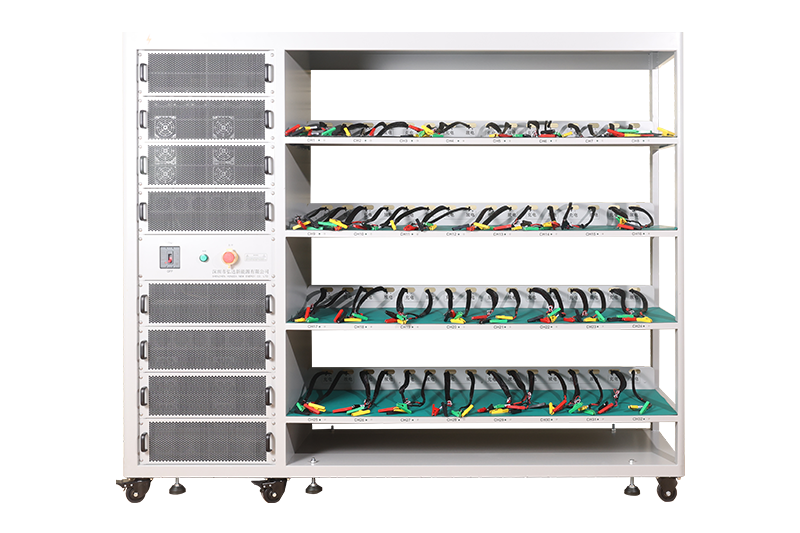
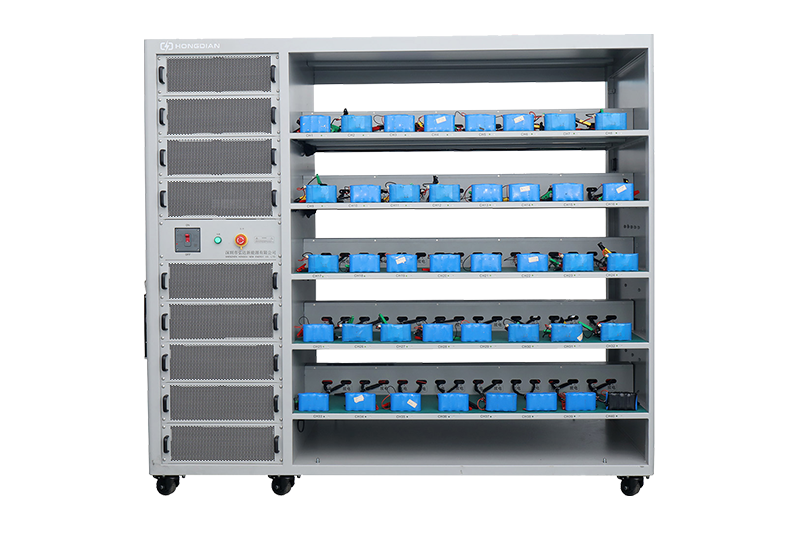
Top 10 Lithium Cell Testers for Global Buyers

The right Lithium Cell Tester can reveal whether a cell’s performance is consistent, not merely impressive on a datasheet. That distinction matters as production scales. The International Energy Agency’s Global EV Outlook 2024 reports that electric-vehicle battery demand reached about 750 GWh in 2023, roughly 40% higher than in 2022. For global buyers, more demand means more suppliers, specifications, and test results to compare.

A useful benchmark is repeatability. Battery researcher Dr. Jeff Dahn’s work highlights why controlled cycling and careful measurement matter when assessing cell performance. Put simply: comparable conditions produce more meaningful results. Buyers should check channel count, current and voltage ranges, temperature control, data logging, calibration support, and compatibility with their cell formats. A tester that handles a lab sample may not suit a busy production line. Details matter.

No tester is perfect. Even strong specifications can hide practical limits, such as awkward software or slow channel recovery. This Top 10 guide compares models for different budgets and operating needs, while noting where a feature may help—or fall short. The IEA figure describes EV battery demand, not demand for testing equipment; it provides context, not a sales forecast. Before choosing, verify each model’s published specifications and confirm that its measurement range fits your cells and test protocol. The best choice is the one that produces dependable, traceable results in your actual workflow.

Top 10 Lithium Cell Testers for Global Buyers

What Lithium Cell Testers Measure and How They Work

A lithium cell tester measures more than open-circuit voltage. Depending on the model, it records charge and discharge current, capacity in amp-hours, energy in watt-hours, internal resistance, and surface temperature. To measure capacity, the tester charges the cell using set conditions, then discharges it at a controlled current until it reaches a defined cutoff voltage. Cutoff settings matter. They can change the result.

Inside the tester, an electronic load draws current while sensors track voltage and temperature. A controller logs these readings over time. Some testers also apply brief current pulses and estimate resistance from the resulting voltage drop. These measurements help compare cells and identify changes in performance. They do not explain every cause. Warm cells, loose contacts, or inconsistent fixtures can affect readings, so test conditions should be recorded and repeated. Results from different setups may not be directly comparable.

Tips: Let cells rest before testing, use secure contacts, and keep temperature steady. Check settings twice. A capacity reading is useful, but it is not the whole story. Internal resistance estimates can also vary with the test method.

Top 10 Lithium Cell Testers for Global Buyers - What Lithium Cell Testers Measure and How They Work
No. Tester Type What It Measures How It Works Typical Use and Buyer Checks
1 Programmable Battery Cycler Charge and discharge voltage, current, capacity (Ah), energy (Wh), cycle count, and coulombic efficiency. Applies programmed charge and discharge steps while recording voltage and current over time. Capacity and energy are calculated from the current-time and power-time data. Used for cell characterization, cycle-life testing, and incoming inspection. Check channel count, current and voltage limits, measurement accuracy, and safety protections.
2 DC Internal Resistance (DCIR) Tester Apparent DC resistance, reported in milliohms (mΩ), and voltage response under a current pulse. Measures the voltage change caused by a defined charge or discharge current step. Resistance is calculated from the voltage change divided by the current change; pulse duration and state of charge affect the result. Useful for screening, cell matching, and power-performance checks. Compare results only when temperature, state of charge, rest time, and pulse protocol are controlled.
3 AC Impedance / ESR Meter AC impedance or equivalent series resistance (ESR), usually reported in mΩ at a specified test frequency. Applies a small AC signal and measures the resulting voltage and current response. Some instruments use a fixed frequency, often around 1 kHz; the frequency is instrument-dependent. Provides a fast comparison of cells but does not replace capacity or cycle-life testing. Check test frequency, contact method, fixture resistance, and repeatability.
4 Open-Circuit Voltage (OCV) Tester Cell terminal voltage in volts (V) after the cell has rested without a load or charging current. Uses a high-impedance voltmeter to read terminal voltage while drawing very little current. A defined rest period helps reduce transient voltage effects. Common for production checks and voltage grouping. OCV alone does not establish capacity or state of health; temperature and rest time should be consistent.
5 Cell Grading and Sorting System Depending on configuration: OCV, AC resistance, capacity, and selected charge/discharge data. Measures cells through multiple channels and assigns them to user-defined groups based on measured values and tolerances. Systems may combine electrical testing with automated handling. Used to group cells for battery assembly. Confirm channel throughput, calibration method, sorting tolerance, traceability, and compatibility with the cell format.
6 Self-Discharge / Voltage-Drop Tester Voltage change over a defined storage period; some procedures also estimate self-discharge using additional measurements. Records cell voltage before and after storage under controlled conditions. Results are interpreted against a specified time, temperature, and state of charge. Can help identify abnormal cells, but voltage drop is not a direct, universal measure of leakage current. Use a documented protocol and stable storage temperature.
7 Electrochemical Impedance Spectroscopy (EIS) System Impedance magnitude and phase across a range of frequencies; results may be displayed as Nyquist or Bode plots. Applies a small AC perturbation over selected frequencies and measures the cell response. The frequency-dependent data can help study electrochemical processes and resistance contributions. Primarily used for research, diagnostics, and detailed performance analysis. Check frequency range, signal control, fixture design, and analysis requirements.
8 Pulse Power / HPPC Test System Voltage and current response to charge and discharge pulses, pulse resistance, and power capability under defined conditions. Runs a prescribed sequence of current pulses, often at multiple states of charge. Resistance and power metrics are calculated from the measured response. Useful for evaluating dynamic power performance. Confirm the pulse profile, current capability, sampling rate, and thermal management are suitable for the cell.
9 Temperature Chamber with Battery Cycler Cell voltage, current, capacity, and energy during testing at controlled temperatures; chamber temperature is also monitored. A climatic chamber controls the test environment while a separate cycler charges and discharges the cell. The combined setup reveals temperature-related performance changes. Used for temperature-performance and environmental testing. Check chamber uniformity, feedthroughs, sensor placement, and safety provisions for battery testing.
10 Insulation Resistance Tester Electrical resistance between specified conductive parts and an enclosure or test fixture, typically reported in ohms. Applies a controlled test voltage between designated points and measures leakage current to calculate insulation resistance. More commonly relevant to assembled battery modules, packs, or insulated cell fixtures than to testing between a cell’s positive and negative terminals. Follow the product’s approved test voltage and safety procedure.

Note: Test ranges, accuracy, channel count, and protocols vary by instrument configuration. For meaningful comparisons, control cell temperature, state of charge, rest time, fixtures, and test procedure.

Main Tester Types and Their Suitable Cell Formats

Lithium-cell testers should be selected by test purpose and cell geometry. Multi-channel charge–discharge cyclers suit cylindrical, prismatic, and pouch cells when fixtures match each format. Cylindrical cells need stable holders and reliable contact with their small terminals. Prismatic cells require rigid supports for larger, flat terminals. Pouch cells need gentle, even clamping; excessive pressure can distort the casing. Small details matter.

For incoming inspection, OCV and internal-resistance testers help compare cells quickly before assembly. They are useful across formats, but probe position and contact quality affect readings. Formation and capacity testers need accurate current control and temperature monitoring, especially when testing larger cells over long cycles. Impedance analyzers add diagnostic detail, though results depend on frequency settings and test conditions. The IEA’s Global EV Outlook 2024 reports that EV battery demand exceeded 750 GWh in 2023, about 40% above 2022. That scale makes repeatable measurements increasingly important. Still, no single tester fits every workflow; fixture changes and inconsistent cell temperatures can undermine comparisons.

Top 10 Lithium Cell Tester Types for Global Buyers

Typical suitability by cell format. A value of 1 indicates a format commonly tested with the tester type when the appropriate fixture is installed.

Compatibility is indicative, not a universal specification. Confirm fixture availability, voltage and current limits, and test requirements with the equipment supplier before purchase.

Key Specifications for Comparing Lithium Cell Testers

When comparing lithium cell testers, start with voltage and current ranges that match the cells you actually handle. A wide range looks useful, but accuracy across the working range matters more. Check stated measurement accuracy and resolution separately. A display showing extra decimal places does not guarantee more reliable readings. Small details matter.

For capacity and cycle-life work, compare channel count, per-channel control, and current stability. Independent channels help when cells have different capacities or test schedules. Ask how the unit records charge, discharge, rest periods, and cutoff conditions. Four-wire connections can reduce lead resistance errors, especially at higher currents. Impedance testing also needs scrutiny: frequency, measurement repeatability, and supported test methods should be clear. Not always neatly.

Consider temperature measurement, safety limits, and data handling before choosing. Overvoltage, overcurrent, and reverse-connection protection can reduce avoidable test interruptions, but verify how alarms behave in practice. Check whether results include timestamps and export in usable formats. Calibration records and a stated calibration interval support more defensible comparisons. Test a representative cell if possible. Real workflows expose awkward limits, such as slow setup or confusing software. Those weaknesses are easy to overlook in a specification table.

Top 10 Lithium Cell Testers for Global Buyers

A practical Top 10 Lithium Cell Testers for Global Buyers comparison should start with the work each unit can reliably perform. Check whether it measures voltage, capacity, and internal resistance, and whether its current range fits your cell type. A clear display helps operators spot an unusual reading beside a test rack. Useful safeguards include temperature monitoring, reverse-polarity protection, and automatic test limits. Small details matter. Ask how calibration is documented and whether results can be exported for later review. A tester that records time, temperature, and cell identification makes comparisons more useful than a single pass-or-fail light.

Global buyers should also compare compatible cell formats, supply requirements, language options, and the availability of technical support. Confirm the stated accuracy and test conditions; figures taken at different temperatures or discharge rates may not be directly comparable. Request a sample report before purchase. It should show units, test settings, and measurement limits clearly. No shortlist is perfect: a compact tester may save bench space but offer fewer channels, while a multi-channel model can require more training. Review the manual and maintenance plan, too. One overlooked connector or unclear procedure can slow routine checks. A careful evaluation balances measurement quality, safe operation, usability, and long-term service needs.

How to Choose a Tester for Your Testing and Production Needs

Choosing a lithium cell tester starts with the job, not the catalogue. For incoming inspection, prioritize repeatable capacity checks, voltage accuracy, and clear test records. Production teams also need enough channels, stable cycling, and fast data export. The IEA’s Global EV Outlook 2024 reports that electric-car battery demand reached about 750 GWh in 2023, roughly 40% above 2022. That growth makes test throughput important, but speed without repeatability is a poor bargain. A neat specification sheet can still mislead.

Match the tester’s voltage and current ranges to your cell chemistry and format. Check whether fixtures provide firm contact, and whether four-wire measurement reduces lead-resistance error. For example, a loose fixture can distort a small voltage reading even when the instrument is accurate. Ask for calibration details, channel-to-channel variation, and safety limits under fault conditions. The IEA’s Batteries and Secure Energy Transitions report notes that global battery manufacturing capacity reached nearly 2.5 TWh in 2023. Capacity figures do not tell you which tester fits your line. Run sample cells through the proposed protocol, review raw data, and confirm that temperature logging and software records suit your workflow. A little doubt is useful. Good purchasing decisions need evidence.