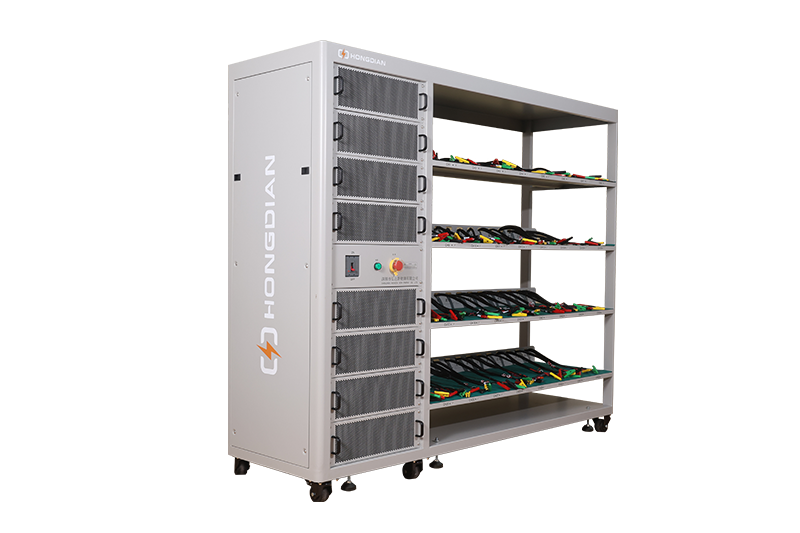
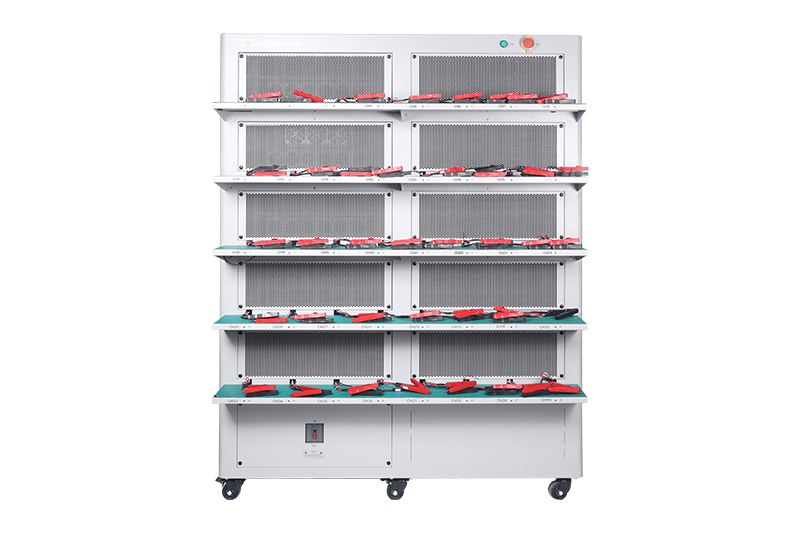
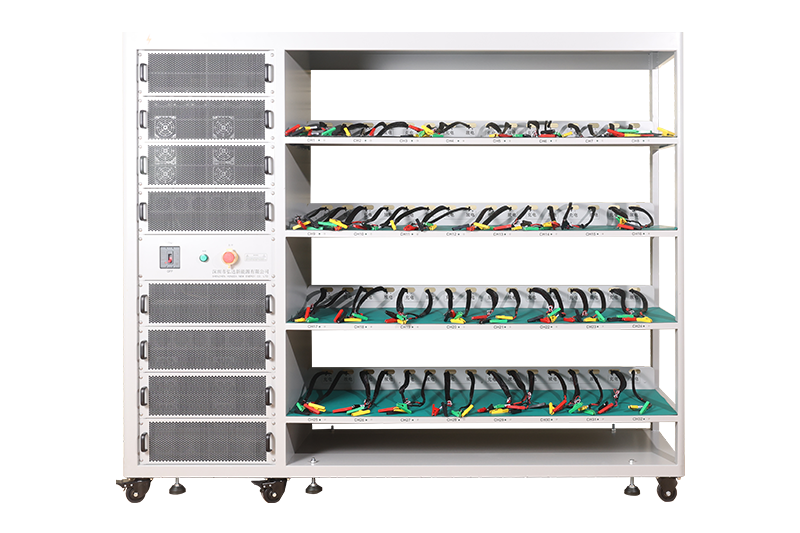
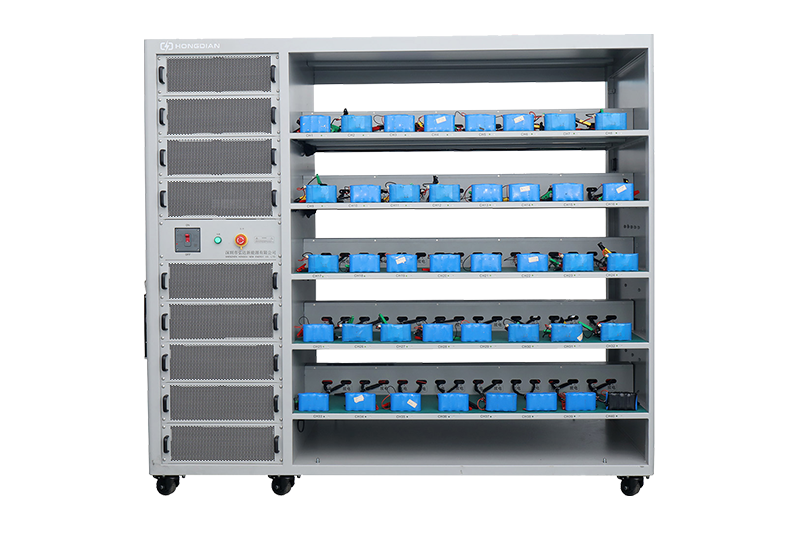
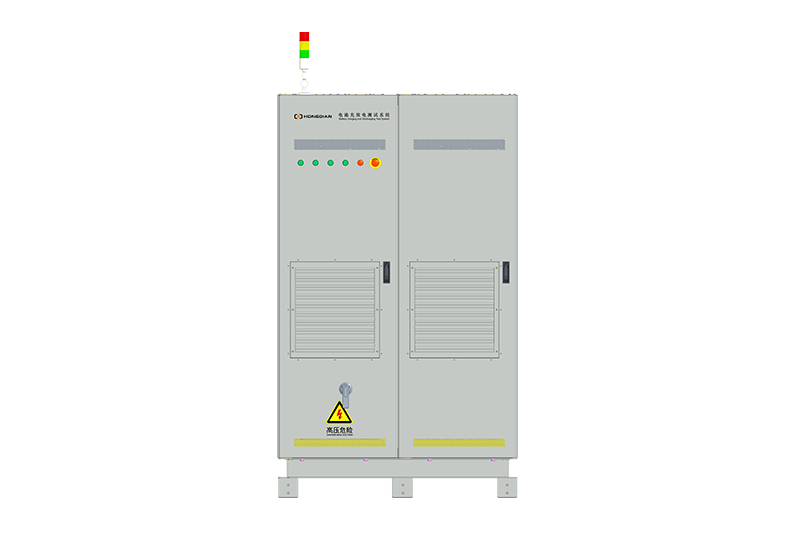
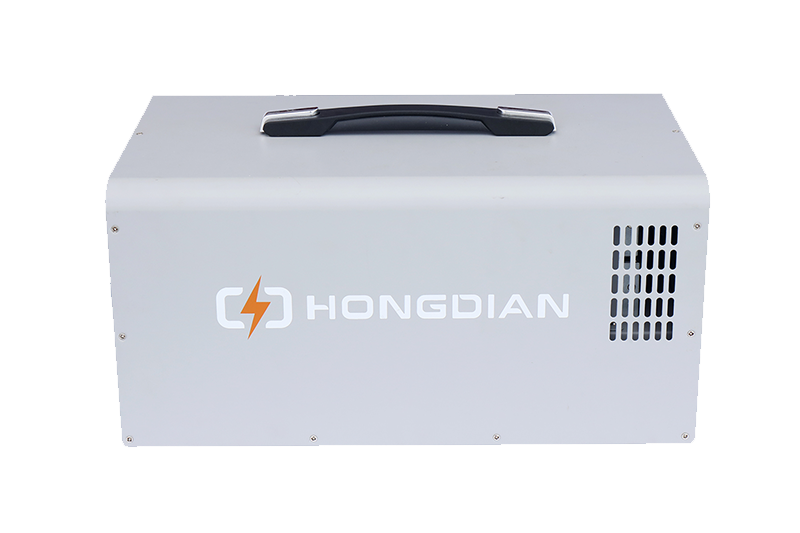
32/48 channel battery charging and discharging test integrated battery cabinet
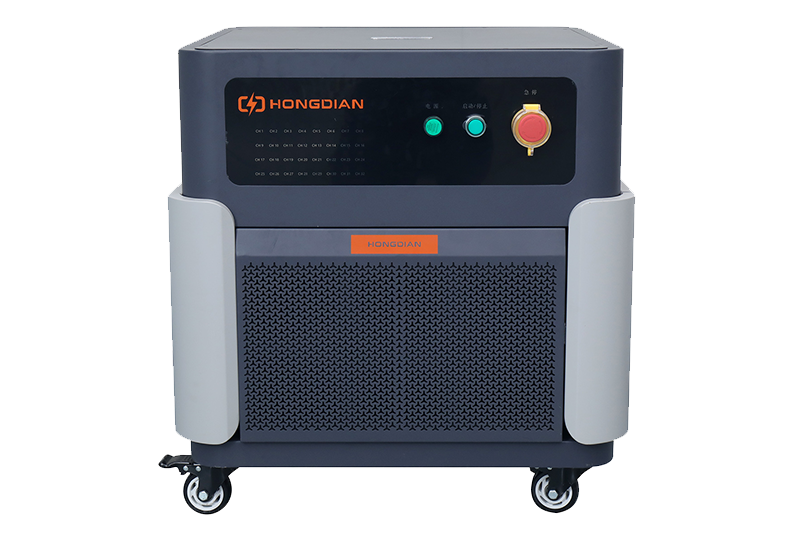
40 channel battery charging and discharging test integrated battery cabinet
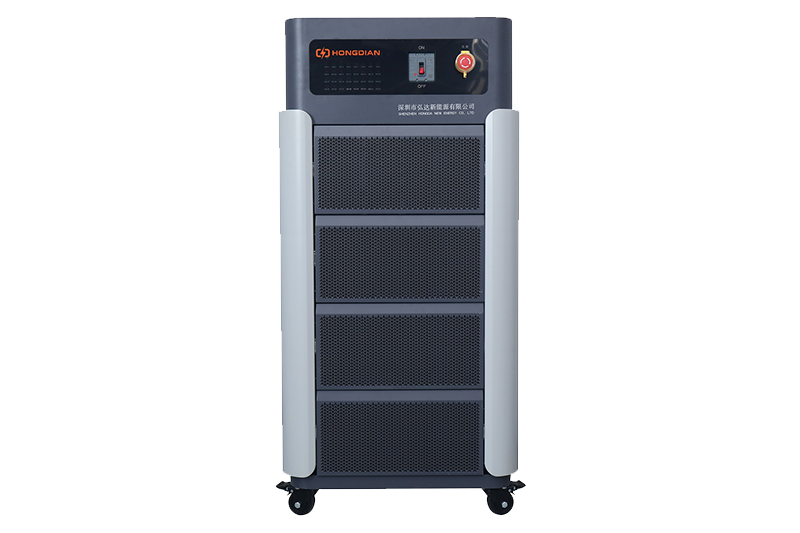
64 channel battery charging and discharging test integrated battery cabinet
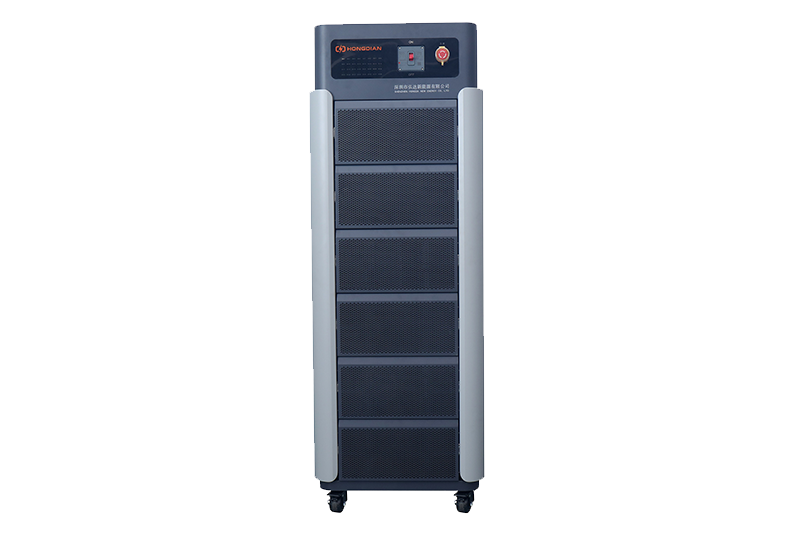
80 channel battery charging and discharging test integrated battery cabinet
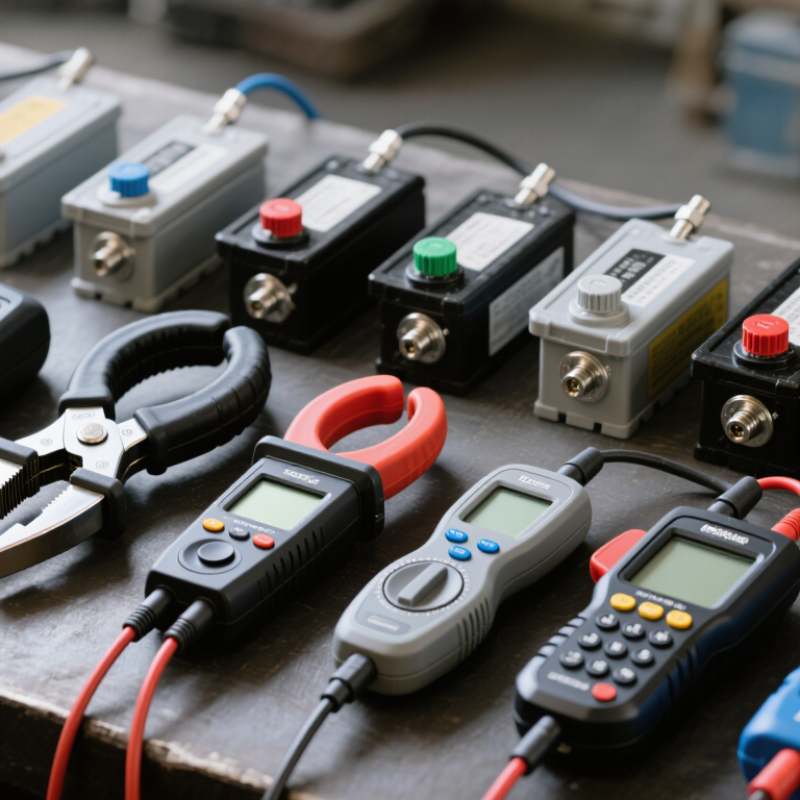
A deep-cycle battery can look healthy at rest and still struggle under load. That difference matters to off-grid homes, marine systems, RVs, and backup power setups. This guide to the Top 10 Deep Cycle Battery Testers for Global Buyers compares tools that help reveal what a voltage reading alone can miss. Small details matter. A stable clamp connection, correct battery chemistry setting, and repeatable test conditions can change the result.
Battery researcher Dr. Jeff Dahn is known for emphasizing careful measurement in battery development. A fair paraphrase of that testing-first approach is: “Trust repeatable measurements, not a single impressive number.” This is an editorial paraphrase, not a verbatim quotation. For buyers, it means checking whether a Deep Cycle Battery Tester supports the battery type, voltage, and test method they actually use. Some testers estimate state of health through conductance; others perform load or capacity tests. These methods are not interchangeable. A tester suited to a workshop may be awkward on a boat, where damp air, cramped terminals, and limited power are everyday realities. The rankings consider measurement approach, supported chemistries, usability, safety features, and practical value. No tester replaces a controlled capacity test when exact runtime matters. And specifications deserve a second look: marketing claims can sound clearer than the test method behind them. The right choice depends on the job.
Deep cycle battery testers examine more than a battery’s resting voltage. A voltmeter gives a quick snapshot, but voltage alone cannot confirm usable capacity. Many testers also estimate internal resistance or conductance, which can reveal aging, loose connections, or damage. Some apply a controlled load and watch how far voltage falls. That matters.
For a capacity test, the tester draws a known current over time and records when the battery reaches its specified cutoff voltage. The result, often shown in amp-hours, reflects energy available under those test conditions. A short test may not expose a weak battery that fails after hours of use. This is an easy limitation to overlook. Readings can also shift with temperature, state of charge, battery chemistry, and recent charging. Letting the battery rest before testing often makes comparisons more useful.
Choose a tester suited to deep cycle batteries and their chemistry, rather than relying only on a starting-battery rating. Check whether it supports flooded, AGM, or gel designs, and follow the battery maker’s test procedure. For example, a technician might record voltage, temperature, and load current beside each result. Repeating the same test conditions helps track gradual change. A tester provides evidence, not a perfect prediction of service life.
Top 10 Deep Cycle Battery Testers for Global Buyers
Key Features to Compare Before Choosing a Battery Tester
A useful battery tester should match the battery’s chemistry, voltage, and intended use. Check whether it supports flooded, AGM, gel, or lithium batteries; support varies by model. For deep-cycle batteries, a simple conductance reading may not show usable capacity. Look for a tester that can perform a controlled load or capacity test, and compare its test method with the battery maker’s guidance. Small details matter. Clear voltage readings, sturdy clamps, and leads long enough to reach a battery in its tray make testing easier.
Check the tester’s measurement range and accuracy, especially if you work with several battery sizes. Temperature compensation can improve readings in cold or hot conditions. A readable screen helps in dim workshop corners, while stored results can make it easier to track gradual capacity loss. Confirm calibration requirements and whether replacement leads are available. It is easy to overvalue a polished display; correct connections and a suitable test procedure matter more. A tester cannot fix a weak contact or an unsuitable testing method.
Tips: Clean the terminals and secure both clamps before testing. Record battery temperature and readings. If a result seems unexpected, repeat the test after checking connections and the battery’s recommended procedure.
Choosing among the top ten deep cycle battery testers starts with matching the tool to the job. A basic voltmeter gives a quick resting-voltage check, while a conductance tester offers a fast screening result. Neither proves how many amp-hours a battery can deliver. That distinction matters.
A carbon-pile load tester suits brief checks on compatible lead-acid batteries. An electronic load tester can apply a controlled draw, and a capacity discharge tester measures usable capacity over time. For flooded lead-acid batteries, a hydrometer checks electrolyte density in each cell. A smart battery analyzer combines several readings, but its estimates still depend on correct settings. A multi-voltage tester serves 12-, 24-, or 48-volt systems. Check the stated range before connecting it.
Lithium batteries need a tester designed for their chemistry and battery-management system. A shunt-based monitor tracks current and energy use during operation, making it useful for boats, RVs, and off-grid setups. For reliable comparisons, fully charge the battery, note its temperature, and follow the maker’s testing procedure. A cold battery can show reduced capacity. One weakness of quick tests is easy to overlook: they may flag a problem without explaining whether age, wiring, or a poor connection caused it.
Common lead-acid battery-system voltages to check when choosing a tester
Lead-acid cells have a nominal voltage of about 2 volts per cell, so common 6 V, 12 V, 24 V, 36 V, and 48 V systems use 3, 6, 12, 18, and 24 cells respectively. Confirm that a tester supports your battery system’s voltage before buying. This chart is a compatibility reference, not a ranking of tester performance.
Choosing a deep-cycle battery tester starts with chemistry, not the display. Flooded, AGM, and gel lead-acid batteries share a nominal voltage, but their charging limits and test procedures differ. A four-cell LiFePO4 pack is typically rated at 12.8 volts, while a “12-volt” lead-acid battery uses six cells. Similar labels can hide important differences. Select a tester that explicitly supports the battery chemistry and its full voltage range; a basic voltage reading cannot confirm usable capacity.
Check what the instrument actually measures. Conductance estimates, load tests, and capacity tests are not interchangeable. The U.S. Department of Energy’s Battery Test Manual for Electric Vehicles, Revision 3 (2015), treats capacity and pulse-power performance as distinct test areas. That distinction matters when comparing deep-cycle batteries: a quick resistance-style result may reveal a weak connection or deteriorating battery, but it does not replace a controlled discharge test. For lithium batteries, confirm that the tester is compatible with the battery’s management system and follow the manufacturer’s specified test limits.
Tips: Match chemistry, nominal voltage, and test method before connecting the clamps. Check polarity and inspect the terminals. Let the battery rest after charging when the test procedure requires it. A reading can still mislead if temperature, state of charge, or wiring is overlooked.
Choosing a deep cycle battery tester for global use starts with its test method, not its display. Check whether its stated standards and procedures match the battery chemistry and application you use. Lead-acid, AGM, gel, and lithium batteries may require different test settings. Do not assume. Confirm the supported voltage range, capacity limits, and test conditions, including temperature. Request calibration details and accuracy tolerances; a reading is more useful when its limits are clear. Regional documentation matters, too.
Compatibility becomes visible at the workbench. Check that the tester’s clamps or probes fit your battery terminals, and that its cables suit the expected voltage and current. Confirm whether it supports the battery types and test modes listed in your maintenance plan. A polished menu can feel reassuring, yet an unclear manual may slow down a technician in the field. That deserves a second look. Before purchasing, ask about translated instructions, software updates, replacement leads, warranty coverage, and access to calibration or repair services. Response times across time zones can affect downtime, so request realistic support hours in writing. One overlooked detail: confirm whether service requires shipping the tester abroad, since that can add cost and delay.
| Rank | Tester Type | What It Measures | Battery Compatibility | Standards and Protocol Context | Global Buying Factors | Best Fit and Key Limitation |
|---|---|---|---|---|---|---|
| 1 | Programmable DC discharge capacity analyzer | Discharge current or power, elapsed time, voltage, amp-hours (Ah), and watt-hours (Wh). | Lead-acid and lithium batteries when the tester supports the battery voltage, current range, and chemistry-specific limits. | For stationary lead-acid systems, testing procedures may reference IEEE 450 for vented batteries or IEEE 1188 for VRLA batteries. Follow the applicable battery manufacturer's discharge rate and end voltage. | Check input-voltage range, current capacity, power rating, data export, calibration documentation, and availability of replacement leads and fuses. | Best for measured capacity testing. Lithium packs require suitable BMS protection and a compatible discharge cutoff. |
| 2 | Portable DC load bank with data logging | Battery voltage under a controlled load and, with a suitable logger, discharge duration and delivered capacity. | Commonly used with lead-acid banks; lithium use depends on the load bank's voltage and current range and pack protection requirements. | Stationary lead-acid maintenance tests can use relevant IEEE guidance. Test duration and cutoff should match the battery manufacturer's specified rate and conditions. | Compare continuous and intermittent power ratings, cooling method, connection safety, operating-temperature range, and local calibration or service options. | Useful for field capacity testing of battery banks. A load bank without time and current logging cannot independently provide a reliable Ah result. |
| 3 | Electronic or carbon-pile load tester | Voltage response during a short, high-current load test. | Primarily lead-acid batteries; many models are intended for starting batteries rather than deep-cycle capacity evaluation. | Automotive battery test procedures, such as those associated with SAE J537, are not a substitute for a deep-cycle capacity test unless the battery and test method are within scope. | Verify supported battery voltage, selectable load, duty cycle, lead length, safety features, and suitability for the battery's intended service. | Good for quick screening of connections or severe weakness. A brief load test does not establish full reserve capacity or amp-hour capacity. |
| 4 | Lead-acid conductance tester | Electrical conductance or an estimated condition value based on a small test signal. | Lead-acid batteries, provided the tester supports the battery type and rating format entered by the operator. | Usually a screening method rather than a full capacity procedure. Confirm that the test mode is intended for deep-cycle batteries, not only engine-starting batteries. | Check supported rating units, battery-type options, temperature compensation, language options, and whether test results can be exported or stored. | Fast for routine screening and fleet checks. Conductance estimates should not be treated as a measured discharge capacity result. |
| 5 | Battery impedance or internal-resistance analyzer | Impedance or resistance indicators that can help identify changes between cells or over time. | Lead-acid and some lithium applications, depending on the measurement method and instrument specification. | Use as a condition-trending tool alongside applicable maintenance guidance. Results depend on test method, temperature, connection quality, and a suitable comparison baseline. | Check repeatability, probe design, measurement range, data storage, calibration options, and the availability of training for interpreting results. | Useful for trend monitoring and locating outliers. A single impedance reading does not directly confirm usable Ah capacity. |
| 6 | Automatic charge-discharge battery analyzer | Charge and discharge behavior, voltage, current, elapsed time, and capacity when configured for a controlled test cycle. | Supported lead-acid or lithium chemistries; charging profiles and voltage limits must match the battery specification. | For capacity results, use a documented test profile and the battery manufacturer's specified conditions. Stationary lead-acid procedures may refer to the relevant IEEE maintenance standard. | Confirm charger and discharge ratings, selectable profiles, cutoff settings, report formats, software support, and regional electrical-safety requirements. | Suitable for workshops and maintenance programs that need repeatable cycles. Incorrect charge settings can damage batteries or invalidate results. |
| 7 | Cell-level voltage and monitoring tester | Individual cell or block voltage, imbalance, and, on some systems, temperature during operation or testing. | Multi-cell battery banks with accessible and clearly defined measurement points; system configuration varies by battery design. | Can support maintenance programs for stationary batteries, including systems covered by IEEE 450 or IEEE 1188 where applicable. It does not replace a complete capacity test. | Check channel count, isolation ratings, lead compatibility, alarm thresholds, data retention, and safe access requirements for the installation. | Helpful for finding weak cells or blocks in a bank. Cell-level readings alone do not establish the capacity of the complete battery system. |
| 8 | Lithium BMS diagnostic interface | Available BMS data such as cell voltages, pack current, temperatures, alarms, and reported state of charge. | Lithium packs only, and only when the interface supports the installed BMS communication method and access permissions. | Communication protocols and data fields are manufacturer- and system-dependent. IEC 62619 addresses safety requirements for industrial lithium batteries; it is not a universal BMS communication or capacity-test protocol. | Verify protocol compatibility, connectors, software and operating-system support, access rights, cybersecurity requirements, and regional technical assistance. | Useful for diagnosing BMS status and alarms. Reported state of charge is not the same as independently measured remaining capacity. |
| 9 | Battery cycler or laboratory test system | Programmable charge-discharge cycles, voltage and current profiles, capacity, energy, and cycle-life data. | Multiple chemistries only when the system has suitable channels, power ratings, and chemistry-specific control profiles. | Test plans should use the applicable battery specification or an agreed test protocol. A general-purpose cycler does not automatically certify compliance with a standard. | Assess channel count, simultaneous operating power, measurement accuracy, software licensing, data export, calibration traceability, and local service coverage. | Best for laboratories, product qualification, and repeated controlled testing. Often more complex and costly than field-maintenance equipment. |
| 10 | Shunt-based current logger with a controlled-load setup | Current over time, with voltage logging where included; capacity can be calculated by integrating current during a defined discharge. | Lead-acid or lithium systems when the shunt rating, voltage range, wiring, and BMS limits are suitable. | Capacity results depend on the chosen discharge rate, cutoff voltage, temperature, and test duration. Record these conditions so results can be compared with the relevant battery specification. | Check shunt current rating, measurement accuracy, isolation, sampling rate, timestamping, file formats, and availability of replacement sensors. | A flexible monitoring setup for custom systems. It requires correct installation and a controlled test load; a current logger alone is not a complete tester. |

Buyer note: “Deep-cycle” describes intended battery use, not a single universal test method. Confirm battery chemistry, nominal voltage, capacity rating basis, discharge rate, end voltage, temperature conditions, and applicable local requirements before comparing test results. Standards references are conditional guidance, not a claim that a tester is certified to a standard.