request to quote
Leave Your Message

Why Use a Small Battery Tester for Global Sourcing?

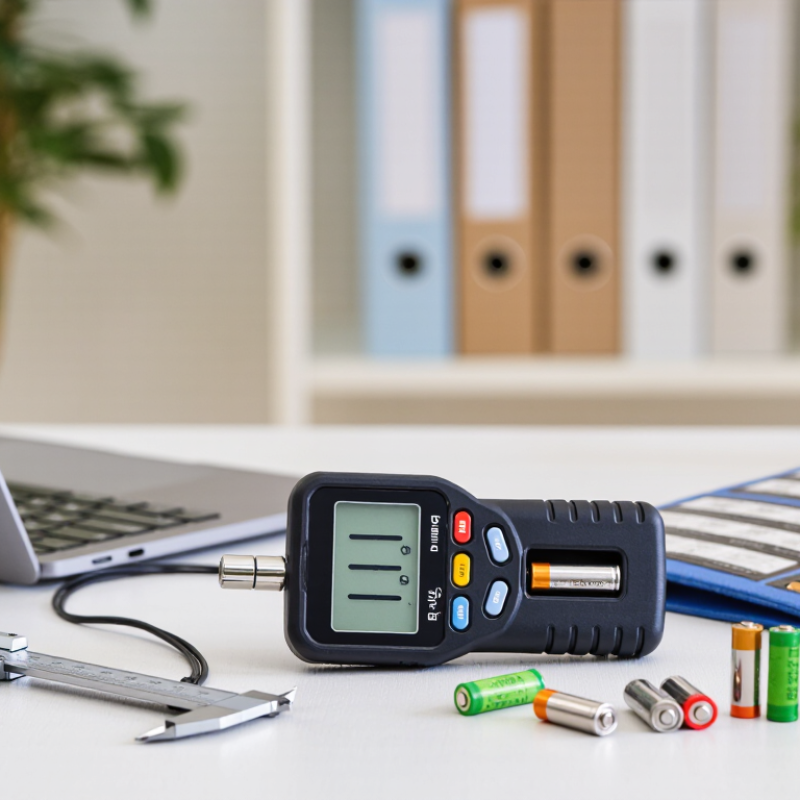
Global sourcing often begins with a sample, not a container. A Small Battery Tester helps buyers inspect battery performance before committing to large orders. In my experience, early checks expose weak cells, inconsistent labels, and unexpected voltage drops. These findings can prevent expensive returns and damaged customer trust. The device fits beside a laptop, caliper, and sample folder. It turns an invisible risk into a visible reading.

For procurement teams, useful data should be simple, repeatable, and recorded. A tester can measure voltage, estimate capacity, or indicate internal resistance, depending on its design. Buyers can compare readings across suppliers and production batches. They can also photograph displays beside batch codes and test dates. This creates a practical evidence trail for purchasing decisions. Yet a handheld tester is not a certified laboratory. Results may change with temperature, contact pressure, battery chemistry, or operator technique. That limitation deserves attention.

Reliable sourcing requires more than a promising sample. Ask suppliers for datasheets, test conditions, safety documentation, and traceable quality records. Then use the tester as one checkpoint within a broader inspection plan. Independent laboratory testing may still be appropriate for critical applications. I have seen teams trust one impressive reading too quickly. That shortcut can hide variation inside a full carton. A Small Battery Tester will not eliminate uncertainty. It can, however, make supplier comparisons faster, clearer, and more disciplined. For global buyers, that modest control may protect margins and reputation.

Why Use a Small Battery Tester for Global Sourcing?

What Is a Small Battery Tester?

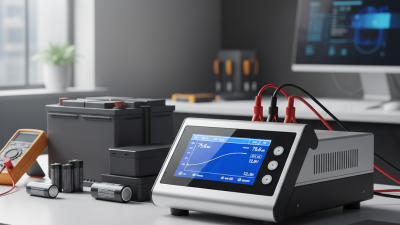
A small battery tester is a compact handheld instrument for checking a battery’s practical condition. It measures more than resting voltage. Most models apply a controlled load and observe how the battery responds. The display may show voltage, approximate charge, internal resistance, or a pass/fail result. Some testers support button cells, cylindrical cells, and small rechargeable packs. The usable test range depends on the device.

In global sourcing work, I test samples from different cartons before comparing suppliers. A weak battery may show normal voltage while delivering poor power. Applying a load reveals voltage drop, which can expose aging, damage, or inconsistent production. I also record the battery type, test setting, temperature, and result. Simple records make supplier comparisons more reliable. Small details matter.

A small tester is not laboratory equipment. Its readings can drift over time. Temperature, dirty contacts, and poor calibration can affect results. This requires careful judgment. I once accepted a pass reading without checking the test setting. A second test under consistent conditions produced a different result. That mistake changed my inspection process. Now I verify the tester range, clean the contacts, and repeat unusual readings. The instrument supports quality decisions, but it cannot replace controlled testing or sample verification.

Why Use a Small Battery Tester for Global Sourcing?

What Is a Small Battery Tester?

A small battery tester provides a fast way to verify battery voltage during sampling, incoming inspection, and supplier quality checks. The chart shows typical nominal voltages for commonly sourced battery types. Actual readings can vary with battery chemistry, charge level, temperature, age, and measurement conditions.

Why Battery Testing Matters in Global Sourcing

Why Use a Small Battery Tester for Global Sourcing?

Battery testing matters in global sourcing because a cheap sample can hide expensive failures. One weak cell may pass a warehouse check, then lose power during a customer's first week. That gap damages trust, delays delivery, and creates avoidable returns. In supplier inspections, a small battery tester can sit beside the packing table. It checks voltage, polarity, internal resistance, and basic capacity before cartons leave the factory. Small tool. Clear evidence.

Test readings should be recorded by model, batch, date, and test conditions. Temperature matters too, because cold storage can temporarily reduce battery performance. A tester cannot replace certified laboratory testing or required transport documents. That limitation matters. Still, it can expose mixed voltages, damaged insulation, loose terminals, or incorrect labeling before shipment. Imagine sampling twenty units from a large order. Ten minutes may reveal a wider process problem.

Do not trust one successful reading. Retest samples after they rest, especially when rechargeable batteries show unusual results. I have seen teams focus too heavily on price and treat testing as an optional delay. That approach looks efficient until rejected goods occupy a warehouse. Some readings will be inconsistent, and that can be frustrating. It is also useful evidence. Compare supplier results with independent inspection records, purchase specifications, and product samples. Keep the files organized. Clear records help sourcing teams make safer decisions across time zones, even when the first test was imperfect.

How Small Battery Testers Work

Why Use a Small Battery Tester for Global Sourcing?

How Small Battery Testers Work

A small battery tester applies a controlled electrical load to a cell and measures its voltage response. This process is more useful than checking open-circuit voltage alone. A nearly unused battery may show normal voltage, yet fall sharply when a device demands current. Inside the tester, a resistor creates a modest load. A sensor then reads the battery’s voltage, while a display or indicator shows the result.

Some compact testers use simple colored zones. More advanced units use a microcontroller to calculate voltage, approximate internal resistance, or estimate remaining charge. The estimate depends on battery chemistry, size, temperature, and load strength. It is not a direct measurement of full capacity. That distinction matters during global sourcing inspections. A tester can quickly identify weak samples, reversed polarity, damaged contacts, or inconsistent batches.

In a warehouse, an inspector may test cells beside a carton, recording results from the same production lot. Clean metal contacts help prevent false readings. Testing at a stable room temperature also improves consistency. Still, small testers have limits. They cannot replace controlled discharge testing for safety-critical products. Their displays may also appear precise while the measurement is only approximate. That is easy to overlook. A sensible inspection plan combines quick tester checks with sample-based capacity tests, clear records, and repeat measurements when results look unusual.

How to Use a Small Battery Tester Step by Step

When sourcing batteries globally, a small battery tester offers quick evidence before shipment. The International Energy Agency reported that battery demand reached about 750 GWh in 2023. Even smaller cells deserve disciplined checks.

Start with the workspace. Use dry gloves, stable lighting, and a nonconductive surface. Do not test swollen, cracked, leaking, or hot batteries. Read the cell label carefully. Select the correct chemistry and voltage range on the tester. Connecting the wrong setting can create unreliable readings. Touch the red probe to the positive terminal and the black probe to the negative terminal. Record the open-circuit voltage, internal resistance, and displayed condition. Keep the contact brief. Then repeat the test on samples from different cartons, not only the easiest box.

Compare results with the supplier’s specification and your purchase tolerance. A voltage reading is not a complete capacity test. It may miss rapid discharge, storage damage, or weak welds. For higher-value orders, send samples for controlled capacity testing. This extra step feels slow. It can prevent expensive surprises. The 2024 Global E-waste Monitor reported 62 million tonnes of electronic waste in 2022, with only 22.3% formally collected and recycled. Better incoming inspection supports safer handling and more responsible sourcing, although testing alone cannot prove full compliance. Keep dated records, photographs, tester settings, and carton numbers. I would also retest questionable cells after 24 hours. Some unstable results appear only later.

Why Use a Small Battery Tester for Global Sourcing? — How to Use a Small Battery Tester Step by Step
Step Inspection Stage How to Use the Small Battery Tester Reference Data or Expected Result Sourcing Decision Why It Matters
1 Identify the battery type Read the marking on the battery and select the appropriate tester mode. Confirm the chemistry, size, and nominal voltage before testing. Common nominal voltages include:
• Alkaline AA/AAA/C/D/9V: 1.5 V or 9 V
• NiMH rechargeable cells: 1.2 V
• Lithium-ion cells: 3.6–3.7 V
• Coin-cell lithium batteries: commonly 3 V
Verify before testing Different chemistries require different reference values and test methods.
2 Check the tester condition Inspect the tester contacts, display, leads, and internal battery. Clean dirty contacts and confirm that the tester powers on normally. A stable display and clean contact points help reduce false readings. A weak tester battery can affect measurement reliability. Ready for test A compact tester is useful only when its own power source and contacts are working correctly.
3 Inspect the battery visually Check for leakage, swelling, corrosion, dents, torn labels, damaged terminals, or signs of overheating before placing the battery on the tester. Any leaking, swollen, or physically damaged cell should not be tested further or mixed with acceptable stock. Quarantine damage Visual screening reduces safety risks and prevents damaged units from entering a shipment.
4 Set the measurement range Select the DC voltage range or battery range that covers the battery’s nominal voltage. Use the correct polarity markings on the tester. The selected range should be higher than the battery’s expected voltage. For example, a 3 V coin cell requires a range that can measure at least 3 V. Correct range Correct range selection improves readability and helps prevent incorrect polarity or overload conditions.
5 Make contact Touch the positive terminal to the positive probe and the negative terminal to the negative probe. Keep the contact steady for approximately 1–3 seconds. The reading should stabilize before it is recorded. Do not short the positive and negative terminals together. Stable reading Consistent contact time and polarity make results more comparable across samples and suppliers.
6 Record the open-circuit voltage Write down the battery code, sample number, measured voltage, date, and test temperature. Test samples from different cartons or production lots. Open-circuit voltage is a screening measurement, not a direct measurement of remaining capacity. A new alkaline cell may read around 1.5–1.65 V without a load, depending on condition and temperature. Create traceability Structured records make supplier comparisons and incoming-quality reviews easier.
7 Perform a loaded test when available If the tester includes a load function, apply the specified load briefly and compare the loaded voltage with the no-load reading. Follow the tester instructions for the load duration. Voltage normally drops under load. A large drop compared with other samples can indicate high internal resistance, low state of charge, aging, or poor storage. Investigate variation Loaded testing is more informative than voltage alone for identifying weak cells.
8 Compare samples by lot Test multiple units from each production lot using the same tester, range, contact method, and environmental conditions. Use a consistent sampling plan. For example, inspect units from several cartons rather than relying on one battery from one carton. Accept only consistent lots Lot-to-lot comparison can reveal mixed stock, uneven storage history, or process variation.
9 Check for leakage and terminal condition again After testing, examine the terminals and battery surface for residue, corrosion, warmth, or deformation. Keep tested, rejected, and approved samples separated. Do not ship cells with leakage, severe corrosion, swelling, or damaged terminals, even if the voltage appears acceptable. Reject unsafe units Voltage readings alone cannot confirm mechanical integrity or transport safety.
10 Compile the sourcing report Summarize sample quantities, voltage readings, loaded-test results, damaged-unit counts, lot numbers, and test conditions. Include the tester model specification, calibration or verification date, ambient temperature, and acceptance criteria used by the buyer. Approve, hold, or reject A documented report supports supplier negotiations, claims, and repeat-order decisions.
Important: A small battery tester is a rapid screening tool. Voltage readings do not replace capacity testing, internal-resistance testing, safety evaluation, transport compliance checks, or laboratory analysis. Always follow the battery manufacturer’s handling instructions and applicable shipping regulations.

How to Choose the Right Tester for International Procurement

Choosing a small battery tester for international procurement requires more than checking its price. Battery demand is expanding quickly. The International Energy Agency reported that global electric-vehicle battery demand exceeded 750 GWh in 2023, rising about 40% from 2022. This growth also increases pressure on smaller cells used in sensors, meters, and portable electronics.

Start with the battery chemistry and testing purpose. A tester for lithium-ion cells may not suit alkaline, nickel-metal hydride, or lithium primary batteries. Confirm voltage, current, capacity, resistance, and discharge-time ranges before ordering. Four-wire measurement can reduce contact resistance errors. That detail matters when terminals are small or slightly oxidized.

IEC STANDARDS IEC 61960-3 can guide performance testing for secondary lithium cells, while IEC 62133 addresses safety requirements. A tester does not replace formal certification.

International buyers should also inspect calibration records, measurement repeatability, data-export formats, and software language support. Check whether the device accepts local power standards. Ask for sample test records, not only a specification sheet. A low-cost unit may become expensive after unstable readings, customs delays, or unavailable spare parts.

I have seen procurement teams overlook connector design. Small mistake. Operators then press cells unevenly, producing inconsistent results.

It is wiser to test several production samples under identical conditions and compare the results with an independent laboratory. The IEA’s Global EV Outlook 2024 also highlights growing battery supply-chain concentration, making supplier verification and traceable test data increasingly important.