China Top 10 Digital Battery Tester Manufacturers
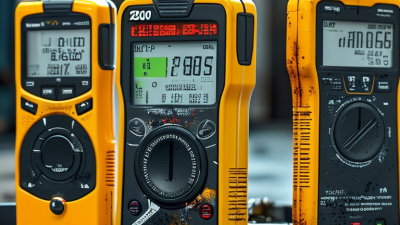
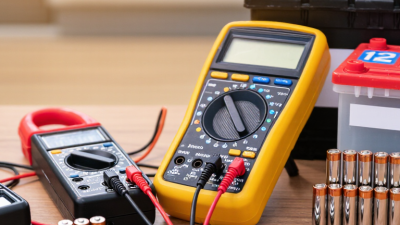
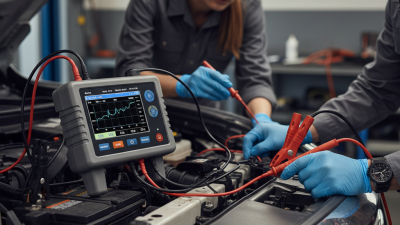
China’s battery testing sector has grown from a workshop tool market into a technically diverse manufacturing field. Today, a Digital Battery Tester may measure voltage, starting power, internal resistance, charging performance, and battery health within seconds. In a repair bay, the difference is practical: a clear screen, insulated clamps, and a stable reading can prevent an unnecessary battery replacement.
As battery researcher Dr. Jeff Dahn has observed, “The battery is the heart of the electric vehicle.” That heart needs accurate diagnosis, not guesswork. China’s leading manufacturers increasingly combine embedded software, temperature compensation, data storage, and portable designs. Some models support 12V and 24V systems. Others serve automotive workshops, battery distributors, fleet operators, and industrial maintenance teams. Their products do not all target the same user.
This “China Top 10 Digital Battery Tester Manufacturers” overview examines the companies behind these instruments. It considers testing range, measurement consistency, calibration practices, certification, after-sales support, production experience, and application fit. Product documentation matters too. A polished device can still produce confusing results when its test conditions are unclear.
No ranking is perfect. Some manufacturers disclose more technical data than others. That creates an uncomfortable comparison gap. Therefore, readers should verify specifications, sample performance, warranty terms, and independent test evidence before purchasing. A tester that works well on a small automotive battery may not suit lithium-based systems or high-volume service centers. The right choice depends on chemistry, workload, environment, and the technician’s actual workflow.
Digital Battery Testers Explained: Voltage, CCA, SOC and SOH Metrics
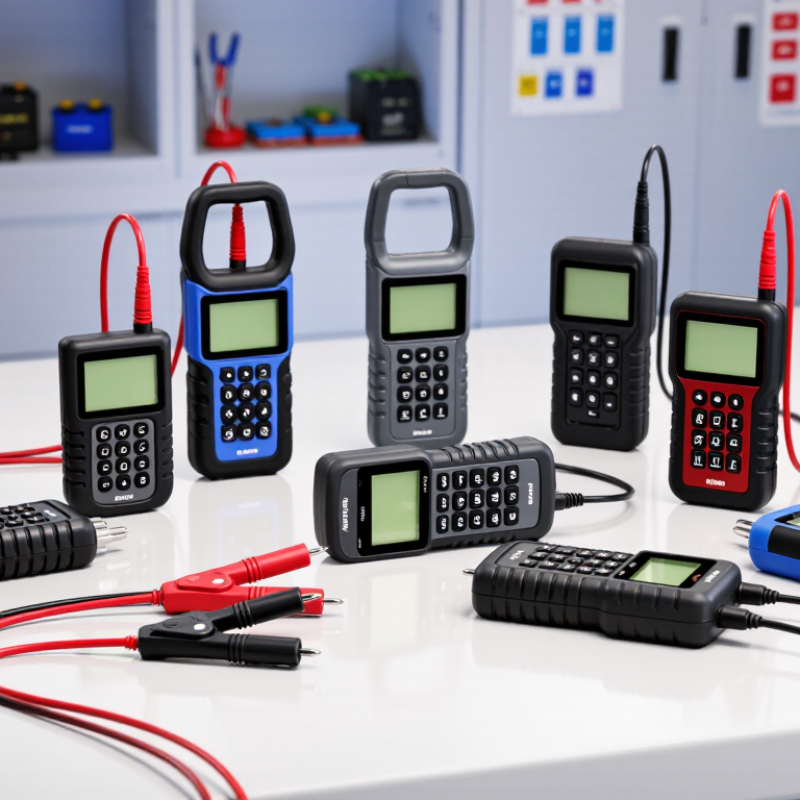
Digital battery testers turn a confusing starting problem into measurable evidence. In workshop use, voltage is the quickest clue. A fully charged 12-volt lead-acid battery often rests near 12.6 volts. Surface charge can mislead, so headlights may be applied briefly before testing. Cranking voltage matters too. A sharp drop during starting suggests high internal resistance or weak connections. Record temperature and battery type for better accuracy.
CCA estimates a battery’s starting ability under cold conditions. The tester usually evaluates conductance rather than performing a long physical load test. Enter the battery’s rated CCA and testing standard correctly. A wrong setting can make a healthy battery look weak. SOC means state of charge, or the available charge percentage. SOH means state of health, which reflects aging and remaining performance. A battery can show high SOC but poor SOH. It is full, yet tired.
Reliable technicians combine digital results with terminal inspection, charging history, and a controlled retest. Corrosion, loose clamps, and cold weather can distort readings. I have seen batteries pass a quick test but fail after repeated starts. That reminds us to question convenient results. A tester is not an oracle. Use voltage, CCA, SOC, and SOH together, then compare them with real starting behavior.
Ranking Criteria: ±0.5% Accuracy, 6–48 V Range and Calibration Evidence
China Top 10 Digital Battery Tester Manufacturers
This ranking focuses on measurable proof, not attractive catalogs. Each manufacturer should demonstrate ±0.5% accuracy across a 6–48 V testing range. That range covers common automotive, backup, and industrial battery systems. Test results should remain stable under different loads and temperatures. A single impressive reading is not enough.
Calibration evidence carries equal weight. Reliable suppliers should provide dated certificates, instrument serial numbers, reference standards, and test conditions. Independent laboratory records add stronger credibility. During evaluation, I would compare ten readings from the same battery. I would also check repeatability after several hours of operation. Some specifications look precise, yet the supporting evidence feels thin. That deserves a lower position.
Tips: Ask for a recent calibration certificate before ordering. Confirm whether ±0.5% accuracy applies across the entire 6–48 V range. Request sample reports with raw readings. Check probe quality, display resolution, and protection against reverse polarity. A clear manual helps technicians avoid measurement mistakes. I would still retest delivered units, because transport, storage, and operator habits can affect results. Small details matter.
China Top 10 Digital Battery Tester Manufacturers
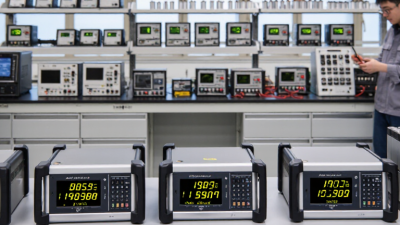
Anonymized ranking index based on three verifiable dimensions: accuracy compliance with the ±0.5% requirement, coverage of the 6–48 V measurement range, and documented calibration evidence. Company names and brands are intentionally omitted.
China’s Top 10 Manufacturers: Product Lines, OEM Capacity and Standards
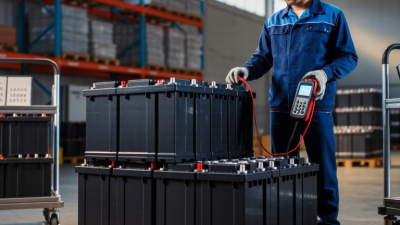
China’s top 10 digital battery tester manufacturers serve laboratories, factories, repair centers, and energy storage projects. Their product lines usually include handheld analyzers, benchtop meters, battery discharge testers, impedance testers, and automated production systems. Some also provide probes, software, fixtures, and data export tools.
OEM capacity varies widely. Strong manufacturers can adjust voltage ranges, current loads, connectors, screen languages, and communication interfaces. They may support USB, Ethernet, RS-485, or automated test commands. During factory evaluations, buyers should request calibration records, sample reports, and evidence of repeatability. A polished catalog is not enough. In practice, software stability can matter as much as measurement accuracy.
Tips: Compare four-wire testing, calibration traceability, overload protection, and service response. Check whether products support relevant IEC safety and EMC requirements. Ask for factory acceptance testing before large orders. Some suppliers promise full customization but only change labels or packaging. That is a weakness worth questioning. Also review OEM lead times, spare-part access, operator training, and warranty terms. A tester may show excellent readings in a showroom, yet perform differently in a dusty production room. Independent sample verification remains sensible. Even experienced buyers can overlook fixture design. There is room for improvement.
Application Comparison: 12-V Automotive, 24-V Commercial and Lithium Packs
China Top 10 Digital Battery Tester Manufacturers
Application determines whether a digital battery tester gives useful evidence or misleading confidence. For 12-V automotive batteries, conductance testing is practical because technicians can test cranking performance within seconds. The test should include voltage, estimated cold-cranking capacity, internal resistance, and temperature. The International Energy Agency reported nearly 14 million electric cars sold globally in 2023, showing why conventional battery testing now sits beside high-voltage service knowledge. Small details matter. A weak ground clamp can distort results.
For 24-V commercial vehicles, a tester must handle series-connected batteries safely. Measure the complete 24-V system, then test each 12-V battery separately. Uneven readings often reveal imbalance, loose terminals, or one aging battery. Fleet maintenance studies consistently link preventive testing with fewer unexpected failures, although savings vary by vehicle age, climate, and duty cycle. Lithium packs require a different approach. A basic lead-acid tester may produce a confident but inaccurate result. Choose equipment that supports lithium chemistry, BMS communication, cell-voltage review, and state-of-charge limits. The IEA Global EV Outlook 2024 also noted strong growth in electric vehicle deployment, increasing demand for trained diagnostic work.
Tips: Record temperature, resting voltage, test method, and battery history. Never compare lithium results with lead-acid thresholds. For commercial fleets, retest after charging and after heavy starting loads. This rule is not perfect. A tester cannot replace visual inspection or controlled workshop measurements.
Safety and Compliance: IEC 61010, UN 38.3 and Battery Test Requirements
China’s top digital battery tester manufacturers should treat safety as a design requirement, not a marketing phrase. IEC 61010 guides protection against shock, fire, overvoltage, and abnormal operation. A reliable tester needs guarded terminals, suitable insulation, current limiting, and clear operating instructions. Calibration records also matter. Small measurement errors can distort capacity, resistance, or thermal results.
UN 38.3 focuses on transport safety for lithium cells and batteries. It includes tests involving altitude simulation, temperature cycling, vibration, shock, and external short circuit. A tester cannot replace formal battery certification. However, it should produce stable, traceable data for development and verification. Engineers should also check voltage ranges, discharge loads, temperature channels, and emergency shutdown performance. One overlooked cable can damage the test result.
Tips: Ask for IEC 61010 evidence, calibration intervals, and software audit trails. Confirm that test data can be exported without hidden changes. Use independent reference instruments during acceptance checks. Do not trust a perfect-looking graph immediately. Repeat the test under controlled conditions. Some specifications remain unclear, especially when manufacturers describe “compliance” without naming the exact standard or edition. That deserves careful review.

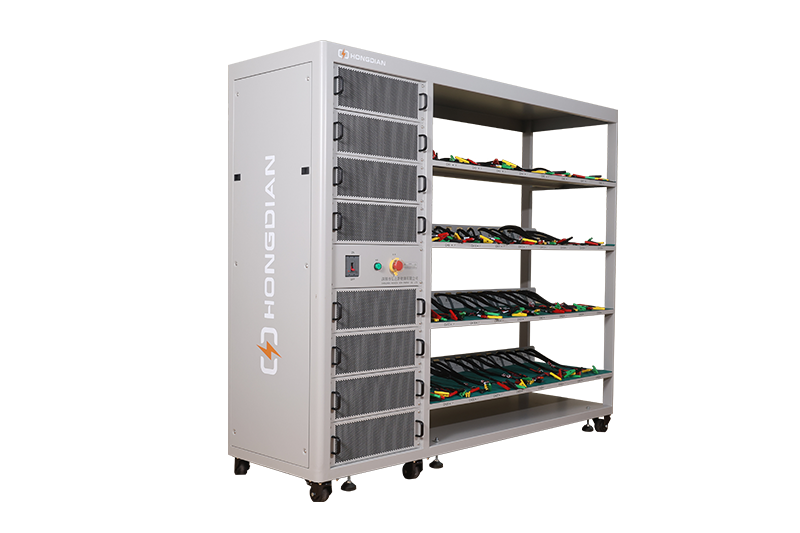 32/48 channel battery charging and discharging test integrated battery cabinet
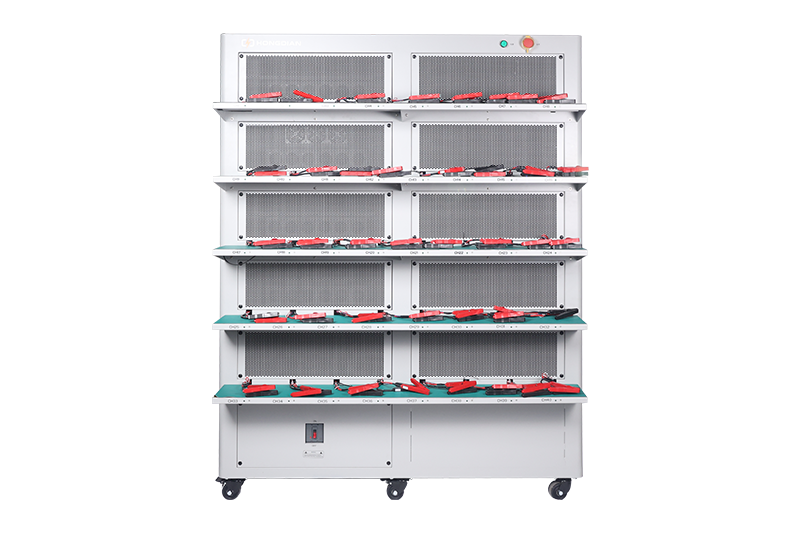 40 channel battery charging and discharging test integrated battery cabinet
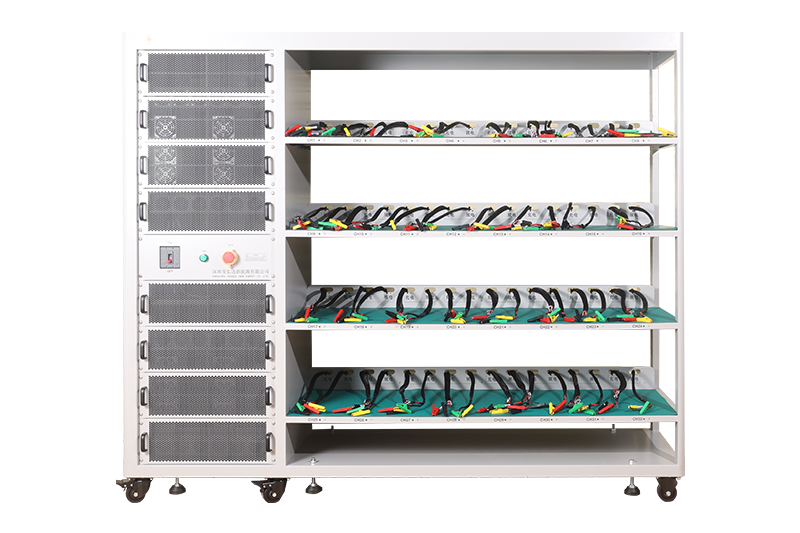 64 channel battery charging and discharging test integrated battery cabinet
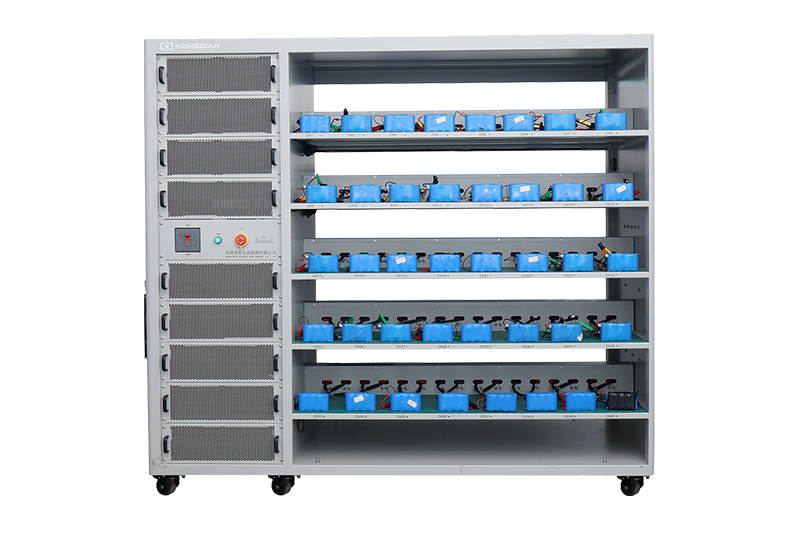 80 channel battery charging and discharging test integrated battery cabinet
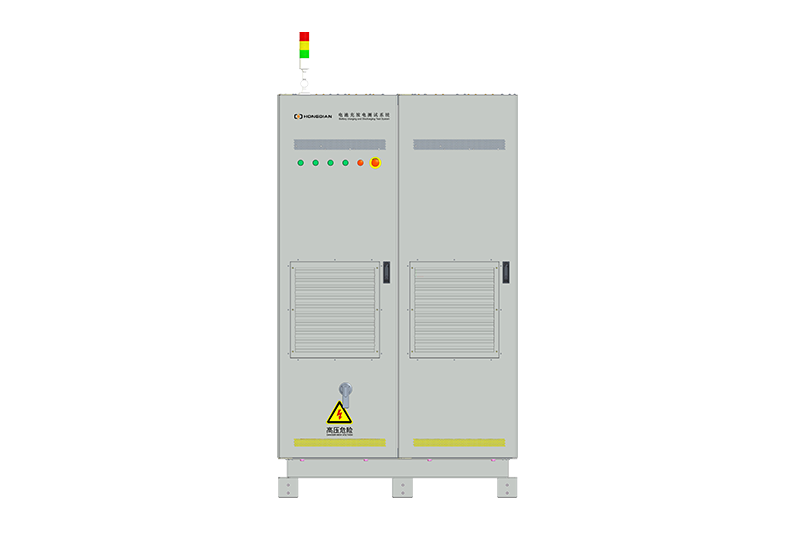 1000V-1500V High Voltage High Current Battery Testing System
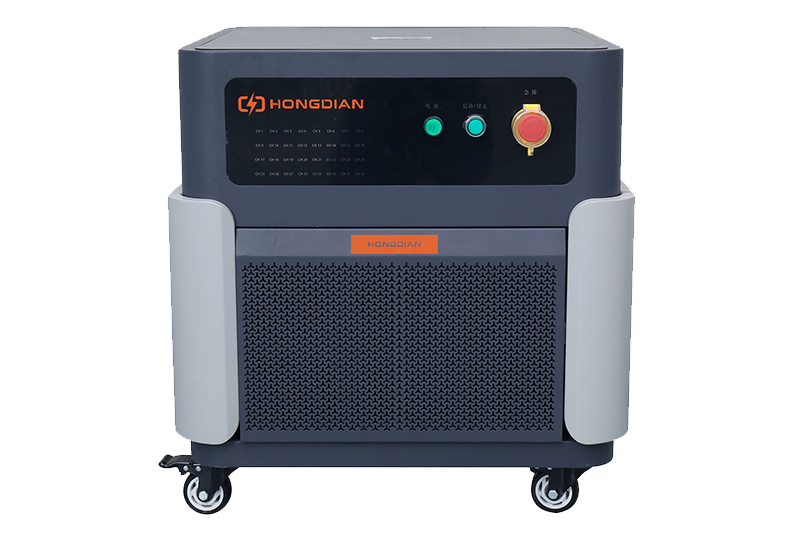 High-Precision Battery Testing System for Enhanced Performance Monitoring 30V/60V/100V/120V
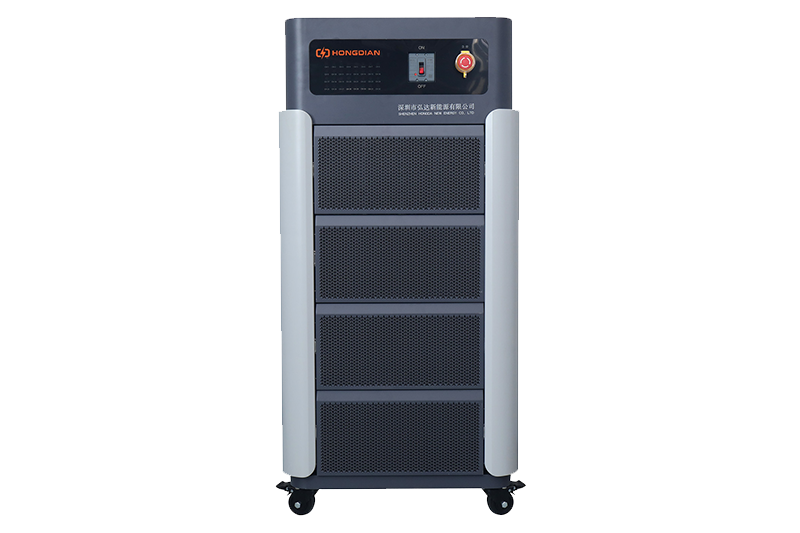 High-Precision Battery Charge Discharge Test Systems for EV Manufacturers
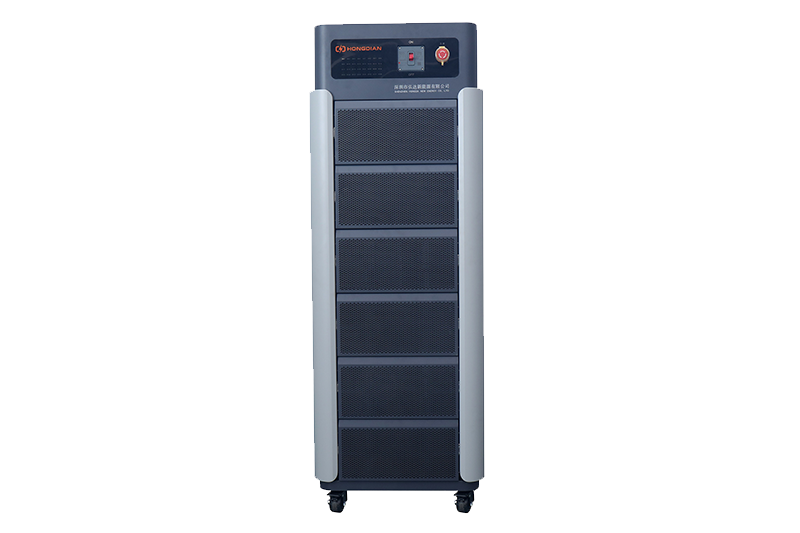 Precision Battery Test Racks for Cell Capacity & Internal Resistance Measurement
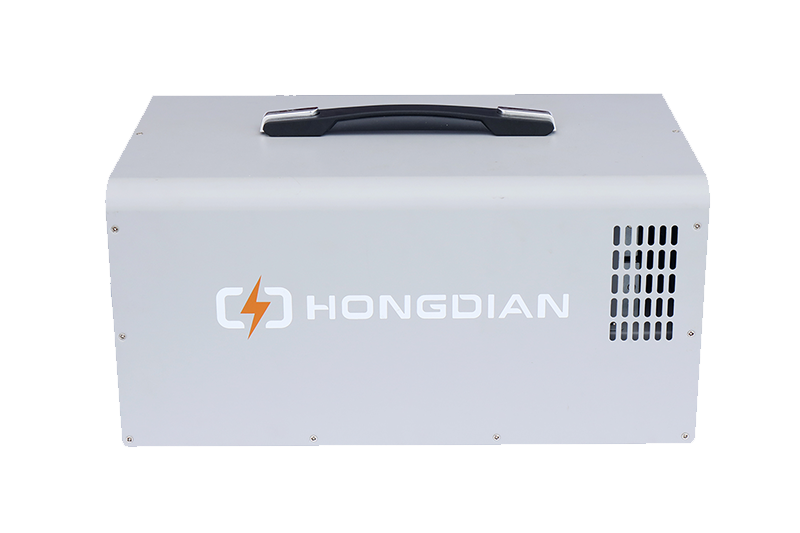 Multi-Channel Battery Testing Equipment for Parallel Performance Analysis