| Application Scope |
GB/T 5008 series |
Test equipment should support applicable tests for lead-acid starter batteries, including voltage, capacity, starting performance, charging response, and related electrical characteristics. |
Equipment specification, supported test-method list, sample test report, and operating manual. |
Each claimed test function is mapped to a defined test method and measurable output. |
Required |
| Stationary Battery Testing |
IEC 60896 series |
For stationary lead-acid batteries, the testing system should accommodate relevant capacity, discharge, endurance, float-charge, and performance evaluations according to the applicable part and battery technology. |
Test protocol, programmable load profile, current and voltage records, and completed sample report. |
Test profiles can be configured for the required battery type, rated capacity, discharge duration, and end-point voltage. |
Verify by Application |
| Quality Management System |
ISO 9001:2015 |
The supplier should operate controlled processes for design, purchasing, production, inspection, calibration, nonconformity handling, and corrective action. |
Valid certificate, scope statement, quality procedures, internal-audit records, and corrective-action records. |
Certificate scope covers the design, manufacture, or servicing of the supplied testing equipment. |
Evidence Required |
| Voltage Measurement |
Instrument calibration control; applicable GB/T 5008 or IEC 60896 test method |
The tester should measure battery voltage across the specified operating range with stable sampling and recorded test data. |
Calibration certificate, measurement-range specification, accuracy statement, and traceability record. |
Accuracy, resolution, and sampling rate are stated clearly and verified against the test application. |
Required |
| Current Measurement |
Instrument calibration control; applicable battery test method |
Charge and discharge current measurement should remain within the declared accuracy under the intended continuous and peak load conditions. |
Shunt or sensor specification, calibration report, load-test record, and overload protection details. |
Current range and accuracy cover the smallest and largest battery test requirements. |
Required |
| Capacity Test Function |
GB/T 5008 series or IEC 60896 series, as applicable |
The system should support controlled discharge at a defined current or power level, automatic end-point detection, and calculation of delivered capacity. |
Discharge curve, Ah or Wh calculation record, cut-off configuration, and test data export. |
End-point voltage, test duration, current profile, and capacity result are automatically recorded. |
Required |
| Temperature Monitoring |
Test-method safety and measurement controls |
Battery and ambient temperature should be monitored when temperature affects test validity, battery safety, or result interpretation. |
Temperature-sensor specification, channel layout, alarm settings, and calibration record. |
Temperature limits and alarm actions are configurable and included in the final report. |
Verify by Application |
| Data Recording and Traceability |
ISO 9001:2015 documented-information controls |
Test records should identify the battery sample, test parameters, operator, equipment, date, software version, and final result. |
Electronic report template, raw-data file, audit trail, user-access configuration, and backup procedure. |
Raw data cannot be unintentionally overwritten, and results can be traced to a specific test setup. |
Evidence Required |
| Calibration and Metrological Traceability |
ISO 9001:2015 quality controls |
Measurement equipment used for acceptance testing should be calibrated at defined intervals and protected from unauthorized adjustment. |
Calibration plan, current certificates, reference-equipment records, and out-of-tolerance procedure. |
Calibration status is visible, current, and traceable to recognized measurement standards. |
Required |
| Electrical Safety |
Applicable product-safety and low-voltage requirements |
The tester should include suitable insulation, protective earthing, overcurrent protection, emergency stop functionality where applicable, and safe battery connections. |
Electrical schematic, safety test report, protective-device specification, and user safety instructions. |
Protection functions are documented and verified during factory acceptance testing. |
Required |
| Thermal and Overload Protection |
Equipment safety and internal quality-control procedures |
The system should detect excessive current, over-temperature, abnormal voltage, short circuit, and communication faults when these conditions are relevant to the design. |
Alarm matrix, protection test records, fault-injection test results, and recovery instructions. |
Fault conditions generate a clear alarm and place the equipment in a defined safe state. |
Required |
| Test Reproducibility |
GB/T 5008 or IEC 60896 test procedure, as applicable |
Repeated tests using the same battery type and configured parameters should produce consistent results within the declared measurement uncertainty and process tolerance. |
Repeatability study, comparison test, control chart, and factory acceptance-test report. |
Variation limits are defined before acceptance and are appropriate for the intended test method. |
Verify by Witness Test |
| Software and Parameter Control |
ISO 9001:2015 process and configuration controls |
Test recipes, limits, user permissions, software revisions, and report formats should be controlled to prevent unauthorized changes. |
Software revision history, access-control list, parameter-lock function, and change-control records. |
Critical test parameters require authorization and are retained with the corresponding test record. |
Evidence Required |
| Factory Acceptance Testing |
Supplier quality plan and agreed purchase specification |
Before shipment, the tester should be checked for mechanical completeness, electrical safety, measurement performance, software functions, alarms, and communication interfaces. |
Factory acceptance-test protocol, signed results, calibration certificates, and deviation list. |
All critical functions pass the agreed acceptance criteria before dispatch. |
Required |
| After-Sales Technical Support |
ISO 9001:2015 customer-feedback and corrective-action controls |
The supplier should provide installation guidance, operator training, maintenance instructions, spare-parts support, and documented response procedures. |
Service-level document, training materials, troubleshooting guide, spare-parts list, and support records. |
Support responsibilities, response channels, preventive maintenance, and warranty terms are stated in writing. |
Evidence Required |
| Documentation Package |
Applicable standards and ISO 9001 documented-information controls |
Documentation should include the operating manual, electrical drawings, maintenance schedule, calibration requirements, safety instructions, and conformity records. |
Controlled manual, drawings, parts list, software documentation, certificates, and revision-controlled document register. |
Documents are complete, current, supplied in the agreed language, and consistent with the delivered equipment. |
Required |

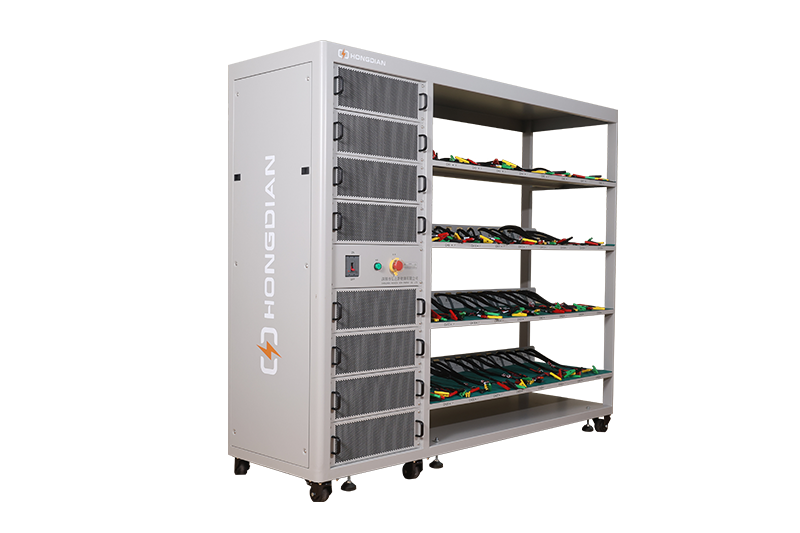 32/48 channel battery charging and discharging test integrated battery cabinet
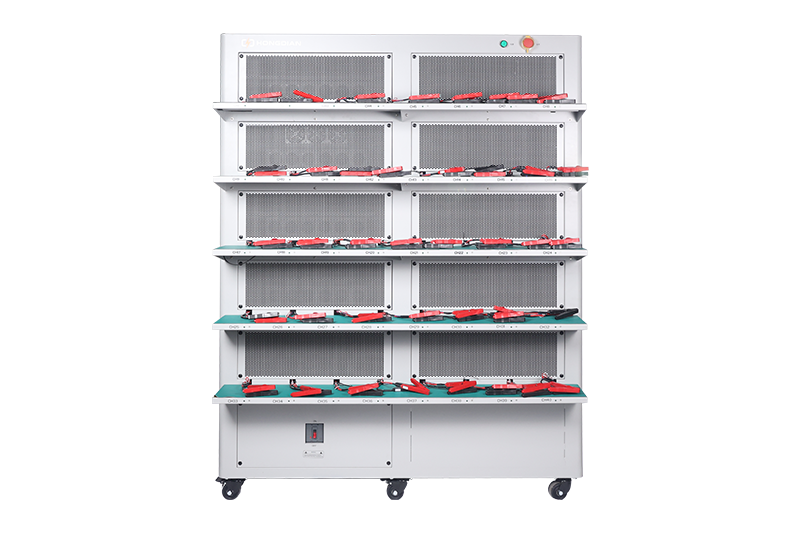 40 channel battery charging and discharging test integrated battery cabinet
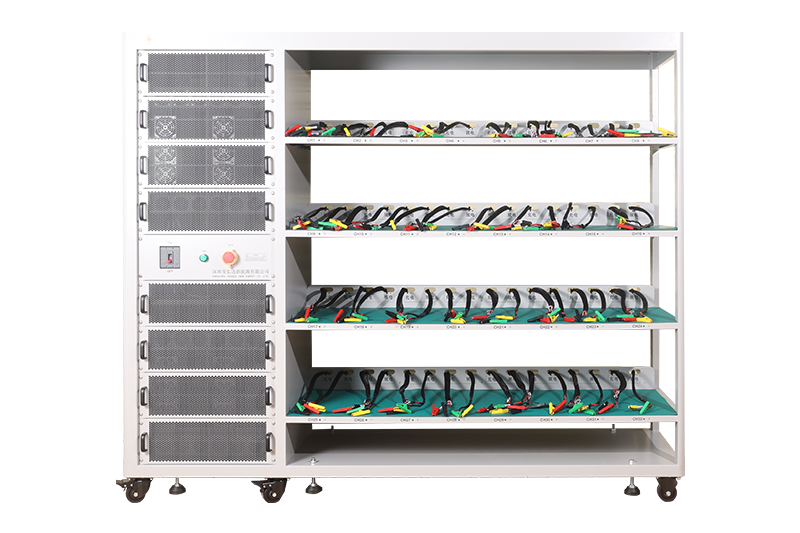 64 channel battery charging and discharging test integrated battery cabinet
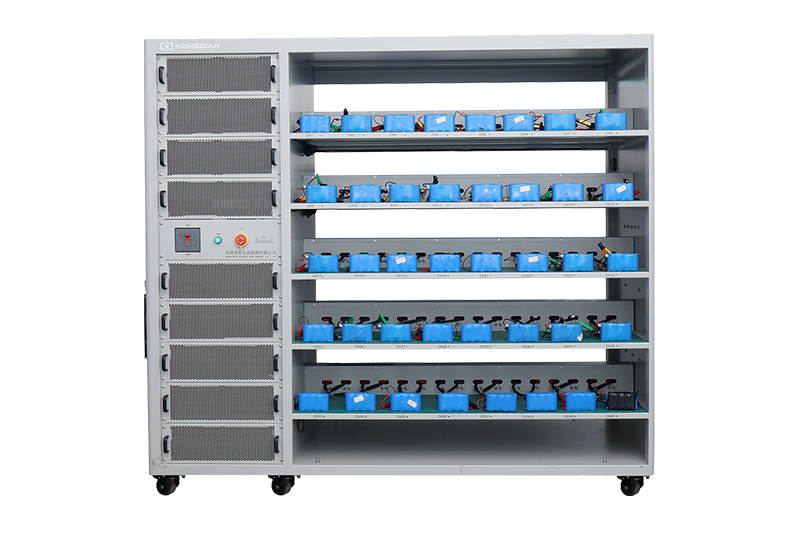 80 channel battery charging and discharging test integrated battery cabinet
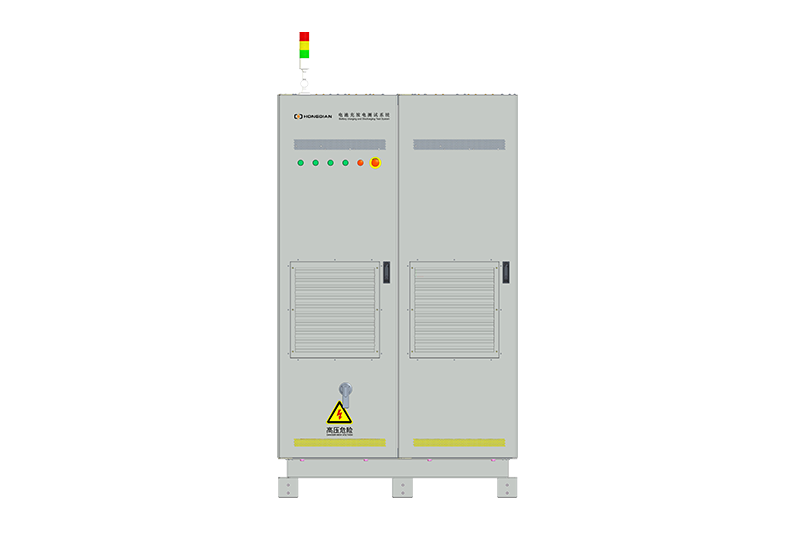 1000V-1500V High Voltage High Current Battery Testing System
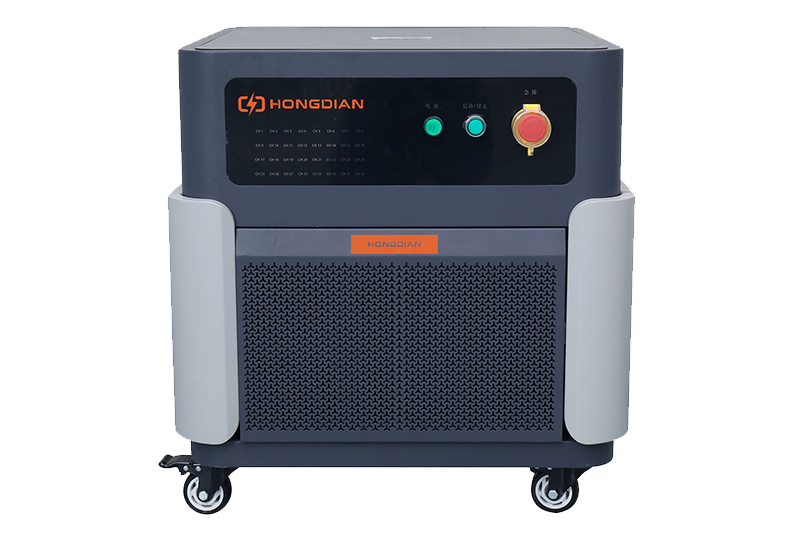 High-Precision Battery Testing System for Enhanced Performance Monitoring 30V/60V/100V/120V
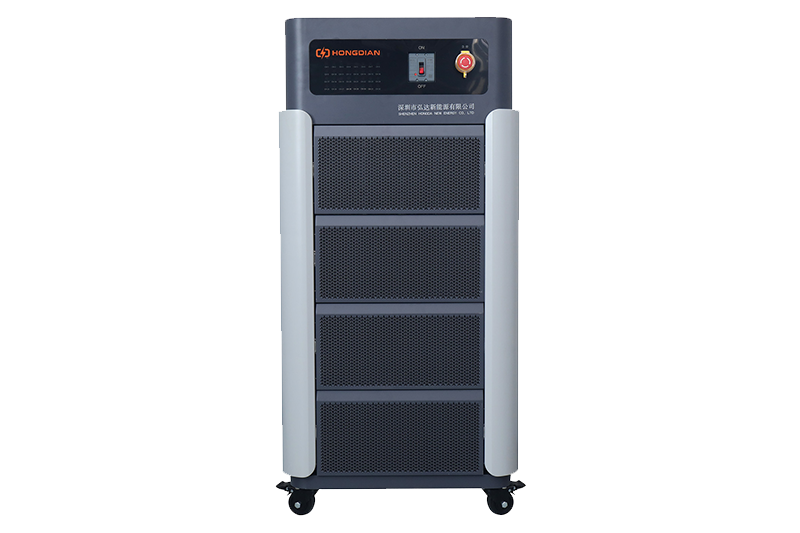 High-Precision Battery Charge Discharge Test Systems for EV Manufacturers
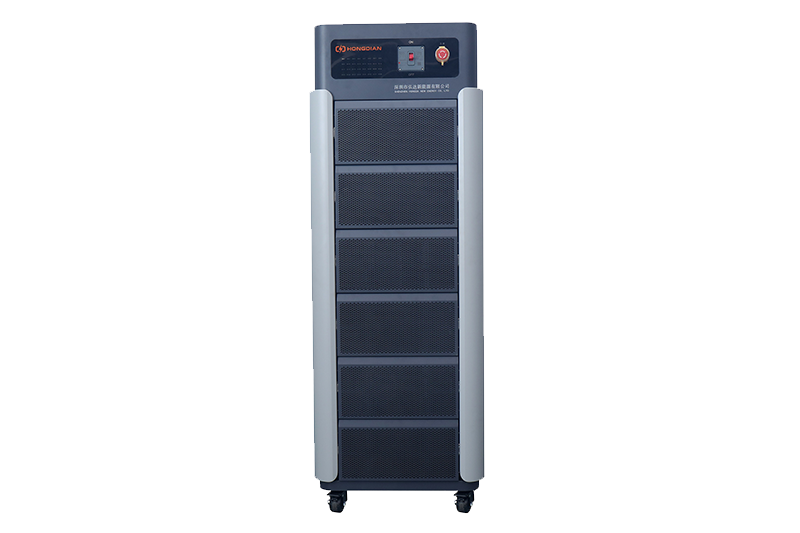 Precision Battery Test Racks for Cell Capacity & Internal Resistance Measurement
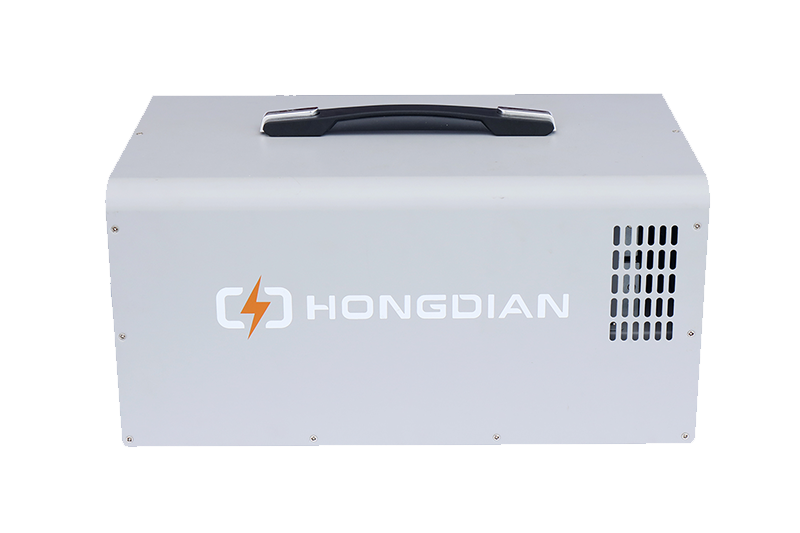 Multi-Channel Battery Testing Equipment for Parallel Performance Analysis