request to quote
Leave Your Message

China Top 10 Battery Organiser And Tester Manufacturers?

Choosing a Battery Organiser And Tester manufacturer is about more than comparing product photos. Buyers may need compact storage trays, clear cell labels, reliable measurement readings, or equipment suited to a busy production floor. Small details matter. A loose divider or hard-to-read display can slow routine checks.

This guide introduces ten China-based manufacturers and provides a practical starting point for supplier research. It considers product range, stated technical capabilities, customization options, quality documentation, and service support. These points can help purchasing teams prepare better questions. For example, confirm which battery chemistries and sizes a tester supports, what measurement ranges it offers, and whether calibration records are available. Ask how organizers handle different cell formats, too. A polished catalog alone is not enough.

The list should not be treated as a universal ranking. A laboratory, distributor, and factory may value different features, and public product information can change. Some details may need direct confirmation. That is a limitation worth noting. Before placing an order, request current specifications, sample units, warranty terms, and clear answers about after-sales support. Comparing those details can reveal whether a manufacturer fits your application, budget, and workflow. The best choice is the one that performs consistently in your own checks, not simply the one with the strongest sales claim.

China Top 10 Battery Organiser And Tester Manufacturers?

Battery Organizers and Testers: Product Types and Core Functions

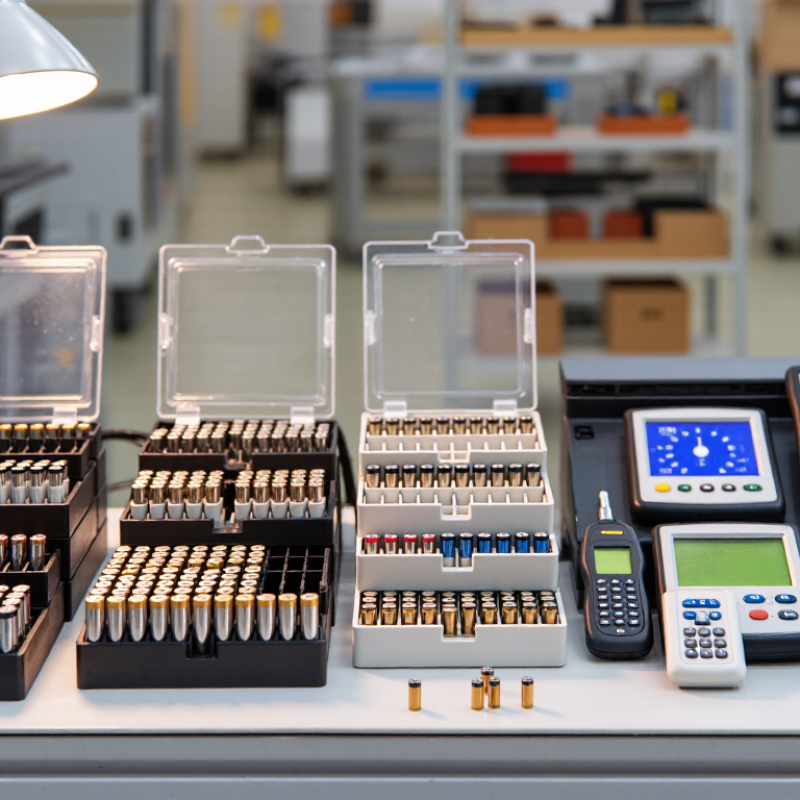
Battery organizers range from compact compartment cases to drawer trays and wall-mounted racks. A small case may hold AA and AAA cells, while larger trays separate several sizes and keep terminals from touching loose metal objects. Clear labels help users track chemistry, size, and purchase date. Useful details include snug dividers, a secure lid, and readable markings. Some designs are less practical than they look; narrow slots can make removal awkward.

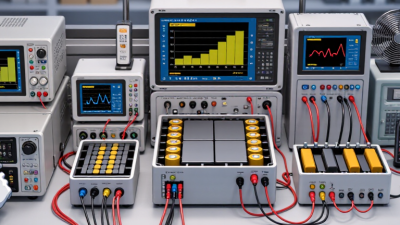
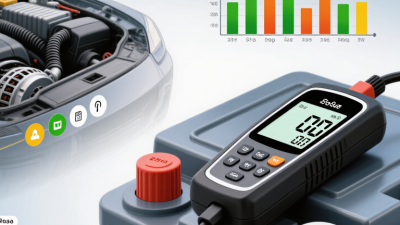
Battery testers also differ by function. Basic models check voltage and show a simple remaining-charge reading. More capable testers apply a controlled load, which can reveal weak cells that appear normal at rest. Certain units measure internal resistance or support rechargeable-cell checks, but readings depend on cell type and test method. Match the tester’s supported sizes and chemistries before use. A display is helpful, not absolute.

For a workshop or household drawer, an organizer paired with a tester supports routine sorting: identify a cell, test it, then store it in the correct compartment. Keep damaged, leaking, or unusually warm cells apart and follow the device maker’s handling instructions. Labels may peel. That small flaw matters when several similar cells share one tray. A simple date mark can make rotation easier, though it cannot replace a proper test.

Battery Organizers and Testers: Product Types and Core Functions

Typical function coverage by product type

This illustrative comparison distinguishes common product purposes: organizers store and sort batteries, testers check basic electrical status, analyzers may measure performance in greater depth, and charger-tester combinations add charging. A value of 1 means the function is commonly associated with that product type; 0 means it is not a core function. Features vary by model.

China’s Battery Organization and Testing Industry

China’s battery organization and testing industry is expanding alongside dense cell and pack production. The International Energy Agency’s Global EV Outlook 2024 estimates that electric-car battery demand reached about 750 GWh in 2023, up roughly 40% year on year. Its Global Supply Chains of EV Batteries report places China’s share of global battery-cell manufacturing capacity at nearly 85%. That concentration creates steady demand for sorting racks, insulated trays, barcode-based tracking, and electrical test equipment. Small details matter.

On a production floor, cells move through labeled containers before voltage, internal resistance, and temperature checks. Pack-level stations may also monitor charging and discharge behavior. These steps help staff identify mismatched cells and record results for later review. A tester is only as reliable as its calibration and handling procedure. Dust, loose probes, or mixed batches can distort readings. The equipment cannot fix poor process discipline.

Manufacturers are also adapting systems for different cell formats and faster production cycles. IEA figures describe the wider battery supply chain, not sales of organizers or testers specifically; that distinction matters when judging market size. China’s scale is clear, but scale alone does not prove consistent quality. Test records, repeatability, and clear storage rules deserve equal attention. Sometimes they are overlooked.

Criteria for Assessing Manufacturer Capabilities and Product Quality

Choosing among China’s battery organiser and tester manufacturers means checking evidence, not just polished catalogues. The International Energy Agency’s Global EV Outlook 2024 reports that global battery manufacturing capacity reached about 2.2 TWh in 2023, more than twice annual demand. That scale makes consistent incoming inspection and traceable production records essential. Ask suppliers for factory audit results, component inspection plans, and documented corrective actions.

For testers, assess measurement range, repeatability, calibration records, and safety protections. Request sample results using batteries similar to your intended sizes and chemistries. Check whether readings remain stable across repeated tests and temperature changes. For organisers, inspect material thickness, divider fit, labels, and resistance to routine handling. Numbers need context. A precise display does not prove accurate measurement; request calibration evidence linked to recognised laboratory practice, such as ISO/IEC 17025. Also compare warranty terms and spare-part availability, not only unit price. A minor weakness in sample testing can matter more than a glossy brochure.

Tips: Ask for a recent test report, calibration certificate, and production traceability example. Verify that serial numbers connect the product to its inspection record. If a supplier cannot explain one result clearly, pause and investigate. Some specifications still need independent verification.

Ten Notable Battery Organizer and Tester Manufacturers in China

China’s battery organizer and tester manufacturers serve different needs, from household storage to workshop diagnostics. A useful ten-profile shortlist includes makers of molded cell trays, modular drawer organizers, tester-and-storage combinations, automotive battery testers, rechargeable-cell testers, coin-cell holders, industrial battery racks, custom packaging, export-oriented OEM products, and compact digital testers. These are capability profiles, not a verified ranking of named companies.

Look closely at practical details. A well-made organizer should keep cells separated, remain steady on a crowded bench, and make labels easy to read. Tester features matter too: clear polarity marks, accessible contacts, stable readings, and instructions that explain limits. Small details count. A slippery drawer can undo thoughtful design.

For supplier checks, request current product specifications, sample units, and photos of production and inspection steps. Ask how readings are verified and whether materials or designs change between batches. Compare warranty terms and replacement-part availability in writing. One caveat: factory claims can be difficult to compare, and a polished sample may not reflect routine production. Real testing takes time. A few makers may also lack detailed documentation, so buyers should verify key claims before placing larger orders.

Comparing Products, Applications, and Manufacturer Strengths

Battery organisers and testers serve different needs. Organisers separate cells by size, chemistry, or charge status. Testers may check voltage, internal resistance, or capacity. For repair benches, capacity readings often provide more useful evidence than voltage alone. In storage rooms, dividers and readable labels help prevent mix-ups. Small details matter.

When comparing manufacturers, look at measurement consistency, build quality, and support for replacement leads or calibration. A workshop may prefer a tester with clear results and repeatable readings. Field technicians may value a compact case, protected probes, and a screen visible in bright light. Organiser makers stand out through sturdy compartments, secure lids, and flexible layouts. Still, an attractive display does not prove long-term durability; labels can fade, and hinges may loosen.

Tips: Match the tester’s functions to the cells you handle, and check its stated measurement range before buying. Try the organiser with your actual cell sizes. Keep damaged cells separate, and record test results with dates. No tester predicts every cell’s future performance, so treat readings as useful evidence, not certainty.

China Top 10 Battery Organiser And Tester Manufacturers? - Comparing Products, Applications, and Manufacturer Strengths

A comparison of common product and manufacturing capability categories. These profiles are not a ranked list of named companies; specifications depend on the individual model.

No. Manufacturer Capability Profile Typical Products Common Applications Typical Test or Storage Functions Potential Strengths Key Selection Considerations
1 Portable battery tester specialists Handheld testers for common primary and rechargeable cells Household battery checks, retail service, field maintenance Voltage checks; some models also assess batteries under a load Compact equipment and straightforward operation Check supported chemistries, cell sizes, and whether the device measures voltage only or performs a load test.
2 Automotive battery testing specialists Starter-battery testers, including conductance-based models Vehicle workshops, battery shops, fleet servicing Battery condition checks; certain models also test charging and starting systems Tools tailored to common vehicle-service workflows Confirm supported battery types, rating standards, test range, and compatibility with the vehicle’s battery technology.
3 High-current load tester manufacturers Load testers and discharge testing equipment for lead-acid batteries Automotive service, backup-power maintenance, battery inspection Applies a controlled electrical load to help assess battery performance Direct, practical testing for applications where loaded performance matters Review current limits, duty cycle, safety features, and the test procedure required for the battery type.
4 Impedance and conductance analyzer manufacturers Battery analyzers for stationary and industrial batteries UPS systems, telecom sites, data centers, maintenance programs Measures electrical indicators such as impedance or conductance; some models record voltage and temperature Useful for repeatable condition tracking across battery strings Check measurement method, probe design, data logging, reporting, and whether the instrument suits the battery chemistry.
5 Capacity test system manufacturers Programmable charge-discharge testers and battery cyclers Battery laboratories, production testing, quality control, research Controlled charge and discharge cycles; capacity is assessed from measured current and time under a defined test procedure Configurable test profiles and recorded cycle data Compare channel count, current and voltage ranges, accuracy specifications, thermal management, and software features.
6 Battery pack and BMS test equipment manufacturers Pack testers, BMS simulators, and battery-management verification equipment Battery pack assembly, engineering validation, service and repair Depending on configuration, checks pack electrical behavior, protection functions, and BMS communication Can support integrated testing of cells, packs, and control electronics Confirm supported communication protocols, pack voltage range, test coverage, isolation, and safety interlocks.
7 Automated battery production test system manufacturers Inline electrical inspection stations and automated test fixtures Cell, module, and pack manufacturing lines Configured checks may include voltage, insulation, continuity, or other production acceptance tests Potential for repeatable, high-throughput testing and production data integration Evaluate line speed, fixture changeover, traceability, integration requirements, and documented test coverage.
8 Household battery organizer manufacturers Storage cases, drawers, and wall-mounted organizers for consumer cells Homes, offices, maintenance cabinets, and retail storage Separates and organizes cell sizes; some designs include a simple battery tester Convenient storage and quick access to commonly used battery formats Check supported cell sizes, capacity, compartment layout, closure, and whether a tester is actually included.
9 Industrial battery cabinet and rack manufacturers Battery racks, cabinets, trays, and associated storage accessories UPS rooms, telecom facilities, industrial backup-power installations Provides organized battery support and storage; monitoring or testing equipment may be supplied separately Can be configured around site layout, battery arrangement, and installation requirements Verify load ratings, dimensions, corrosion protection, ventilation needs, and applicable site safety requirements.
10 Portable multi-chemistry battery analyzer manufacturers Field analyzers for selected rechargeable battery types and packs Equipment servicing, battery maintenance, repair and troubleshooting Functions vary by model and may include voltage, internal resistance, discharge, or capacity-related tests Portable diagnostics for technicians working across different equipment types Do not assume universal compatibility; verify chemistry, pack configuration, connectors, test limits, and calibration support.

Note: Test results depend on battery condition, temperature, state of charge, connection quality, and the specified test method. Confirm product specifications and safety instructions before use.