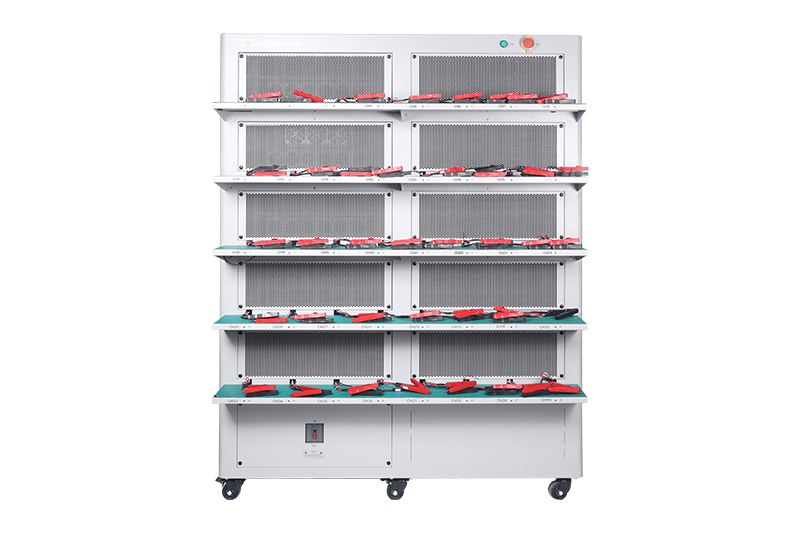
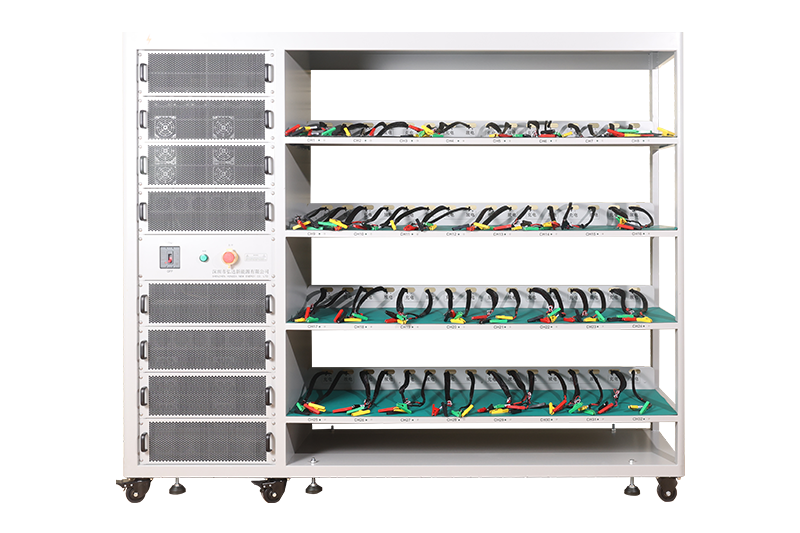
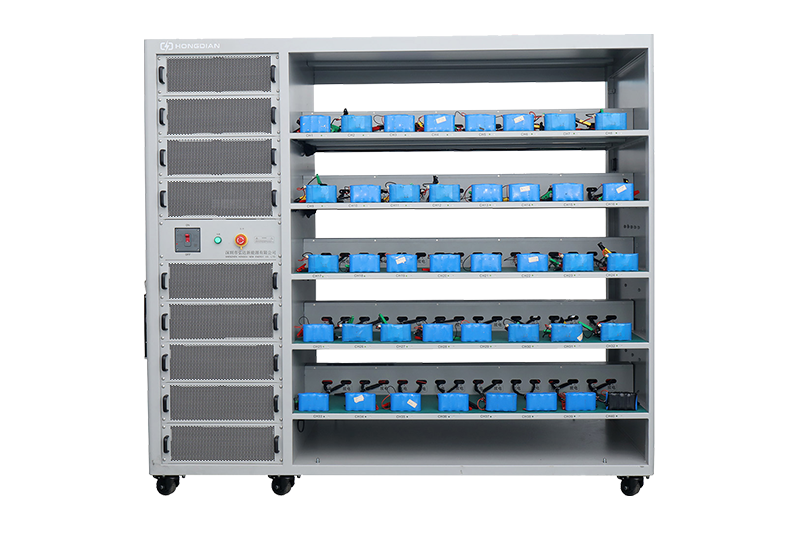
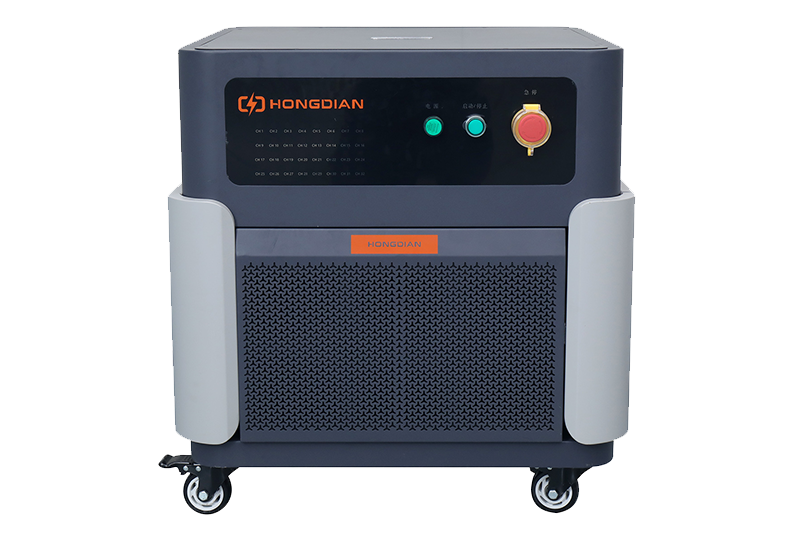
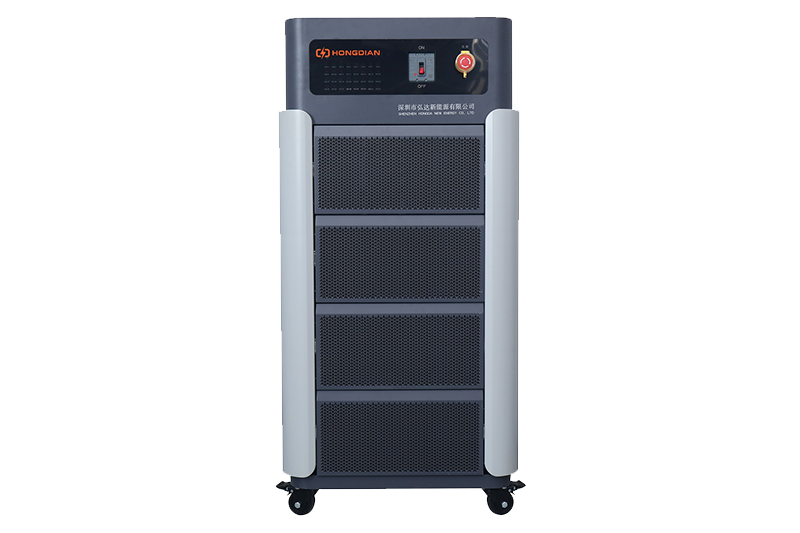
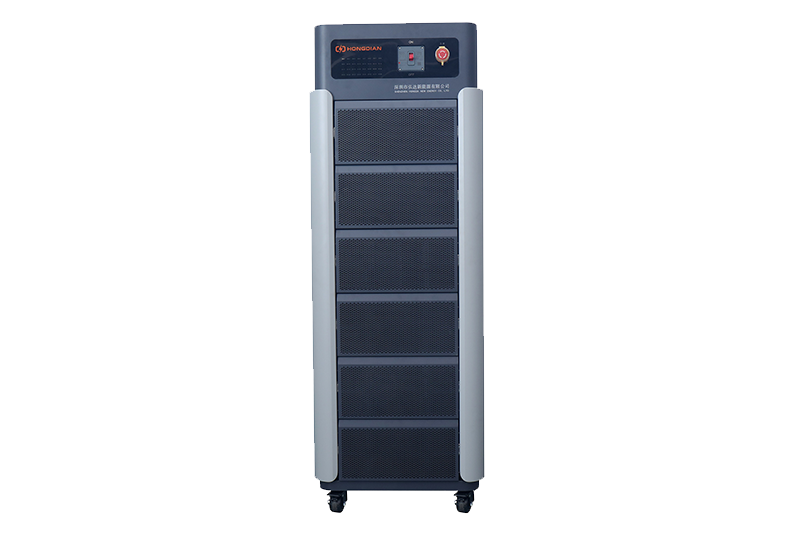
32/48 channel battery charging and discharging test integrated battery cabinet
40 channel battery charging and discharging test integrated battery cabinet
64 channel battery charging and discharging test integrated battery cabinet
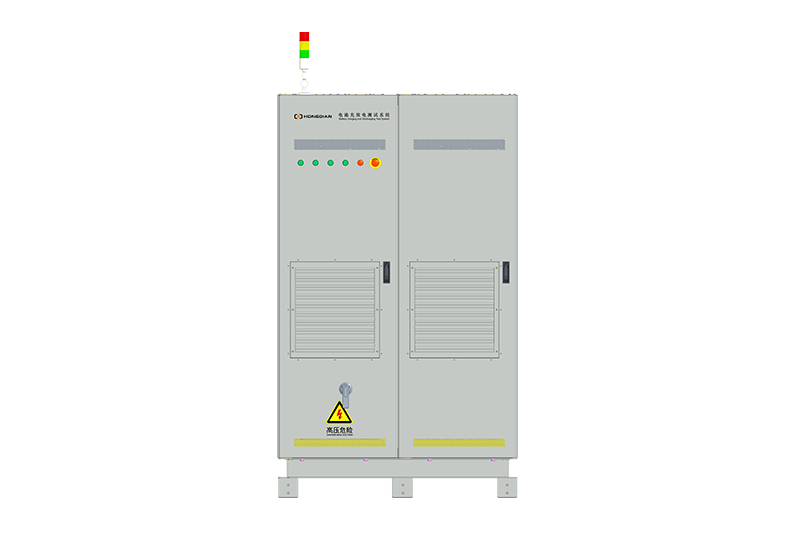
80 channel battery charging and discharging test integrated battery cabinet
A weak battery can turn an ordinary morning into a silent dashboard and a car that will not start. The problem is common, not merely inconvenient. ADAC’s 2023 breakdown statistics, published in 2024, recorded about 3.5 million roadside breakdowns in Germany. Starter-battery faults accounted for 44.1 percent. That figure makes battery condition worth checking before failure, especially in cold weather or after repeated short trips.
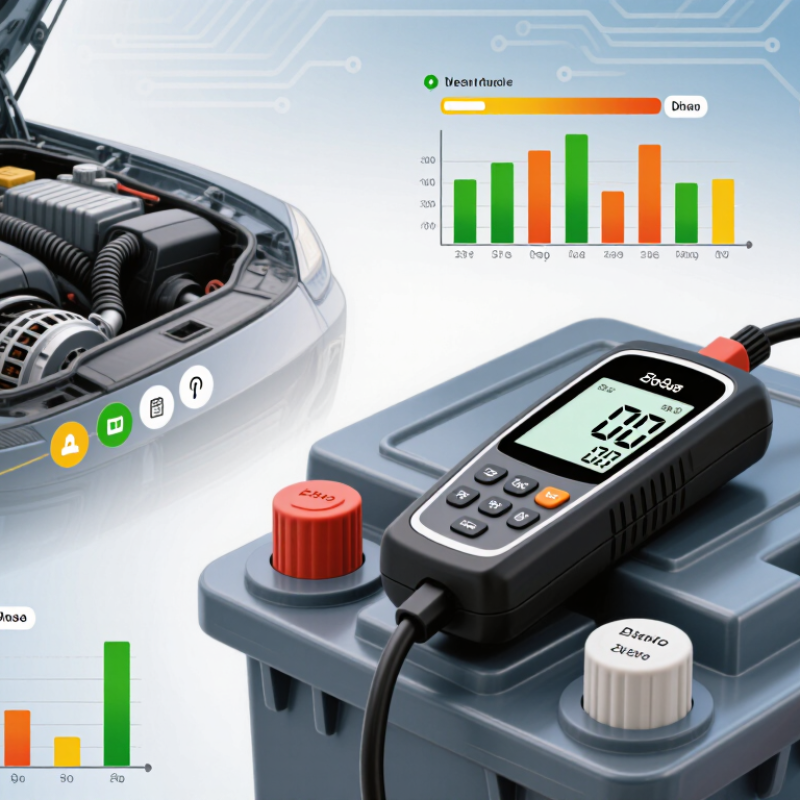
A Vehicle Battery Checker is a diagnostic tool that estimates a battery’s condition and starting ability. Depending on the model, it measures voltage, applies a load, or uses conductance to assess how well the battery may deliver current. Some checkers also test the alternator’s charging output, helping separate a weak battery from a charging-system problem. The screen may show a voltage reading, a health rating, or a recommendation to charge or replace the battery. Small tool. Useful clue.
But a checker is not a crystal ball. A reading can be affected by temperature, charge level, battery type, and testing method. A single result may not explain every starting problem. This guide explores what these devices measure, how to use them safely, and how to interpret their results without mistaking an estimate for a guarantee. A careful test can narrow the cause; it cannot replace sound diagnosis when symptoms persist.
A vehicle battery checker is a handheld diagnostic tool that connects to the battery’s positive and negative terminals. It measures voltage and, depending on the model, uses conductance or a controlled load to estimate the battery’s ability to deliver current. A basic voltage reading shows electrical potential, not the whole story. A fully charged battery may still struggle to start an engine if its internal condition has deteriorated.
Many checkers compare the battery’s measured response with its rated cold-cranking amps, or CCA, and estimate its state of charge and state of health. Some also check charging voltage while the engine runs, which can help reveal an alternator or connection issue. Readings are more useful when the battery type and rating are entered correctly. Cold changes things. Low temperatures can reduce available cranking power, while a recent drive or charge may temporarily affect voltage. Clean, firmly attached clamps matter, too. In practice, I treat a checker’s result as evidence, not a verdict; repeating the test after charging or checking cable connections can sometimes change the picture. A small uncertainty remains. These tools cannot explain every starting problem, especially when the fault lies elsewhere in the vehicle.
A vehicle battery checker measures battery voltage and may also estimate cranking ability using conductance. This chart shows typical resting voltage at different charge levels for a 12-volt lead-acid battery. Readings are approximate and are most useful after the battery has rested; temperature and battery condition can affect results.
Vehicle battery checkers range from simple voltage meters to advanced diagnostic analyzers. A digital voltmeter measures voltage across the battery terminals. With the engine off, a fully charged 12-volt lead-acid battery often reads near 12.6 volts. Quick, but limited. Voltage alone cannot confirm how well a battery performs under heavy demand.
Conductance testers send a small signal through the battery and estimate its ability to deliver current. They are fast and commonly used during routine service checks. Load testers take a more direct approach: they draw current while the technician watches the voltage drop. A weak battery may sag noticeably. These tests require care, since heavy loads can heat equipment and should follow the tester’s instructions.
Some analyzers combine voltage, conductance, and temperature readings, then estimate battery condition or starting capacity. For serviceable flooded batteries, a hydrometer checks electrolyte density in each cell. It is less useful for sealed batteries, and handling electrolyte requires suitable protection.
No checker tells the whole story. Cold weather, loose terminals, and a recent charge can affect readings, so results make more sense alongside the battery’s age and the vehicle’s symptoms.
It can be frustrating when one test says “good” and the car still struggles to start.
A vehicle battery checker connects directly to the battery posts or their attached terminals. Park on level ground, switch off the ignition, and remove the key. Let the engine bay cool if the vehicle was running. Take care. Check the tester’s instructions before connecting it, since lead placement can vary by design. Usually, the red clamp goes to the positive post and the black clamp to the negative post. Match the plus and minus marks carefully. Never let the clamps touch each other.
Press each spring-loaded clamp firmly onto clean metal. A loose or corroded connection can cause unstable readings, so inspect the contact points first. Keep it steady. Some checkers measure resting voltage; others apply a brief load or use an electronic conductance test. The display may show voltage, estimated charge, or a condition result. Keep hands and loose clothing away from belts and fans, even when the engine is off. If the reading suggests a weak battery, check that the clamps are secure and let the battery rest before testing again. One reading is not always a verdict: temperature and recent driving can affect results. Disconnect the black clamp first, then the red one, unless the tester’s instructions say otherwise.
| Stage or Check | Checker Connection or Setting | What the Checker Measures | Typical Reading or Interpretation | Practical Guidance |
|---|---|---|---|---|
| Prepare the vehicle | Switch off the ignition and electrical accessories. Locate the battery terminals or the vehicle’s designated jump-start terminals. | Not applicable yet; this prepares a safe, stable connection for the test. | The vehicle should be stationary, with the engine off for a resting-voltage check. | Follow the vehicle handbook. Some batteries are located away from the engine bay and are intended to be tested through designated terminals. |
| Connect the checker | Attach the red clamp to the positive (+) terminal and the black clamp to the negative (−) terminal, or to the specified ground point when directed. | The checker detects battery polarity and establishes an electrical connection to read battery voltage. | The display should show a voltage reading without a reversed-polarity warning. | Keep clamps from touching each other. Connect and remove them in the order stated by the checker and vehicle instructions. |
| Resting-voltage check | Select the voltage or battery-voltage test mode with the engine off. For a more useful state-of-charge estimate, test after the battery has rested without charging or heavy use. | Open-circuit voltage across the battery terminals. | A fully charged 12-volt lead-acid battery commonly reads about 12.6–12.8 V at room temperature. A lower reading can indicate partial charge, but voltage alone does not prove battery health. | Recent driving or charging can temporarily affect the reading. Battery type, temperature, and vehicle specifications also matter. |
| Conductance or battery-health test | Enter the battery type and rated cold-cranking amps (CCA) if the checker requests them; select the rating standard printed on the battery label. | Many electronic checkers send a small signal through the battery and estimate its ability to deliver starting current. | The result may be reported as pass, recharge and retest, or replace, often alongside measured or estimated CCA. | Use the battery’s actual rating and rating standard. A low state of charge can affect results, so recharge and retest when instructed. |
| Cranking test | Keep the checker connected and use its cranking-test mode while the engine is started, if the checker and vehicle instructions allow it. | The lowest battery voltage recorded while the starter motor is operating. | About 9.6 V at approximately 21°C (70°F) is a commonly used rule of thumb for a conventional 12-volt battery, but acceptable limits vary with temperature and test procedure. | A low reading may result from a weak or discharged battery, poor connections, or excessive starter load. Compare the result with the checker’s and vehicle maker’s specifications. |
| Charging-system check | With the checker connected, select charging-system mode or measure voltage with the engine running, following the tester’s instructions. | Voltage supplied to the vehicle electrical system while the engine is running. | Many conventional systems operate around 13.5–14.8 V, but smart charging systems can vary voltage outside this range during normal operation. | Use the vehicle-specific procedure. A single reading may not diagnose an alternator or charging-system fault. |
| Disconnect and review | Turn off the engine and checker if required. Remove the clamps as directed, avoiding contact between them and the vehicle body. | The checker may retain or display the completed test results. | Review voltage, estimated CCA, and any pass, recharge, or replace message together rather than relying on one value alone. | If the battery is swollen, leaking, unusually hot, or visibly damaged, do not test it; seek qualified assistance. |

Note: Readings are general reference values for common 12-volt lead-acid batteries. Battery chemistry, temperature, vehicle design, and the checker’s test method can change expected results; consult the vehicle handbook and checker instructions.
A vehicle battery checker evaluates whether the battery can deliver power, not merely whether it shows voltage. With the engine off, it measures resting voltage to estimate charge. Many digital checkers then send a small signal through the battery and assess conductance or internal resistance. Some models apply a heavier load and watch how far voltage falls. The result is compared with the battery’s entered cold-cranking-amp rating. Not magic. A low reading may reflect a discharged battery, worn cells, or poor terminal contact.
Temperature and charge level affect the result, so a single test can mislead. Clean, tight terminals matter; so does entering the correct battery type and rating. SAE J537 describes standardized battery performance tests, though a handheld checker does not necessarily reproduce every laboratory procedure. The ADAC Pannenstatistik 2024 attributes 44.1% of reported vehicle breakdowns to the starter battery, showing why condition checks matter. A checker can also test charging voltage with the engine running, helping distinguish a weak battery from a charging-system problem. I would retest after charging, especially if the first result sits near the replacement threshold. That extra check is easy to skip.
A vehicle battery checker turns electrical measurements into clues, not a simple pass-or-fail truth. A resting voltage reading can suggest charge level, but it does not prove the battery can start an engine. For example, a fully charged lead-acid battery often reads near 12.6 volts after resting. A low reading may mean discharge, aging, or a recent electrical load. Context matters.
Many testers estimate battery condition by measuring conductance or applying a controlled load. Their results may show state of health, charge, and estimated starting capacity. Compare the reading with the battery’s rated capacity, usually listed on its label, and follow the tester’s instructions. Temperature matters. Cold weather can reduce available cranking power, while a warm battery may test differently. A weak result deserves attention, but it is not a diagnosis of the whole vehicle. Loose terminals, corroded connections, or a charging-system fault can also cause starting problems. Not a verdict.
Testing conditions can distort results. A recently driven vehicle may have surface charge, and an undercharged battery may appear worn until it is recharged and retested. I would treat a borderline result cautiously; one number can invite overconfidence. Check connections, allow the battery to rest when practical, and repeat the test under suitable conditions. If readings remain poor or symptoms persist, a qualified technician can check the starter and charging system as well.