How to Choose the Best Battery Load Tester?
Choosing the right Battery Load Tester is a practical decision, not a specification contest. A tester must match the battery type, rated capacity, test standard, and working environment. The wrong tool can label a weak battery as healthy, especially after surface charging. That error may leave a vehicle stranded beside a workshop bay.
The International Energy Agency reported nearly 14 million electric cars sold worldwide in 2023, in Global EV Outlook 2024. However, most service vehicles still rely on 12-volt auxiliary batteries, including lead-acid and AGM designs. These batteries require different testing approaches from high-voltage traction packs. A traditional load tester may be suitable for starter batteries, but it is not a complete diagnostic solution for lithium-ion systems.
SAE J537 and IEC 60095-1 provide important references for automotive battery performance and test conditions. Their guidance reminds buyers to compare test current, CCA support, voltage range, and measurement accuracy. Look for clear instructions, replaceable leads, thermal protection, and results that remain readable under bright workshop lights. A compact tester is useful, but a small screen does not prove precision.
Real technicians also check cables, terminals, temperature, and charging history before trusting one result. That detail matters. A corroded clamp can create resistance and distort the reading. Some digital testers provide impressive reports, yet their algorithms may depend on accurate battery ratings. This is where selection becomes less certain. Manufacturer claims deserve verification through independent calibration records, warranty terms, and documented standards compliance. A reliable Battery Load Tester should support repeatable decisions, not merely produce fast numbers.
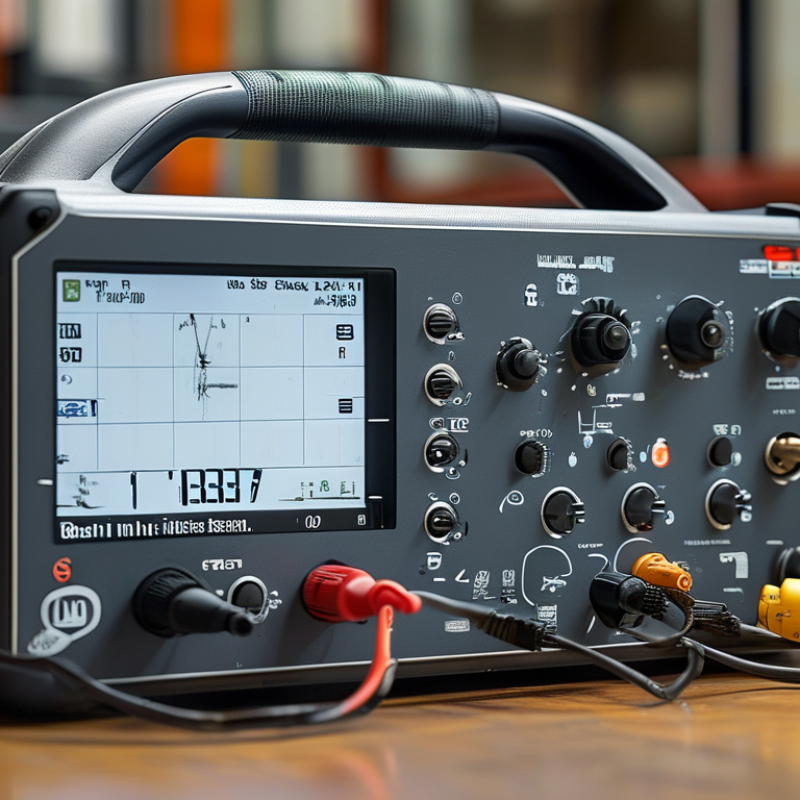
What a Battery Load Tester Measures and Why It Matters
How to Choose the Best Battery Load Tester?
What a Battery Load Tester Measures and Why It Matters
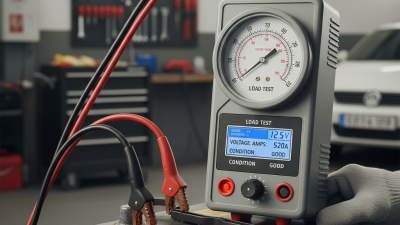
A battery may show 12.6 volts at rest and still fail under pressure. Voltage alone cannot reveal its real starting strength. A load tester applies controlled electrical demand, then measures how far the voltage falls. This drop indicates the battery’s ability to deliver current through its internal resistance. If voltage collapses quickly, the battery may have damaged plates, poor capacity, or insufficient charge.
In practical testing, compare the reading with the battery’s rated starting current and temperature. Cold conditions can reduce available power significantly. Temperature matters too. A healthy reading does not guarantee perfect performance in every situation. Some testers estimate starting capacity electronically, while others use a fixed electrical load. Read the testing method carefully before trusting the number. The tools are not identical.
I once treated a single test result as final. That assumption was too simple. Clean the terminals, charge the battery properly, and repeat the test when results seem unusual. Record the battery’s age and recent operating conditions.
For a small workshop, choose a tester with clear readings and adjustable load control. For frequent professional checks, select a model with temperature compensation and repeatable measurements. Wear eye protection and follow the tester’s instructions. A load tester provides evidence, not a complete diagnosis.
Key Battery Specifications to Check Before Choosing a Tester
How to Choose the Best Battery Load Tester?
Key Battery Specifications to Check Before Choosing a Tester
Before choosing a battery load tester, check the battery’s rated voltage. A 12-volt battery requires a tester designed for that system. Using the wrong range can produce misleading readings or damage the instrument. Then compare the tester’s load capacity with the battery’s cold cranking amps, or CCA. A tester should handle the battery’s specified current without overheating. Check the label carefully. Small print matters.
Battery capacity, measured in ampere-hours, also affects testing decisions. A motorcycle battery and a heavy-duty vehicle battery may share the same voltage but need different load settings. Choose a tester with adjustable current and a clear testing duration. Digital accuracy is helpful, but stable cable connections matter just as much. I once blamed a tester for a weak result, then found a loose clamp.
Temperature deserves attention. Cold conditions can reduce available battery power, so a tester with temperature compensation can improve interpretation. Confirm whether it supports flooded, AGM, gel, or other battery designs. Some tools test only conventional batteries. That limitation is easy to miss.
Safety features should include insulated clamps, overload protection, and visible warning indicators. Before testing, inspect the casing and terminals for cracks, corrosion, or swelling. My own process is not perfect; rushed checks have caused confusing results. Record the battery voltage before loading it, observe the voltage drop, and allow the tester to cool between repeated tests.
How to Choose the Best Battery Load Tester?
Key Battery Voltage Specifications to Check Before Choosing a Tester
A suitable battery load tester must support the battery's chemistry and voltage range.
The chart compares common nominal and fully charged voltages. Before choosing a tester,
also verify its supported load current, battery capacity range, test duration, and compatibility
with the battery manufacturer's specified test standard.
How to Match Tester Features with Your Battery Type
Choosing the best battery load tester starts with identifying the battery chemistry and service role. A flooded lead-acid battery needs a tester that supports cold-cranking amps, voltage drop, and a controlled discharge. Its rating should match the battery label, not an estimate from appearance. For AGM batteries, select a tester with AGM-specific settings and stable clamp connections. Small errors can distort the result.
Gel batteries require gentler testing. Excessive discharge can create misleading readings or accelerate damage. A tester with adjustable load duration is more suitable than a simple fixed-load device. Lithium-ion batteries need different attention. Many include a battery management system that can disconnect during testing. Choose a tester designed for lithium systems, with low-voltage protection, state-of-charge guidance, and compatibility with the battery’s nominal voltage.
The battery market is changing quickly. The International Energy Agency reported that global electric-car battery demand exceeded 750 GWh in 2023, increasing by about 40% from 2022. This growth makes lithium-compatible testing more important in workshops. Still, lithium voltage alone does not prove battery health. I always check the manufacturer’s test procedure, terminal condition, temperature, and resting voltage. A tester may display a precise number, yet the test setup can be wrong. That is the part technicians sometimes overlook. For commercial vehicles, confirm the tester supports the stated CCA standard, such as SAE or EN, before trusting the result.
How to Compare Accuracy, Safety, and Ease of Use
Choosing a battery load tester requires more than checking its maximum current. Accuracy matters because a small voltage error can misclassify a weak battery as healthy. Look for a calibrated meter, stable current output, and clear voltage resolution. Repeat the same test twice. The readings should remain close. If they drift widely, question the instrument or the testing method. Temperature also matters, especially with lead-acid batteries, so record the battery’s condition before testing.
Safety should be practical, not decorative.
Choose a tester with insulated clamps, reverse-polarity protection, overload control, and heat-resistant cables. The housing should remain stable on a workbench. Ventilation is important because load testing creates heat, and damaged batteries may release gas. I once focused too much on current capacity and overlooked cable quality. That was a poor decision. Thin leads can become hot and create confusing results.
Ease of use affects accuracy in real work. A clear display, firm clamps, simple controls, and a visible test timer reduce mistakes. The tester should explain when to connect, when to apply the load, and when to stop. Useful models show both loaded and resting voltage. Keep it simple. A data-hold function can help when readings change quickly, but it is not a substitute for careful observation. Check whether the tester supports the battery chemistry and voltage range you regularly handle. Even an accurate device becomes unreliable when used outside its design limits.
How to Select the Right Battery Load Tester for Your Needs
Choosing the right battery load tester starts with your battery, not the tool’s price. Confirm the chemistry, nominal voltage, capacity, and cold-cranking rating. A tester for a 12-volt lead-acid battery may not suit lithium-based systems. The International Energy Agency reported that electric vehicle battery demand exceeded 750 GWh in 2023, increasing by about 40% from 2022. That growth makes chemistry compatibility more important than ever. Check whether the tester supports the battery type and voltage range you actually service.
For conventional 12-volt starting batteries, select a tester that can apply a controlled load based on the battery’s CCA rating. SAE J537 testing practice commonly uses half the rated CCA for 15 seconds, with temperature affecting the final reading. Look for clear voltage display, adjustable load, thermal protection, and traceable calibration. In workshop use, I prefer large terminals and short, flexible leads. Small details matter. A cheap tester can appear convincing, yet produce unstable readings when cables are loose. I still double-check a weak result with resting voltage and charging-system measurements.
Tips: Match the tester’s maximum load to your largest battery. Never test a frozen, cracked, or visibly damaged battery. Record battery temperature and CCA before testing. For lithium systems, confirm the manufacturer’s approved test method, because a traditional load test may misrepresent available energy. The U.S. Department of Energy also emphasizes that battery performance depends on temperature, age, and operating conditions, so one test should not become the whole diagnosis.

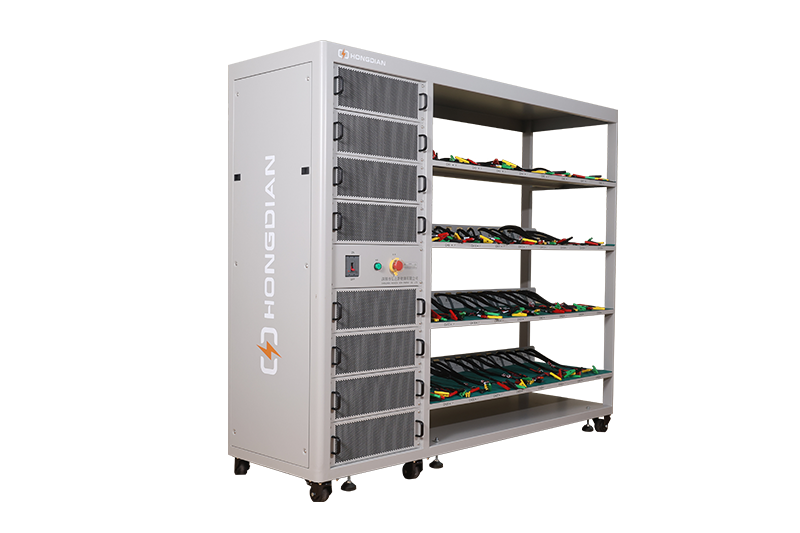 32/48 channel battery charging and discharging test integrated battery cabinet
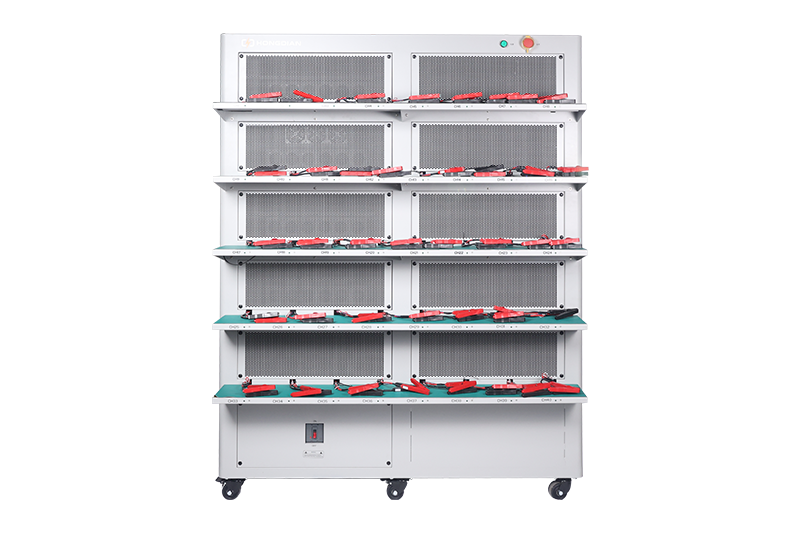 40 channel battery charging and discharging test integrated battery cabinet
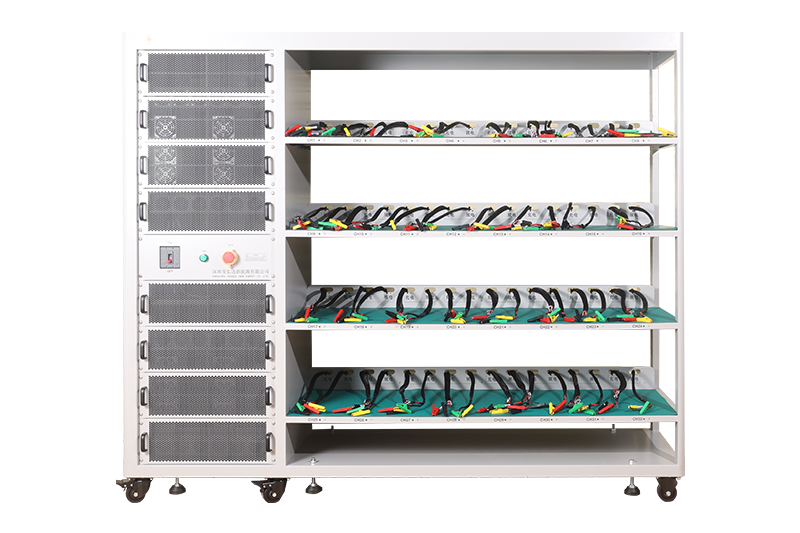 64 channel battery charging and discharging test integrated battery cabinet
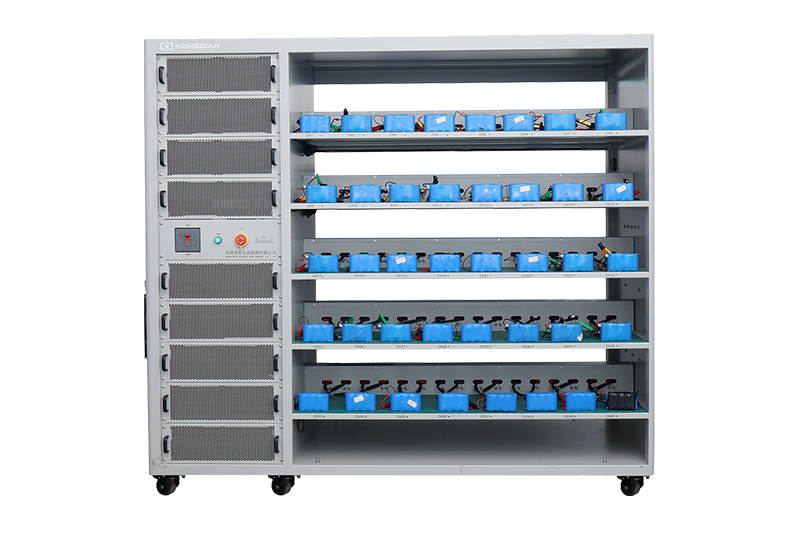 80 channel battery charging and discharging test integrated battery cabinet
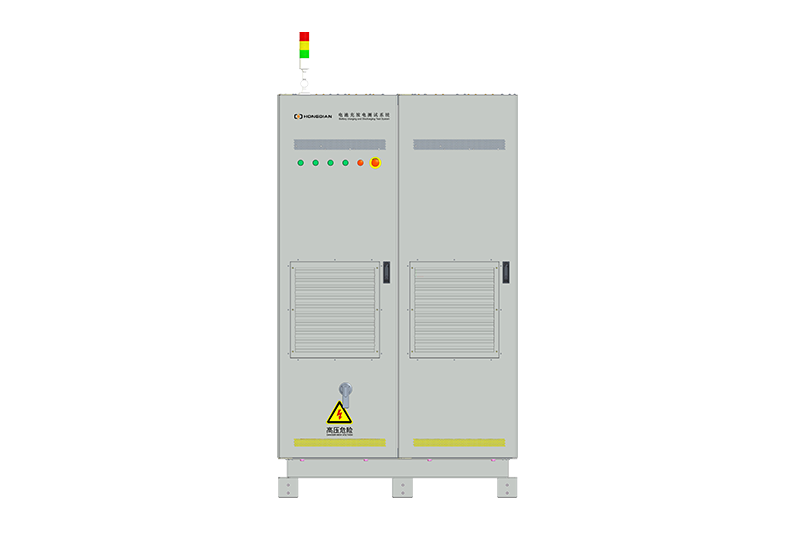 1000V-1500V High Voltage High Current Battery Testing System
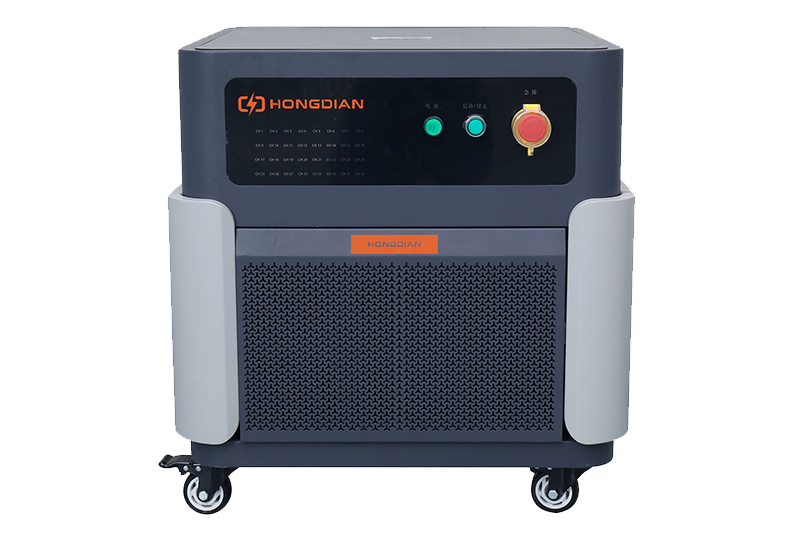 High-Precision Battery Testing System for Enhanced Performance Monitoring 30V/60V/100V/120V
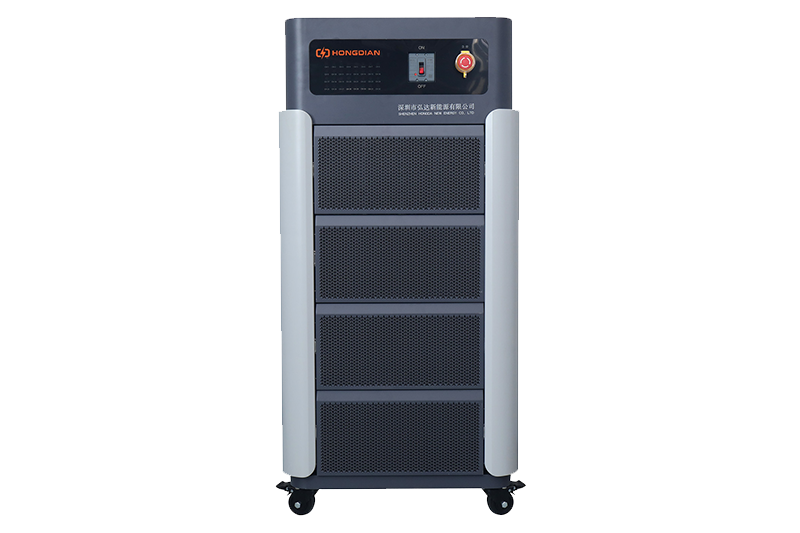 High-Precision Battery Charge Discharge Test Systems for EV Manufacturers
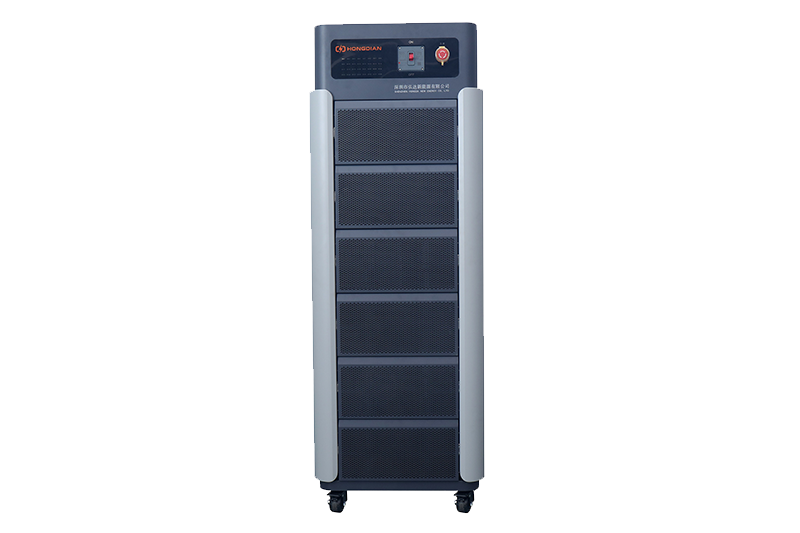 Precision Battery Test Racks for Cell Capacity & Internal Resistance Measurement
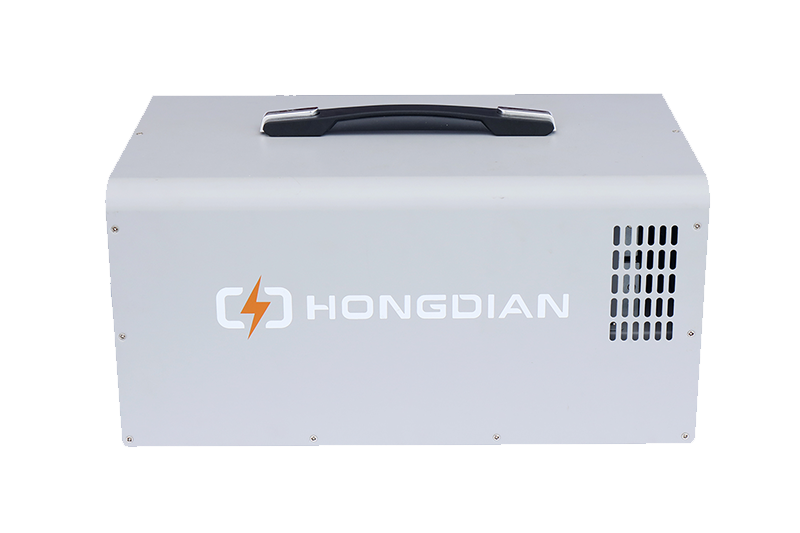 Multi-Channel Battery Testing Equipment for Parallel Performance Analysis