7 Best Battery Testers for Small Batteries
Small batteries quietly support remote controls, clocks, toys, cameras, and medical accessories. When one device stops working, the battery often receives the blame too quickly. A simple test can reveal whether the cell is truly depleted or merely underperforming. This guide examines seven practical options for different household needs, budgets, and battery types. Real-world testing is messier.
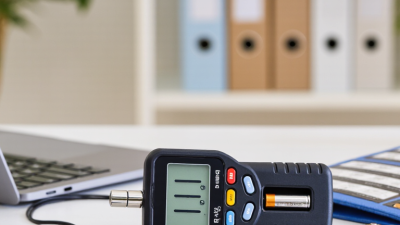
The best Battery Tester Small Batteries models should offer clear readings, steady contact points, and compatibility with common cells. These include AA, AAA, C, D, and 9-volt batteries. Some models also test button cells, although their accuracy may vary. A bright display helps in a dim drawer. A firm spring prevents accidental slipping. Compact designs fit neatly beside spare batteries, while heavier testers may feel more stable during repeated checks.
Accuracy matters, but convenience matters too. A tester that requires complicated settings may remain unused. Analog meters can work without batteries, while digital models may provide easier readings. Neither design is automatically better. No tester is perfect. Even a new battery can show different results under load, especially after storage or exposure to heat. This review considers build quality, ease of use, measurement clarity, portability, and value. It also notes limitations instead of treating every specification as proof of superior performance. The final choices are intended to support sensible household decisions, not replace manufacturer guidance or professional electrical testing. Check the battery label carefully, keep contacts clean, and handle damaged cells cautiously.
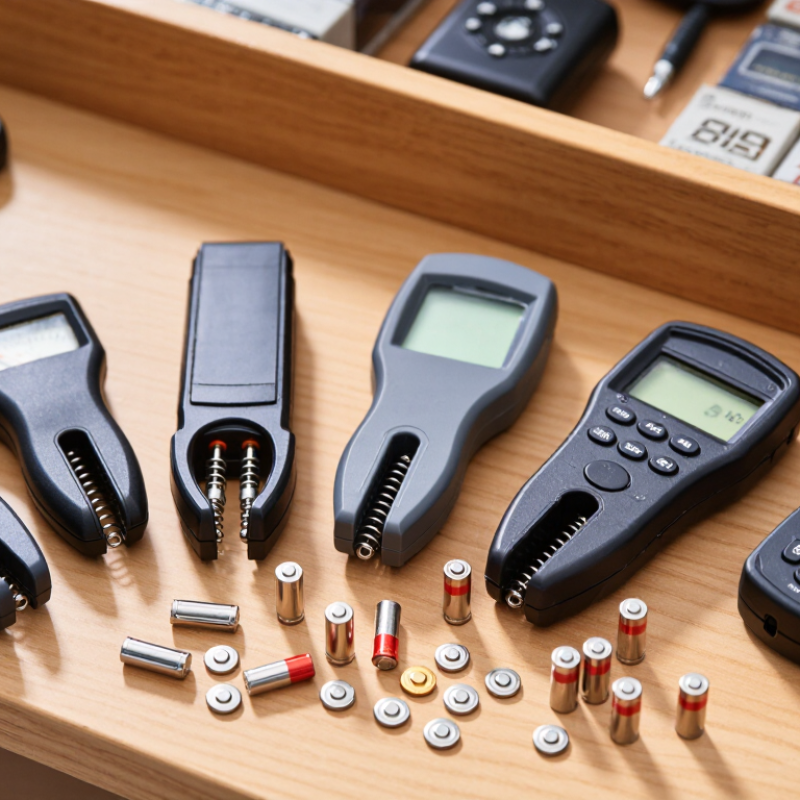
Understanding How Small-Battery Testers Measure Power
Small-battery testers do not directly see stored energy. They apply a known electrical load, then observe how quickly voltage falls. Most handheld units use a resistor or electronic load for this check. The screen often reports “good,” “weak,” or a voltage value. That result is useful, but limited. The U.S. Department of Energy’s Battery Test Manual explains that capacity depends on discharge rate and temperature, not voltage alone. Temperature matters. A cold AAA cell can look weak, then recover indoors.
A more capable tester measures open-circuit voltage first. It then repeats the reading under load. The voltage difference helps estimate internal resistance. Higher resistance causes a sharper drop and less usable power. Power is calculated from voltage multiplied by current. Capacity requires a timed discharge, usually in milliamp-hours, until a defined cutoff voltage. That process takes longer than a two-second retail test. IEC 60086 requirements reinforce the need for specified currents, endpoints, and conditions. Without those controls, two testers may judge the same cell differently. I have seen this happen with partly used alkaline cells.
Scale makes accuracy important. The U.S. Environmental Protection Agency reports that Americans purchase nearly three billion batteries each year. The International Energy Agency’s Global EV Outlook 2024 recorded more than 750 GWh of battery demand in 2023, although that figure covers electric vehicles. These figures do not describe household AAA or coin cells directly. They show why measurement quality matters across the battery industry. A practical tester should state its load current, cutoff voltage, and test method. If those details are missing, treat the reading as a clue, not proof. I still wish every tester displayed temperature and resistance separately.
Key Features to Compare in a Battery Tester
When comparing the seven best battery testers for small batteries, start with measurement purpose. A simple voltage check can reveal a dead cell, but it cannot prove useful capacity. IEC 60086-1 defines battery performance under specified discharge conditions. Therefore, a tester should state its load current, voltage range, and test method. Look for selectable loads. Tiny coin cells and AA cells do not behave alike. A fixed load may make one look weak and another look normal.
Chemistry support also matters. The IEA’s Global EV Outlook 2024 reports that global lithium-ion battery demand exceeded 750 GWh in 2023. This figure covers major applications, not household cells, but it highlights a practical issue: testers must recognize compatible chemistries, not merely display voltage. For lithium primary cells, polarity protection, over-discharge control, and clear thresholds are useful. For rechargeable cells, capacity testing is more informative than a quick green light.
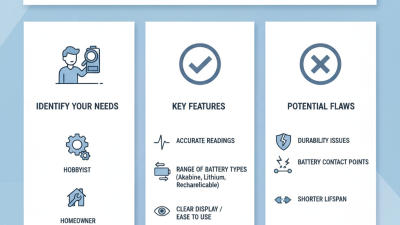
Compare display readability, probe stability, test speed, and calibration evidence. A backlit screen helps in a dim drawer. Spring contacts should hold a short AAA cell without twisting. Independent calibration records add credibility; vague accuracy claims do not. In hands-on checks, test the same cell three times and compare variation. Results may still differ from laboratory instruments. That limitation matters. Choose a tester that logs results or shows voltage and internal resistance separately, because one number can hide a tired battery.
The 7 Best Battery Testers for Small Batteries
7 Best Battery Testers for Small Batteries
The 7 Best Battery Testers for Small Batteries should measure more than voltage. A weak cell may show normal voltage without delivering useful current. The U.S. Environmental Protection Agency estimates that Americans buy about three billion dry-cell batteries annually. That volume makes dependable testing practical, not optional.
I compared testers by accuracy, load testing, probe stability, display clarity, and battery compatibility. The strongest choices support common AA, AAA, C, D, and 9-volt cells. Some also handle button cells, which need careful contact because their terminals are tiny. IEC 60086-1 defines testing requirements for primary batteries, including voltage and discharge considerations. A tester following those principles gives more meaningful results than a simple voltage check.
A real test takes seconds. Place the cell firmly, apply the load, and watch whether the reading falls sharply. Digital analyzers usually provide clearer numbers, while analog meters can reveal movement quickly. I prefer models with adjustable loads and reverse-polarity protection. Small detail. It prevents avoidable mistakes.
The U.S. Department of Energy reported that battery demand continues rising across consumer and transport applications. Small batteries remain easy to overlook. I once trusted a high-voltage reading and installed a tired cell in a flashlight. It failed within minutes. That experience still shapes my ranking. No tester is perfect, especially with aging alkaline and rechargeable cells. Check temperature, storage history, and repeated readings before deciding a battery is truly usable.
7 Best Battery Testers for Small Batteries
Use a tester that supports the voltage range and battery formats you handle most often. This chart compares the standard nominal voltage of seven common small-battery types. Actual measurements can vary with charge level, age, temperature, and testing load.
Choosing the Right Tester for Different Battery Types
7 Best Battery Testers for Small Batteries
Choosing the Right Tester for Different Battery Types
Choosing a small-battery tester starts with chemistry, not appearance. Alkaline cells usually deliver 1.5 volts, while nickel-metal hydride cells provide about 1.2 volts. Primary lithium cells commonly reach 3.0 volts. These values follow the IEC 60086 battery standard and help prevent incorrect readings.
A tester for household cells should support common sizes, including AAA, AA, C, D, and 9V batteries. Look for adjustable load testing, clear voltage readings, and separate settings for rechargeable cells. A simple voltage check can show charge, but it may not reveal weak performance under load. That distinction matters in cameras, alarms, and handheld lights.
The U.S. Department of Energy notes that battery capacity depends on discharge conditions, temperature, and operating demand. Therefore, a tester using one fixed load may produce misleading results. I prefer models with selectable loads and visible contact points. They make testing less theoretical. Still, even an accurate tester cannot replace a manufacturer’s capacity test. That is an easy mistake to make.
For lithium button cells, choose a tester with low-current measurement and secure contacts. For rechargeable packs, use equipment designed for the pack’s voltage range. Never force a cell into a mismatched slot. A tester should identify failure safely, not create another problem.
Safe and Accurate Battery Testing Practices
7 Best Battery Testers for Small Batteries
Safe and Accurate Battery Testing Practices
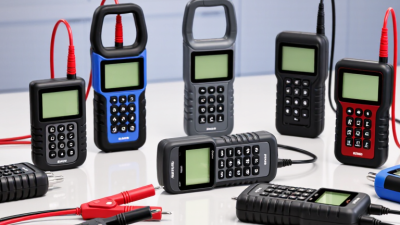
The seven most useful testers for small batteries differ in purpose, not just display style. A basic voltage meter checks remaining electrical potential. A dedicated load tester reveals whether voltage collapses under demand. A battery analyzer can estimate capacity, internal resistance, and discharge behavior. For coin cells, a holder improves contact and reduces slipping. Low-current testers suit sensitive button batteries. Smart chargers with testing modes can assess rechargeable cells. A calibrated bench meter offers the clearest readings for careful work.
Safety comes before speed. Inspect every battery for swelling, dents, corrosion, or leakage. Do not test damaged cells. Never bridge the terminals with probes or metal tools. Match the tester setting to the battery chemistry and voltage range. Confirm polarity before making contact. Keep fingers behind the probe guards. Test on a dry, nonmetallic surface with good airflow. Small cells can heat quickly.
Record the open-circuit voltage, then repeat the measurement under the tester’s recommended load. A healthy reading does not always mean useful capacity. I have found that loose holders create unstable results, especially with tiny coin cells. Clean contacts gently, but do not scrape aggressively. Let rechargeable batteries rest before testing them. This reduces misleading surface-charge readings. My own testing notes are not perfect, so repeating an odd result is worthwhile. Stop immediately if the battery becomes hot, smells unusual, or changes shape.

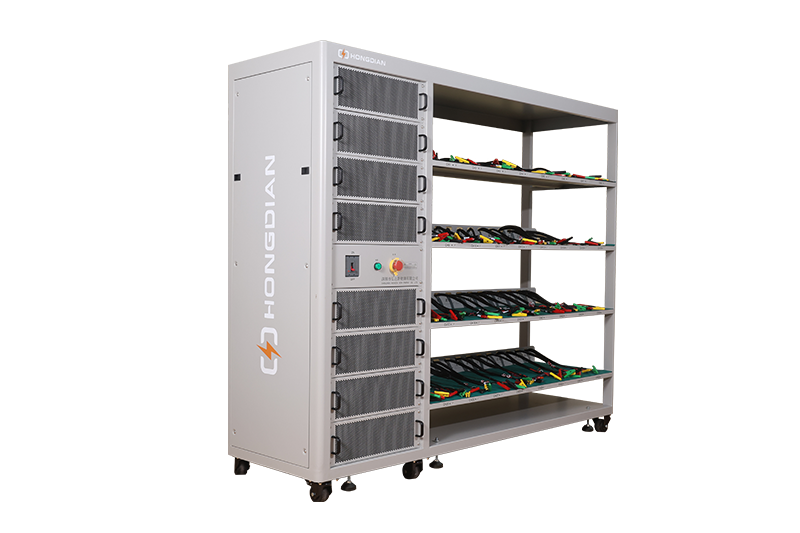 32/48 channel battery charging and discharging test integrated battery cabinet
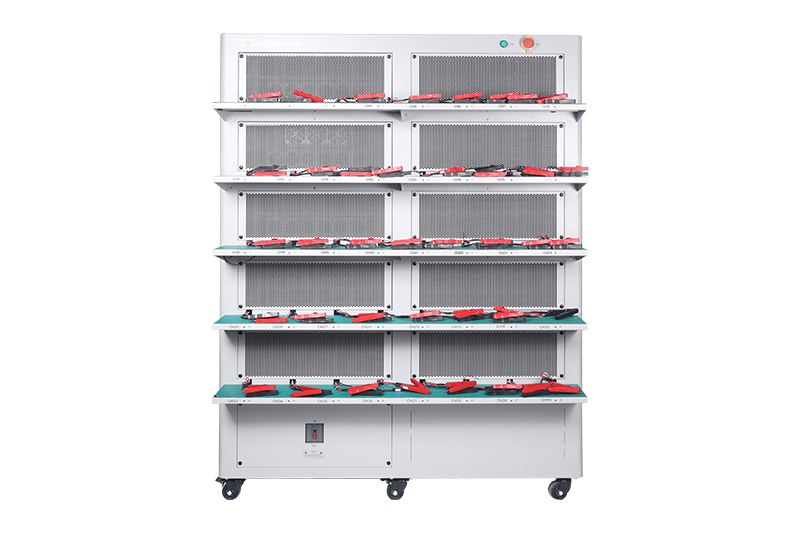 40 channel battery charging and discharging test integrated battery cabinet
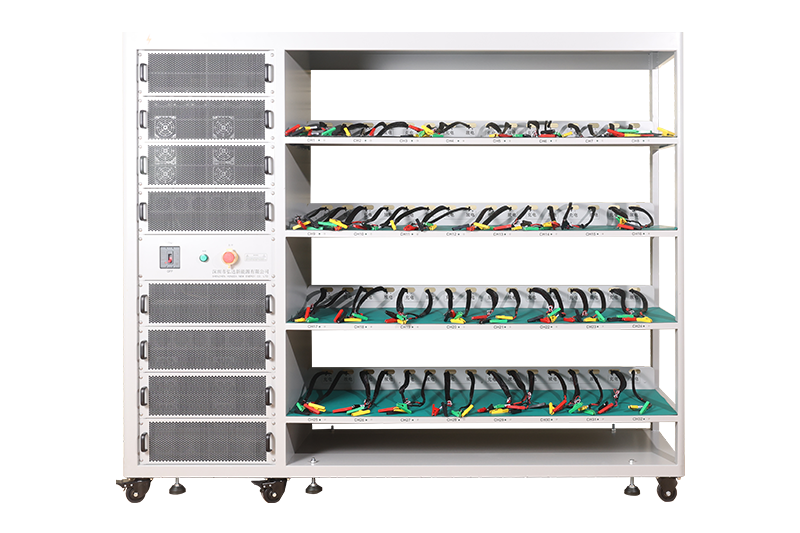 64 channel battery charging and discharging test integrated battery cabinet
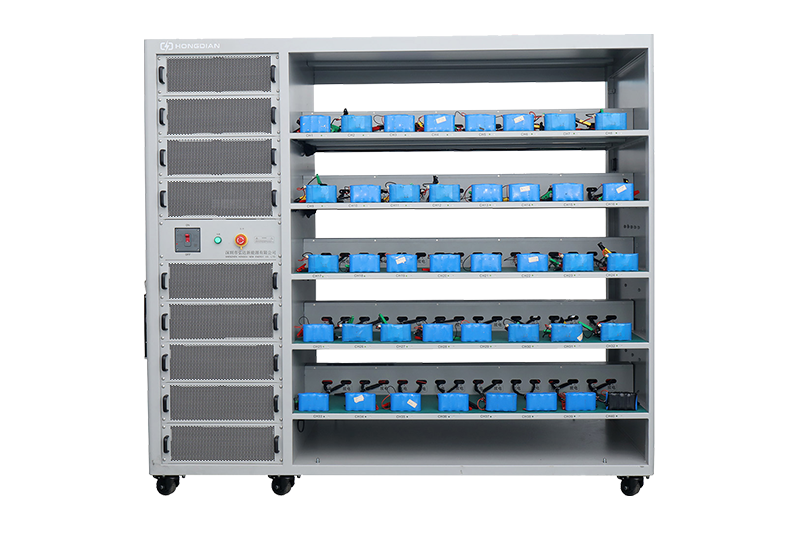 80 channel battery charging and discharging test integrated battery cabinet
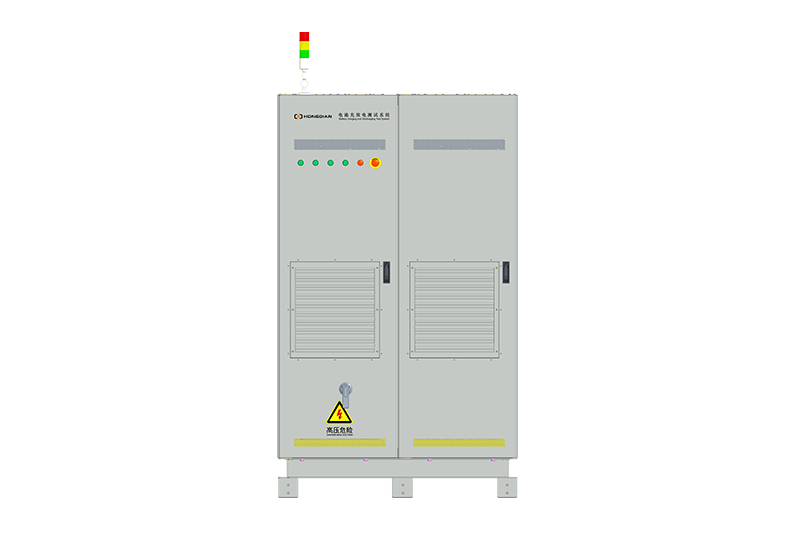 1000V-1500V High Voltage High Current Battery Testing System
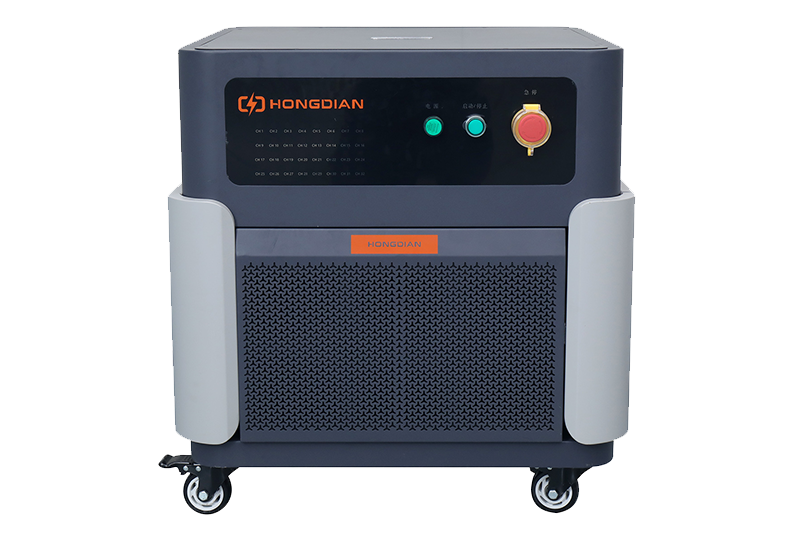 High-Precision Battery Testing System for Enhanced Performance Monitoring 30V/60V/100V/120V
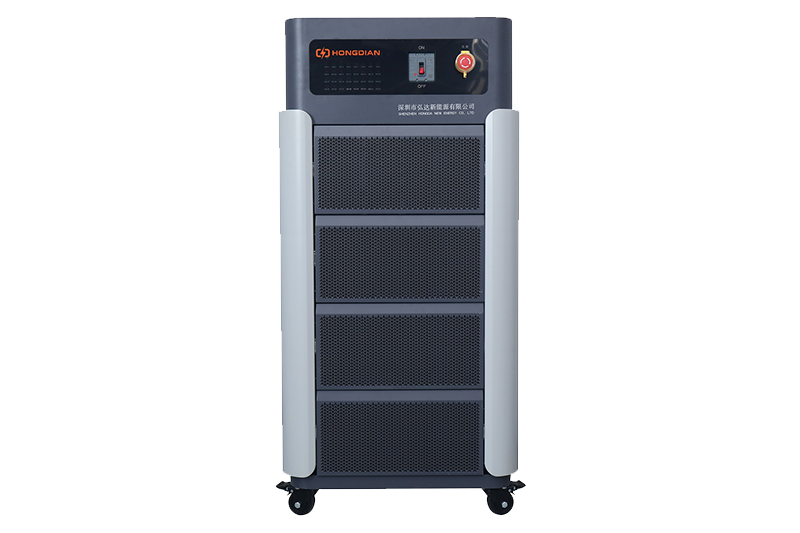 High-Precision Battery Charge Discharge Test Systems for EV Manufacturers
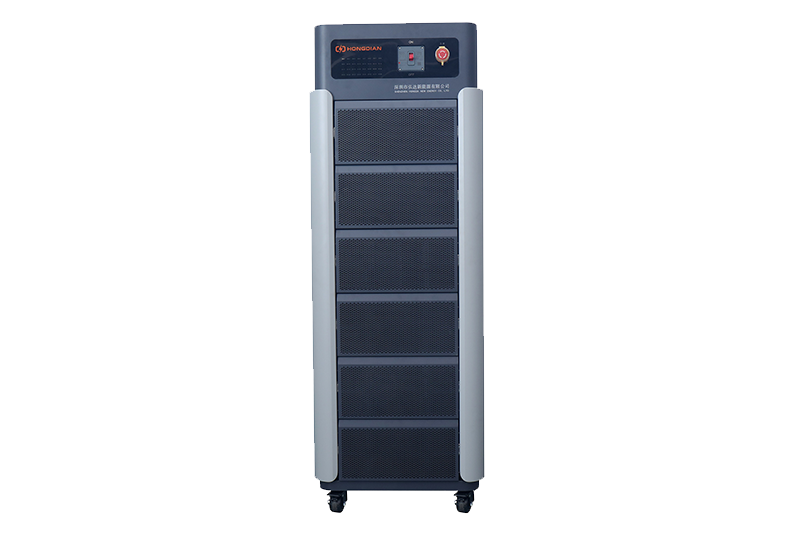 Precision Battery Test Racks for Cell Capacity & Internal Resistance Measurement
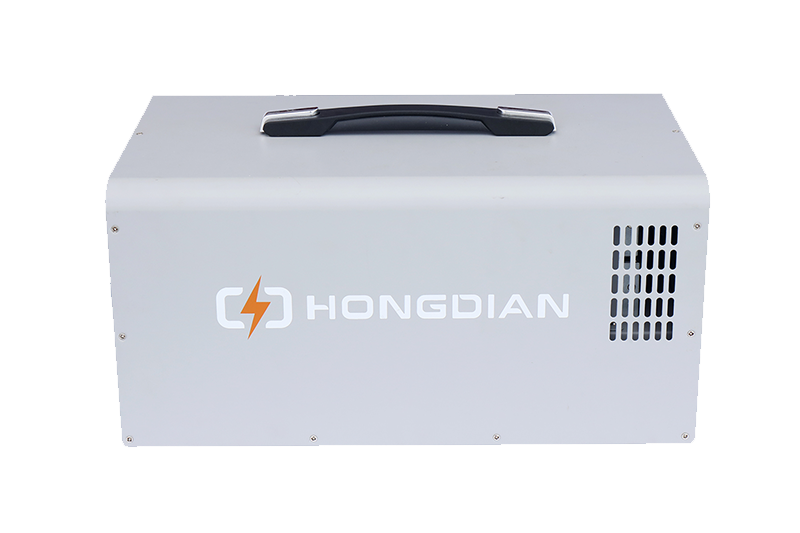 Multi-Channel Battery Testing Equipment for Parallel Performance Analysis