How to Choose the Best Universal Battery Tester for Your Needs?
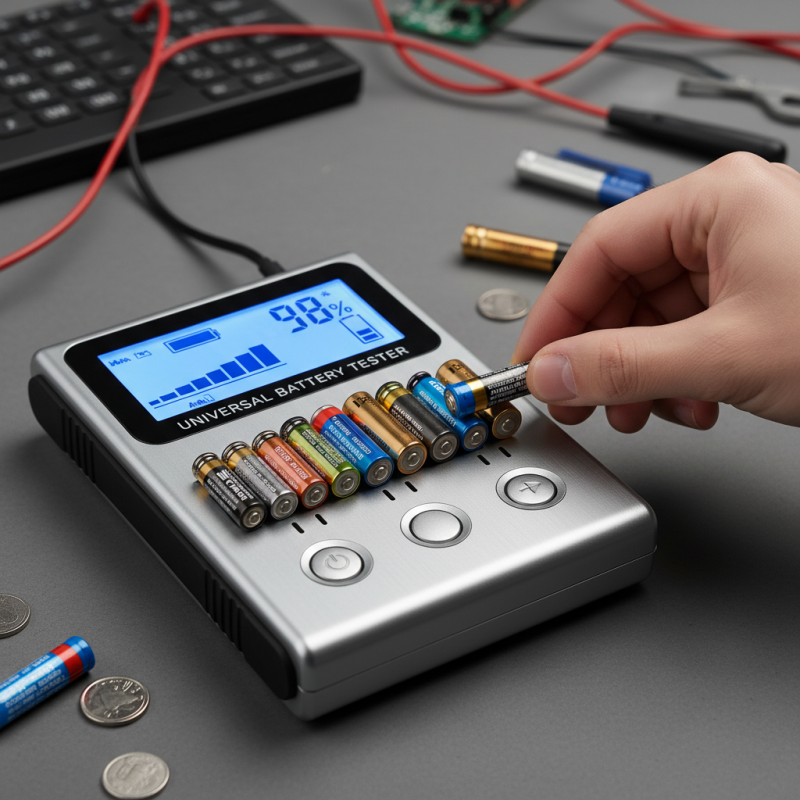
Choosing the right Universal Battery Tester can be challenging. With various models and features available, it’s important to identify your specific needs. A good tester can save you time and prevent frustration.
When selecting a Universal Battery Tester, consider its compatibility with different battery types. Some testers handle alkaline and rechargeable batteries, while others focus on specific ones. You may find yourself overwhelmed by options, which can lead to a hasty decision.
Take your time to assess important features, such as display clarity and ease of use. A tester that seems perfect might not perform well in practice. Reflect on your experiences with previous devices and learn from them. Ultimately, the right choice can enhance your battery management and extend the lifespan of your batteries.
Understanding Battery Types and Their Testing Requirements
Understanding different battery types and their unique testing needs is crucial when selecting a universal battery tester. Alkaline batteries, for instance, require a specific testing approach due to their unique chemistry. It’s important to confirm that the tester can accurately measure their voltage levels. Nickel-metal hydride batteries, often found in rechargeable devices, may need a different method for testing. Each battery type has distinct characteristics that impact how you should assess their performance.
The importance of details cannot be understated. Some testers may struggle with lithium-ion batteries, which are popular in modern electronics. A good tester should provide accurate readings across various battery chemistries. However, not all testers are equal; some may give misleading results or fail to test specific types altogether. Users should consider these factors critically when making a choice. It can be easy to overlook features, but this oversight may lead to poor performance and frustration. Thus, understanding the specifications and limitations of universal battery testers will help ensure that you choose the right tool for your needs.
Key Features to Look for in a Universal Battery Tester
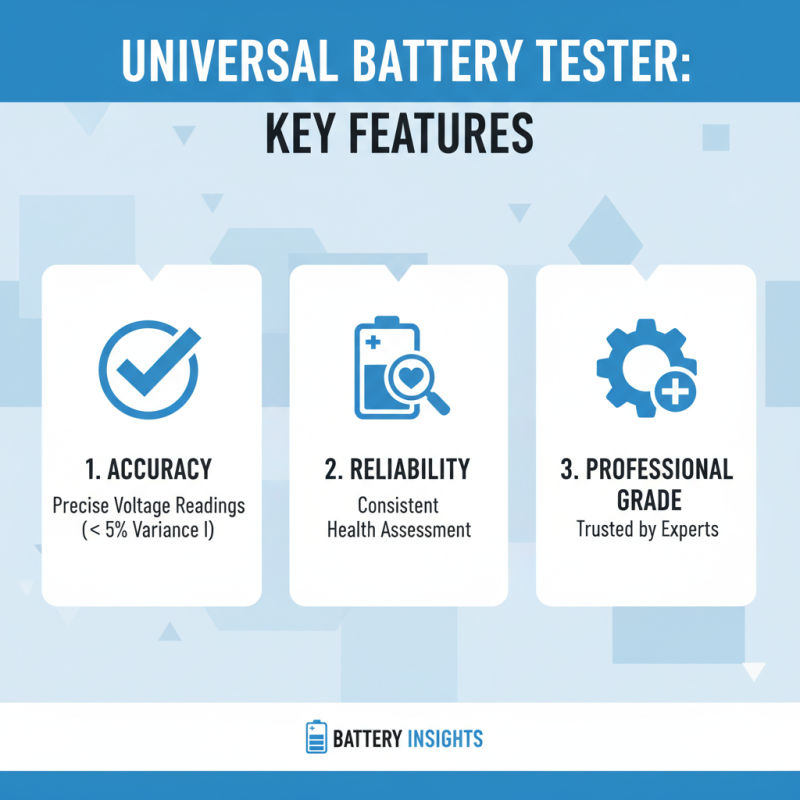
When selecting a universal battery tester, certain key features stand out. Accuracy is paramount. A reliable tester should provide precise voltage readings. Reports show that testers with a variance of less than 5% are often preferred by professionals. This accuracy helps in assessing battery health effectively.
Another significant factor is compatibility. A versatile tester should accommodate different battery sizes. Popular battery types include AA, AAA, 9V, and button cells. Some testers may only support specific types, which can limit their usability. A well-rounded device increases efficiency, especially for those managing various battery types.
Ease of use is also critical. Look for models with clear displays and intuitive interfaces. Complicated designs can lead to errors and frustration. Many users overlook this aspect and regret their choice later. Portability is essential for on-the-go testing. A lightweight and compact design makes the tester more convenient. Balancing these features with cost is often a challenge. It's crucial to find a tester that offers the best value without compromising quality.
Comparing Analog vs. Digital Battery Testers
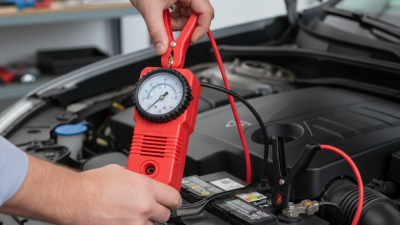
When choosing a battery tester, understanding the differences between analog and digital testers is crucial. Analog testers rely on needle gauges to display voltage levels. They are often appreciated for their simplicity and durability. However, they can be challenging to read accurately, especially in low light conditions. A study from the Battery Association reported that nearly 30% of users misinterpret readings from analog models.
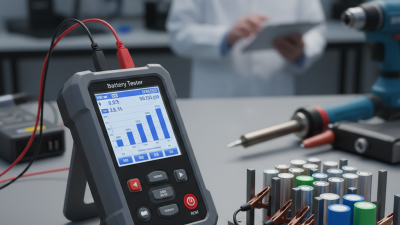
Digital testers offer a more precise readout. They display numerical values on an LCD screen, making it easier to assess battery performance. Research indicates that digital testers can detect voltage fluctuations more effectively than their analog counterparts. In fact, a recent survey found that 75% of professionals prefer digital testers for quick assessments.
Tip: If you often test various battery types, consider a digital model. They usually support different battery chemistries, including lithium-ion and alkaline, providing versatility in your tests.
When you select a tester, consider usability. Some digital testers come with advanced features like USB ports for charging or Bluetooth connectivity to track battery health. However, these added functionalities can sometimes complicate the user experience. Many users report feeling overwhelmed by excessive options. Striking a balance between features and simplicity is key in ensuring effective assessment and tracking.
Tip: Before buying, read user reviews. They can reveal the real-world performance of different testers.
Assessing Compatibility with Various Battery Sizes and Shapes
Choosing the right universal battery tester requires careful consideration of compatibility with various battery sizes and shapes. Many testers are designed for AA, AAA, and 9V batteries. However, not all can handle specialty batteries like CR123A or lithium-ion versions. A report from the Battery Testing Association shows that over 30% of users purchase a tester that does not meet their needs due to this oversight.
When selecting a tester, check its specifications. Ensure it covers all your battery types. Some models can handle up to 15 different battery formats. Others might struggle with larger or unique shapes, limiting their usability. It's frustrating to buy a tool you cannot use effectively.
Compatibility is crucial. An industry survey indicates that 25% of users often complain about the inadequate range of sizes a tester can handle. A good tester should easily accommodate button cells and rechargeable batteries, too. Neglecting this can lead to wasted time and resources. Aim for a tester that adapts to your needs, and consider future battery purchases. Proper assessment is key to avoiding regret later on.
Budget Considerations and Price Ranges for Battery Testers
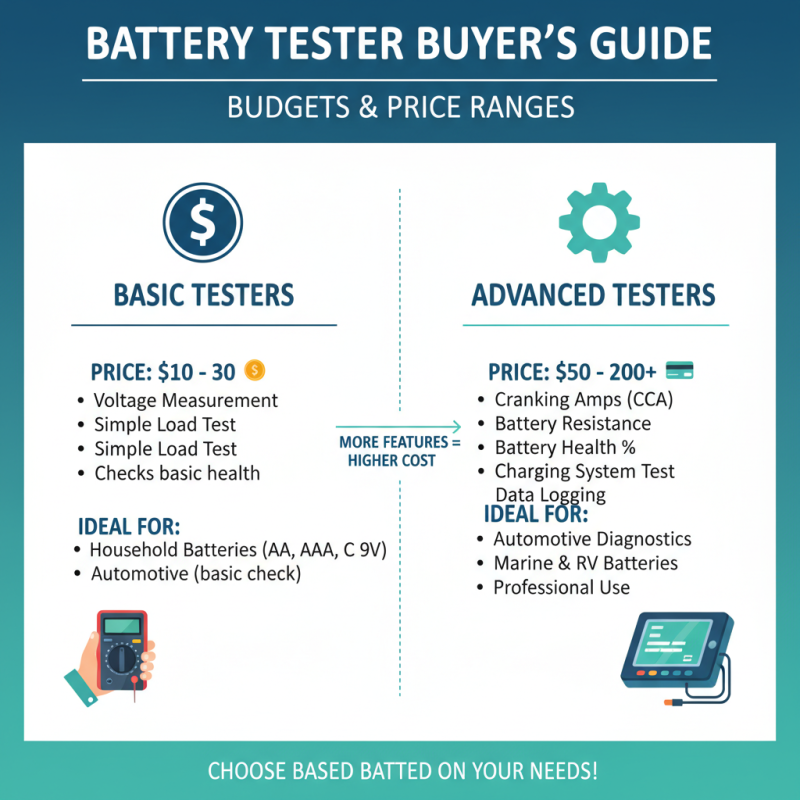
When selecting a universal battery tester, budget plays a crucial role. Prices can vary widely based on features and capabilities. Basic testers may cost as little as $10, while more advanced models can reach $100 or more. Understanding what you need is essential for making a smart purchase. Do you require basic voltage measurements or advanced diagnostics?
It's important to think about your usage frequency as well. If you only check batteries occasionally, a low-cost model could be sufficient. However, if you are an avid DIY enthusiast, investing in a mid-range tester might be better. Don't forget to examine the specifications. Cheaper testers may not handle all battery types. They might lack features like backlit displays or data storage.
Reflect on these aspects and remember that sometimes, spending less could mean missing out on essential functions. A tester that's inexpensive might require frequent replacements. Balancing cost and quality is key. Take your time to research and weigh your options carefully.

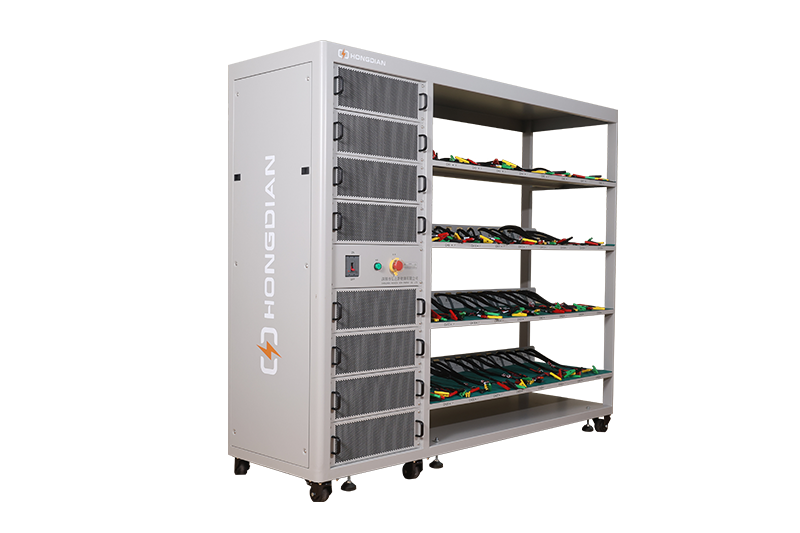 32/48 channel battery charging and discharging test integrated battery cabinet
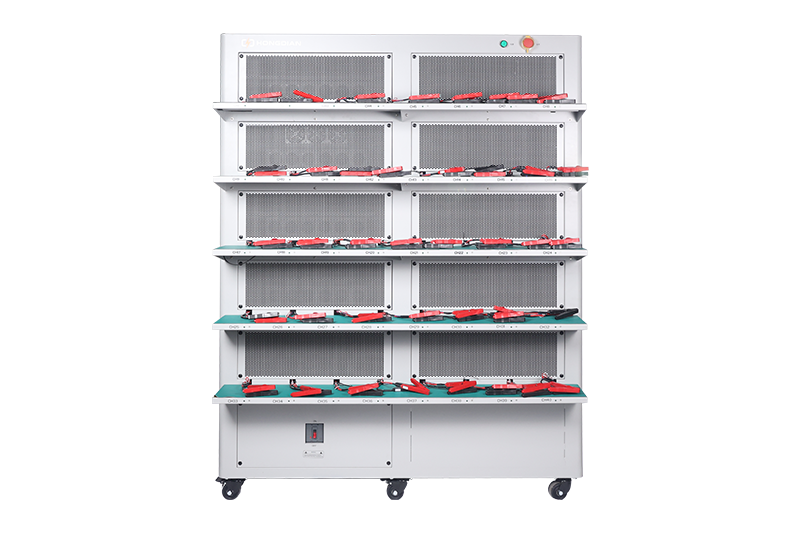 40 channel battery charging and discharging test integrated battery cabinet
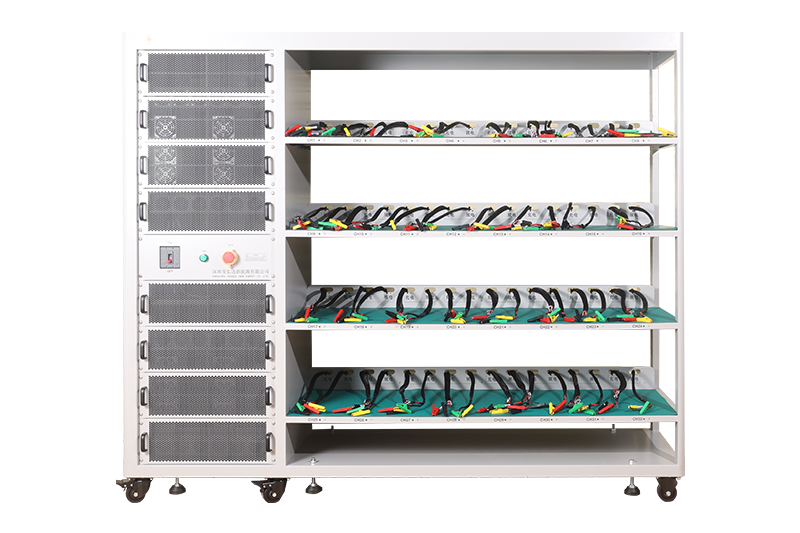 64 channel battery charging and discharging test integrated battery cabinet
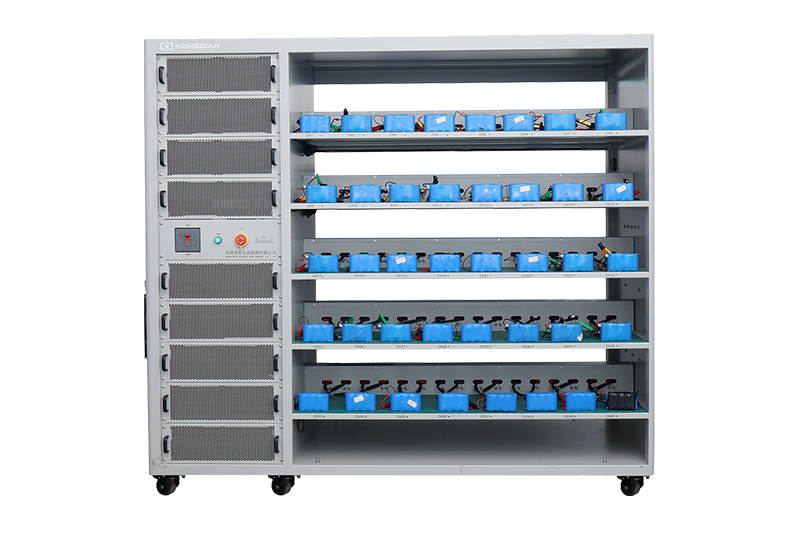 80 channel battery charging and discharging test integrated battery cabinet
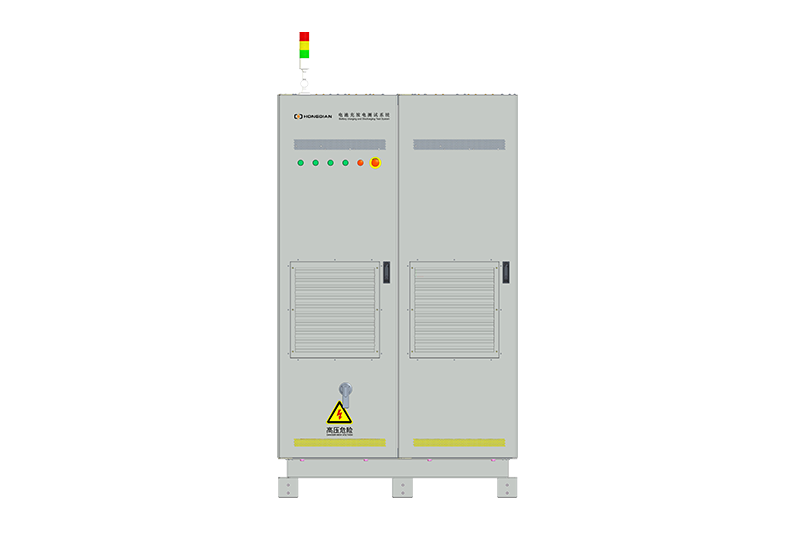 1000V-1500V High Voltage High Current Battery Testing System
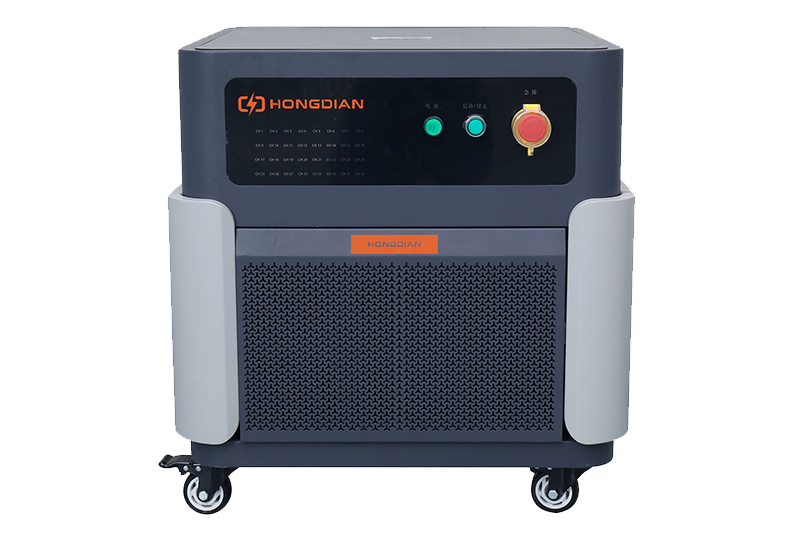 High-Precision Battery Testing System for Enhanced Performance Monitoring 30V/60V/100V/120V
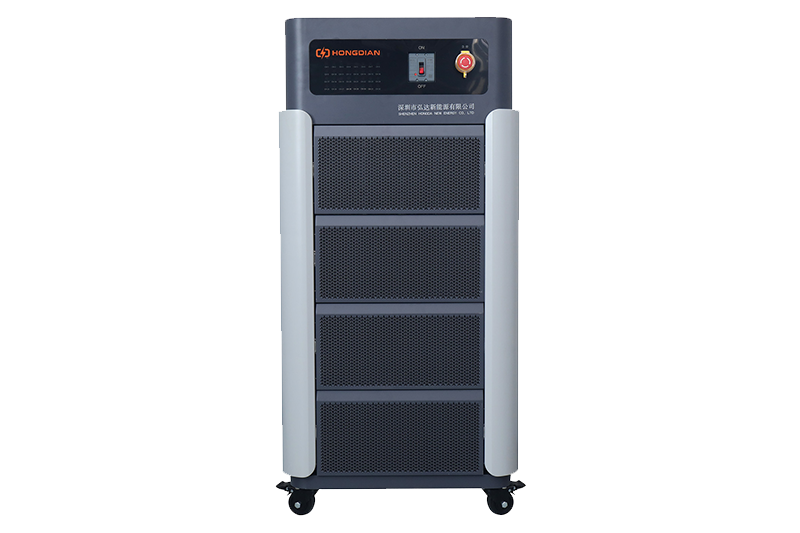 High-Precision Battery Charge Discharge Test Systems for EV Manufacturers
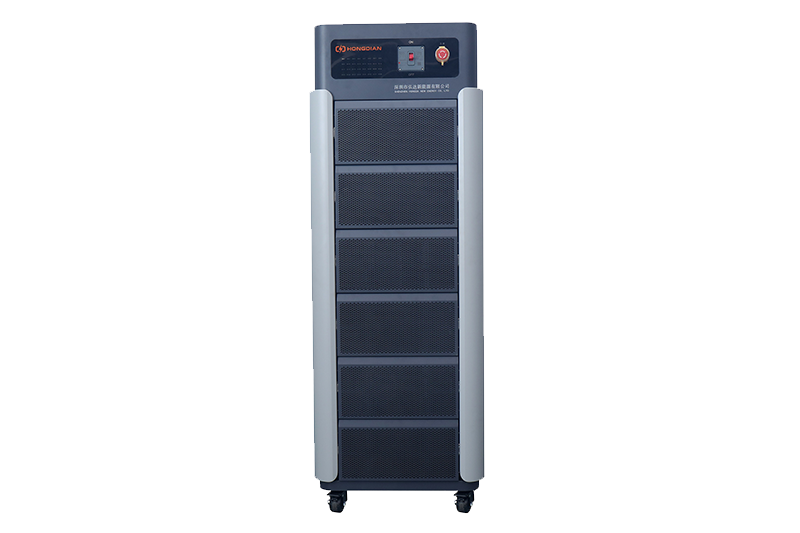 Precision Battery Test Racks for Cell Capacity & Internal Resistance Measurement
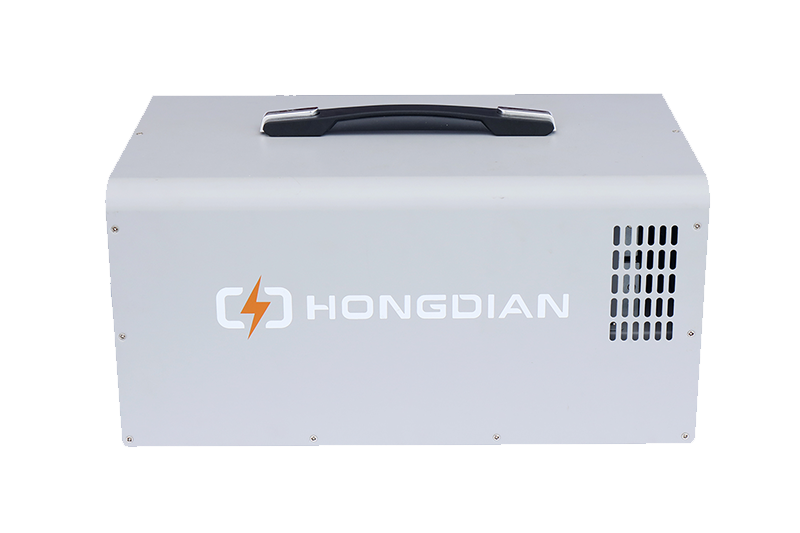 Multi-Channel Battery Testing Equipment for Parallel Performance Analysis