How to Choose the Best Battery Tester for Lithium Batteries?
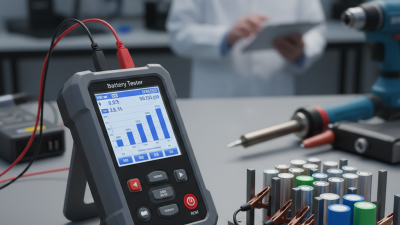
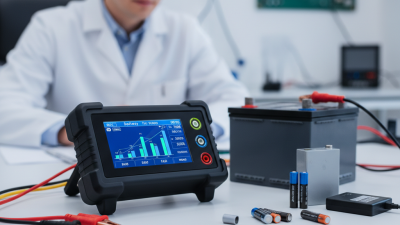
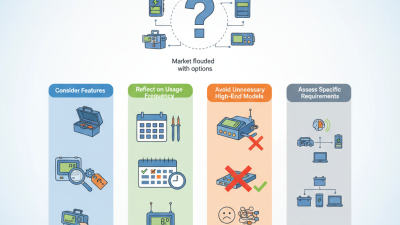
Choosing the right battery tester for lithium batteries can be challenging. With many options on the market, it’s crucial to understand your specific needs. A reliable battery tester for lithium batteries allows you to gauge the health and performance of your battery effectively.
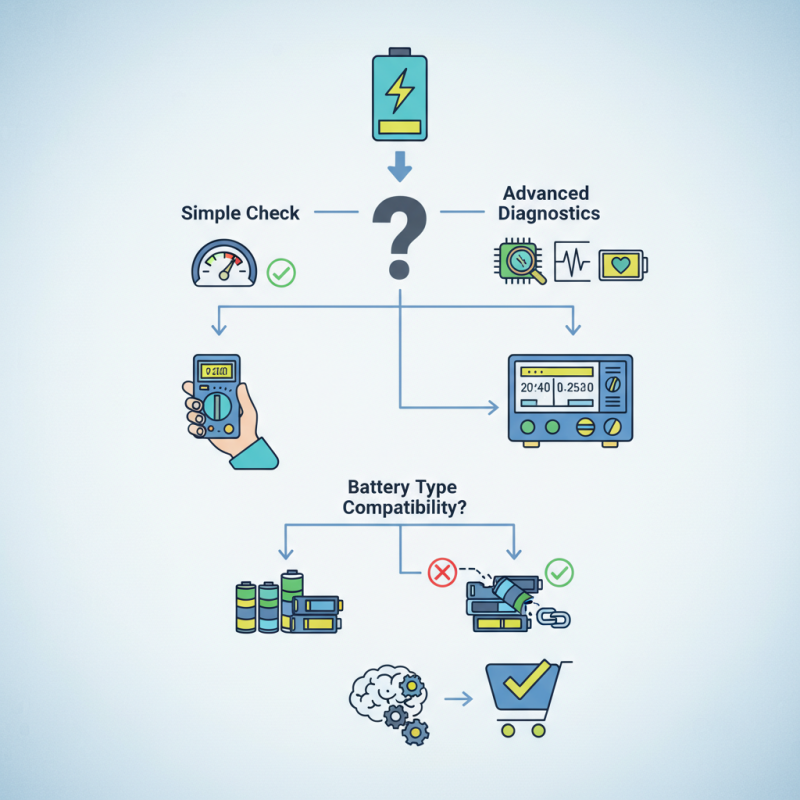
Not all testers are created equal, and their features can vary significantly. Some testers might focus on voltage readings, while others provide deeper insights into the overall battery condition. It’s important to consider what you truly need from your device. Would a simple voltage check suffice, or do you need advanced diagnostics?
Even experienced individuals can overlook key features. For example, some testers may not accommodate different lithium battery types. It’s essential to research before making a purchase. This ensures you select a battery tester that meets your requirements precisely. Understanding these factors helps you make an informed decision and avoid potential regret after the purchase.
Understanding Lithium Battery Types and Their Testing Requirements
Understanding lithium battery types is crucial for effective testing.
Lithium-ion and lithium-polymer batteries dominate today’s market. They power smartphones, drones, and electric vehicles.
Each type has specific characteristics that influence their performance. Knowing the differences helps in choosing the right tester.
Lithium-ion batteries are often used for portable electronics. They have a higher energy density and longer cycle life.
Testing requires a multimeter or specialized battery tester set to the correct voltage range. For lithium-polymer batteries,
the process is slightly different. They can be more sensitive to overcharging. Therefore, a tester that monitors
individual cell voltage is essential.
Tips: Always ensure the tester can handle the battery’s voltage and current.
A mismatch could lead to inaccurate readings. Regularly check the calibration of your tester to maintain accuracy.
Learning to interpret test results is vital, as misinterpretation could lead to hazardous use.
Key Features to Look for in a Lithium Battery Tester
When choosing a battery tester for lithium batteries, several key features stand out. A reliable tester should measure voltage, capacity, and internal resistance. Voltage readings provide immediate insights into battery health. A study by the International Electrotechnical Commission indicated that a 10% drop in capacity can lead to performance issues in lithium batteries. Therefore, capacity measurement is crucial.
Temperature compensation is another essential feature. Lithium batteries can behave unpredictably in extreme temperatures. According to Battery University, operating temperatures outside the safe range can decrease battery lifespan. A good tester should adjust readings based on temperature fluctuations. Additionally, consider a tester with a clear, user-friendly display. A straightforward interface improves usability, especially in critical situations.
Look for testers that include safety features like overvoltage protection. Many lithium battery failures occur due to improper testing techniques. A report from the National Fire Protection Association highlights that misuse can lead to hazardous situations. Investing in a quality battery tester protects both the user and the device. The right choice combines accuracy, safety, and ease of use for optimal performance.
Comparison of Key Features in Lithium Battery Testers
This bar chart compares several key features of lithium battery testers. The data represents the percentage of testers that include each feature across a sample of models.
Comparing Different Types of Battery Testers: Analog vs Digital
When selecting a battery tester for lithium batteries, it's essential to understand the differences between analog and digital testers.
Analog testers use a needle to display readings. They offer a straightforward gauge of battery health. However, they can be less precise. A report from Battery University indicates that analog testers may have an accuracy rate of about 75%. This means there is a consistent margin for error, particularly when assessing lithium batteries.
Digital testers, on the other hand, provide numeric displays that offer clearer and often more accurate readings. According to a study from the Journal of Power Sources, digital testers can achieve an accuracy level above 90%. They often feature additional capabilities, such as measuring internal resistance and providing detailed health analysis. Despite their advantages, digital testers can sometimes malfunction or provide misleading data if not calibrated correctly.
The choice ultimately depends on user needs. Some may prefer the tactile experience of analog testers, while others may favor the precision of digital models. It's crucial to consider the specific requirements for lithium batteries, as they behave differently from alkaline batteries. Reflection on these differences can guide users toward making an informed choice tailored to their needs.
How to Properly Use a Battery Tester for Accurate Readings
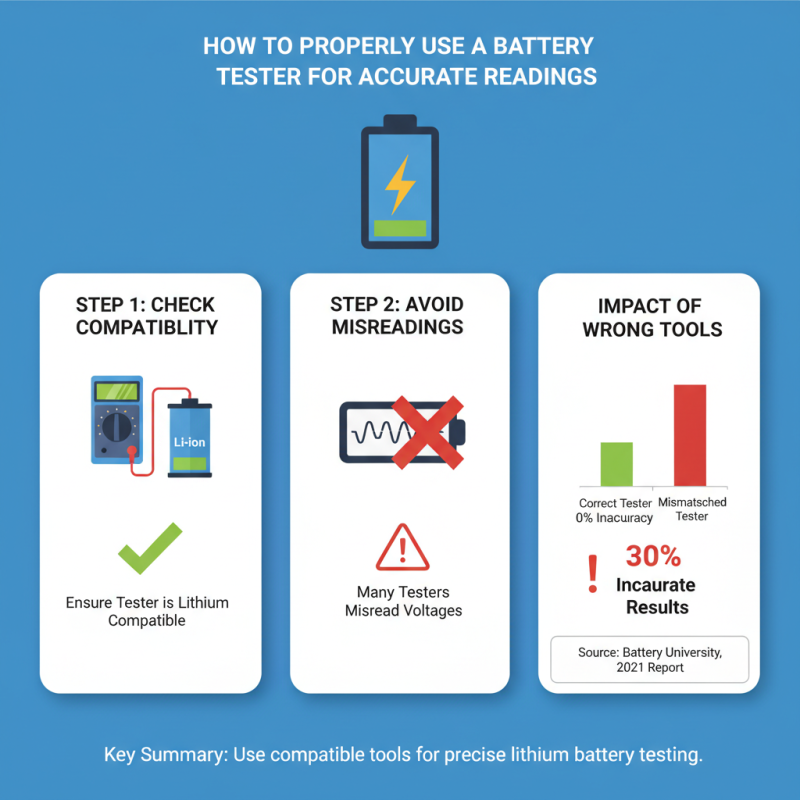
Using a battery tester correctly is vital for precise readings. Lithium batteries demand specific testing to ensure accuracy. Start by ensuring your tester is compatible with lithium technology. Many testers misread voltages, leading to confusion. According to a 2021 report by Battery University, mismatched testers can yield up to 30% inaccurate results. This highlights the importance of choosing the right tools.
Next, always check the connection. Ensure the probes touch securely and make good contact with the battery terminals. Loose connections can affect readings. A study showed that poor connections could distort voltage by 10%. Hence, stable and firm contact is crucial. Avoid testing batteries shortly after discharge. Allow them to rest before measuring. Instant measurements may not reflect true capacity. Observing these practices can lead to more consistent findings.
Lastly, familiarize yourself with the tester's display. Some provide detailed charts, while others show basic voltage levels. Understanding these can prevent misinterpretation. Battery testing isn't just about the number displayed; context matters. A comprehensive approach will refine your skills over time. The learning curve can be steep, but accurate readings are within reach.
Maintaining and Calibrating Your Lithium Battery Tester
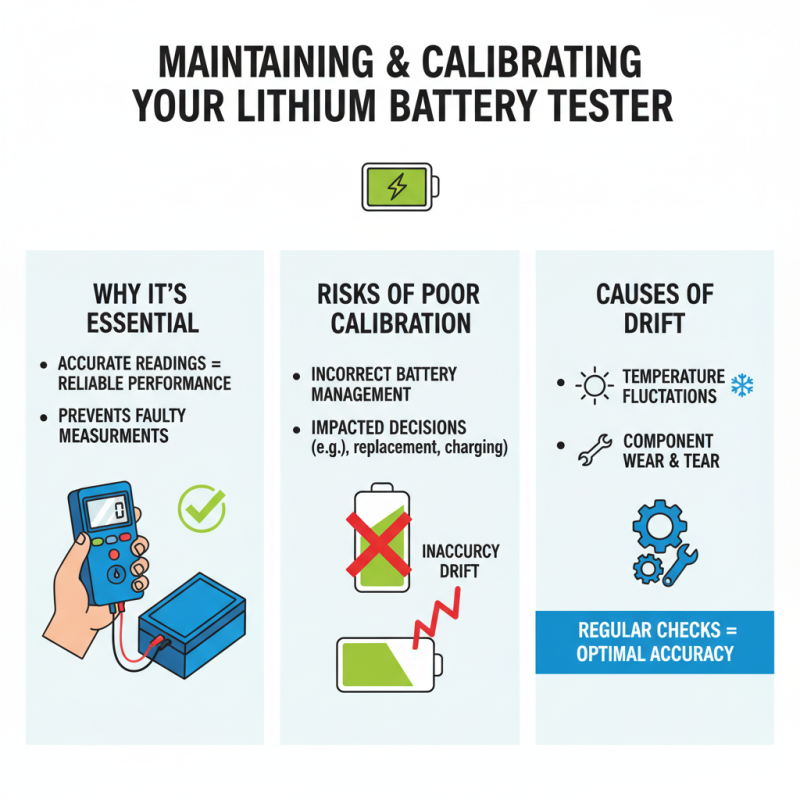
Maintaining and calibrating your lithium battery tester is essential for accurate readings. Regular checks ensure you get reliable performance. A tester that isn’t properly calibrated can lead to faulty measurements. This may affect your battery management decisions. Over time, drift in accuracy can occur due to temperature fluctuations or wear.
You should follow the manufacturer’s guidelines for calibration frequency. Many users overlook this step, thinking their devices are fine. Regular maintenance can prevent significant issues later. Clean the tester’s contacts regularly to prevent oxidation. If the device shows inconsistencies, recalibrating it may be necessary. You can perform self-tests with known battery outputs to assess accuracy.
In some cases, the tester may become outdated as technologies advance. Be mindful of new standards in lithium battery technology. It’s good to stay updated on advancements. If you notice discrepancies, consider re-evaluating your tester. An outdated device may not provide the reliable information needed. Maintain awareness and adaptability in your approach.

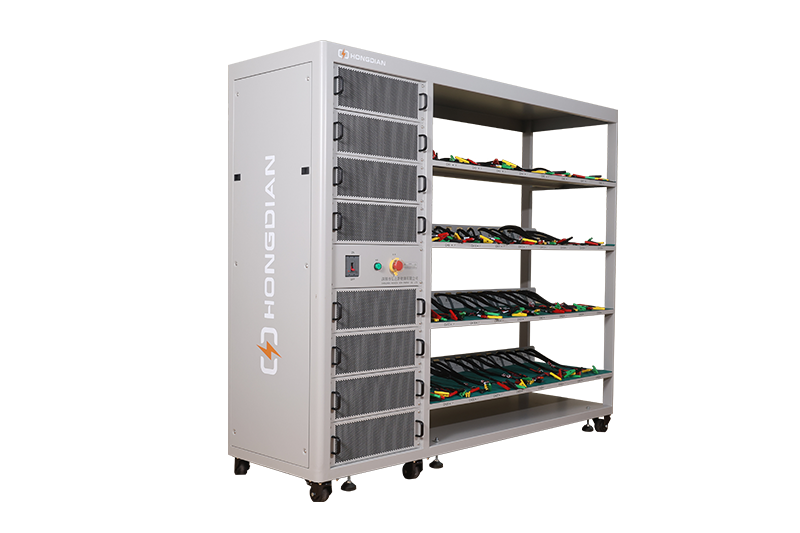 32/48 channel battery charging and discharging test integrated battery cabinet
 40 channel battery charging and discharging test integrated battery cabinet
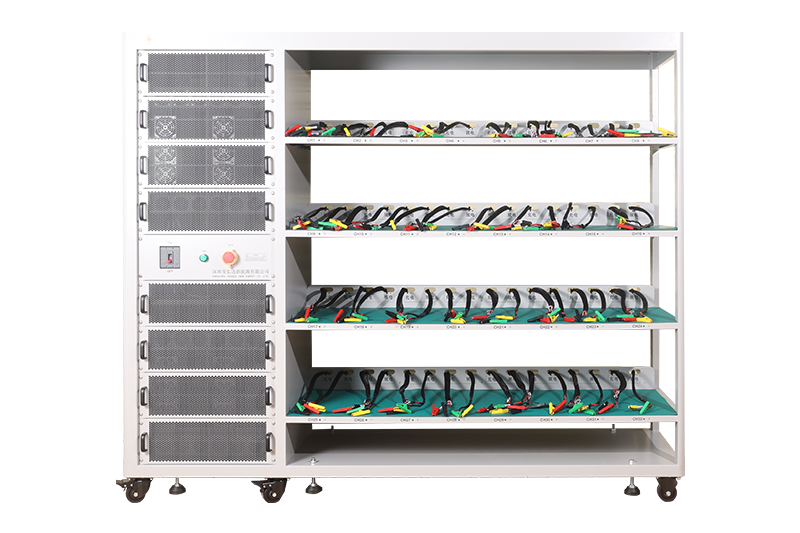 64 channel battery charging and discharging test integrated battery cabinet
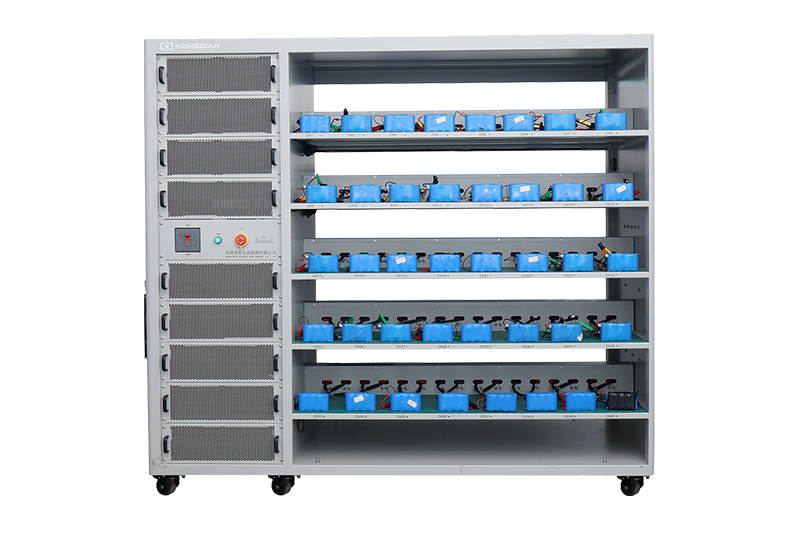 80 channel battery charging and discharging test integrated battery cabinet
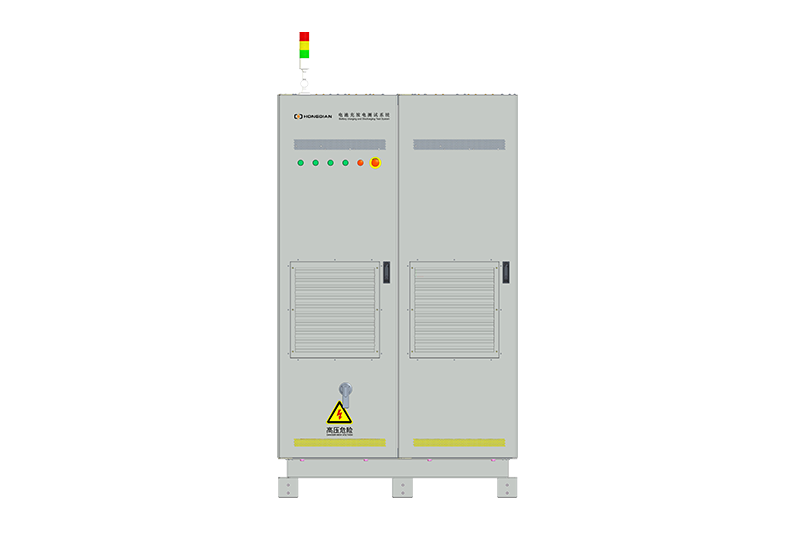 1000V-1500V High Voltage High Current Battery Testing System
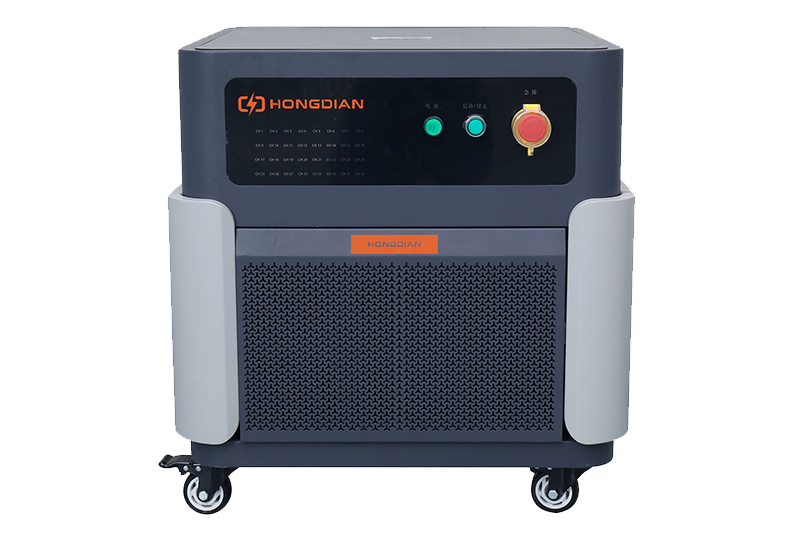 High-Precision Battery Testing System for Enhanced Performance Monitoring 30V/60V/100V/120V
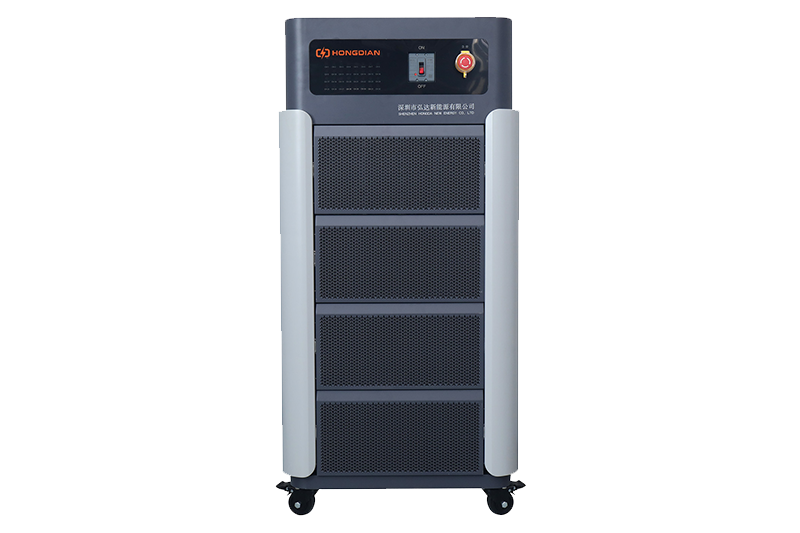 High-Precision Battery Charge Discharge Test Systems for EV Manufacturers
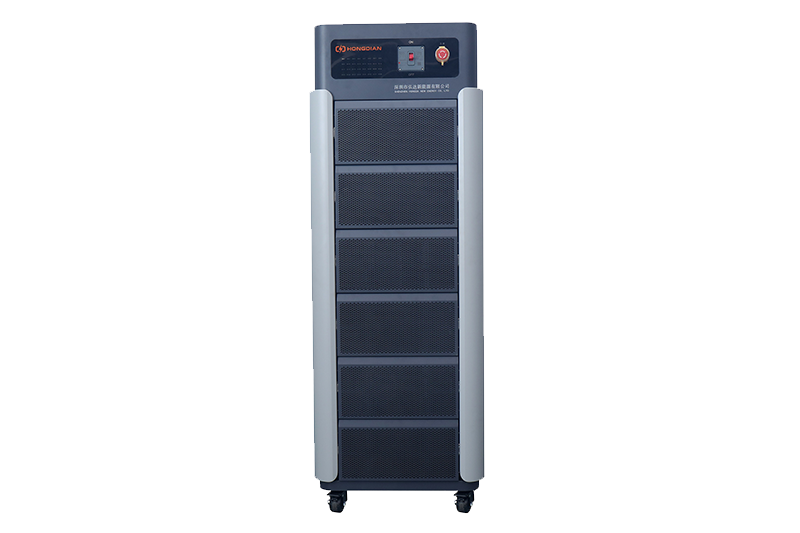 Precision Battery Test Racks for Cell Capacity & Internal Resistance Measurement
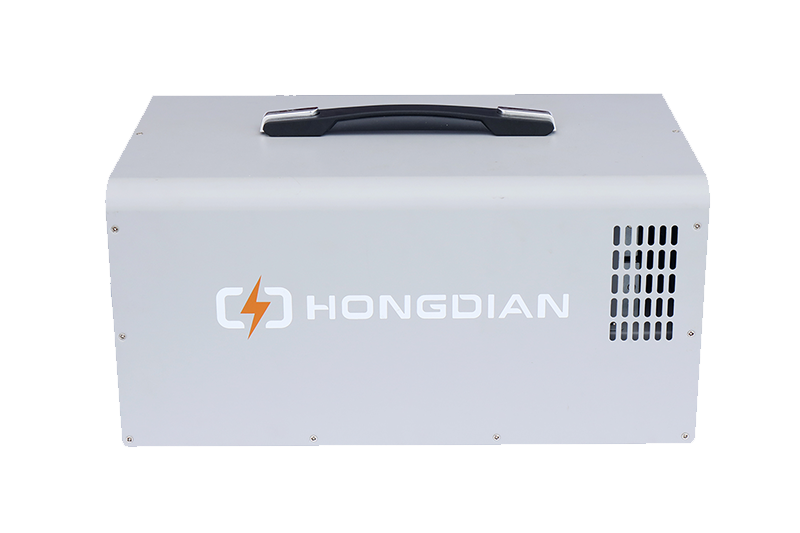 Multi-Channel Battery Testing Equipment for Parallel Performance Analysis