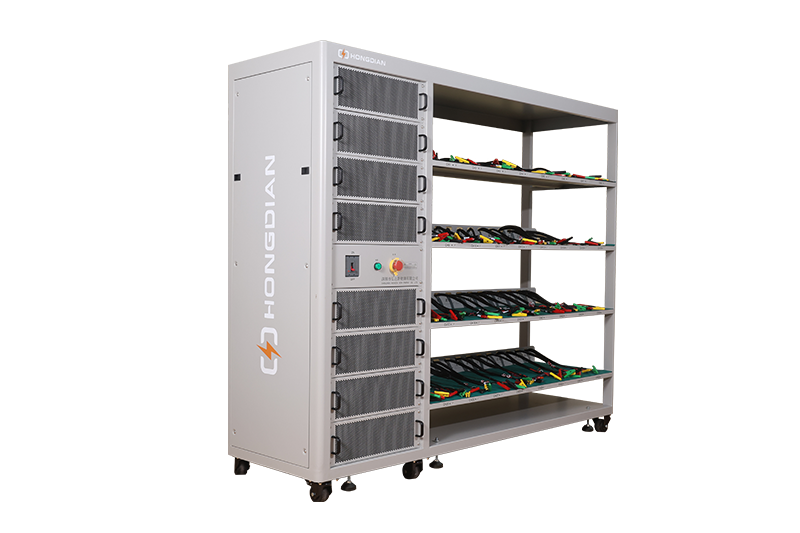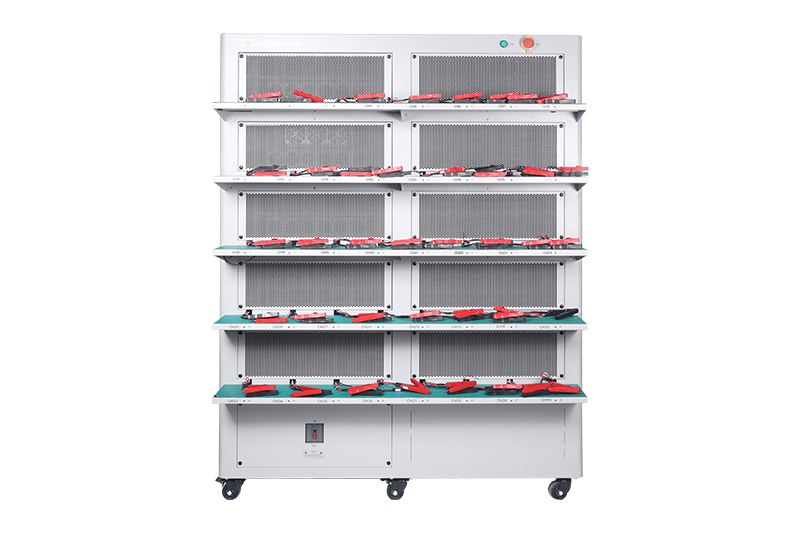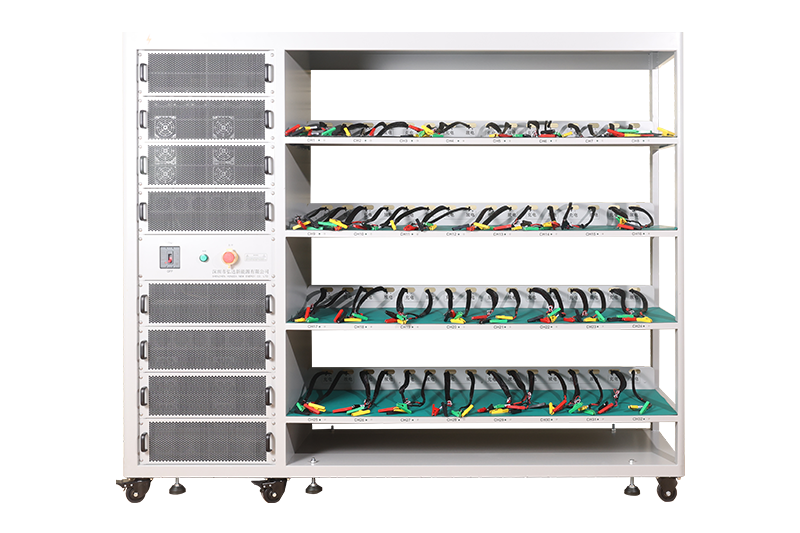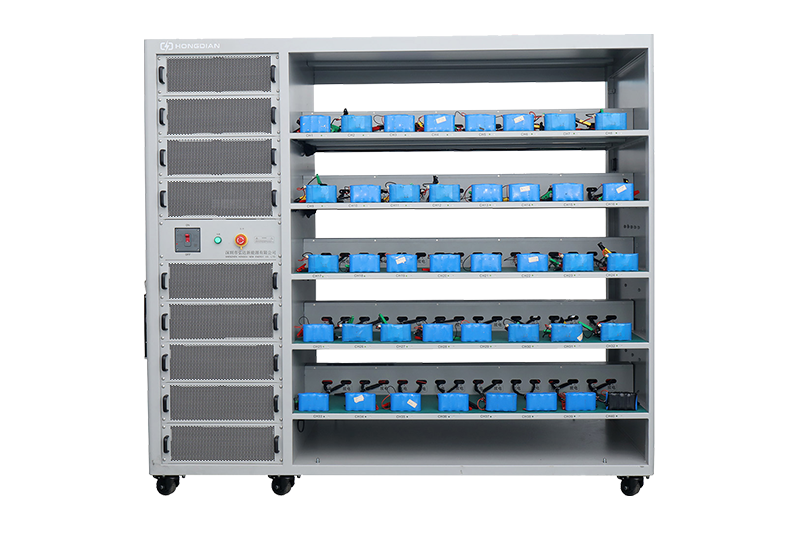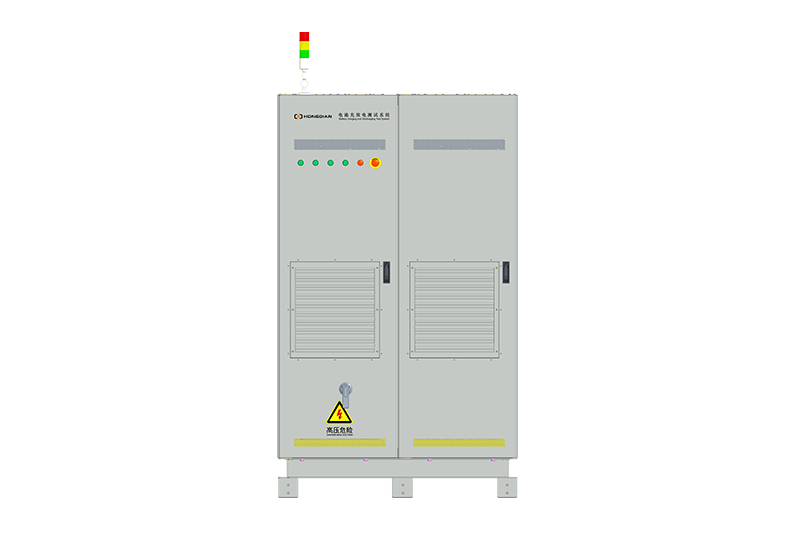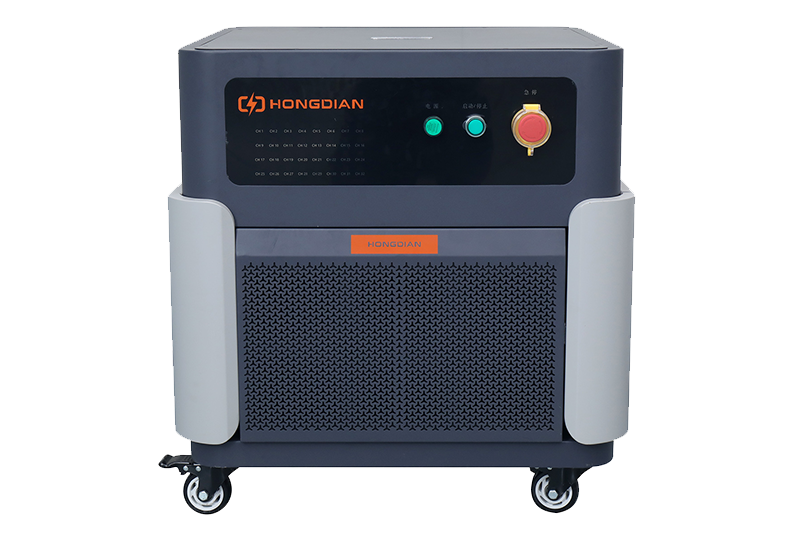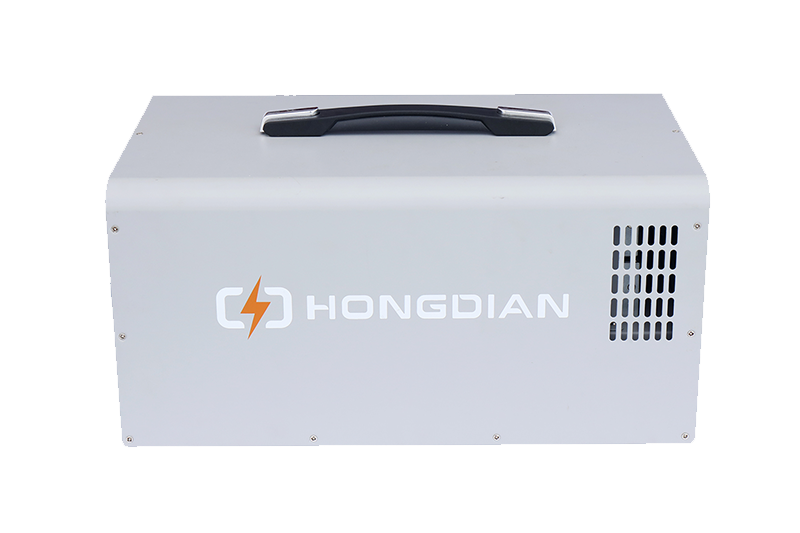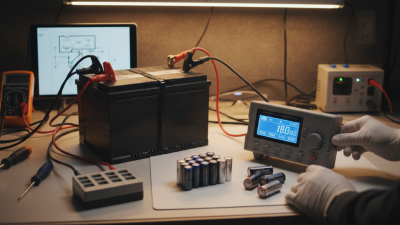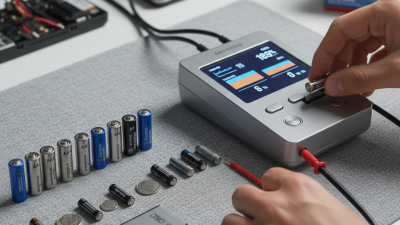
32/48 channel battery charging and discharging test integrated battery cabinet
40 channel battery charging and discharging test integrated battery cabinet
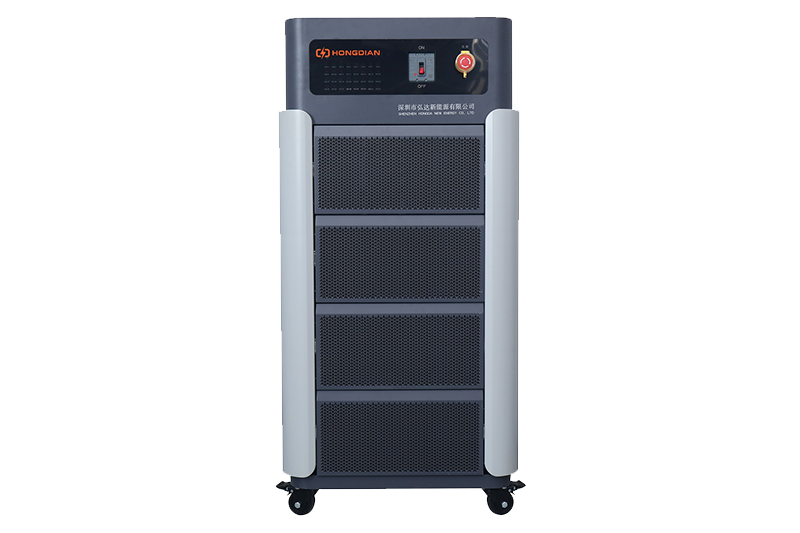
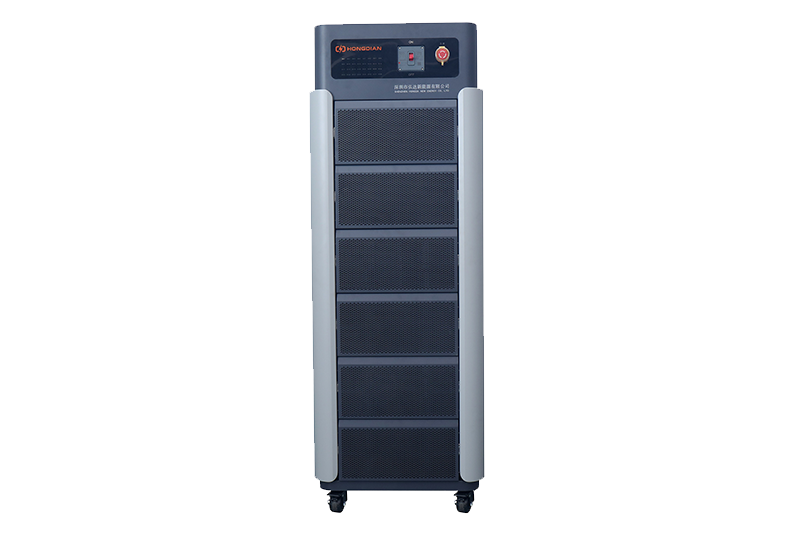
64 channel battery charging and discharging test integrated battery cabinet
80 channel battery charging and discharging test integrated battery cabinet
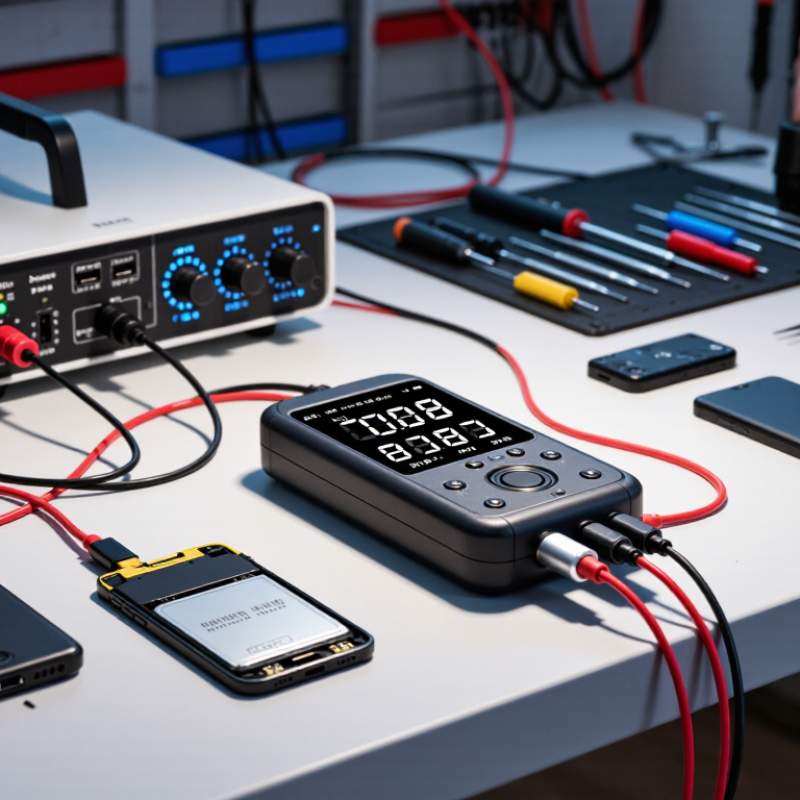
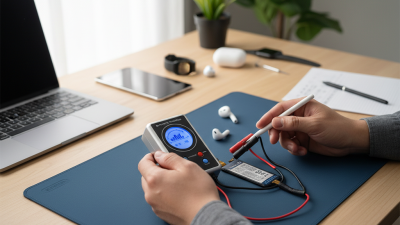
Choosing a Mobile Phone Battery Tester is less about buying the most feature-packed device and more about matching its measurements to your repair work. A compact tester may show voltage and charging current, while a bench unit can offer broader diagnostic data. Check which phone models, battery connectors, and charging standards it supports before comparing prices. A connector that almost fits is not a reliable fit. Small details matter.
Look for clear readings, stable connections, and instructions that explain what each result means. If the device reports capacity or battery health, check how those figures are measured; a single reading may not tell the full story. A tidy display can feel reassuring, but it does not guarantee accuracy. That is worth remembering. Prefer testers with documented specifications, a stated measurement range, and manufacturer support. Reviews from technicians can reveal practical issues, such as loose cables or readings that fluctuate during charging. Even then, reviews are not proof. Compare several sources and treat unusually precise claims with care.
Safety should guide the choice, too. Use a tester only as its instructions specify, and avoid damaged batteries, cables, or connectors. Do not assume every model works with every phone. Consider how often you will use it, whether replacement leads are available, and if the display is readable on a crowded workbench. The best choice is the one that provides useful, repeatable information for your devices. Some uncertainty remains, especially with older or unfamiliar batteries. A tester helps assess them; it cannot replace sound judgment or proper service procedures.
Mobile phone battery testers fall into several groups, and each answers a different question. A voltage tester reads the battery’s electrical potential. It is quick and may flag an unusually low reading, but voltage alone cannot confirm usable capacity. Readings also change with charge level and temperature. A phone that has rested in a cool room may behave differently from one just used for navigation.
More advanced battery analyzers measure internal resistance or run a controlled charge-and-discharge test. Resistance testing is fast and useful for spotting possible deterioration, though it is a screening tool, not a full diagnosis. Capacity testing takes longer but can estimate how much energy the battery actually holds. Some repair tools connect through a service interface; use only equipment suited to the phone and battery type. Software diagnostics can show charge cycles or estimated health, but those figures may be rough. USB power meters are different: they measure power flowing through a charging cable, not the battery’s true capacity. That distinction is easy to miss. I would compare more than one indicator before deciding a battery is failing, and treat any single result as a clue rather than proof.
Understand the main types of mobile phone battery testers by comparing the measurements they typically provide.
A value of 1 means the measurement is typically available; 0 means it is not a defining feature of that tester type. Features vary by model. USB inline meters measure on the USB power path, not directly at the battery. For measured capacity, choose a tester that performs a controlled charge-discharge test.
A reliable phone battery tester must match the battery’s chemistry, voltage range, and connection—not just its shape.
Most modern phone batteries use lithium-based chemistry, but their nominal voltage, connector layout, and temperature-sensor contacts can differ. Check the battery label and your phone’s service documentation before buying.
Check the label. Confirm that the tester supports the battery’s voltage and has the correct connector and polarity. A mismatched adapter may give a misleading reading or fail to connect safely. I admit, “universal” can sound more certain than it is.
Compatibility also includes how the tester measures. Some models read voltage only; others assess capacity or internal resistance, which may require a proper discharge cycle. Make sure the instructions specify the supported battery type and testing method.
The Global E-waste Monitor 2024, published by UNITAR and ITU, reports that the world generated 62 million tonnes of e-waste in 2022, with only 22.3% formally collected and recycled.
That figure is not proof that battery testing prevents waste, but it underlines why accurate repair checks matter. If your battery is swollen, damaged, or unusually hot, don’t test it with ordinary equipment. Pause and seek qualified help.
A clear manual and stated measurement limits are worth more than extra features you may never use.
A good mobile phone battery tester should do more than display a percentage. Compare whether it measures voltage, charging current, capacity, or internal resistance. These readings answer different questions. Voltage can show the battery’s current state, while a capacity test takes longer but better reflects usable runtime. Check that the tester supports your phone’s battery type and connection method. Otherwise, a neat display may still give you little useful information.
Tips: Compare readings under similar conditions. Keep the battery temperature steady, use the same test method, and repeat any surprising result. Look for stated measurement ranges and accuracy, not just extra features. A stable reading matters more than a long list of functions.
Readability counts during real repairs. A clear screen should show units, test status, and warnings without tiny labels or confusing abbreviations. Backlighting helps in a dim workspace, and simple controls reduce mistakes when switching between tests. I would not treat one reading as a verdict; it is tempting to do that. Compare repeated results, and note when the tester was last checked or calibrated. If values jump between runs, investigate the connection and test conditions before judging the battery.
Safety deserves more attention than a tester’s display. Look for insulated probes, clear polarity markings, and protection against incorrect connections. A stable casing helps prevent slips on a crowded workbench. If a phone battery looks swollen or damaged, do not test it with exposed probes; stop and seek qualified service. A tester can report electrical readings, but those readings do not always reveal the battery’s full condition.
Ease of use matters when you need quick, repeatable checks. Choose a screen with legible numbers and simple controls, even under bright shop lighting. Instructions should explain what each reading means, not just list technical terms. Some models show more data than most people need. That can be confusing. A compact unit with reliable voltage readings may be more useful than a complicated tester you rarely trust.
Tips: Check that the leads fit securely and are easy to replace. Compare readings under similar conditions, and note the battery’s temperature. For portability, consider weight, a protective case, and whether the tester needs a separate power source. Smaller is handy, but tiny displays can strain your eyes. I’d prioritize safe handling and readable results over extra features; still, the right balance depends on where you work.
Choosing a mobile phone battery tester means matching its measurement depth to your repair volume. A small repair desk may need quick voltage, resistance, and charging-current checks. A busy service center benefits from repeatable load tests, clear result records, and support for varied battery profiles. Small shops differ. IDC reported 1.24 billion smartphone shipments worldwide in 2024, up 6.4% from 2023, in its Worldwide Quarterly Mobile Phone Tracker. That scale points to broad device variety, but it does not mean every shop needs an expensive analyzer.
Compare the cost of the tester with the time it saves and the mistakes it helps prevent. Check whether it measures actual capacity or only estimates battery condition from brief readings. A quick estimate is useful for triage; a controlled discharge test takes longer but gives stronger capacity evidence. No tester is perfect. I would also check lead quality, calibration options, safety protections, and whether replacement adapters are easy to obtain. A low-cost unit can be sensible for occasional checks, yet unreliable readings may cost more through repeat work. For frequent diagnostics, paying extra for consistent results and stored test records is often the practical choice.