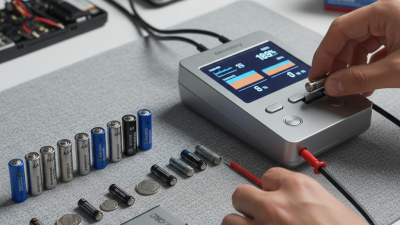
Best Battery Charge Tester for Accurate Performance Evaluation?
Accurate performance evaluation is crucial for battery health and longevity in various applications. The Battery Charge Tester is an essential tool in this assessment. According to a report by the International Energy Agency, battery performance miscalculations can lead to significant operational inefficiencies. This highlights the need for reliable testing methods.
In the automotive and renewable energy sectors, the right Battery Charge Tester can make a difference. A comprehensive study found that over 30% of battery failures stem from inadequate testing protocols. Choosing the best tester ensures precise results, boosting overall efficiency and safety. Yet, many users overlook the specific features that influence performance accuracy.
It is essential to reflect on the limitations of existing testing devices. Not all Battery Charge Testers deliver consistent outcomes under varying temperatures or loads. Statistics from the Battery University indicate that environmental factors greatly impact testing accuracy. A thoughtful approach to selecting a tester can help address these challenges and enhance user reliability.

Understanding Battery Charge Testers: Importance and Functionality
Battery charge testers are essential for evaluating the true performance of batteries. They allow users to measure voltage and assess the state of charge effectively. Knowing how much charge your battery retains can prevent unexpected failures. A reliable tester can distinguish between a good battery and one that needs replacement.
Choosing the right tester can seem challenging. Look for devices offering clear readouts and ease of use. Accurate readings can extend battery life and ensure safety during operation. Modern testers often feature advanced technology, providing insights into battery health. Without a proper tester, you might wrongly assume a battery is functional.
For optimal performance, keep your tester calibrated. Calibration ensures accuracy and completeness in data. When troubleshooting battery issues, take the time to compare readings frequently. This practice can save you from unexpected downtimes. Remember to check the connections regularly to maintain a seamless testing process.
Key Features to Look for in a Battery Charge Tester
When selecting a battery charge tester, several key features should be prioritized. Accuracy is crucial; the tester must provide precise voltage readings to assess battery health effectively. A high-quality meter equips users with reliable performance data, ensuring they can make informed decisions about whether a battery needs charging or replacement.
Another feature to look for is display readability. A clear, easy-to-read screen can make a significant difference in usability. Whether in direct sunlight or low light, the display should remain visible. Additionally, consider testers with built-in safety features. Overload protection is important to prevent damage during usage.
Portability can also enhance the testing experience. A compact, lightweight design allows for easy transport and convenient storage. However, some small devices may sacrifice durability. Check the quality of materials used. Reflecting on these aspects can lead to better choices. Investing time into selecting a reliable tester ultimately pays off, ensuring efficiency and accuracy when evaluating battery performance.
Top Brands and Models for Accurate Performance Evaluation
Choosing the right battery charge tester is crucial for evaluating performance accurately. Many users underestimate the differences in models. It’s essential to rely on reliable brands that are known for their precision. According to recent industry reports, testers must have a margin of error within 1% for optimal accuracy in assessments.
Top brands in the market offer diverse models, each designed for specific types of batteries. Lithium-ion and lead-acid batteries require different testing methods. A reliable tester should provide clear readings on voltage and capacity. Research shows that misreading these metrics can lead to inefficient battery use and potential failures.
When selecting a tester, consider usability features. A simple interface can significantly enhance your experience. Advanced models may include digital displays and data retention, which are beneficial for tracking performance over time. However, complexity can sometimes lead to confusion. Choose a model that balances functionality with ease of use.
Evaluate your needs against your budget. Some models may offer extensive features but can be costly. Assessing your testing frequency can help determine whether these features justify the price. Remember, the most expensive model isn’t always the best fit. Take your time to compare options before making a decision.
Battery Charge Tester Performance Evaluation
This chart displays the accuracy performance of various battery charge testers. The percentages indicate how accurately each tester measures battery performance, with higher values representing better performance.
How to Use a Battery Charge Tester Effectively
Using a battery charge tester effectively requires a clear understanding of the device's features. Begin by ensuring the tester is fully charged and calibrated. Place the battery securely in the tester, making sure the connections are firm. This step is crucial for accurate readings. Incorrect connections can lead to misleading results, which can be frustrating.
Observe the tester’s display closely as it provides vital information. Pay attention to the voltage and charge level. If the readings are lower than expected, it may indicate a need for replacement. While testing, be mindful that different battery types may show different behavior. Experimenting with various batteries can improve your familiarity with the tester.
After conducting tests, take notes on the battery performance. Reflect on any patterns or anomalies in the data you collected. This practice can reveal recurring issues if a specific battery consistently underperforms. Regular testing can save time and money, but always approach each test with a critical eye. Your observations contribute to a deeper understanding of your battery's lifecycle.
Interpreting Results: Analyzing Battery Performance Data
When analyzing battery performance data, accuracy is crucial. A good battery tester provides reliable readings. However, understanding these results isn’t always straightforward. Take note of voltage levels and current capacity. These metrics reveal how well a battery performs under load. A precise tester gives you clear insights, but interpret those results carefully.
Data can be misleading. A battery may show full voltage but still lack the current needed for proper function. Watch for patterns in performance over time. Drops in voltage or capacity can indicate deterioration. This reflection helps identify when to replace a battery, ensuring devices operate efficiently.
Consider these tips: Regularly test your batteries to track their health. Use data logs for a clearer picture of performance trends. If readings seem off, retest to confirm accuracy. This process will help maintain the reliability of your devices and improve their lifespan. Adjustments in usage patterns can also enhance battery longevity, allowing for more effective management of power resources.

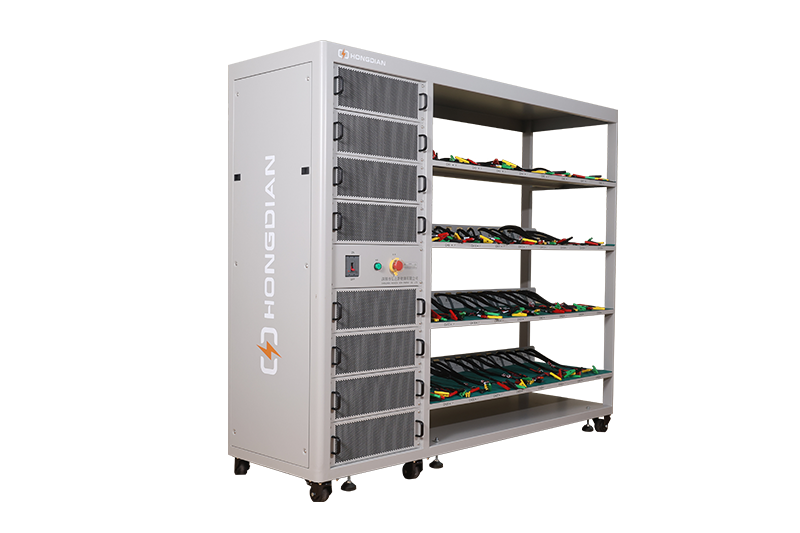 32/48 channel battery charging and discharging test integrated battery cabinet
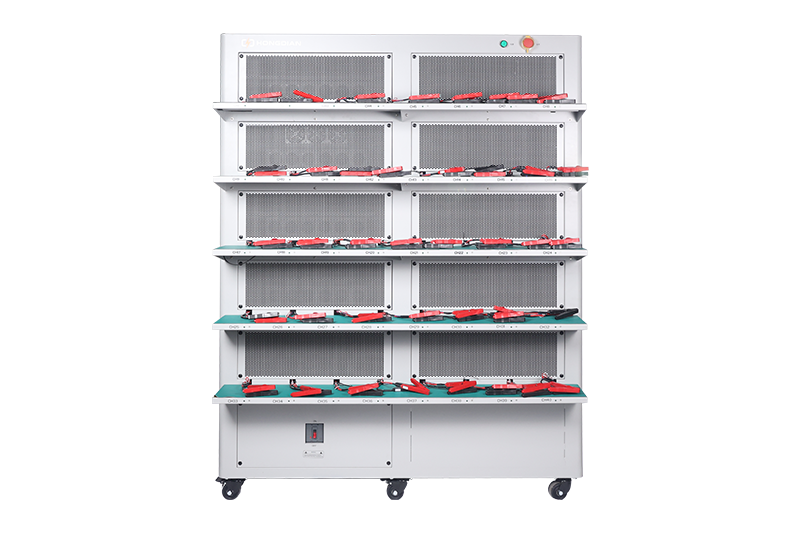 40 channel battery charging and discharging test integrated battery cabinet
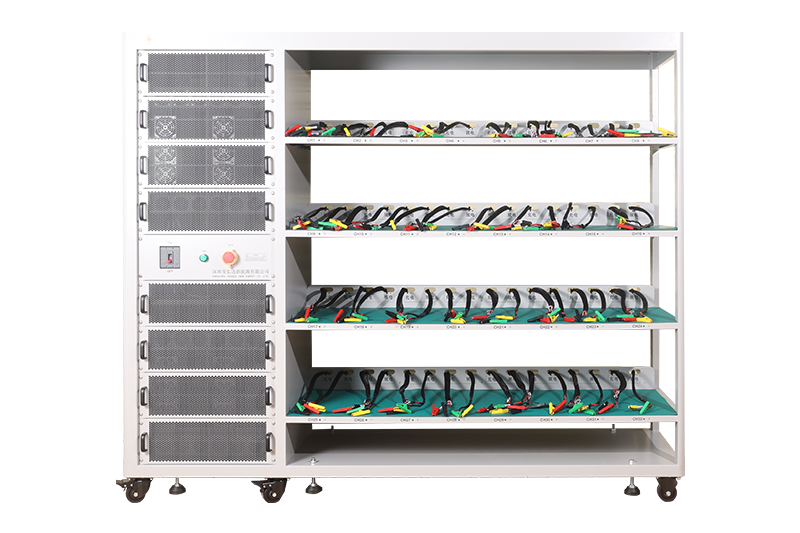 64 channel battery charging and discharging test integrated battery cabinet
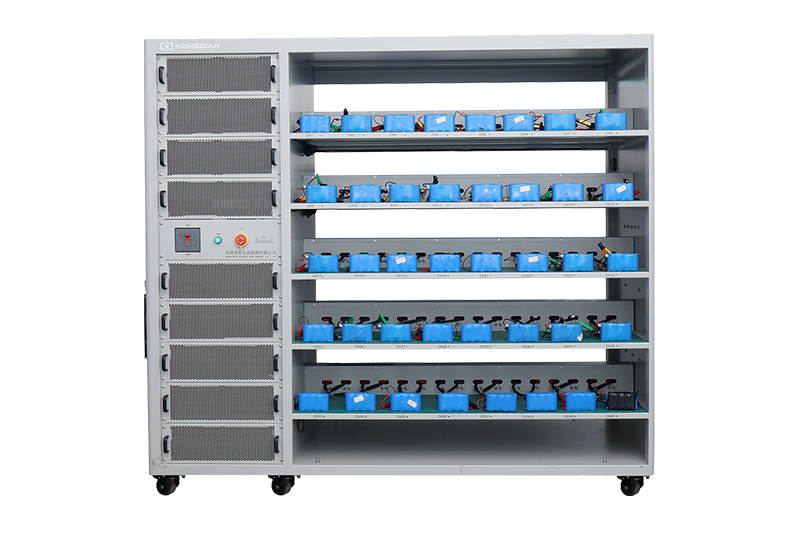 80 channel battery charging and discharging test integrated battery cabinet
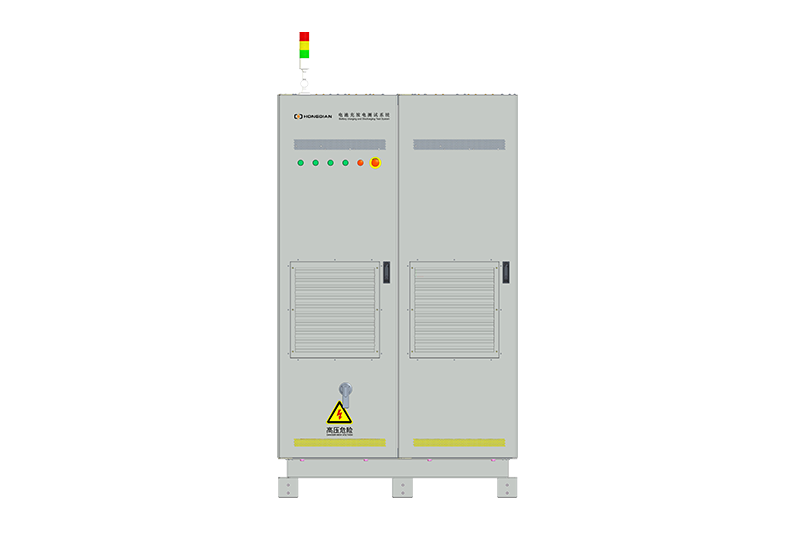 1000V-1500V High Voltage High Current Battery Testing System
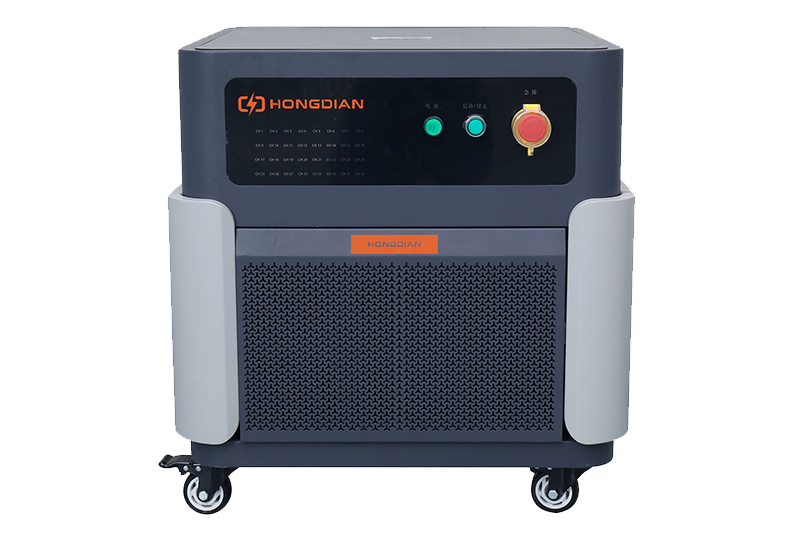 High-Precision Battery Testing System for Enhanced Performance Monitoring 30V/60V/100V/120V
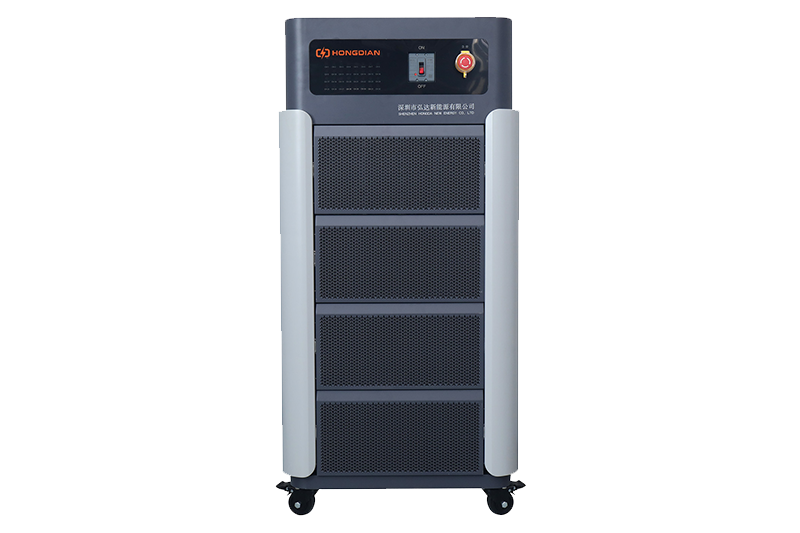 High-Precision Battery Charge Discharge Test Systems for EV Manufacturers
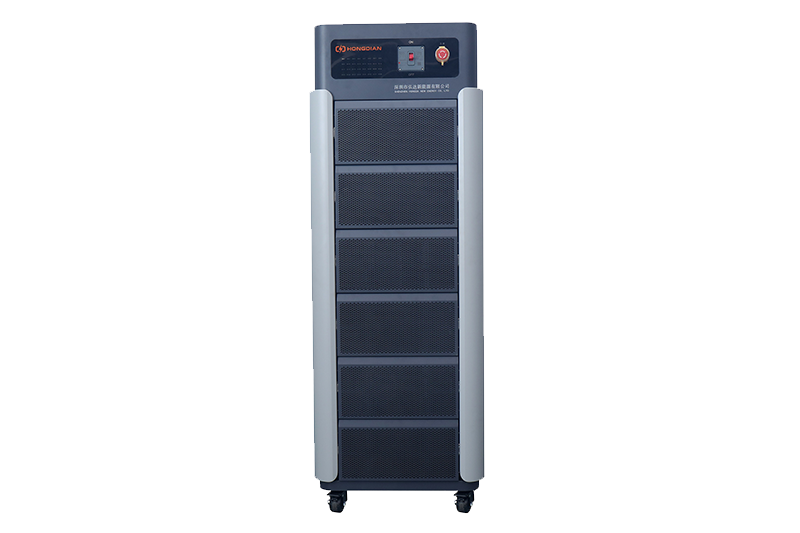 Precision Battery Test Racks for Cell Capacity & Internal Resistance Measurement
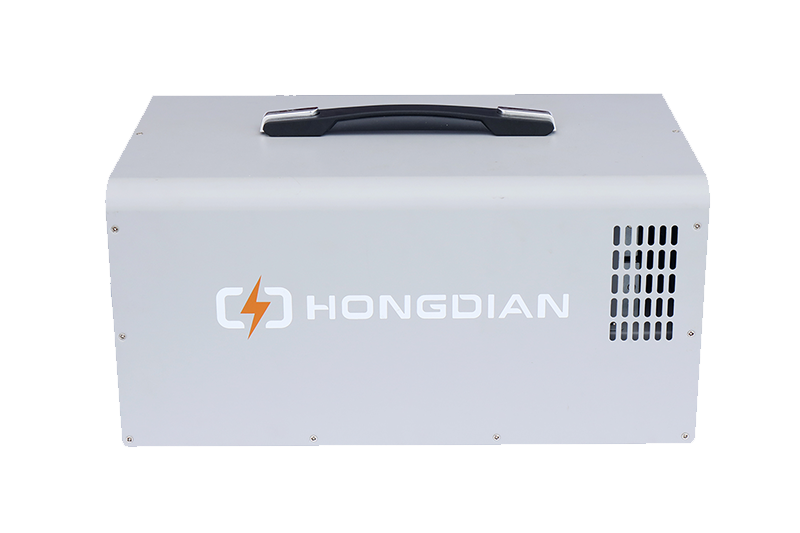 Multi-Channel Battery Testing Equipment for Parallel Performance Analysis