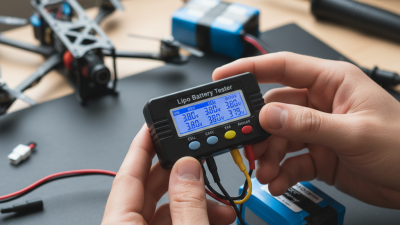
How to Choose the Best Motorbike Battery Tester for Your Needs?
Choosing the right Motorbike Battery Tester can significantly enhance your riding experience. According to a recent industry report, nearly 15% of motorcycle breakdowns are battery-related. A reliable tester ensures your battery is always in peak condition. With the right tool, riders can diagnose issues before they lead to a breakdown.
Motorbike batteries can lose power due to various reasons, such as extreme temperatures or poor maintenance. A quality Motorbike Battery Tester empowers owners to monitor health regularly. Relying on precise measurements can increase battery life and performance. However, many riders underestimate the importance of regular testing.
Investing in a Motorbike Battery Tester also provides peace of mind. Riders can avoid being stranded due to battery failure. Without proper testing, deteriorating batteries might remain unnoticed. It's essential to seek a reliable guide that highlights key features and trusted brands. The right choice makes all the difference in ensuring a dependable ride.
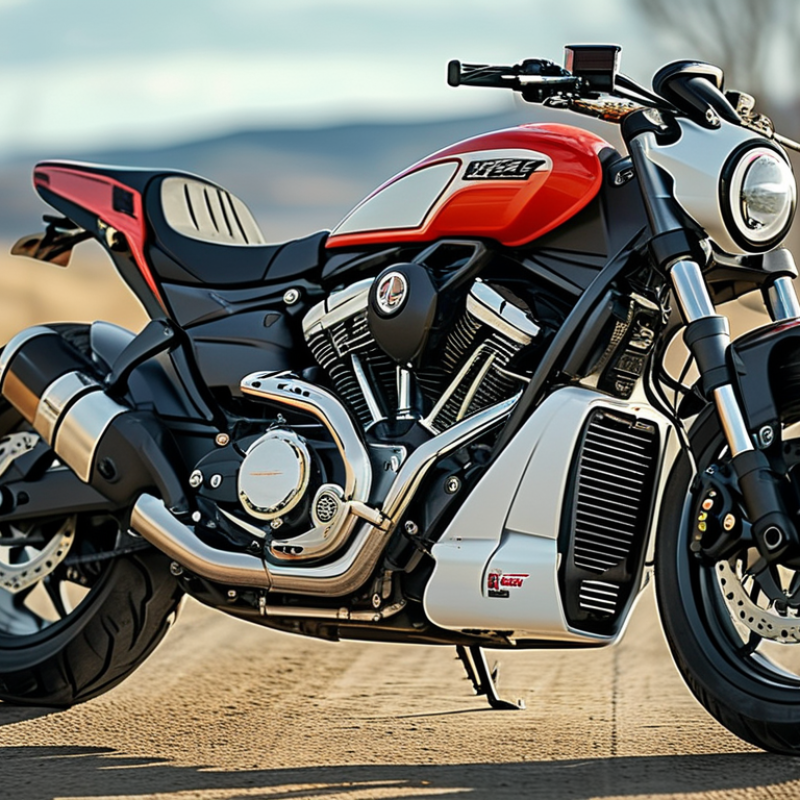
Understanding the Importance of a Motorbike Battery Tester
Understanding the importance of a motorbike battery tester is crucial for any rider. Your bike's battery is the heart of its electrical system. A weak or failing battery can lead to significant issues. Starting problems, electrical failures, and even safety hazards can arise from neglecting your battery’s health.
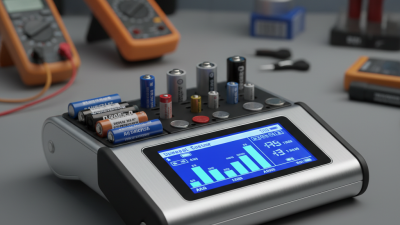
Using a quality motorbike battery tester can save you from unexpected breakdowns. These devices provide an accurate reading of your battery's voltage and overall health. Regular testing can help identify potential issues before they escalate. However, some testers may offer misleading results if not used properly. It’s essential to understand how to interpret the readings for more reliable assessments.
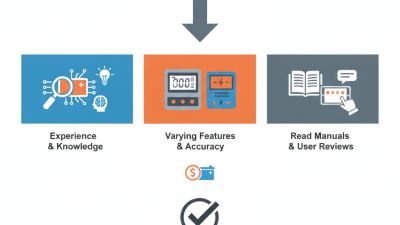
Choosing the right tester can feel overwhelming. There are many options available, ranging in features and price. Some may include advanced diagnostics, while others stick to basic voltage readings. Reflect on your needs; are you a casual rider or a frequent long-distance traveler? Knowing what you require can help you make a better choice. Personal experience can guide you here. Different testers have their pros and cons. This consideration becomes vital in making an informed decision. Always prioritize reliability and accuracy for your motorbike’s battery health.
Key Features to Look for in a Motorbike Battery Tester
When selecting a motorbike battery tester, it’s essential to focus on specific key features. A reliable tester should have a clear LCD screen for easy reading. Backlit displays can help in low-light conditions. Look for models that offer a range of voltage readings to accommodate different battery types. This versatility can prove beneficial if you own various bikes or plan to test others.
Another important feature is the tester’s battery life indicator. Knowing the health of your battery can prevent unexpected breakdowns. Some testers even include built-in safety features, like overvoltage protection. This ensures that both the tester and the bike's electrical system remain safe during use. Consider units that are compact and easy to carry. A portable design makes it convenient for on-the-go testing.
Accuracy should be your priority. Seek testers that guarantee precise readings. Some may not perform well in extreme temperatures. It’s worth reflecting on your typical usage environment. A product that’s reliable in warmer climates might falter in colder conditions. By focusing on these essential features, you can ensure that the tester meets your specific needs.
Types of Motorbike Battery Testers Available on the Market
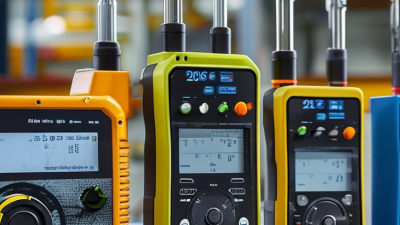
When selecting a motorbike battery tester, it's essential to understand the different types available. Most testers fall into two main categories: analog and digital. Analog testers display results through a needle on a dial. They are often more straightforward but may lack some precision. Digital testers provide numerical readouts, making it easier to interpret battery health. They can also offer additional features, like voltage checks and capacity assessments.
An essential aspect to consider is compatibility with your motorbike's battery type. Some testers are suited for lead-acid batteries, while others work best with lithium-ion batteries. If you use specialized batteries, ensure your tester can accommodate them.
Keep in mind that affordability doesn't always guarantee quality. Some budget options may perform inadequately, leading to inaccurate readings. If you plan to use the tester frequently, investing in a reputable model might be wiser. Research user reviews to gauge reliability. Look for testers that come with clear instructions. Understanding usage is crucial to ensure accurate results, especially for beginners.
How to Choose the Best Motorbike Battery Tester for Your Needs? - Types of Motorbike Battery Testers Available on the Market
| Type of Tester |
Measurement Type |
Best For |
Price Range |
| Analog Tester |
Voltage |
Basic usage and DIY mechanics |
$10 - $30 |
| Digital Tester |
Voltage, Capacity |
Casual riders and technicians |
$20 - $50 |
| Smartphone-Compatible Tester |
Voltage, Health Status |
Tech-savvy users |
$30 - $70 |
| Advanced Battery Analyzer |
Voltage, Load Test, Capacity |
Professional mechanics |
$50 - $150 |
| Load Tester |
Voltage, Load Test |
Performance testing |
$40 - $100 |
Comparing Prices and Brands for Optimal Value
When selecting a motorbike battery tester, understanding prices and brands is crucial. Many options exist, making it easy to feel overwhelmed. Setting a budget helps narrow down choices. Quality often varies with price, but more expensive does not always mean better. Sometimes, cheaper testers perform just as well.
Brand reputation is another essential factor. Some brands are well-known for their reliability. Others may offer similar features but lack credibility. Reading reviews can provide insight into performance and user satisfaction. Feedback from fellow riders can guide decisions. Look for testers that have solid customer support, as this can be a lifesaver if issues arise.
Reflecting on your specific needs is significant. A high-end tester may be unnecessary for casual use. Yet, investing in a reliable tool can save time and frustration in the long run. Take stumbles in purchasing decisions as learning moments. Choosing the right tester should enhance your riding experience, not complicate it.
Motorbike Battery Tester Comparison: Price and Features
How to Properly Use and Maintain Your Motorbike Battery Tester
When using a motorbike battery tester, understanding proper use is essential. Begin by reading the user manual thoroughly. This helps you grasp the specific functions of your tester. Most testers measure voltage, current, and resistance. Connecting the tester correctly is crucial. Incorrect connections may lead to inaccurate readings.
Regular maintenance extends the lifespan of your battery tester. Clean the probes after each use to prevent corrosion. Many experts recommend using a soft cloth and isopropyl alcohol. Ensure the tester’s battery is charged and functioning well. A tester that shows fluctuating results can lead to misdiagnoses. Check for firmware updates or calibration settings if available.
Understanding industry statistics can enhance your maintenance routine. According to reports, about 30% of battery failures occur due to improper testing methods. Additionally, regular testing can help avoid unnecessary replacements. Many enthusiasts often overlook the importance of routine checks. It can lead to unexpected situations during rides. Consider integrating a testing routine for better reliability and safety.

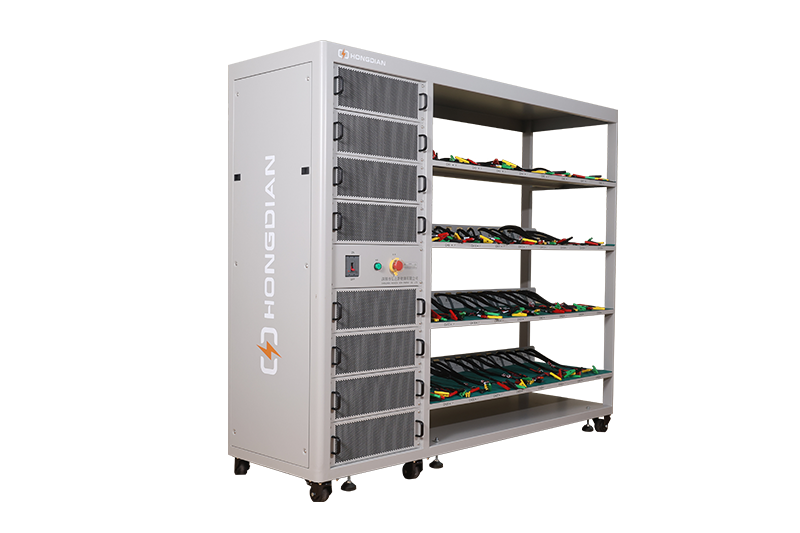 32/48 channel battery charging and discharging test integrated battery cabinet
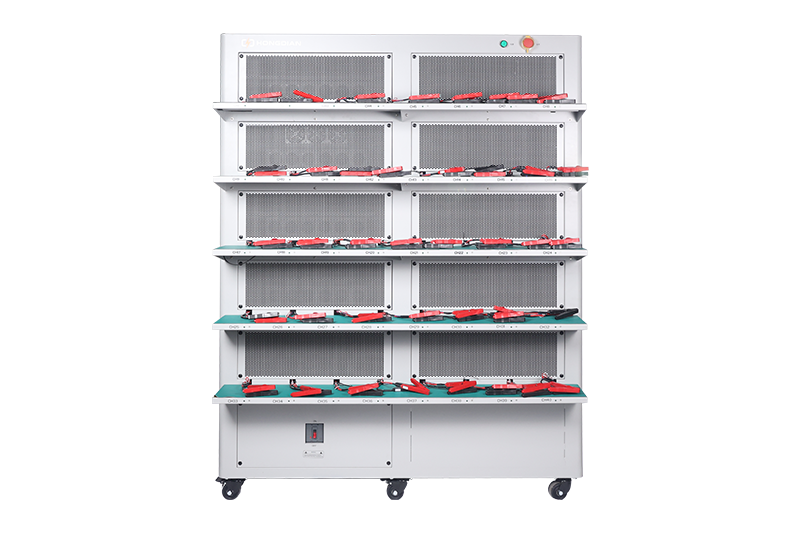 40 channel battery charging and discharging test integrated battery cabinet
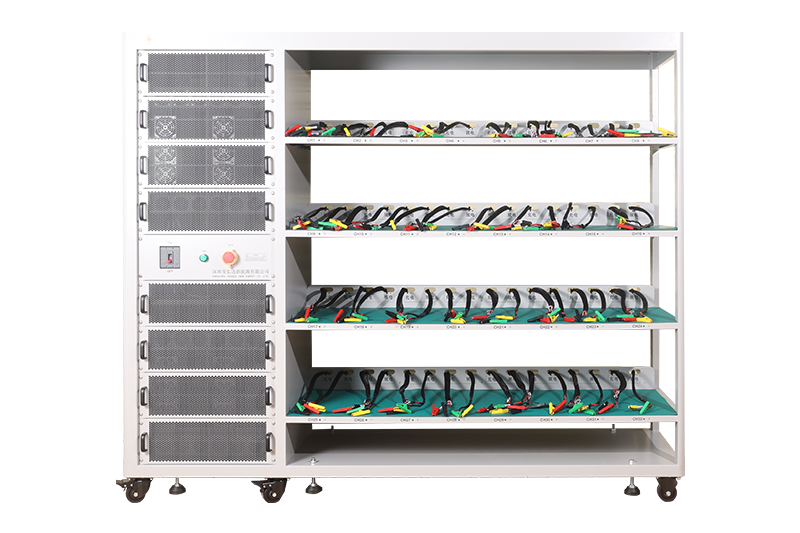 64 channel battery charging and discharging test integrated battery cabinet
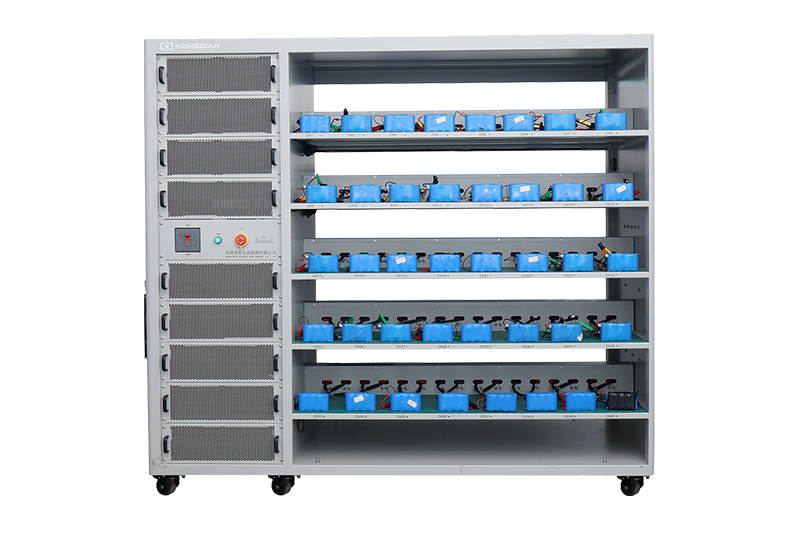 80 channel battery charging and discharging test integrated battery cabinet
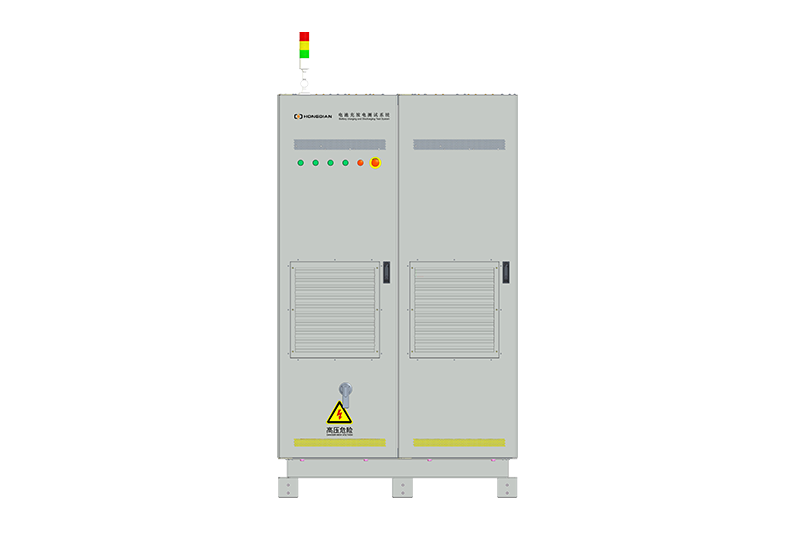 1000V-1500V High Voltage High Current Battery Testing System
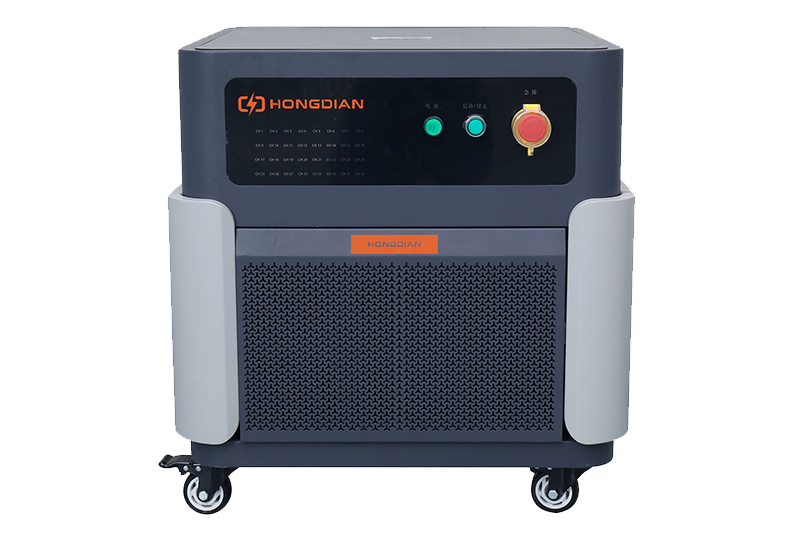 High-Precision Battery Testing System for Enhanced Performance Monitoring 30V/60V/100V/120V
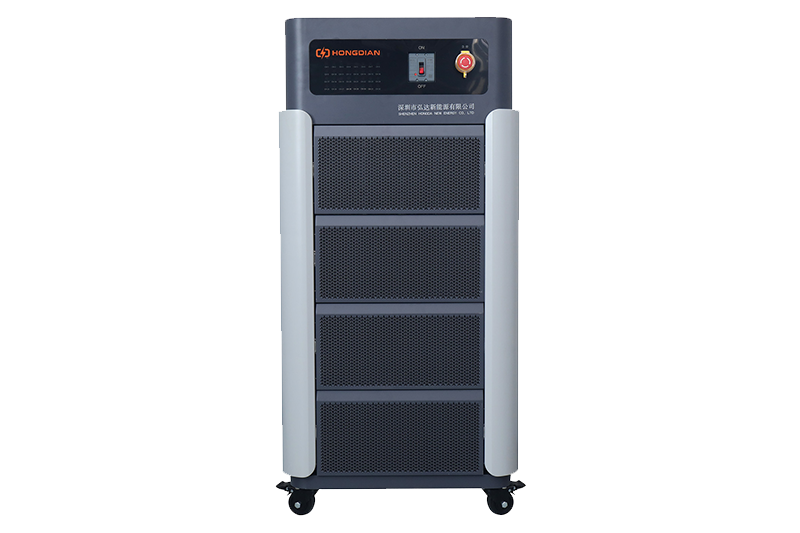 High-Precision Battery Charge Discharge Test Systems for EV Manufacturers
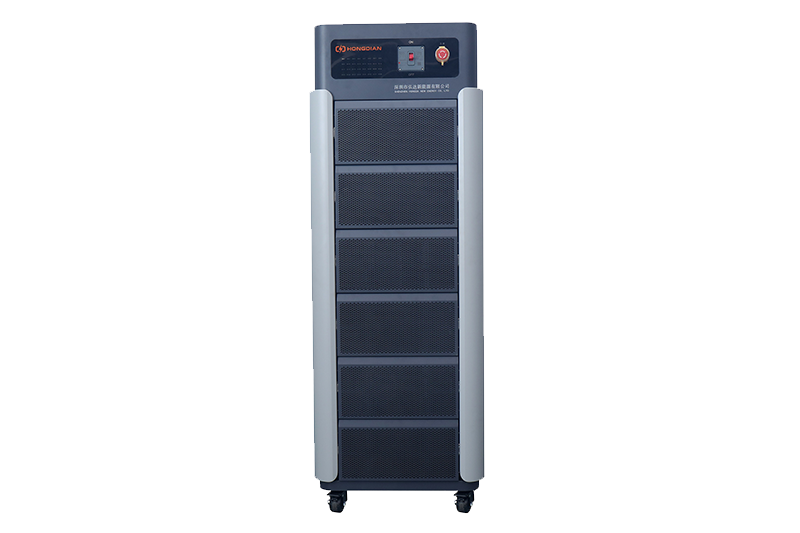 Precision Battery Test Racks for Cell Capacity & Internal Resistance Measurement
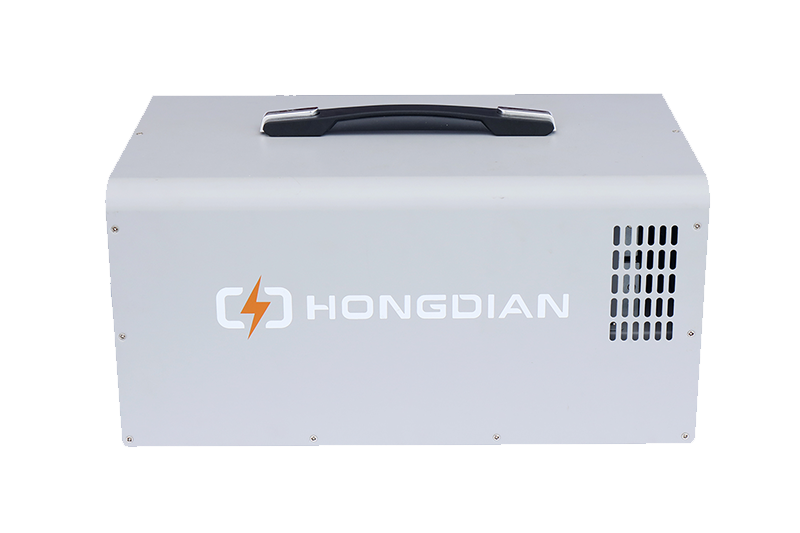 Multi-Channel Battery Testing Equipment for Parallel Performance Analysis