Top Motorbike Battery Tester Buying Guide for Global Suppliers
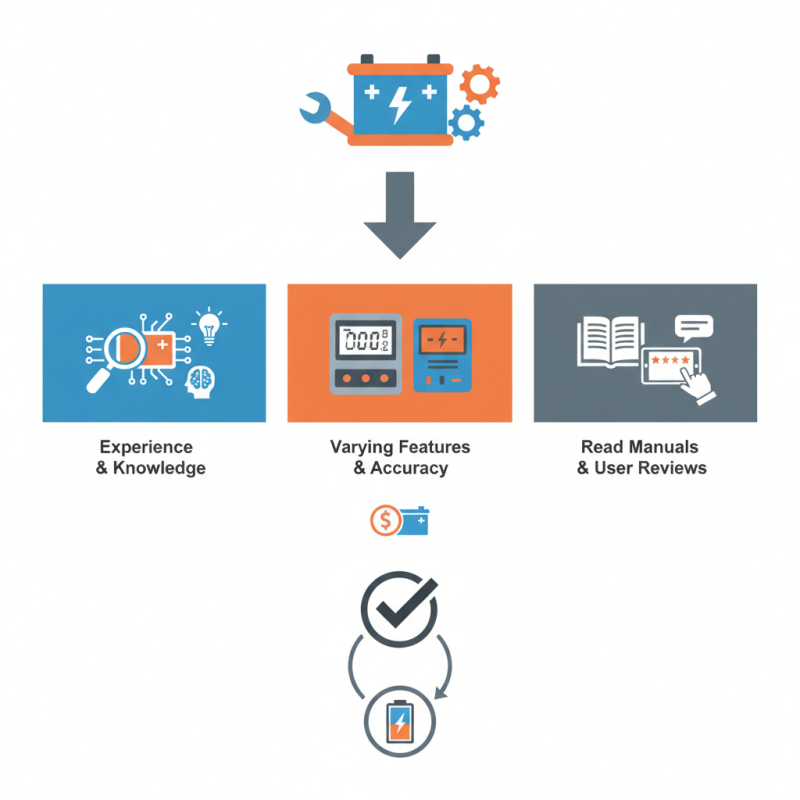
Choosing the right Motorbike Battery Tester is essential for every supplier. A reliable tester ensures optimal performance. Suppliers need experience and knowledge to select the best tools for their needs.
Motorbike Battery Testers vary in features and accuracy. Some models provide detailed readouts, while others are more basic. Users should consider specific requirements and usage scenarios. Price does not always indicate quality. An expensive tester may not always be the best choice.
One common mistake is neglecting user manuals. Every Motorbike Battery Tester comes with guidelines that enhance effectiveness. Missing these can lead to poor testing results. It's crucial to evaluate both the product and user reviews. Trustworthy sources can help suppliers make informed decisions.
Understanding the Importance of Motorbike Battery Testing for Performance
Understanding the importance of motorbike battery testing is crucial for optimal performance. A well-functioning battery ensures that your bike starts smoothly and operates efficiently. Poor battery health can lead to starting issues and unexpected breakdowns. Regular testing can help identify weak points before they become major problems.
Motorbike batteries degrade over time due to heat and vibrations. These factors can lead to a loss of capacity and performance. Testing helps in assessing the current state of the battery's voltage and capacity. It's more than just a precaution; it’s a necessary step in bike maintenance. Yet, many riders overlook this vital task, risking safety and performance.
Investing in proper battery testing equipment is essential. These tools can provide insights that go beyond a simple voltage reading. However, many users struggle to understand how to utilize these tools effectively. Improper use can lead to inaccurate readings and wasted time. It’s important to seek guidance or conduct thorough research to ensure accuracy. The learning curve might be steep, but the benefits to your bike’s performance will be worth it.
Key Features to Look for in Motorbike Battery Testers for Accurate Results
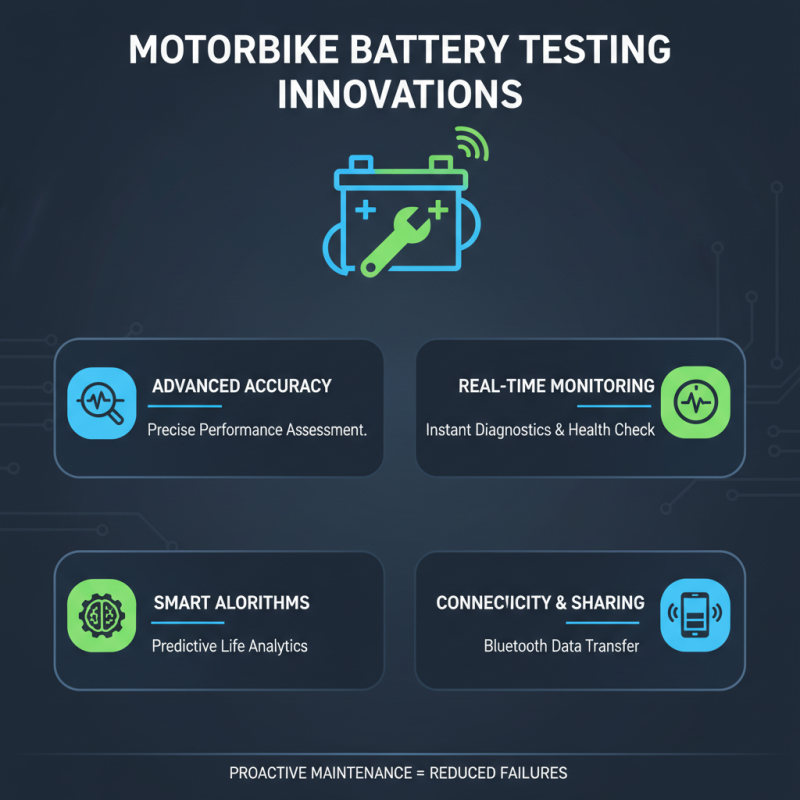
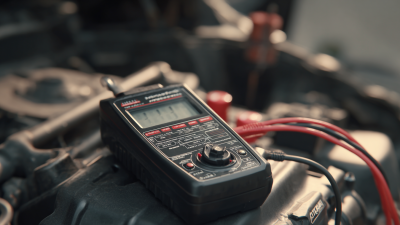
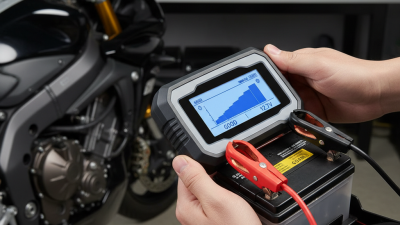
When selecting a motorbike battery tester, accuracy is paramount. Look for features like digital readouts, which provide clear voltage readings. Some testers offer additional functions, such as load testing. These can help you assess the battery's performance under real-life conditions. A robust tester should also handle various battery types, including lead-acid and lithium.
Tips: Check user reviews for insights. This feedback can highlight performance and reliability issues that specifications might not reveal.
Consider the design and portability of the tester. Lightweight models are easier to use and store. However, do not overlook sturdiness; a fragile tester may break easily. Your investment matters, so insist on quality.
Battery testing should be straightforward, yet many products complicate things. Avoid models with confusing interfaces. Look for testers with a user-friendly design to save time and frustration. Simple indicators can guide you through the process effectively.
Top Motorbike Battery Tester Buying Guide for Global Suppliers
| Feature |
Description |
Importance |
| Voltage Measurement |
Ability to accurately measure the voltage of the battery. |
High |
| Current Load Testing |
Tests the battery under load to assess performance. |
Very High |
| Digital Display |
Clear digital readout for easy interpretation of results. |
Moderate |
| Compatibility with Battery Types |
Ability to test various types of batteries (lead-acid, lithium, etc.). |
High |
| Portability |
Easy to carry and use in different locations. |
Moderate |
| User-Friendly Interface |
Simple controls and instructions for hassle-free operation. |
High |
| Warranty and Support |
Manufacturer's warranty and customer service access. |
High |
Industry Standards and Certifications for Reliable Battery Testers
In the world of motorbike battery testing, understanding industry standards and certifications is critical. Reliable battery testers must meet specific criteria to ensure accurate results. According to a recent report by Battery Management Systems Association, around 75% of battery failures occur due to issues that testing can identify. Thus, manufacturers and suppliers should seek testers that adhere to internationally recognized certifications.
Quality assurance is non-negotiable. Certifications such as ISO 9001 ensure that battery testers maintain performance over time. A study from the International Electrotechnical Commission revealed that devices meeting these standards reduce troubleshooting time by nearly 50%. Testers must also fulfill safety standards like UL and CE, ensuring they can handle various environmental conditions safely.
However, the disparity in testing accuracy can be concerning. Some products may claim compliance without rigorous evaluation. A survey showed that over 30% of suppliers did not verify their testers' certifications. This gap creates risks for users reliant on equipment for maintenance. Therefore, evaluating suppliers' credibility and past performance is essential. Consider seeking out products that are transparently attested by independent entities.
Top Brands and Models of Motorbike Battery Testers in Global Markets
When searching for a motorbike battery tester, focus on the key features that matter most. Reliable testers should provide accurate voltage readings and performance assessments. A good model will often measure cranking amps, capacity, and offers clear, easy-to-read displays. Compact size and lightweight construction are important for portability.
A range of brands offer valuable options in the market. Some well-regarded models typically feature advanced technology for precision. Users appreciate those that can diagnose multiple battery types, including lead-acid and lithium. However, not all products consistently meet expectations, leaving some users dissatisfied. Regular reviews and forums often highlight a few standout models, guiding potential buyers toward the best choices. Reading user experiences can reveal useful insights.
It's essential to consider price versus performance. Some high-end models promise many features but might not justify their cost. A motorbike battery tester should deliver reliability without unnecessary complexity. Many testers lack extended warranties or customer support, which can be frustrating. Look for models that balance affordability with proven functionality for the best buying experience.
Motorbike Battery Tester Performance Overview

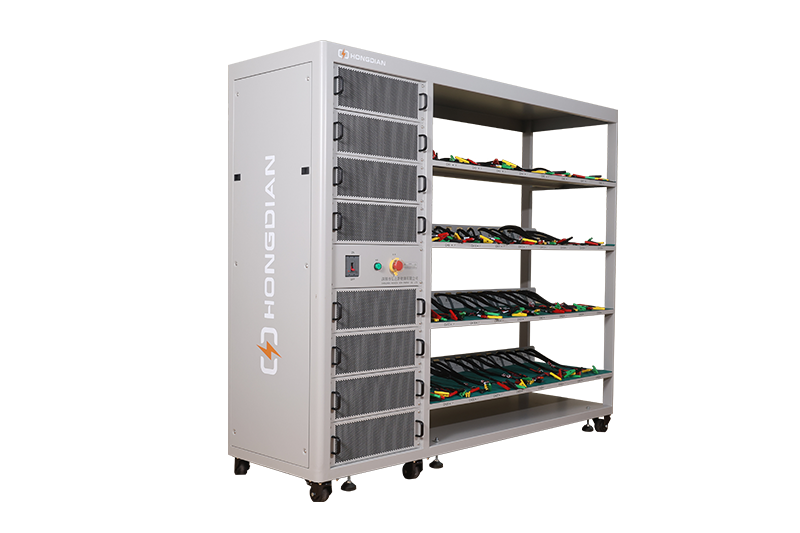 32/48 channel battery charging and discharging test integrated battery cabinet
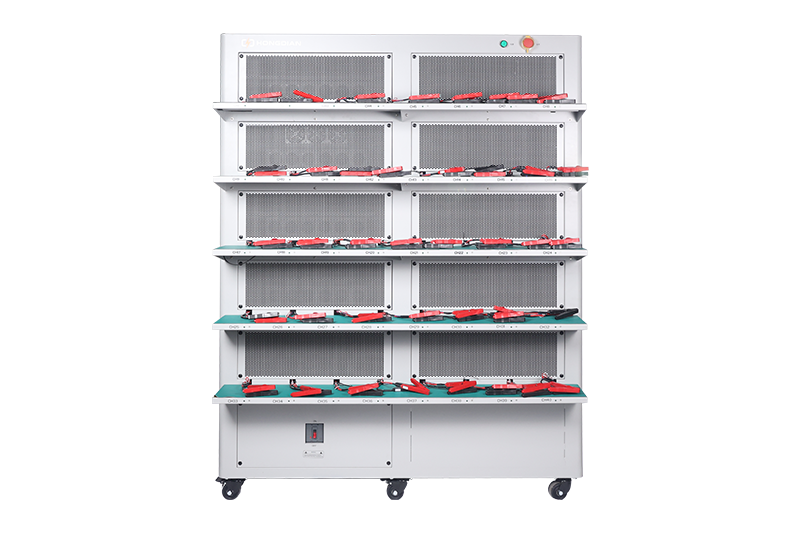 40 channel battery charging and discharging test integrated battery cabinet
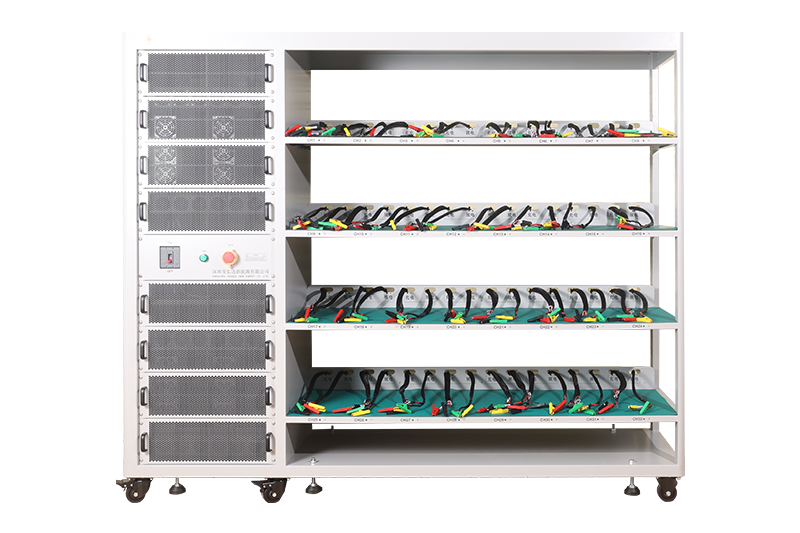 64 channel battery charging and discharging test integrated battery cabinet
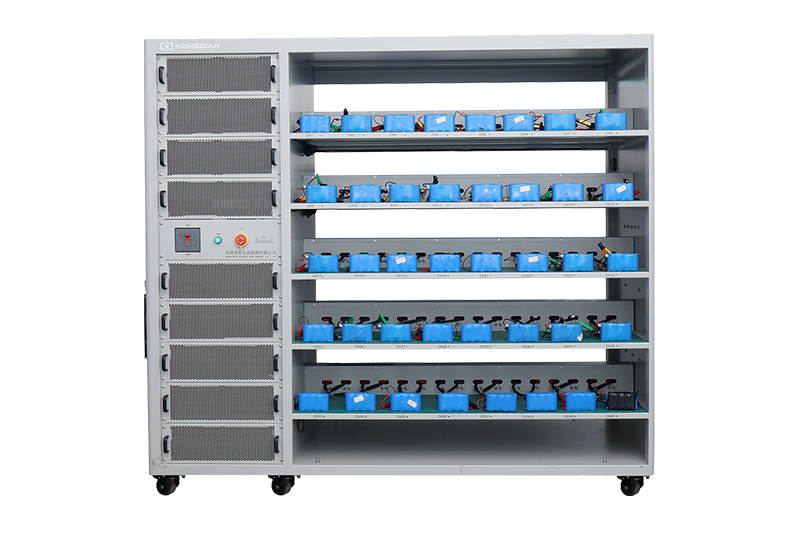 80 channel battery charging and discharging test integrated battery cabinet
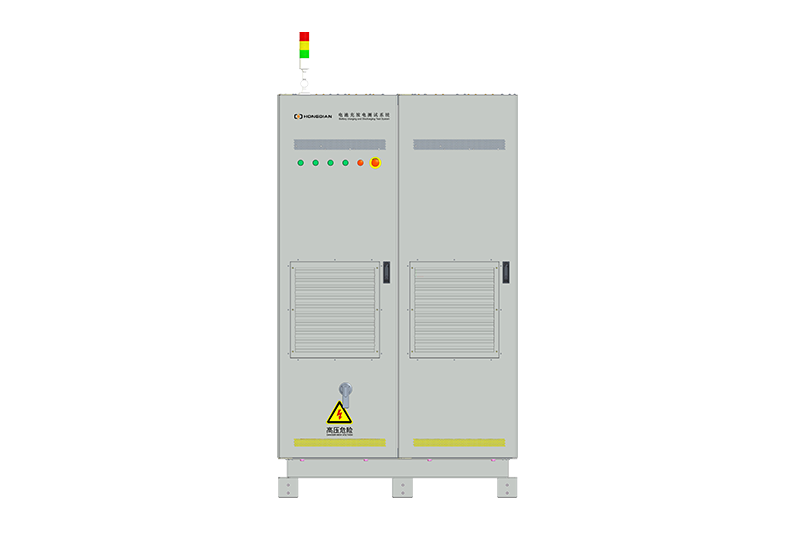 1000V-1500V High Voltage High Current Battery Testing System
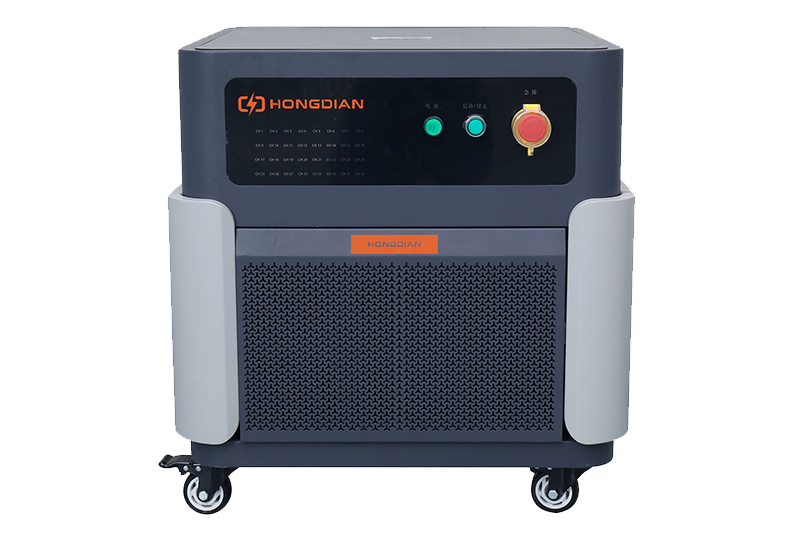 High-Precision Battery Testing System for Enhanced Performance Monitoring 30V/60V/100V/120V
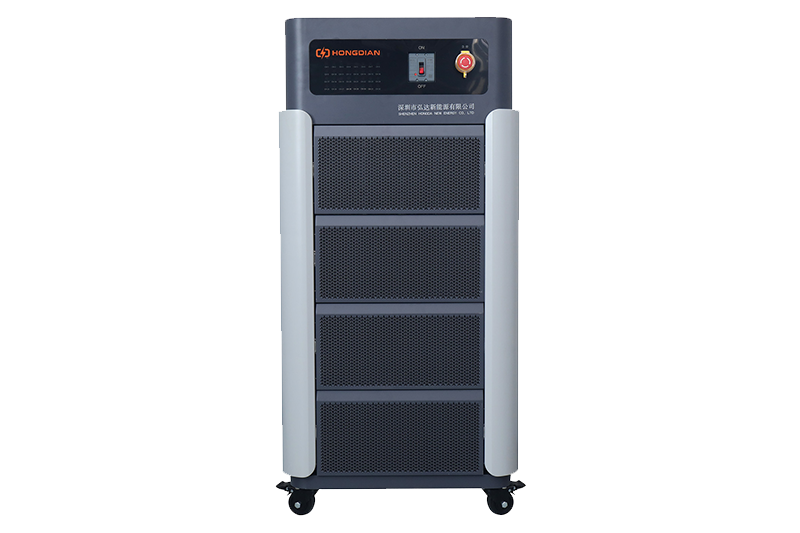 High-Precision Battery Charge Discharge Test Systems for EV Manufacturers
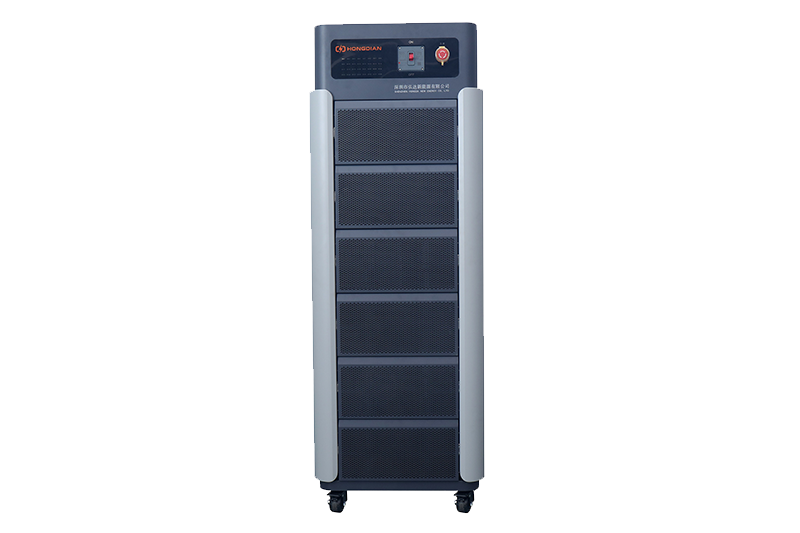 Precision Battery Test Racks for Cell Capacity & Internal Resistance Measurement
 Multi-Channel Battery Testing Equipment for Parallel Performance Analysis