request to quote
Leave Your Message

Best Battery Testing Machine Manufacturers in China

Choosing a Battery Testing Machine manufacturer in China requires more than comparing prices or browsing product photographs. The right system should match your cell format, test range, channel count, and daily workload. A small cylindrical-cell laboratory may need different fixtures and software from a pack-testing facility. Details matter. Check voltage and current accuracy, temperature monitoring, data export, and safety features against your actual test plan. Ask how calibration is documented and what support is available after installation. A polished specification sheet is useful, but it cannot replace clear answers about service, spare parts, and commissioning.

This overview of Best Battery Testing Machine Manufacturers in China offers a practical starting point for comparing suppliers. It focuses on capabilities buyers can verify, such as equipment configuration, stated measurement performance, customization options, and technical support. Request sample reports and confirm that the proposed system can run your intended charge, discharge, cycle-life, or capacity tests. If possible, review the interface and discuss how alarms and test data are handled. Not every supplier will suit every application. That is worth remembering. Manufacturer claims should be checked against written specifications, references, and a defined acceptance test. The shortlist can guide your research, but your own requirements should make the final call.

Best Battery Testing Machine Manufacturers in China

Battery Testing Machines: Types, Functions, and Core Components

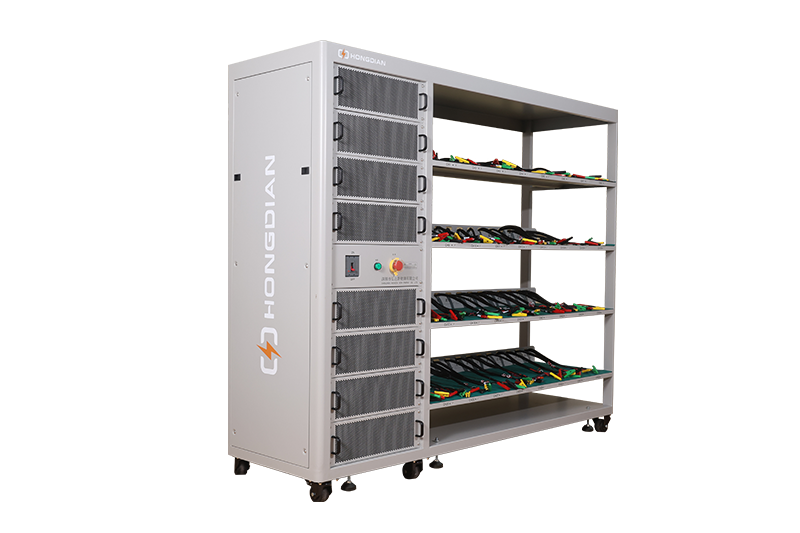
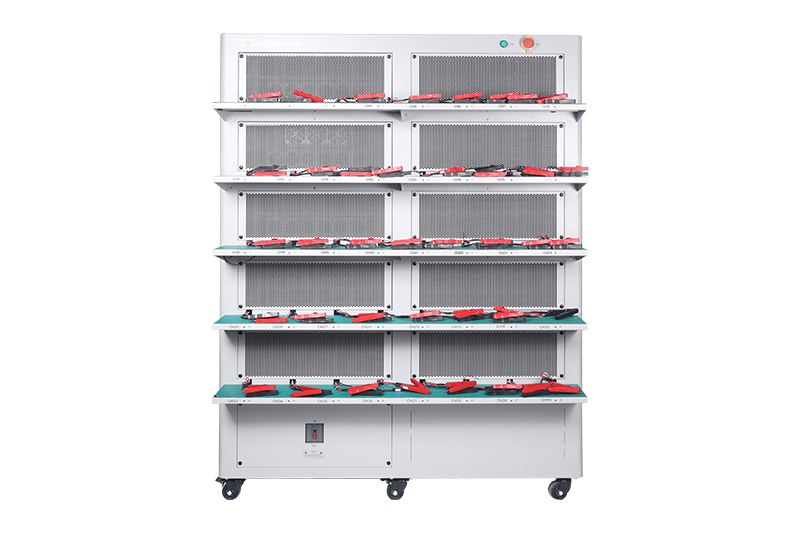
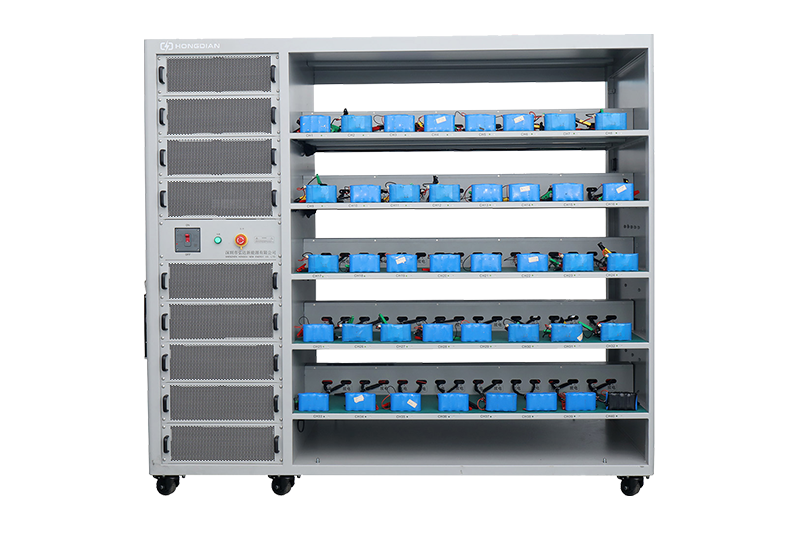
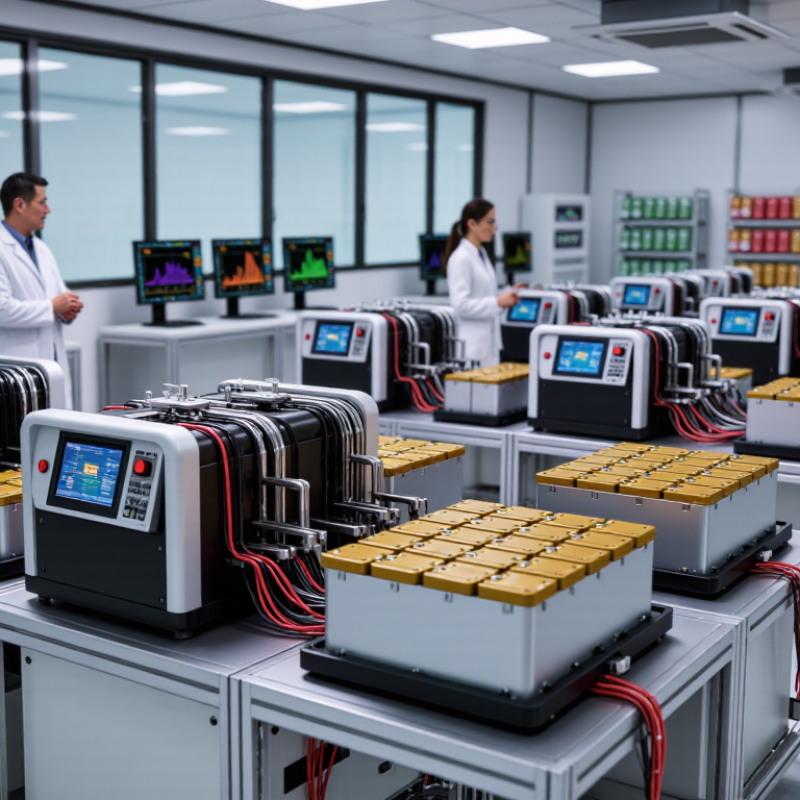
Battery testing machines support cell development, incoming inspection, and production quality checks. Cell cyclers repeatedly charge and discharge batteries to measure capacity and aging. Capacity testers record usable energy under defined current and temperature conditions. Impedance analyzers examine internal resistance, while safety systems monitor conditions such as overheating or abnormal voltage. Small differences matter.

A cycler uses programmable channels to control current, voltage, and test duration. Precision measurement circuits capture electrical data, and software stores each cycle for comparison. Temperature chambers can reveal how cold or heat affects performance. The test plan must match the battery type; a setting suited to one cell may distort results for another.

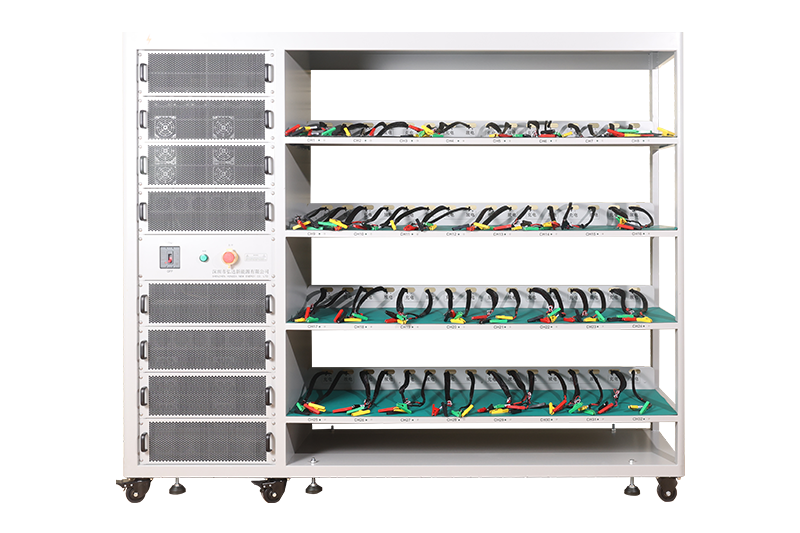
Core components include power modules, sensors, channel controls, data systems, and secure cell fixtures. Fixtures deserve attention. Loose contacts can create misleading readings, even when the machine is calibrated. Operators should check wiring, sensor accuracy, and calibration records before relying on test results. In practice, setup errors still happen, so clear procedures and repeat tests are useful. A machine alone cannot guarantee good data.

How to Evaluate Battery Testing Machine Manufacturers in China

Choosing a battery testing machine manufacturer in China starts with the test requirements, not a product brochure. Define the battery type, voltage and current range, channel count, and test conditions your lab actually needs. Ask for sample test reports and confirm that the machine can record data at the intervals your engineers require. Small details matter.

Check how the manufacturer verifies measurement accuracy. Request calibration documents, equipment specifications, and an explanation of how faults are handled. Ask for a live demonstration using a test profile similar to yours, then compare the displayed readings with an independent meter. Ask for proof. A polished demonstration is useful, but it cannot replace testing your own samples.

Review the build quality and support process, too. Look closely at cable connections, channel labels, emergency stops, and the clarity of the operating software. Ask how installation, operator training, spare parts, and remote troubleshooting are arranged. If possible, speak with a customer using the equipment for comparable tests. Even a careful checklist can miss something; a trial run may reveal confusing software or an awkward workflow. Be willing to revise your evaluation after seeing the machine in use.

Best Battery Testing Machine Manufacturers in China - How to Evaluate Battery Testing Machine Manufacturers in China

Use this scorecard to compare suppliers against the needs of your application. The suggested weights are an evaluation framework, not measured rankings of individual manufacturers. Confirm every specification against the proposed equipment, test method, and written quotation.

Evaluation Dimension Suggested Weight What to Check Evidence to Request Practical Evaluation
Test Range and Application Fit 15% Confirm that voltage, current, power, channel count, and fixture options match the cell, module, or battery pack under test. Datasheet showing operating ranges, channel configuration, supported test objects, and any range-dependent limitations. Compare the offered operating envelope with your test plan; check that required values are available without exceeding the equipment’s rated limits.
Measurement Accuracy and Repeatability 15% Review voltage and current accuracy, resolution, stability, repeatability, and the conditions under which each specification applies. Complete accuracy specifications, measurement conditions, and sample test or verification records for the proposed model. Check whether accuracy is stated as a percentage of reading, full scale, or a combination. Compare equivalent specifications rather than resolution alone.
Channel Design and Synchronization 10% Assess channel independence, simultaneous operation, channel-to-channel consistency, and synchronization for multi-channel testing. System architecture, channel configuration, synchronization details, and a demonstration using the intended number of channels. Verify that the quoted configuration—not just an optional or higher-end system—supports the required test workflow.
Test Methods and Standards Support 10% Check whether the system can implement the procedures and data requirements relevant to your product and market. Applicable standards depend on the battery type and intended use. Example test profiles, editable step sequences, reporting samples, and a written mapping of requested procedures to system functions. Ask the supplier to demonstrate a representative test procedure. Do not treat a standards reference as proof of certification or compliance by itself.
Safety and Protection Functions 12% Review available over-voltage, over-current, over-temperature, and other configured protection functions, plus emergency stop and fault handling. Protection-function list, alarm and shutdown behavior, wiring guidance, and safety documentation for the proposed configuration. Confirm protection thresholds and recovery behavior with the supplier. Evaluate facility-level safeguards separately according to your risk assessment.
Software, Data, and Traceability 10% Assess test-program editing, live monitoring, data export, report generation, user access controls, and records needed for traceability. Software demonstration, example raw-data files and reports, supported export formats, and information about data storage and backup. Run a sample workflow from test setup through data export, and check that the output contains the fields your quality process requires.
Calibration and Verification 8% Review calibration intervals, available calibration services, measurement traceability, and how equipment is checked after service. Sample calibration certificate, calibration procedure, recommended interval, and details of the calibration provider and scope. Where required by your quality system, verify the certificate’s scope and traceability. ISO/IEC 17025 accreditation applies to a laboratory’s defined scope, not automatically to the equipment or manufacturer.
Build Quality and System Integration 7% Check fixtures, wiring, connectors, enclosure, cooling, maintainability, and compatibility with your site’s electrical and environmental conditions. Drawings, installation requirements, recommended operating conditions, maintenance instructions, and details of included accessories. Review a comparable installed system or arrange a factory acceptance test when practical. Confirm all interfaces and installation responsibilities in writing.
Technical Support and Training 7% Evaluate commissioning, operator training, troubleshooting support, documentation language, and access to qualified service personnel. Written support scope, response process, training agenda, manuals, and escalation procedure. Ask who will provide support, in which languages, and through which channels. Confirm any service commitments in the contract.
Warranty, Spare Parts, and Total Cost 6% Compare warranty coverage, exclusions, spare-parts availability, maintenance costs, delivery terms, and software or service fees. Itemized quotation, warranty terms, recommended spare-parts list, maintenance schedule, and stated lead times. Compare the complete cost of ownership and the exact scope of supply, rather than purchase price alone.

Leading Battery Testing Machine Manufacturers in China

Leading battery testing machine manufacturers in China serve cell makers, pack assemblers, laboratories, and quality teams. Their equipment may measure voltage, current, capacity, cycle life, and temperature behavior. A suitable system should match the battery format and test range, not just look impressive in a catalog. Details matter.

When comparing suppliers, ask how instruments are calibrated and how test data is stored and exported. Check fixture quality, channel consistency, temperature control, and emergency stop functions. Request a demonstration using a sample close to your own cell or pack. Clear operating manuals and responsive technical support also matter, especially when a test stops unexpectedly. A low purchase price can hide extra setup work.

Supplier claims still need verification. A polished report does not prove that results will match your production conditions. Even experienced buyers can overlook differences in wiring, fixtures, or software settings. Ask for documented test procedures and review the results with your engineering team. No machine removes the need for sound judgment; repeatability depends on the setup, the operator, and the sample. That part is easy to underestimate.

Technologies and Industries Served by Chinese Manufacturers

Chinese battery-testing equipment makers build systems around programmable cyclers, thermal chambers, impedance analyzers, and safety fixtures. These tools measure capacity, cycle life, temperature response, and cell-to-cell consistency. In an EV lab, engineers may cycle pouch cells at controlled rates while thermocouples track surface heat. Pack-level rigs add vibration, insulation, and fault monitoring. Small details matter. Loose connections can distort voltage readings, yet rushed test plans sometimes overlook them. That deserves attention.

The IEA’s 2024 Global EV Outlook puts electric-car battery demand at about 750 GWh in 2023, up 40%. That scale increases demand for repeatable cell, module, and pack validation. Chinese equipment makers also supply labs serving stationary storage, consumer electronics, and electric mobility. Storage tests emphasize long-duration cycling; compact electronics may require smaller fixtures and tight temperature control. Automotive programs may reference IEC 62660, while portable-cell evaluations can draw on IEC 62133-2. Standards help, but they cannot replace protocols matched to real operating conditions. Thermal uniformity remains hard to get right.

How to Choose a Manufacturer for Your Testing Requirements

Choosing a battery testing machine manufacturer starts with the tests your team actually performs. Define battery format, voltage range, current, capacity, and daily sample volume. A compact cell laboratory may need different fixtures from a production line. Details matter.

Ask for the machine’s measurement accuracy, channel consistency, temperature control range, and data export options. Request calibration records and a sample test report. Check whether the report stores timestamps, test conditions, and operator settings. This makes results easier to review when a cell behaves unexpectedly. Software can look clear in a demonstration but feel cumbersome during a long test cycle. Try it with your own test steps.

Evaluate installation, training, spare-part availability, and response times for technical support. Ask how the supplier diagnoses a channel that drifts or stops mid-cycle. If possible, run representative samples before purchase and compare the readings with your existing method. No checklist catches everything. It is easy to focus on specifications and overlook fixture changes, which can slow daily work. A low quote may also exclude useful accessories or on-site setup, so compare the complete operating package.