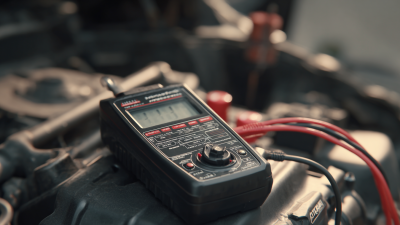
Best Battery Analyser for Accurate Testing and Performance Evaluation?
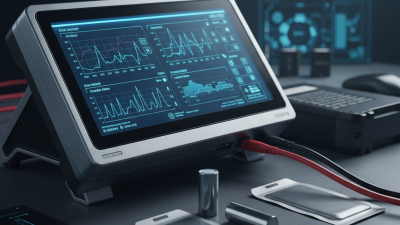
As the demand for portable power sources increases, an effective Battery Analyser becomes essential. According to a report by the International Energy Agency, global battery production capacity is expected to exceed 2.5 terawatt-hours by 2030. This growth underscores the increasing need for accurate testing and performance evaluation tools. A reliable Battery Analyser can help ensure efficiency and longevity in battery life, catering to diverse applications across various industries.
In the realm of battery management, precision matters. A reliable Battery Analyser provides essential data on health, capacity, and discharge rates, allowing users to make informed decisions. Yet, not all analysers meet industry standards. Some may yield inaccurate results that misguide users. Practical insights reveal that an estimated 30% of battery failures stem from improper testing methods. This discrepancy highlights the necessity of selecting the best Battery Analyser.
Navigating the market can be challenging. Some products may promise high performance but fail under real-world conditions. A Battery Analyser should not only be user-friendly but also provide comprehensive metrics. Understanding limitations and potential inconsistencies in reported data will enhance user experience and improve battery management.
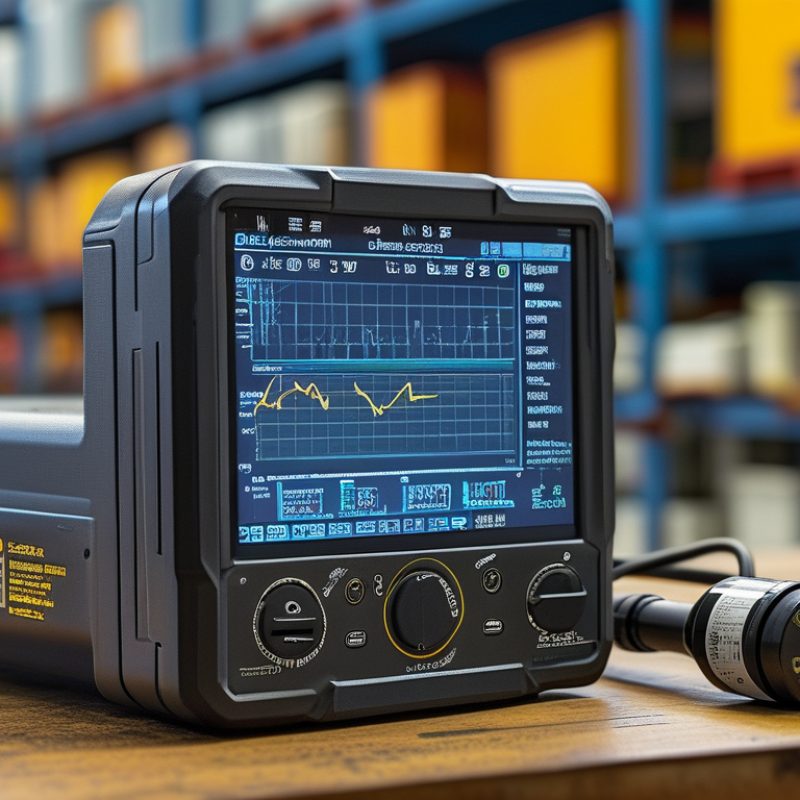
Best Battery Analyser Features for Accurate Testing Performance
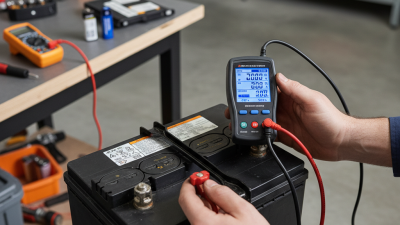
When selecting a battery analyser, features play a crucial role in ensuring accurate testing and performance evaluation. A high-quality device should provide clear voltage readings and comprehensive capacity metrics. Easy calibration options contribute to user confidence in results. A good analyser should also include temperature sensitivity, as this can influence performance outcomes significantly.
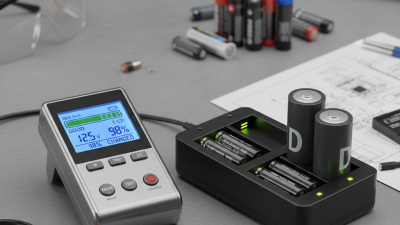
Moreover, user-friendly interfaces enhance the testing experience. Devices with backlit screens allow for easy visibility in various lighting conditions. Some options even include Bluetooth connectivity, enabling data transfer to mobile applications for in-depth analysis. However, potential users should consider the complexity of features. Overly complicated settings may lead to inaccurate readings if not properly understood.
Battery health is not solely about voltage readings. A reliable battery analyser should also evaluate internal resistance. This factor directly correlates with performance and longevity. Yet, users may struggle with grasping how resistance affects overall battery health. It is essential to approach these metrics with a critical mindset. Regular usage can uncover underlying issues with batteries that may go unnoticed otherwise.
Understanding Battery Chemistry for Enhanced Testing Accuracy
Understanding battery chemistry is crucial for accurate testing. Batteries consist of various elements like lithium, nickel, and cobalt. Each element plays a vital role in performance. Knowing how these materials interact ensures better evaluations.
Tips: Always check the battery's state before testing. A consistent temperature also helps maintain accuracy. Monitor the voltage levels closely; any fluctuations can indicate potential issues.
Battery performance varies with environmental factors. Humidity and temperature can impact results. Testing in controlled conditions can help mitigate these influences. However, real-world applications might differ.
Tips: Regularly calibrate your testing equipment. This ensures reliable data. Keep a log of your tests; patterns can reveal important insights over time.
Key Metrics for Evaluating Battery Performance in Analyzers
When evaluating battery performance, specific metrics play a critical role. Capacity, measured in amp-hours (Ah), indicates how much charge a battery can store. According to industry standards, a healthy battery should retain about 80% of its original capacity over time. If a battery shows a significant drop, it may indicate underlying issues.
Another important metric is the internal resistance, measured in milliohms (mΩ). High internal resistance can lead to energy loss and overheating. A recent analysis highlighted that batteries with low internal resistance demonstrate better efficiency and longer lifespans. For optimal performance, a resistance below 10 mΩ is ideal.
Voltage is also a key indicator of battery health. A fully charged lithium-ion battery should range between 4.2 to 4.4 volts per cell. Consistent readings below this threshold suggest a need for testing. Discharge cycles should also be monitored. Cycles beyond 500 can significantly affect performance. Tracking these metrics ensures reliable battery operation and empowers users with actionable insights.
Top Industry Brands for Reliable Battery Analyser Recommendations
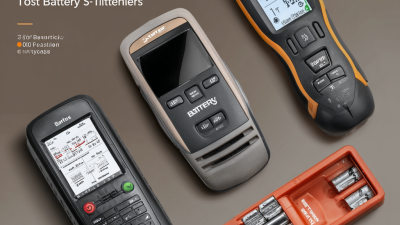
When selecting a battery analyser, understanding the top industry brands is crucial. These brands specialize in reliable testing equipment. Their products often come with advanced features. Some models offer real-time diagnostics, ensuring accurate evaluations. Such details improve overall performance assessments.
Additionally, the design of these analysers contributes to usability. Many devices feature clear displays and intuitive controls. This makes it easier for users to interpret results quickly. However, it's essential to consider that not all brands meet every need. Users may find some devices lacking in specific capabilities. Always research user reviews for insights.
Battery analysers vary in accuracy, which can lead to frustration. It's crucial to choose a model that aligns with your requirements. Some brands may excel in specific areas like capacity testing, while others may not. Reflecting on your needs helps in making an informed choice. Always keep in mind the importance of quality over brand name. Good decisions stem from careful evaluation and understanding of your specific context.
Battery Analysis Results: Testing Performance of Various Battery Types
Advanced Technologies in Battery Analysis for Professional Use
Battery analysis technology has evolved significantly, benefiting professionals who need precise evaluations. Advanced analyzers employ sophisticated methods like electrochemical impedance spectroscopy and cyclability testing. These approaches provide insights into battery health and efficiency. Professionals can now assess the performance of batteries in real-time, ensuring reliable outcomes.
Incorporating artificial intelligence enhances the interpretation of data. AI tools can predict battery lifespan based on usage patterns. This means users can make informed decisions about maintenance and replacements. However, reliance on technology can pose challenges. Not all users are trained to understand advanced metrics, leading to potential misinterpretations.
Moreover, some testing methods can be expensive and time-consuming. Not all professionals have access to top-tier analyzers. This disparity can create a gap in accurate battery assessments. It's crucial to evaluate the available tools carefully. An analyzer must meet the needs of specific applications, whether in automotive, industrial, or renewable energy sectors. Assessing these factors can lead to better technology adoption and improved performance evaluation.
Best Battery Analyser for Accurate Testing and Performance Evaluation
| Model |
Voltage Range |
Current Range |
Battery Types Supported |
Display Type |
Weight |
Price Range |
| Model A |
0-12V |
0-100A |
Li-ion, NiMH |
LCD |
1.2 kg |
$50 - $75 |
| Model B |
0-24V |
0-20A |
LiPo, Lead Acid |
TFT |
1.5 kg |
$70 - $100 |
| Model C |
0-48V |
0-150A |
Li-ion, NiCD |
OLED |
2.0 kg |
$90 - $130 |

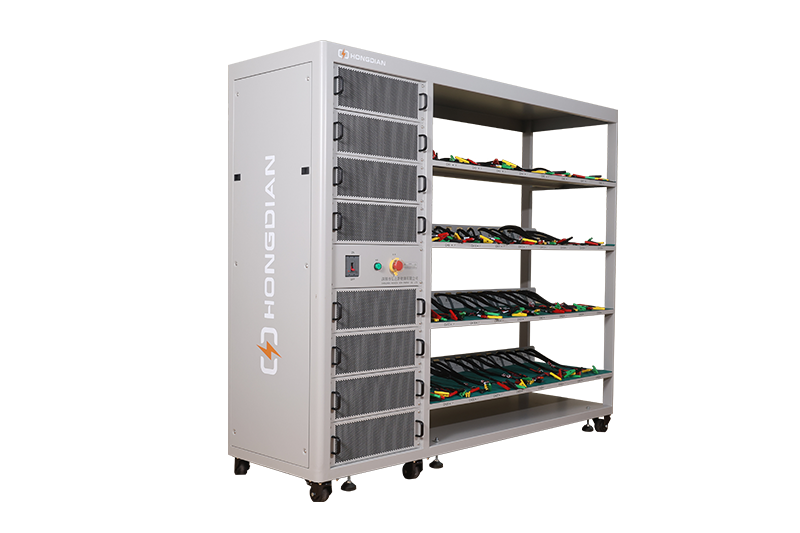 32/48 channel battery charging and discharging test integrated battery cabinet
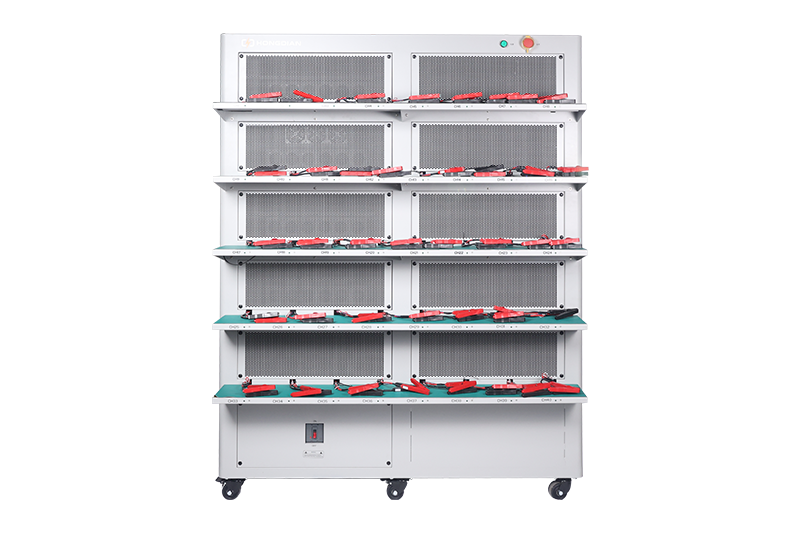 40 channel battery charging and discharging test integrated battery cabinet
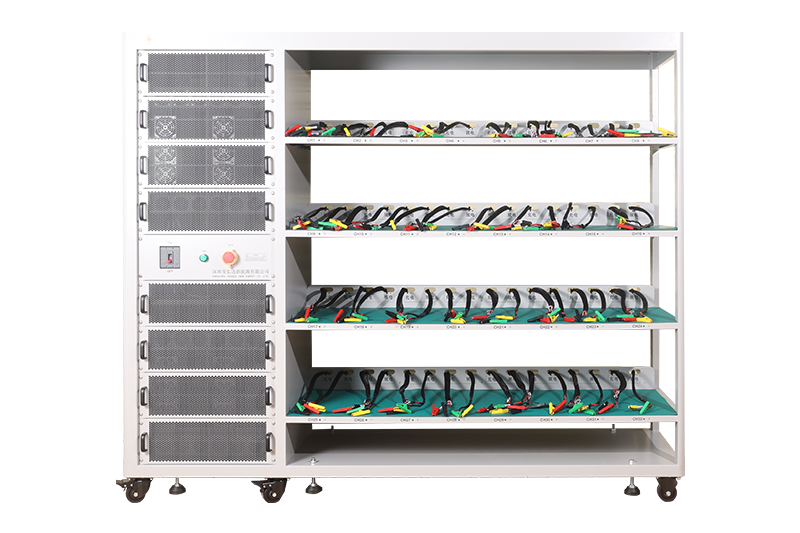 64 channel battery charging and discharging test integrated battery cabinet
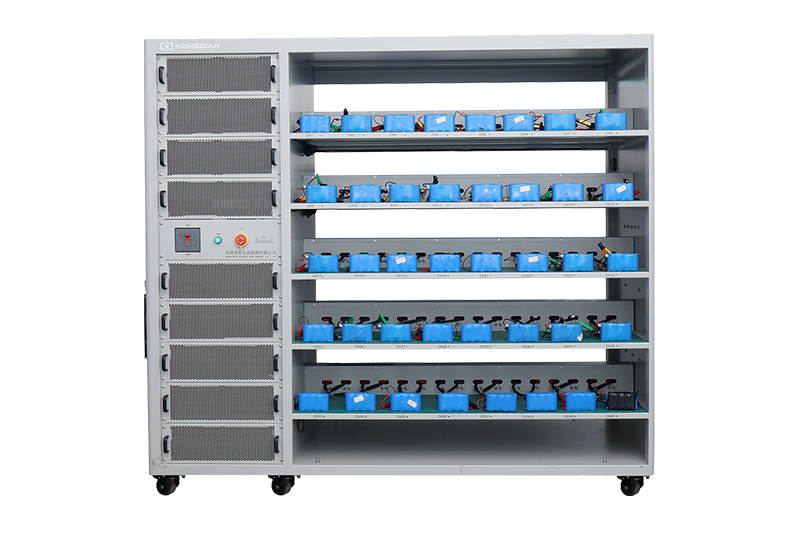 80 channel battery charging and discharging test integrated battery cabinet
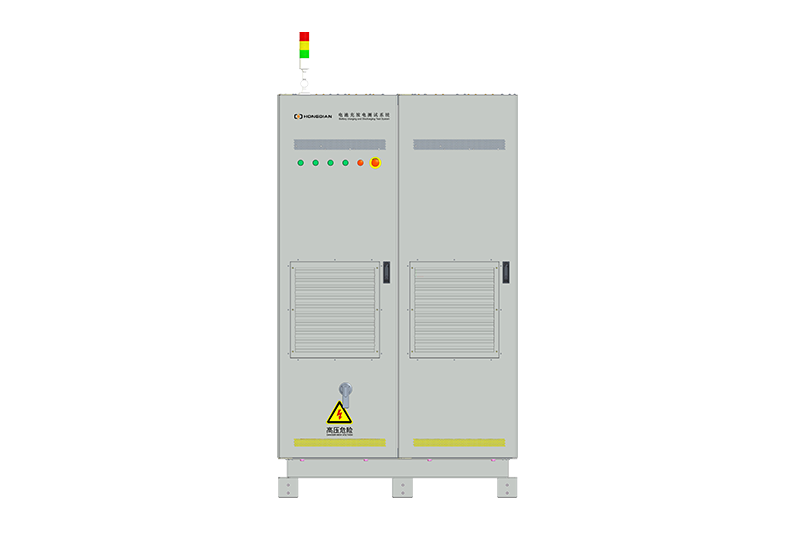 1000V-1500V High Voltage High Current Battery Testing System
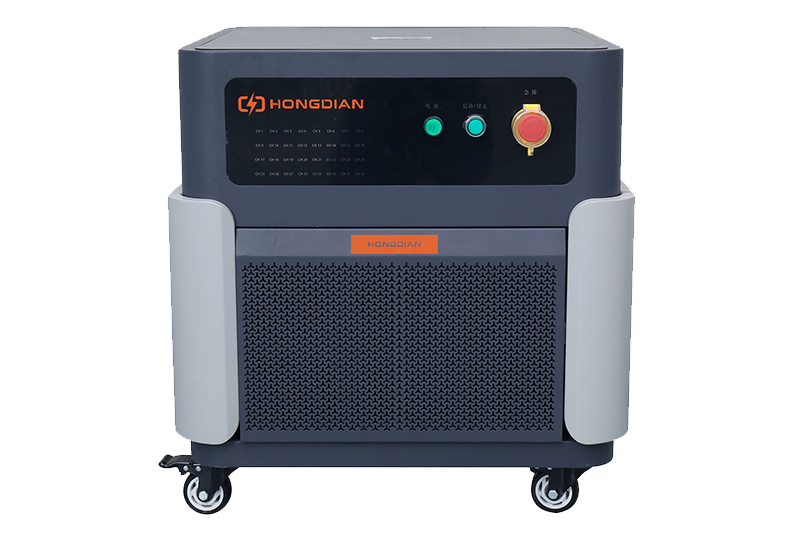 High-Precision Battery Testing System for Enhanced Performance Monitoring 30V/60V/100V/120V
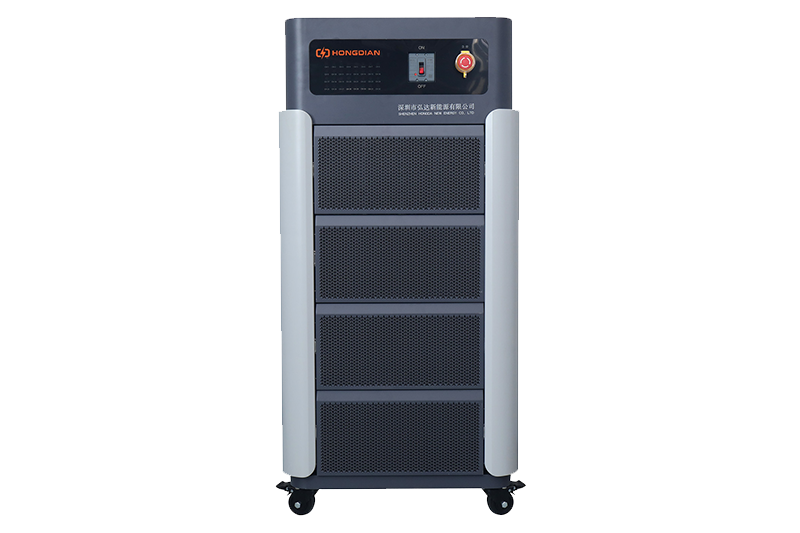 High-Precision Battery Charge Discharge Test Systems for EV Manufacturers
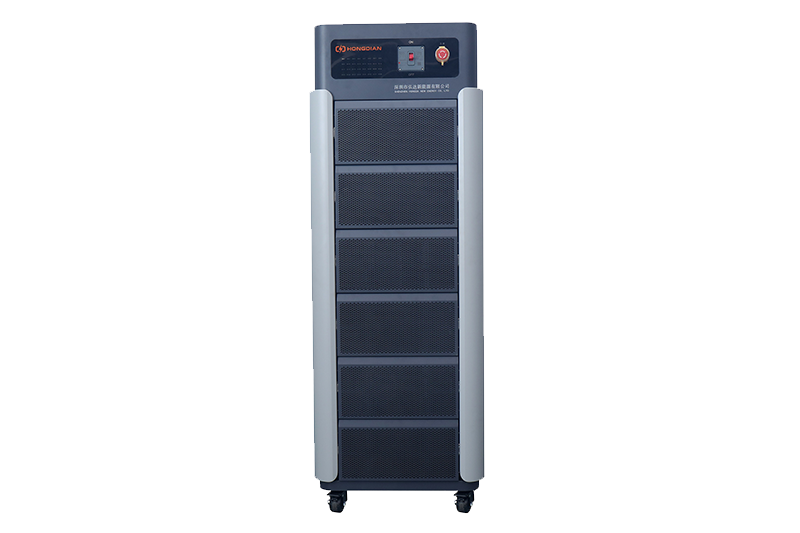 Precision Battery Test Racks for Cell Capacity & Internal Resistance Measurement
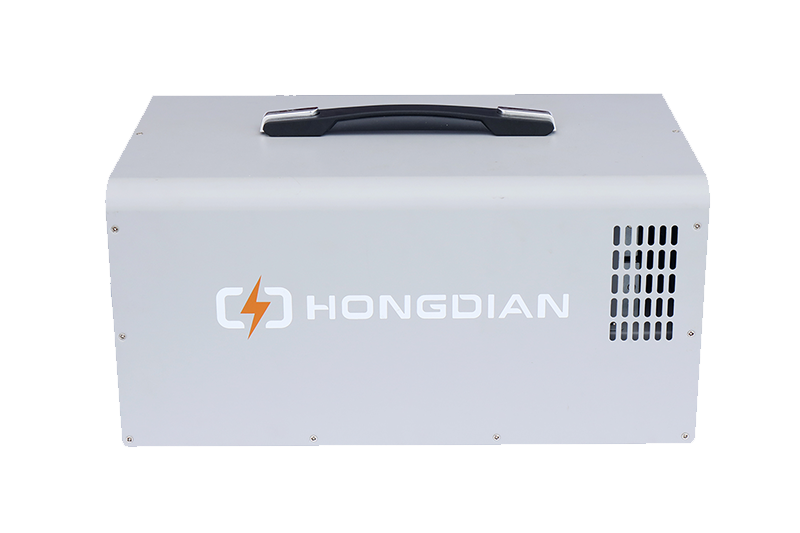 Multi-Channel Battery Testing Equipment for Parallel Performance Analysis