China Best Power Bank Tester What Buyers Need to Know?
China’s power bank market is crowded with chargers that look similar but perform very differently. Grand View Research valued the global power bank market at approximately USD 13.6 billion in 2023. Its report also expects continued growth through portable devices, travel demand, and faster charging standards. China remains a major manufacturing center, so buyers face thousands of factory-level choices.
A reliable Power Bank Tester should measure more than printed capacity. It should check usable energy at the output port, voltage stability, USB-C Power Delivery profiles, charging efficiency, ripple, temperature, and protection response. A 20,000mAh label can sound impressive. Yet its practical output may fall sharply after conversion losses. A display can still mislead.
Dr. Venkat Srinivasan, a recognized battery-testing specialist at Argonne National Laboratory, has said, “There is no one magic bullet for batteries.” That principle matters when selecting Chinese testing equipment. A professional tester should support repeatable procedures, calibrated instruments, traceable results, and clear software records. IEC 62133-2 and UN 38.3 guidance also remind buyers to consider battery safety, transport testing, and abnormal-use conditions.
The best model is not always the most expensive. It is the one that matches the required current range, connector standards, testing accuracy, and production volume. Buyers should request sample reports and verify calibration certificates before placing a large order. This step is often skipped. It should not be.
Market reports provide useful direction, but they cannot replace hands-on validation. A careful comparison must examine real test data, service response, replacement support, and operator training. Otherwise, a polished specification sheet may become an expensive assumption.
What Makes a Power Bank Tester the Best Choice in China
Choosing the best power bank tester in China requires more than comparing screen size or purchase price. In practical bench work, I look for stable readings across voltage, current, capacity, and charging protocol tests. The instrument should record each cycle, not only display a final number. A clear interface helps technicians notice a sudden voltage drop or unusual heat. Small details matter. Protected terminals and replaceable cables reduce avoidable testing errors.
Professional confidence comes from traceable calibration, repeatability, and useful technical support. A reliable supplier should explain calibration intervals and provide complete test records. Local service can shorten downtime when a load module fails or software behaves unexpectedly. The tester must handle common USB-C conditions without confusing negotiation data with actual output. In China’s manufacturing environment, compatibility with factory workflows is valuable. Data export, barcode entry, and stable software can save hours during batch inspection.
Still, no tester is perfect. During one evaluation, repeated results differed slightly after the unit warmed up. That result needed investigation, not a convenient explanation. Temperature, cable quality, and operator habits can distort capacity readings. Buyers should request sample reports and compare the tester with a calibrated reference load before purchase. Ask difficult questions. The best choice is accurate, serviceable, and honest about its limits.
Key Measurements Buyers Should Expect from a Power Bank Tester
When choosing the best power bank tester in China,
buyers should look beyond a bright display. A reliable instrument measures
output voltage, current, and delivered energy
under a controlled load. Capacity should be reported in
watt-hours, not only advertised milliamp-hours. This distinction matters because voltage conversion creates losses.
During testing, I watch readings at five-minute intervals while a fixed electronic load draws power.
A stable 5.08 volts tells more than one starting reading.
Small variations can reveal weak regulation or an unreliable cable.
A useful tester should identify charging protocols and record negotiation behavior across each port. It should also capture
peak current, cutoff voltage, temperature, and charging time.
Watch the temperature.
Thermal readings become meaningful when the unit operates under load for an hour, not during a quick demonstration. Efficiency is another important measurement. Divide delivered energy by input energy, then repeat the test.
Results may change with cable length, room temperature, and load size.
That is inconvenient, but it is honest.
Buyers should check calibration evidence, sampling frequency, and data export options. A tester with calibration records is preferable, although records do not replace practical verification. I compare readings with a reference meter and a precision load.
No tester is perfect. Repeat the test.
I once trusted a capacity result before noticing a loose connector; the figure looked precise but was wrong. Good equipment makes errors visible.
Clear graphs, overload protection, and repeatable results
help buyers judge real performance.
How to Compare Accuracy, Safety, and Ease of Use
China Best Power Bank Tester: What Buyers Need to Know?
How to Compare Accuracy, Safety, and Ease of Use
A power bank tester should measure voltage, current, capacity, and energy consistently. Accuracy matters because a small reading error can distort real performance. Look for a device with clear resolution and stable readings under changing loads. A calibrated reference meter is useful for checking its results. Still, no tester is perfect.
Test the same power bank more than once. Record results at different charging speeds and temperatures. A reliable tester should show similar figures each time. Sudden jumps may indicate poor contacts, weak cables, or internal measurement limits. I once blamed a tester for unstable data. The cable was actually worn.
Safety deserves equal attention. Choose a tester with insulated ports, overload protection, and visible temperature warnings. Its casing should remain cool during extended testing. Never force a connector or test a swollen, damaged, or leaking battery. A bright screen helps, but safe handling matters more. Keep the setup on a dry, nonflammable surface.
Ease of use affects testing quality. A readable display, simple buttons, and automatic data storage reduce mistakes. Some users prefer computer logging, while others need quick checks at a workbench. The best choice depends on your routine. Check whether the tester supports your connectors and expected current range. Bigger numbers do not guarantee better measurements. Practical design often wins.
How to Choose a Reliable Chinese Power Bank Tester Supplier
Choosing a reliable Chinese power bank tester supplier requires more than comparing online prices. IMARC’s 2024 market analysis estimated the global power bank market at about USD 13.5 billion in 2023, with continued growth expected through 2032. More products mean more pressure on testing accuracy.
Start with calibration evidence. Ask for a current calibration certificate, traceability records, and measurement uncertainty. Confirm the instrument’s voltage, current, capacity, ripple, temperature, and USB protocol ranges. Request a live sample test using your own power bank. The screen should show stable readings, not only attractive numbers in a brochure.
Check the supplier’s engineering experience. A dependable team should explain test limits clearly and support standards such as IEC 62133-2 and UN 38.3 where applicable. Ask how firmware updates, replacement parts, and technical training are handled. Request customer references from similar production environments, while protecting confidential information. A supplier that avoids technical questions deserves caution.
A low quote is not proof of value.
I have seen buyers focus on maximum current while ignoring data logging and thermal monitoring. That choice can create expensive retesting later. It is also wise to compare three suppliers using the same test sample and acceptance criteria. Some Chinese suppliers offer excellent customization, but documentation quality can vary. Verify every claim with records, repeated measurements, and a small pre-shipment acceptance test.

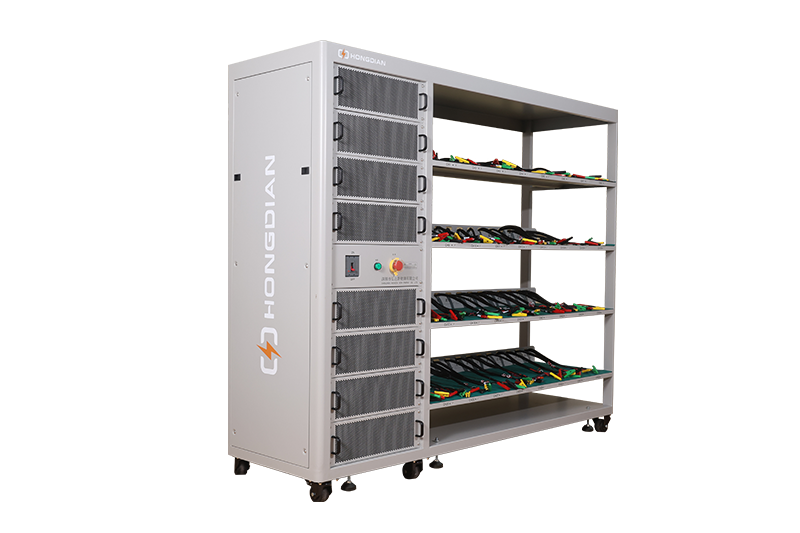 32/48 channel battery charging and discharging test integrated battery cabinet
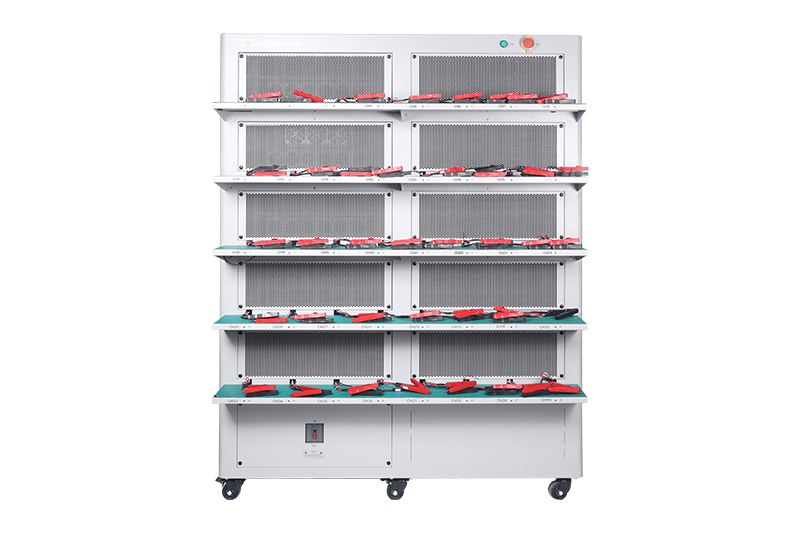 40 channel battery charging and discharging test integrated battery cabinet
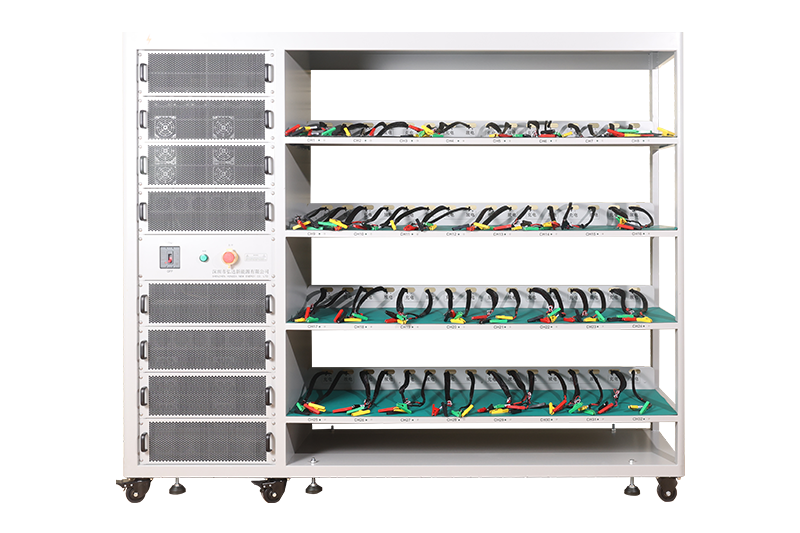 64 channel battery charging and discharging test integrated battery cabinet
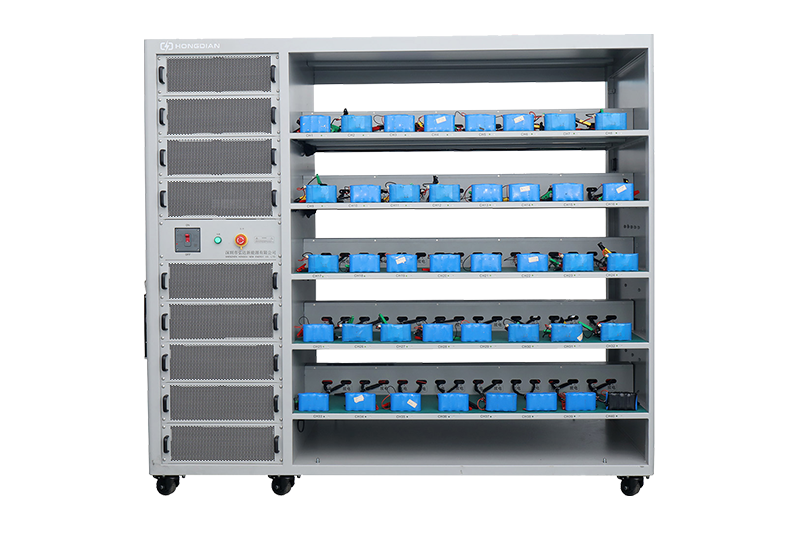 80 channel battery charging and discharging test integrated battery cabinet
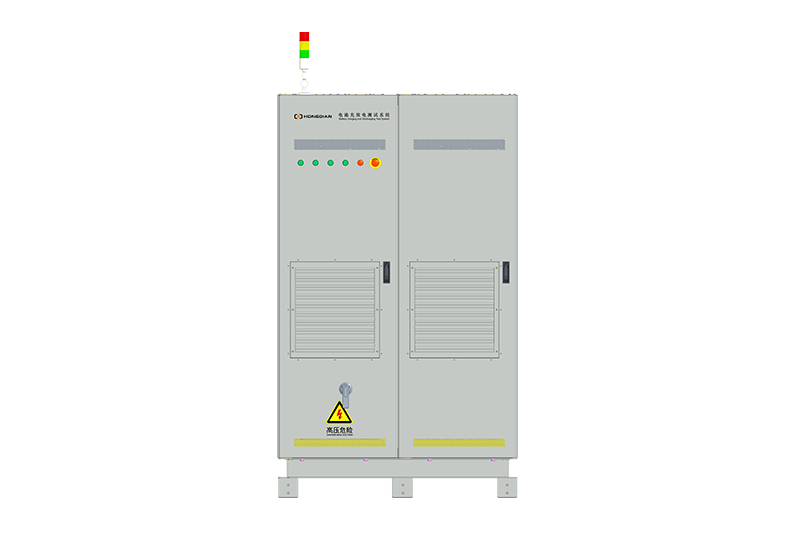 1000V-1500V High Voltage High Current Battery Testing System
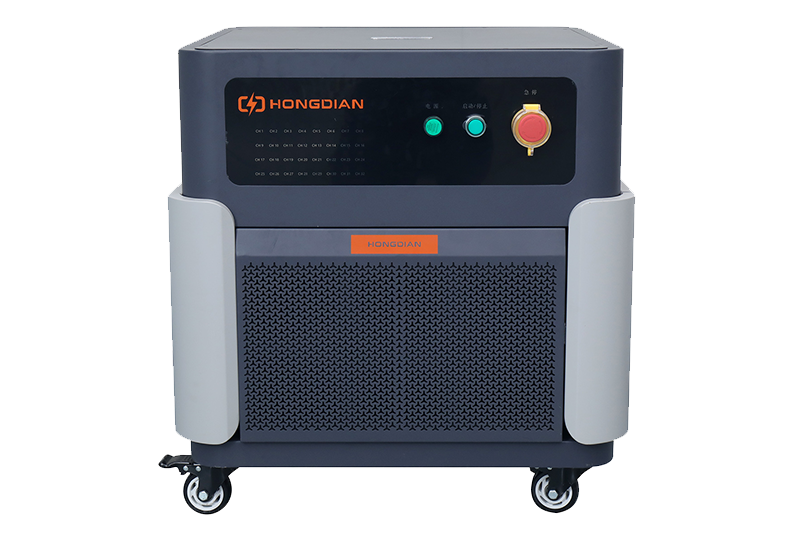 High-Precision Battery Testing System for Enhanced Performance Monitoring 30V/60V/100V/120V
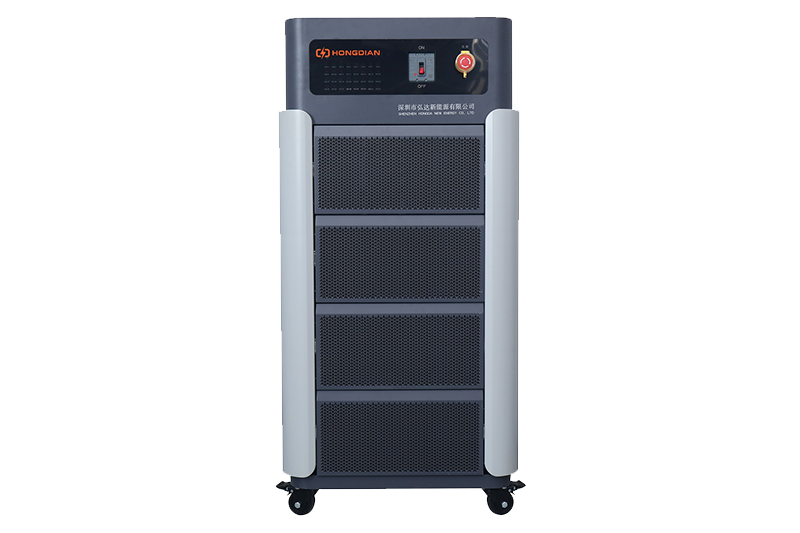 High-Precision Battery Charge Discharge Test Systems for EV Manufacturers
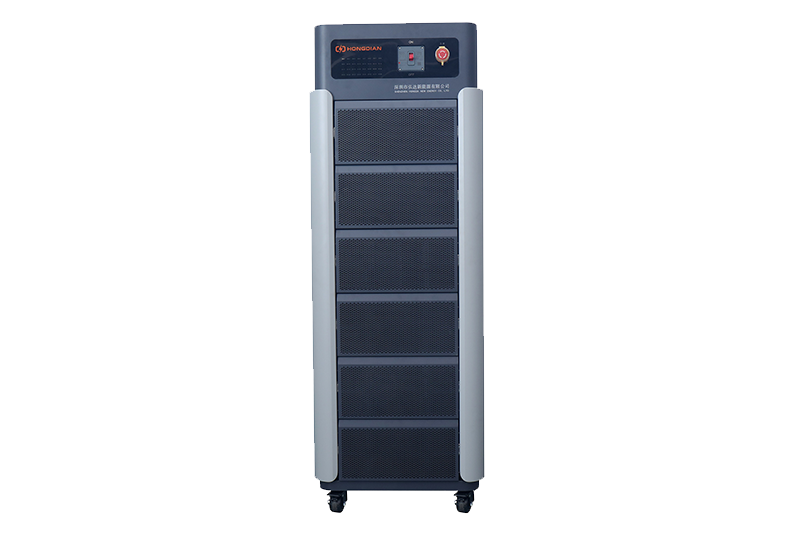 Precision Battery Test Racks for Cell Capacity & Internal Resistance Measurement
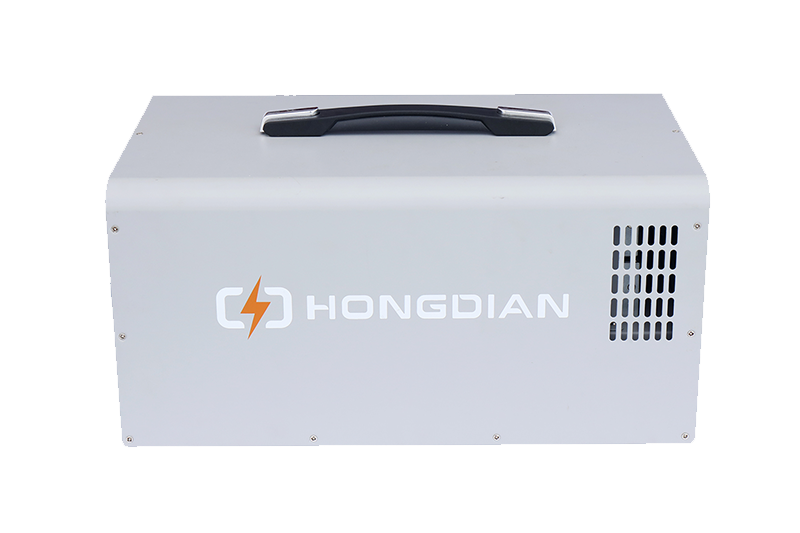 Multi-Channel Battery Testing Equipment for Parallel Performance Analysis