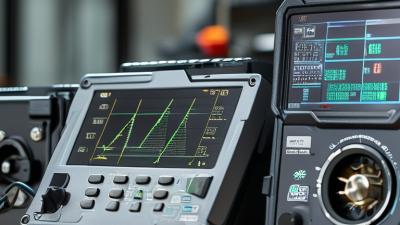
What is a Battery Tester and How to Choose the Best One?
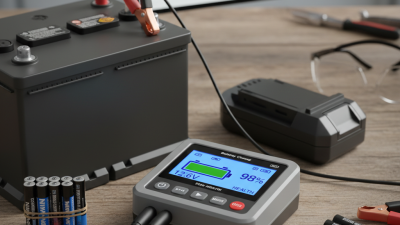
A Battery Tester is an essential tool for anyone who relies on batteries, whether for home appliances or automotive use. These devices help determine the health and charge level of batteries, ensuring they perform optimally. Understanding how to choose the best Battery Tester depends on several factors, including battery type and intended usage. Some testers are specifically designed for car batteries, while others are better for household batteries.
When shopping for a Battery Tester, look for features that meet your needs. Some testers can check multiple battery types, providing versatility. Others offer digital displays for easy reading. However, not all testers are created equal. Some may lack accuracy, leading to potential frustration. Beware of cheap options that don’t deliver reliable results. A good Battery Tester helps you save time and money by preventing early battery replacements.
In this guide, we will delve deeper into what to consider when selecting the right Battery Tester for your specific requirements. We will explore various models, their features, and any common pitfalls. By understanding these aspects, you can make an informed decision and choose a Battery Tester that best suits your needs.
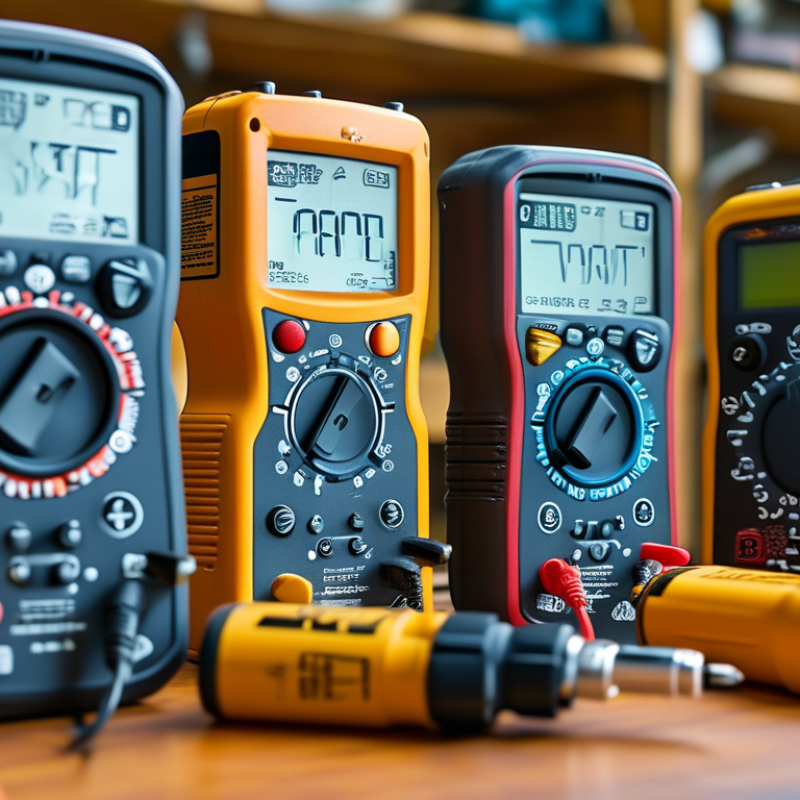
What is a Battery Tester and Its Purpose
A battery tester is a crucial tool for both professionals and hobbyists. Its primary purpose is to assess the health and voltage of batteries. In many industries, failing batteries can lead to costly downtime. According to a report by the International Battery Association, faulty batteries lead to losses exceeding $5 billion annually. Thus, a reliable battery tester is essential for optimal performance.
Choosing the right battery tester involves understanding your specific needs. Consider the types of batteries you will test. For instance, some testers are designed for automotive batteries, while others are tailored for household batteries. Pay attention to features like digital displays and load testing capabilities. These factors can greatly enhance your testing efficiency.
Tips: Always calibrate your tester before use to ensure accurate readings. Regular maintenance of your tester extends its lifespan and reliability. Remember to check the battery specifications for compatibility. Investing in a quality tester saves money in the long run. It's worth noting that not every tester is suitable for every situation. Reflecting on your testing environment can guide your choice effectively.
Types of Battery Testers Available on the Market
Battery testers come in various types, each designed for specific needs. Understanding these types can help you determine which one best suits your requirements.
Basic battery testers are simple tools. They typically check battery voltage and condition. These are easy to use, making them ideal for casual users who need quick insights.
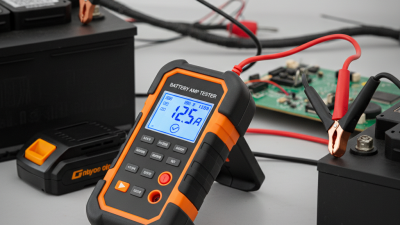
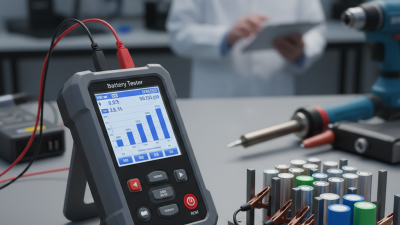
Advanced testers provide more detailed analyses. These models can measure internal resistance and load capacity. They are essential for professionals who work with multiple batteries. Some advanced devices even offer digital readouts and connectivity options. This technology enhances accuracy and efficiency in testing.
Choosing the right battery tester requires consideration. Think about the types of batteries you will test. Will you use it for cars, electronics, or heavy machinery? Each scenario will require different specifications.
Consider your familiarity with testing equipment. Investing in a complex device without understanding it might lead to frustration. Make sure the tester you select aligns with your knowledge and specific needs.
Key Features to Look for in a Battery Tester
When choosing a battery tester, certain features significantly impact its effectiveness. Look for testers with a clear LCD display. This feature enhances readability, especially in low-light conditions. A good tester should also measure various battery types, including alkalines and rechargeables. Versatility is key in today's multi-device world.
Another important aspect is the testing range. A quality battery tester can assess capacity levels across different voltages. Consider models that can handle from 1.5V to 12V batteries. This range ensures you can test everything from household batteries to car batteries. However, technical specifications can sometimes be overwhelming. It's essential to find a balance between advanced features and user-friendliness.
Durability shouldn't be overlooked. A robust frame protects internal components from drops and mishandling. Some testers even feature rubber grips for better handling. Think about the environment too. Select a model built from sustainable materials if possible. This choice supports responsible consumption. Remember, the best battery tester is not just reliable but also fits seamlessly into your everyday life.
How to Properly Use a Battery Tester
A battery tester is a useful tool for checking battery health. Its correct usage can extend the life of your batteries. To get accurate readings, start by ensuring the tester is properly calibrated. Many testers come with user manuals, which provide essential instructions. Follow these guidelines closely for the best results.
When using a battery tester, make sure the battery is clean. Dirt or corrosion can affect readings. Connect the tester leads to the battery terminals without short-circuiting them. A visual inspection can reveal issues like swelling or leaks. Mistakes in handling can lead to false readings or battery damage. Always prioritize safety.
After connecting, observe the tester's display. It should give a clear indication of the battery's voltage. If readings are low, consider re-charging or replacing the battery. Regular testing helps you recognize patterns in battery performance. Testing isn’t always straightforward. You might encounter discrepancies. Take time to understand these anomalies to improve your skills. Each test is a learning opportunity.
Tips for Selecting the Best Battery Tester for Your Needs
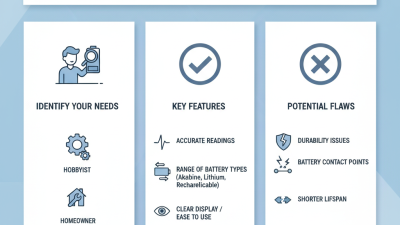
Choosing the right battery tester can seem daunting. However, knowing what features to look for makes it easier. A good battery tester should be easy to use and provide accurate readings. Look for models that have clear displays, making it simple to read results at a glance.
When selecting a tester, consider the types of batteries you'll be assessing. Different testers are designed for specific battery types, such as alkaline, lithium, or lead-acid. It's essential to select a tester compatible with your primary battery types. Also, check if the tester offers a range of measurements, such as voltage and internal resistance.
One crucial tip is to prioritize durability. A rugged design is valuable for frequent use. Some testers may not withstand rough handling, which can impact their reliability. Do not overlook user reviews. They can provide insight into real-world performance. This feedback can help guide your decision, ensuring you select a robust and dependable tester. Investing time in research leads to better choices.

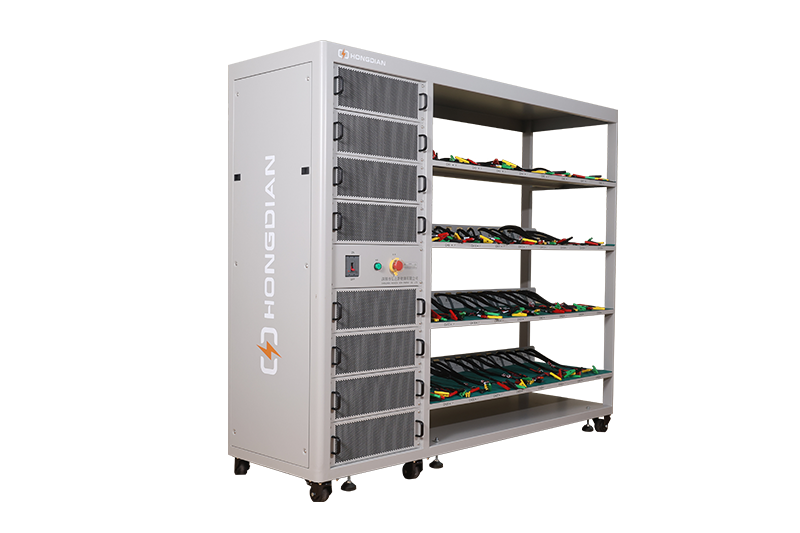 32/48 channel battery charging and discharging test integrated battery cabinet
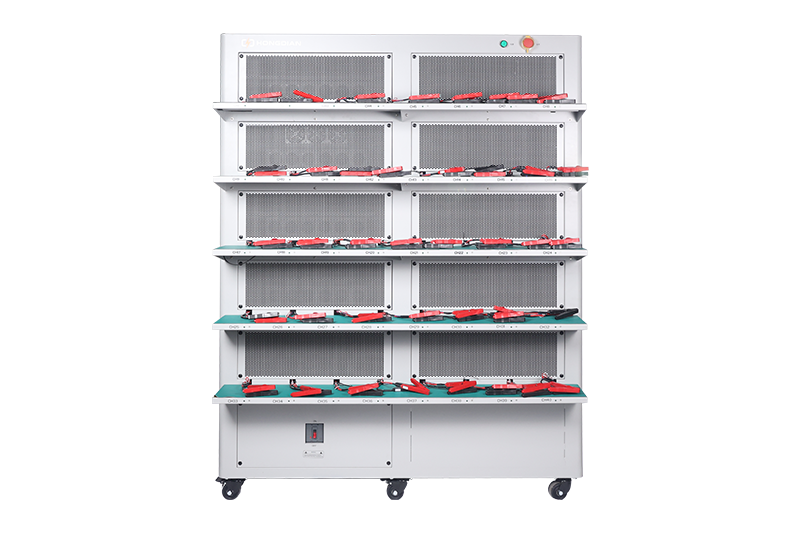 40 channel battery charging and discharging test integrated battery cabinet
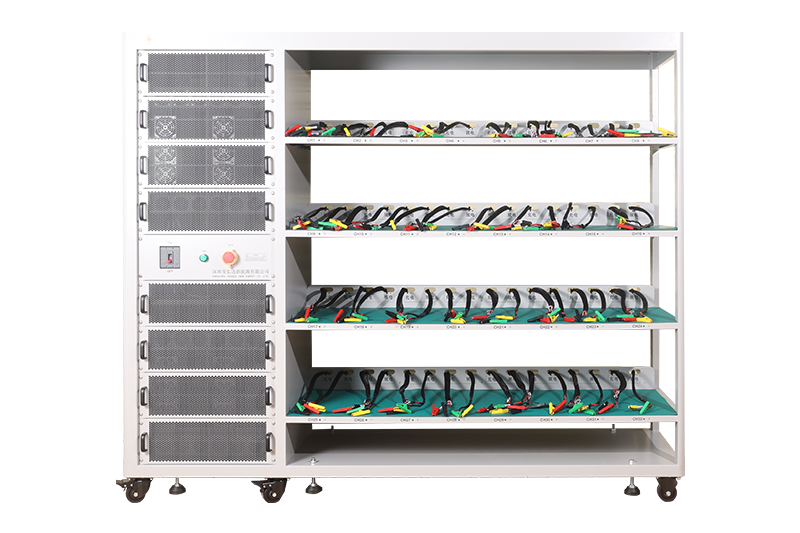 64 channel battery charging and discharging test integrated battery cabinet
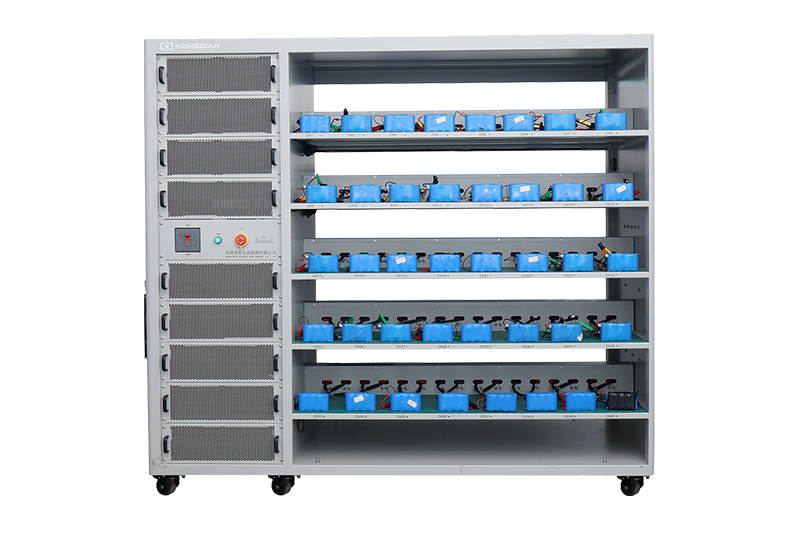 80 channel battery charging and discharging test integrated battery cabinet
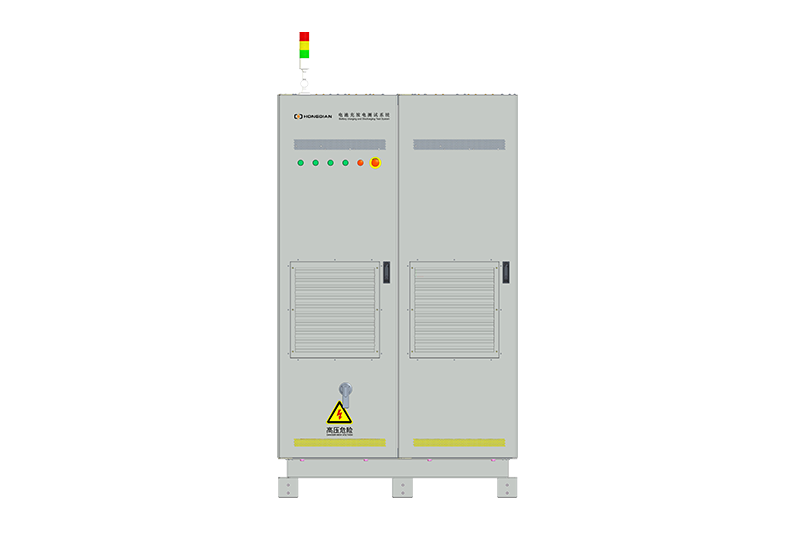 1000V-1500V High Voltage High Current Battery Testing System
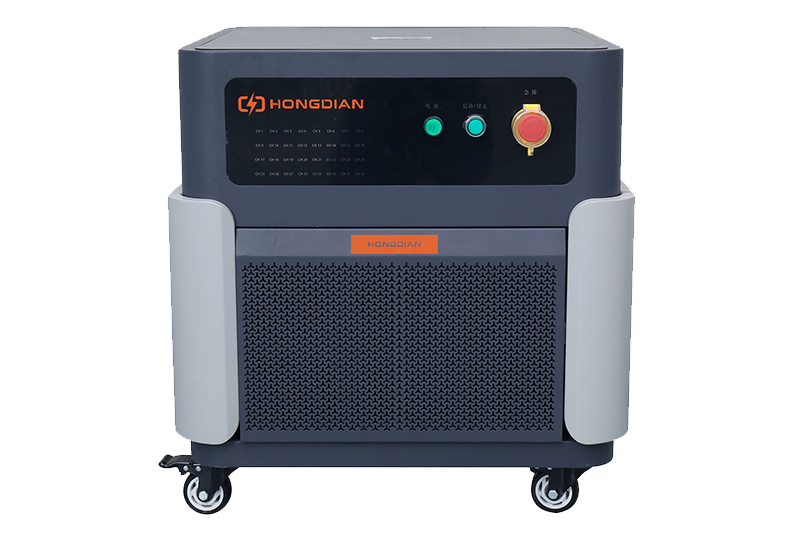 High-Precision Battery Testing System for Enhanced Performance Monitoring 30V/60V/100V/120V
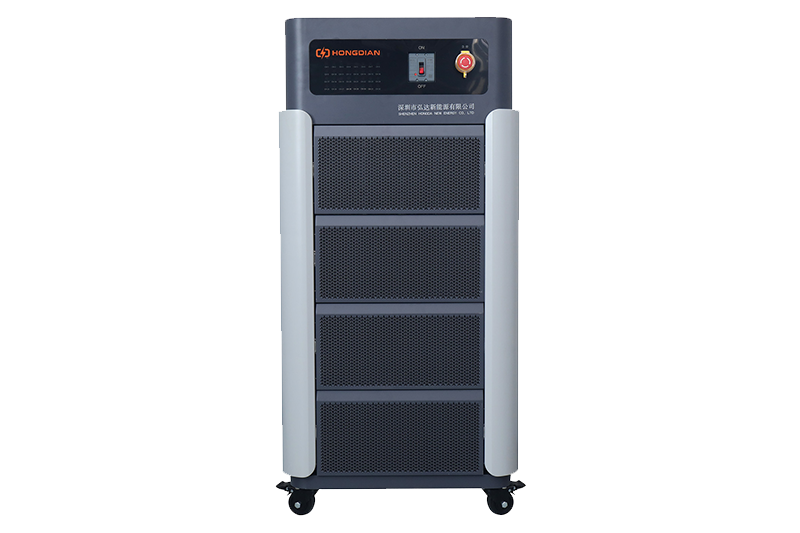 High-Precision Battery Charge Discharge Test Systems for EV Manufacturers
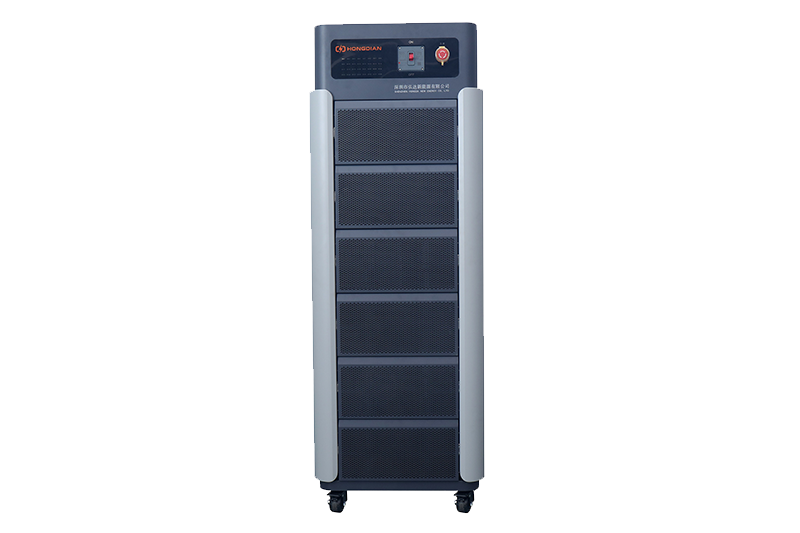 Precision Battery Test Racks for Cell Capacity & Internal Resistance Measurement
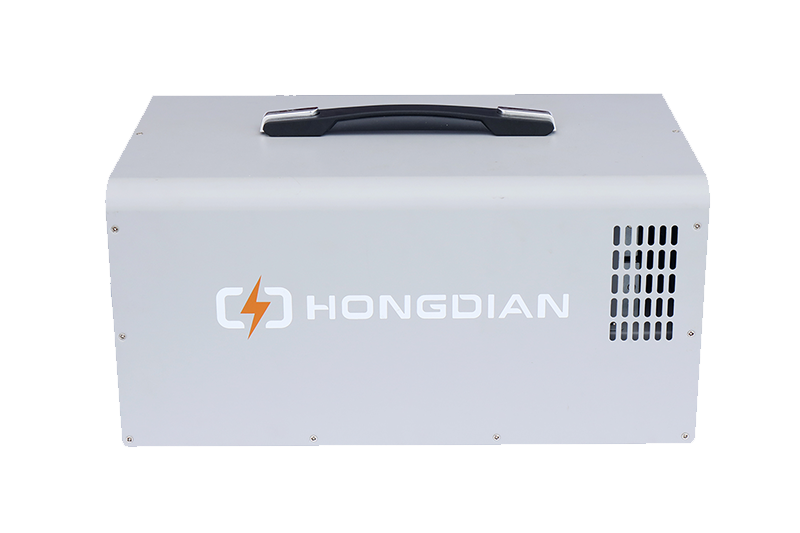 Multi-Channel Battery Testing Equipment for Parallel Performance Analysis