What is Battery Internal Resistance Tester and How Does it Work?
In the field of battery management, the Battery Internal Resistance Tester emerges as a crucial tool. It measures the internal resistance of batteries, which greatly affects performance and lifespan. According to a recent industry report by ResearchAndMarkets, improper battery management can lead to a 40% reduction in battery lifespan. This underscores the importance of accurate testing.
Expert Dr. Maria Gonzalez, a leading authority in battery technology, highlights, "Regular testing of internal resistance can significantly enhance battery reliability." Her insight reinforces the idea that continuous monitoring helps in identifying issues early.
Battery Internal Resistance Testers provide real-time data. These insights allow informed decisions regarding battery maintenance and usage. The simplicity of use does not overshadow its complexity—interpreting the data necessitates expertise. Many users find this aspect challenging. As the industry progresses, the need for user-friendly devices becomes more evident, indicating a gap that requires further exploration.

Definition of Battery Internal Resistance Tester and Its Purpose
A Battery Internal Resistance Tester is a specialized device. It measures the internal resistance of batteries accurately. Understanding this resistance is crucial for battery performance. High internal resistance can indicate aging or damage.
The purpose of a battery internal resistance tester lies in its ability to predict battery life. A battery with low internal resistance typically has better performance. Understanding the state of the battery can prevent unexpected failures. Technicians often use these testers during routine maintenance. However, results may vary based on the testing method used.
Some users may find it challenging to interpret test results. Misunderstanding these can lead to incorrect conclusions about battery health. Regular training on using such testers is essential. Like any technology, the accuracy of readings depends on how well the user understands the device. Factors like temperature and battery condition also play a significant role. Adapting to these variations requires experience and continuous learning.
Battery Internal Resistance Test Results
This chart displays the internal resistance values of different battery types. It helps to understand how the internal resistance varies among commonly used batteries, which is crucial for assessing battery health and performance.
Key Components of a Battery Internal Resistance Tester
A battery internal resistance tester is essential for evaluating the health of batteries. The key components of such a device include the microcontroller, load resistor, and voltage measurement system. The microcontroller acts as the brain, processing the data collected during the testing. It ensures accurate readings by controlling the timing and current supplied to the battery under test.
The load resistor is vital for simulating real-world conditions. When a battery is tested, this resistor draws a specific amount of current. This creates a voltage drop that helps determine the internal resistance of the battery. Understanding this aspect is crucial, as higher internal resistance can indicate aging or damage. Additionally, the voltage measurement system provides crucial data about the battery's output and helps calculate resistance.
While these components work together effectively, achieving precise results can be challenging. Variability in battery chemistry and condition adds complexity. The setup might not always reflect true performance under all conditions. Users should remain aware that occasional discrepancies can occur. Regular calibration and testing can help mitigate these issues, ensuring reliable performance assessments.
How Battery Internal Resistance Testing Works Step by Step
Battery internal resistance testing is an essential process in maintaining the health of batteries. It begins by disconnecting the battery from the circuit to ensure accurate results. This step is crucial, as any load on the battery can skew the readings. After isolation, the tester applies a small test current. This current flows through the battery, allowing measurement of the voltage drop.
The next step involves calculating the internal resistance. This is done using the formula: Resistance = Voltage Drop / Current. Understanding this relationship helps in analyzing the battery's condition. A higher resistance may indicate issues such as age or damage, reflecting the battery's overall performance.
Regular testing is vital. Users might overlook small changes in resistance. However, even slight increases can signal the need for maintenance or replacement. Ignoring the internal resistance can lead to unexpected failures. Testing helps in making informed decisions about battery management. It provides a clear picture of the battery's health and longevity. This process reinforces the importance of routine checks for anyone relying on battery systems.
Importance of Measuring Internal Resistance in Batteries
Measuring the internal resistance of a battery is crucial for several reasons. Internal resistance affects a battery's efficiency and performance. High internal resistance can lead to overheating, reduced capacity, and shorter lifespan. For anyone using batteries in critical applications, understanding this metric can save time and resources.
Many users overlook this aspect, thinking that external voltage is sufficient for evaluation. However, if the internal resistance is high, the battery may not provide the expected performance even if the voltage seems normal. Regular testing can help identify weaknesses before they become major issues.
Tips for measuring internal resistance include ensuring your connections are clean and secure. A poor connection can give false readings. Consider testing under different load conditions. This can provide a clearer picture of how the battery performs in real-world applications.
In some cases, age and usage can affect readings. A battery that’s a few years old may appear fine on external checks but fail internally. This discrepancy highlights the importance of measuring internal resistance as part of your regular maintenance routine. Addressing issues early can prevent larger problems later.
Applications of Battery Internal Resistance Testers in Various Industries
Battery internal resistance testers play a crucial role across various industries. They measure the resistance within a battery, helping to determine its health and performance. Accurate readings are essential for sectors like automotive, renewable energy, and telecommunications. Understanding internal resistance is vital for optimizing battery usage and extending lifespan.
In the automotive industry, these testers help evaluate battery condition before a vehicle enters service. Regular testing can prevent unexpected failures. In renewable energy, knowing the internal resistance supports better battery management in solar energy systems. It ensures that backup systems function efficiently, especially during peak loads.
For effective testing, ensure the battery is at the correct state of charge. Inaccurate measurements can lead to mistaken assumptions about battery health. Environmental factors, such as temperature, can also affect readings, so testing in a controlled environment is advisable. Regular maintenance and testing create a more reliable energy source, minimizing downtime in critical applications.

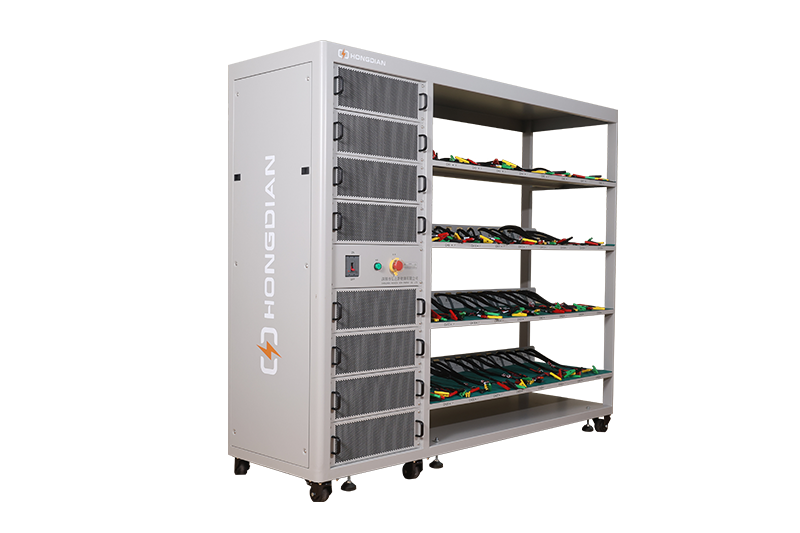 32/48 channel battery charging and discharging test integrated battery cabinet
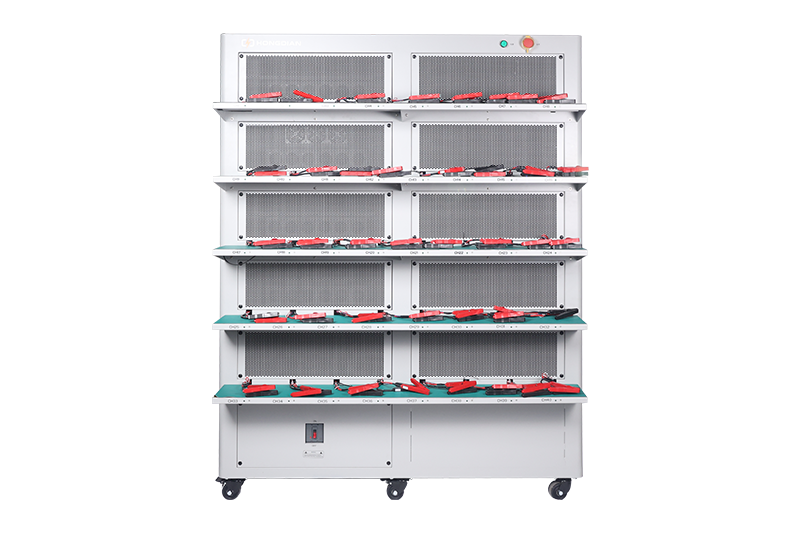 40 channel battery charging and discharging test integrated battery cabinet
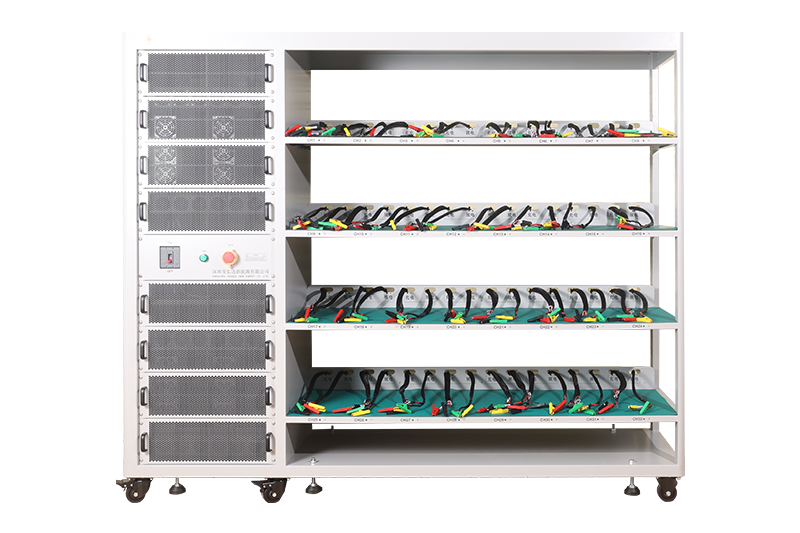 64 channel battery charging and discharging test integrated battery cabinet
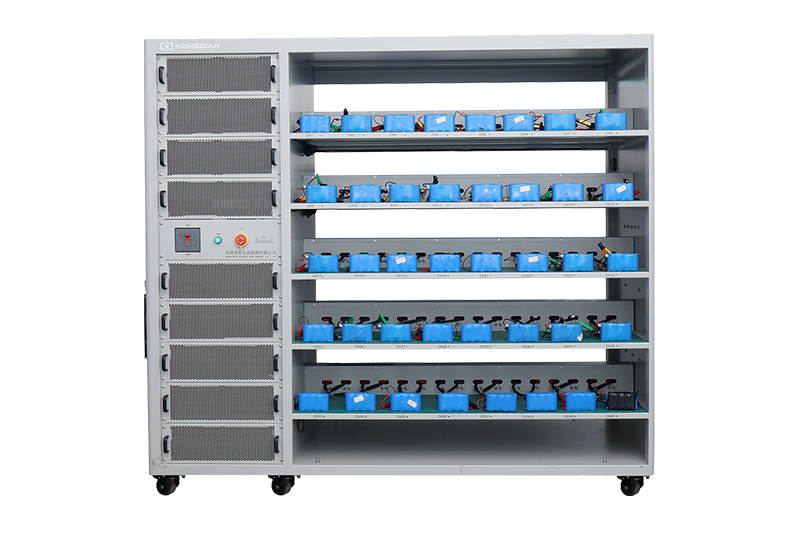 80 channel battery charging and discharging test integrated battery cabinet
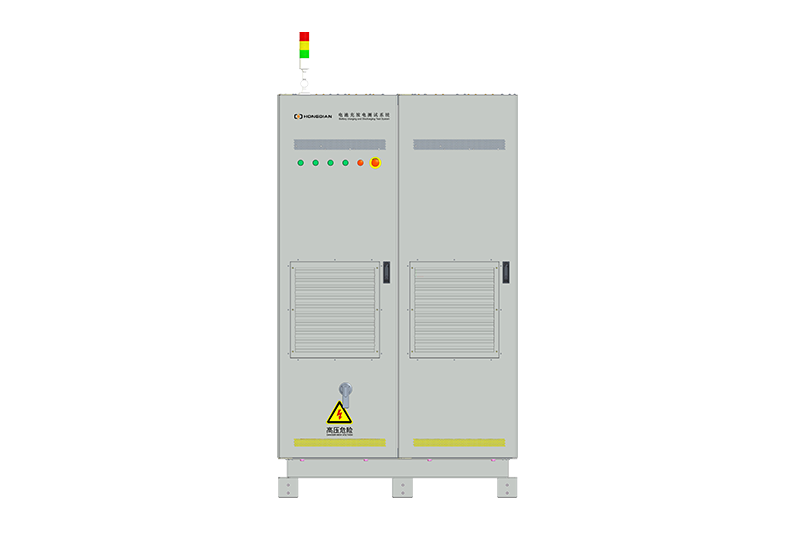 1000V-1500V High Voltage High Current Battery Testing System
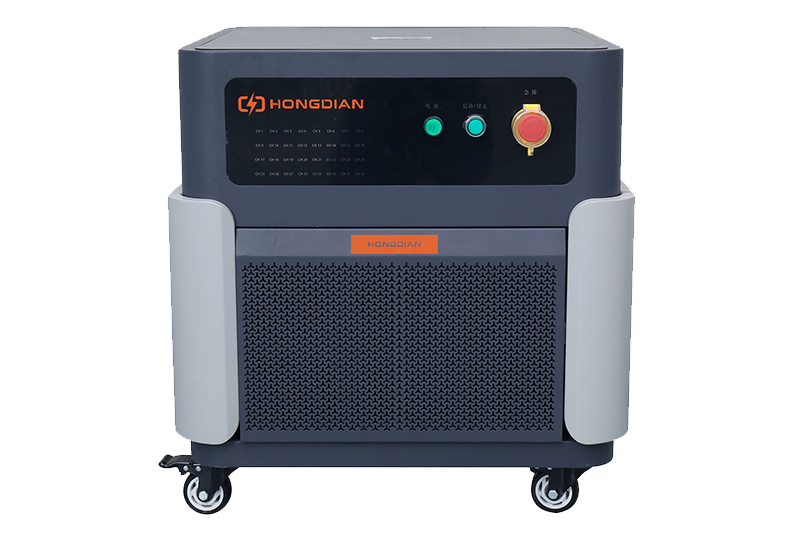 High-Precision Battery Testing System for Enhanced Performance Monitoring 30V/60V/100V/120V
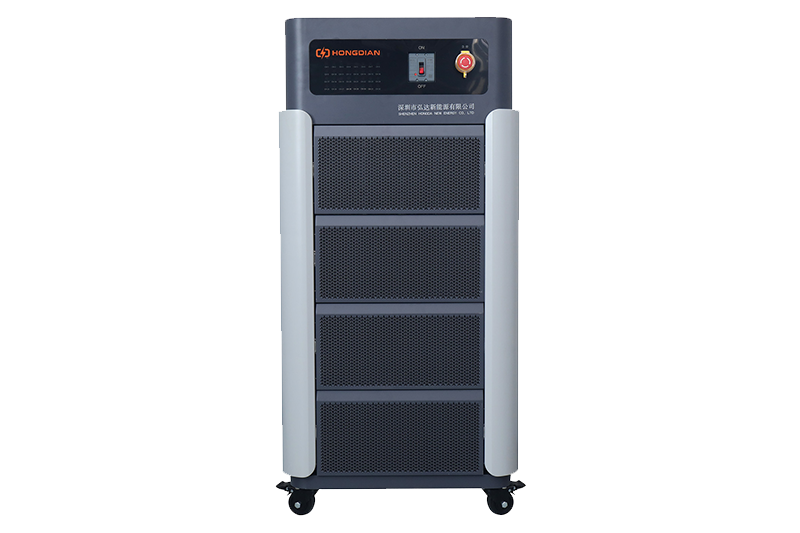 High-Precision Battery Charge Discharge Test Systems for EV Manufacturers
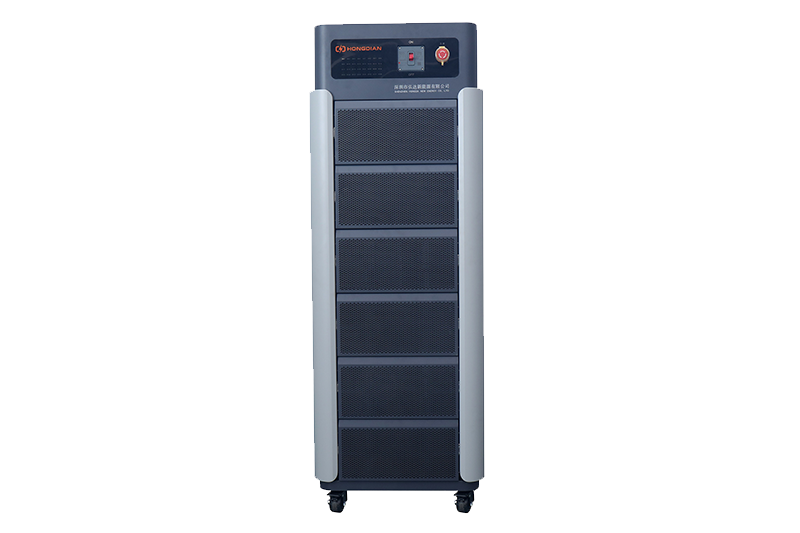 Precision Battery Test Racks for Cell Capacity & Internal Resistance Measurement
 Multi-Channel Battery Testing Equipment for Parallel Performance Analysis