How to Use a Power Bank Tester to Measure Battery Capacity and Performance?
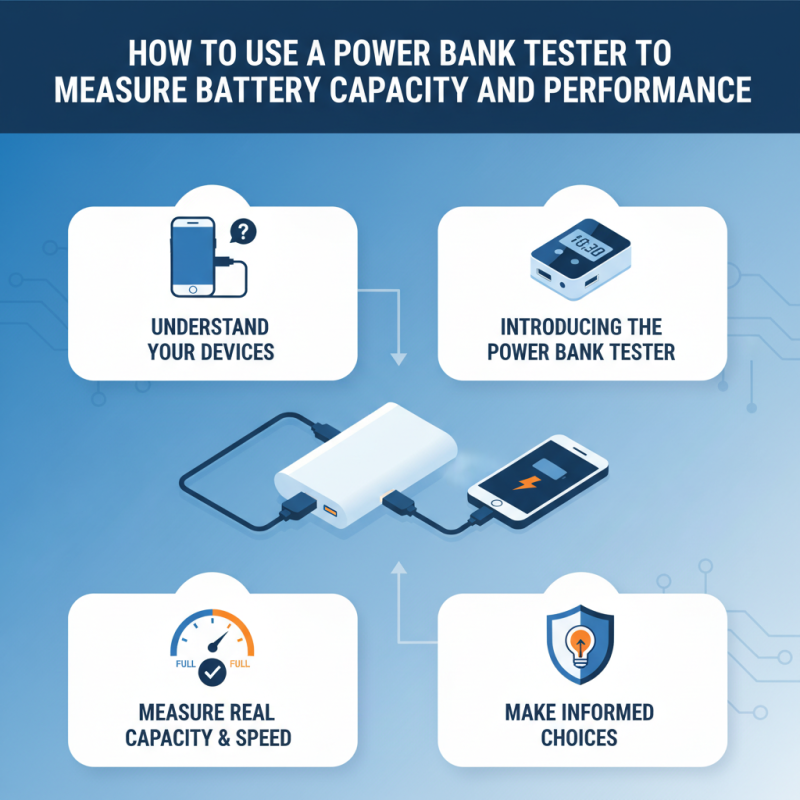
In a world dependent on portable devices, understanding battery performance is crucial. The Power Bank Tester is a vital tool for this task. It helps users gauge the capacity and efficiency of their power banks. Many rely on these devices without knowing their real potential. This ignorance can lead to frustration during critical moments.
Using a Power Bank Tester offers insights into charging speeds and overall capacity. With its simple interface, anyone can measure how much power their bank delivers. Not all power banks perform as advertised. Some may fall short of expectations. This discrepancy can be disappointing, especially when you’re in need.
Regularly testing your power bank can bridge the gap between expectation and reality. A Power Bank Tester brings transparency to battery performance. It highlights weaker chargers, allowing users to make informed choices. This knowledge is critical. A little effort to measure can ensure reliability in emergencies. Consider the implications of making the right choice.
Understanding Power Bank Testers: Key Features and Functions
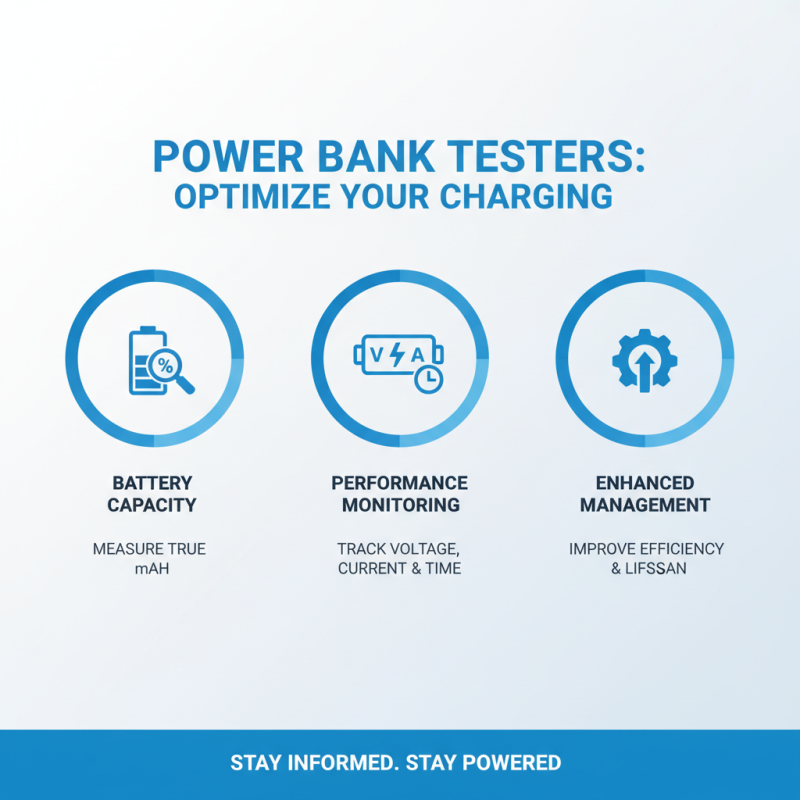
Power bank testers are essential for evaluating battery capacity and performance. They help you monitor various metrics, such as voltage, current, and charging times. Understanding these features can significantly enhance how you manage your power bank.
A key feature is the LCD display. It shows real-time data, making it easier to track performance. Many testers also provide an option to record data, which can help compare multiple devices. This is particularly useful when checking different power banks or batteries.
Tip: Always read user reviews before purchasing a tester. This will give you insight into functionality and reliability. You might find some testers miss out on important features. It’s worth investing time to choose wisely.
Another critical function is the ability to test charge cycles. This lets you know how many times a power bank can be charged before its capacity declines. Some models also have built-in safety features. However, not all testers excel in this area, which may lead to inaccurate readings.
Tip: Test in a controlled environment to ensure consistent results. Environmental factors can skew measurements. Don't overlook how temperature affects battery performance.
Essential Measurements: Capacity, Voltage, and Discharge Rates Explained
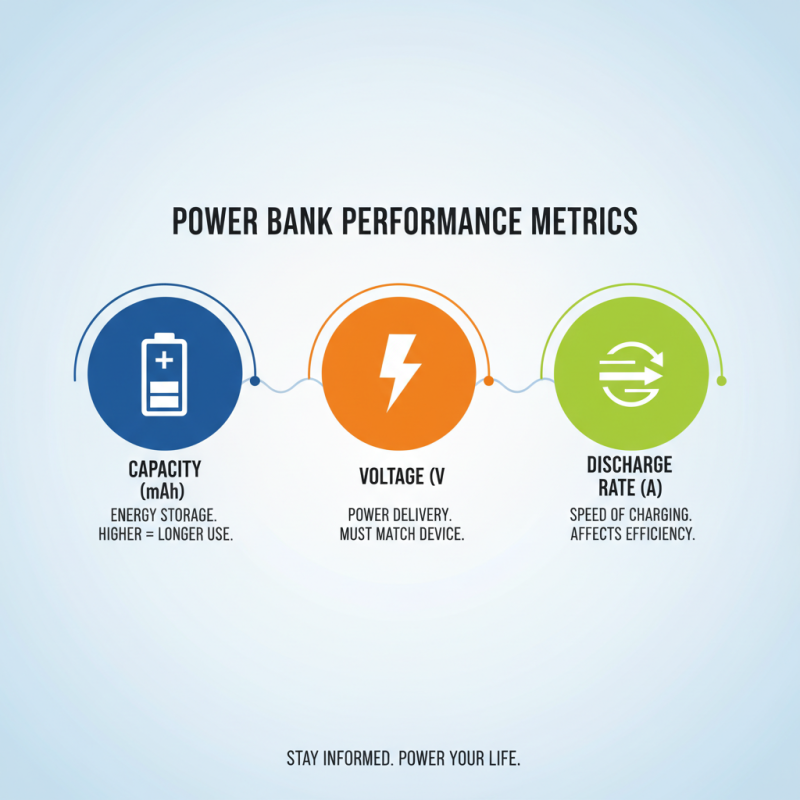
Understanding essential measurements is crucial for evaluating a power bank's performance. Three key metrics stand out: capacity, voltage, and discharge rates. Capacity measures how much energy a power bank can store. This is typically expressed in milliampere-hours (mAh). A higher capacity means longer usage times for your devices. However, some low-cost power banks may exaggerate their capacity claims. Always verify with a power bank tester.
Voltage is another vital factor. It indicates the electrical potential and affects how well devices charge. Most power banks output voltage at 5V, but this can vary. Discharge rates reveal how quickly a power bank can provide power. A higher discharge rate helps in fast charging. Yet, manufacturers often mislabel discharge rates, leading consumers to choose unsuitable products.
It's important to approach these measurements critically. Not all power banks perform as advertised. For example, a power bank with high capacity may have inefficient discharge rates. This discrepancy can lead to frustration during actual use. Using a power bank tester helps shed light on these inconsistencies. Test your power bank and reflect on the results. There’s always room for improvement in understanding power bank performance.
Selecting the Right Power Bank Tester: Important Specifications to Consider
When selecting a power bank tester, it's essential to focus on key specifications. Look for models with accurate voltage and current measurement. A good tester should provide real-time data. Some devices also measure capacity in mAh, which helps in assessing battery life effectively. The accuracy of measurements can vary widely across different testers, so read reviews carefully.
Battery capacity can degrade over time. In fact, a report from Battery University states that lithium-ion batteries lose about 20% of their capacity after 500 charge cycles. Choosing a tester that tracks charge cycles can provide insight into battery health.
Tip: Always compare specifications before buying. Look for testers that have adjustable load settings. This can simulate real-world usage better. Remember, not every tester will meet your needs. Make a choice based on features that you value most.
How to Use a Power Bank Tester to Measure Battery Capacity and Performance?
| Specification |
Details |
| Measurement Range |
5V-20V |
| Maximum Current |
3A |
| Capacity Measurement |
100mAh - 99999mAh |
| Data Display |
LCD/LED Display |
| Battery Type Compatibility |
Li-ion, Li-Polymer |
| Voltage Accuracy |
±1% |
| Dimensions |
50mm x 30mm x 20mm |
| Weight |
75g |
Interpreting Test Results: Analyzing Capacity and Performance Data
When using a power bank tester, it’s crucial to understand how to interpret the results accurately. The tester provides data on capacity, voltage, and discharge rates. A common measure of battery capacity is milliamp hours (mAh). For example, if a power bank has a rated capacity of 20,000 mAh but tests at only 15,000 mAh, it reflects poor performance. A decrease in capacity can happen over time, often due to age or frequent cycles of charge and discharge.
Voltage data is equally important. Standard lithium-ion cells operate around 3.7 volts. If test results show significant deviations, the battery may be faulty. Testers also measure the discharge rate. A discharge rate of 1C implies the battery will drain in one hour. If a battery claims a 2C rating but discharges slower than expected, it may not meet consumer needs.
Analyzing these figures helps in choosing the right power bank. Industry studies show that batteries lose about 20% capacity after 500 charge cycles. This fact should lead consumers to consider long-term performance alongside initial specifications. It’s vital to scrutinize these indicators before making a purchase. Accurate test results guide better choices, ensuring efficiency and reliability in daily use.
Best Practices for Using a Power Bank Tester in Real-World Scenarios
Measuring battery capacity and performance with a power bank tester can be quite enlightening. It offers valuable insights into the efficiency of your charging device. Start by connecting the tester to the power bank, ensuring a secure fit. It’s crucial to monitor the display. Various readings can help assess how well the power bank performs under real conditions.
Real-world scenarios often show that results may not align with manufacturer claims. For instance, a power bank might claim to have a certain capacity, but tests could indicate otherwise. Pay attention to how the tester reacts under different loads. Some testers display voltage and current variations. This can reveal fluctuations that affect performance.
Using a power bank tester regularly can help you catch issues early. Noticing how battery capacity declines over time is essential. Keep in mind that not all tests will yield perfect results. Sometimes, discrepancies are present, requiring deeper analysis. Learning from these instances helps improve your understanding. Adjust your usage habits according to your findings to extend the life of your devices.
Battery Capacity and Performance Comparison

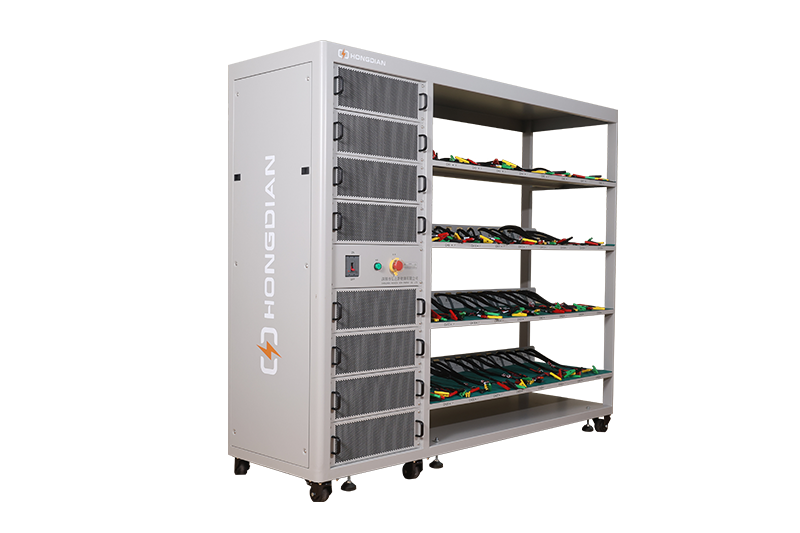 32/48 channel battery charging and discharging test integrated battery cabinet
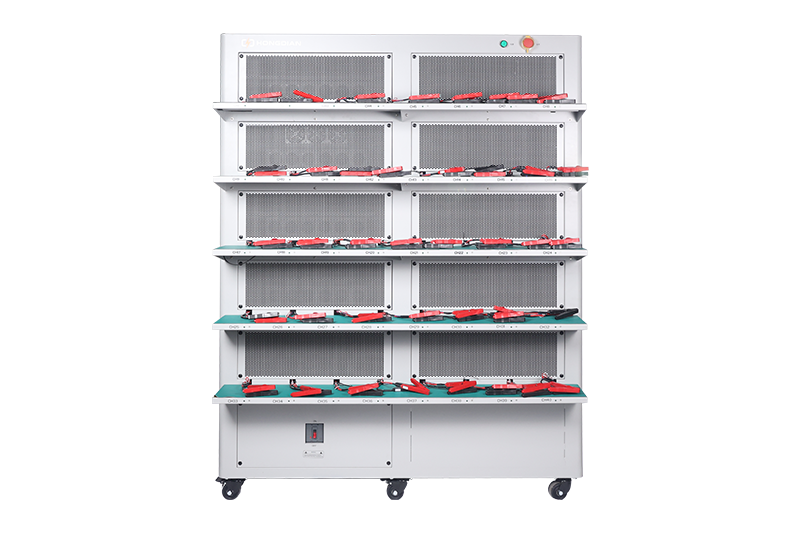 40 channel battery charging and discharging test integrated battery cabinet
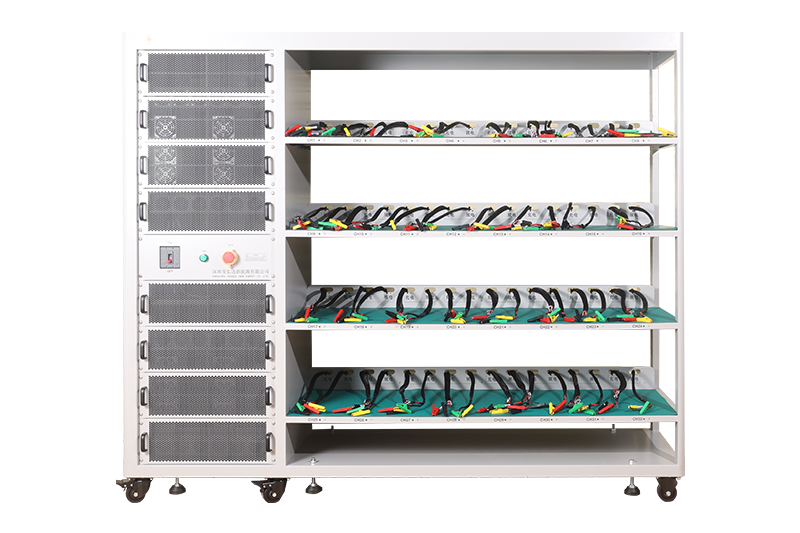 64 channel battery charging and discharging test integrated battery cabinet
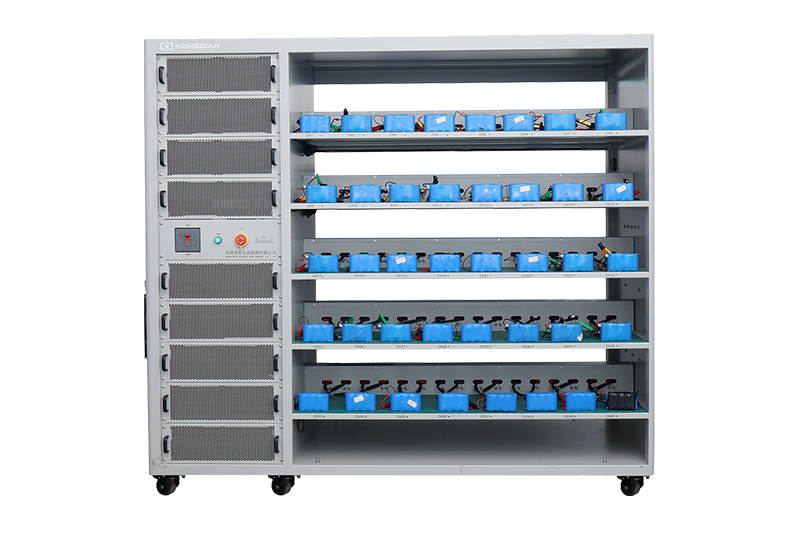 80 channel battery charging and discharging test integrated battery cabinet
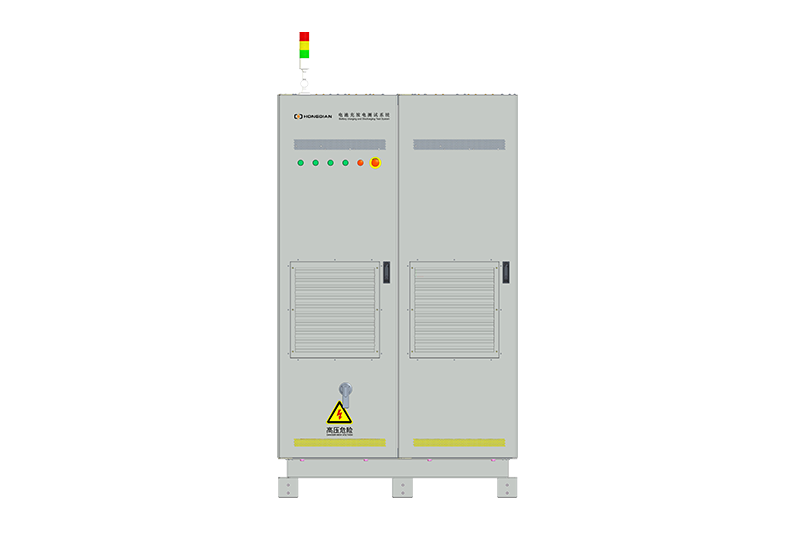 1000V-1500V High Voltage High Current Battery Testing System
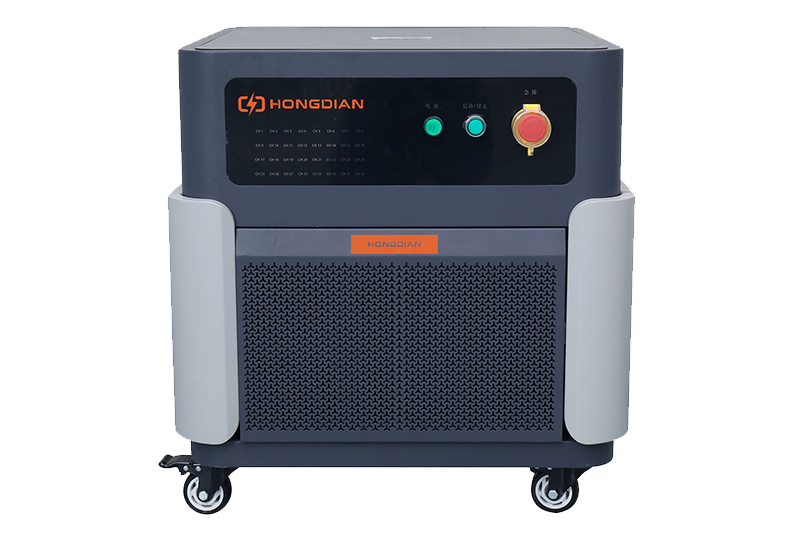 High-Precision Battery Testing System for Enhanced Performance Monitoring 30V/60V/100V/120V
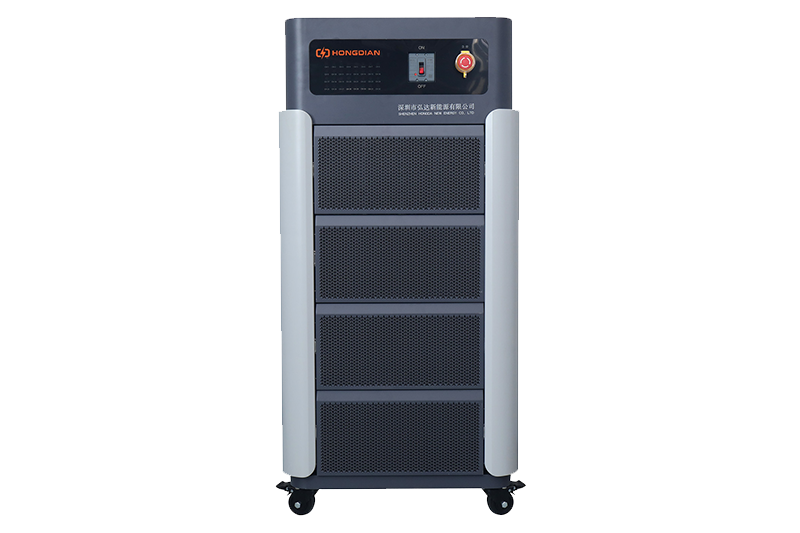 High-Precision Battery Charge Discharge Test Systems for EV Manufacturers
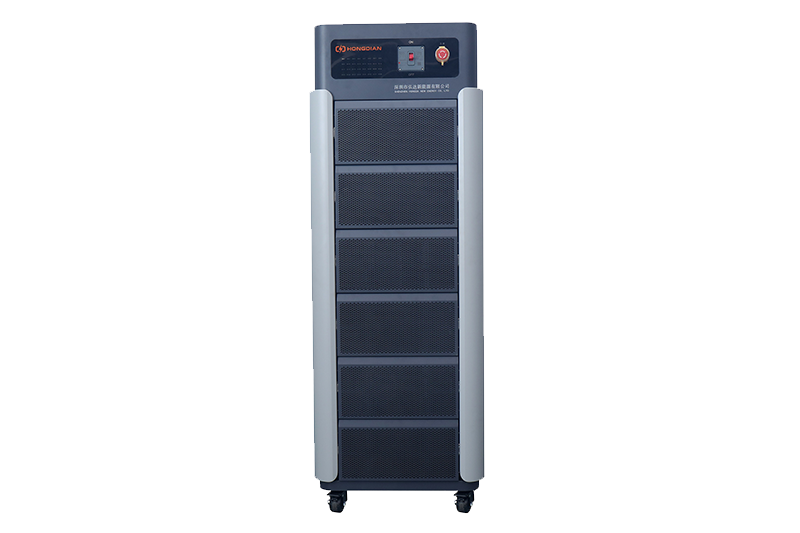 Precision Battery Test Racks for Cell Capacity & Internal Resistance Measurement
 Multi-Channel Battery Testing Equipment for Parallel Performance Analysis