How to Use a Lead Acid Battery Checker for Optimal Battery Maintenance?
Maintaining a lead acid battery requires careful monitoring. The right tools can make all the difference. A Lead Acid Battery Checker is essential for this task. Renowned expert Dr. John Marshall emphasizes, "Regular checks prevent battery failure." This advice highlights the importance of using a reliable checker.
Using a Lead Acid Battery Checker helps identify issues early. It provides data on voltage and specific gravity. These indicators show how well a battery performs. Without this information, owners may miss signs of deterioration. Ignoring these signs can lead to complete battery failure at the worst time.
Many users underestimate the benefits of regular checks. A simple tool can save time and money. It's crucial to create a routine to assess battery health. Relying on luck is not a strategy. Reflecting on maintenance practices can lead to better outcomes with lead acid batteries.
Understanding the Basics of Lead Acid Batteries and Their Importance
Lead acid batteries are essential for many applications, from cars to backup power systems. Understanding their workings can prevent failures. A well-maintained battery has a longer life and delivers better performance. These batteries operate through chemical reactions, involving lead and sulfuric acid. Regular maintenance helps ensure they function efficiently.
Check the battery's specific gravity using a hydrometer. This tool indicates the charge level. A fully charged battery should read around 1.265. If it's lower, the battery needs charging. It's crucial to clean the terminals, too. Corrosion can prevent proper connections, leading to poor performance.
Always inspect your battery for signs of damage. Look for cracks or leaks. Any physical damage can lead to failure. Avoid letting the battery fully discharge. Deep discharges can reduce lifespan significantly. Take timely action to recharge or replace it when necessary.
Identifying Key Components of a Lead Acid Battery Checker
When utilizing a lead acid battery checker, understanding its essential components is crucial. Typically, a checker includes a voltmeter, hydrometer, and specific gravity gauge. The voltmeter indicates the battery's voltage. It's vital for assessing whether a battery is charged or discharging properly. A rechargeable battery should ideally show a voltage around 12.6 volts when fully charged.
A hydrometer measures the electrolyte's specific gravity. This tool can help determine the state of charge of individual cells. A specific gravity reading between 1.265 and 1.275 indicates a fully charged condition. If the battery's readings fall below this range, it signals a need for further action or potential replacement.
Tips: Regularly checking your lead acid battery can prevent unexpected failure. Aim to test your battery every few months. Note trends in performance. Sudden drops in voltage or specific gravity can indicate issues. Always clean the terminals and check for corrosion, as this can impact readings. Monitoring your battery health not only extends its life but also maximizes performance efficiency.
Step-by-Step Guide to Using a Lead Acid Battery Checker
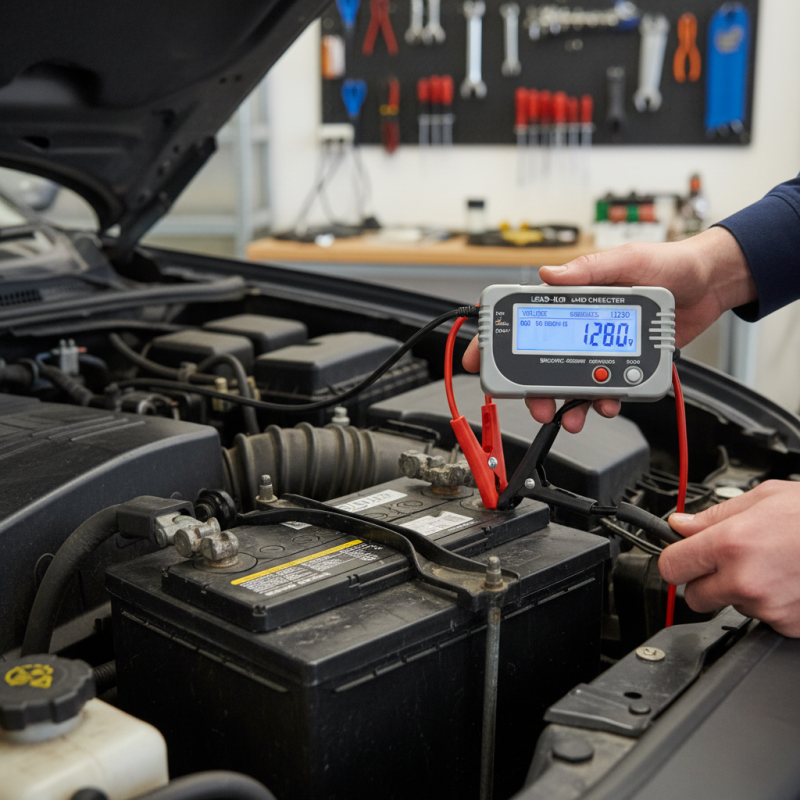
Using a lead acid battery checker is essential for maintaining battery health. Begin by ensuring the battery is disconnected from any device. This step is crucial. A secure environment protects both you and the battery.
Next, connect the battery checker to the terminals. Red typically goes to positive, and black connects to negative. It’s vital to double-check these connections. An incorrect setup could yield misleading results. After plugging in the checker, look for readings on the display. These numbers indicate the battery’s charge and health.
Regular checks can help identify issues early. However, don’t rely entirely on technology. Sometimes, batteries may appear fine but still fail unexpectedly. Monitor your battery regularly and keep an eye out for corrosion or leaks. This habit can save you from surprise failures down the line. Understanding your battery's condition is part of responsible ownership.
How to Use a Lead Acid Battery Checker for Optimal Battery Maintenance
| Step |
Action |
Details |
Frequency |
| 1 |
Gather Tools |
Ensure you have a lead acid battery checker and safety gear. |
Before each check |
| 2 |
Prepare Battery |
Disconnect the battery from any device and clean the terminals. |
Before each check |
| 3 |
Connect Checker |
Attach leads from the battery checker to the battery terminals (positive to positive, negative to negative). |
Before each check |
| 4 |
Read Results |
Check the battery's voltage and state of charge readings on the checker. |
Monthly |
| 5 |
Interpret Data |
Verify readings against standard voltage levels for lead acid batteries. |
Monthly |
| 6 |
Take Action |
Charge or replace the battery if readings are below acceptable levels. |
As needed |
Interpreting Battery Readings: Specific Gravity and Voltage Explained
Understanding specific gravity and voltage is crucial for optimal lead acid battery maintenance. Specific gravity measures the battery's electrolyte density. Generally, a fully charged battery shows a specific gravity range of 1.265 to 1.300. A value below this may indicate an undercharged or faulty cell. Regular checks can help avoid unexpected failures.
Voltage is another vital indicator of battery health. A fully charged lead acid battery typically reads about 12.7 volts or more. A reading of 12.4 volts suggests a partially discharged state. Below 12 volts often signals a deeply discharged battery. Monitoring these values regularly can prevent long-term damage. However, interpreting readings can sometimes be tricky and misleading. Environmental factors, like temperature, can also affect outcomes.
Many users overlook the importance of proper calibration of battery checkers. An uncalibrated tool may provide inaccurate readings, leading to poor decisions. Understanding how to read these measurements accurately requires practice. Mistakes can happen, but consistent effort helps improve skills over time.
Lead Acid Battery Readings: Voltage and Specific Gravity Analysis
The chart provides a visual representation of the voltage and specific gravity readings of a lead acid battery. The voltage reading of 12.4V indicates that the battery is moderately charged, while a specific gravity of 1.265 suggests that the battery is in good condition, ideally for a fully charged lead acid battery between 1.265 and 1.280.
Best Practices for Maintaining Lead Acid Batteries Based on Industry Standards
Maintaining lead acid batteries requires diligence and attention to detail. Proper maintenance significantly extends battery life. According to industry data, regular checks can increase battery lifespan by up to 40%. This is crucial for applications in various sectors, including automotive and renewable energy.
One essential practice is checking the specific gravity of the battery electrolyte. A specific gravity of 1.265 indicates a fully charged battery. If the reading drops to 1.200, the battery is undercharged. Regularly monitor this to ensure optimal performance.
**Tips:**
- Clean battery terminals frequently.
- Use a multimeter for voltage checks.
Temperature plays a vital role in battery health. Lead acid batteries work best in moderate temperatures. Extreme cold or heat can reduce performance and lifespan. A study found that for every 15°F increase in temperature, battery life is reduced by 50%.
**Tips:**
- Store batteries in a cool, dry place.
- Insulate batteries in cold weather.
Many users neglect routine maintenance, leading to unexpected failures. Ignoring issues like corrosion or electrolyte level can damage the battery. Always check for these signs to avoid costly replacements. Continuous learning and adaptation in maintenance practices are key to achieving the best results.

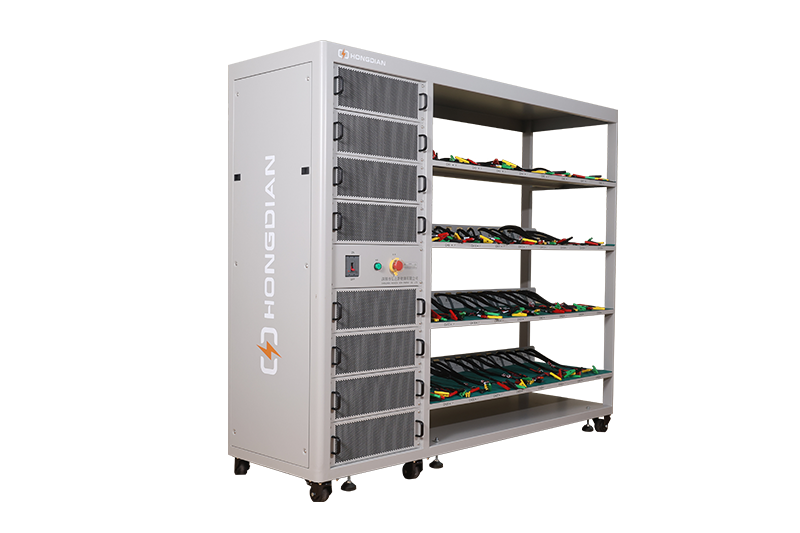 32/48 channel battery charging and discharging test integrated battery cabinet
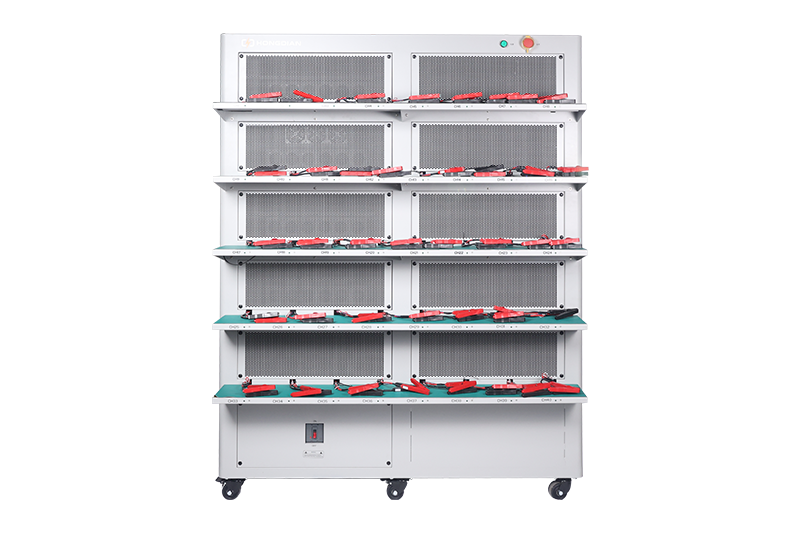 40 channel battery charging and discharging test integrated battery cabinet
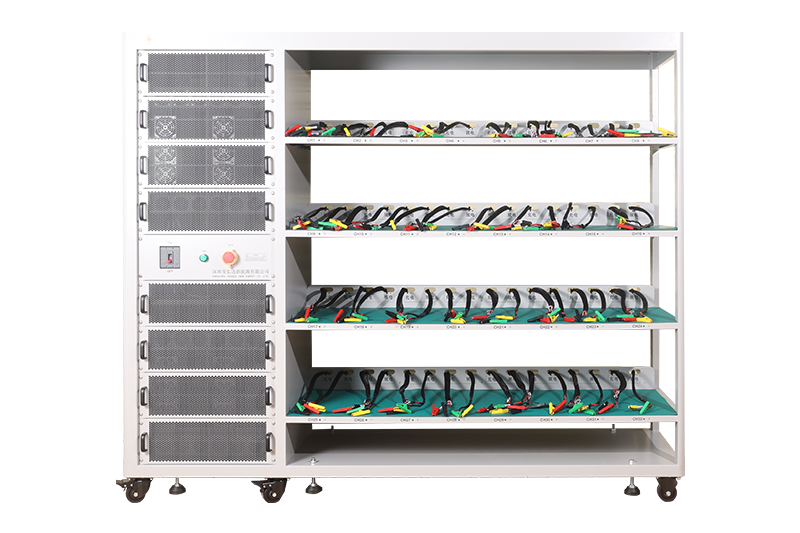 64 channel battery charging and discharging test integrated battery cabinet
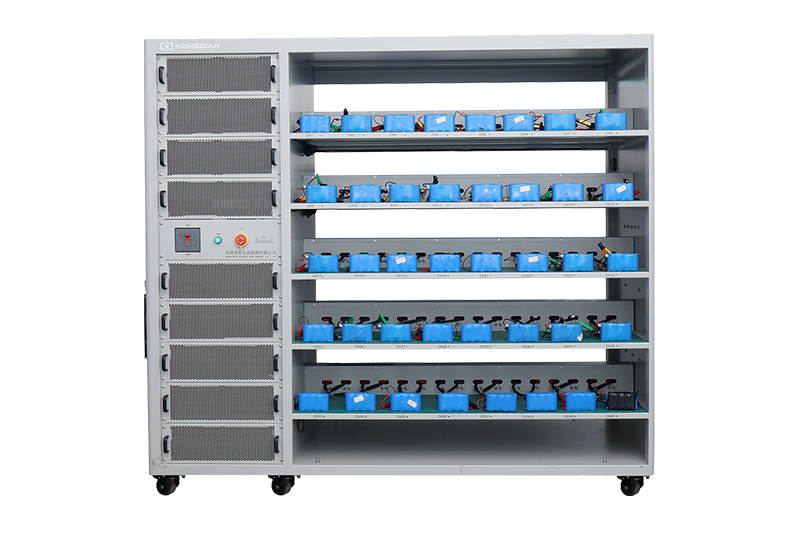 80 channel battery charging and discharging test integrated battery cabinet
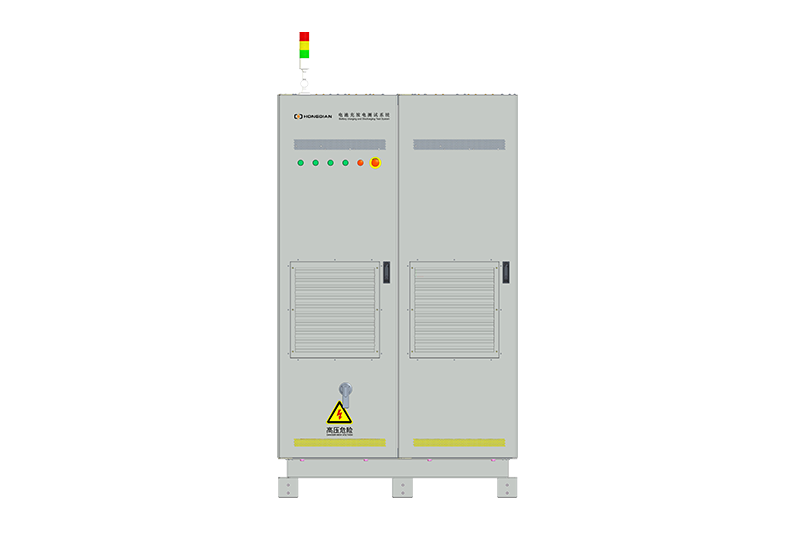 1000V-1500V High Voltage High Current Battery Testing System
 High-Precision Battery Testing System for Enhanced Performance Monitoring 30V/60V/100V/120V
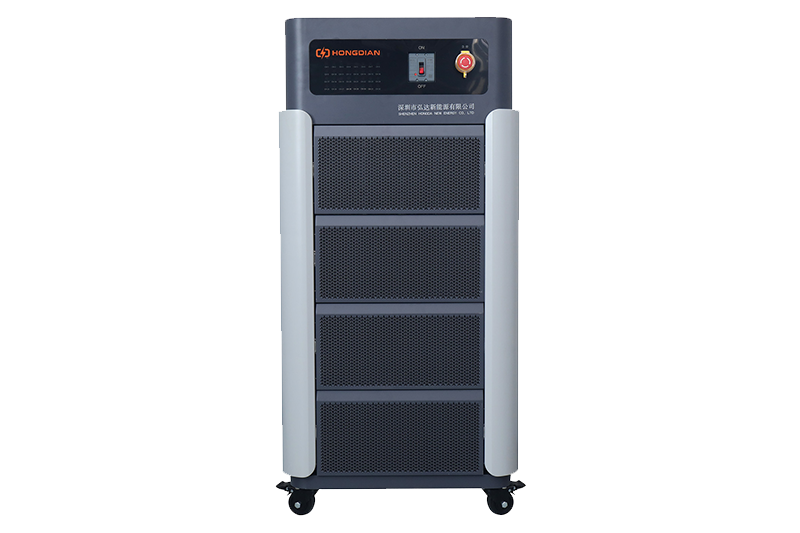 High-Precision Battery Charge Discharge Test Systems for EV Manufacturers
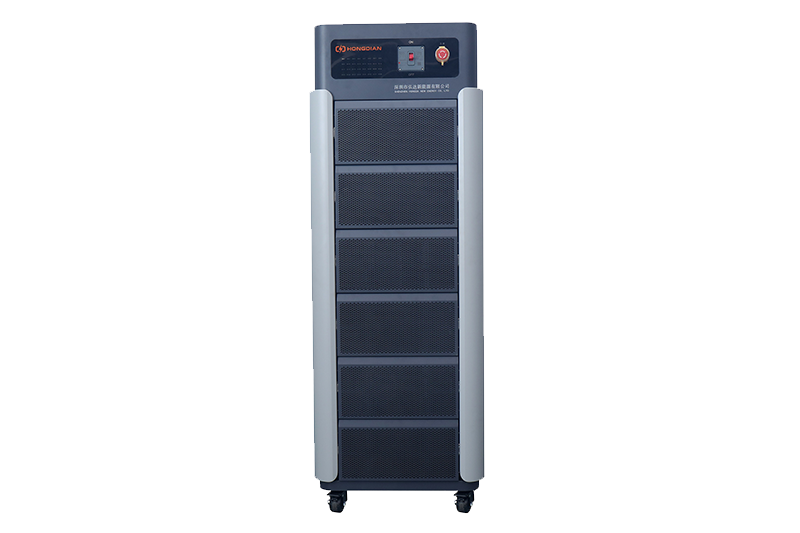 Precision Battery Test Racks for Cell Capacity & Internal Resistance Measurement
 Multi-Channel Battery Testing Equipment for Parallel Performance Analysis