Top 5 Battery Analyzers: Best Tools to Test and Monitor Your Batteries
In today's fast-paced, technology-driven world, the reliability and performance of batteries are more critical than ever. A report by MarketsandMarkets predicts that the global battery testing equipment market will reach $3.67 billion by 2025, driven by the increasing demand for energy storage systems and electric vehicles. With this burgeoning market, the significance of utilizing a Battery Analyzer cannot be overstated, as it ensures optimal performance and longevity of battery assets in various applications.
Battery Analyzers serve as essential tools for manufacturers, technicians, and hobbyists alike, enabling them to evaluate battery health, capacity, and overall performance. According to a study by Allied Market Research, the rising adoption of battery analyzers in sectors such as automotive and renewable energy is projected to propel the growth of the analyzer market. By providing accurate measurements and insights, these devices help users make informed decisions about maintenance, replacement, and recycling, ultimately contributing to a more sustainable energy future.
As we delve into the top five battery analyzers available in the market, it is crucial to recognize the valuable role they play in ensuring the efficiency of battery systems. From simple household applications to complex industrial setups, choosing the right Battery Analyzer can optimize performance and extend the lifespan of batteries, making them an indispensable asset in modern technology.
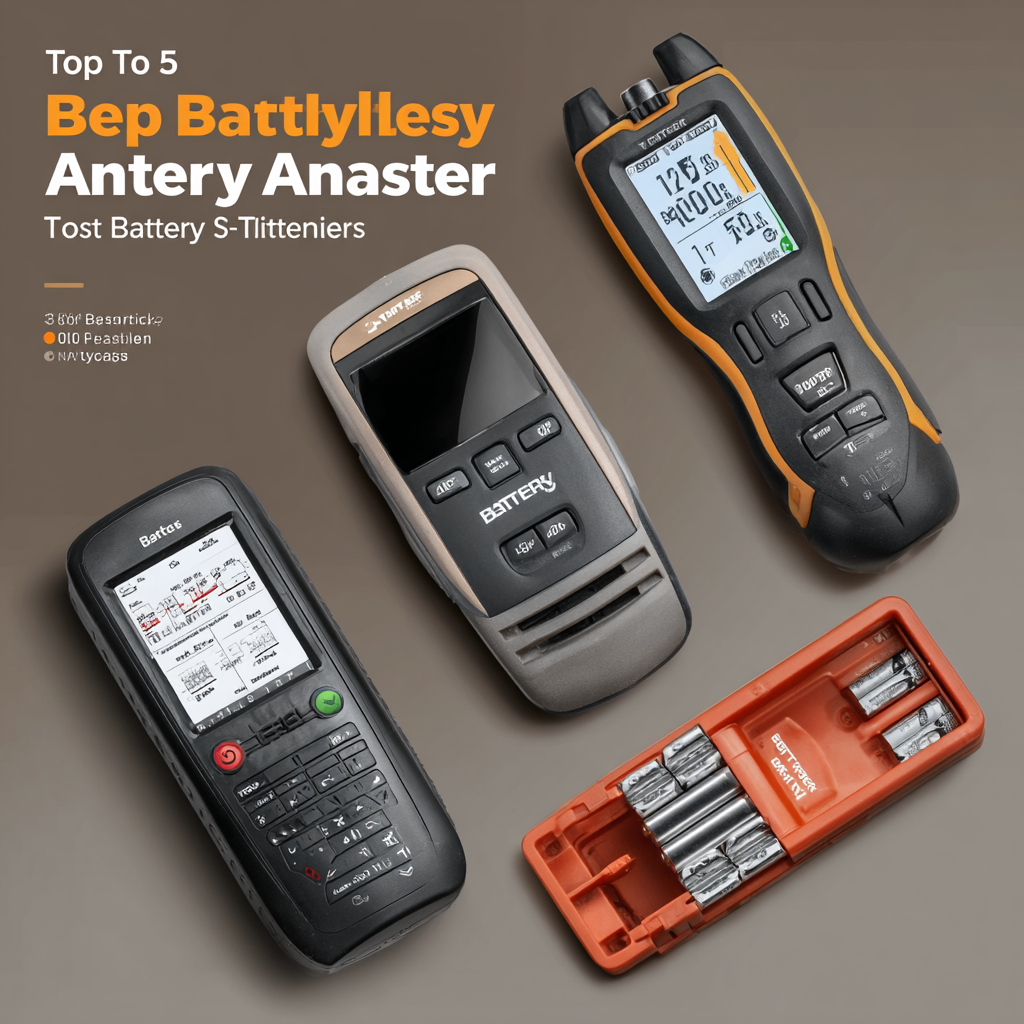
Top Features to Look for in a Battery Analyzer
When selecting a battery analyzer, there are several key features you should consider to ensure optimal functionality. Firstly, look for models that offer a wide range of compatibility with different battery types, including lead-acid, lithium-ion, and nickel-cadmium. This versatility allows you to test various batteries, making the analyzer a valuable tool for both personal and professional use.
Another important feature is the analyzer's ability to provide detailed discharge and charge cycle information. Advanced models often include data logging capabilities, which allow users to track battery performance over time. Visual displays, such as LCD or LED screens, enhance usability by providing real-time data, including voltage, current, and resistance measurements. Additionally, consider analyzers with built-in safety features like overcurrent protection and short circuit prevention, ensuring a safe testing experience while prolonging battery lifespan.
Top 5 Battery Analyzers
| Model |
Test Types |
Display Type |
Connectivity |
Battery Compatibility |
Price Range |
| Analyzer A |
Load, Capacity, Resistance |
LCD |
USB |
Lead Acid, Li-ion |
$50 - $100 |
| Analyzer B |
Capacity, Voltage |
LED |
Bluetooth |
Li-ion, NiMH |
$75 - $150 |
| Analyzer C |
Resistance, Internal |
Digital |
Wi-Fi |
Lead Acid, NiCd |
$100 - $200 |
| Analyzer D |
Full Test, Capacity |
TFT |
USB, Bluetooth |
Li-ion, LiPo |
$150 - $300 |
| Analyzer E |
Charge, Discharge |
Color LCD |
Wi-Fi, USB |
All Types |
$200 - $400 |
Comparing the Top Battery Analyzers of 2025
When it comes to monitoring battery health and performance, having a reliable battery analyzer is essential. In 2025, several models stand out for their innovative features and user-friendly interfaces. Top contenders include the XtremePower Pro, which offers comprehensive analysis capabilities and Bluetooth connectivity, allowing users to track battery status from their smartphones. Another notable option is the PowerCheck 3000, renowned for its precision and ease of use, making it an excellent choice for both professionals and DIY enthusiasts.
Tips for choosing the right battery analyzer include considering the types of batteries you will be testing. Some analyzers specialize in automotive batteries, while others are better suited for household batteries or rechargeable types. Additionally, look for devices that provide real-time data and diagnostic capabilities, as these features can greatly enhance your understanding of your battery's condition.
When using a battery analyzer, always ensure that the device is calibrated correctly for accurate readings. Check the manufacturer's instructions on how to maintain and clean the analyzer for optimal performance. Finally, reading user reviews can provide insights into the reliability and functionality of different models, helping you make a more informed decision.
How to Choose the Right Battery Analyzer for Your Needs
When selecting the right battery analyzer, it’s essential to consider your specific testing needs and the types of batteries you work with.
According to a market analysis by Research and Markets, the global battery analyzer market is projected to grow at a CAGR of 4.2% from 2021 to 2026, indicating a rising demand for reliable testing tools. This suggests that investing in a quality battery analyzer can yield long-term benefits, particularly for professionals in the automotive and renewable energy sectors.
Begin by identifying whether you require a simple tester for personal use or a more advanced model suitable for industrial applications. Features like built-in microprocessors and connectivity options can significantly enhance functionality. For instance, testers with Bluetooth capability allow for real-time monitoring and data analysis, which can improve efficiency by approximately 30%, as reported by Battery University. Additionally, consider the analyzer's compatibility with various battery types, such as lithium-ion, lead-acid, and nickel-cadmium, to ensure it meets your operational needs effectively.
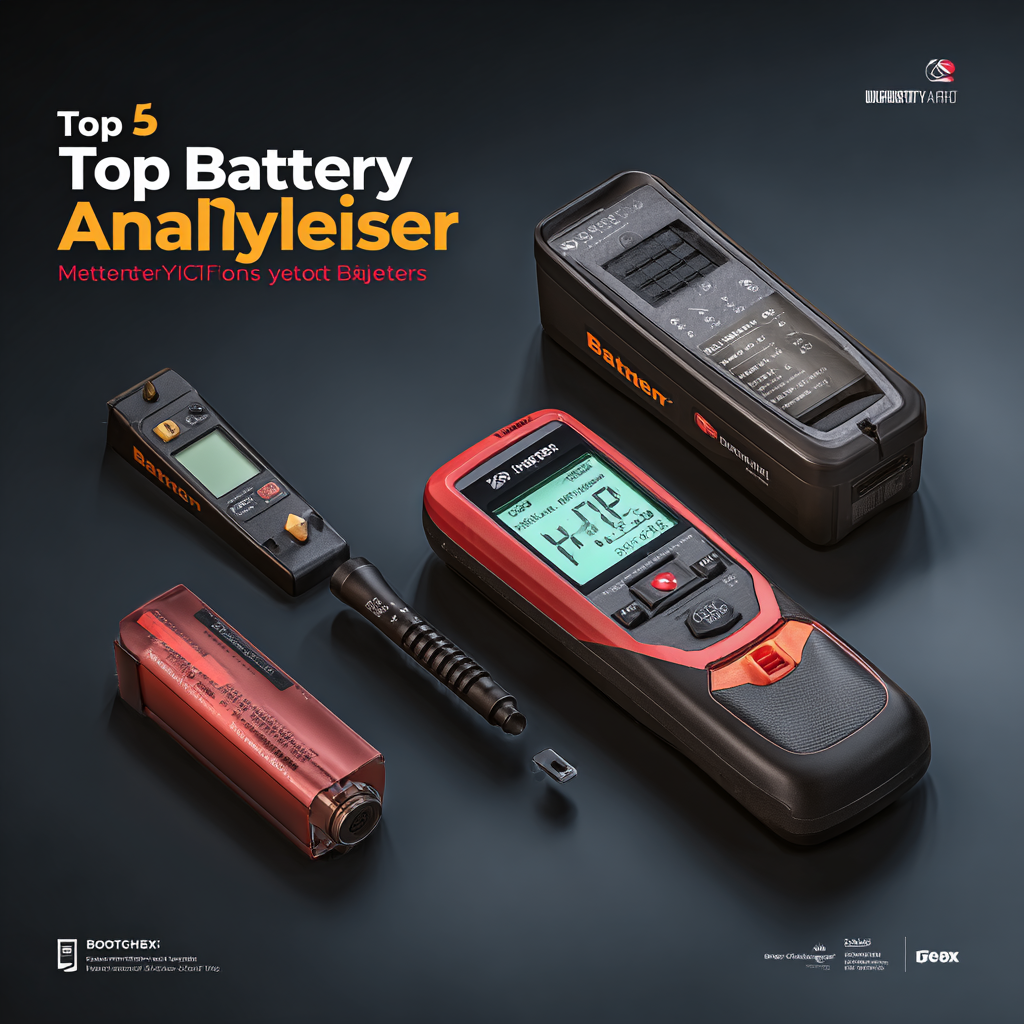
User Reviews and Ratings for the Best Battery Analyzers
When it comes to maintaining the health and efficiency of your batteries, user reviews and ratings for battery analyzers play a crucial role. The best tools not only test the voltage and capacity of your batteries but also provide insights into their overall condition. Users frequently praise analyzers that are user-friendly, delivering accurate readings with minimal setup. For instance, models equipped with digital interfaces often receive higher marks for clarity and ease of use, making them a favorite among both professionals and DIY enthusiasts.
Another factor that influences ratings is the versatility of the battery analyzer. Many users appreciate devices that can handle various battery types, from lead-acid to lithium-ion. This flexibility allows for a broader application, whether for automotive, marine, or renewable energy systems. Reviews often emphasize the durability and reliability of these tools, with many users reporting significant improvements in battery life and performance after using an analyzer for maintenance. In summary, user feedback highlights the importance of choosing a well-reviewed battery analyzer that meets specific needs while offering dependable performance.
Battery Analyzer Performance Ratings
Tips for Maintaining Your Battery Analyzer for Longevity
When it comes to maintaining the longevity of your battery analyzer, regular care and proper usage are essential. According to a report by the International Battery Association, improper handling and neglect can reduce the lifespan of battery analyzers by up to 30%. To avoid this, ensure that your device is stored in a dry and cool environment, as extreme temperatures and humidity can affect its functionality and precision. Additionally, routinely inspect the cables and connectors for any signs of wear or damage, as these components are crucial for accurate readings.
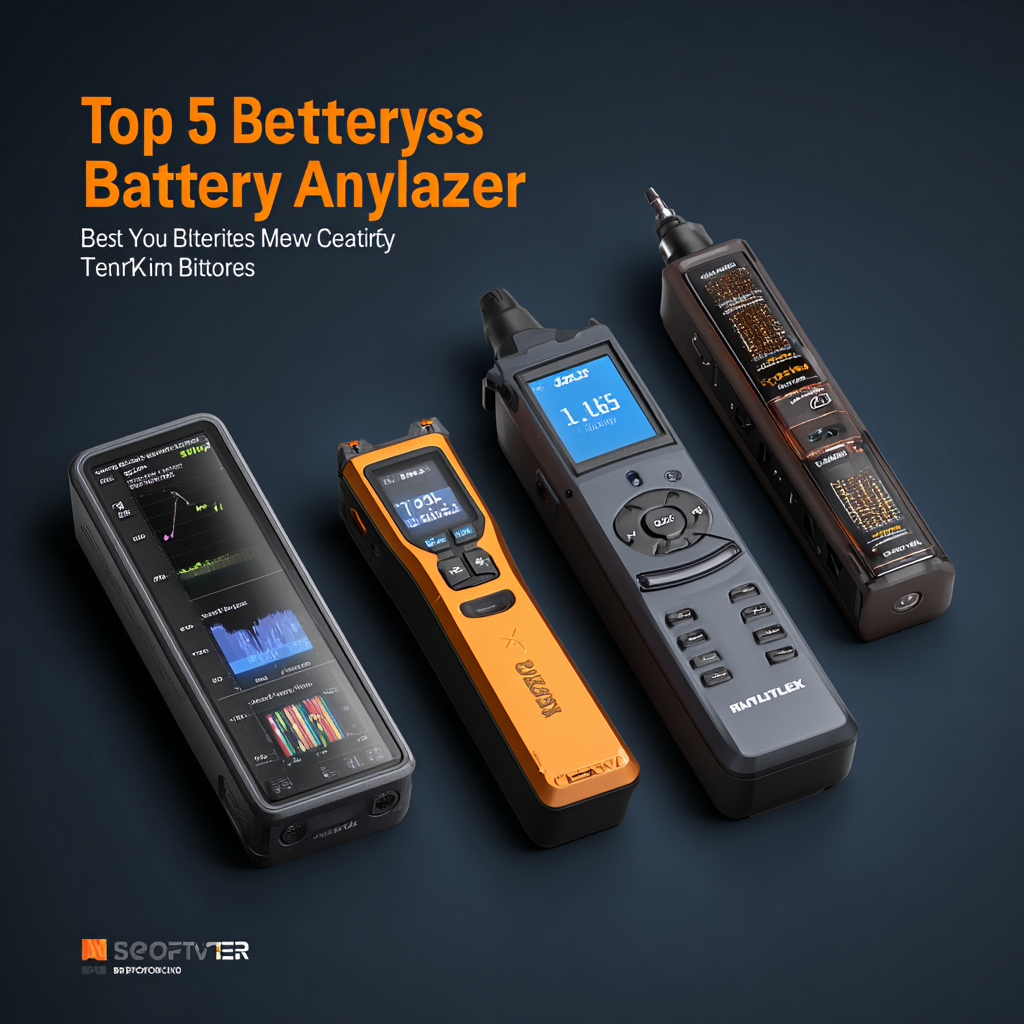
Another important tip is to keep your battery analyzer’s software updated. Many modern analyzers come equipped with firmware that can improve performance and provide more accurate diagnostics. A study published in the Journal of Power Sources suggests that users who updated their analyzers regularly reported a 20% increase in efficiency during testing. Lastly, always follow the manufacturer's guidelines for calibration and usage; doing so will help maintain accuracy and prolong the life of your tool, making it a reliable resource for monitoring battery health.

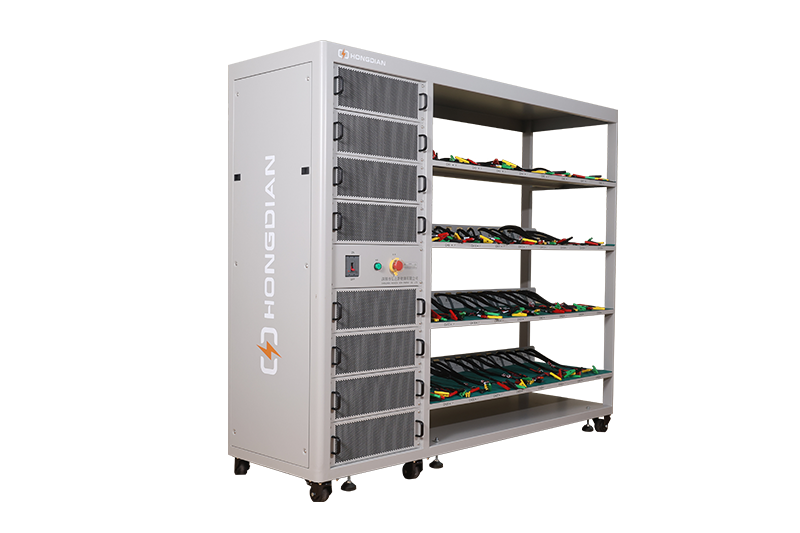 32/48 channel battery charging and discharging test integrated battery cabinet
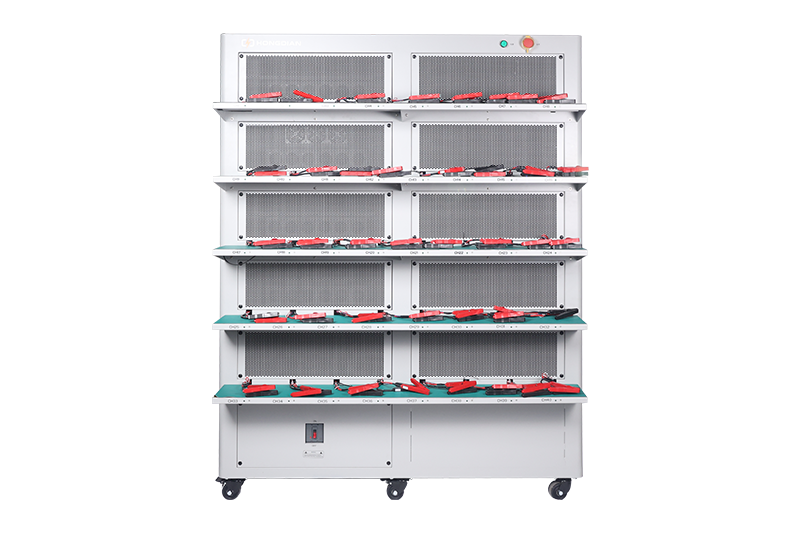 40 channel battery charging and discharging test integrated battery cabinet
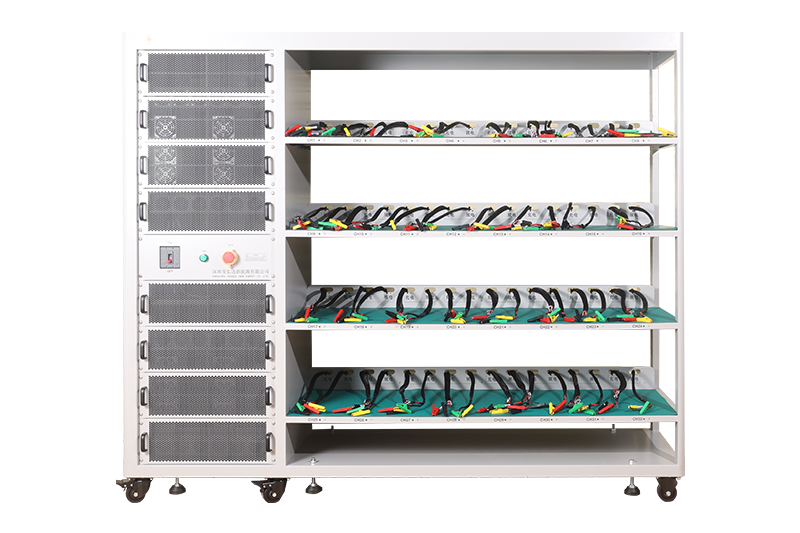 64 channel battery charging and discharging test integrated battery cabinet
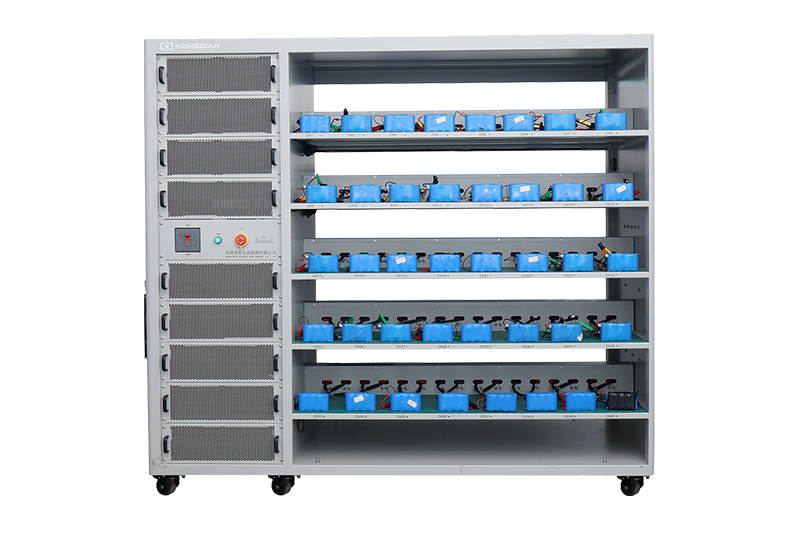 80 channel battery charging and discharging test integrated battery cabinet
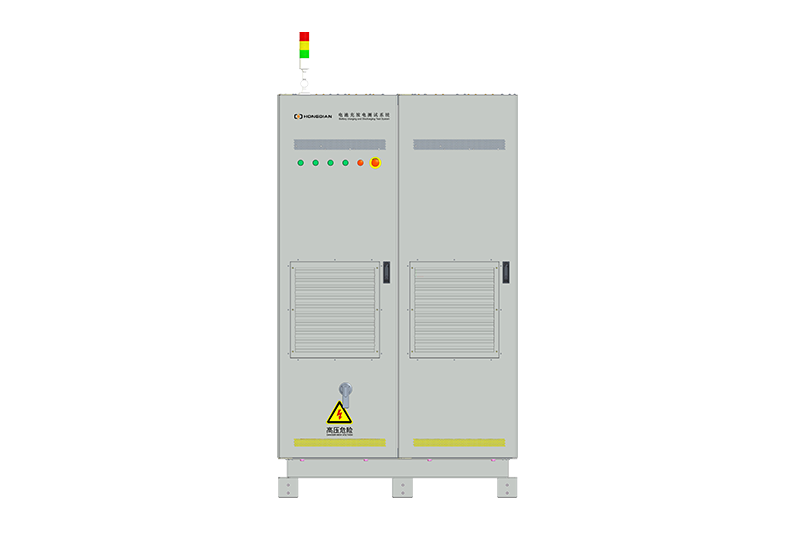 1000V-1500V High Voltage High Current Battery Testing System
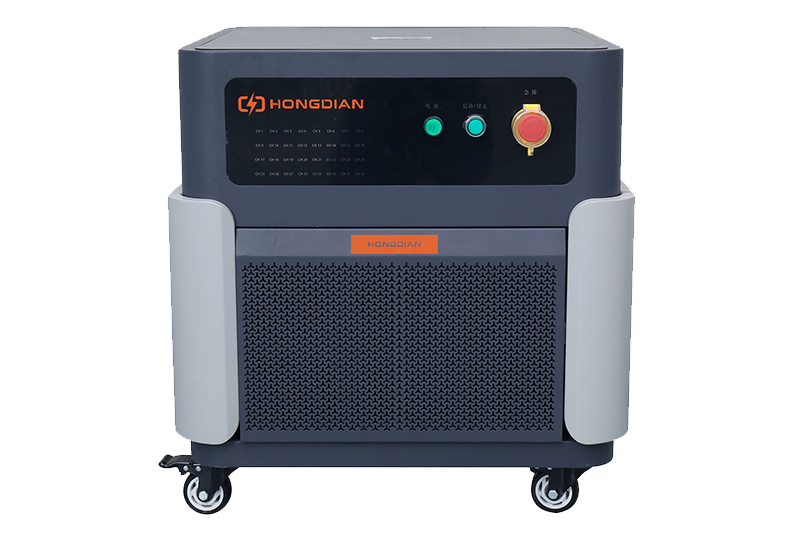 High-Precision Battery Testing System for Enhanced Performance Monitoring 30V/60V/100V/120V
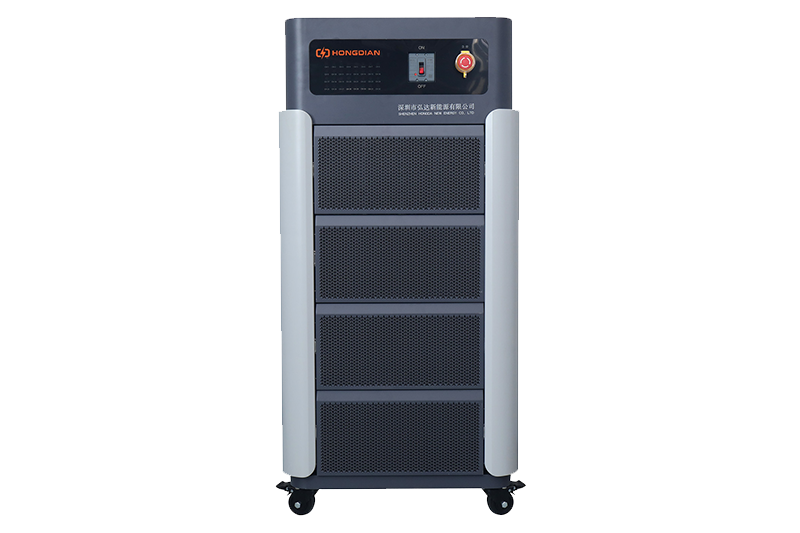 High-Precision Battery Charge Discharge Test Systems for EV Manufacturers
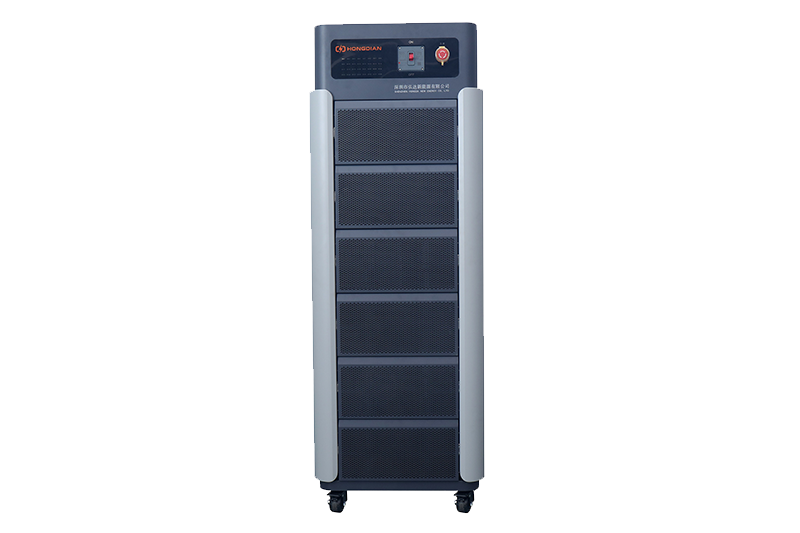 Precision Battery Test Racks for Cell Capacity & Internal Resistance Measurement
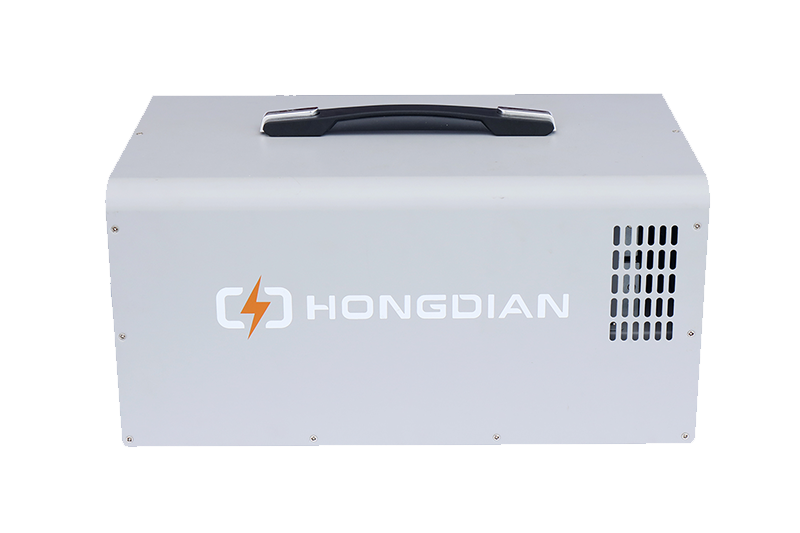 Multi-Channel Battery Testing Equipment for Parallel Performance Analysis