Top 10 Battery Testers for Rechargeable Batteries: Find the Best One Today!
In today's technology-driven world, the need for reliable and efficient power sources is more critical than ever. As rechargeable batteries become increasingly popular, ensuring their performance and longevity is essential for both personal and professional use. This is where a quality battery tester for rechargeable batteries comes into play. With numerous options available on the market, it can be challenging to determine which tester will best meet your needs.
A battery tester is not just a tool; it is a valuable investment that can help you monitor the health of your rechargeable batteries. This enables you to avoid unexpected failures, extend the lifespan of your batteries, and optimize the performance of your devices. From simple analog testers to advanced digital models, finding the right battery tester can significantly enhance your battery management strategy and ensure that you are always powered up when you need it most.
In this article, we will explore the top 10 battery testers for rechargeable batteries, highlighting their features, benefits, and what makes them stand out. Whether you are a casual user or someone who relies heavily on rechargeable power solutions, this guide aims to help you find the best battery tester for your specific requirements.
Understanding Battery Testers: What You Need to Know
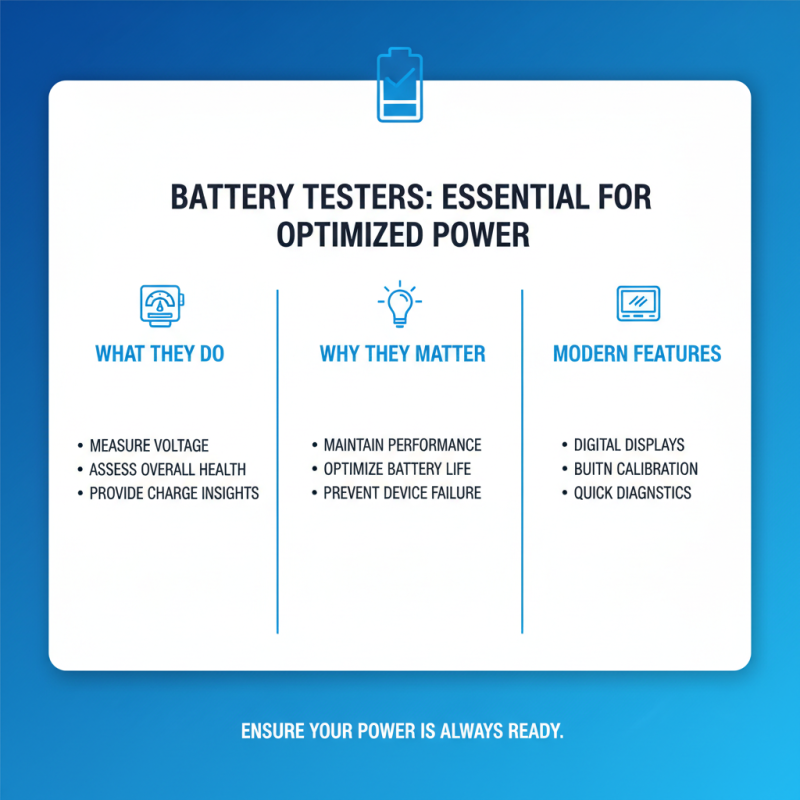
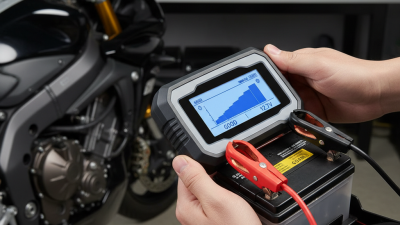
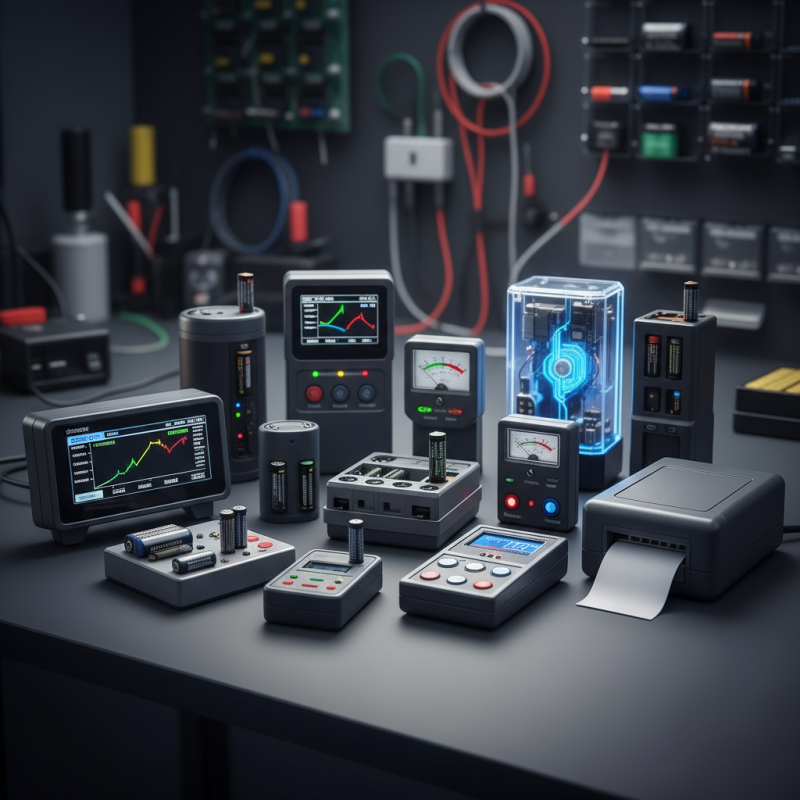
Battery testers are essential tools for anyone who relies on rechargeable batteries, whether for household devices, tools, or personal electronics. Understanding how battery testers function can significantly enhance your ability to maintain and optimize the performance of your batteries. These devices measure the voltage and overall health of batteries, providing crucial insights into their remaining charge capacity and efficiency. With features like digital displays and built-in calibration systems, modern battery testers enable users to quickly determine whether a battery is suitable for use or needs replacement.
Before purchasing a battery tester, it is essential to consider the specific type of batteries you will be testing, as various models cater to different sizes and chemistries, including NiMH, Li-ion, and lead-acid. Look for testers that are user-friendly and provide clear, concise readouts. Additionally, consider factors such as size, portability, and any additional functions like load testing capability. A quality battery tester not only prolongs the life of your batteries by ensuring they're fully charged but also promotes safety by identifying faulty batteries that could pose a risk.
Types of Rechargeable Batteries: Compatibility with Testers
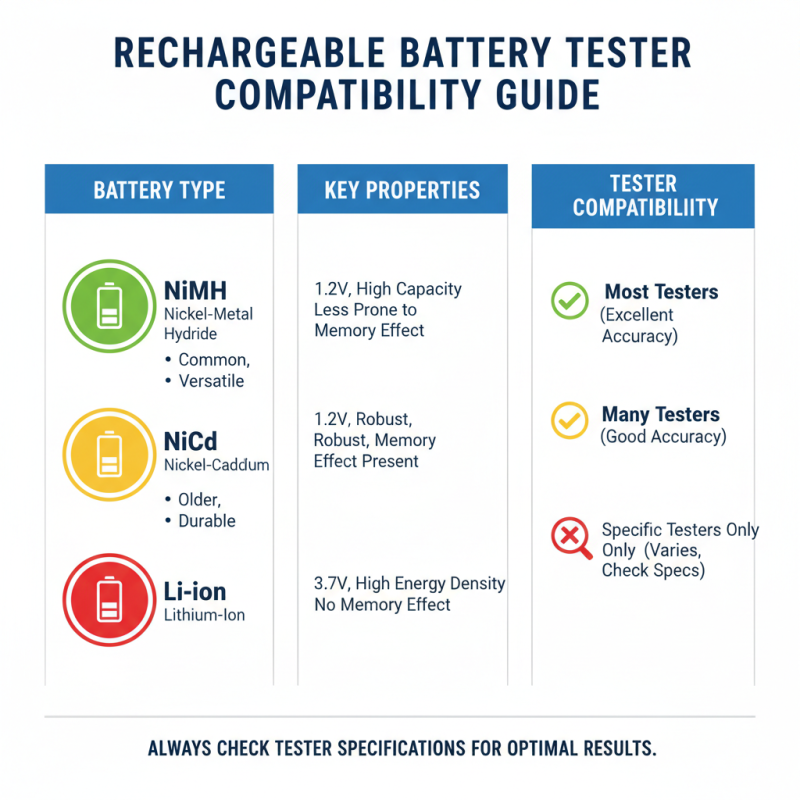
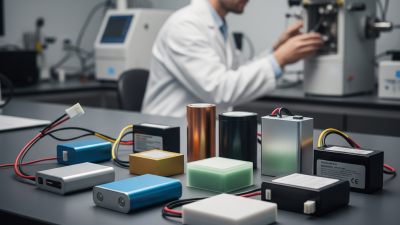
When it comes to testing rechargeable batteries, understanding the types of batteries and their compatibility with testers is vital. Common types of rechargeable batteries include Nickel-Metal Hydride (NiMH), Nickel-Cadmium (NiCd), and Lithium-Ion (Li-ion). Each type has its intrinsic properties and charging methods, which can affect how they perform in different testers. For instance, while many testers might excel with NiMH batteries, they may not provide accurate readings for Li-ion cells due to differences in voltage and chemistry.
**Tips:** Always check the specifications of your battery tester to ensure compatibility with the type of rechargeable battery you intend to test. Some testers may feature specialized settings for different battery types, improving accuracy and efficiency. Additionally, using a tester with a clear display can help you monitor your battery's health more easily.
In addition to traditional rechargeable batteries, newer technologies such as lithium polymer (LiPo) batteries are becoming more popular, particularly in hobbies like drone flying and RC vehicles. It’s crucial to select a tester that can accommodate these advanced batteries since their structural design and charging requirements can differ significantly from older battery types. Knowledge about the chemistry and characteristics of your batteries will ultimately enhance your testing and maintenance routines.
**Tips:** Regular testing of your rechargeable batteries can extend their lifespan, allowing you to identify issues like capacity loss or potential failures before they become critical. Make it a practice to check your batteries every few months to ensure optimal performance.
Key Features to Consider When Choosing a Battery Tester
When selecting a battery tester for rechargeable batteries, there are several key features to consider that can significantly enhance your testing experience. First and foremost, accuracy is critical. A reliable battery tester should provide precise voltage readings and offer information on the battery's remaining capacity. Look for testers that utilize advanced measurement technology to ensure consistency and minimize discrepancies in results. This feature allows users to assess battery health effectively, making it easier to determine when a battery needs recharging or replacement.
Another essential aspect to consider is the range of battery compatibility. Ideally, your chosen tester should accommodate various battery types, including lithium-ion, nickel-cadmium, and nickel-metal hydride, as this versatility ensures that it can be utilized for all your rechargeable batteries. Additionally, consider testers that come with user-friendly interfaces, such as clear displays and simple operation instructions, making them accessible for different skill levels. Some models may even include additional functionalities, such as temperature measurement or built-in charging capabilities, which can add extra value to your purchase. By focusing on these key features, you can make an informed decision when selecting a battery tester that best suits your needs.
Comparison of Top 10 Battery Testers for Rechargeable Batteries
This chart displays the accuracy ratings of the top 10 battery testers for rechargeable batteries. A higher accuracy rating indicates a better performance in testing rechargeable batteries. Use this information to choose the battery tester that best meets your needs!
Top 10 Battery Testers: A Comprehensive Review
When it comes to maintaining rechargeable batteries, having a reliable battery tester is essential for ensuring optimal performance and longevity. Our comprehensive review of the top 10 battery testers highlights the features and functionalities that matter most to consumers looking for quality and precision.
Each tester provides a unique set of metrics, allowing users to quickly assess the health and charge status of their batteries, from lithium-ion to nickel-metal hydride types.
In our analysis, we focus on key aspects such as accuracy, ease of use, and versatility. Many testers offer digital displays that provide clear readings, while others come equipped with additional features like load testing and discharge capabilities.
Additionally, portability and battery compatibility are crucial factors to consider for users who might need to test batteries in various settings, from home to on-the-go. Whether you are a DIY enthusiast or someone who relies heavily on rechargeable batteries for daily devices, our selection of the best testers ensures you'll find a tool suited to your needs.
How to Maintain Your Rechargeable Batteries for Longevity
To ensure the longevity of your rechargeable batteries, proper maintenance and usage habits are crucial. According to a report by the National Renewable Energy Laboratory, optimal battery management can extend the lifespan of rechargeable batteries by up to 30%. The primary factors influencing battery health include charging practices, storage temperature, and discharge cycles. It’s essential to avoid overcharging, as this can generate excess heat and degrade the battery chemistry over time. Utilizing a quality battery tester can help gauge the charge level and condition of your batteries before prolonged storage.
Additionally, maintaining a moderate temperature is vital; batteries stored in extreme heat or cold can experience reduced performance and capacity. The ideal storage temperature is between 20°C to 25°C. Moreover, it’s advisable to partially discharge rechargeable batteries before storing them for an extended period, ideally around 40% to 60% of their capacity. This not only preserves the chemical composition but also prevents a complete discharge, which can result in battery failure. By following these best practices, you can optimize the performance of your rechargeable batteries, potentially achieving a lifespan of 500 to 1000 charge cycles, depending on the battery type and maintenance regime.

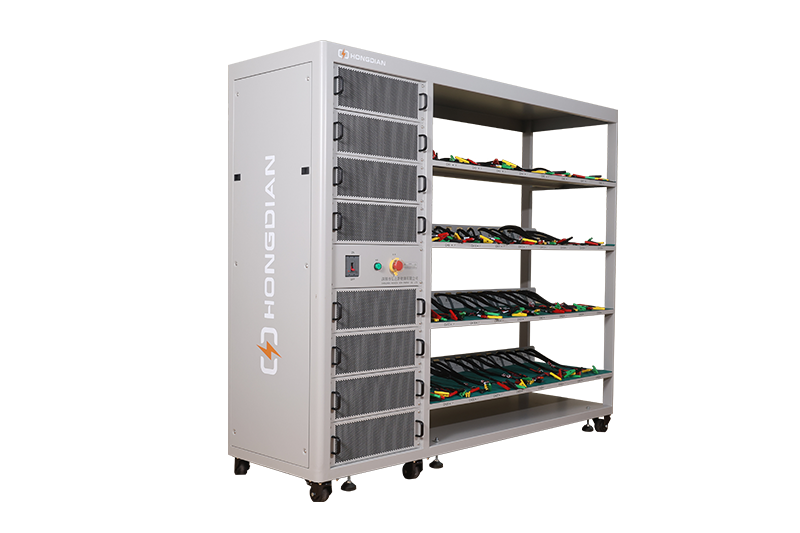 32/48 channel battery charging and discharging test integrated battery cabinet
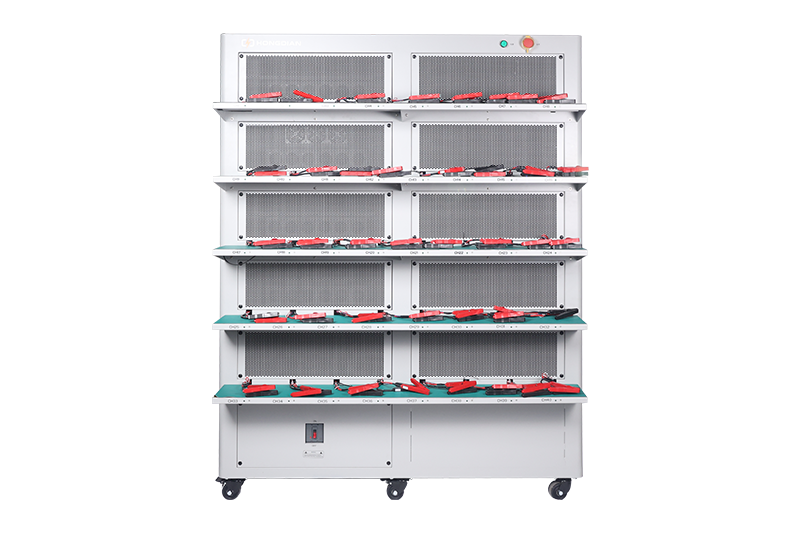 40 channel battery charging and discharging test integrated battery cabinet
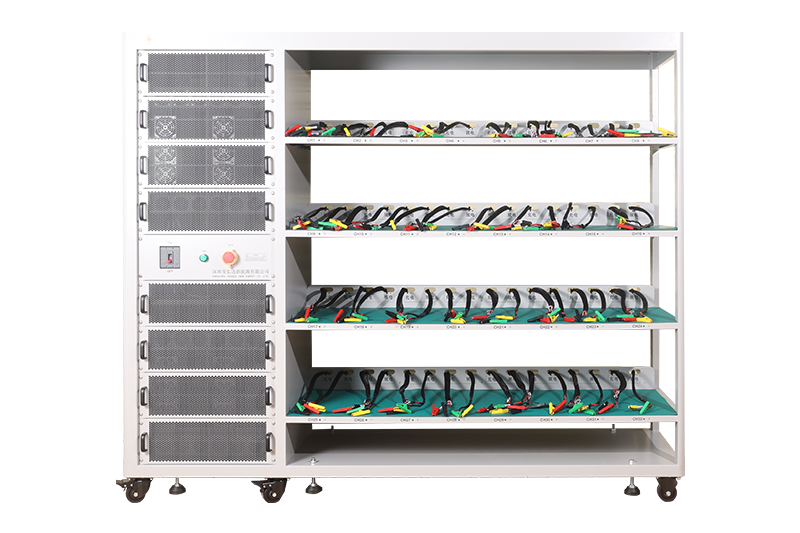 64 channel battery charging and discharging test integrated battery cabinet
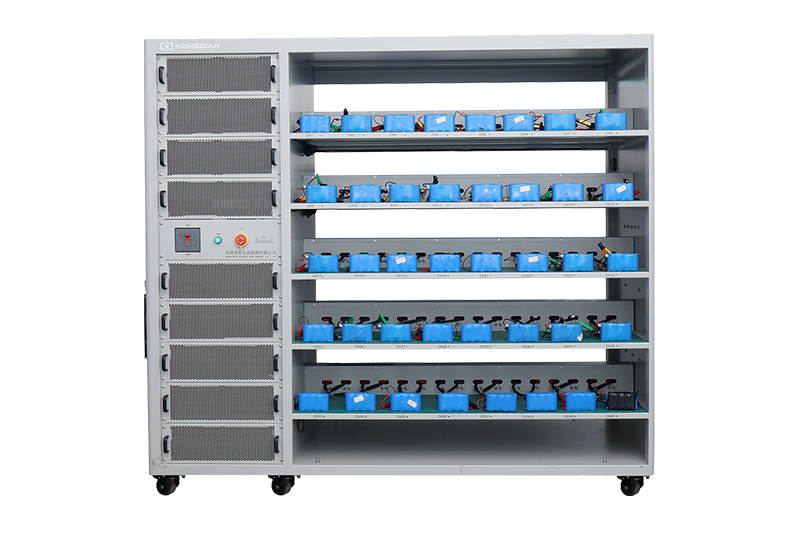 80 channel battery charging and discharging test integrated battery cabinet
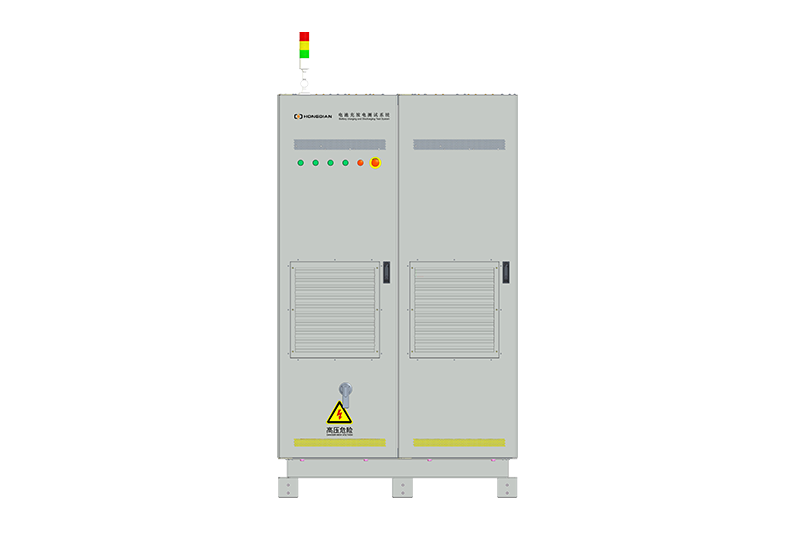 1000V-1500V High Voltage High Current Battery Testing System
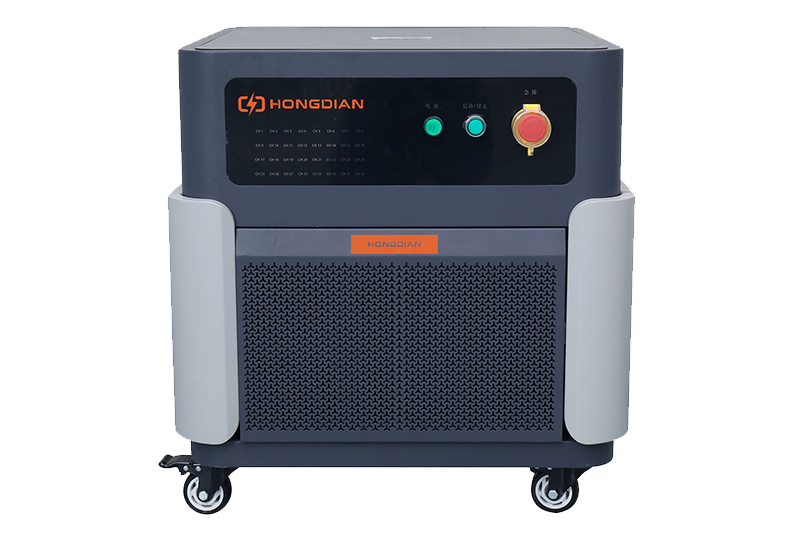 High-Precision Battery Testing System for Enhanced Performance Monitoring 30V/60V/100V/120V
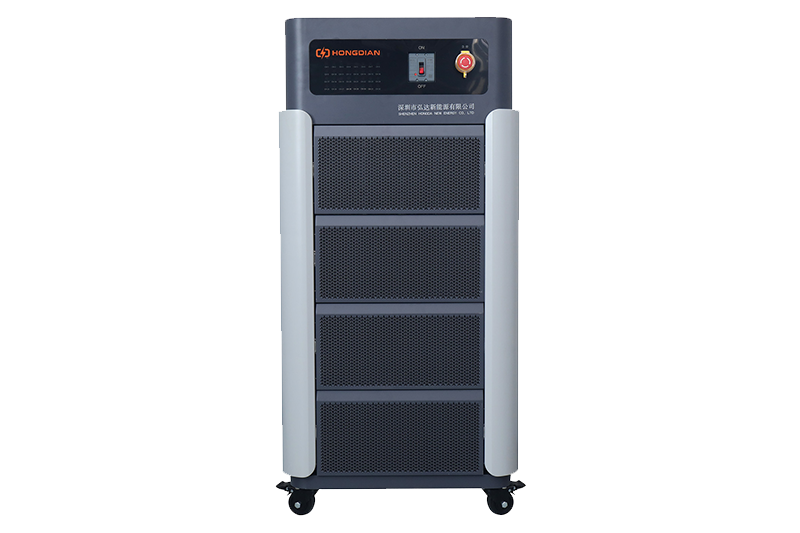 High-Precision Battery Charge Discharge Test Systems for EV Manufacturers
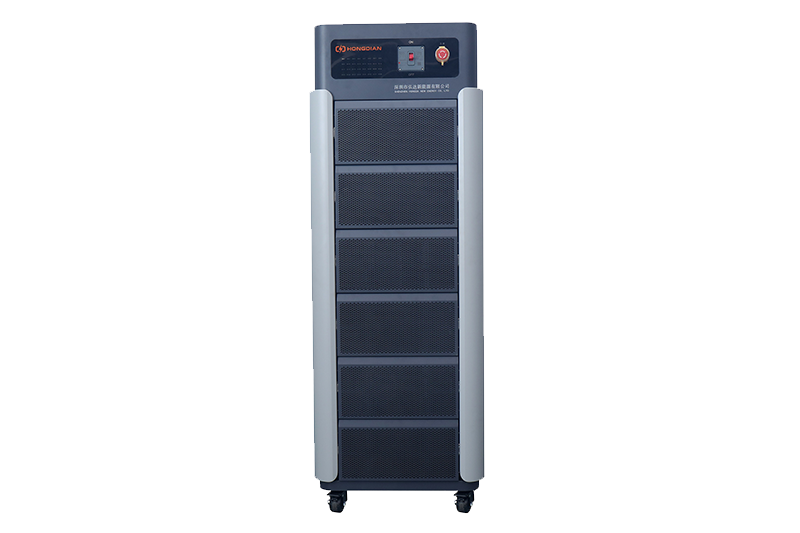 Precision Battery Test Racks for Cell Capacity & Internal Resistance Measurement
 Multi-Channel Battery Testing Equipment for Parallel Performance Analysis