Essential Tips for Choosing the Best Automotive Battery Tester?
When it comes to maintaining a vehicle, the importance of an Automotive Battery Tester cannot be overstated. Data shows that nearly 25% of vehicle breakdowns are attributed to battery issues. Choosing the right tester is essential for both efficiency and accuracy. An effective Automotive Battery Tester not only measures the voltage but also the overall health of the battery.
In recent years, the technology behind battery testing has evolved significantly. Industry reports indicate that sophisticated testers can assess multiple battery types, including AGM and Lithium-ion. This versatility is crucial as more electric vehicles enter the market. A high-quality Automotive Battery Tester provides insights into battery life and potential failure points, helping prevent unexpected breakdowns.
However, not all testers are created equal. Some may lack features that are essential for comprehensive testing. Users often overlook the nuances of different models, sometimes investing in subpar tools due to price. Understanding the specific needs of your vehicle and selecting a tester that meets those demands is vital. This decision can directly impact vehicle performance and safety.
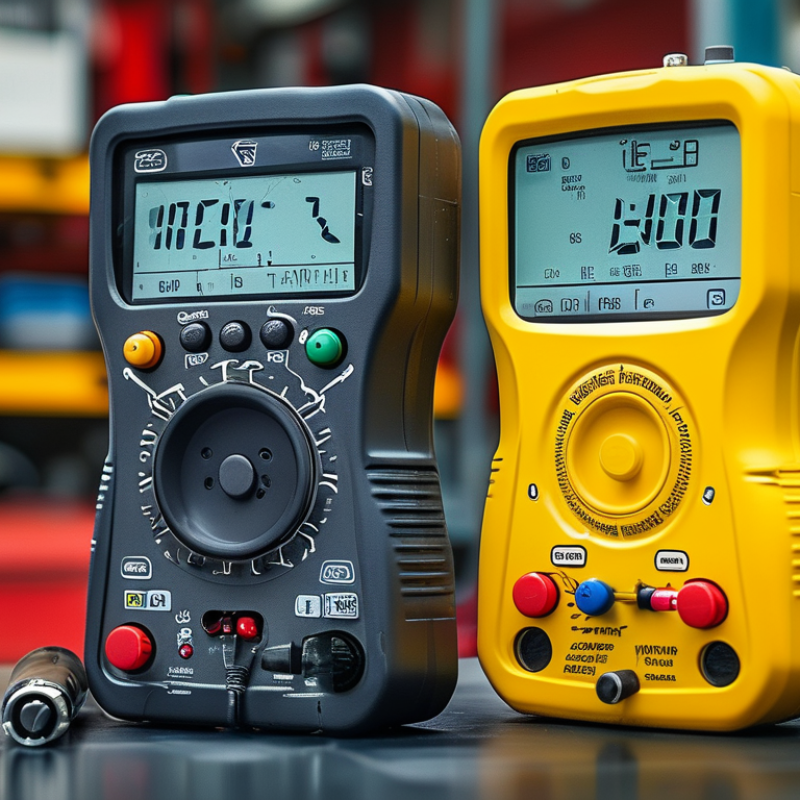
Key Factors to Consider When Selecting an Automotive Battery Tester
Choosing the right automotive battery tester requires careful consideration of several key factors. Start by assessing the type of batteries you will test. Some testers cater to lead-acid batteries, while others are designed for lithium-ion types. Knowing your needs helps narrow down your options effectively.
The testing range is crucial. A reliable tester should measure voltage, cold cranking amps (CCA), and internal resistance. Look for models that provide accurate, comprehensive readings. This ensures you understand battery health thoroughly. Additionally, usability matters. An intuitive interface will streamline the testing process. Clarity in display and ease of operation saves time and reduces errors.
Consider portability, too. Many testers are bulky, but lightweight options are available. These are ideal for mobile mechanics or DIY enthusiasts. On the downside, some compact models might lack advanced features. Reflect on your priorities. Balancing form and function can be challenging but is essential. Ultimately, a well-informed selection leads to better maintenance and extended battery life.
Types of Automotive Battery Testers: A Comprehensive Overview
When it comes to automotive battery testers, understanding the types available is crucial. There are primarily three types: digital testers, analog testers, and load testers.
Digital testers provide precise reading and are often equipped with advanced features. A study by the Automotive Research Association found that 70% of professionals prefer digital testers for accuracy.
Analog testers offer simplicity and are suitable for basic checks, often used in less demanding automotive environments.
Load testers are essential for assessing the battery's performance under stress. They simulate the load a battery experiences in real-world conditions. Reports indicate that load testing can predict battery failure in 85% of cases. This makes it an indispensable tool for professionals and DIY enthusiasts alike.
Tip: Choose the right tester for your needs. If you often work on various vehicles, consider a versatile digital tester. Look for features like temperature compensation and a clear display. This ensures reliability and precise readings.
Remember, the best battery tester is one that meets your specific requirements while providing trusted results. Aim for products that carry certifications from recognized automotive organizations.
Understanding Battery Tester Features and Specifications
When selecting an automotive battery tester, understanding its features is crucial. A good battery tester should measure not only voltage but also cold-cranking amps (CCA). This feature ensures the battery can start the engine in cold conditions. Additionally, a digital display can provide clear readings, making it easier to interpret results.
Another key specification is the tester's accuracy. Look for models that guarantee a high percentage of accuracy in their measurements. Some testers provide additional diagnostics, such as assessing the health of the battery. However, these added features can sometimes lead to confusion if not properly understood. Users should be cautious not to rely solely on these advanced functions without grasping the basics.
Battery testers also vary in usability. Some are lightweight and portable, ideal for home use. Others are more complex, designed for professional mechanics. It's important to consider your skill level. A complex device might frustrate a novice user. In contrast, a simpler model could miss advanced diagnostics. Finding the right balance is essential.
Essential Tips for Choosing the Best Automotive Battery Tester
| Feature |
Description |
Importance |
| Testing Type |
Conductance, Load Test, and Digital Voltage |
Ensures accurate readings for various battery conditions. |
| Display Type |
Digital vs. Analog |
Digital displays provide clearer and more precise readings. |
| Battery Compatibility |
12V, 24V, Lead-Acid, and AGM |
Ensures the tester works with a variety of battery types. |
| Portability |
Size and Weight |
Portable testers are easier to use on-the-go. |
| Additional Features |
Bluetooth connectivity, Data storage, and Printing options |
Enhances functionality and convenience for diagnostics. |
| Price Range |
Budget-friendly to Professional Grade |
Choose according to frequency of use and necessity. |
How to Interpret Battery Tester Readings Accurately
Interpreting battery tester readings accurately is crucial for evaluating your automotive battery’s health. A good tester will provide detailed metrics, such as voltage, cold cranking amps (CCA), and internal resistance. These readings help identify a battery's state of charge and its ability to start a vehicle in cold conditions. According to the Battery Council International, a battery should have a minimum voltage of 12.4 volts for optimal performance.
Understanding these readings requires attention to detail. For instance, a voltage below 12.0 volts indicates a discharged battery. Meanwhile, a CCA rating below the manufacturer’s specifications may reveal that the battery can’t provide sufficient power. Ideally, the internal resistance values should be low, suggesting better conductivity. Frequent checks can enable you to catch potential failures before they occur.
Tip 1: Always ensure the tester is properly calibrated. A well-calibrated tester offers precise readings and minimizes errors.
Tip 2: Consider environmental effects. Temperature fluctuations can deceive by causing voltage drops.
In practice, several factors can influence readings. Even new batteries can show abnormal metrics due to manufacturing defects or improper installation. Regular testing can reveal inconsistencies that warrant further investigation.
Maintenance Tips for Extending the Life of Your Battery Tester
When it comes to maintaining your automotive battery tester, a few essential practices can significantly extend its lifespan. Regular calibration is crucial. Many users overlook this step. Over time, a tester can provide inaccurate readings if not properly calibrated. Checking accuracy with a reliable reference battery can avoid future issues.
Storing your battery tester correctly is also key. Temperature extremes can damage internal components. Ideally, keep it in a controlled environment. Avoid damp places; moisture can cause corrosion. Use a protective case for extra safety. A small investment in storage can save money in the long run.
Cleaning the tester after use cannot be ignored. Dust and grime can interfere with its functionality. Use a soft cloth to wipe down surfaces. Ensure that all connectors are free of dirt. Remember, neglecting simple maintenance tasks can lead to unwarranted failures. Maintenance doesn’t just prolong the tool; it enhances reliability during inspections.

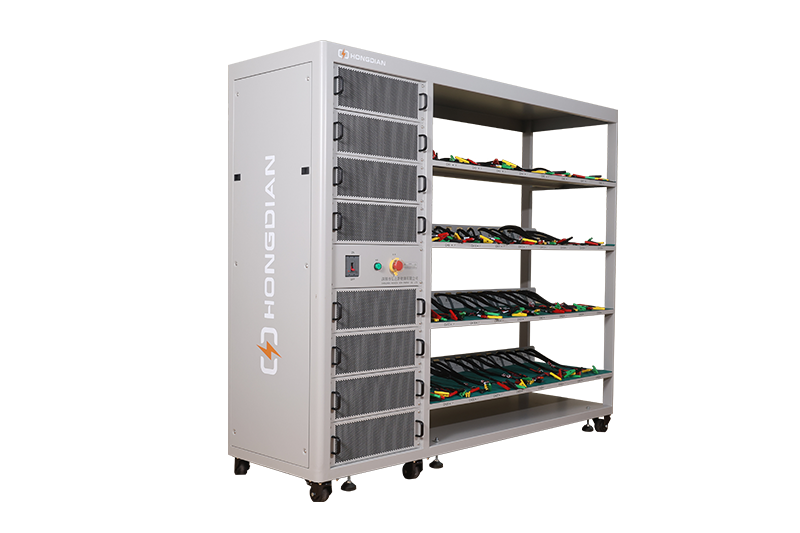 32/48 channel battery charging and discharging test integrated battery cabinet
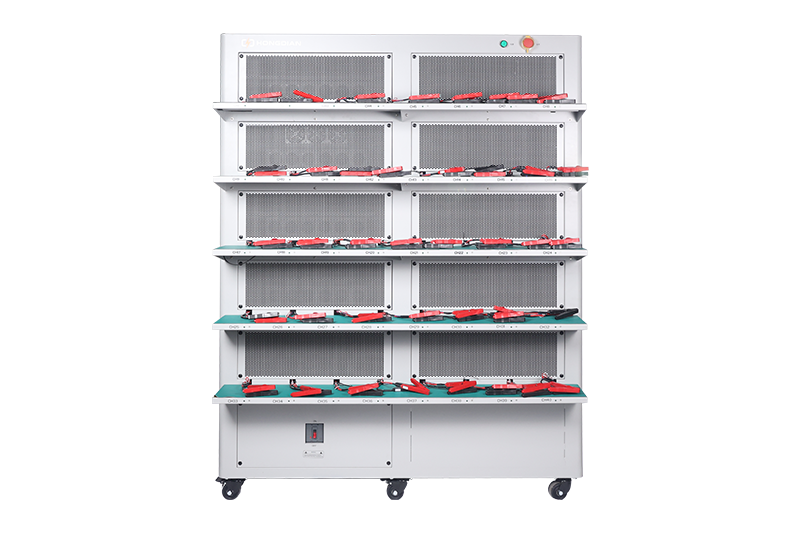 40 channel battery charging and discharging test integrated battery cabinet
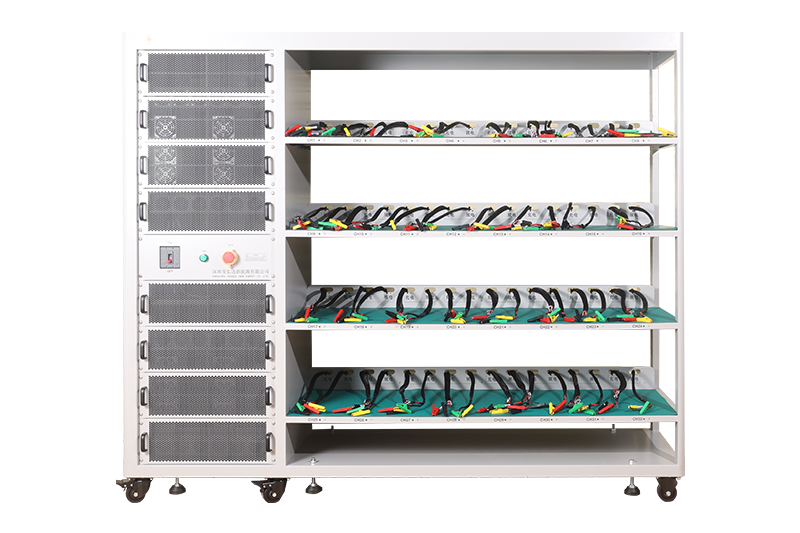 64 channel battery charging and discharging test integrated battery cabinet
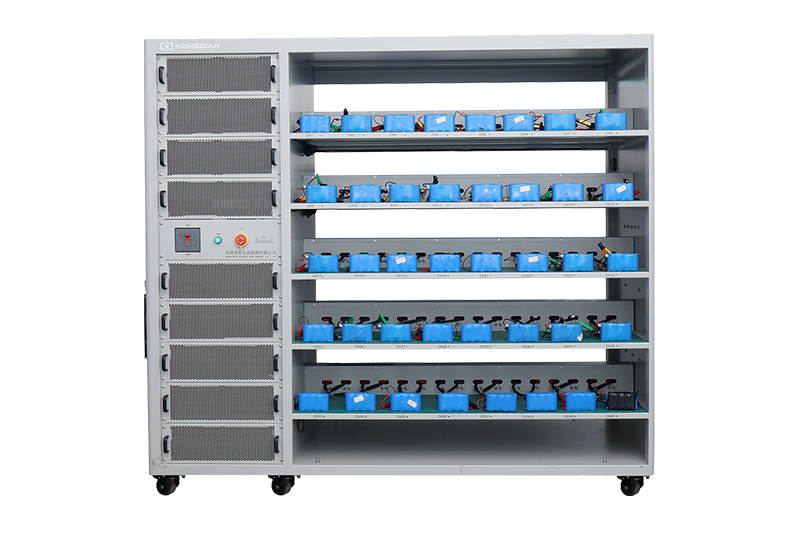 80 channel battery charging and discharging test integrated battery cabinet
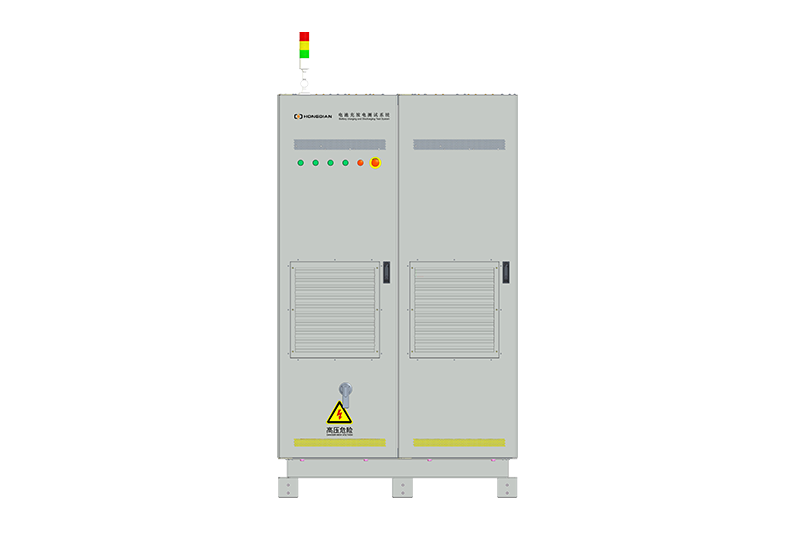 1000V-1500V High Voltage High Current Battery Testing System
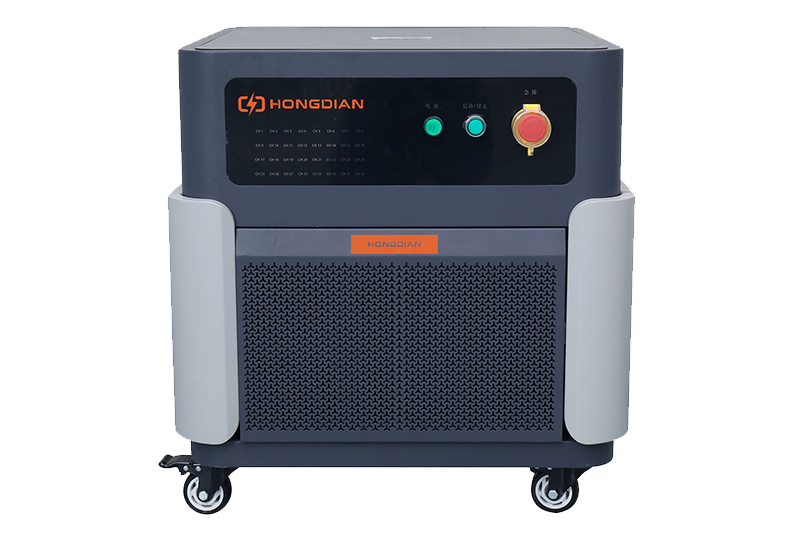 High-Precision Battery Testing System for Enhanced Performance Monitoring 30V/60V/100V/120V
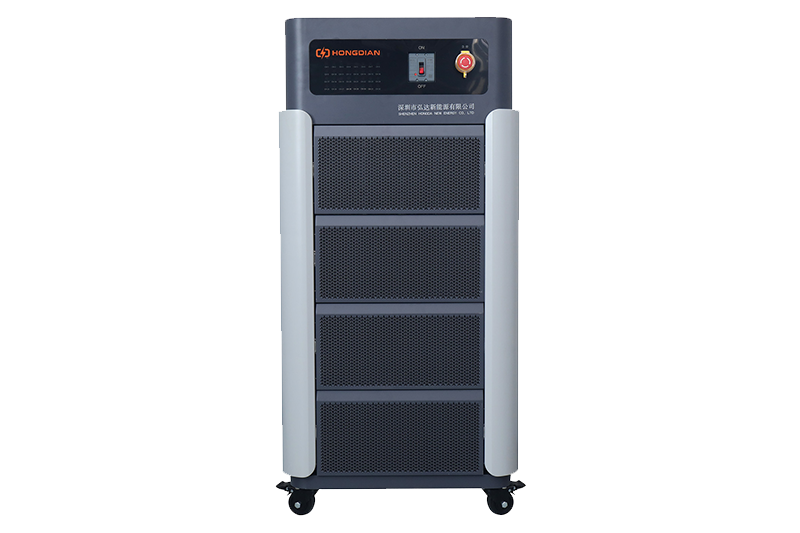 High-Precision Battery Charge Discharge Test Systems for EV Manufacturers
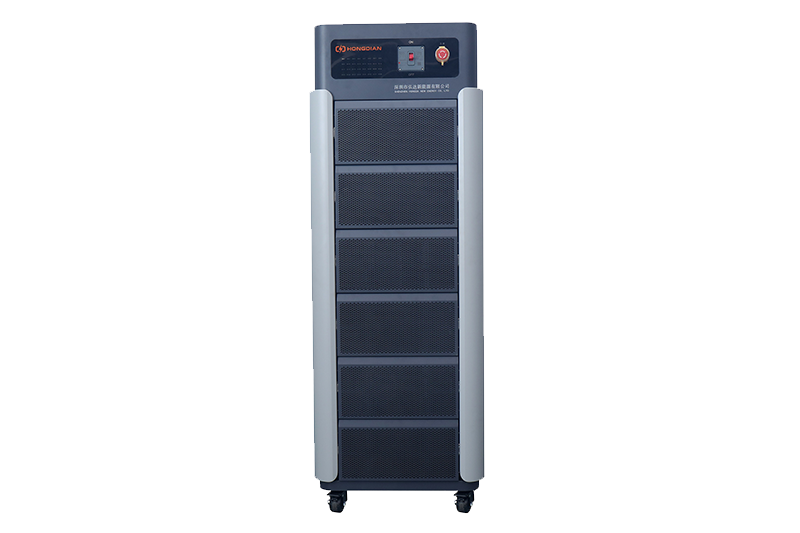 Precision Battery Test Racks for Cell Capacity & Internal Resistance Measurement
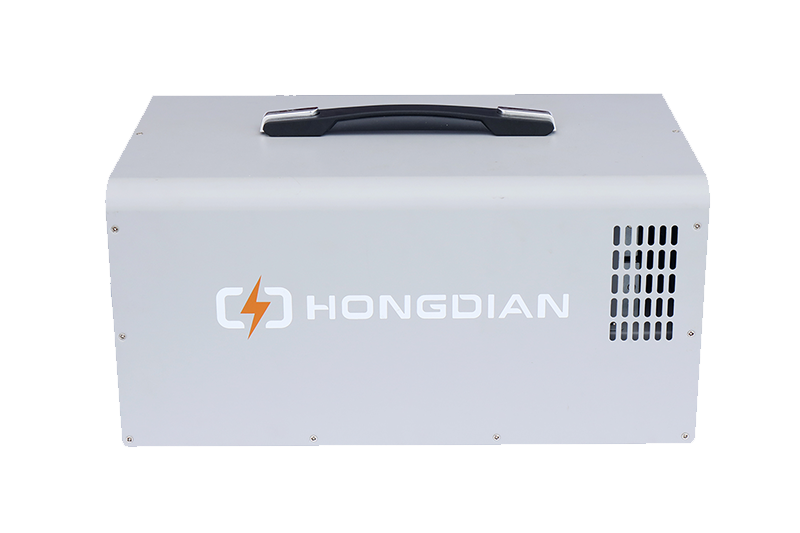 Multi-Channel Battery Testing Equipment for Parallel Performance Analysis