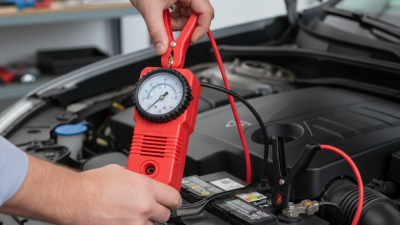
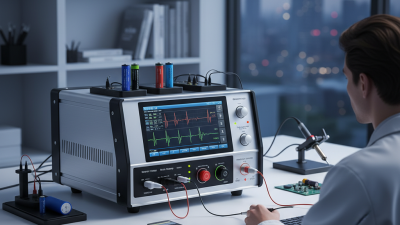
Why Do You Need a Battery Tester for Your Devices?
In today’s tech-savvy world, keeping our devices powered is essential. A Battery Tester can be a game-changer for users. Many people overlook the importance of checking battery health. They often assume all batteries are functioning until a device suddenly dies. This common oversight can lead to frustration.
Imagine you’re in the middle of an important call. Suddenly, your phone dies due to a weak battery. A Battery Tester would have easily identified the issue ahead of time. Regular testing can save us from these unexpected scenarios. It’s a simple tool that offers peace of mind.
People tend to procrastinate on checking battery levels. This habit can harm productivity and waste time. Using a Battery Tester encourages proactive maintenance. It reminds us to stay on top of device health. A little effort can lead to greater efficiency in our daily lives. After all, no one wants to be left powerless.
Importance of Battery Performance Monitoring in Devices
Battery performance monitoring is essential for keeping devices running smoothly. A recent study highlights that 40% of device malfunctions stem from battery issues. This shows how crucial regular checks are. A battery tester helps identify weak batteries before they cause problems. In the long run, it saves users from inconvenient situations.
Devices, whether smartphones or remote controls, rely on efficient batteries. According to industry reports, a weak battery can reduce a device's efficiency by up to 30%. Many users overlook this fact. They often wait until the battery fails. Regular monitoring can prevent such outcomes. It’s easier to replace a battery than deal with device failures.
Tips: Use a battery tester regularly. Check your devices at least once a month. Keep an eye on battery health indicators. Identify patterns in battery performance. This could save time and frustration down the line. Remember, prevention is better than a reactive approach.
Understanding Different Types of Battery Testers Available
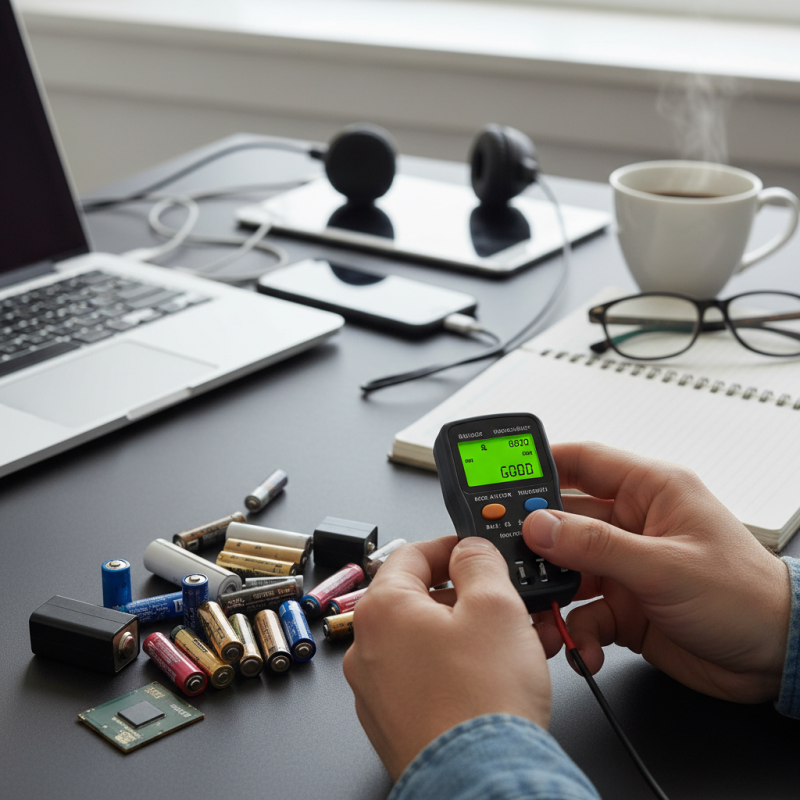
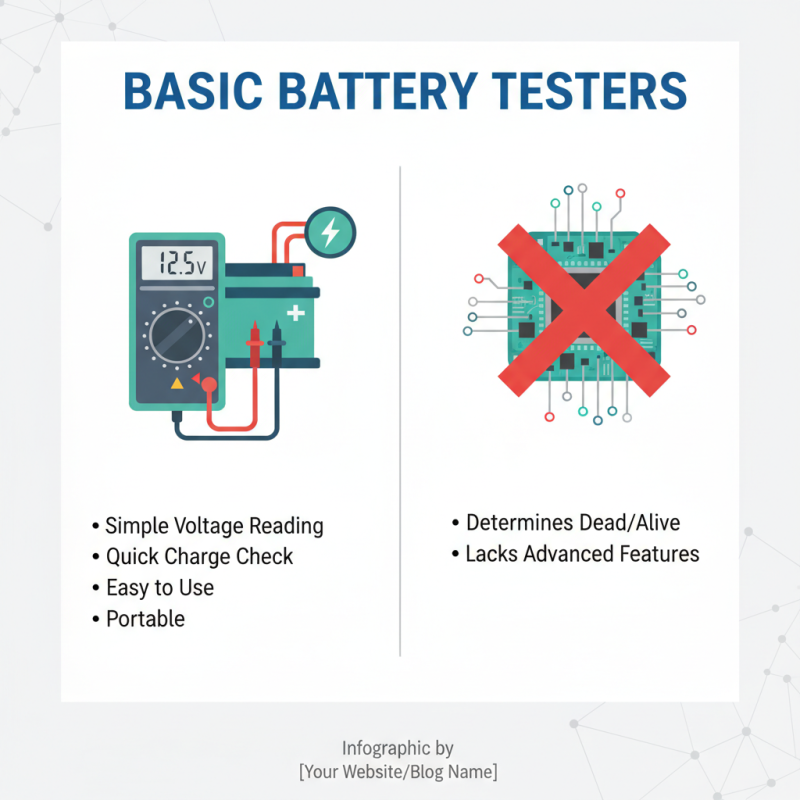
When it comes to battery testers, understanding the variety available is crucial. There are basic testers that provide simple voltage readings. These help determine if a battery is dead or still has some charge left. They are easy to use and portable, making them ideal for quick checks. However, they may lack advanced features.
On the other hand, smart battery testers offer detailed assessments. They can evaluate not only voltage but also capacity and overall health. These testers often have digital displays, making the information clearer. However, they can be more complex to operate. This complexity might lead to confusion for some users. It’s important to know your needs before choosing. A simple tester may suffice for household use, while advanced options could be necessary for specific devices.
Moreover, some testers can handle multiple battery types. They work with alkaline, lithium, and rechargeable batteries. This flexibility is beneficial but can also lead to an overwhelming choice for new buyers. Many users struggle to understand which tester suits their purposes best. Ultimately, a thoughtful choice can ensure your devices are powered efficiently.
How to Choose the Right Battery Tester for Your Needs
When selecting a battery tester, consider your specific needs. Do you check batteries at home or professionally? A compact, handheld model fits best for home use. For warehouses or labs, larger models may be needed.
The type of batteries you typically work with is crucial. Alkaline, rechargeable, or lithium batteries all require different testing methods. According to a recent report by the Battery Resources Organization, using the wrong tester can lead to inaccurate results.
Tips: Always check the compatibility of the tester with your battery types. Look for features like voltage measurement and load testing. Also, consider testers that offer clear displays for ease of reading. Be aware that some testers may not work well in extreme temperatures.
Remember, not all testers provide equal accuracy. Some models are more prone to errors. Ensure to read user reviews and compare several products before making your decision. Being informed can save time and money.
Why Do You Need a Battery Tester for Your Devices? - How to Choose the Right Battery Tester for Your Needs
| Battery Type |
Voltage Range |
Testing Capability |
Recommended Tester |
Price Range |
| AA Batteries |
1.5V |
Analog/Digital |
Basic Battery Tester |
$10 - $20 |
| Lithium-Ion |
3.7V |
Digital Meter |
Smart Battery Tester |
$15 - $40 |
| 9V Batteries |
9V |
Analog/Digital |
Multifunction Tester |
$12 - $30 |
| Rechargeable Batteries |
Various (1.2V, 3.6V) |
Digital Display |
Advanced Tester |
$25 - $70 |
| Car Batteries |
12V |
Load Test |
Automotive Battery Tester |
$40 - $100 |
Common Signs Your Device Battery May Need Testing
When your device starts malfunctioning, it might be time to check the battery. A common sign is a sudden drop in performance. For instance, research from the Battery Product Institute indicates that 20% of devices experience performance issues due to weak batteries. This can lead to frustration and decreased productivity.
Another indicator is overheating. If your device feels unusually warm, especially during charging, it could signal a failing battery. Industry experts warn that excessive heat can reduce battery life by up to 30%. Regularly testing your battery can help prevent these problems before they escalate.
Inconsistent charging is also a red flag. If your device takes longer to charge or doesn’t hold a charge like before, testing is crucial. Data shows that over 40% of battery issues stem from age and wear. Paying attention to these signs can save you from sudden device failure. Taking action early is often overlooked. A simple battery test can make all the difference.
Step-by-Step Guide to Using a Battery Tester Effectively
Using a battery tester is crucial for maintaining your devices. It helps you check the health of batteries easily. A faulty battery can disrupt your daily activities. Knowing how to use a battery tester can prevent unexpected failures.
To begin, gather your tools. Make sure your tester is functioning. Insert the battery, aligning it properly. The tester should indicate the charge level. Sometimes, results may be unclear or unexpected. Don’t hesitate to retest. It’s wise to test several batteries if you suspect issues.
Pay attention to the readings closely. A fully charged battery should show a high level. If it doesn’t, reflect on why that might be. Perhaps the battery is old or just defective. Inconsistent results can be frustrating, but they are informative. They help you decide whether to recharge or replace the battery.

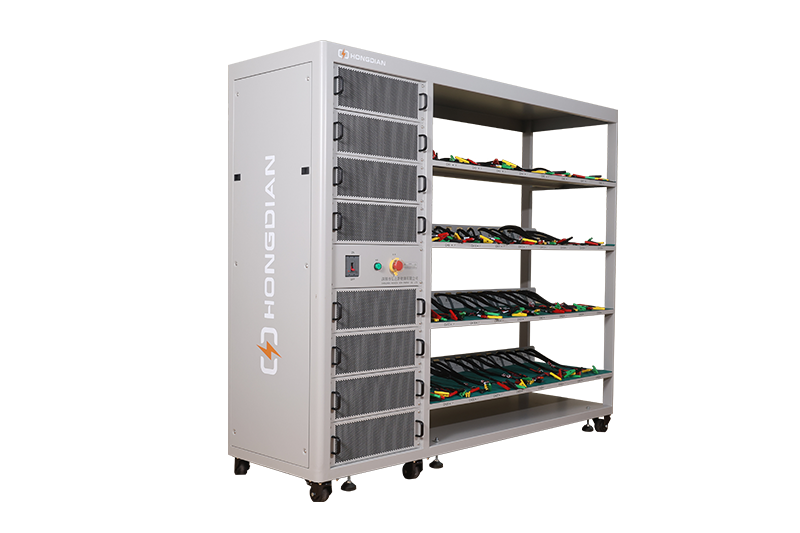 32/48 channel battery charging and discharging test integrated battery cabinet
 40 channel battery charging and discharging test integrated battery cabinet
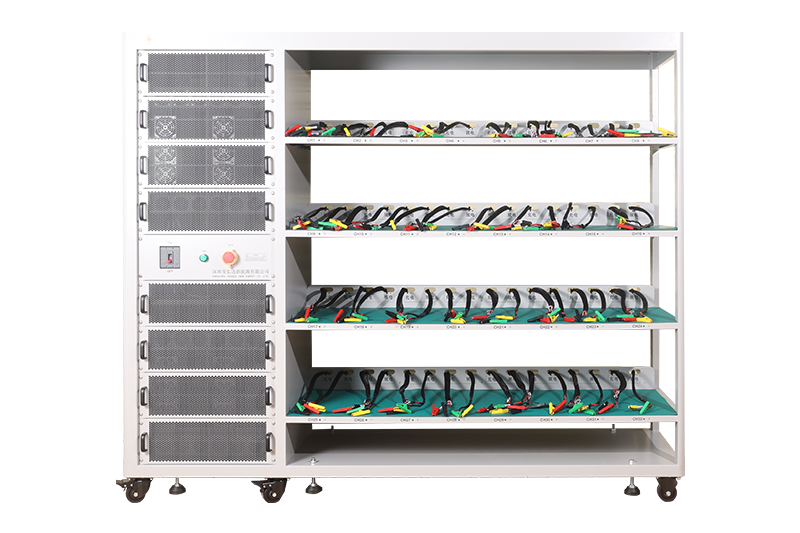 64 channel battery charging and discharging test integrated battery cabinet
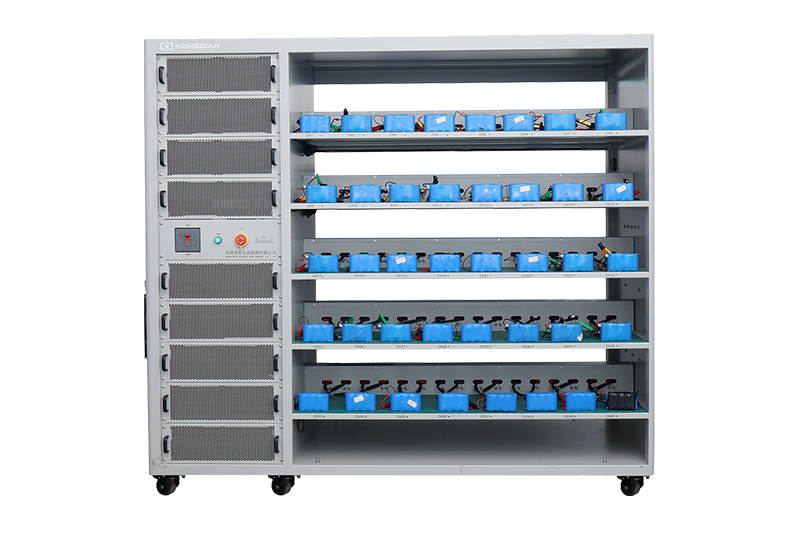 80 channel battery charging and discharging test integrated battery cabinet
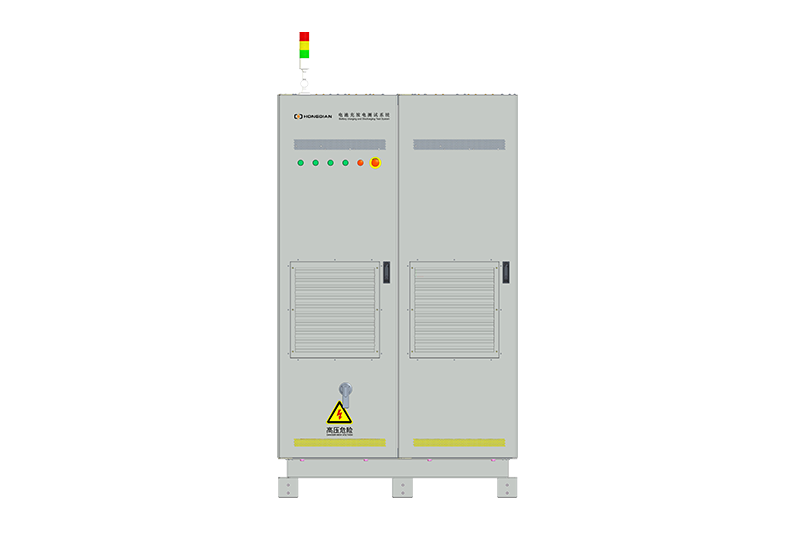 1000V-1500V High Voltage High Current Battery Testing System
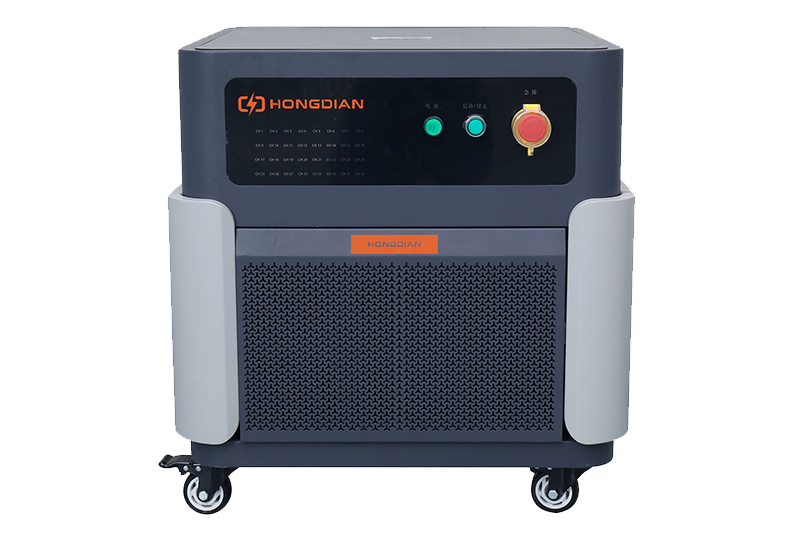 High-Precision Battery Testing System for Enhanced Performance Monitoring 30V/60V/100V/120V
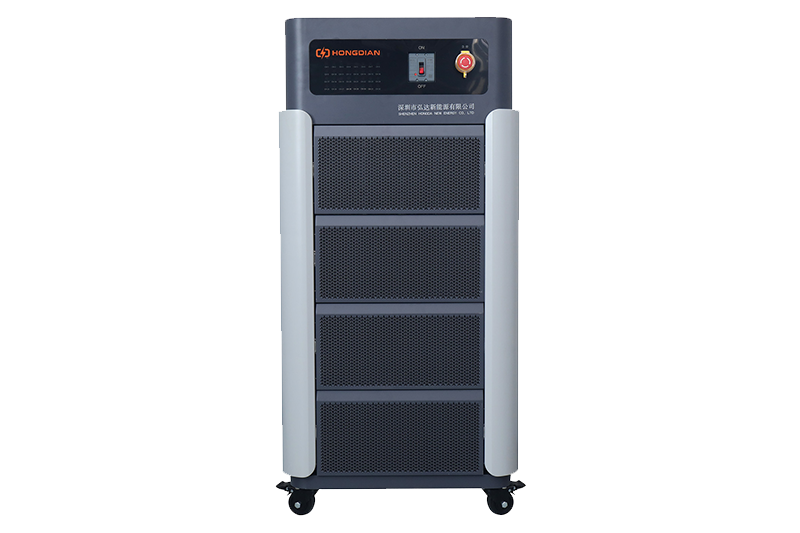 High-Precision Battery Charge Discharge Test Systems for EV Manufacturers
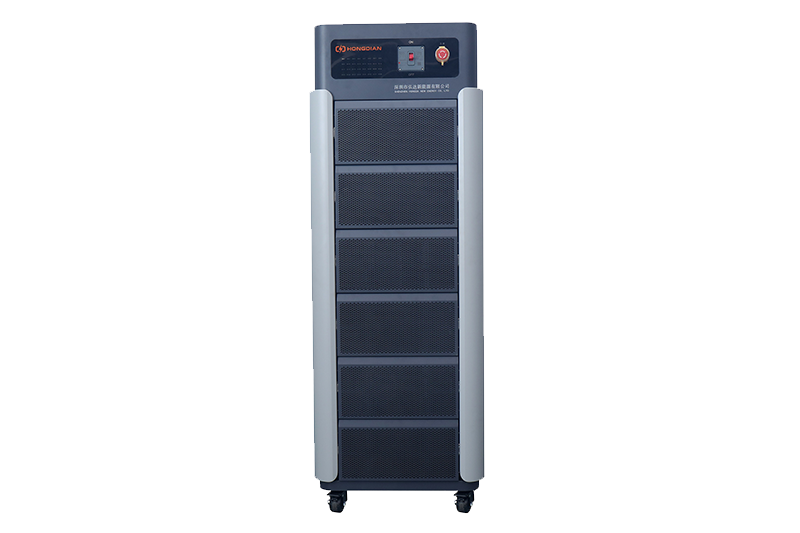 Precision Battery Test Racks for Cell Capacity & Internal Resistance Measurement
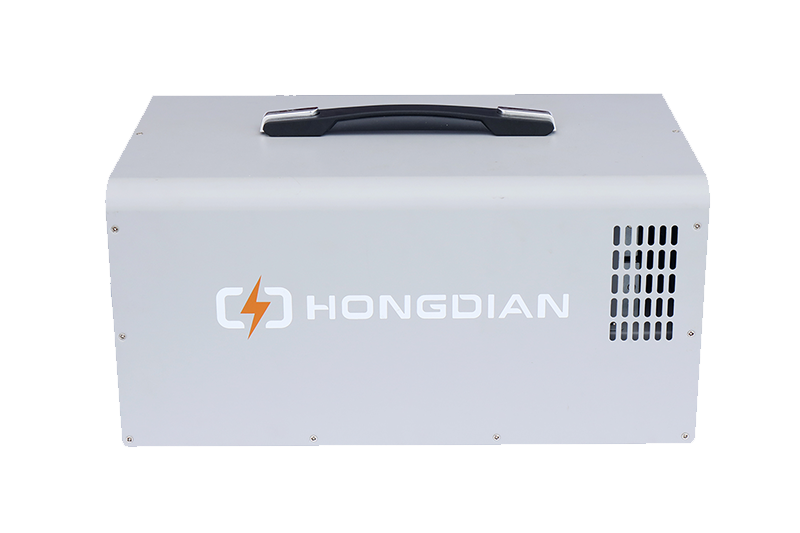 Multi-Channel Battery Testing Equipment for Parallel Performance Analysis