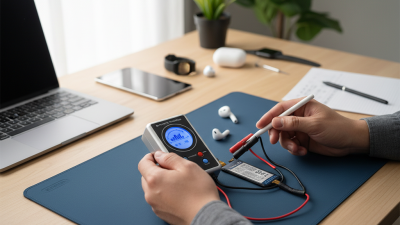
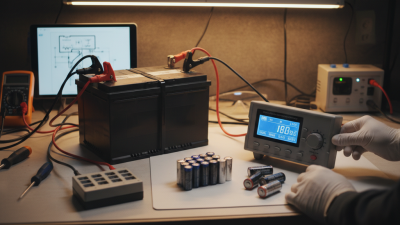
How to Use a Lipo Battery Tester for Safe and Efficient Battery Management?
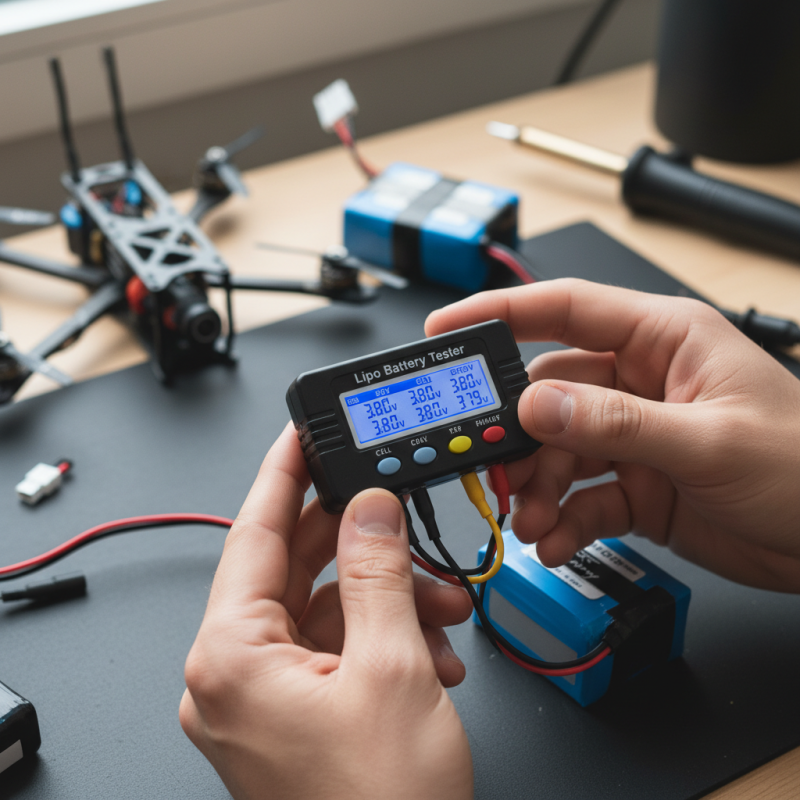
Managing batteries is crucial for performance and safety. A Lipo Battery Tester is an essential tool for this task. This device helps in monitoring the voltage of lithium polymer batteries. Ensuring each cell is balanced is vital in preventing hazards.
Using a Lipo Battery Tester can improve the longevity of your batteries. It identifies issues before they escalate. Without proper management, batteries could overheat or even fail. This leads to costly mistakes. Many users neglect routine checks, thinking everything is fine. This approach can be misleading.
Effective battery management requires awareness and diligence. A Lipo Battery Tester simplifies this process. Regularly using this tool not only safeguards your equipment but also enhances overall efficiency. In a fast-paced environment, taking the time to conduct these checks is a key responsibility. Reflections on past experiences can guide better practices in the future.
Understanding LiPo Battery Basics for Effective Management
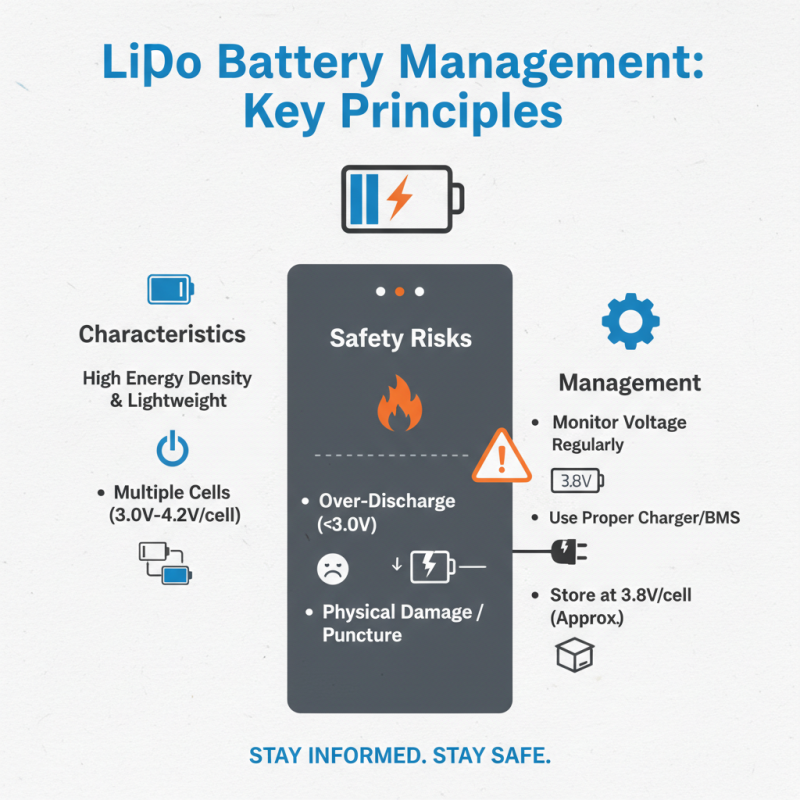
Understanding LiPo batteries is crucial for their effective management. These batteries offer high energy density and lightweight benefits. However, they also come with risks if not handled properly. Knowing the basic characteristics is the first step. For instance, LiPo batteries are usually made up of multiple cells. Each cell can have a voltage range from 3.0V to 4.2V. Discharging below 3.0V can damage the battery, so monitoring voltage is vital.
When using a Lipo battery tester, it’s important to check the voltage of each cell. This ensures balanced charging and prevents overheating. Regular checks can help detect potential issues early. Look for inconsistencies in voltage across cells. A significant difference often indicates trouble. It’s not always easy to spot these issues until it’s too late.
Consider the environment where you store the batteries. Avoid areas with extreme temperatures. Storage can affect battery life and safety. A clear, organized space can help you manage your batteries effectively. Reflecting on these practices leads to safer usage of LiPo batteries. Mistakes are common, but learning from them enhances your battery management skills.
Importance of Using a LiPo Battery Tester in Battery Maintenance
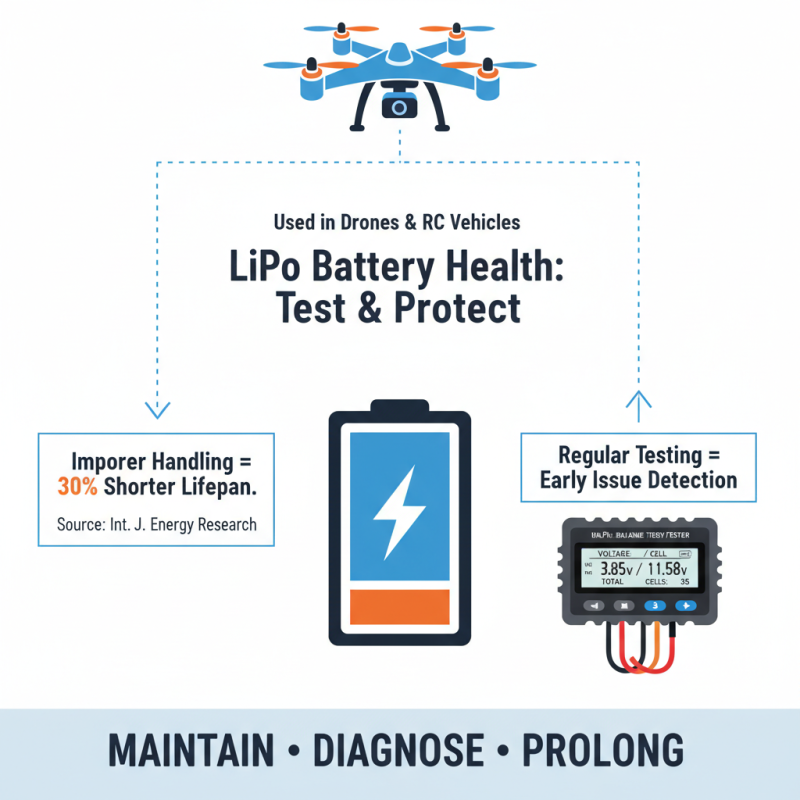
Using a LiPo battery tester is crucial for maintaining battery health. LiPo batteries are widely used in drones and RC vehicles. According to a study by the International Journal of Energy Research, improper handling can reduce battery lifespan by up to 30%. Regular testing helps identify issues before they escalate.
Monitoring voltage levels is essential. A well-maintained LiPo battery should ideally stay between 3.7V to 4.2V per cell. If voltages drop below this range, damage can occur. Testing can easily reveal these critical metrics.
**Tip**: Always charge batteries before testing to ensure accurate results.
Inadequate battery care may lead to swelling or even fire hazards. An improperly maintained LiPo battery can become dangerous in storage or flight. A report by the National Fire Protection Association indicates that lithium battery fires can be particularly difficult to extinguish.
**Tip**: Store batteries in fireproof containers to minimize risks.
To enhance safety, users should familiarize themselves with testing procedures. Delaying battery checks can result in failed flights and costly replacements. Regularly using a tester fosters a habit of proactive maintenance, extending battery life. However, not everyone follows these protocols, leading to preventable mishaps.
Step-by-Step Guide to Using a LiPo Battery Tester Safely
Using a LiPo battery tester is crucial for safe battery management. These devices help prevent overcharging or discharging, which can lead to dangerous situations. Reports show that improper handling of LiPo batteries results in over 30% of battery-related incidents. Thus, understanding how to use these testers is essential for every user.
Begin by connecting the battery to the tester. Make sure the connections are secure. A loose connection can lead to inaccurate readings. Next, turn on the tester to check the voltage levels. Ideal battery voltage should be around 3.7 volts per cell. Discharging below 3.0 volts can cause permanent damage. Remember, safety is key. Always monitor the temperature of the batteries. If they feel hot, disconnect immediately.
Data indicates that monitoring the battery's health can extend its lifespan by up to 40%. Regular checks with a LiPo tester can help you catch potential issues early. Many users overlook the importance of these tests. A simple oversight could result in a puffed or damaged battery, causing more significant problems. Make it a routine to test your batteries regularly. This simple practice can save you from costly errors.
Interpreting Battery Voltage Readings: What the Numbers Mean
Understanding battery voltage readings is essential for optimal lipos. A fully charged LiPo battery typically shows around 4.2 volts per cell. As the battery discharges, this value decreases. At 3.7 volts, the battery is considered to be at its nominal voltage. Below 3.0 volts, the battery risks permanent damage. Regularly checking your battery voltage can prevent mishaps.
Interpreting these numbers helps in decision-making. A voltage reading of 3.8 to 3.85 volts indicates a balanced charge. It's a safe level for most applications. However, readings below 3.5 volts may signal the need for a recharge. Ignoring low voltages can lead to performance issues or safety hazards. Always stay vigilant with your battery management.
Tips: Use a voltage tester regularly. It's a simple way to keep track of your battery's health. Also, remember that voltages can vary slightly. This might be due to temperature changes or the age of the battery. Keep a log of your readings for future reference. Understanding these details can lead to smarter battery usage. Quality management ensures the longevity and reliability of your lipos.
Battery Voltage Readings and Their Interpretations
This chart illustrates the voltage readings of a Lithium Polymer (LiPo) battery at various states of charge. Understanding these voltage levels can help in efficient battery management and ensuring safety during usage.
Best Practices for Storing and Maintaining LiPo Batteries
Storing and maintaining LiPo batteries properly is vital for safety. These batteries are sensitive to temperature and humidity. According to industry reports, over 30% of LiPo battery failures are due to improper storage conditions. Keeping batteries in a cool, dry environment is essential. A temperature range of 22-25°C is ideal. Using a fire-safe bag can also reduce risks during storage.
Regular inspections are necessary for longevity. Check battery connections and look for swelling or damage. A swollen battery might indicate overcharging or poor storage conditions. Proper voltage levels are key; ideally, they should be stored at around 3.8V per cell. When batteries sit at full charge or are allowed to drain completely, their lifespan diminishes significantly. Striking a balance in charge levels is critical.
Despite best practices, some users overlook these details. In a recent survey, nearly 20% of hobbyists admitted to frequently neglecting battery care. This can lead to unexpected failures. Education is important. Understanding how to manage LiPo batteries effectively can prevent hazards and extend usability. Everyone has room for improvement in maintaining these energy sources safely.

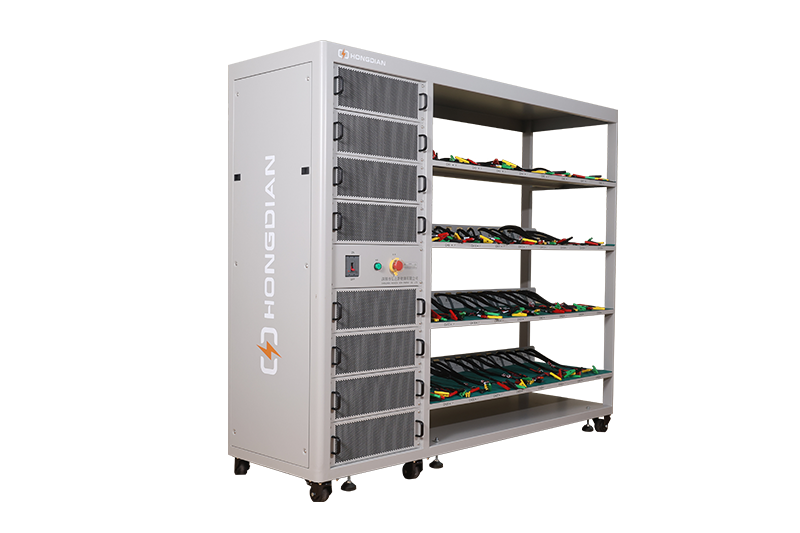 32/48 channel battery charging and discharging test integrated battery cabinet
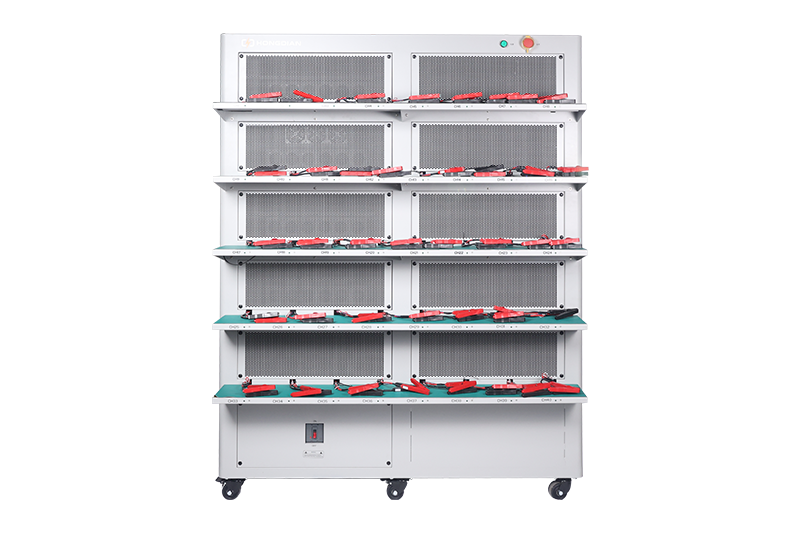 40 channel battery charging and discharging test integrated battery cabinet
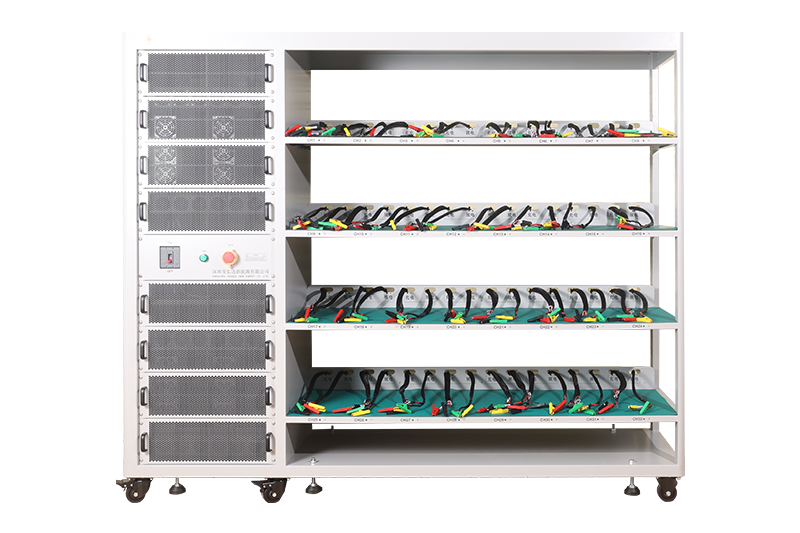 64 channel battery charging and discharging test integrated battery cabinet
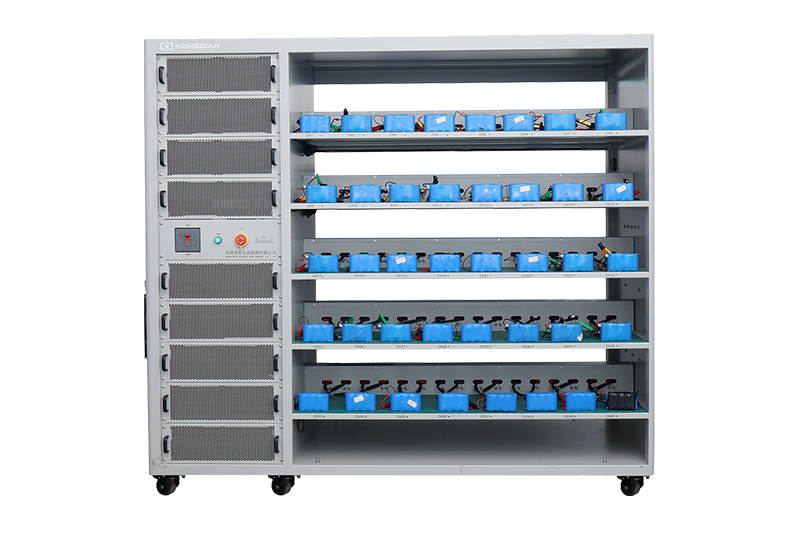 80 channel battery charging and discharging test integrated battery cabinet
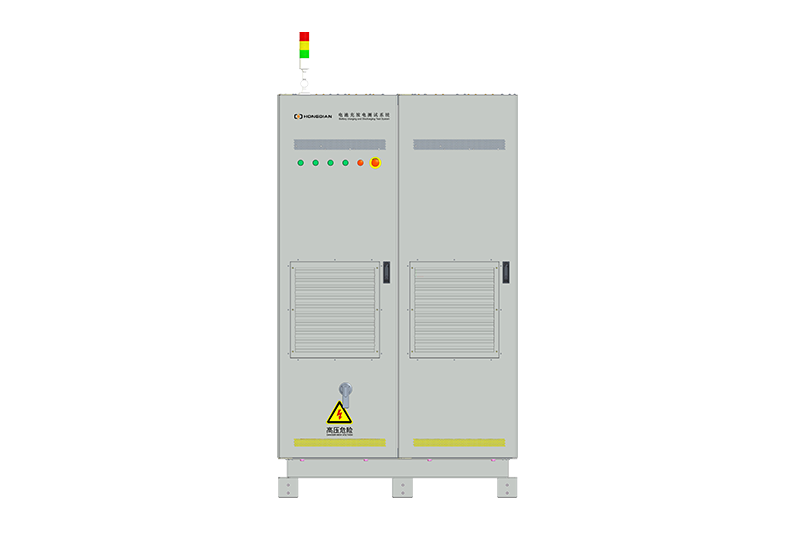 1000V-1500V High Voltage High Current Battery Testing System
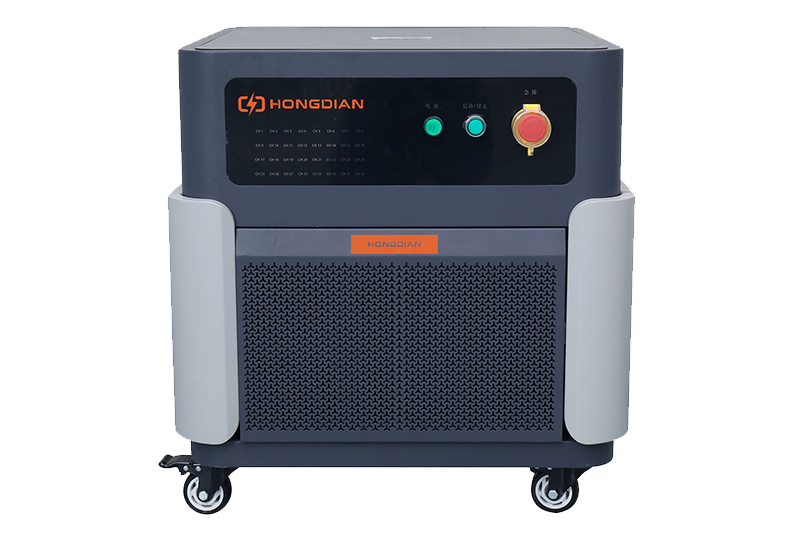 High-Precision Battery Testing System for Enhanced Performance Monitoring 30V/60V/100V/120V
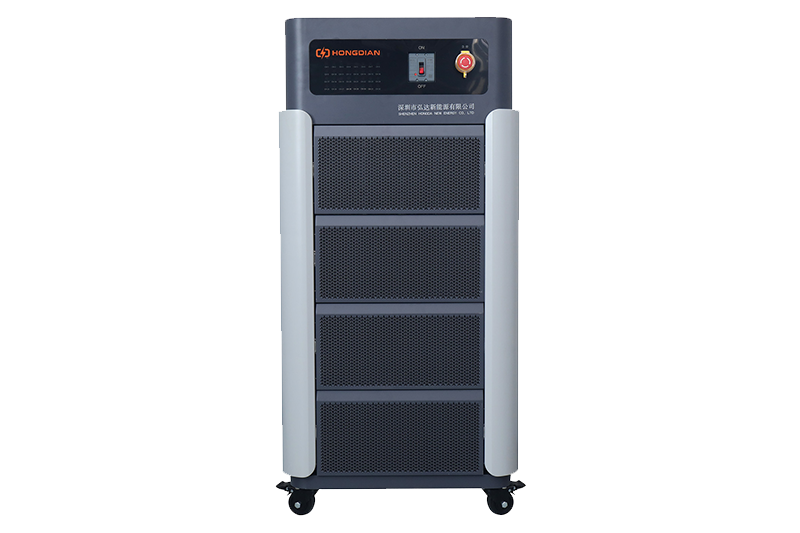 High-Precision Battery Charge Discharge Test Systems for EV Manufacturers
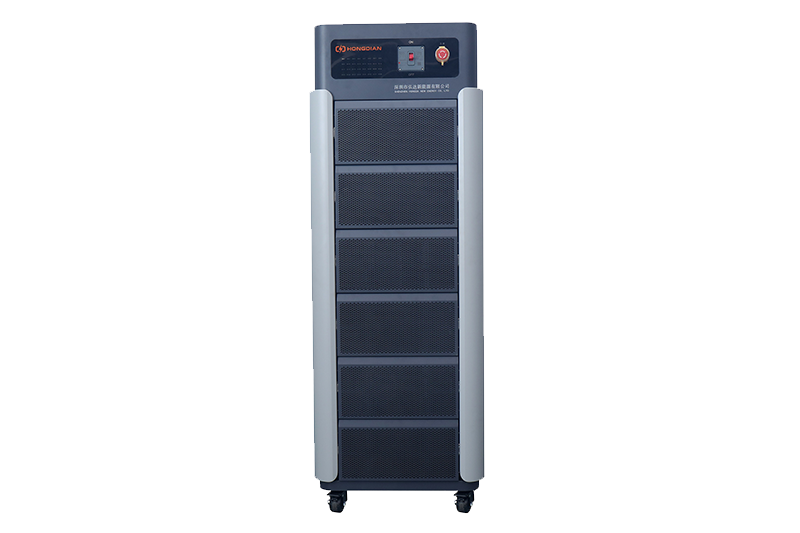 Precision Battery Test Racks for Cell Capacity & Internal Resistance Measurement
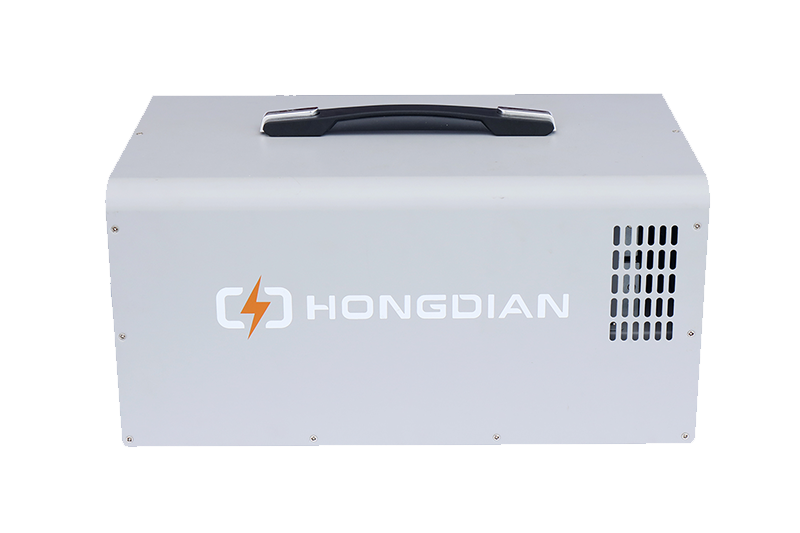 Multi-Channel Battery Testing Equipment for Parallel Performance Analysis