request to quote
Leave Your Message

Why You Need a Deep Cycle Battery Tester for Your Energy Solutions?

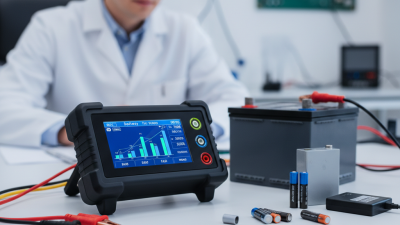
In today’s energy-driven world, reliability is key. A Deep Cycle Battery Tester can be your best ally. This device measures the health and performance of deep cycle batteries. Knowing your battery's condition prevents unexpected failures.

Many overlook the importance of testing batteries. Regular checks ensure efficiency and longevity. Critically, batteries often fail without warning, leading to chaos. A Deep Cycle Battery Tester can help avoid these situations. It’s essential for users of solar panels and electric vehicles.

Imagine powering your home or vehicle without fear. Testing ensures you can rely on your energy solutions. With a Deep Cycle Battery Tester, you gain peace of mind. Prioritizing battery health is an investment in your energy future. Make the choice to test, and you might save big. Reflect on your current practices and consider improvement.

Why You Need a Deep Cycle Battery Tester for Your Energy Solutions?

Understanding Deep Cycle Batteries and Their Importance

Why You Need a Deep Cycle Battery Tester for Your Energy Solutions?

Deep cycle batteries are essential for various applications, from renewable energy systems to recreational vehicles. In 2022, the global deep cycle battery market reached approximately $10 billion, showcasing the growing demand for reliable energy storage solutions. These batteries provide stable power over prolonged periods, making them crucial for off-grid living and energy independence. Notably, they offer a higher number of discharge cycles compared to standard batteries, often exceeding 2,000 cycles, which significantly enhances their value.

Understanding the nuances of deep cycle batteries is vital. Their construction allows for deeper discharges without damage, unlike regular batteries that can lose capacity quickly. For example, a study found that maintaining a deep cycle battery at optimal charge levels can ensure a lifespan up to 50% longer. However, many users overlook routine maintenance checks. This neglect often leads to reduced performance over time. Regular testing with a deep cycle battery tester can identify issues before they escalate, ensuring longevity and reliability.

With the increasing reliance on sustainable energy solutions, the role of deep cycle batteries cannot be underestimated. They power everything from solar systems to electric vehicles. Yet, misconceptions about their charging needs are common. Users often assume a simple charge will suffice, but improper charging can lead to sulfation, a condition that damages batteries. Empowering oneself with knowledge and a tester can prevent these pitfalls. Proper understanding and care are keys to maximizing their adoption and performance.

The Role of Battery Testing in Energy Management

Battery testing plays a crucial role in energy management. It ensures that batteries perform effectively, prolonging their lifespan. Having a deep cycle battery tester makes it easier to identify issues before they escalate. Regular checks can prevent unexpected power outages. This is vital for both households and businesses relying on battery systems.

Understanding battery health can sometimes be challenging. Many users may overlook the importance of testing. They might wait until a battery fails to realize there’s a problem. This can lead to costly downtime and inconvenience. A tester provides straightforward insights into capacity and performance. It indicates when a battery needs maintenance or replacement.

Incorporating battery testing into routine maintenance is essential. Many energy solutions depend on reliable power storage. Leaving testing out of the equation can lead to significant risks. Some may believe their batteries are fine without checks, but this assumption can be deceiving. Regular testing not only saves money but also enhances energy efficiency.

Key Features of a Deep Cycle Battery Tester

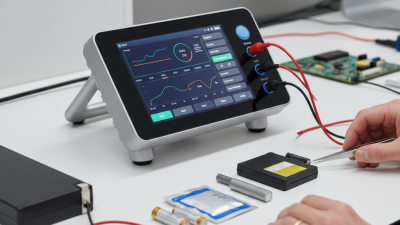
When managing energy solutions, accuracy is essential. A deep cycle battery tester helps check battery health. It measures capacity, voltage, and performance. You need reliable data to maintain efficiency. These testers support various battery types, ensuring versatility for your needs.

Key features include easy-to-read displays. Many testers have LED indicators for quick assessments. Battery testers often come with sturdy designs. A good grip is vital when you're outdoors or in tight spaces. Some models even have compact sizes for portability.

Tips: Always charge the battery before testing. This ensures accurate readings. Regular testing helps identify problems early. Look for signs of corrosion or damage. Keep your battery and connections clean.

Understanding your battery’s state is crucial. Fluctuations in voltage can indicate deeper issues. A tester gives valuable insights that can prevent failures. It’s worth investing time in finding a good unit. These tools can save you from costly replacements later on.

Battery Capacity Comparison: Deep Cycle vs. Standard Battery

How to Use a Deep Cycle Battery Tester Effectively

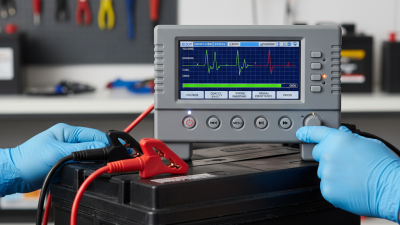
A deep cycle battery tester is essential for understanding battery health. Proper use ensures optimal performance. Start by fully charging the battery before testing. This prepares it for accurate readings. Connect the tester's leads to the battery terminals. Always observe the color codes. Red often indicates positive, while black signifies negative.

Monitoring voltage is crucial. A fully charged deep cycle battery typically shows 12.6 to 12.8 volts. If your readings drop below 12.4, the battery may be losing capacity. Research shows that 70% of battery failures stem from neglect. Regular testing can indicate issues early.

Many users underestimate maintenance. A battery's lifespan can shrink without proper care. The National Renewable Energy Laboratory (NREL) emphasizes routine checks for maintenance. After testing, document the results for future reference. This habit can reveal patterns over time. It can also help identify when a replacement is necessary. Remember, a little effort now can save significant costs later.

Why You Need a Deep Cycle Battery Tester for Your Energy Solutions? - How to Use a Deep Cycle Battery Tester Effectively

Test Feature Importance Testing Frequency Recommended Values
Voltage Check Ensures battery is charged Monthly 12.6V - 12.8V (Fully Charged)
Load Test Determines battery capacity Every 6 months Should hold > 9.6V for 15 seconds
Specific Gravity Test Checks electrolyte condition Monthly 1.265 (Fully Charged)
Temperature Check Ensures safe operating conditions Monthly 32°F - 104°F (0°C - 40°C)
Visual Inspection Identifies physical damage Monthly No cracks or leaks

Benefits of Regular Testing for Battery Longevity and Performance

Regular testing of deep cycle batteries is essential for optimal performance. A battery tester provides insights into the state of the battery. It helps identify issues before they become serious. This proactive approach prevents unexpected failures. Waiting for problems to arise can result in costly repairs or replacements.

Testing helps prolong battery life. An untested battery may lose charge capacity over time. Ensuring proper function allows for better energy management. If you notice diminished performance, it's time for a test. Small fluctuations in voltage can indicate bigger problems. Early detection can save you from future headaches.

Neglecting regular tests can lead to wasted resources. A battery might seem fine but could be underperforming. This gap in knowledge can hinder your energy solutions. Making testing a routine can lead to better decision-making. It promotes a deeper understanding of your energy systems. Evaluation is key to sustainability.