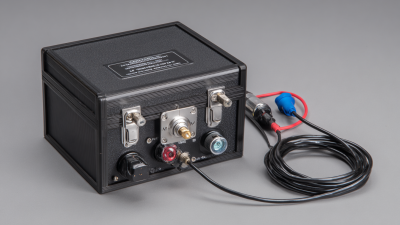
10 Tips for Choosing the Right Lithium Ion Battery Tester?
When selecting a Lithium Ion Battery Tester, understanding its importance in battery maintenance is crucial. Reports indicate that proper testing can extend battery life by up to 30%. According to expert Dr. Emily Roberts, "A reliable tester is essential for battery health and performance." Choosing the right tester can prevent unexpected failures.
The market offers various models, each with unique features. Some testers focus on voltage measurements, while others emphasize capacity. Industry analysts warn that selecting an inappropriate tester can lead to misdiagnosis. A tester might not reveal underlying issues, leading to poor performance.
In this rapidly evolving sector, having accurate, relevant data is vital. Battery technology changes frequently, requiring testers to keep pace. Selecting a Lithium Ion Battery Tester without considering these factors can lead to significant setbacks. Make careful choices to ensure safety and efficiency.
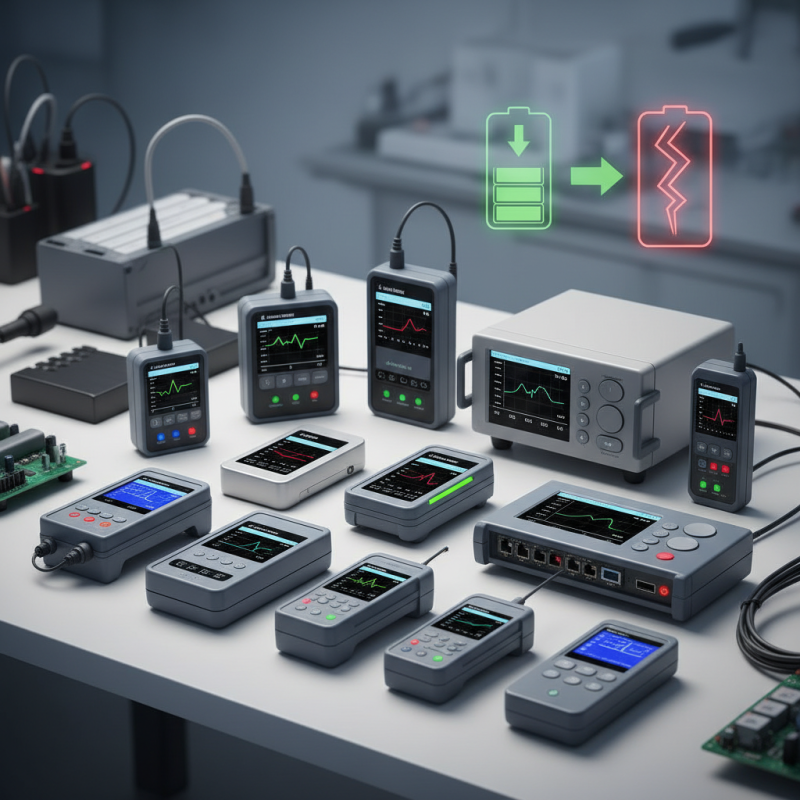
Understanding Different Types of Lithium Ion Battery Testers
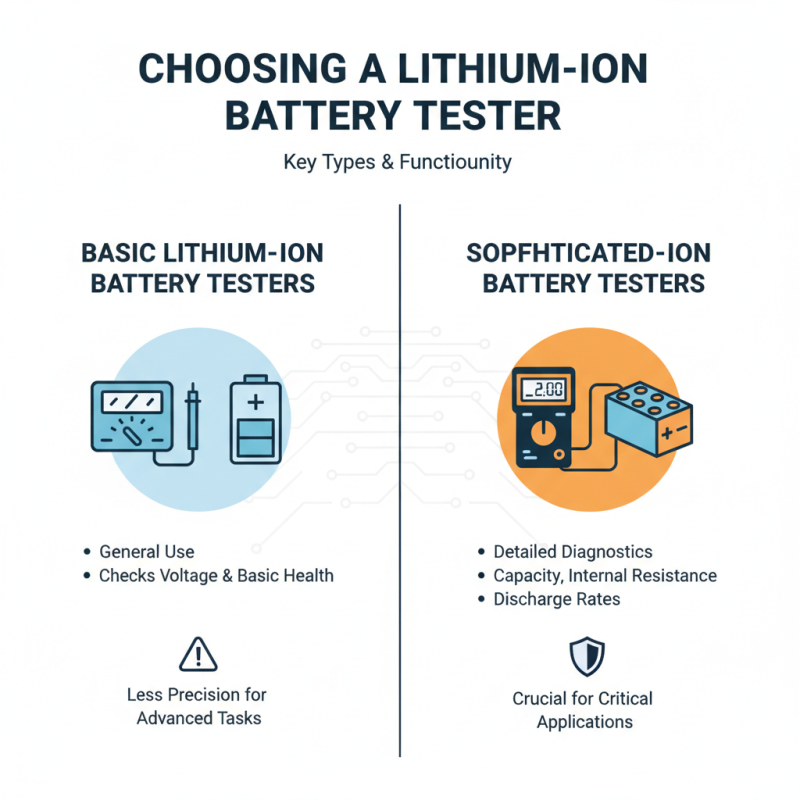
When selecting a lithium-ion battery tester, it's essential to understand the types available. There are basic models designed for general use. These can check voltage levels and basic health. However, they may lack precision for advanced tasks. More sophisticated testers offer detailed diagnostics. They provide in-depth information about battery capacity, internal resistance, and discharge rates. Such details are crucial for critical applications.
Another important consideration is compatibility. Some testers are designed for specific battery sizes and configurations. It's essential to choose one that fits your needs. Misalignment can lead to inaccurate readings. Additionally, ease of use varies. Some testers come with complicated setups, while others are user-friendly. Think about your experience level. You should not struggle with the device.
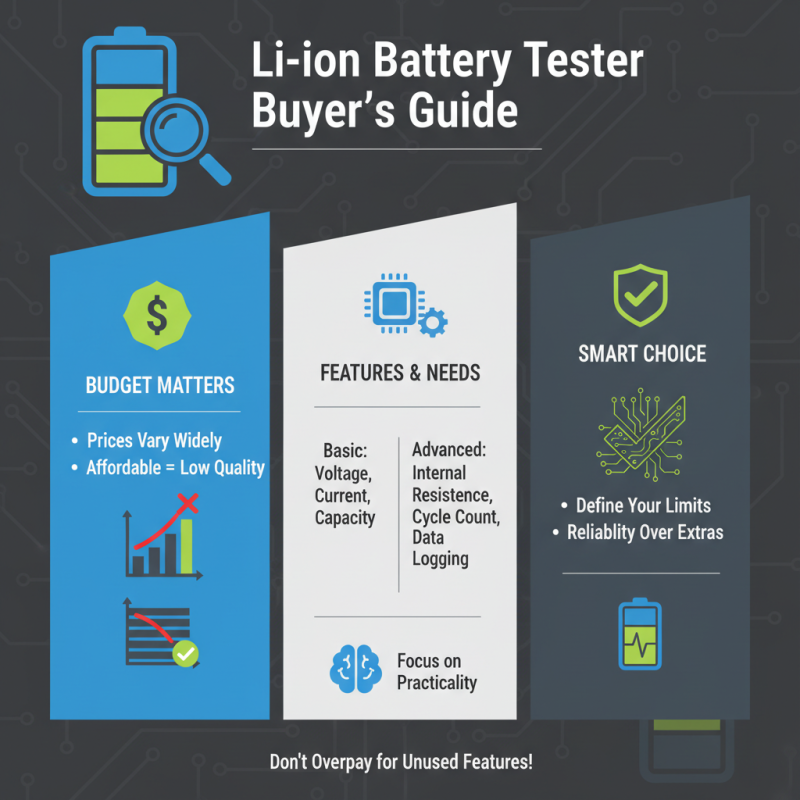
Lastly, consider the build quality. A flimsy tester may break easily. Look for a robust design that can withstand regular use. However, keep in mind that a higher price does not always equal better quality. There are quality testers at affordable prices too. Researching and comparing options can lead to a better understanding. It's okay to feel uncertain while juggling these factors.
Key Features to Look for in a Battery Tester
When choosing a lithium-ion battery tester, there are key features to consider. Look for clear digital displays and accurate readings. A good tester should measure voltage and capacity effectively. Ease of use is essential; buttons should be intuitive. Compact sizes make testing portable and convenient.
Consider testers with multiple testing modes. It can be confusing at times. Ensure you understand all available options. A reliable tester should provide quick feedback and allow for repeatability in readings. Testers with built-in safety features, such as overcharge protection, are beneficial. This helps avoid potential hazards during use.
Battery chemistry can vary, so find a tester that supports multiple types. It’s helpful for those who work with various batteries. Ultimately, the right tester should balance functionality with user-friendly design. Look for something that fits your specific needs, even when it feels overwhelming at times.
10 Tips for Choosing the Right Lithium Ion Battery Tester
| Feature |
Description |
Importance |
| Measurement Range |
Check if it can measure various voltage levels. |
High |
| Display Type |
Consider if it has an analog or digital display. |
Medium |
| User Interface |
Look for an intuitive and easy-to-use interface. |
High |
| Compatibility |
Ensure it works with different battery types. |
High |
| Data Logging |
Check if it can log data for further analysis. |
Medium |
| Portability |
Consider if it is lightweight and easy to carry. |
Medium |
| Battery Life |
Look for testers with long-lasting batteries. |
High |
| Safety Features |
Check for built-in safety measures to prevent issues. |
High |
| Warranty |
Look for products that offer a warranty period. |
Medium |
| Price |
Evaluate if it fits your budget while offering features. |
High |
Assessing Accuracy and Reliability in Battery Testing
When choosing the right lithium-ion battery tester, accuracy and reliability are paramount. Studies show that a significant percentage of faulty tests can mislead users. A report by the Battery Testing Institute indicates that nearly 30% of testers fail to provide consistent results. This inconsistency can lead to poor decision-making regarding battery health.
A reliable tester should demonstrate precision across different battery types and capacities. Many testers rely on built-in algorithms that can sometimes misinterpret data. In field tests, a variation of 5% in results can occur, which may seem negligible but can have serious implications for battery performance. Testing conditions, such as temperature and humidity, can also affect results. Therefore, understanding how a tester operates under various conditions can be crucial.
Users often overlook the importance of calibration. A battery tester may start to drift from accurate readings over time. Regular calibration checks are vital for maintaining test integrity. A study highlighted that 20% of testers go uncalibrated, leading to unreliable outcomes. Investing in a good quality tester is important, but ensuring it is properly maintained is equally vital for accurate battery assessments.
Evaluating Battery Tester Compatibility with Your Devices
When evaluating battery tester compatibility with your devices, the first step is understanding the voltage requirements. Many lithium-ion batteries operate at specific voltage levels. For example, common voltages include 3.7V, 7.4V, and 11.1V. A recent industry report highlights that mismatched voltage can lead to inaccurate readings or, worse, battery damage.
Next, consider the capacity of both the battery and the tester. You might find that some testers handle only certain capacities, like below 2000mAh. In contrast, others can test batteries with capacities exceeding 5000mAh. Data shows that testing devices with insufficient capacity range may yield unreliable results. Be aware of this when choosing your tester.
Another crucial aspect is the connector compatibility. Different lithium-ion batteries come with various connector types. Many testers support standard connectors, but some specialized batteries may require unique adaptations. Improper connections can lead to erroneous evaluations and compromised safety. It is vital to check specifications before proceeding. Battery technology evolves fast, and staying informed is key.
Battery Tester Evaluation: Key Considerations

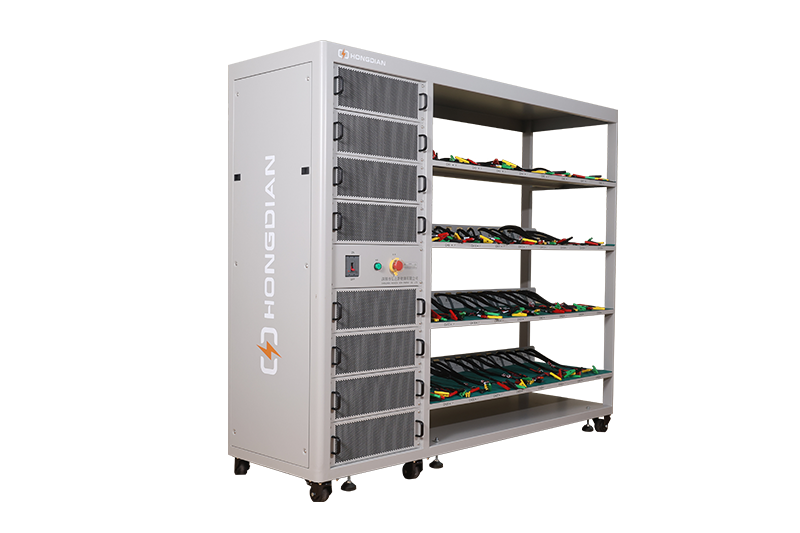 32/48 channel battery charging and discharging test integrated battery cabinet
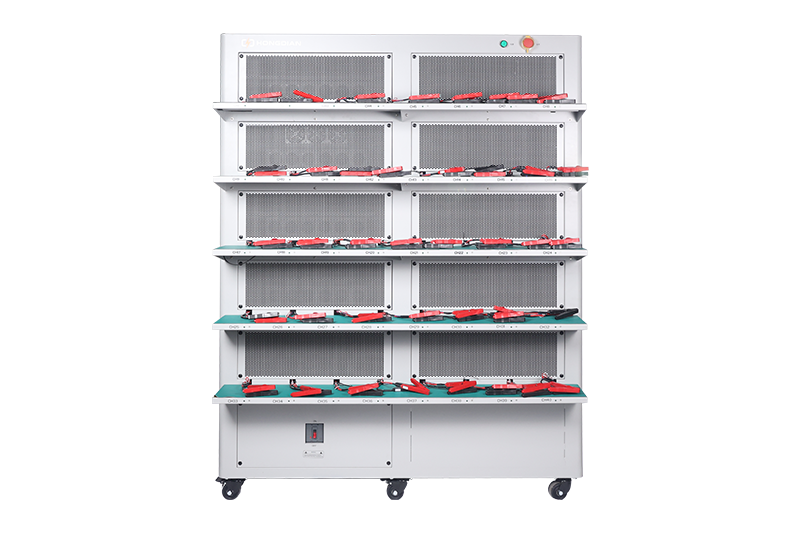 40 channel battery charging and discharging test integrated battery cabinet
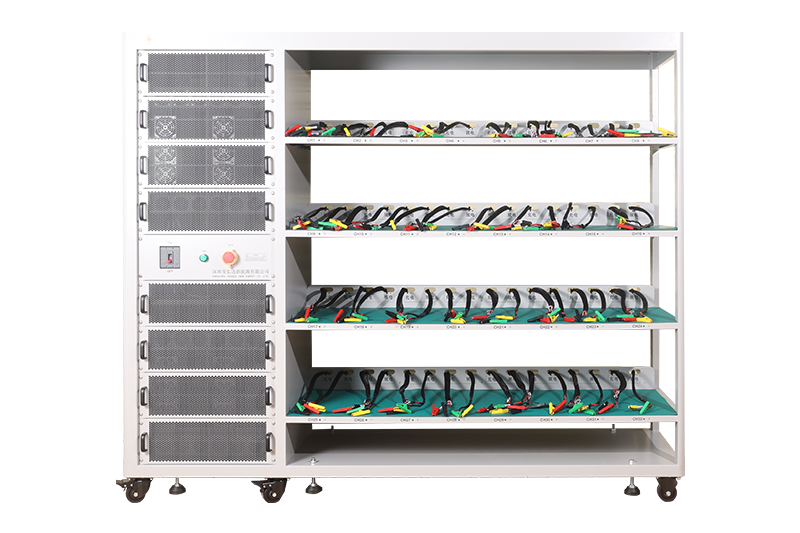 64 channel battery charging and discharging test integrated battery cabinet
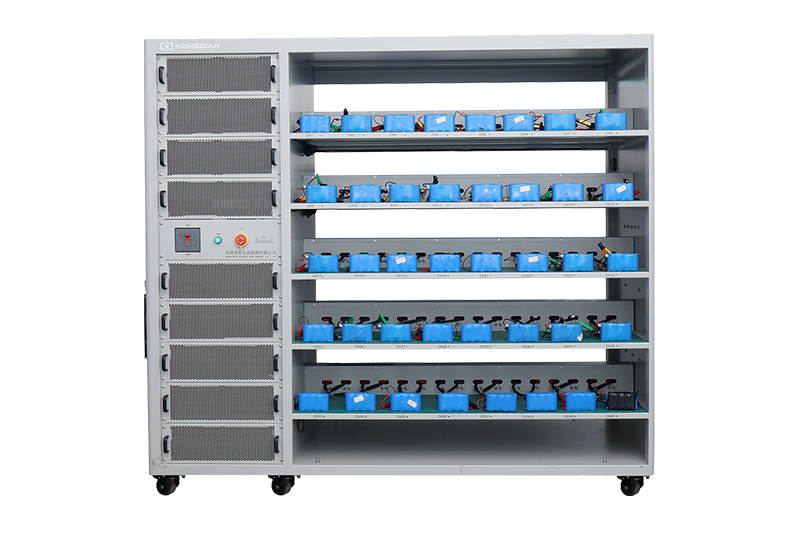 80 channel battery charging and discharging test integrated battery cabinet
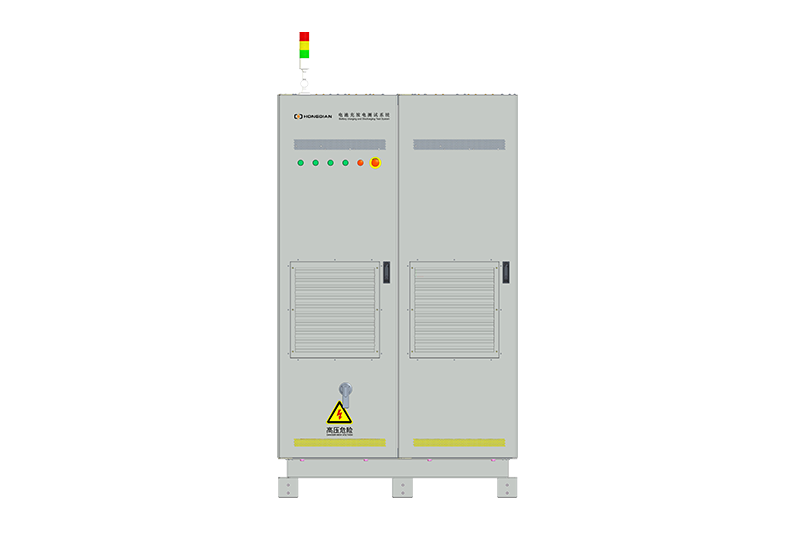 1000V-1500V High Voltage High Current Battery Testing System
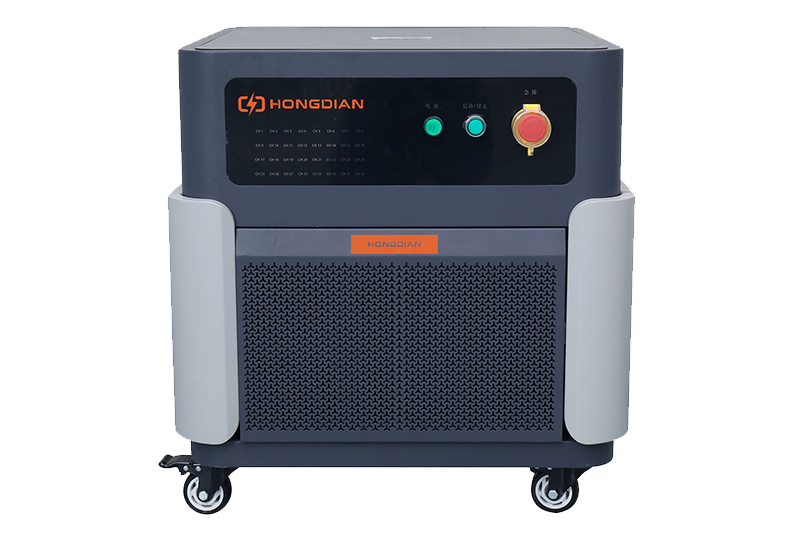 High-Precision Battery Testing System for Enhanced Performance Monitoring 30V/60V/100V/120V
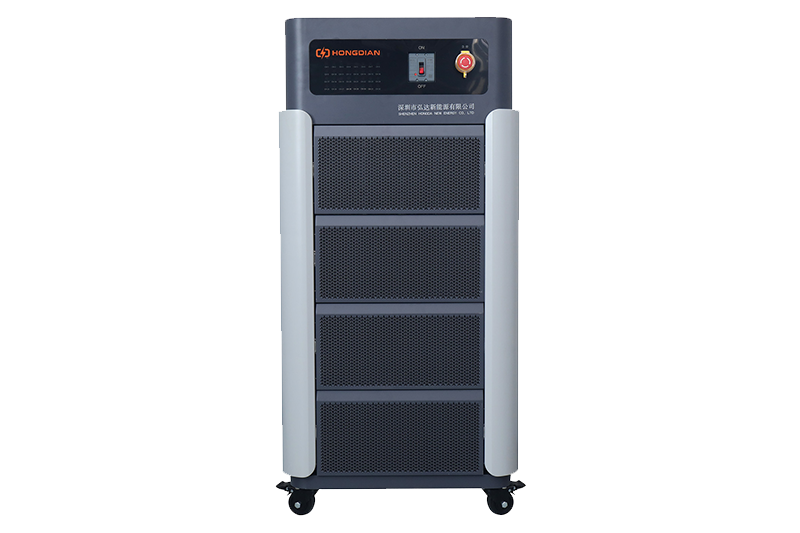 High-Precision Battery Charge Discharge Test Systems for EV Manufacturers
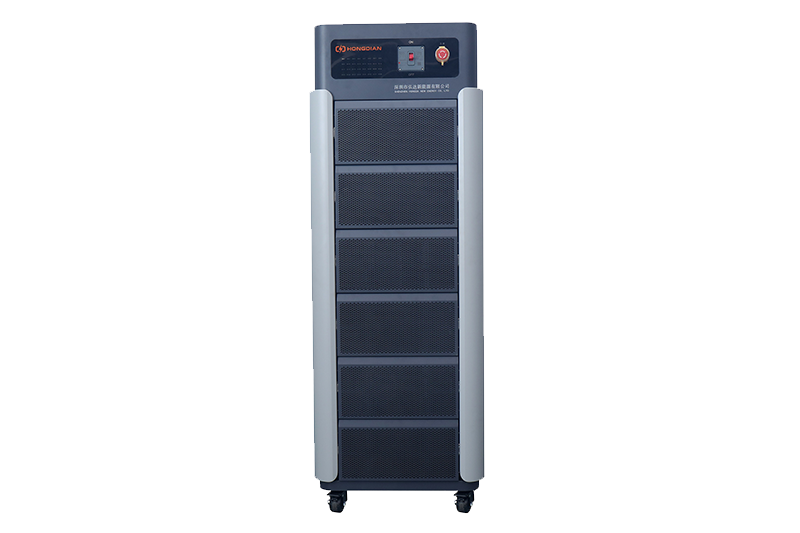 Precision Battery Test Racks for Cell Capacity & Internal Resistance Measurement
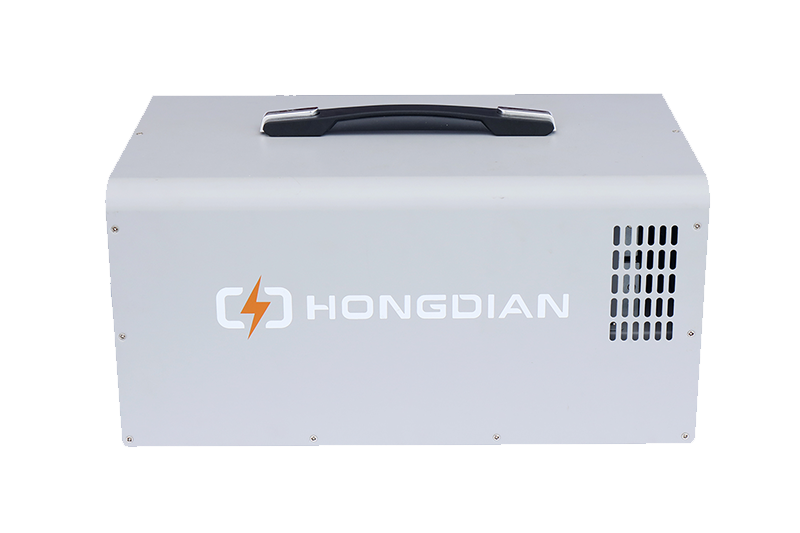 Multi-Channel Battery Testing Equipment for Parallel Performance Analysis