How to Choose the Best Small Battery Tester for Your Needs?
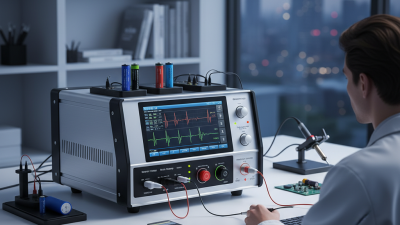
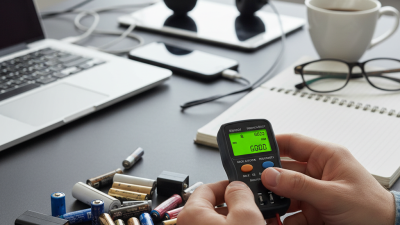
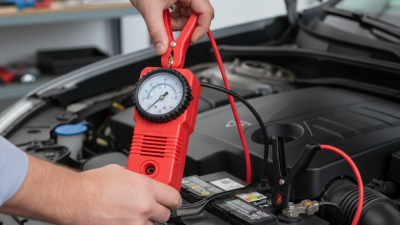
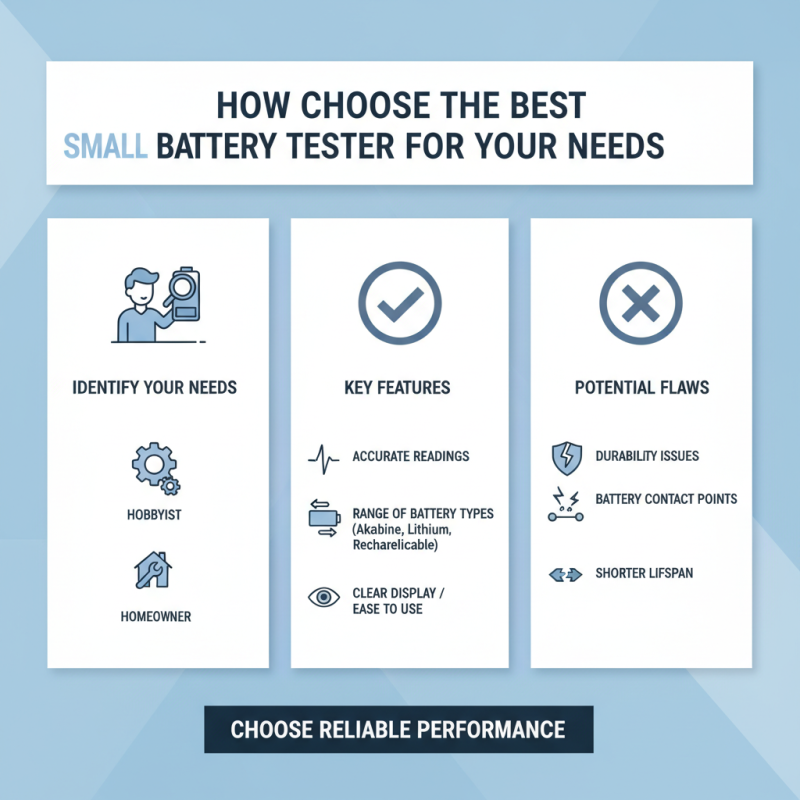
Choosing the right Small Battery Tester can be a daunting task. With so many options available, it's important to identify your specific needs. Whether you're a hobbyist, technician, or a homeowner, a reliable battery tester is essential.
A quality Small Battery Tester should provide accurate readings. This helps prevent the frustration of dead batteries. Look for testers that cover a range of battery types. Consider those that can test alkaline, lithium, and rechargeable batteries. Ease of use is also crucial; it should have a clear display that is easy to read.
Yet, even the best testers can have flaws. Some may not be as durable as advertised. Users often report issues with battery contact points. This means you may need to replace the tester sooner than expected. Reflecting on these aspects can help guide your decision. Ultimately, you want a Small Battery Tester that meets your needs and provides reliable performance over time.
Understanding the Different Types of Small Battery Testers Available
When selecting a small battery tester, understanding the types available is crucial. The most common testers are analog and digital. Analog testers display battery levels on a gauge. They are traditional but can be less precise. Digital testers provide a numerical readout. This makes it easier to interpret results quickly.
There's also a variation called multimeter testers. These are versatile tools that can measure voltage, current, and resistance. While they offer more functionality, they may require additional knowledge to operate. Some users feel overwhelmed by their complexity. Another option is dedicated battery analyzers. They assess battery health and capacity. These can be particularly useful for rechargeable batteries.
Consider your needs and experience level when choosing a tester. Simpler models are great for everyday use. More advanced options cater to specific requirements. Each type has its pros and cons, so reflect on what you prioritize. Ease of use might be crucial for some, while accuracy is essential for others. Choosing the right tester involves balancing these factors based on your unique situation.
Evaluating Key Features to Look for in a Battery Tester
When choosing a small battery tester, consider the essential features that will meet your needs. Analyze the reading accuracy; a good tester is crucial for reliable results. Many testers offer digital displays, making readings clearer and easier to read. You might also want a model that shows both voltage and charge percentage. Compact testers can be favorable, but ensure they do not compromise on quality.
Next, look for versatility. Some testers work with different battery types, such as alkaline, lithium, or rechargeable batteries. This feature can save you from buying multiple devices for various batteries. User reviews often highlight ease of use and durability, so take their experiences into account. A sturdy design is valuable, especially if you plan on using it frequently.
Lastly, reflect on your specific needs. You may need simple readings or a more advanced feature set. A well-balanced tester might fit most scenarios, but your personal preferences matter. Take your time to experiment with various models to find the best one for you. Reflecting on your usage can guide your decision-making process.
Battery Tester Feature Comparison
This bar chart illustrates the importance of different features when selecting a small battery tester. Each feature is rated from 1 to 10 based on its significance: Price, Accuracy, Portability, Battery Type Compatibility, and Display Quality. This can help you make an informed decision based on your needs.
Determining the Right Battery Tester for Your Specific Needs
Choosing a battery tester tailored to your needs involves several considerations. Start by assessing the types of batteries you frequently use. Different testers cater to various battery chemistries, such as alkaline, lithium, or rechargeable options. Knowing your battery types helps narrow down your choices significantly.
Another key aspect is the tester's functionality. Some testers provide basic voltage readings, while others offer advanced features like load testing. If you're merely checking battery charge, a simple model may suffice. However, for in-depth analysis, a more complex tester is beneficial. Reflect on how often you will use the tester and in what context.
Don’t overlook the ease of use. A straightforward interface can make testing more efficient. Look for a device with clear indicators and intuitive controls. Keep in mind, a more complex design may not equate to a better product. Your needs should inform your choice, not just the latest technology trends.
Comparing Prices and Brands of Small Battery Testers
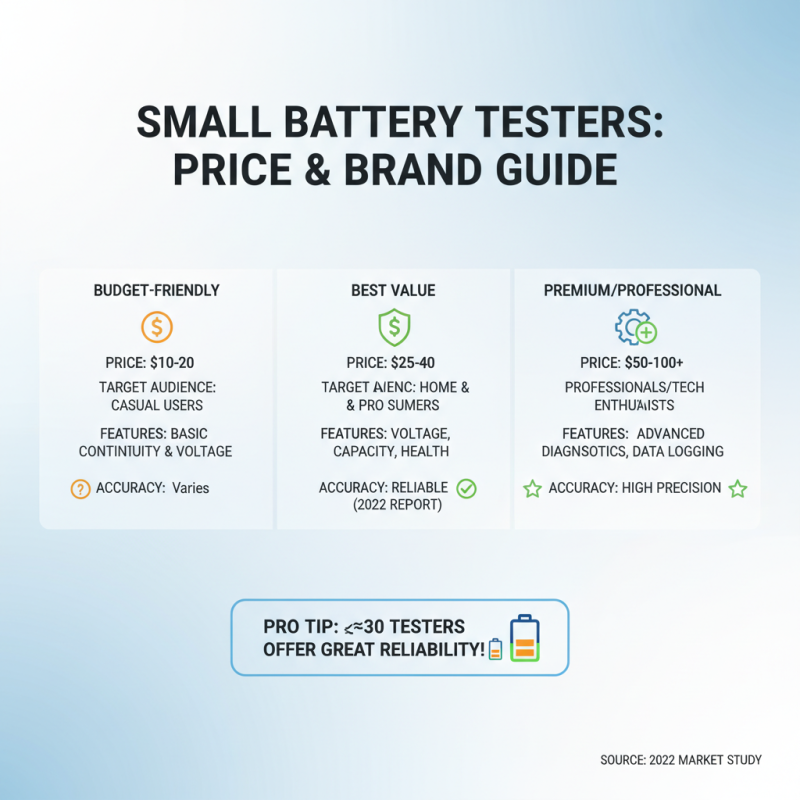
When selecting a small battery tester, price and brand comparisons are crucial. A market study shows that battery testers range from $10 to $100, varying greatly in features and accuracy. While cheaper models may serve casual users, professionals often prefer premium options. A 2022 report indicated that testers priced around $30 provide reliable readings, making them a popular choice.
Choosing a reputable brand can ensure product reliability. Look for testers with good reviews and ratings. Research indicates that brands with a history of quality development tend to perform better. Consider checking online forums and expert reviews to gather insights from other users.
Tip: Always check the specifications. Some testers only work with specific battery types. If you often use various batteries, a versatile tester might be more beneficial.
Another point to ponder: higher price doesn’t always equate to better quality. Some mid-range testers offer exceptional performance without the hefty price tag. Evaluate your usage needs carefully. A clear understanding will help you make a well-informed decision.
Reading User Reviews and Ratings for Informed Decision Making
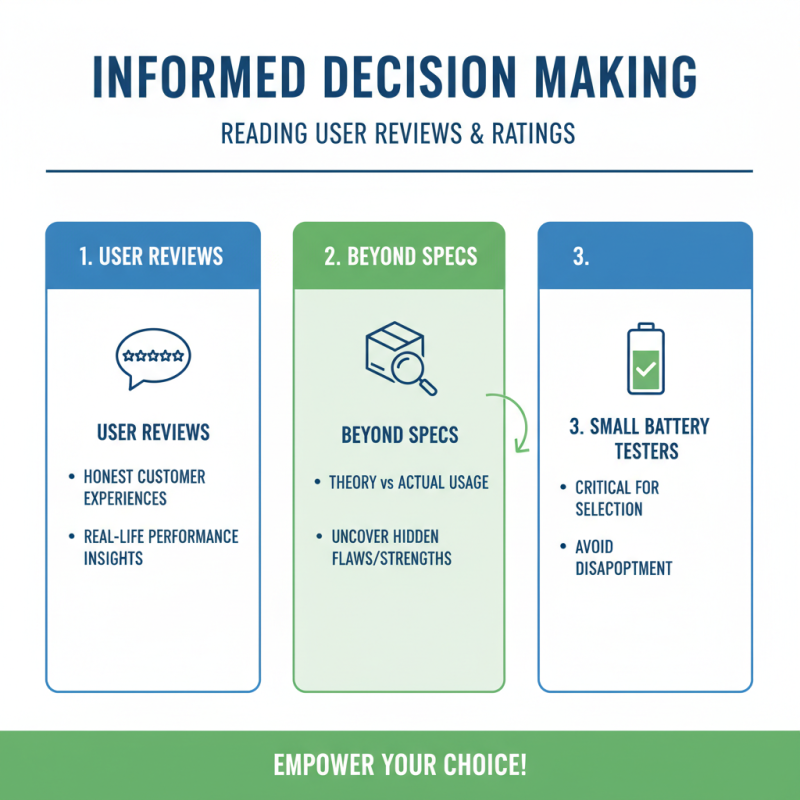
When choosing a small battery tester, user reviews become vital in the decision-making process. Customers share honest experiences. Their insights highlight real-life performance. A tester may look promising in specifications but may fall short in actual usage. User reviews often reveal strengths and weaknesses that manufacturers might not disclose.
Pay attention to the ratings. Higher ratings can indicate reliability and satisfaction. However, take a discerning approach. A few very positive ratings might seem suspicious. Look for detailed reviews, especially those discussing durability and accuracy. Some users may express disappointment after a few uses. These reflections often provide clearer insights compared to advertisements.
Consider the context of your needs. What devices will you test? Some testers perform well on specific battery types but struggle elsewhere. User feedback can help you identify these nuances. Check for common themes in reviews. Repeat issues, like accuracy or ease of use, can guide your choice. It's essential to weigh these comments carefully to avoid future regrets.

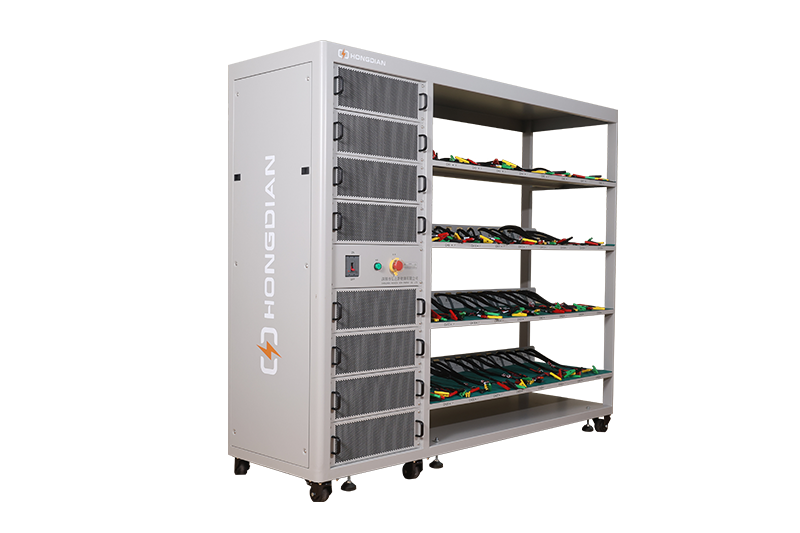 32/48 channel battery charging and discharging test integrated battery cabinet
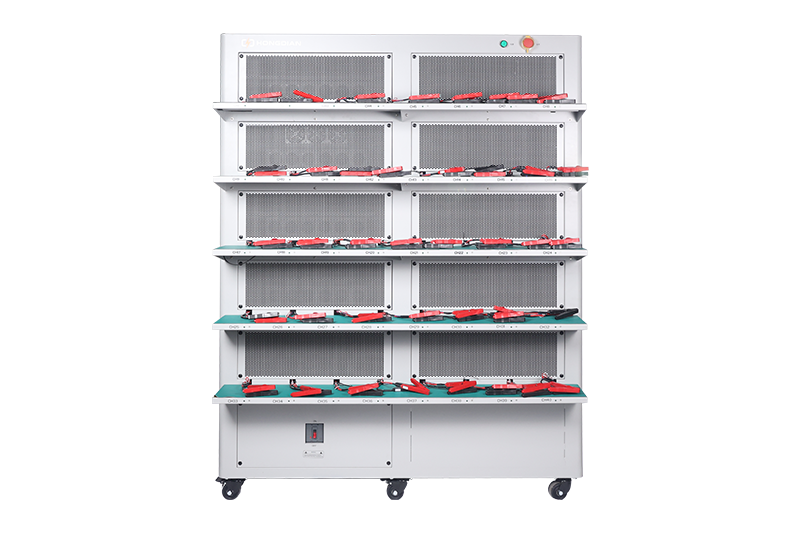 40 channel battery charging and discharging test integrated battery cabinet
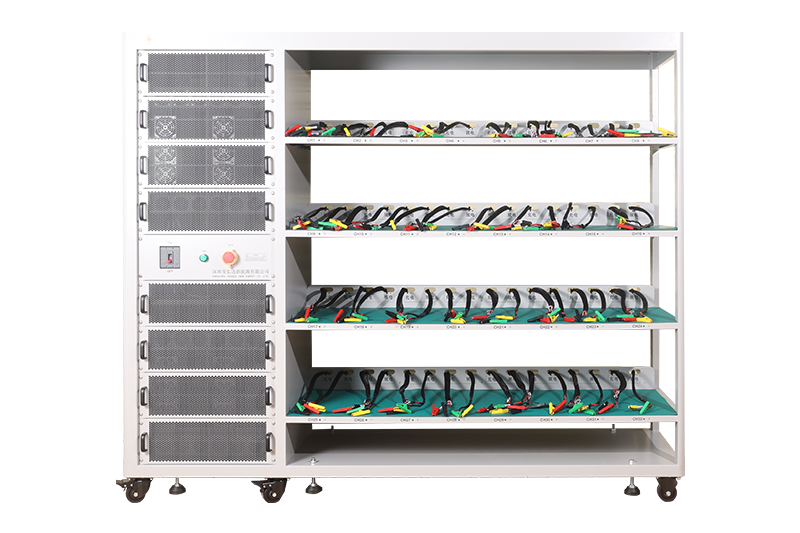 64 channel battery charging and discharging test integrated battery cabinet
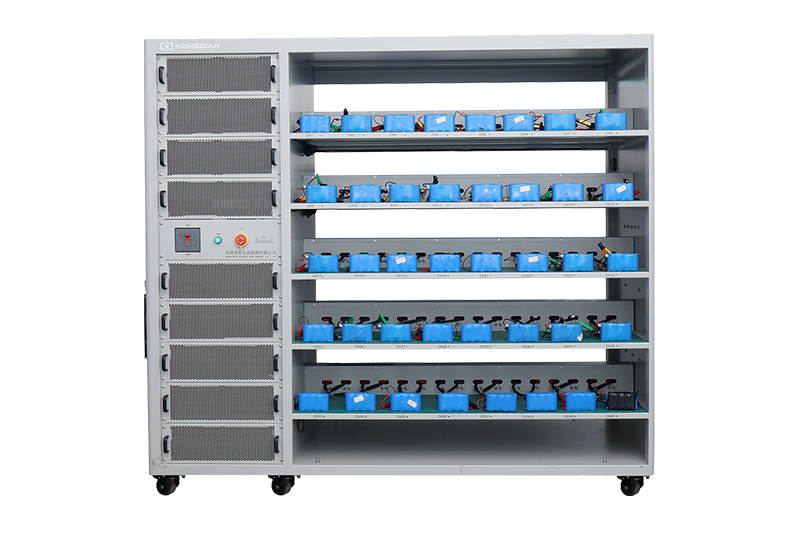 80 channel battery charging and discharging test integrated battery cabinet
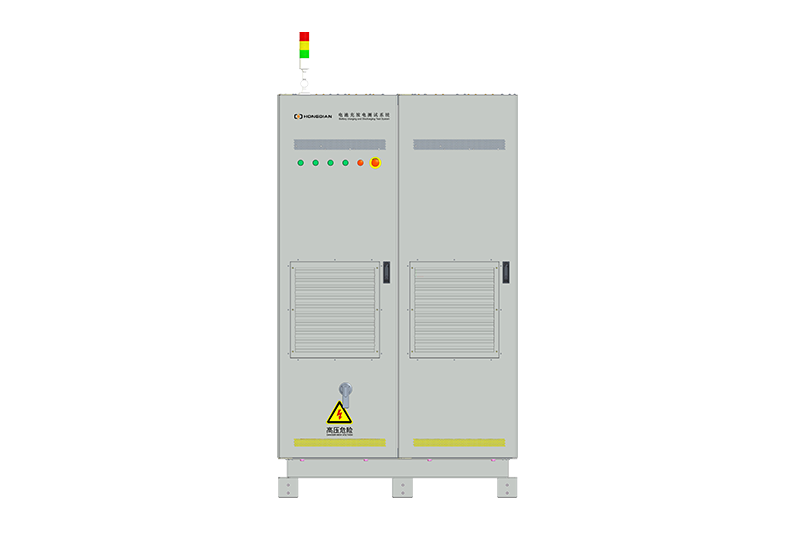 1000V-1500V High Voltage High Current Battery Testing System
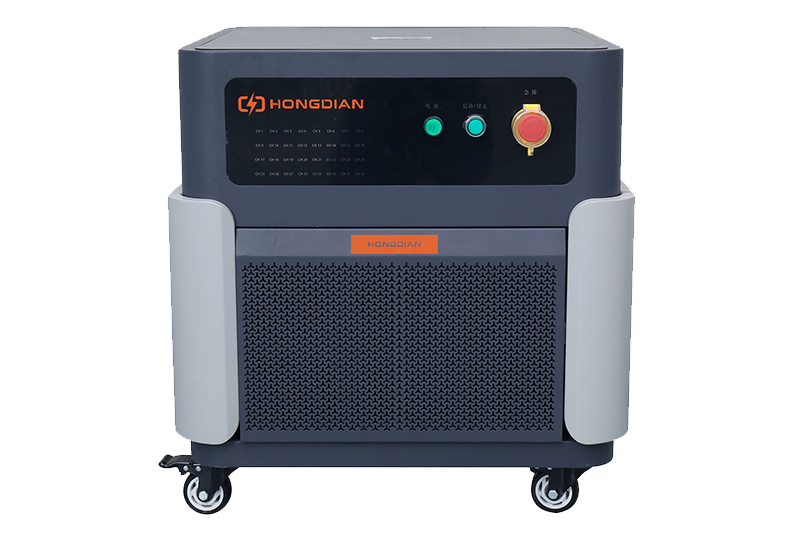 High-Precision Battery Testing System for Enhanced Performance Monitoring 30V/60V/100V/120V
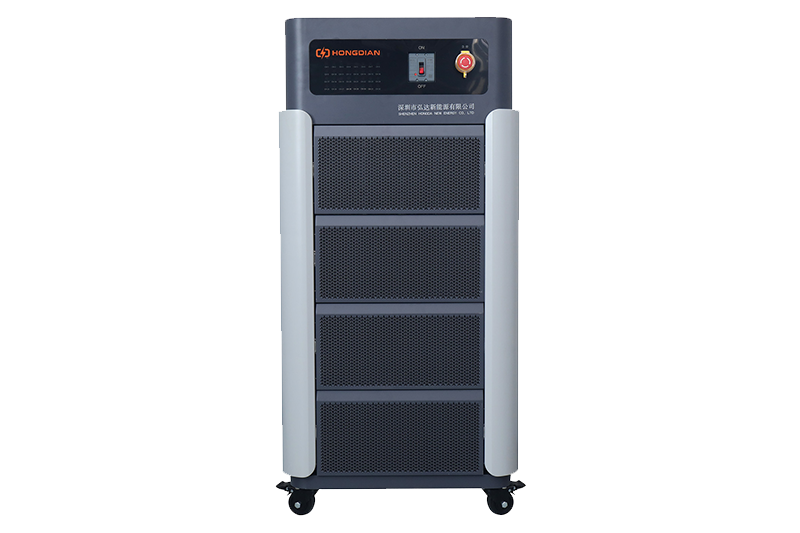 High-Precision Battery Charge Discharge Test Systems for EV Manufacturers
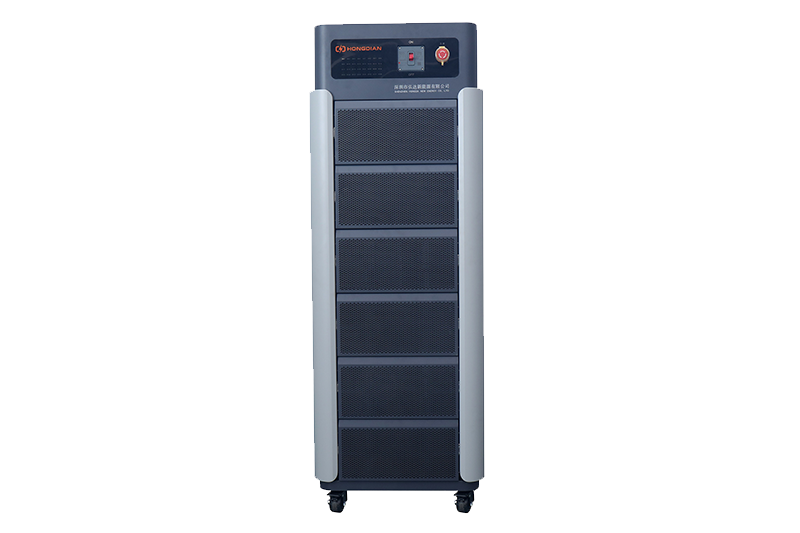 Precision Battery Test Racks for Cell Capacity & Internal Resistance Measurement
 Multi-Channel Battery Testing Equipment for Parallel Performance Analysis