How to Choose the Best Li Ion Battery Checker for Your Needs?
Choosing the right Li Ion Battery Checker is crucial for optimizing battery performance and lifespan. With so many options available, it can be overwhelming to select the best tool for your needs. Quality matters when it comes to battery checkers. The right device provides accurate readings, helping you monitor battery health effectively.
When assessing a Li Ion Battery Checker, consider the features that matter most to you. Look for consistency in performance and ease of use. Some checkers may offer advanced features like voltage monitoring or capacity testing. Others might focus on simplicity, providing essential information at a glance. Knowing your priorities is vital for making the right choice.
Not all battery checkers are created equal. Some models may lack reliability or accuracy, leading to poor decision-making. It’s essential to research reviews from credible sources. Your choice can ultimately influence how long your batteries last. Seek a Li Ion Battery Checker that balances quality, user-friendliness, and necessary functions. Taking the time to choose wisely saves you from future regrets.
Understanding Lithium-Ion Battery Technology and Its Importance
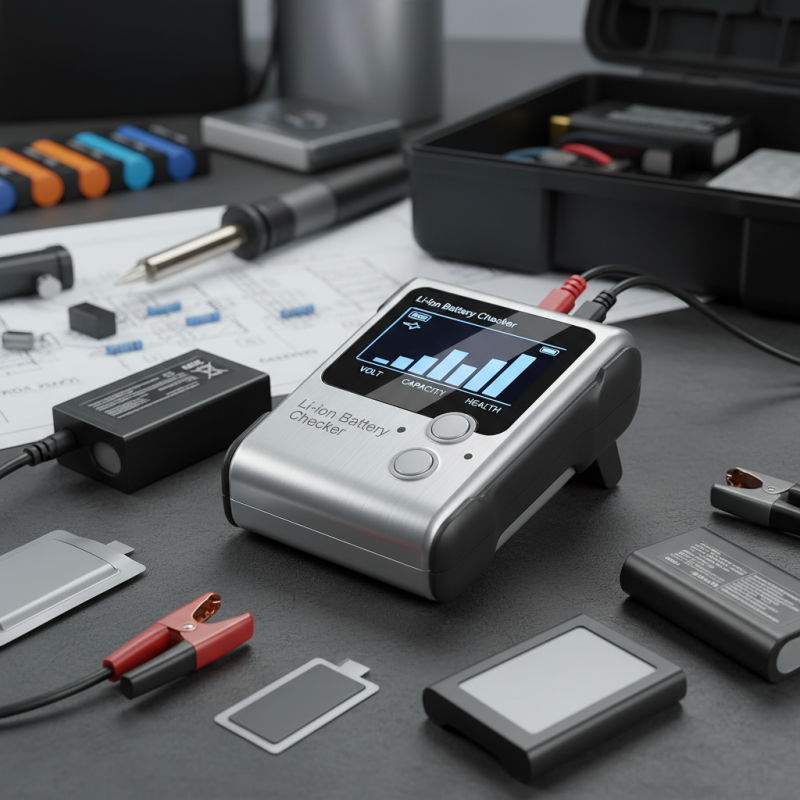
Lithium-ion battery technology has transformed how we use energy. These batteries power a wide range of devices, from smartphones to electric vehicles. Understanding their significance helps in selecting the right battery checker. A robust battery checker is crucial for monitoring health over time.
Choosing the perfect checker means considering various factors. Look for features like voltage measurement and capacity testing. It's vital to select a tool that matches your battery's specifications. Many people overlook the importance of calibration. A poorly calibrated checker can lead to faulty readings. Regularly checking calibration ensures accuracy.
Tips for using a battery checker effectively include understanding the battery's condition. Are you seeing rapid discharge? Track usage patterns to identify issues. Don't rely solely on one reading; take multiple measurements for a clearer picture. Engaging with online communities can provide insights on best practices. Evaluate real-life experiences shared by other users for guidance.
Key Features to Look for in a Li-Ion Battery Checker
When selecting a Li-Ion battery checker, focus on a few key features that enhance reliability. Firstly, look for precise voltage and capacity readings. A good checker should measure voltages accurately within ±0.01V. Poor readings can lead to incorrect assessments, which can be detrimental. Industry reports indicate that miscalculating battery health can decrease performance by up to 30%.
Another critical feature is the ability to monitor temperature. Batteries should ideally operate below 45°C. Overheating can lead to rapid degradation. Checkers that provide thermal monitoring can alert users about unsafe conditions.
Furthermore, a built-in discharge function helps evaluate the true capacity of batteries, ensuring they deliver expected performance for devices.
Lastly, user-friendliness cannot be neglected. An intuitive interface and clear display enhance usability. The average user spends around 15 minutes selecting a battery checker. Complicated setups deter many. Updating software and firmware should be seamless, promoting longevity and accuracy. However, many checkers lag in this area, leading to frustration among users. Investing the time to find the best battery checker pays off in the long run.
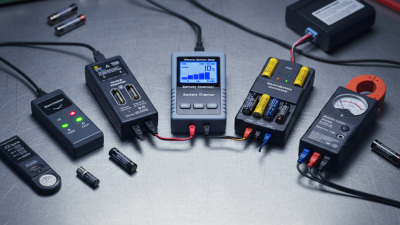
Comparison of Leading Li-Ion Battery Checker Models on the Market
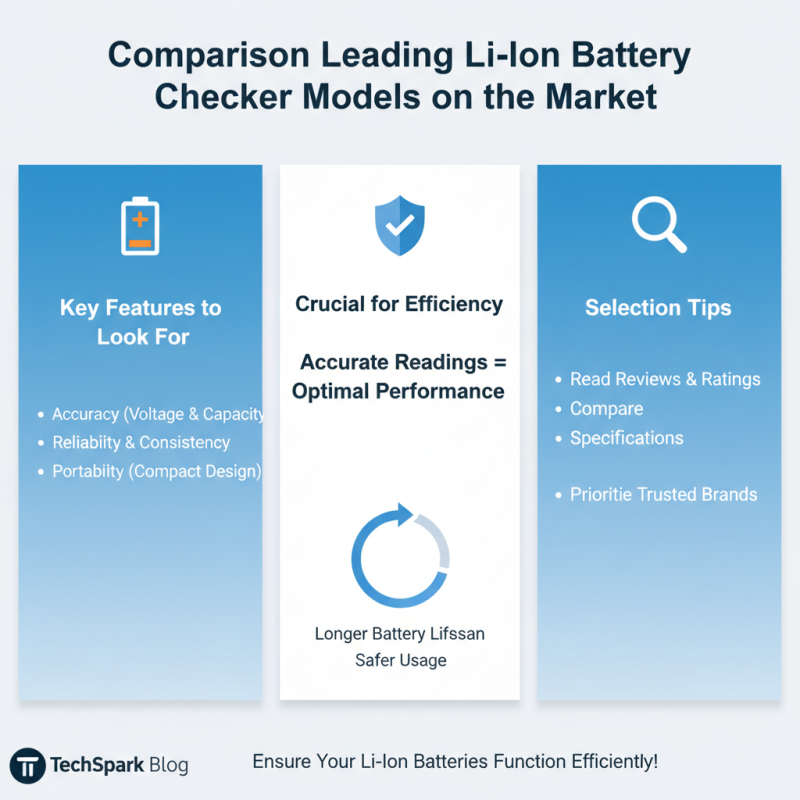
When selecting a Li-Ion battery checker, focus on key features. Many models offer portability, but not all are reliable. Look for devices that provide accurate voltage readings and capacity assessments. This is crucial for ensuring your batteries function efficiently.
Some top models on the market prioritize user-friendly interfaces. However, ease of use isn't everything. Calibration and measurement precision often get overlooked. Double-check user reviews to gauge long-term reliability. Look for checkers that handle various battery sizes and types. You want flexibility in your testing process.
In terms of price, beware of the cheapest options. They may lack essential features, leading to inaccuracies. Consider spending more on a trusted model. It may save you money in the long run by extending battery life. Choosing the right battery checker is a balance of reliability and usability. Make sure it fits your specific needs.
Interpreting Battery Checker Readings: What the Numbers Mean
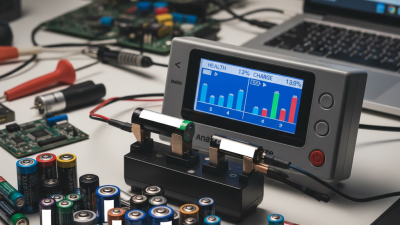
When interpreting battery checker readings, understanding the numbers is crucial. Battery voltage is a primary indicator of a lithium-ion battery's condition. A fully charged Li-ion cell typically shows around 4.2 volts, while a reading below 3.0 volts indicates a need for charging. According to a recent industry report, maintaining voltage levels above 3.7 volts enhances battery lifespan by up to 40%.
Another key reading is the internal resistance, which affects performance. Lower resistance means better efficiency. A rise in internal resistance can signal degradation. Data indicates a resistance increase of 0.1 ohms can lead to a 15% reduction in output. This highlights the importance of regular checks for optimal performance.
When selecting a battery checker, look for models that provide detailed readings. Understanding the specifics can guide you to make informed decisions.
Tips for maintaining optimal battery health include charging your battery consistently and avoiding deep discharges. Daily checks can prevent potential issues. It’s important to reflect on your usage habits as well. Regular maintenance can save you money in the long run.
Assessing the Cost-Effectiveness of Li-Ion Battery Checkers
When choosing a Li-ion battery checker, assessing cost-effectiveness is vital. Consider your usage needs first. Will you check batteries often or occasionally? A higher-priced model may not be worth it for infrequent use. Look for features that address your requirements without unnecessary extras.
Think about the long-term value. Investing in a quality checker could save money. It helps prevent overcharging or underutilizing batteries. In the end, a reliable device can prolong battery life. A checker with accurate readings often pays off, though it might be pricier upfront.
Research is crucial. Read reviews and compare specifications. Not all devices perform similarly. Some cheaper options may fail quickly, leading to potential frustrations. Weigh the risks of a low-cost item against the reliability of a proven brand. Balancing cost and performance requires careful thought, and it’s important to remember that sometimes you get what you pay for.

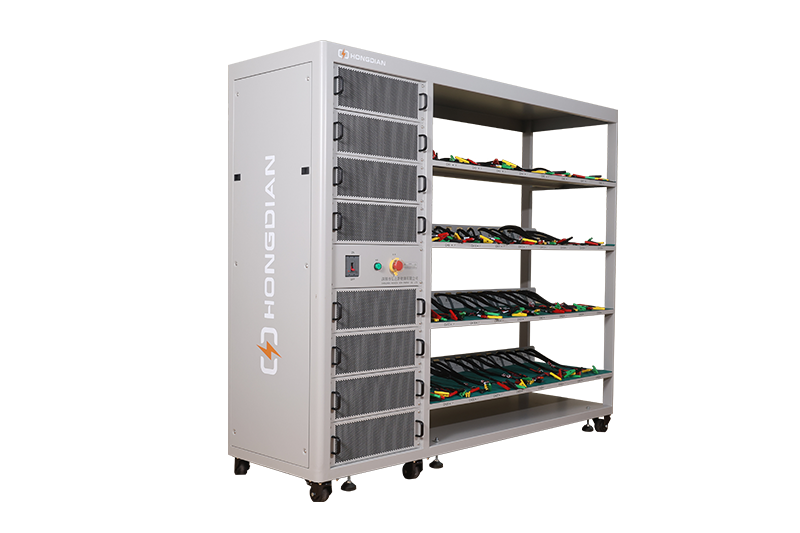 32/48 channel battery charging and discharging test integrated battery cabinet
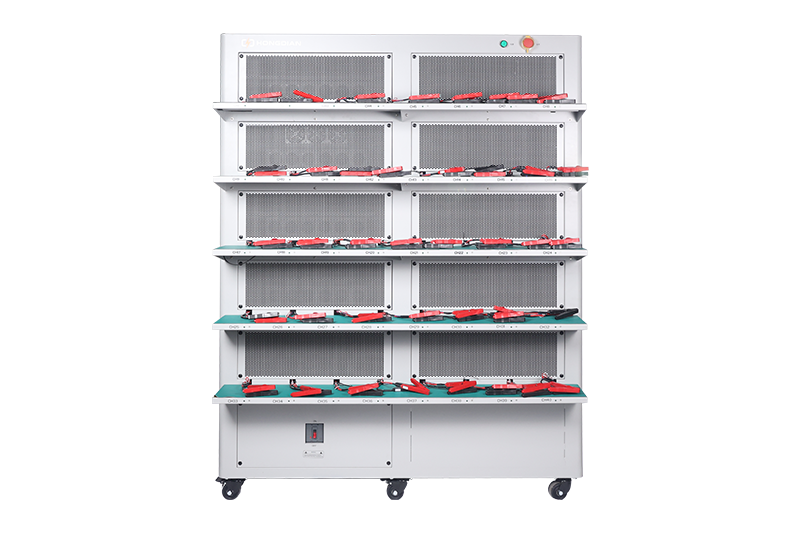 40 channel battery charging and discharging test integrated battery cabinet
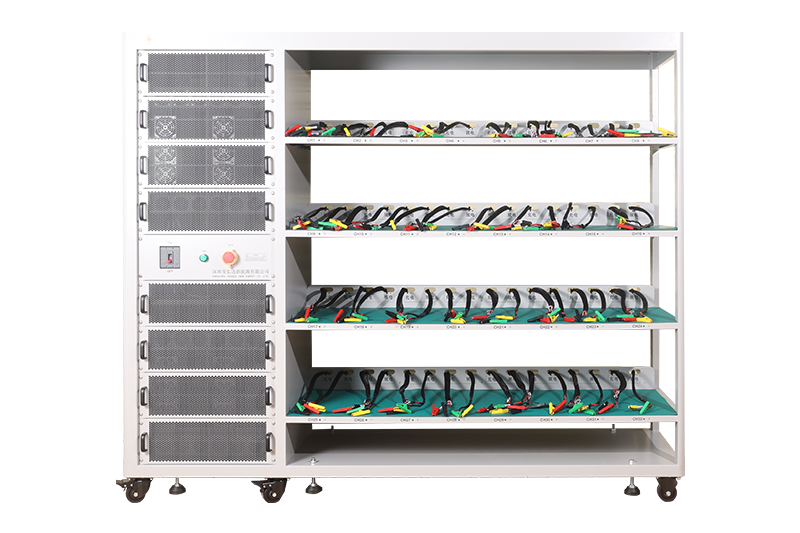 64 channel battery charging and discharging test integrated battery cabinet
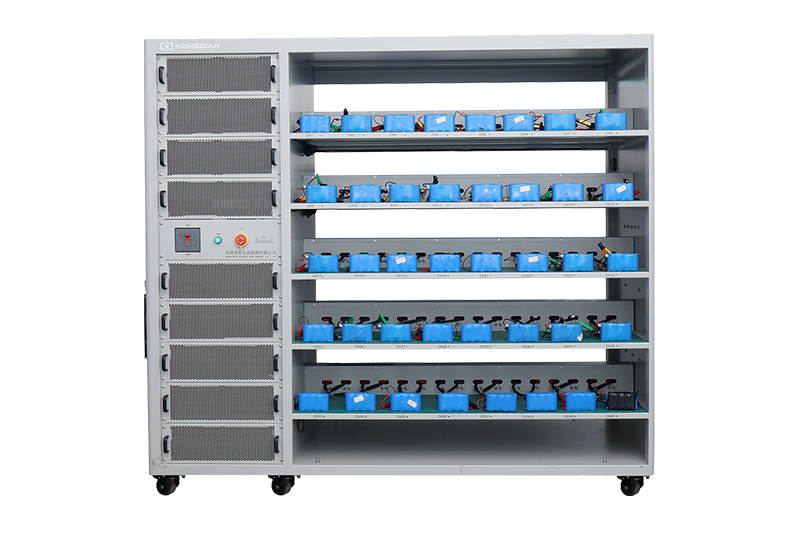 80 channel battery charging and discharging test integrated battery cabinet
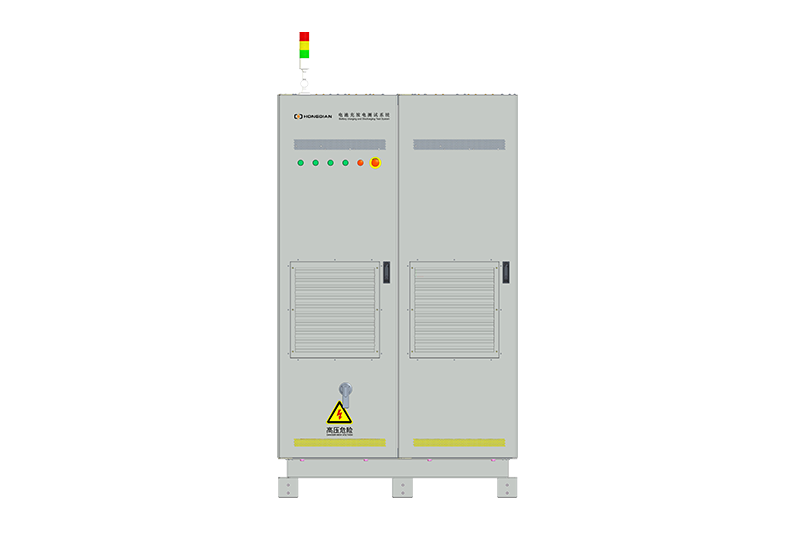 1000V-1500V High Voltage High Current Battery Testing System
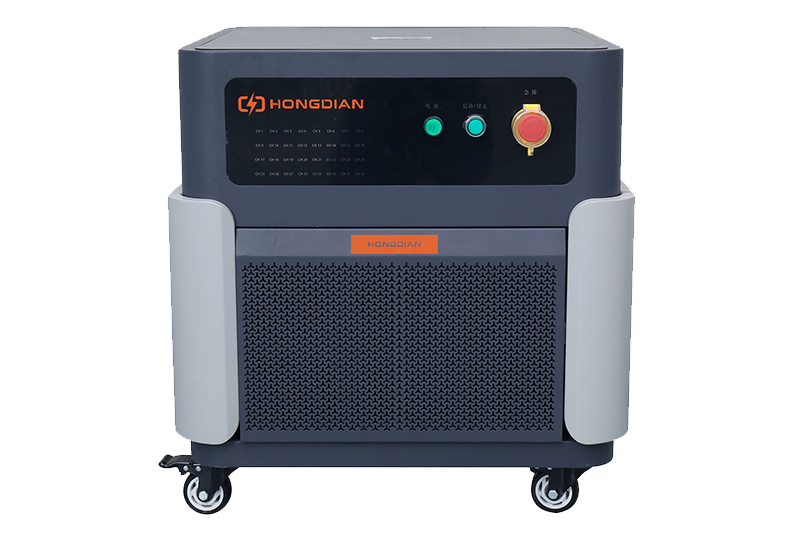 High-Precision Battery Testing System for Enhanced Performance Monitoring 30V/60V/100V/120V
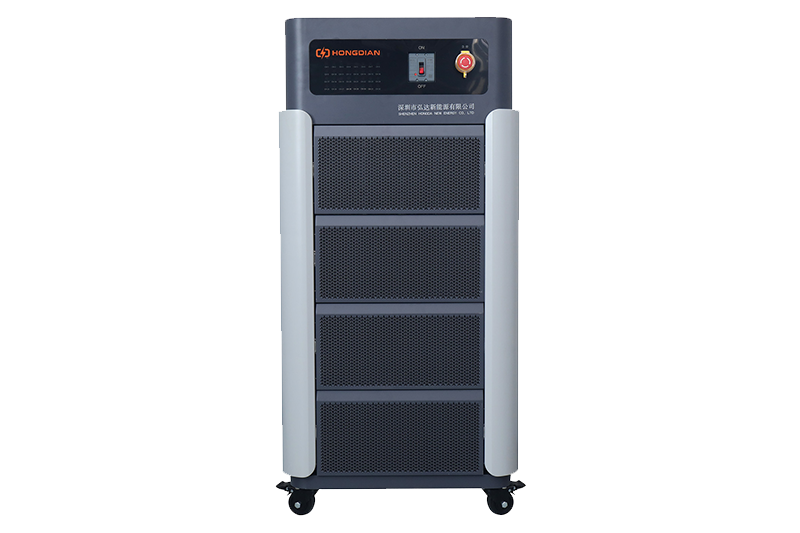 High-Precision Battery Charge Discharge Test Systems for EV Manufacturers
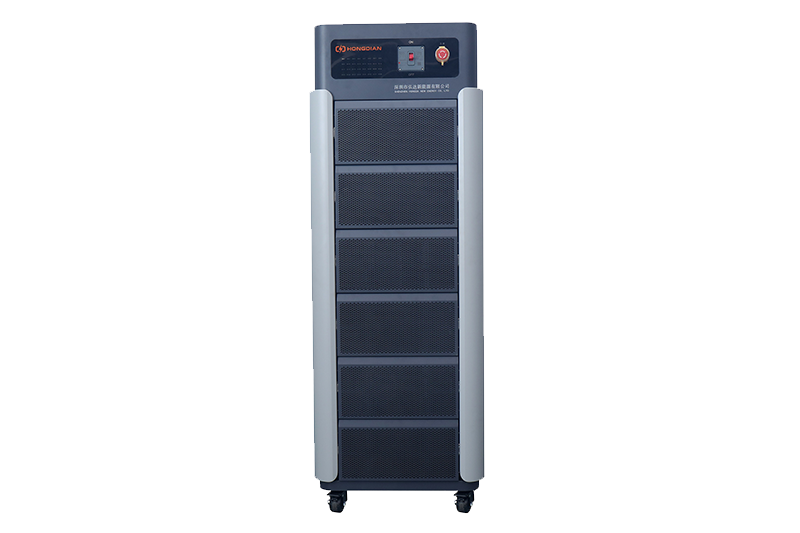 Precision Battery Test Racks for Cell Capacity & Internal Resistance Measurement
 Multi-Channel Battery Testing Equipment for Parallel Performance Analysis