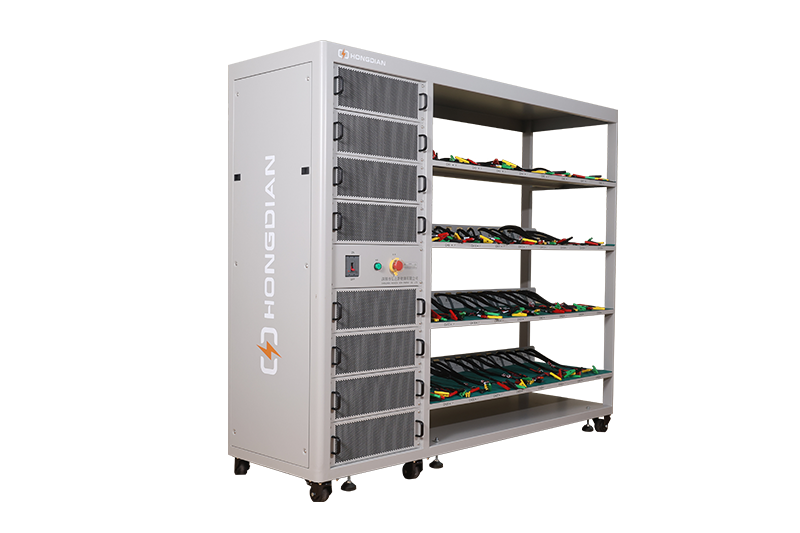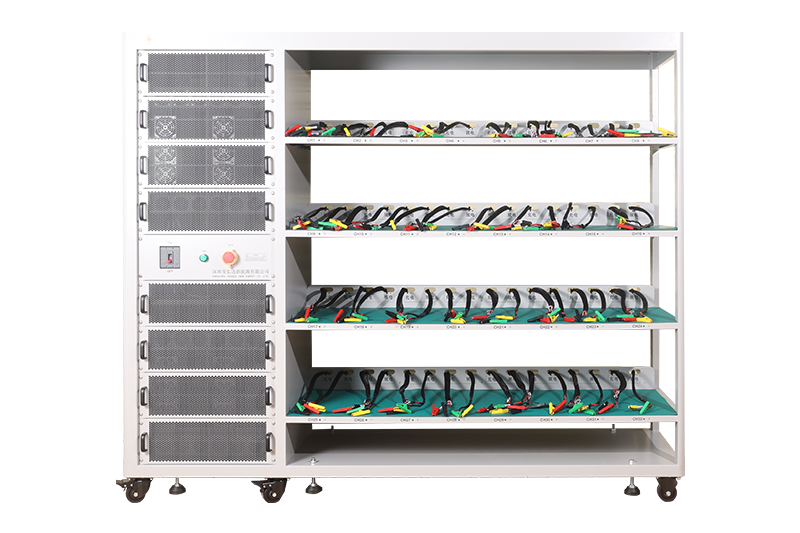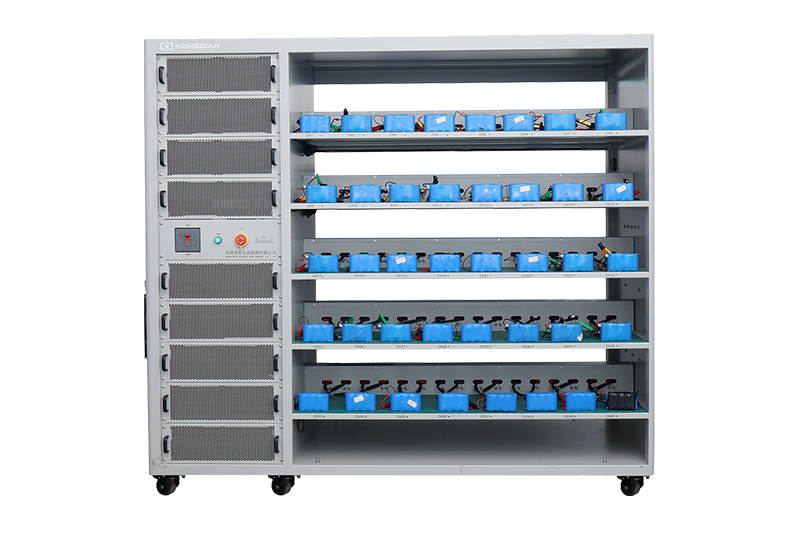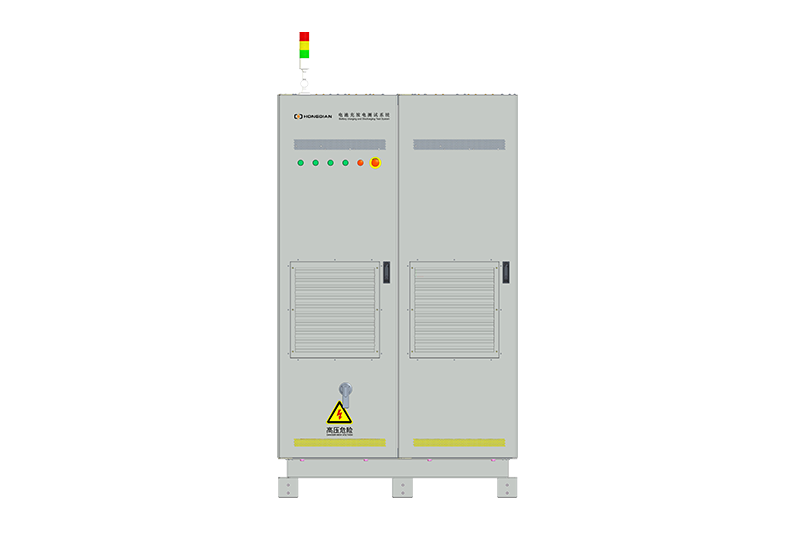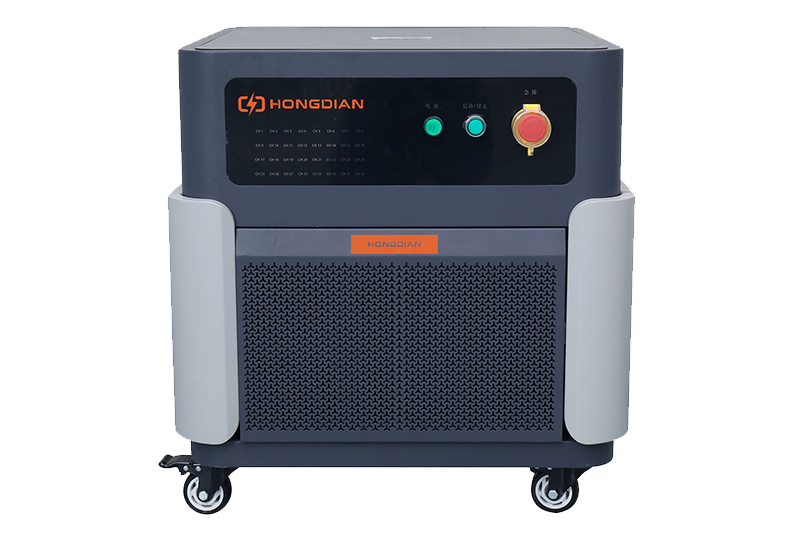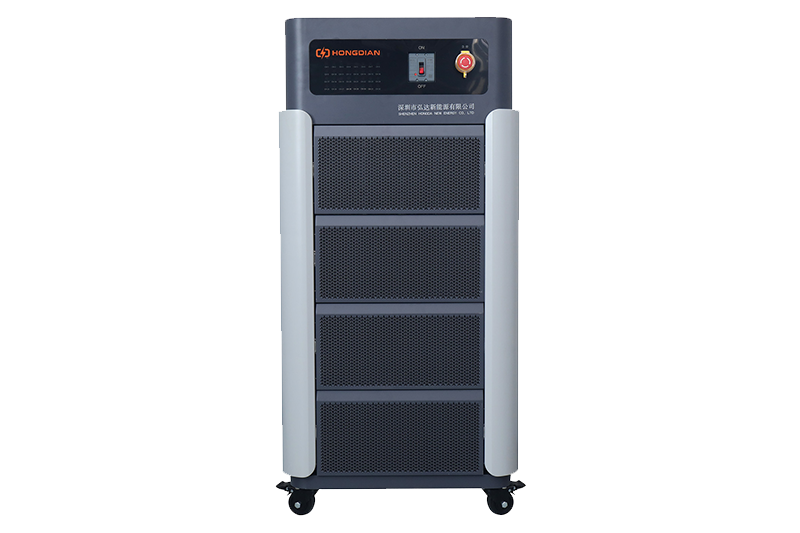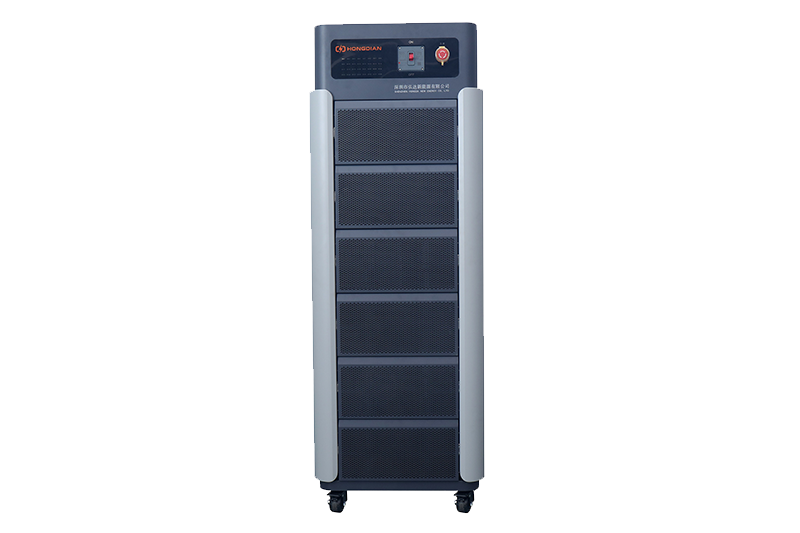
32/48 channel battery charging and discharging test integrated battery cabinet
40 channel battery charging and discharging test integrated battery cabinet
64 channel battery charging and discharging test integrated battery cabinet
80 channel battery charging and discharging test integrated battery cabinet
In today’s rapidly advancing technology landscape, selecting the right Battery Testing System is crucial for ensuring performance and safety. Industry reports estimate that the global battery testing equipment market will reach over $1 billion by 2026, highlighting the growing need for accurate testing solutions. As batteries become integral to various sectors like automotive and renewable energy, the demand for robust testing systems escalates.
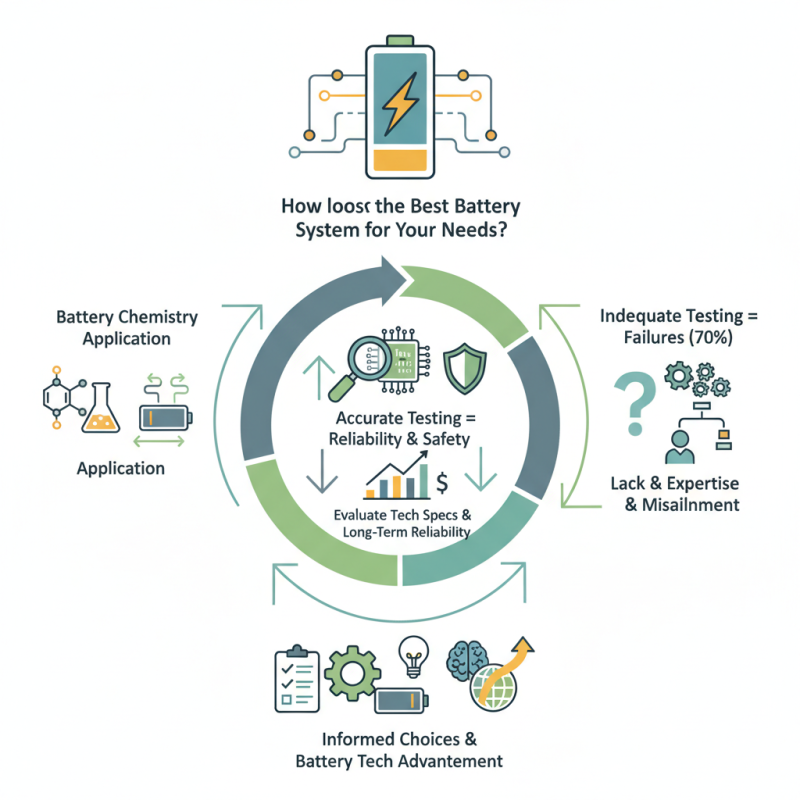
When choosing a Battery Testing System, it's essential to consider specific requirements, such as battery chemistry and application. Recent studies show that over 70% of battery failures can be traced back to inadequate testing protocols. A reliable system prevents these costly failures and enhances overall product integrity.
Conversely, many organizations still lack the necessary expertise to select the most appropriate testing solution. It’s common to encounter systems that don’t fully align with project needs, leading to inefficiencies. To navigate this complex landscape, one must evaluate not only the technical specifications but also the long-term reliability of the system. This thoughtful approach will foster not just informed choices but also contribute to the overall advancement of battery technology.
Selecting the right battery testing system is crucial for various applications, from electric vehicles to renewable energy storage. Understanding battery testing requirements is the first step in making an informed decision. Different batteries, such as lithium-ion and lead-acid, require unique testing methods to ensure performance, safety, and longevity. Reports indicate that the battery testing market is projected to reach $3.56 billion by 2027, highlighting the growing need for reliable testing systems.
When evaluating your testing needs, consider the specific application. For instance, automotive batteries may need high-power testing techniques, while consumer electronics batteries might focus more on cycle life and efficiency. Important metrics include capacity, charge/discharge rates, and thermal stability. Tips for choosing the right system include assessing the range of temperatures and voltages your application demands.
Another aspect to consider is compliance with industry standards. Testing systems must adhere to guidelines such as IEC 62133 or UL 2054 to ensure safety and reliability. While many systems claim to meet these standards, always verify their certifications. Reliable testing can prevent potential failures and enhance product durability. As the market evolves, staying informed on the latest technologies and methodologies remains essential.
When selecting a battery testing system, it's crucial to prioritize essential features. Look for systems offering multiple testing modes. This flexibility allows users to assess various battery types, from lithium-ion to lead-acid. A robust system should also provide clear, real-time data. This data helps in evaluating battery performance effectively.
Another vital feature is safety. Battery testing involves risks. Therefore, testing systems must include protective measures to prevent hazards. User-friendly interfaces enhance accessibility. Users with varying expertise can benefit from intuitive controls and clear instructions.
Consider the accuracy of testing results as well. Inaccurate readings can lead to poor decisions. Regular calibration checks are necessary to ensure reliability. Many users overlook this aspect. It's easy to assume a system is accurate, but without diligence, errors can arise. Analyze these features carefully before making a purchase. Take your time to weigh your options thoroughly.
When selecting a battery testing system, understanding the available methods and technologies is crucial. Various approaches exist, each suited for specific applications. The most common methods include capacity testing, internal resistance testing, and thermal imaging. Capacity testing quantifies how much energy a battery can store. This data is essential for applications requiring reliable performance. According to a recent report by the International Battery Association, capacity testing can reduce battery failure rates by up to 25%.
Internal resistance testing provides insights into a battery's health. A higher resistance often indicates aging or damage, affecting performance. This method is particularly important for electric vehicles and renewable energy sectors. The Electric Power Research Institute states that internal resistance analysis can predict battery lifespan with over 90% accuracy. However, mastering this technique requires expertise in interpreting complex data.
Thermal imaging is an emerging technique that identifies hot spots in batteries, which may indicate potential failures. Although it's effective, this method can be costly and requires sophisticated equipment. Some users struggle with the interpretation of thermal images. Balancing the benefits and challenges of these methods is key to effective battery management. Understanding these technologies ensures better decision-making and enhances reliability across various industries.
| Testing Method | Description | Advantages | Disadvantages | Best Used For |
|---|---|---|---|---|
| Load Testing | Measures battery performance under load conditions. | Simple and effective for checking battery capacity. | Can damage older batteries if not monitored properly. | Automotive and industrial batteries. |
| Electrochemical Impedance Spectroscopy (EIS) | Analyzes the internal resistance and other properties of batteries. | Detailed insights into battery health and efficiency. | Complex and requires specialized equipment. | Research and development, quality control. |
| Capacity Testing | Determines the total capacity of a battery by discharging it completely. | Accurate measure of battery life; simple procedure. | Time-consuming; can degrade battery life. | Quality assurance, end-of-line testing. |
| Voltage Measurement | Simple measurement of the battery voltage level. | Quick and easy; non-invasive. | Does not provide a complete picture of battery health. | Initial diagnostics and regular monitoring. |
| Thermal Imaging | Detects hot spots in batteries using infrared technology. | Identifies unsafe conditions and potential failures. | High initial cost; requires trained personnel. | Preventive maintenance and safety checks. |
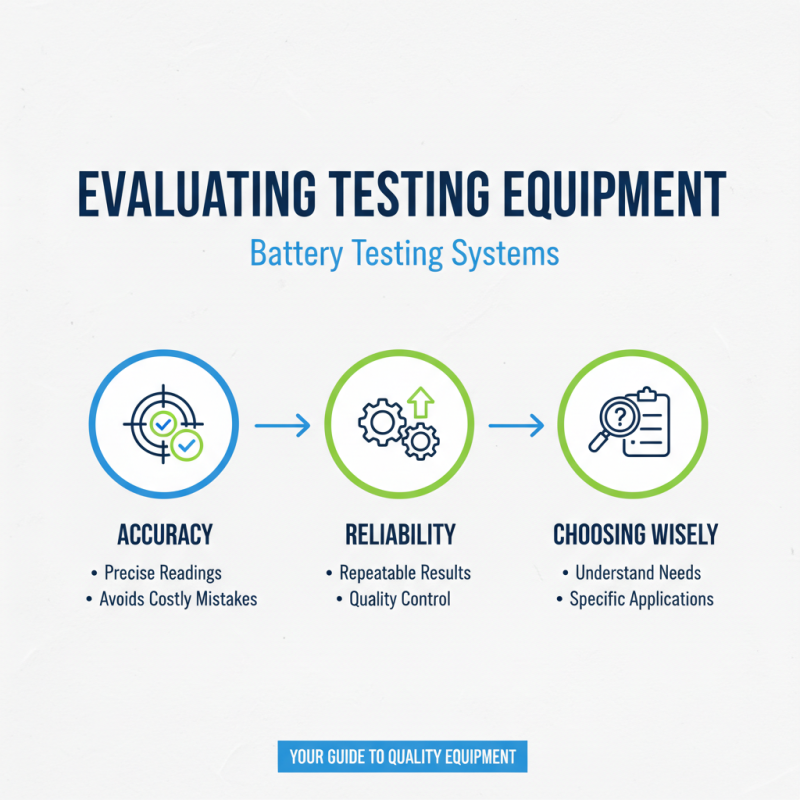
When selecting a battery testing system, accuracy and reliability are crucial. Ensuring the device delivers precise readings helps avoid costly mistakes. A reliable system enables repeatable results, essential for quality control in various applications. Choosing the right equipment begins with understanding your specific needs.
Look for systems that undergo regular calibration. Reliable equipment should meet industry standards. Consider how well the device can handle different battery types and chemistries. A range of testing parameters is beneficial, such as voltage, capacity, and internal resistance.
Tips for evaluations: check user reviews and expert opinions. Real-world testing scenarios can reveal hidden flaws. Always assess the warranty and after-sales support. This gives insight into the manufacturer's confidence in their product. A thorough investigation ensures you choose a testing system that meets your requirements effectively.
When selecting a battery testing system, budget considerations are crucial. A high-quality system can be an investment. Cheaper options may save money initially, but they could lack accuracy. This could lead to faulty readings and potential issues in the long run. The right balance between cost and effectiveness should drive your decision. Evaluate your specific needs to avoid overspending on unnecessary features.
Consider the total cost of ownership. Beyond the initial purchase price, factor in maintenance, software updates, and potential training requirements. These can add up quickly and affect your overall budget. It's vital to engage with professionals who have experience in the field for credible advice. Talk to engineers and technicians about their recommendations.
Tip: Before purchasing, compare different systems. Look for user reviews and testimonials. This helps gauge reliability and user satisfaction. Another tip is to calculate potential savings from more reliable testing. Outstanding accuracy can enhance product life and performance, offering savings that far outweigh upfront costs.