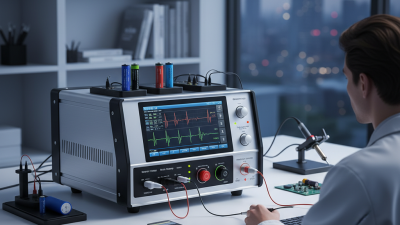
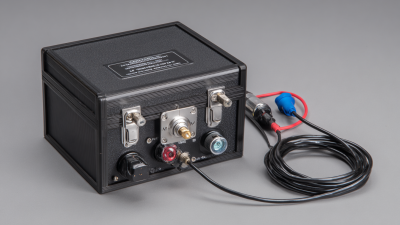
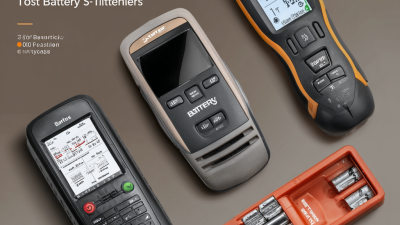
How to Choose the Best Universal Battery Tester in 2025
In an increasingly tech-driven world, the importance of reliable power sources cannot be overstated, particularly as we look towards 2025. A Universal Battery Tester has become an essential tool for both everyday consumers and professionals alike, ensuring that devices function optimally. With a myriad of options available on the market, selecting the best universal battery tester requires careful consideration and knowledge of specific features that cater to individual needs.
When navigating the selection process, various factors such as compatibility, accuracy, and user-friendliness play a critical role in determining the ideal device. The complexity of battery types on the market today—from alkaline to lithium-ion—demands a versatile tester capable of providing precise measurements and diagnostic information. Moreover, as sustainability becomes a focal point for consumers, a universal battery tester that promotes efficient usage and extends battery life can contribute significantly to waste reduction.
Ultimately, making an informed choice about a universal battery tester involves understanding the specific requirements of your devices, evaluating the performance of different testers, and considering long-term value. This guide aims to assist you in identifying the key elements that will lead to the best universal battery tester for your needs in 2025, empowering you to stay connected and productive without interruption.

Key Features to Look for in a Universal Battery Tester
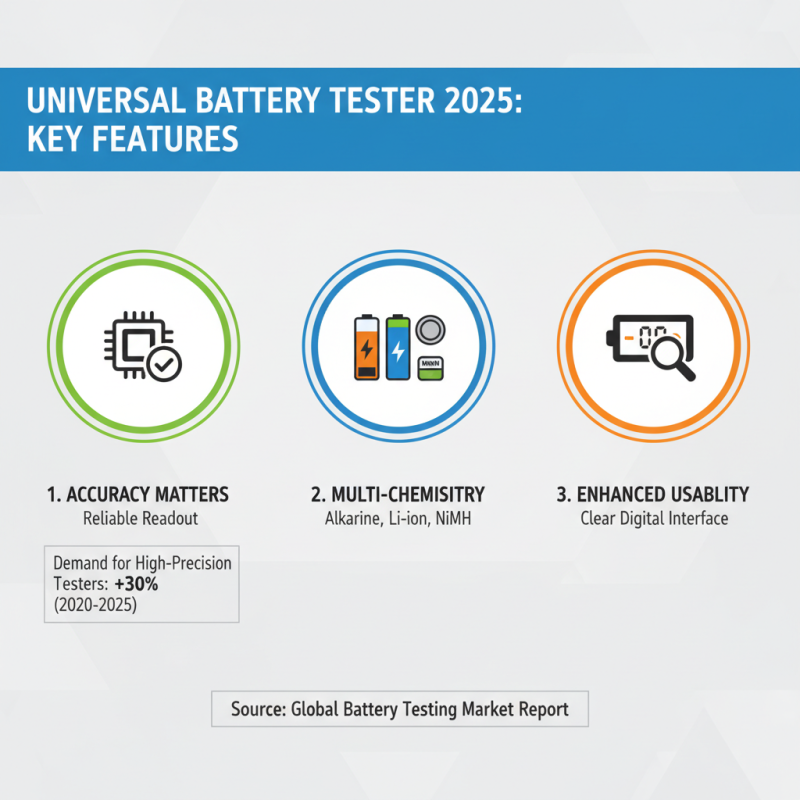
When selecting the best universal battery tester in 2025, it’s crucial to focus on a few key features that can significantly enhance usability and accuracy. Firstly, accuracy in measurement is of utmost importance. Look for testers that offer a reliable readout for various battery types, including alkaline, lithium-ion, and nickel-metal hydride (NiMH). According to a report by the Global Battery Testing Market, the demand for high-precision testers has increased by nearly 30% over the past five years, driven by advancements in battery technology and the need for more accurate assessments.
Another important feature to consider is the tester's versatility and compatibility with different battery sizes and types. A comprehensive universal tester should support AA, AAA, 9V, 18650, and other specific battery formats. Based on industry analysis, testers that accommodate multiple formats can reduce maintenance costs by over 20% for consumer electronics and automotive sectors, allowing users to test a wider range of batteries without investing in multiple devices.
Lastly, an intuitive display and ease of use cannot be overlooked. Many modern battery testers come equipped with digital displays that simplify results interpretation. Reports indicate that 65% of users prefer devices with graphical representations of battery health, which aids in quick decision-making. Features such as built-in rechargeable batteries or USB connectivity for software updates also add convenience, ensuring that the tester remains relevant in an ever-evolving technological landscape.
Types of Universal Battery Testers Available in 2025
When choosing a universal battery tester in 2025, it’s essential to understand the different types available on the market. Generally, battery testers can be classified into three main categories: analog testers, digital testers, and smart testers. Analog testers often feature a simple dial design, providing a quick visual representation of battery health. They are generally easy to use and reliable for basic testing needs.
Digital testers, on the other hand, offer more precision and may include additional features like LCD displays and multiple testing modes for various battery types. They provide detailed information regarding voltage levels and overall health, making them ideal for more advanced users. Lastly, smart testers have taken battery testing to the next level by connecting to smartphone apps via Bluetooth. This allows users to receive real-time data, historical tracking of battery performance, and notifications when batteries need to be replaced.
Tip: When selecting a battery tester, consider the frequency of use and the types of batteries you typically work with. If you only need to check batteries occasionally, an analog tester might suffice. However, frequent users may benefit from investing in a digital or smart tester for more comprehensive insights. Additionally, check for compatibility with various battery sizes to ensure versatility in your testing.
Understanding Battery Chemistry for Better Testing Accuracy
Understanding battery chemistry is crucial for enhancing the accuracy of battery testing. As the market evolves, testing devices must adapt to the diverse range of battery chemistries available today. Lithium-ion batteries, for instance, have a unique electrochemical profile that differs significantly from traditional alkaline cells. According to a 2023 report by the International Energy Agency, lithium-ion batteries dominate the global market, accounting for approximately 85% of all battery sales. This underscores the need for universal battery testers that can precisely interpret the nuances of battery chemistry to provide reliable readings.
In addition to lithium-ion, other chemistries such as nickel-metal hydride (NiMH) and lead-acid batteries are still prevalent in various applications. A study by the Battery Research Institute noted that incorrect testing methods could lead to a misinterpretation of a battery's state of charge or health, potentially resulting in premature disposal or excessive recharging. Understanding the distinct characteristics of these chemistries can help testers accurately assess parameters, such as internal resistance and voltage drop, ensuring that battery life is maximized and safety risks minimized. Therefore, selecting the right universal battery tester demands a strong grasp of these chemical principles, enabling consumers to make informed decisions for effective battery management.
Top Brands and Models of Universal Battery Testers in 2025
When selecting the best universal battery testers in 2025, several top brands and models stand out for their reliability and accuracy in assessing battery health. According to industry reports from Battery Tech Insights 2023, the demand for efficient battery testers has surged by 25% over the past two years, driven by the growing reliance on lithium-ion batteries in consumer electronics and electric vehicles. As such, it is crucial to choose testers that can accurately read various battery chemistries, including alkaline, NiMH, and lithium-ion.
Among the acclaimed models, those equipped with advanced features, such as digital displays and integrated diagnostic tools, provide essential insights into battery performance. A comparative study published in the Journal of Battery Technology revealed that testers utilizing microchip technology had a 30% higher accuracy rate in diagnosing battery conditions than traditional analog testers. Brands that incorporate these innovations not only enhance user experience but also ensure that consumers can make informed decisions regarding battery replacement, thus promoting a sustainable approach to battery usage. As the industry continues to evolve, selecting a top-rated universal battery tester will be crucial for both personal and professional use, catering to the growing demand for efficiency and accuracy in battery management.
Maintenance and Calibration Tips for Optimal Tester Performance
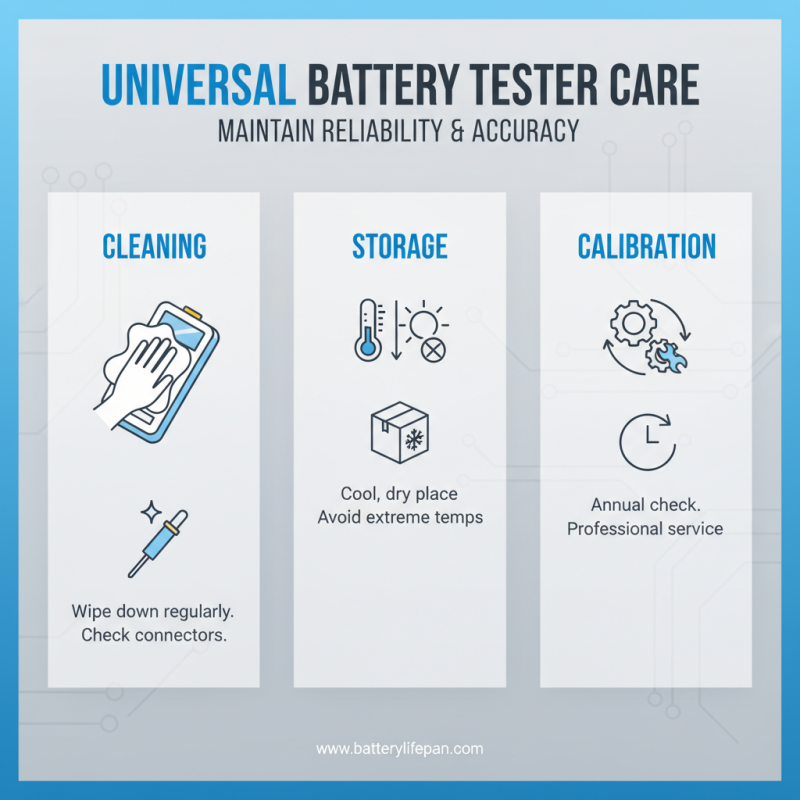
To ensure that your universal battery tester remains effective and reliable throughout its lifespan, regular maintenance and calibration are essential. Start by keeping the device clean; dust and debris can interfere with its performance. Use a soft, dry cloth to wipe down the tester regularly, and ensure that any connectors or probes are free from corrosion or damage. Additionally, storage plays a crucial role in maintaining your tester's functionality. Store it in a cool, dry place away from extreme temperatures and direct sunlight, as these conditions can degrade the internal components.
Calibration is another key aspect of maintaining optimal tester performance. Over time, the accuracy of any testing device may drift due to electrical wear or environmental factors. To recalibrate your universal battery tester, follow the manufacturer’s guidelines, usually found in the user manual. It may involve using a reference battery or connecting the tester to a known standard. Performing calibration at regular intervals or whenever you notice inconsistencies in readings will help ensure that your tester provides accurate measurements, which is vital for both personal use and professional applications.

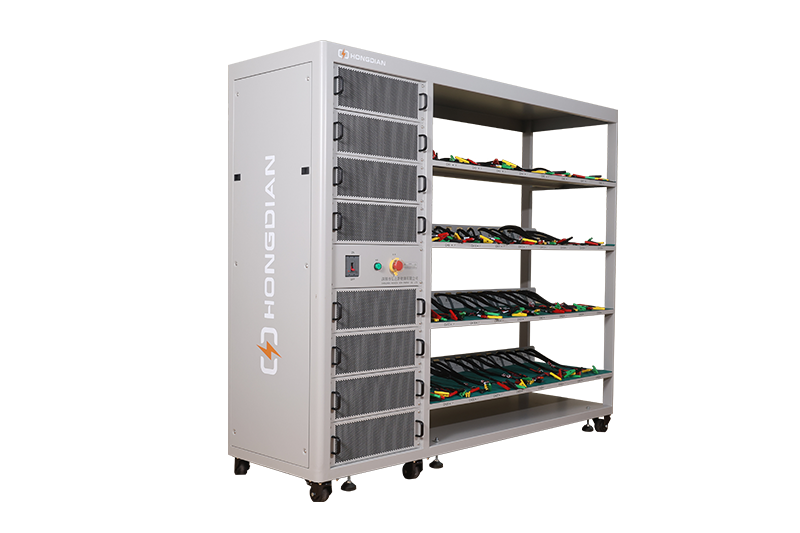 32/48 channel battery charging and discharging test integrated battery cabinet
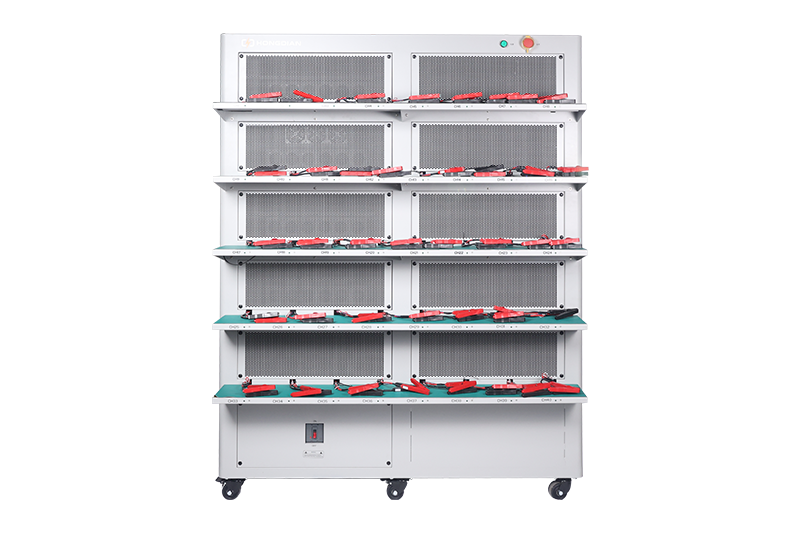 40 channel battery charging and discharging test integrated battery cabinet
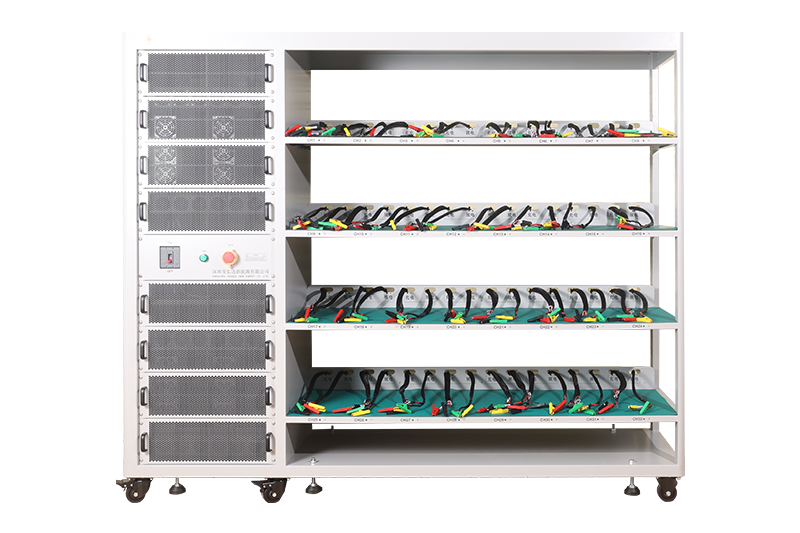 64 channel battery charging and discharging test integrated battery cabinet
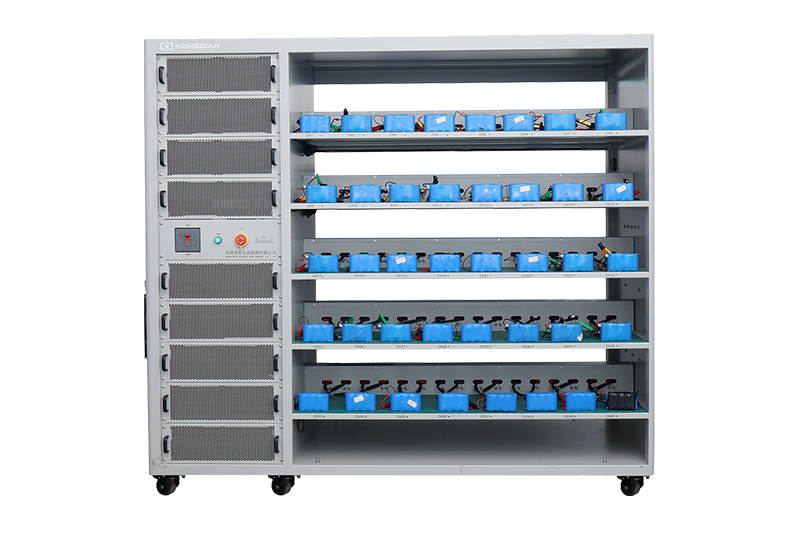 80 channel battery charging and discharging test integrated battery cabinet
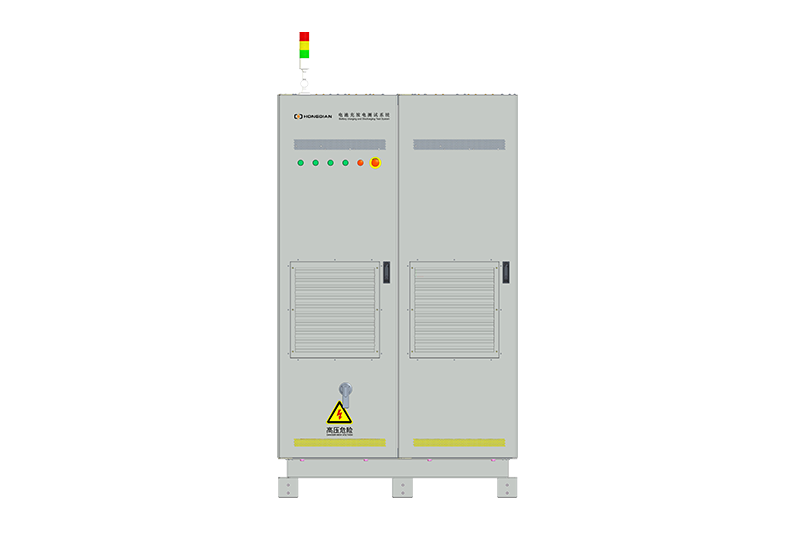 1000V-1500V High Voltage High Current Battery Testing System
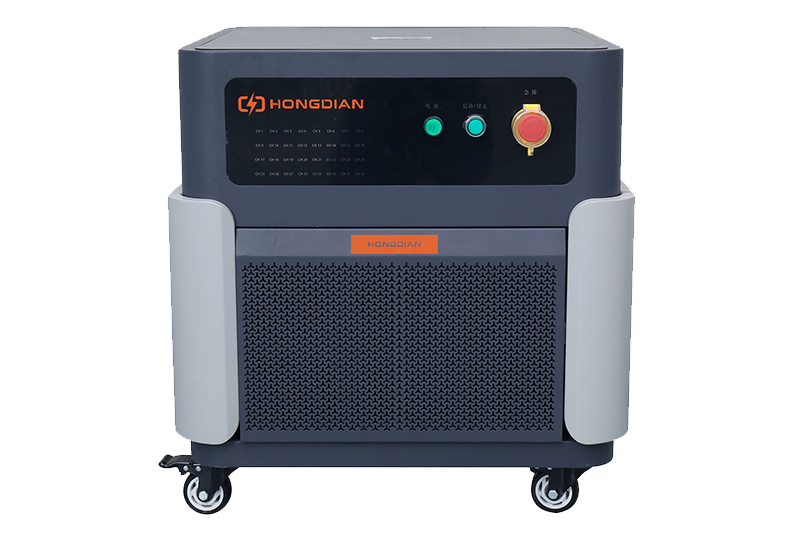 High-Precision Battery Testing System for Enhanced Performance Monitoring 30V/60V/100V/120V
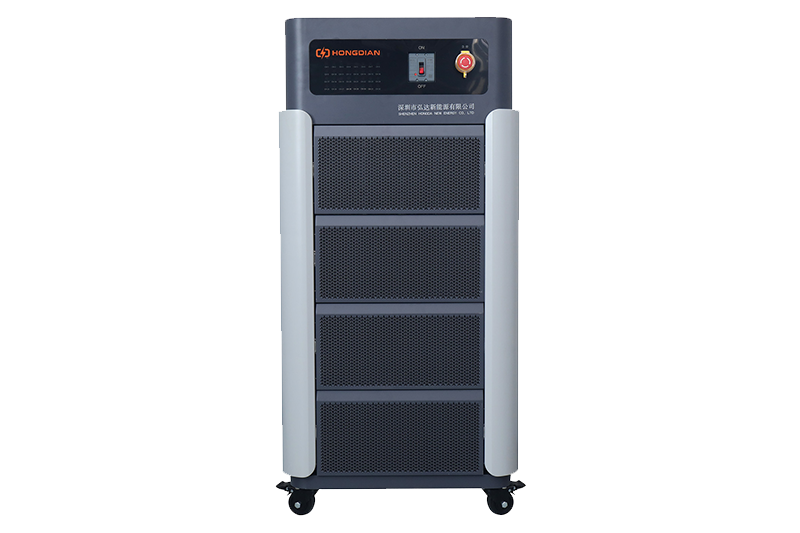 High-Precision Battery Charge Discharge Test Systems for EV Manufacturers
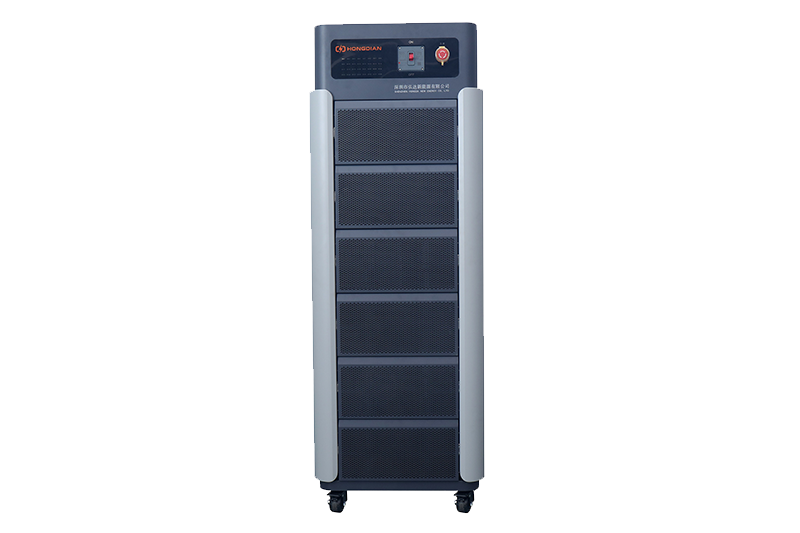 Precision Battery Test Racks for Cell Capacity & Internal Resistance Measurement
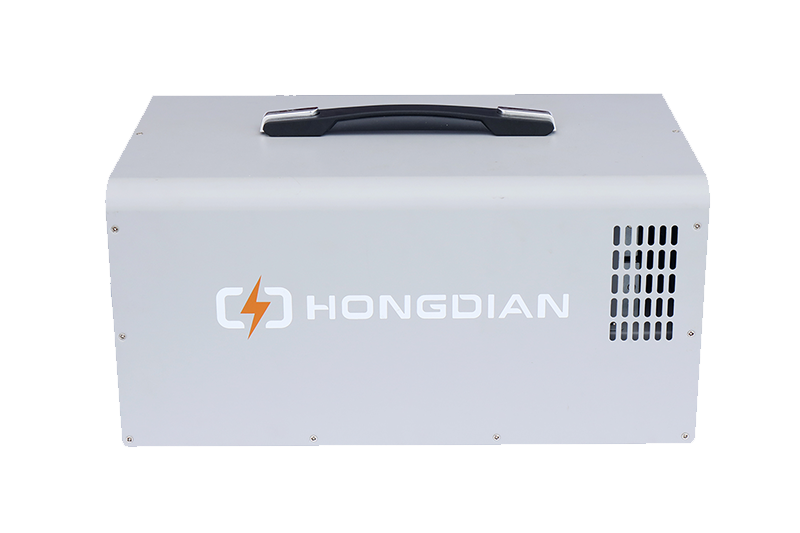 Multi-Channel Battery Testing Equipment for Parallel Performance Analysis