How to Choose the Best Digital Battery Tester for Your Needs?
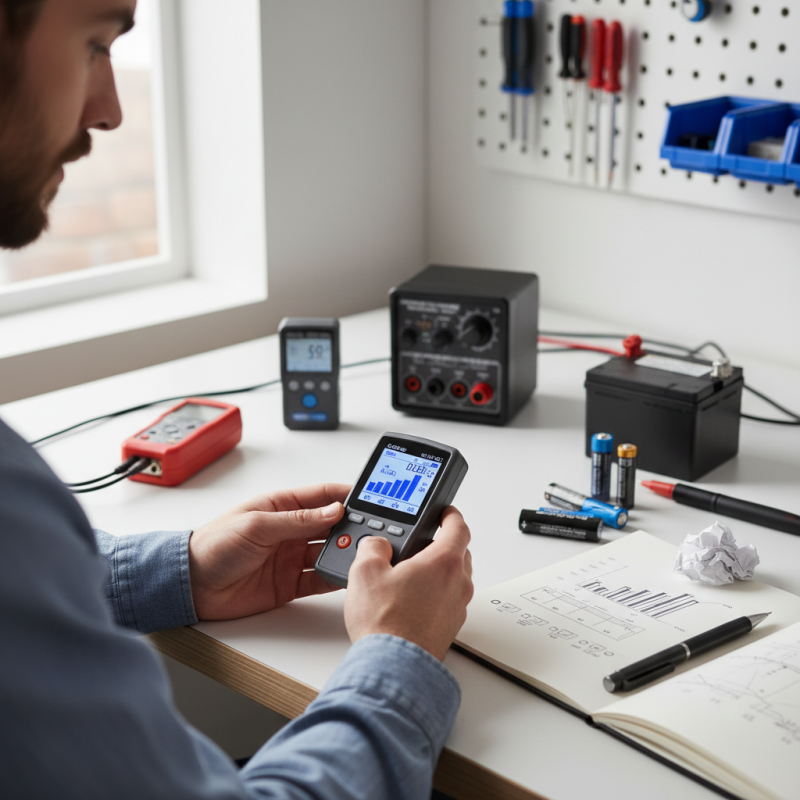
Choosing the right Digital Battery Tester can be challenging. With many options available, it's easy to feel overwhelmed. A good tester helps you assess battery health accurately. You need to consider various factors before making a choice.
Think about the types of batteries you use most often. Different testers cater to different needs. An ideal Digital Battery Tester should be versatile and easy to use. Look for features like battery type compatibility, display clarity, and measurement accuracy. Sometimes, users overlook these details and end up with an unsuitable tool.
Budget matters too. Some testers are inexpensive but might lack essential features. Others are pricier but offer advanced functions. Reflect on what you truly need and what you can afford. It's crucial to balance quality and cost. Choosing a Digital Battery Tester isn't always straightforward. Research and personal requirements play a significant role.
Understanding the Importance of a Digital Battery Tester
Understanding the Importance of a Digital Battery Tester
A digital battery tester is vital for assessing battery health. Regular checks can prevent unexpected failures. Imagine being stranded with a dead battery. It is frustrating and often avoidable. A tester helps you figure out when to replace your battery. Knowing the status also saves money. You might think your battery is fine, but is it really?
Many people overlook the testing process. They tend to wait until a problem arises. This reactive approach can lead to inconveniences. Understanding your battery's health proactively is key. You can maintain optimal performance in devices. A simple test can identify weakness. This leads to fewer surprises and more reliability.
A good tester provides clear readings. Look for one with easy-to-read displays. Some offer detailed analysis while others give basic info. Both have their place. The important thing is to use it regularly. Don't just let it gather dust. Understanding and monitoring battery health can transform your experience with devices. Battery reliability is often taken for granted. Taking the time to test can make a significant difference.
Key Features to Consider When Selecting a Battery Tester
When selecting a digital battery tester, certain features stand out. Begin with the display. A clear, backlit screen is essential for easy reading. Some models offer color displays, adding clarity in low light. Another critical feature is battery type compatibility. Ensure the tester can handle various batteries like AAA, AA, 9V, and more. Versatility will save you time and money.
Consider the tester's measurement accuracy. Look for units that provide precise readings. Accuracy impacts your ability to assess battery life effectively. Some testers also offer advanced functionalities, such as load testing. Load testing measures battery performance under different conditions. This is important, especially for high-drain devices.
Tips: Always read user reviews before buying. They can reveal flaws you might overlook. Don't hesitate to compare several models. A more expensive tester isn’t always the best choice. Sometimes, a basic model perfectly meets your needs. Think about future usability as well. Will it still be relevant years down the line? Reflect on what features you truly need.
Types of Digital Battery Testers and Their Functions
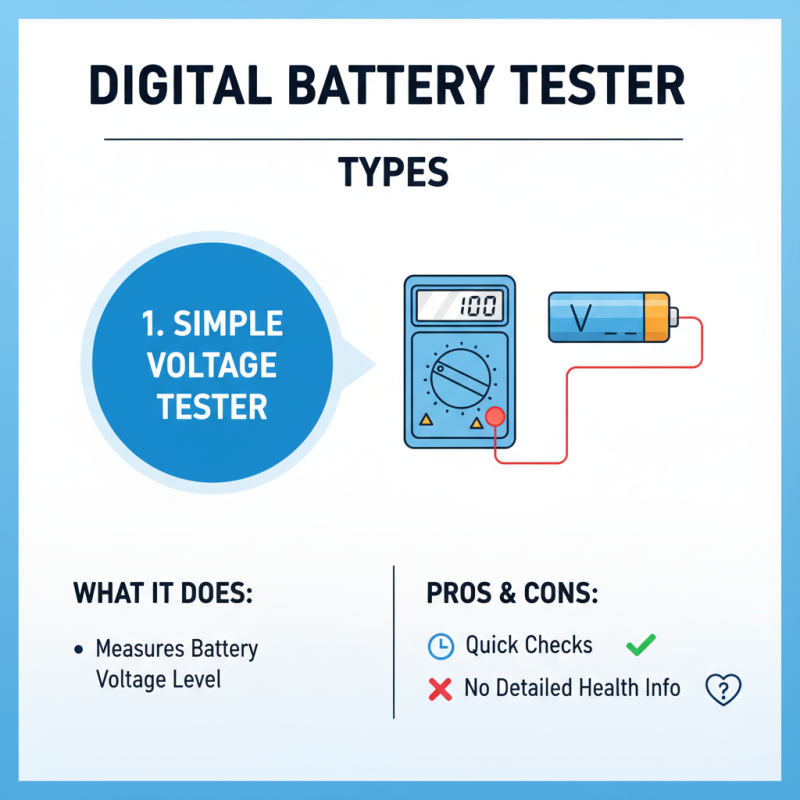
When selecting a digital battery tester, it's essential to understand the different types available. One common type is the simple voltage tester. This device measures the voltage level of batteries. It's great for quick checks. However, it doesn't provide detailed health information.
Another popular option is the load tester. This gadget simulates a load while measuring voltage. It can indicate how well a battery performs under stress. While it's beneficial, not all users may understand the readings. A learning curve exists here.
Advanced testers come equipped with display screens. They can show battery health, charge cycles, and state of charge. These testers are useful for technicians but may be overwhelming for casual users. Some features might go unused, leading to frustration. Consider your needs carefully.
How to Evaluate Accuracy and Reliability in Battery Testers
When selecting a digital battery tester, accuracy and reliability are essential. A tester with precise readings ensures that you can trust the results. Look for models with built-in calibration features. This can help maintain accuracy over time. Additionally, pay attention to the user reviews. They often reflect real-life reliability.
Tips: Check if the tester has a clear display. A bright screen can make reading results easier. Also, consider the battery types supported. Not all testers handle every kind. This could lead to oversight, which is stressful.
Some testers may show slightly varying readings. This inconsistency can confuse users. Reflect on whether you can tolerate minor discrepancies. It might be beneficial to compare results from different testers. This can provide a broader perspective on your battery's condition. Ultimately, having multiple viewpoints can help guide your decisions effectively.
Comparative Analysis of Popular Digital Battery Testers on the Market
Choosing a digital battery tester can be confusing. Many options exist, each with unique features. Understanding these differences can lead to better purchasing decisions. Some testers offer basic voltage readings. Others provide more advanced diagnostics. It’s essential to identify what you really need.
Many popular models include options with LCD screens and multiple test modes. An LCD screen can make reading results easier. Additionally, multiple modes allow testing various battery types. Some testers error on the side of complexity. Users might struggle to interpret readings. Simplicity is vital for effective testing. Look for usability over features sometimes.
Comparisons often highlight price differences as well. More expensive testers may offer additional features that you might not require. Therefore, assessing your actual needs is crucial. A tester that meets basic requirements can be both sufficient and cost-effective. Consider ease of use and necessary functionalities before making a choice.

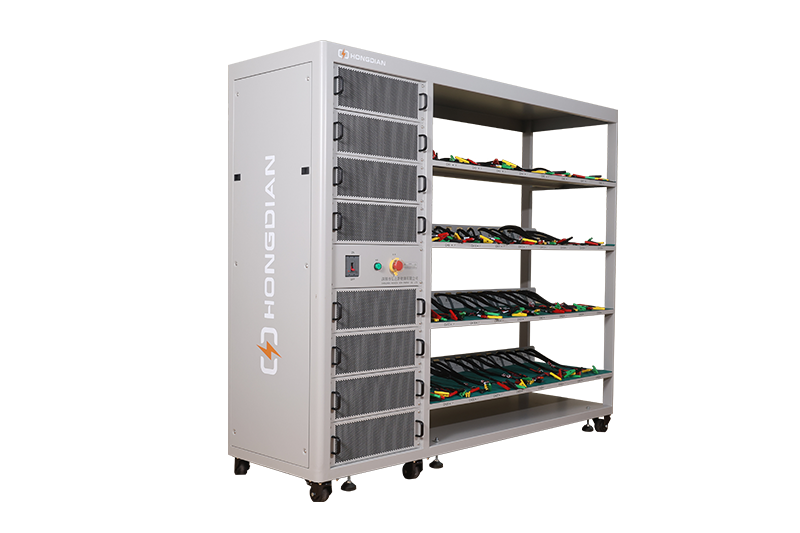 32/48 channel battery charging and discharging test integrated battery cabinet
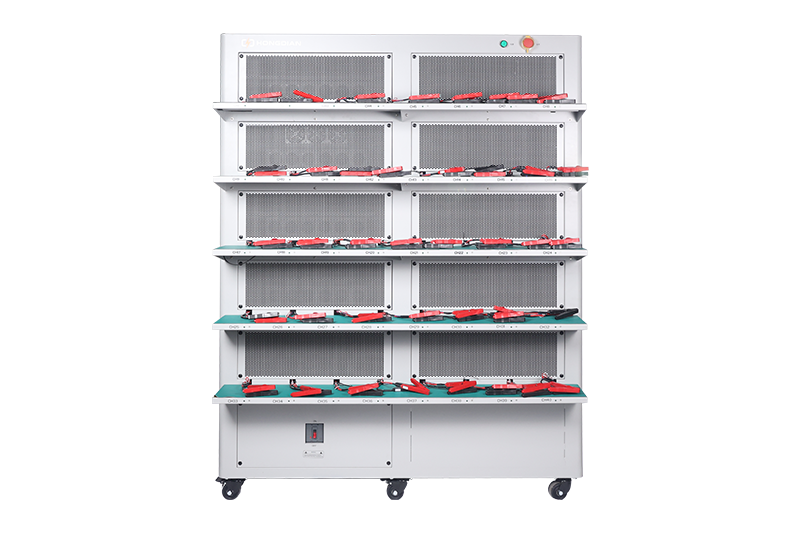 40 channel battery charging and discharging test integrated battery cabinet
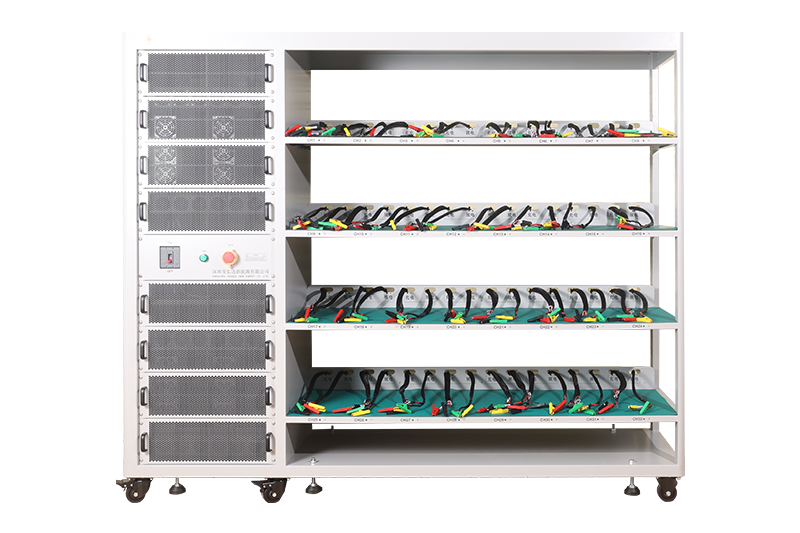 64 channel battery charging and discharging test integrated battery cabinet
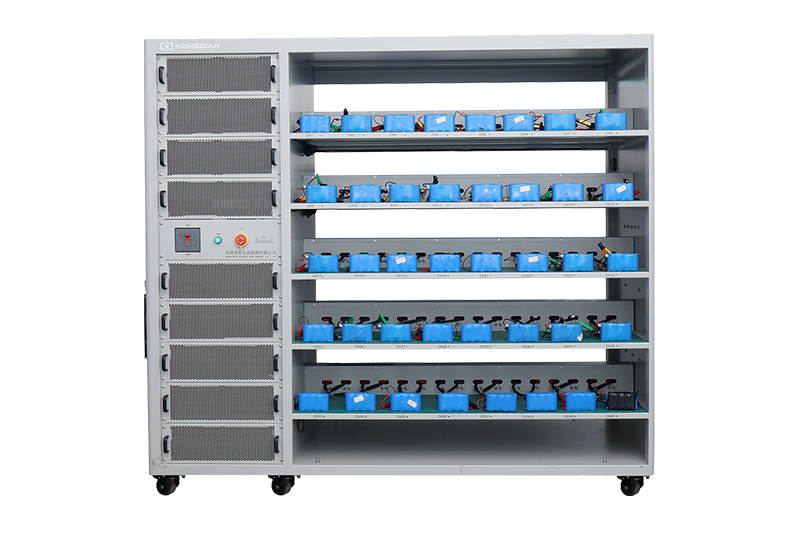 80 channel battery charging and discharging test integrated battery cabinet
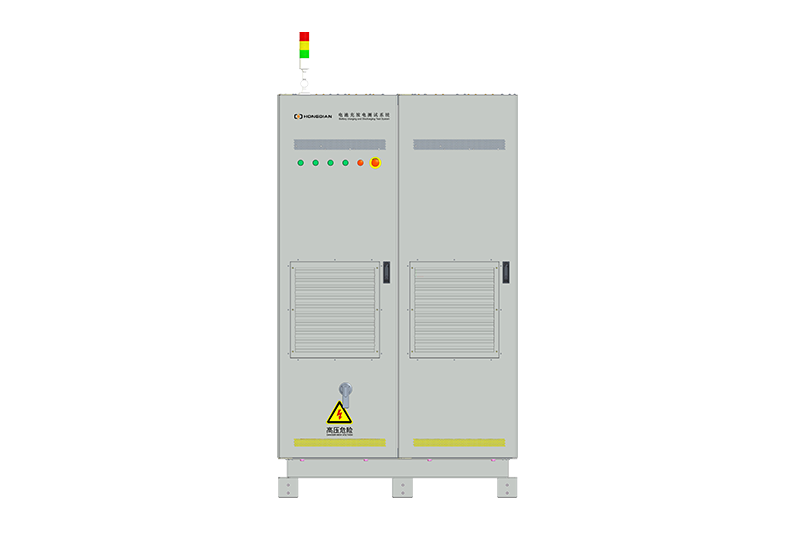 1000V-1500V High Voltage High Current Battery Testing System
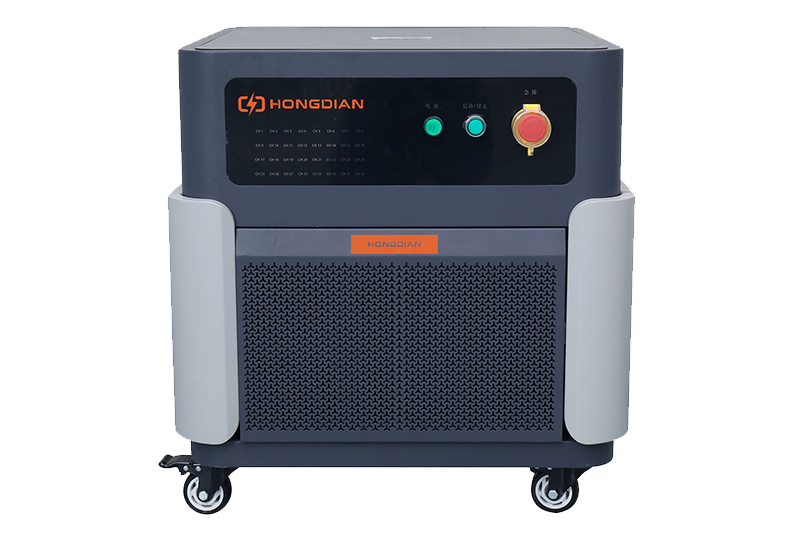 High-Precision Battery Testing System for Enhanced Performance Monitoring 30V/60V/100V/120V
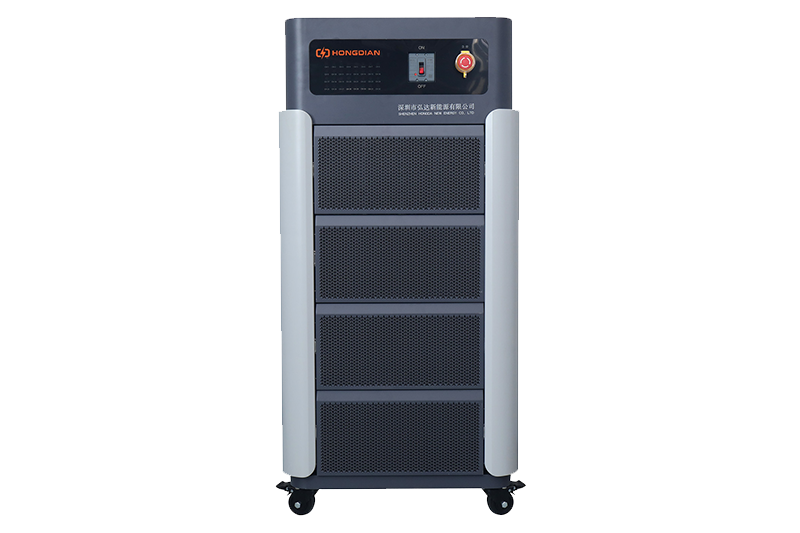 High-Precision Battery Charge Discharge Test Systems for EV Manufacturers
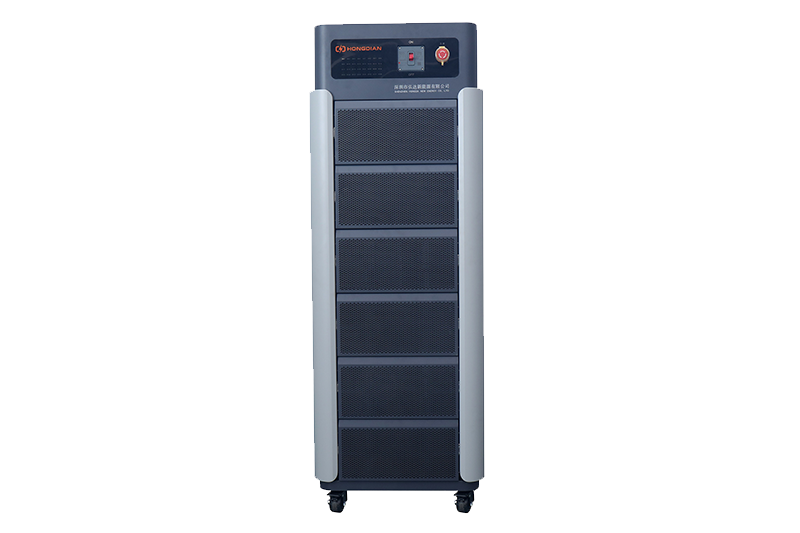 Precision Battery Test Racks for Cell Capacity & Internal Resistance Measurement
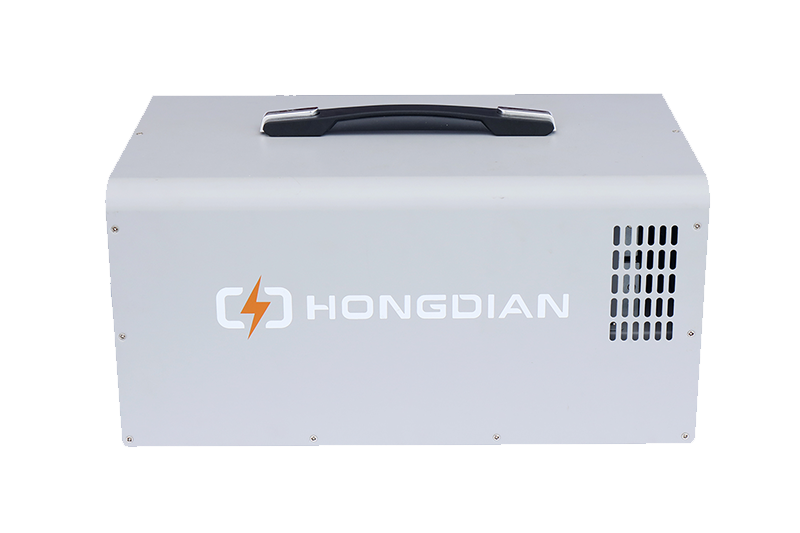 Multi-Channel Battery Testing Equipment for Parallel Performance Analysis