2026 How to Choose the Best Battery Testing Equipment for Your Needs?
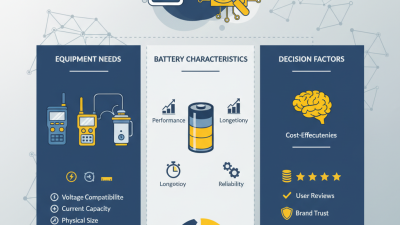
In today's rapidly evolving technology landscape, selecting the right Battery Testing Equipment is critical. The global battery testing market is expected to grow significantly, reaching approximately $18 billion by 2026. As more devices rely on batteries, the importance of accurate testing cannot be overstated. Quality testing ensures safety, efficiency, and longevity of battery systems.
Choosing the right equipment can be challenging. Users must consider various factors, including the type of battery, testing standards, and specific applications. Reports indicate that 30% of manufacturers struggle with selecting appropriate testing tools. This can lead to inefficient processes and potential safety hazards. Companies may inadvertently compromise quality by using inadequate testing methods.
Furthermore, advances in battery technology, such as solid-state and lithium-ion, demand more sophisticated testing solutions. A generic approach may not suffice. It's vital for organizations to evaluate their unique requirements carefully. Each choice in Battery Testing Equipment influences overall performance. The right tools can drive innovation, while poor selections may yield frustration and costly delays.

Overview of Battery Testing Equipment Types and Their Applications
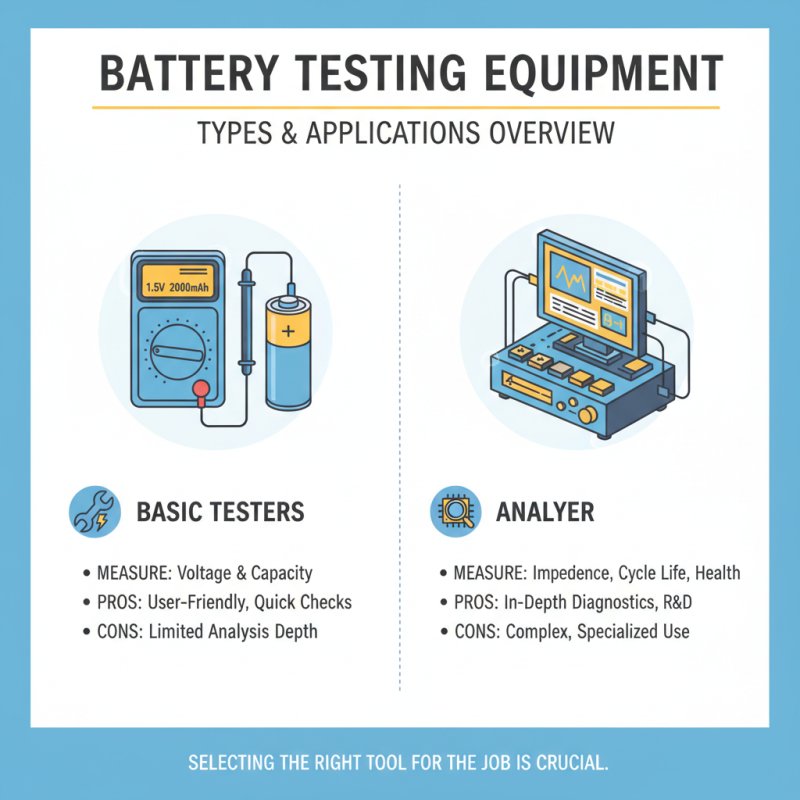
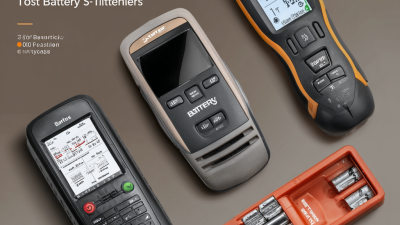
When selecting battery testing equipment, understanding the types available is essential. Different applications require different tools. For instance, there are basic testers that measure voltage and capacity. These handy devices are user-friendly and great for quick checks. However, they may lack depth in analysis.
More advanced options exist, such as impedance analyzers. These devices provide detailed insights into the internal resistance of a battery. This information is crucial for assessing battery health. Yet, these tools can be complex, requiring training for effective use. Users often find the learning curve challenging and might hesitate to invest time.
Another category includes climate-testing chambers. These simulate extreme conditions to evaluate battery performance under stress. While these chambers can be costly, they are invaluable for research and development. However, their necessity might not be clear for every user. Evaluating the specific needs of your application is vital. Choosing the right equipment ensures accurate results and enhances battery performance assessment.
Key Features to Consider When Selecting Battery Testing Devices
Choosing the right battery testing equipment can be challenging. Several key features should guide your decision. Start with accuracy. This determines how reliable your results will be. Inaccurate readings can mislead you. Look for devices that offer a high level of precision in their measurements.
Next, consider the range of tests the equipment can perform. Some devices measure voltage, while others assess capacity and internal resistance. A versatile tester might save you time. However, be cautious; more features can lead to complexity. Ensure you are comfortable using all functions. User-friendly interfaces can enhance your experience.
The durability of the equipment is also crucial. Testing batteries often requires working in tough conditions. Devices should withstand shocks or extreme temperatures. Reflect on how often you will use the equipment. Frequent use can wear out lower-quality devices quickly. In the end, invest thoughtfully. Quality testing equipment can prevent future headaches.
Evaluating the Accuracy and Reliability of Battery Testers
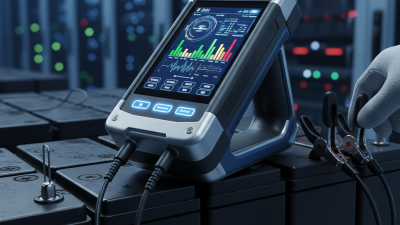
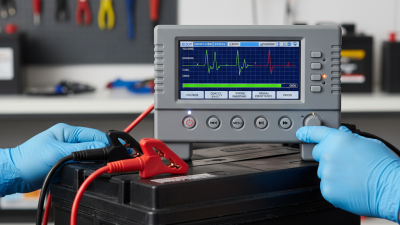
When choosing battery testing equipment, evaluating accuracy and reliability is crucial. Battery testers provide essential data about performance. Their ability to measure voltage, current, and capacity directly impacts battery management decisions. Inaccurate readings can lead to poor assessments and costly mistakes.
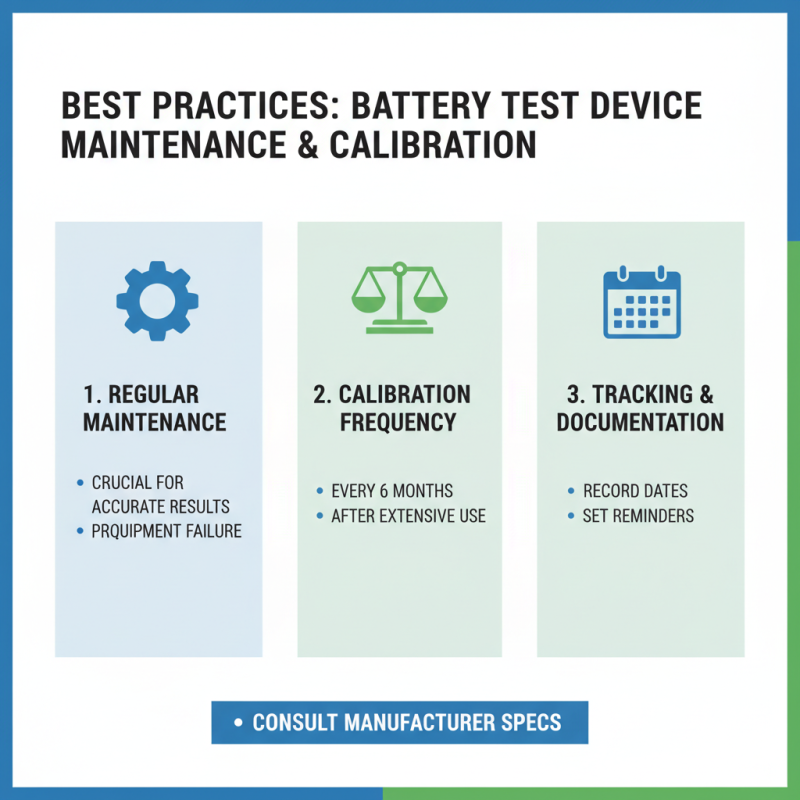
Testers can vary in design and functionality. Some may struggle in extreme temperatures, while others can deliver results rapidly. It’s vital to consider the environment where the tester will be used. A device’s calibration is an essential aspect of its reliability. Regularly checking calibration can prevent errors in readings.
Real-life scenarios can highlight potential flaws in testers. A device that seems reliable might fail under specific conditions. Additionally, understanding user feedback helps identify common issues. Many users report inconsistencies over time. These reflections can guide future equipment upgrades and improve testing processes.
2026 How to Choose the Best Battery Testing Equipment for Your Needs? - Evaluating the Accuracy and Reliability of Battery Testers
| Test Type |
Voltage Range (V) |
Current Range (A) |
Battery Chemistry |
Accuracy (%) |
Reliability Rating (1-5) |
| Capacity Testing |
0-12 |
0-10 |
Li-ion |
±1.5 |
4 |
| Internal Resistance Measurement |
0-16 |
0-5 |
NiMH |
±2 |
5 |
| Charge/Discharge Testing |
0-10 |
0-20 |
Li-po |
±2 |
4 |
| Load Testing |
0-24 |
0-50 |
Lead Acid |
±1.0 |
5 |
| Voltage Drop Testing |
0-12 |
0-5 |
All types |
±1.0 |
4 |
Understanding Budget Considerations for Battery Testing Equipment
When considering battery testing equipment, budget is a significant aspect. Prices vary widely based on features and accuracy. You might find basic models that are cost-effective but lack advanced functionalities. However, investing in more sophisticated equipment can lead to better results. A high initial cost may appear daunting. Still, it can save money over time by preventing errors and ensuring quality.
Determine your needs carefully. Do you require basic testing, or do you need detailed analyses? The more precise your requirements, the better you can narrow down your options. This clarity helps manage your budget effectively. Shop around to compare prices. Be aware of potential hidden costs. Maintenance, calibration, and consumables can add up quickly.
Also, consider the long-term implications of your choice. Cheaper models may not deliver consistent results. They might require frequent replacements, leading to a cycle of spending. Reflect on whether saving initially is worth it. In the end, finding the right equipment must balance cost, reliability, and your specific testing needs. Always be wary of potential pitfalls with budget constraints.
Battery Testing Equipment Budget Considerations

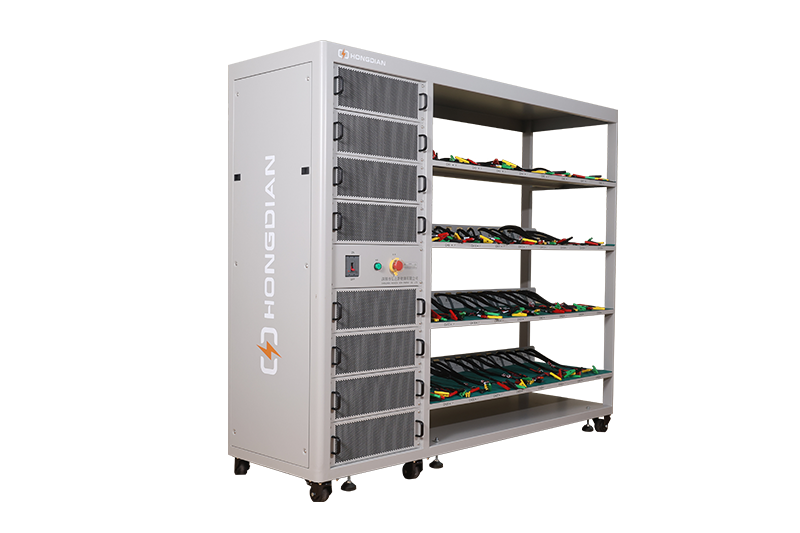 32/48 channel battery charging and discharging test integrated battery cabinet
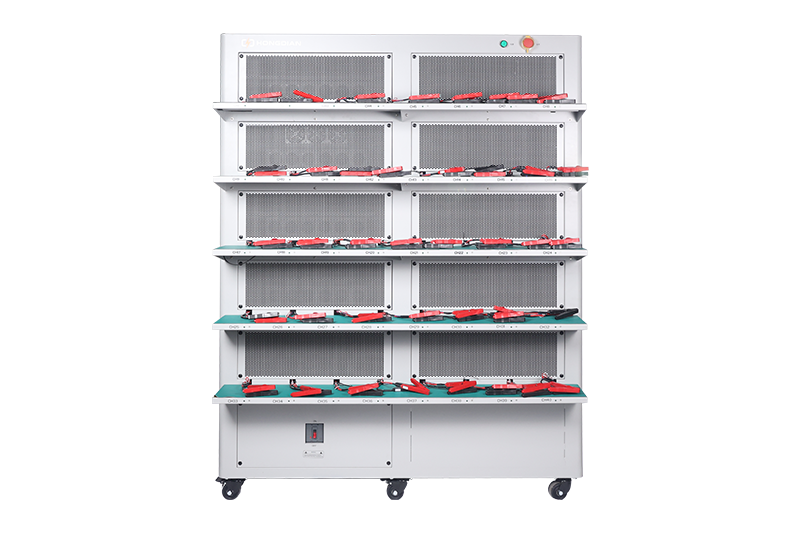 40 channel battery charging and discharging test integrated battery cabinet
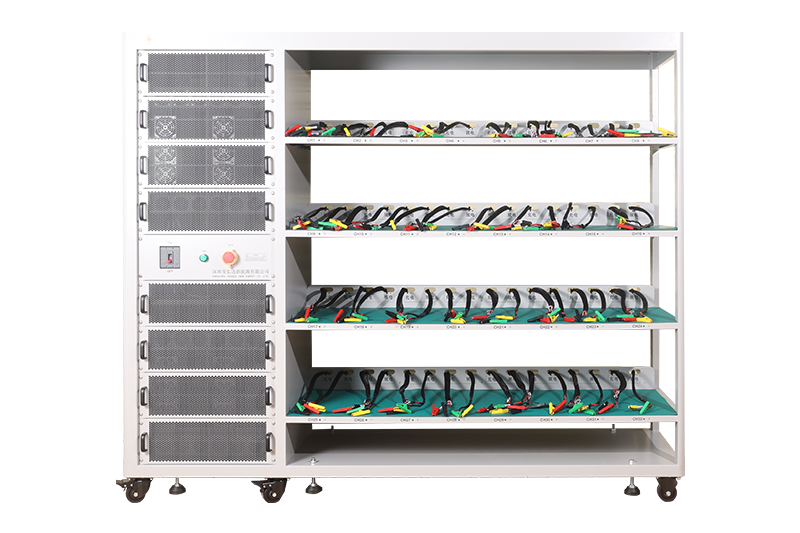 64 channel battery charging and discharging test integrated battery cabinet
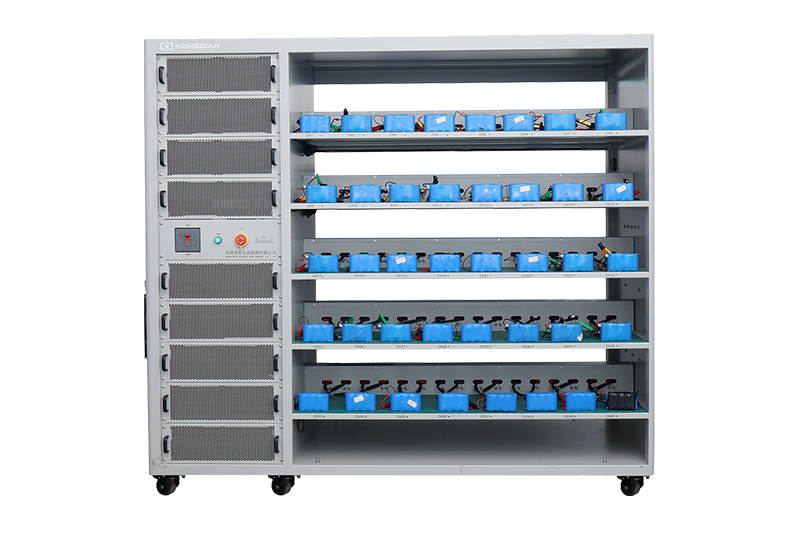 80 channel battery charging and discharging test integrated battery cabinet
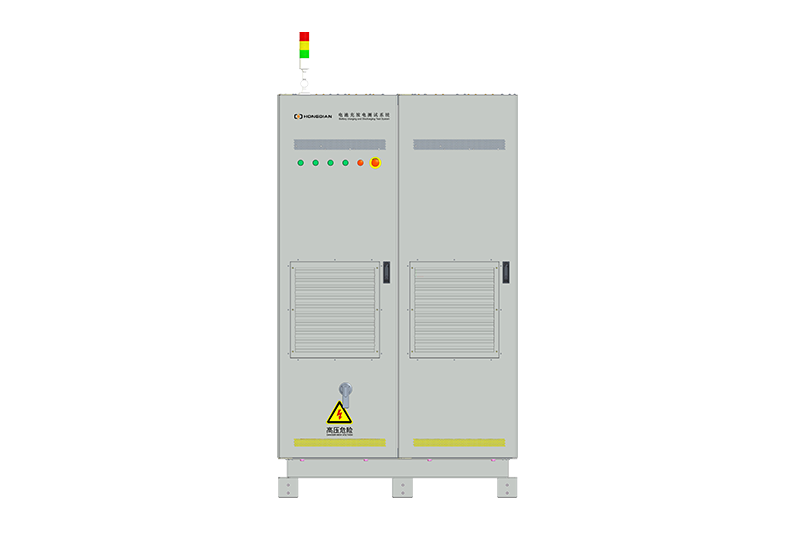 1000V-1500V High Voltage High Current Battery Testing System
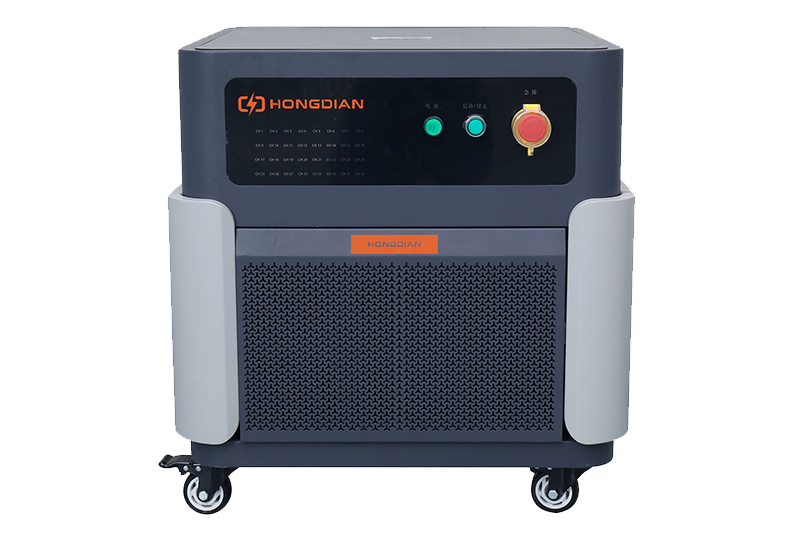 High-Precision Battery Testing System for Enhanced Performance Monitoring 30V/60V/100V/120V
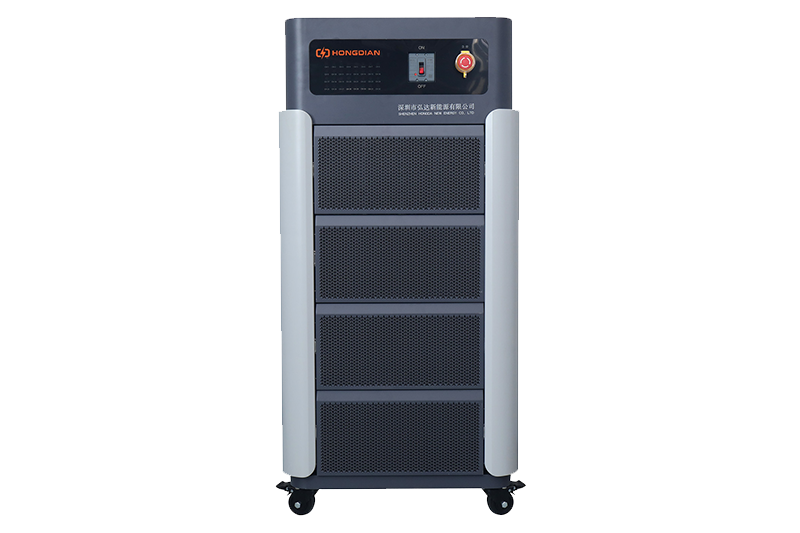 High-Precision Battery Charge Discharge Test Systems for EV Manufacturers
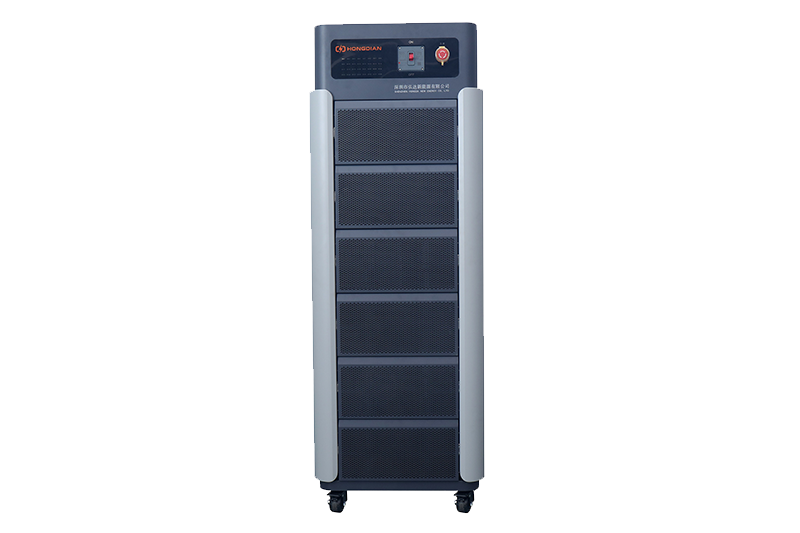 Precision Battery Test Racks for Cell Capacity & Internal Resistance Measurement
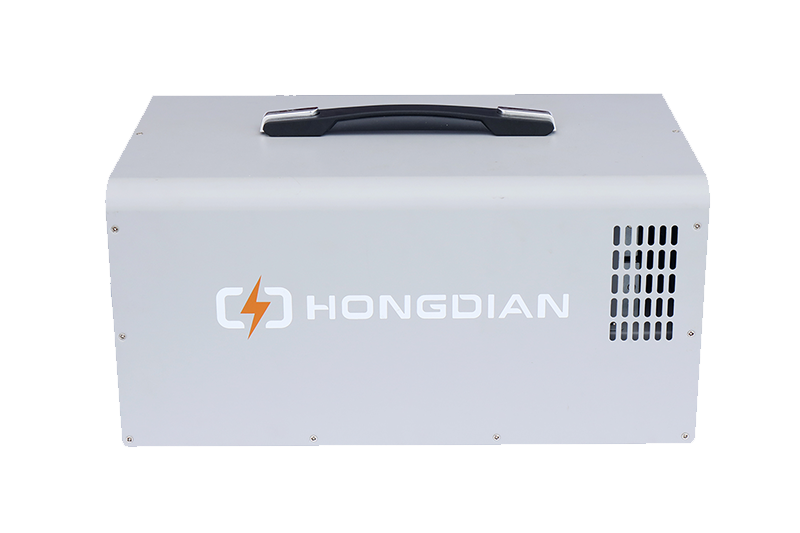 Multi-Channel Battery Testing Equipment for Parallel Performance Analysis