How to Choose the Best Motorbike Battery Tester for Your Needs in 2025
Choosing the right Motorbike Battery Tester is crucial for any motorcycle enthusiast or mechanic in 2025. As battery technology continues to evolve and improve, the demand for efficient and accurate testing tools is at an all-time high. A reliable Motorbike Battery Tester not only helps diagnose battery issues but also extends the overall lifespan of your bike's battery by ensuring it operates at peak performance.
In this ever-changing landscape, it’s essential to understand what features and specifications to look for when selecting the best Motorbike Battery Tester that suits your specific needs. Whether you are a DIY hobbyist or a professional mechanic, the appropriate tester can provide you with valuable insights into your battery’s health and functionality. By selecting a tester that aligns with your requirements, you can avoid potential hazards and costly repairs down the line, ensuring you have a smooth and enjoyable riding experience.
In the following sections, we will delve into the key factors to consider when choosing a Motorbike Battery Tester, including functionality, user-friendliness, and the types of batteries it supports. With this information, you'll be better equipped to make an informed decision that enhances your motorcycle maintenance routine.
Understanding the Importance of a Motorbike Battery Tester
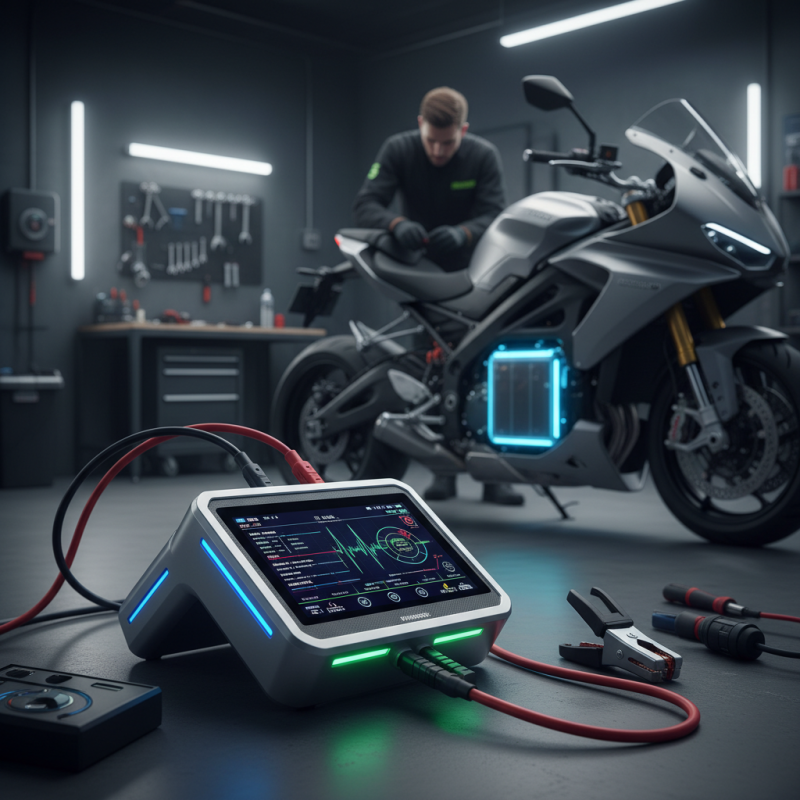
Understanding the importance of a motorbike battery tester is crucial for any motorcycle owner who wishes to maintain their vehicle efficiently. A motorbike's battery is the lifeblood of its electrical system, providing the necessary power for ignition and various electronic components. Regular testing of the battery ensures that it is operating at optimal levels, preventing unexpected breakdowns due to battery failure. By identifying issues early on, riders can avoid costly repairs and extend the overall lifespan of their battery.
Moreover, using a motorbike battery tester can help in understanding battery health indicators such as voltage, charge cycles, and overall capacity. These tests allow riders to monitor their battery's performance, making it easier to determine the right time for a replacement. Additionally, these testers can help distinguish between a drained battery and one that needs replacing, providing valuable insights for making informed decisions, ultimately enhancing the reliability and safety of riding experiences. In 2025, as motorcycles evolve with more complex electrical systems, the necessity of having a reliable battery tester becomes even more apparent for maintaining performance and ensuring that riders can enjoy their journeys without interruption.
How to Choose the Best Motorbike Battery Tester for Your Needs in 2025
| Feature |
Importance |
Considerations |
| Battery Type Compatibility |
Essential for accurate readings |
Ensure the tester works for lead-acid, AGM, and lithium batteries |
| Digital vs. Analog Display |
Affects ease of reading |
Digital displays are often easier to read than analog |
| Voltage Range |
Critical for checking battery health |
Look for testers that support a wide range of voltages |
| Load Testing Capability |
Helps assess battery performance under load |
Ensure the tester includes a load testing feature |
| Portability |
Convenience for on-the-go testing |
Consider size and weight for easy transport |
| Price Range |
Impacts budget choices |
Look for balance between features and price |
Key Features to Look for in a Motorbike Battery Tester
When selecting the best motorbike battery tester, understanding the key features that ensure reliable performance is crucial. In 2025, the demand for efficient battery testing solutions has risen, with industry reports indicating that nearly 60% of bikers experience battery issues annually. To effectively diagnose these problems, a tester should offer precise voltage readings to determine the state of charge accurately. Models that provide a range of 6V to 12V capabilities are highly valued, allowing users to test both conventional lead-acid and lithium-ion batteries, which are becoming increasingly popular.
Another important feature is the tester's ability to perform a load test. This functionality mimics real-world conditions by applying a load to determine the battery's capacity under stress. According to the latest automotive testing data, load tests can reveal battery health with over 85% accuracy, representing a significant improvement over simple voltage checks. Moreover, a backlit display enhances usability in low-light conditions, which is essential for motorcyclists who often work on their bikes in less-than-ideal environments. By focusing on these features, users can ensure they choose a battery tester that meets their specific needs and helps maintain the performance and longevity of their motorbike's battery.
Types of Motorbike Battery Testers: Pros and Cons
When selecting a motorbike battery tester, it is essential to understand the various types available and their respective advantages and disadvantages. The three primary categories of battery testers include
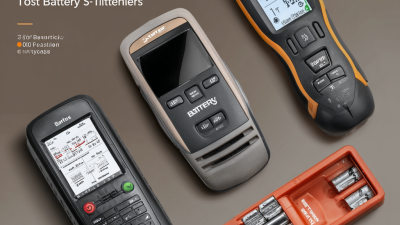
digital multimeters, dedicated battery analyzers, and load testers.
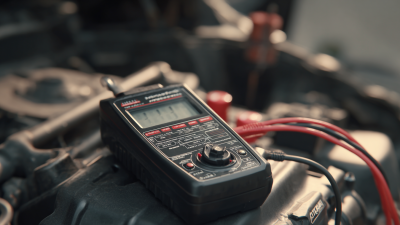
Digital multimeters are versatile tools that can measure voltage, current, and resistance, making them ideal for users who need a multifunctional device. However, while they provide a broad range of measurements, they often lack specific features dedicated to battery testing, such as state-of-charge assessments or internal resistance measurements.
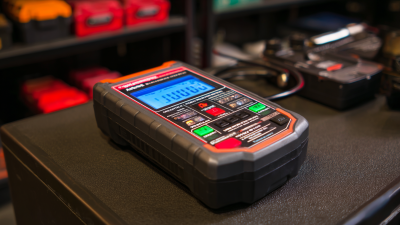
Dedicated battery analyzers are tailored specifically for battery diagnostics and often come equipped with advanced capabilities, such as testing under load to simulate real-world conditions. These devices can accurately evaluate battery health and overall performance by measuring specific parameters like cold cranking amps (CCA) and state of charge. Nevertheless, they can be more expensive and may lack the broader functionalities offered by multimeters. On the other hand, load testers provide a straightforward way to check a battery's performance under simulated start conditions, making them effective for a quick assessment. However, their simplicity means they do not offer a comprehensive analysis of battery health, which could lead to overlooking underlying issues.
According to industry reports from sources such as Battery Council International and the International Motorcycle Manufacturers Association, accurate battery testing is crucial for enhancing battery life and ensuring reliability on the road. With the expected growth in motorbike usage projected to reach 18 million units sold annually by 2025, investing in the right testing equipment becomes imperative for enthusiasts and mechanics alike to prevent battery-related failures.
Selecting the right type of tester based on these pros and cons can significantly enhance maintenance practices and operational efficiency.
How to Use a Motorbike Battery Tester Effectively
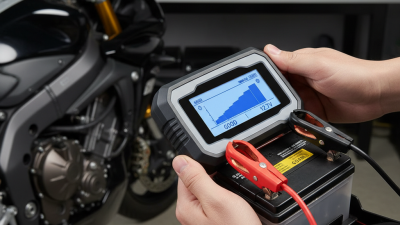
Using a motorbike battery tester effectively requires a systematic approach to ensure accurate readings and proper maintenance of your bike's battery. Begin by ensuring that the battery is in a secure position and that the tester is compatible with the voltage specifications of your battery. Connect the tester's positive lead to the battery's positive terminal and the negative lead to the negative terminal. This initial setup is crucial, as incorrect connections can lead to faulty readings or damage to the tester.
Once connected, power on the tester and follow the manufacturer's instructions to initiate the testing process. Most testers provide readings for battery voltage, cranking power, and overall health status. Pay close attention to these metrics, as they help you assess whether the battery is functioning within normal parameters. Additionally, it's wise to perform these tests regularly, especially before long rides or if you notice any performance issues with your motorbike. Keeping track of your battery's condition over time can also alert you to early signs of wear, allowing for timely replacements and preventing potential breakdowns on the road.
Tips for Maintaining Your Motorbike Battery and Tester
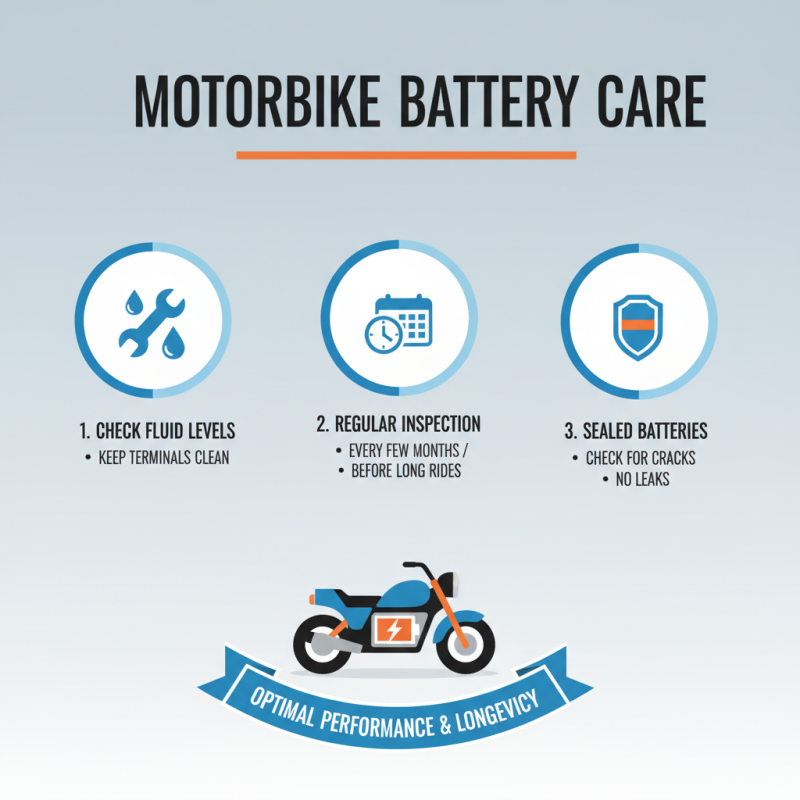
Maintaining your motorbike battery is crucial for ensuring optimal performance and longevity. Regularly checking the battery’s fluid levels and keeping the terminals clean can prevent common issues associated with battery failure. It's a good practice to inspect your battery every few months, especially before heading out for long rides. If your battery is sealed, ensure the outer casing is free from cracks and leaks, as this can indicate internal damage.
Using a battery tester is essential for assessing the health of your motorbike battery. Selecting a tester that suits your needs allows for accurate evaluations. When using the tester, follow the manufacturer's instructions carefully. After testing, you should also employ maintenance techniques such as trickle charging during periods of inactivity, as this can help maintain optimal charge levels. Additionally, avoid deep discharges by making sure to recharge the battery promptly if you notice signs of weakness. By implementing these maintenance tips, you can extend your battery's life and enhance your overall riding experience.

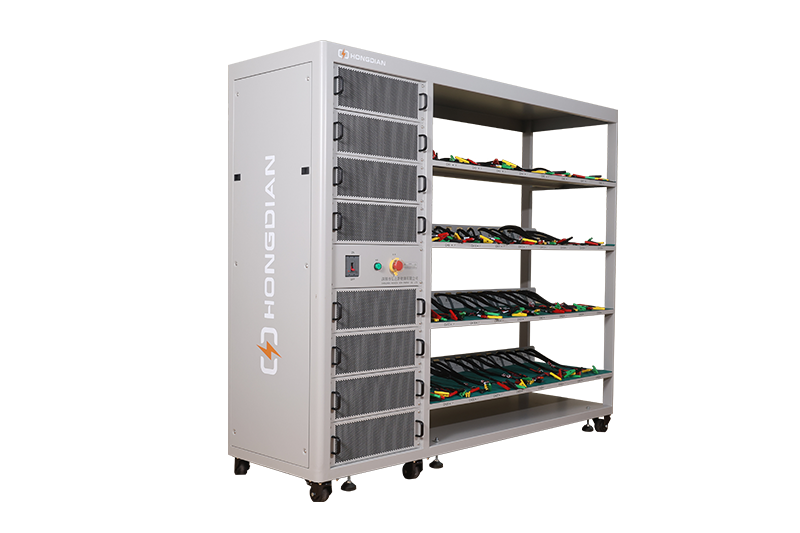 32/48 channel battery charging and discharging test integrated battery cabinet
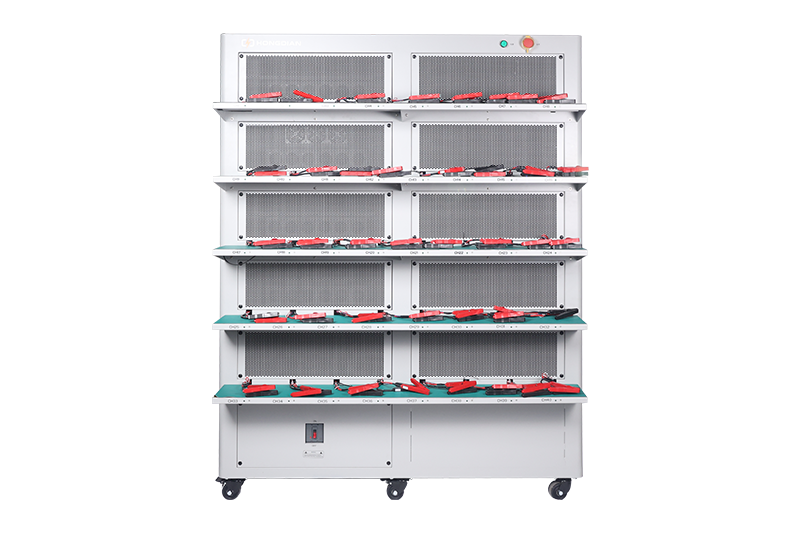 40 channel battery charging and discharging test integrated battery cabinet
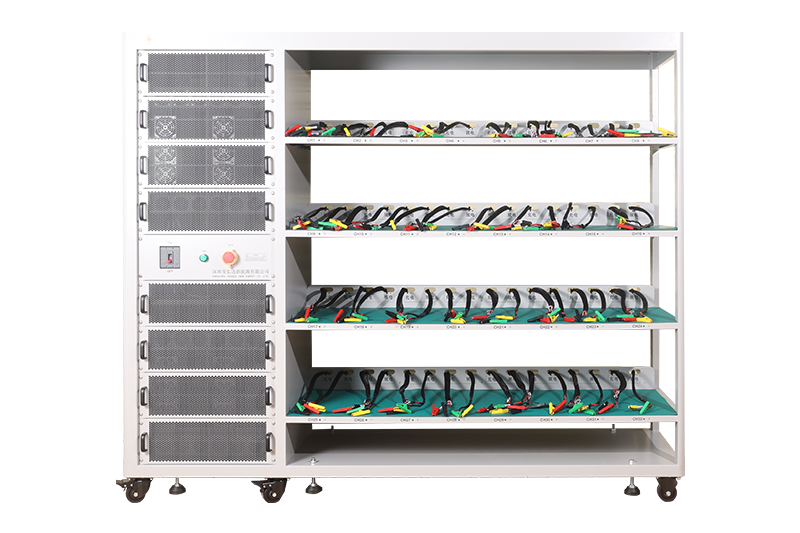 64 channel battery charging and discharging test integrated battery cabinet
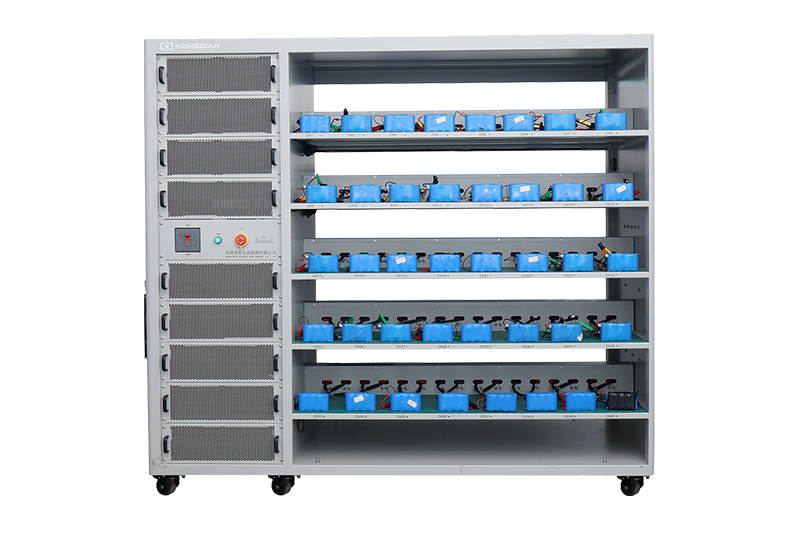 80 channel battery charging and discharging test integrated battery cabinet
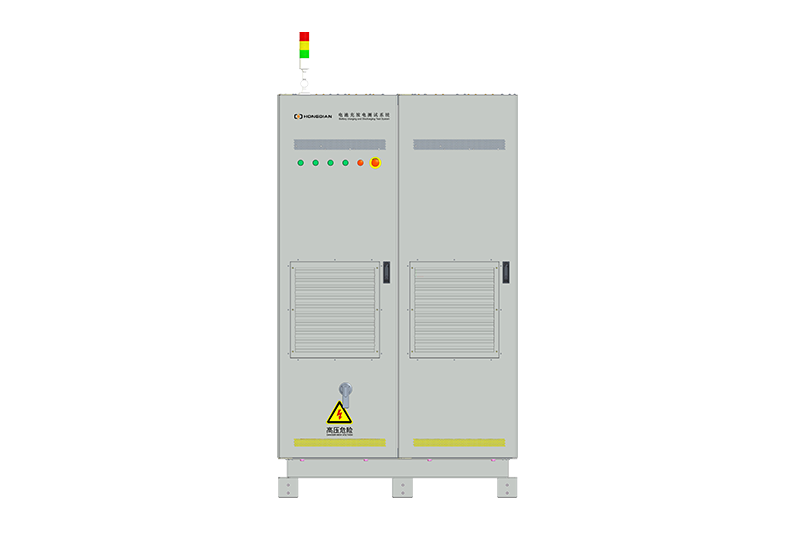 1000V-1500V High Voltage High Current Battery Testing System
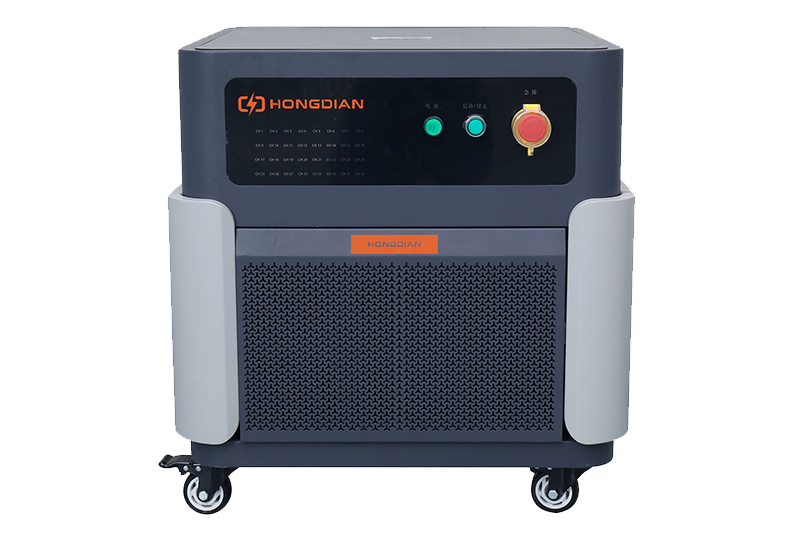 High-Precision Battery Testing System for Enhanced Performance Monitoring 30V/60V/100V/120V
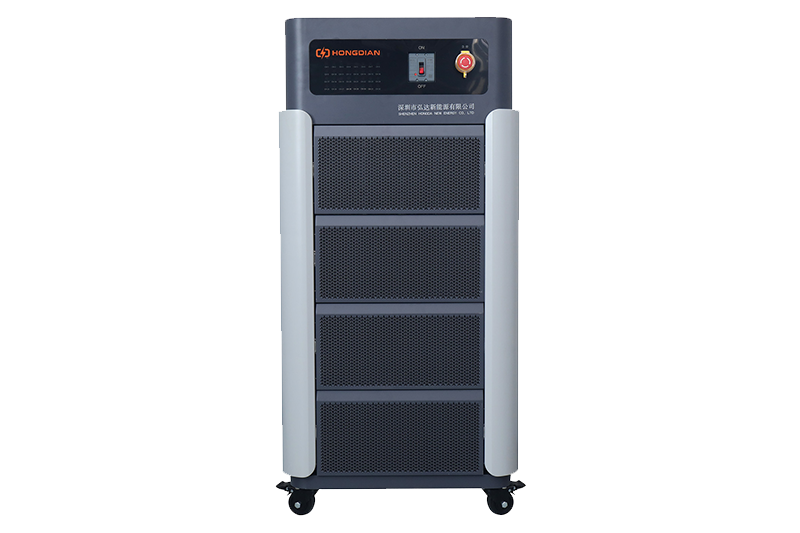 High-Precision Battery Charge Discharge Test Systems for EV Manufacturers
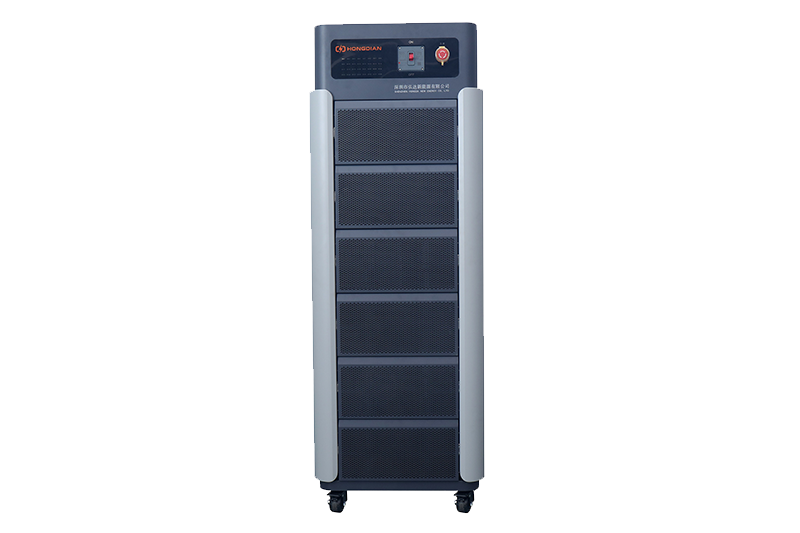 Precision Battery Test Racks for Cell Capacity & Internal Resistance Measurement
 Multi-Channel Battery Testing Equipment for Parallel Performance Analysis