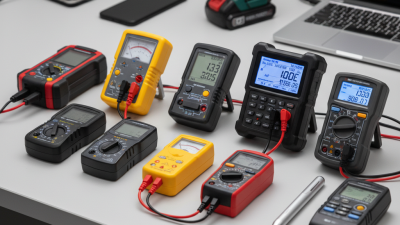
How to Choose the Best Battery Test System in 2026?
The demand for advanced Battery Test Systems has skyrocketed in recent years. Industry forecasts from Bloomberg New Energy Finance indicate the electric vehicle market will reach 33 million units by 2026. This surge accelerates the need for reliable battery performance evaluation tools. As manufacturers strive for efficiency, selecting the right Battery Test System becomes critical.
In this evolving landscape, various factors influence the selection of battery testing equipment. Rigorous testing is essential for safety and performance. Innovative features such as real-time monitoring and automated reporting are increasingly in demand. Yet, many companies overlook their specific needs in pursuit of the latest technology. A simple, user-friendly interface can often be more beneficial than high-end features.
Moreover, the cost implications of different systems can be daunting. Many manufacturers face pressure to cut costs, which may lead to inadequate testing practices. Investing in the right Battery Test System is not merely a financial decision; it is a commitment to product quality and customer safety. Balancing cost, performance, and reliability is crucial for long-term success in a competitive market.

Understanding the Importance of Battery Testing Systems in 2026
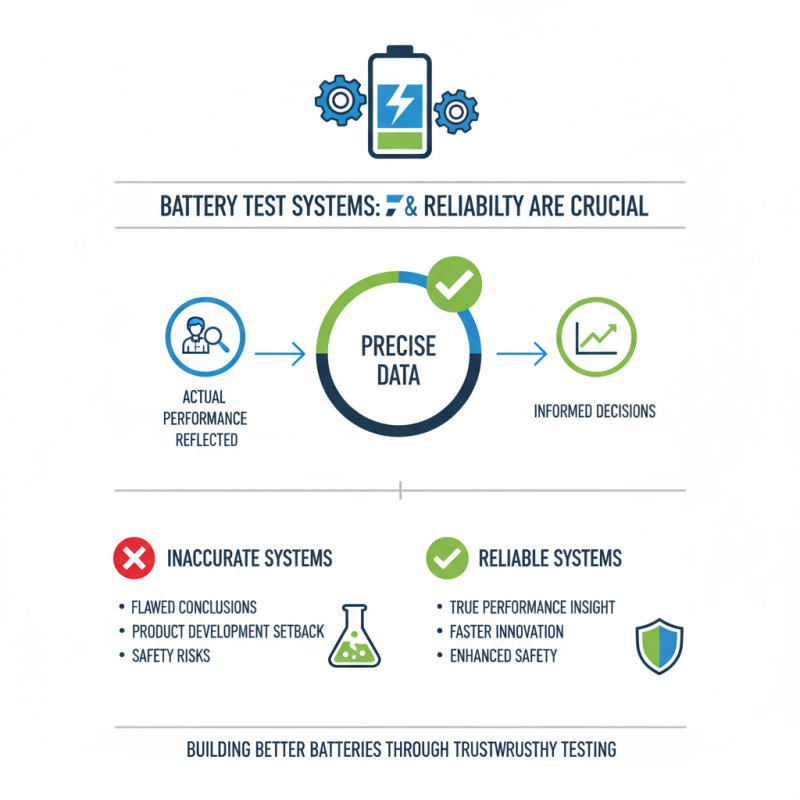
In 2026, battery testing systems play a critical role in ensuring safety and efficiency. As electric vehicles and renewable energy sources grow, reliable battery performance is essential. Companies must evaluate their testing systems rigorously. Poor choices can lead to catastrophic failures.
Understanding battery chemistry is crucial. Different types of batteries have unique characteristics that require specific testing approaches. For example, lithium-ion batteries need careful thermal management tests. Neglecting these details can result in inaccurate assessments. It's essential to invest time in understanding various testing methods available.
User feedback can help improve battery testing systems. Engaging with real-world applications provides valuable insights. Observing performance issues can identify where systems need improvement. Ignoring this feedback can hinder the development of effective solutions. Balancing innovation with practical testing remains a significant challenge.
Key Features to Look for in a Battery Test System
When selecting a battery test system in 2026, certain features are essential. Accuracy is critical. A reliable system should provide precise voltage and current readings. It helps ensure your battery's performance is assessed correctly. Look for a model that supports various chemistries. Different batteries require different testing parameters. Flexibility in testing is a significant advantage.
Monitoring capabilities should not be overlooked. A good system tracks performance over time. Real-time data on temperature and charge cycles can provide insights. These insights can help identify potential issues early. Also, user interface matters. An intuitive display improves the user experience. Complicated systems can lead to mistakes.
Consider the scalability of the system. Your testing needs may evolve. A system that can grow with you saves resources in the long run. Keep an eye out for compatibility with software. It should integrate easily for data analysis. Some features may not be immediately useful, but they might be valuable later. Reflecting on your specific requirements is essential. This focus can lead to better decisions and outcomes.
How to Choose the Best Battery Test System in 2026? - Key Features to Look for in a Battery Test System
| Feature |
Importance Level |
Description |
| Data Acquisition Speed |
High |
The rate at which the system collects data is crucial for accurate testing. |
| Compatibility |
Medium |
The ability to work with various battery technologies (Li-ion, NiMH, etc.). |
| User Interface |
High |
An intuitive user interface can significantly enhance usability and efficiency. |
| Measurement Accuracy |
Critical |
High precision in voltage and current measurements is essential for reliable results. |
| Scalability |
Medium |
The ability to expand the system for future testing needs. |
| Reporting Features |
High |
Comprehensive reporting capabilities to analyze test data effectively. |
| Safety Features |
Critical |
Integrated safety protocols to prevent accidents during testing. |
| Cost |
Medium |
Affordability in relation to performance and features offered. |
Comparing Costs and Budget Considerations for Battery Test Systems
When selecting a battery test system, budget is a critical factor. Costs can vary widely based on the features and capabilities of the system. Basic setups may be more affordable, but they often lack advanced functions. Investing in higher-quality systems may yield better long-term results.
Tips: Always evaluate the total cost of ownership. Remember, a cheaper system now may lead to higher maintenance costs later. Consider the scalability of the system. If your needs grow, can the system adapt?
Don't overlook the hidden costs. Installation can be pricey, and training staff adds up. Review warranties and support options too. They can save you money when issues arise. A good support system ensures smooth operation and minimal downtime.
Assess your research needs before deciding on a budget. Can you afford ongoing improvements? The right balance between upfront costs and long-term benefits is essential. Reflection on these points will guide you toward a more informed decision.
Future Trends in Battery Test Technologies and Their Impact
In 2026, battery test technologies are expected to undergo significant transformations. As electric vehicles and renewable energy systems become more prevalent, the demand for reliable testing systems will rise. According to a recent industry report, the global market for battery testing systems is projected to grow at a compound annual growth rate (CAGR) of 12% from 2023 to 2030. This underscores the need for advanced testing methods to ensure safety and efficiency.
Future trends indicate a shift towards automation and artificial intelligence in battery testing. Automated systems can reduce human error and increase testing throughput. However, they also introduce new challenges. For instance, reliance on AI algorithms can lead to overlooking subtle performance issues. A detailed evaluation of test results will remain crucial. More comprehensive data analytics are needed to interpret complex battery behaviors.
Innovative materials and battery chemistries will require adaptive test methods. The introduction of solid-state batteries, for example, presents unique challenges that existing systems may not fully address. It’s vital that the industry evolves with these advancements. Continuous investment in research and development is necessary to keep pace with these rapid changes. Ensuring the right balance between innovation and reliability will be key.

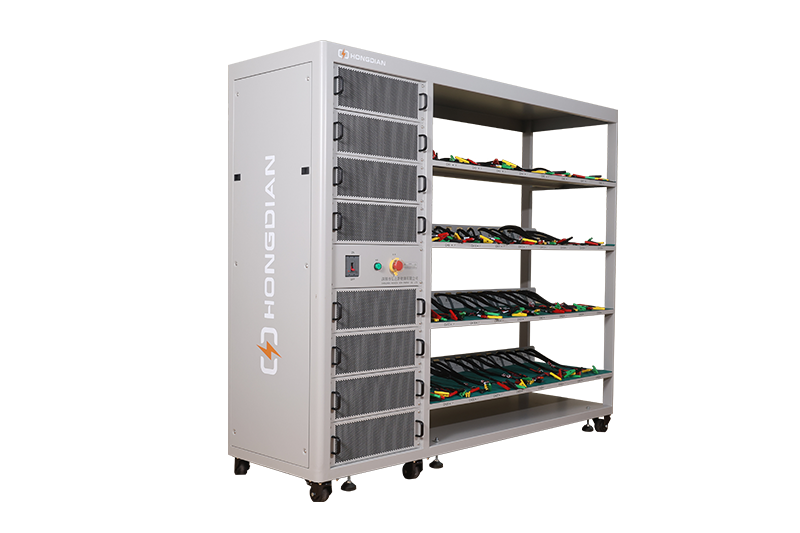 32/48 channel battery charging and discharging test integrated battery cabinet
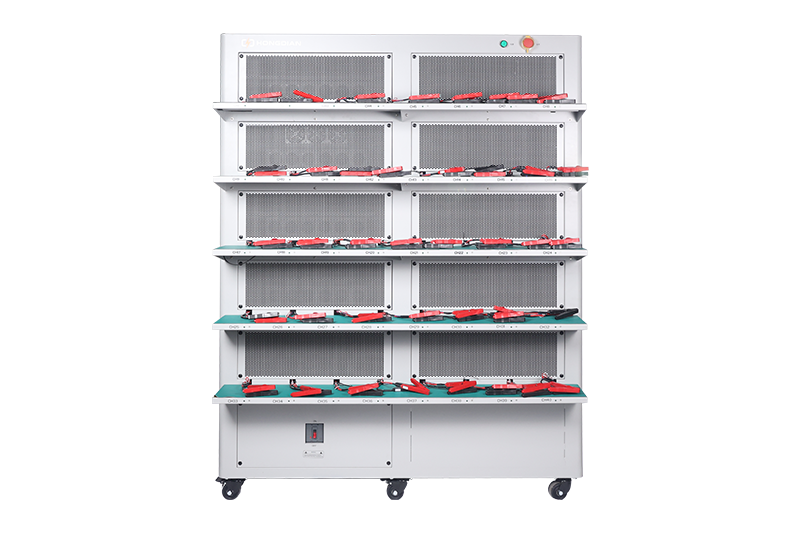 40 channel battery charging and discharging test integrated battery cabinet
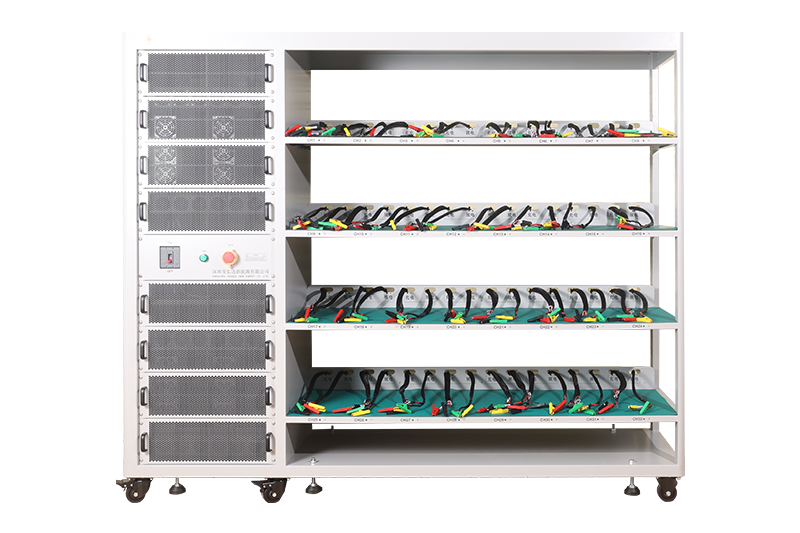 64 channel battery charging and discharging test integrated battery cabinet
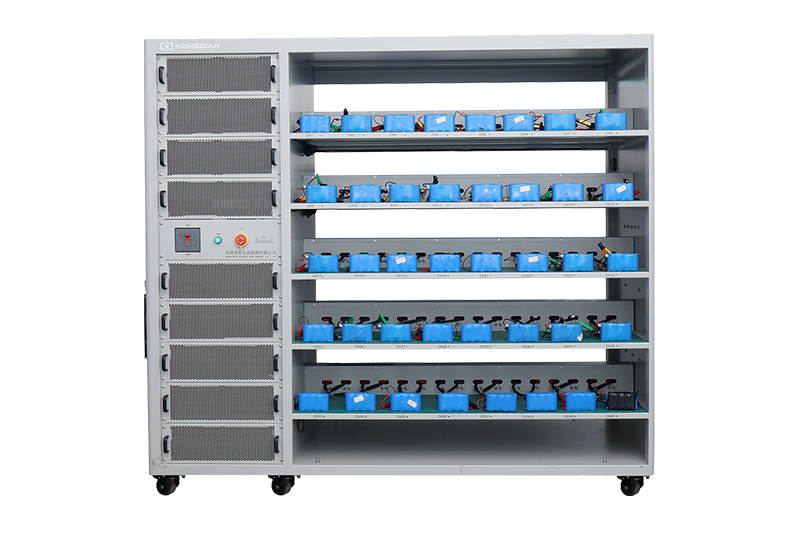 80 channel battery charging and discharging test integrated battery cabinet
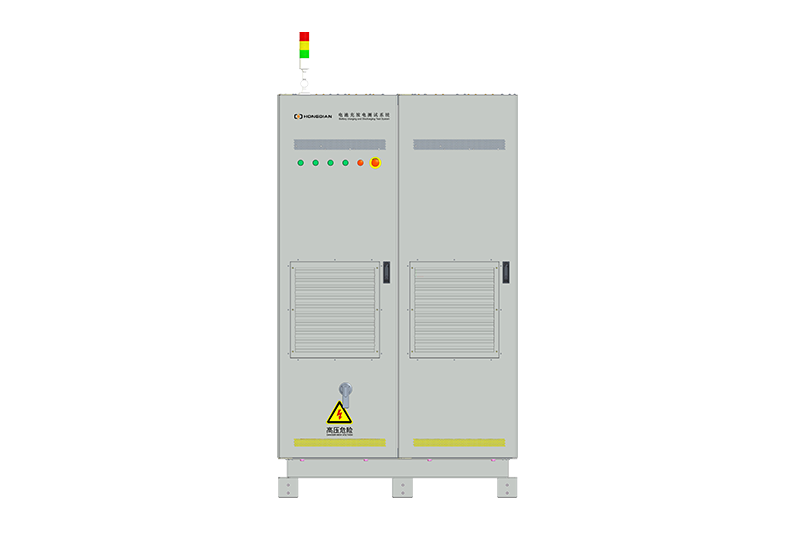 1000V-1500V High Voltage High Current Battery Testing System
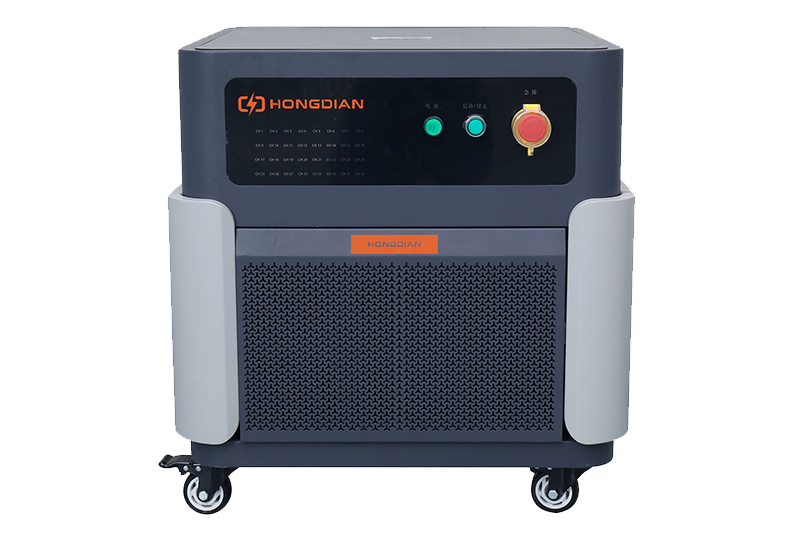 High-Precision Battery Testing System for Enhanced Performance Monitoring 30V/60V/100V/120V
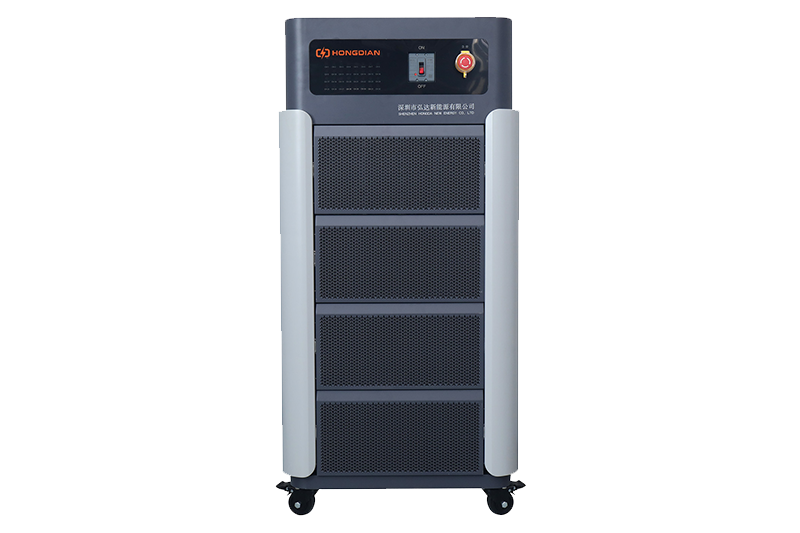 High-Precision Battery Charge Discharge Test Systems for EV Manufacturers
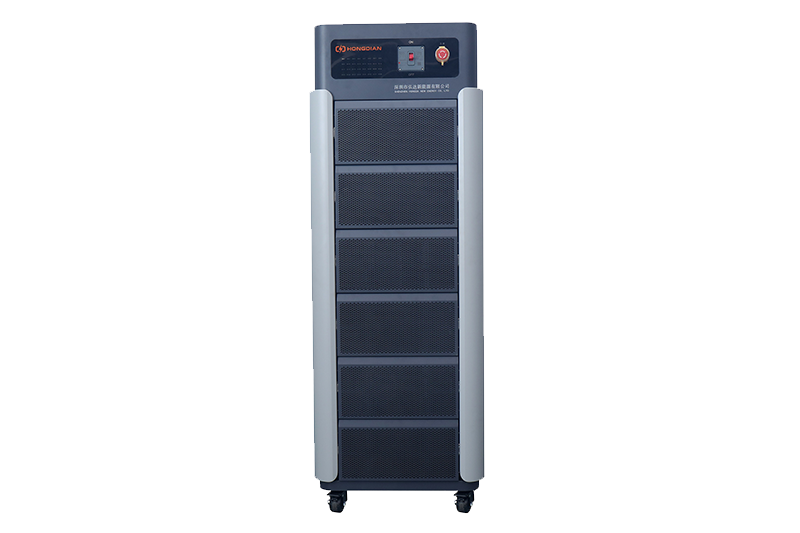 Precision Battery Test Racks for Cell Capacity & Internal Resistance Measurement
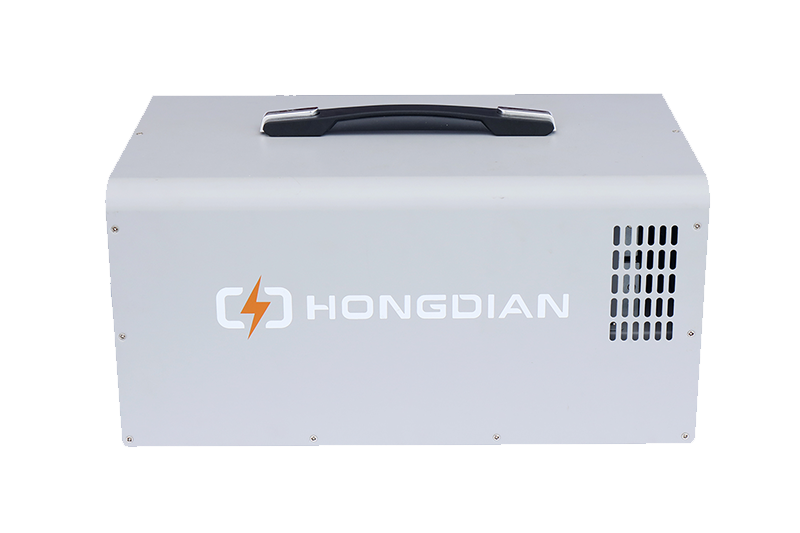 Multi-Channel Battery Testing Equipment for Parallel Performance Analysis