How to Choose the Best Battery Performance Tester for Your Needs
In the ever-evolving world of technology, ensuring that your battery systems operate at peak efficiency is essential, particularly in today's fast-paced environment where reliance on portable devices continues to grow. One critical tool that can help you achieve optimal battery performance is a Battery Performance Tester. This device not only allows users to assess the health and efficiency of their batteries but also provides invaluable insights into potential problems before they escalate into costly failures.
Selecting the right Battery Performance Tester can be a daunting task given the myriad of options available on the market. Factors such as battery types, testing capabilities, ease of use, and durability all play a crucial role in making a well-informed decision. In this guide, we will explore the top five battery performance testers of 2025, analyzing their unique features and benefits, to help you find the ideal tool that meets your specific needs. Whether you are a hobbyist, a professional technician, or simply an individual wanting to keep your devices in top shape, understanding the essentials of battery testing is vital to making the right choice.
Understanding Battery Types and Their Testing Requirements
When choosing a battery performance tester, it’s essential to understand the various battery types and their unique testing requirements. According to a report by the International Energy Agency (IEA), global demand for batteries is expected to reach 1,170 GWh by 2030, primarily driven by electric vehicle production and renewable energy storage needs. Each type of battery—lead-acid, lithium-ion, nickel-metal hydride—has distinct characteristics that inform the testing methodologies.
For instance, lead-acid batteries, commonly used in automotive applications, require load testing to assess their ability to deliver high currents for short periods. The Battery Council International recommends that testers should be capable of simulating a load of up to 1.5 times the battery's CCA (Cold Cranking Amps) rating for accurate results. Conversely, lithium-ion batteries, which are prevalent in portable electronics, demand more sophisticated testing methods, such as impedance testing, to evaluate health and capacity accurately. According to a study from the National Renewable Energy Laboratory (NREL), inaccuracies in this testing can lead to early battery replacements, which may cost consumers billions annually. Understanding these requirements ensures that users select the most appropriate testing equipment tailored to their specific battery types and applications.
How to Choose the Best Battery Performance Tester for Your Needs - Understanding Battery Types and Their Testing Requirements
| Battery Type |
Voltage (V) |
Capacity (Ah) |
Common Applications |
Testing Method |
| Lead-Acid |
12 |
50-200 |
Cars, motorcycles, UPS systems |
Load Testing |
| Lithium-ion |
3.7 |
1-100 |
Laptops, smartphones, electric vehicles |
Capacity Testing |
| Nickel-Cadmium |
1.2 |
0.5-5 |
Power tools, emergency lighting |
Internal Resistance Testing |
| Nickel-Metal Hydride |
1.2 |
1-3 |
Hybrid vehicles, rechargeable batteries |
Discharge Testing |
Key Features to Look for in a Battery Performance Tester
When selecting a battery performance tester, it’s essential to identify key features that can enhance the testing accuracy and usability of the device. A high-quality tester should provide a comprehensive load test that simulates real-world conditions, ensuring reliable performance metrics. According to a report by the Battery Council International, nearly 25% of all batteries fail prematurely due to inadequate testing. Therefore, opting for a tester that can assess voltage, cold cranking amps (CCA), and internal resistance is crucial for a thorough evaluation.
Another vital feature to consider is the tester's ease of use. A user-friendly interface with clear digital displays and straightforward navigation can significantly streamline the testing process, especially for technicians who handle multiple batteries daily. The market has seen advanced models that include Bluetooth connectivity for data transfer to mobile devices, which can be a game-changer for record-keeping and performance tracking.
Tips: When choosing a battery performance tester, prioritize models that offer both analog and digital readouts to cater to different user preferences. Additionally, consider devices that come with a comprehensive user manual and customer support to assist you in optimizing your testing procedures.
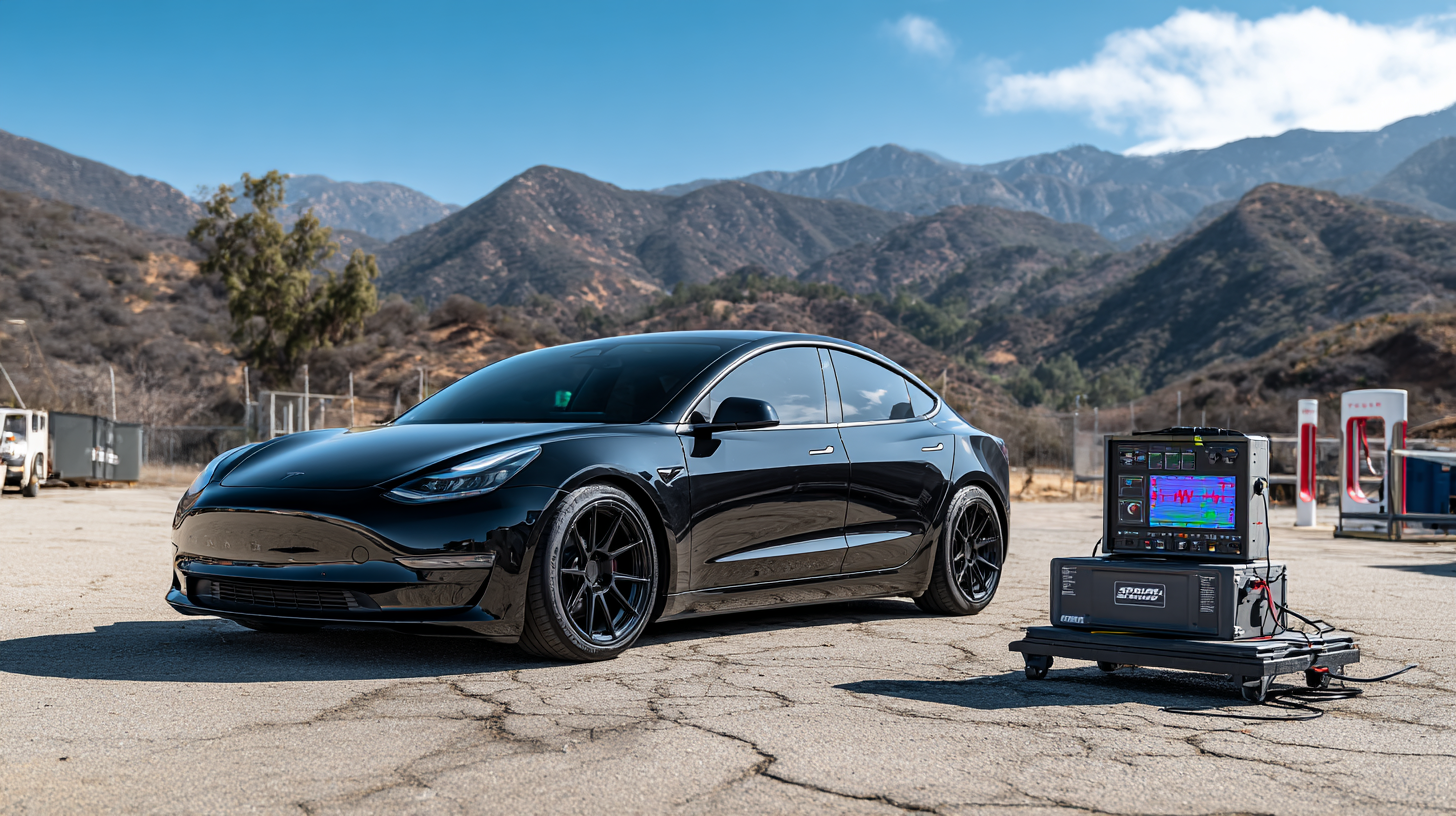
Comparing Analog and Digital Battery Testers: Pros and Cons
When selecting a battery performance tester, understanding the differences between analog and digital testers is crucial. Analog testers, which have been around for decades, utilize a needle and dial system to present readings. They are often praised for their simplicity and durability, making them a favorite for quick diagnostic checks. According to a report by the Battery Council International, analog testers can effectively gauge voltage and specific gravity in lead-acid batteries, making them applicable for basic automotive needs. However, their accuracy can be limited—especially for small discrepancies that might go unnoticed on a simplistic dial.
On the other hand, digital battery testers have gained popularity due to their precision and advanced features. These testers offer a wider range of measurements, including internal resistance and load testing, which are critical for assessing battery health. A study conducted by Frost & Sullivan highlights that digital testers can provide readings that are ±0.1 volts accurate, greatly reducing the margin of error found in their analog counterparts. Furthermore, many digital testers now come with software capabilities, allowing users to store and analyze data, which is invaluable for professional mechanics and workshops. As the battery industry continues to evolve, the choice between analog and digital testers will largely depend on the user's specific needs and testing frequency.
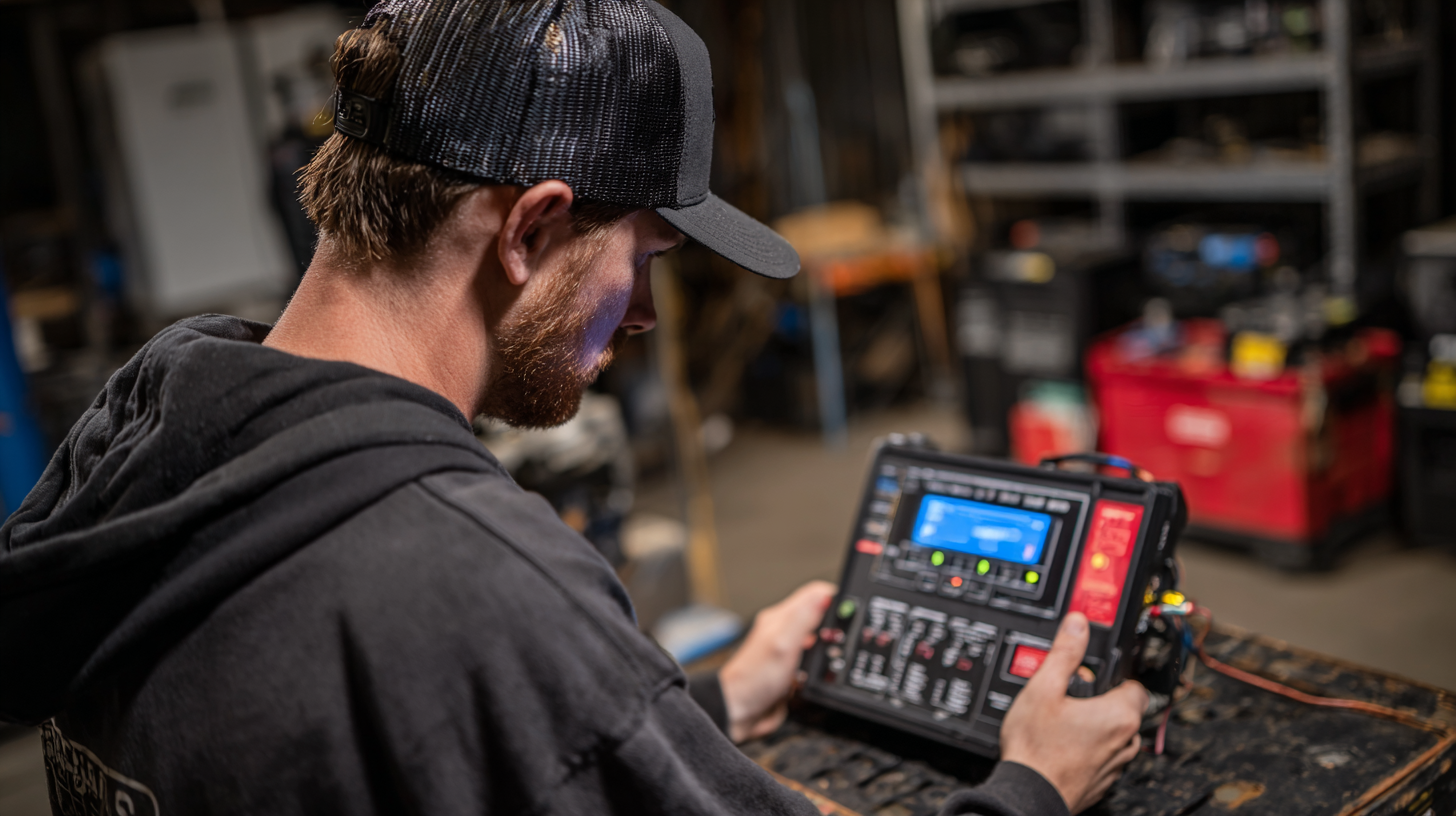
Essential Tips for Choosing the Right Tester for Your Budget
When it comes to choosing a battery performance tester, aligning your selection with your budget and needs is crucial. According to the latest market analysis by Research and Markets, the demand for battery testers is projected to grow by 6.5% annually over the next five years. This reflects an increasing focus on maintaining battery efficiency in various applications, from automotive to renewable energy systems.
Tip 1: Assess Your Requirements – Before investing, clearly define what you need the tester for. Whether it’s for automotive batteries, household devices, or industrial applications, different testers cater to specific types of batteries and their unique performance metrics.
Tip 2: Check Key Features – Look for essential features such as load testing, digital readouts, and compatibility with various battery types. A tester that provides detailed analytics can save you money in the long run by allowing you to identify battery performance issues early on.
Keeping these tips in mind, you can find a testing solution that not only fits your budget but also ensures optimal battery performance and longevity.
Top Brands and Models Recommended by Experts in the Field
When it comes to selecting the best battery performance tester, expert recommendations can provide invaluable insights. Leading brands such as Midtronics, Fluke, and Ansmann stand out for their reliability and innovation in battery testing technology. Midtronics offers advanced diagnostic tools that are widely recognized for automotive applications, providing detailed analysis of battery health and performance. Their models, like the Midtronics MDX-650, are known for accuracy and user-friendly interfaces, making them ideal for both professionals and DIY enthusiasts.
Fluke, another industry giant, is celebrated for its durable and multifunctional testing equipment. The Fluke 500 series, for example, includes advanced features such as temperature compensation and the ability to test a variety of battery types, ensuring comprehensive assessments for users. On the other hand, Ansmann focuses on efficiency and precision, with models like the Ansmann Energy Check, which cater specifically to smaller batteries. Their testers are excellent for home use, providing easy-to-read results that help users quickly determine battery status. Each of these brands offers unique advantages, depending on your specific testing needs and preferences.
Battery Performance Tester Comparison

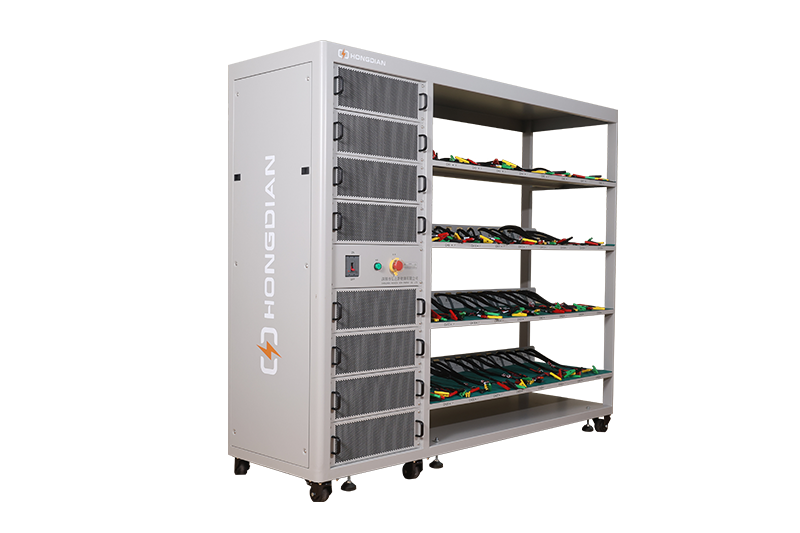 32/48 channel battery charging and discharging test integrated battery cabinet
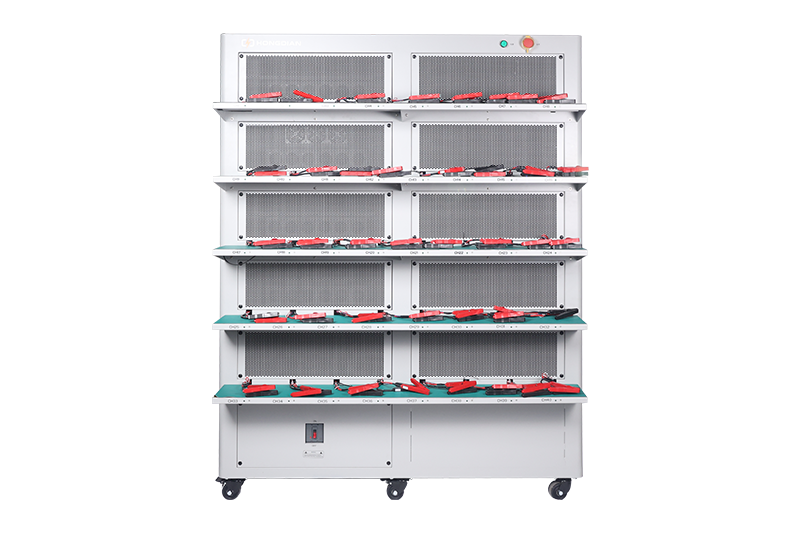 40 channel battery charging and discharging test integrated battery cabinet
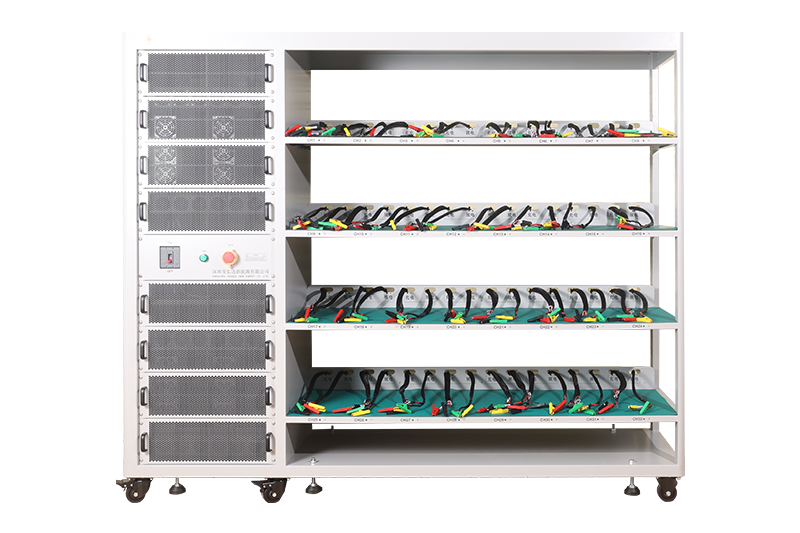 64 channel battery charging and discharging test integrated battery cabinet
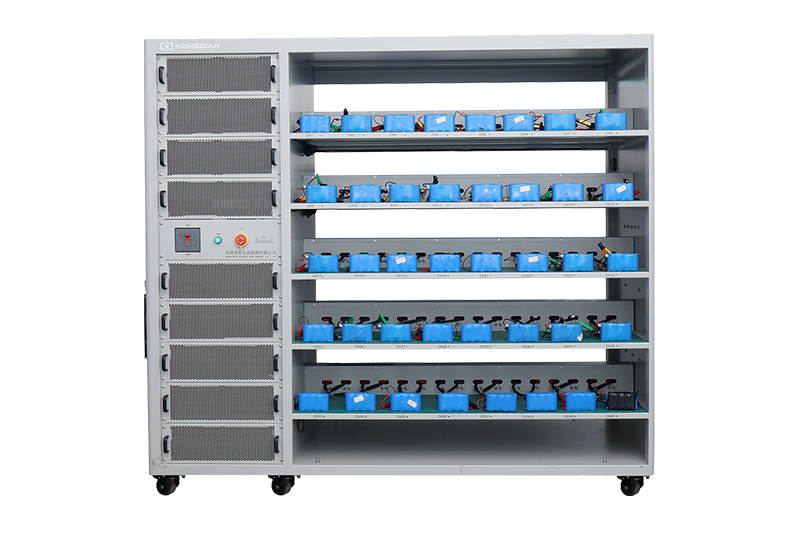 80 channel battery charging and discharging test integrated battery cabinet
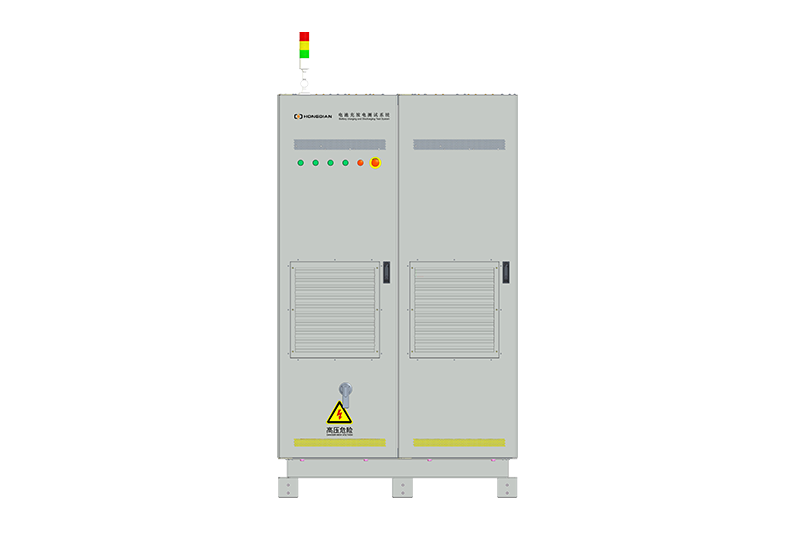 1000V-1500V High Voltage High Current Battery Testing System
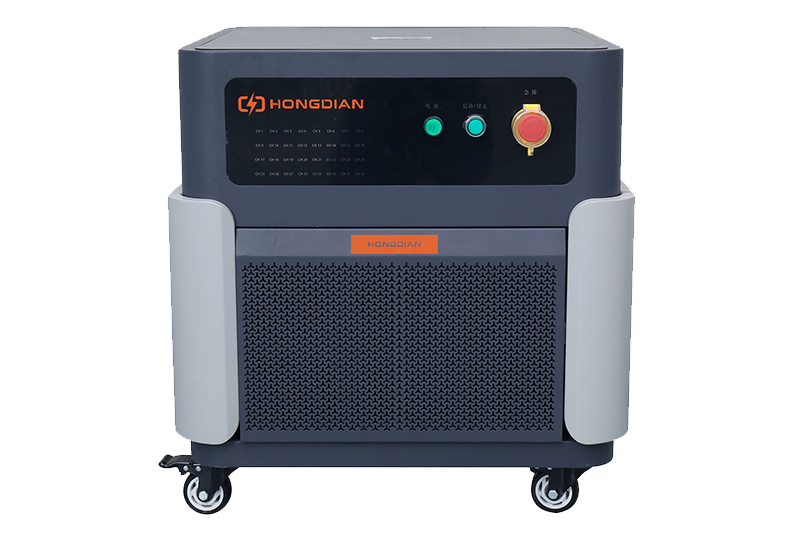 High-Precision Battery Testing System for Enhanced Performance Monitoring 30V/60V/100V/120V
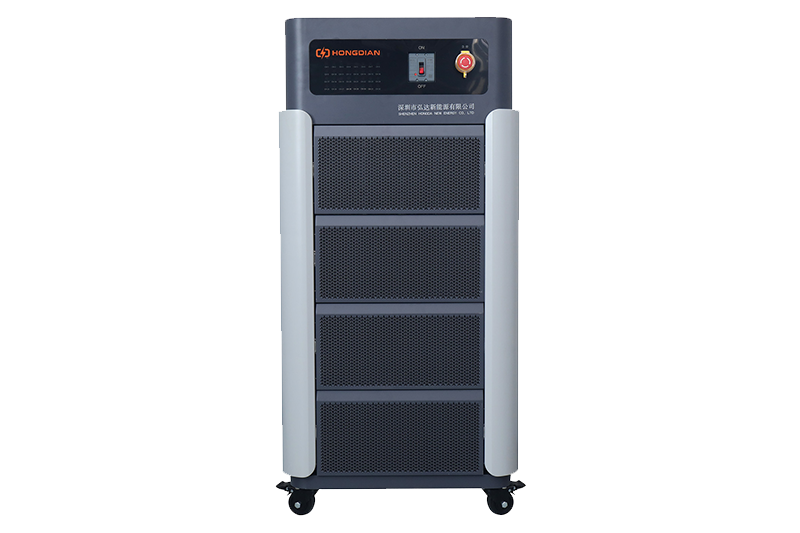 High-Precision Battery Charge Discharge Test Systems for EV Manufacturers
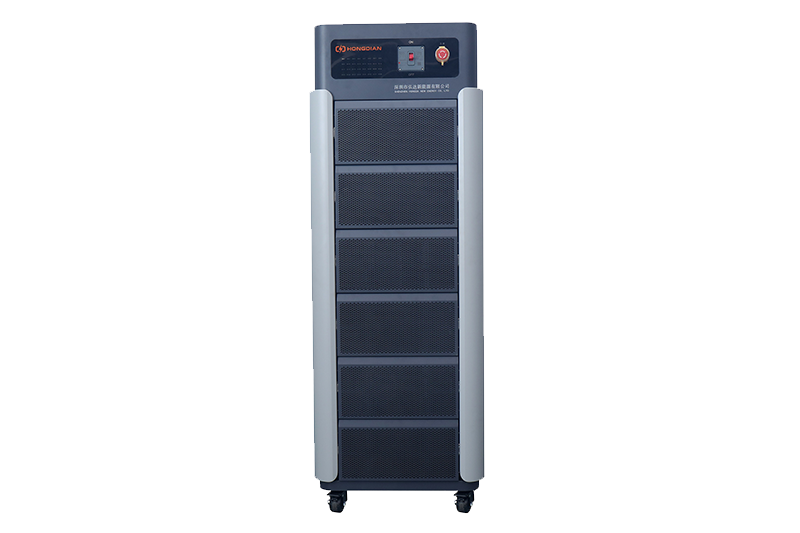 Precision Battery Test Racks for Cell Capacity & Internal Resistance Measurement
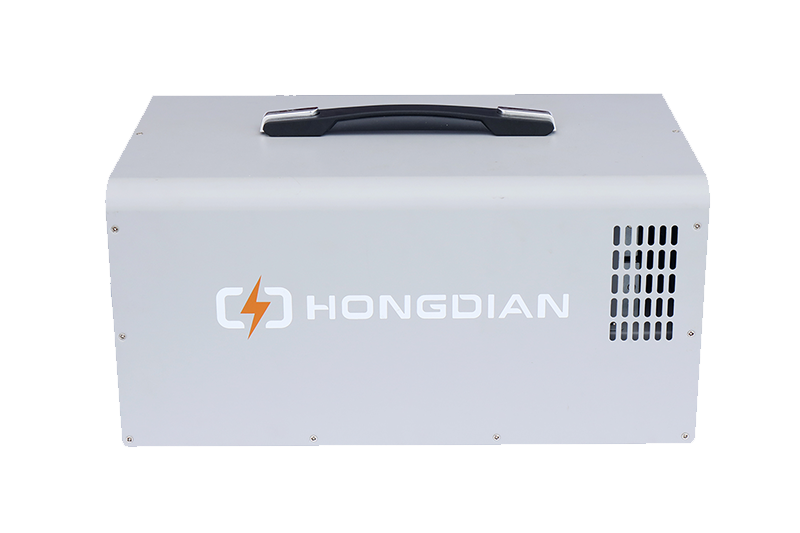 Multi-Channel Battery Testing Equipment for Parallel Performance Analysis